
Michelin Selected
The St. Regis Lhasa Resort sits at 3,650 metres above sea level on Jiangsu Road, making it one of the highest-altitude luxury properties carrying a MICHELIN Selected designation anywhere in China. The architecture draws on Tibetan monastic forms while the interiors observe the brand's signature Butler Service standard. For travellers entering the plateau, it anchors the short list of internationally credentialed stays in Lhasa.

Pearl is the En Primeur Club membership app — saves, bookings, and concierge access live there. Same editors, same standards.
- Address
- 22 Jiangsu Rd, Lhasa, Tibet, China, 850001
- Phone
- +86 891 680 8888
- Website
- marriott.com
- Directions
- Get directions
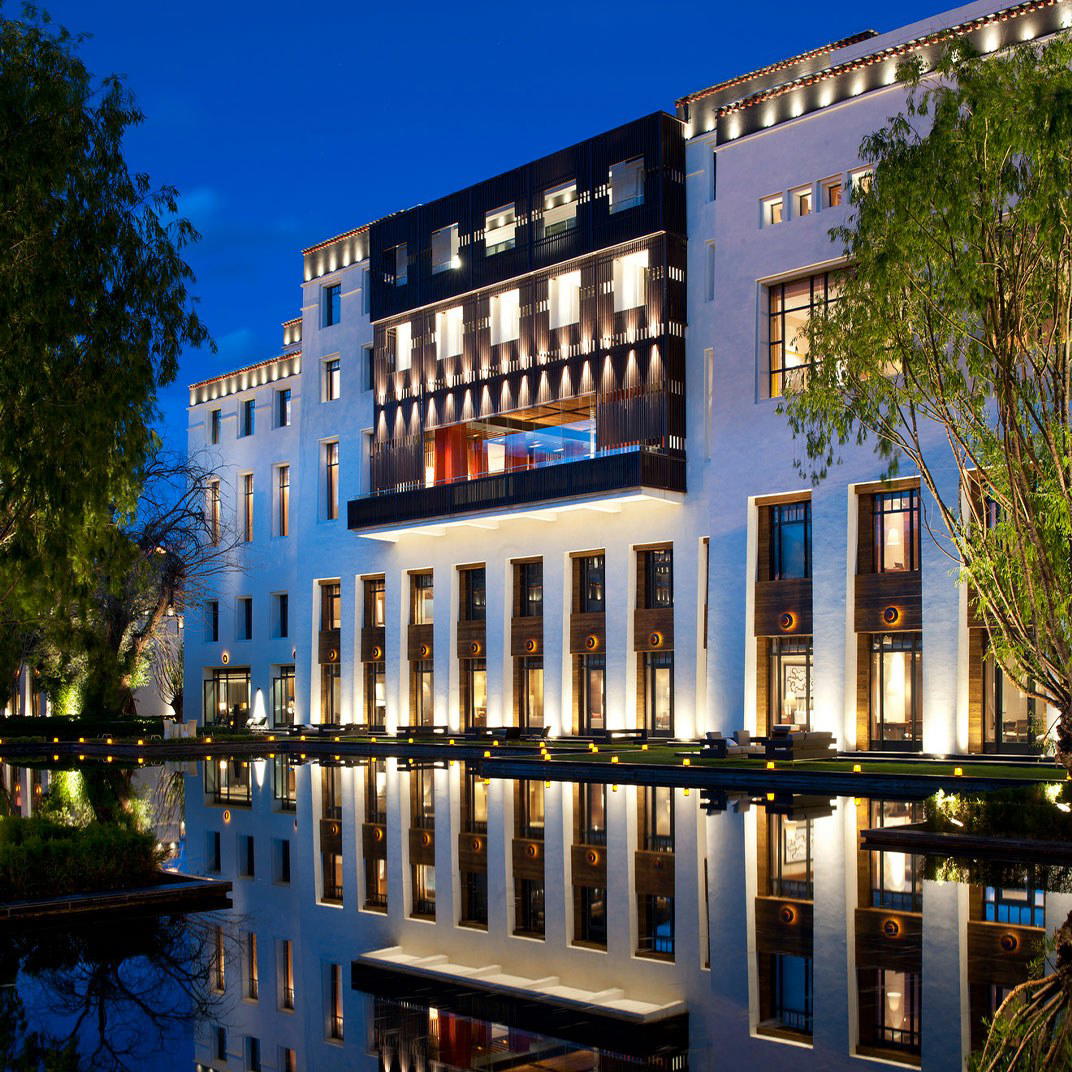
Arriving at altitude: the physical reality of luxury in Lhasa
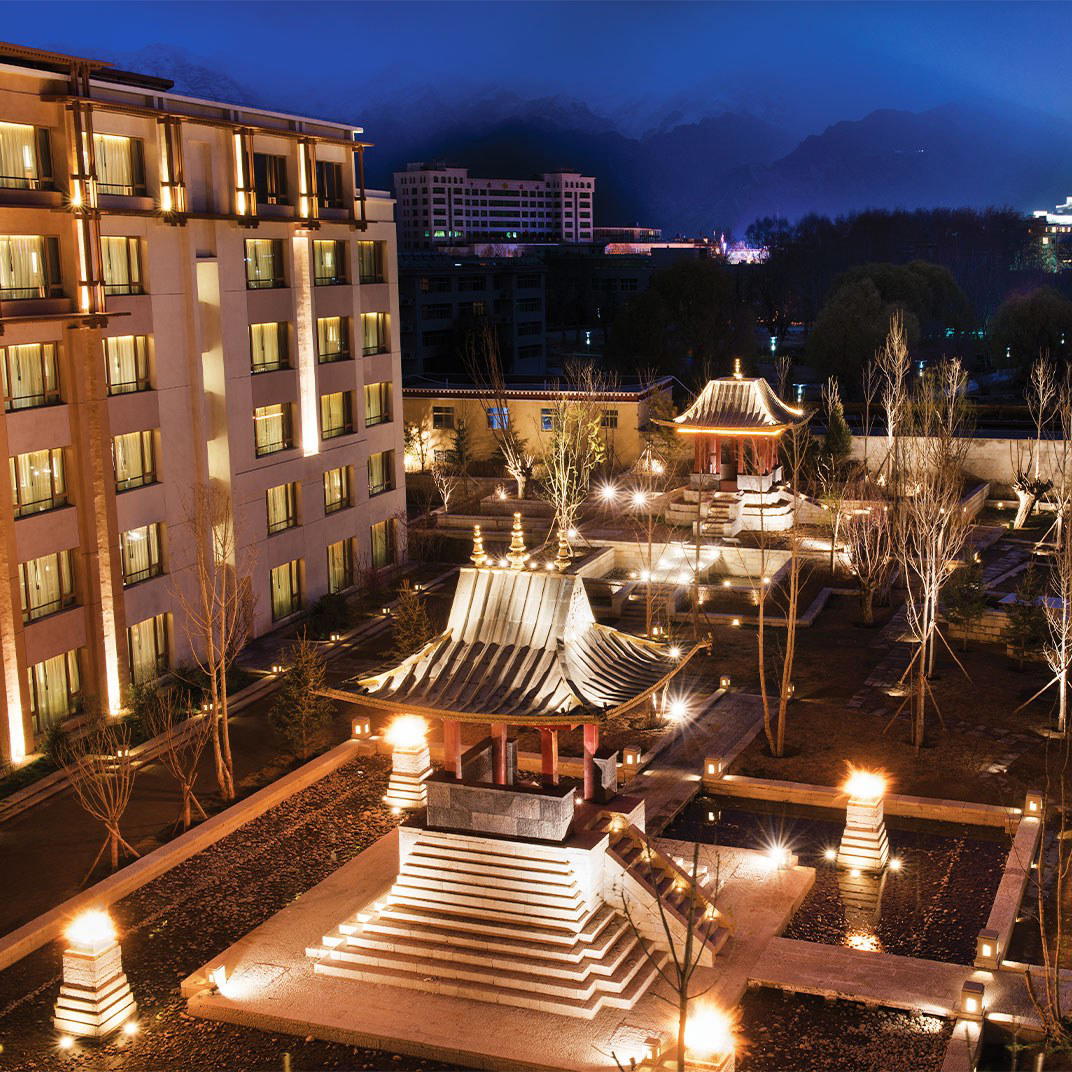
There is a specific quality of light on the Tibetan Plateau that no interior design team can replicate indoors. At 3,650 metres, the sky above Lhasa carries an ultraviolet clarity that makes stone facades read differently than they do at sea level. The St. Regis Lhasa Resort on Jiangsu Road sits inside that environment, and the architectural decision to reference Tibetan monastic massing — the tiered horizontal volumes, the narrow aperture windows, the use of materials that echo rammed-earth construction — responds directly to that context rather than ignoring it. This is the central architectural tension in high-altitude luxury: whether to build a sealed international bubble or to let the place assert itself through the structure. The approach taken here leans toward the latter, which places the property in a distinct position among internationally branded hotels operating at this elevation.
Among the small number of internationally credentialed properties in Lhasa, the St. Regis competes in a bracket that also includes the Hotel, Lhasa and the more intimate Songtsam Linka Retreat Lhasa. Each occupies a different position: the Songtsam operates as a design-led boutique in the Tibetan tradition; the carries the scale and F&B depth of a large international footprint; the St. Regis positions itself through the brand's signature service model at a property where the physical environment is, in itself, a primary feature. The MICHELIN Selected designation in the 2025 guide confirms its placement in the credentialed tier without specifying the category drivers, but MICHELIN's hotel selection process weights both physical standard and service consistency, which gives that recognition interpretive weight.
The design logic at this address
Tibetan architecture is not decorative in origin. The thick walls, small windows, and vertical tapering of traditional structures were engineering responses to temperature extremes and seismic conditions. When a luxury hotel references that vocabulary, the question is how literally or how loosely it does so. The St. Regis Lhasa sits at an address where the surrounding built environment, the proximity to the Jokhang Temple precinct and the Barkhor circuit, creates a visual context that rewards architectural specificity over generic luxury minimalism. Properties that read as transplanted metropolitan hotels in this setting tend to feel disconnected; properties that work with the palette and massing logic of the plateau tend to feel grounded in a way that matters to travellers who have made a deliberate journey to this specific location rather than a generic luxury destination.
That design calibration becomes more consequential at altitude than it does in, say, a coastal resort context. Compare the approach to internationally branded properties in other Chinese cities: the Mandarin Oriental Qianmen in Beijing works with the hutong-adjacent urban grain; the Ritz-Carlton in Xi'an operates near the Tang-dynasty city wall. In each case, the property's relationship to its immediate historical context shapes how the luxury offer reads to the guest. Lhasa operates at a higher degree of difficulty, because the context is not just historical but environmental, spiritual, and logistically demanding. A property that absorbs those conditions into its architecture rather than sealing them out tends to sustain the guest's engagement with place rather than providing relief from it.
The St. Regis brand standard at elevation
The St. Regis chain built its identity on Butler Service, a 24-hour personal attendant model that originated at the brand's founding New York property. That standard is consistent across the portfolio, from The Fifth Avenue Hotel in New York City to mountain and resort properties worldwide. In Lhasa, the practical implications of that service model interact with altitude acclimatisation in ways that matter to the guest experience. Travellers arriving from lower elevations, which means every international guest and most domestic travellers, face 48 to 72 hours of adjustment that affects sleep, appetite, and physical capacity. A Butler Service property is structurally better positioned to manage that period than a self-service hotel, because the attendant model allows for responsive, on-demand support rather than fixed service windows. That is not a marketing point; it is a practical consequence of how the brand's operating model aligns with the conditions of this specific address.
The St. Regis model has demonstrated in other extreme-environment postings, alpine and remote-island properties among them, that the service layer carries more weight relative to F&B and recreational programming when the environment itself is the primary draw. Lhasa operates on that logic. Guests are not arriving for the restaurant program or the spa in the way they might at a beach property. They are arriving because Lhasa is Lhasa, and the hotel's role is to make the engagement with that city logistically and physically manageable at a high standard.
Planning the stay: logistics at this latitude
Entry to Tibet requires a Tibet Travel Permit in addition to a Chinese visa, regardless of nationality. The permit is obtained through a registered travel agency inside China and cannot be secured independently. Most travellers arrive via Lhasa Gonggar Airport, approximately 62 kilometres from the city centre, or by rail on the Qinghai-Tibet Railway, which holds the distinction of being the world's highest railway and offers a gradual altitude gain that can reduce the severity of acclimatisation. A minimum stay of three nights in Lhasa before attempting higher-elevation excursions is a widely cited acclimatisation guideline among altitude medicine practitioners.
For booking and planning context, the St. Regis Lhasa sits at 22 Jiangsu Road. The property's MICHELIN Selected status in the 2025 guide means it appears in an externally verified credentialed tier, which is a useful reference point for travellers comparing properties across the city. For a wider survey of dining and accommodation in Lhasa, see our full Lhasa restaurants guide.
For travellers considering the St. Regis brand at other Chinese destinations before or after a Tibet itinerary, the St. Regis Shenzhen Bao'an offers a direct brand comparison at sea level. Other internationally credentialed options across China include the JW Marriott Hotel Shanghai at Tomorrow Square, the InterContinental Chongqing Raffles City, and the Conrad Xiamen. For travellers building a Yunnan-Tibet circuit, the Hylla Vintage Hotel in Lijiang and the Songtsam Meili Lodge in the Diqing Prefecture represent the design-led boutique end of that regional circuit. At the international reference level, the St. Regis Lhasa's positioning is comparable in brand tier to properties such as Badrutt's Palace Hotel in St. Moritz and Hôtel de Paris Monte-Carlo, where the destination itself carries as much weight as the property in the guest's decision.
In Context: Similar Options
| Venue | Price | Awards |
|---|---|---|
| The St. Regis Lhasa ResortThis venue — the venue you are viewing | Not listed | Michelin Selected |
| Conrad Xiamen | $100–200 | Forbes 4-Star |
| Rosewood Beijing | $200–300 | 2 Michelin Keys · La Liste Top Hotels |
| Banyan Tree Macau | $300–500 | 2 Michelin Keys · La Liste Top Hotels |
| The Ritz-Carlton, Xi'an | Not listed | Michelin Guide New Hotels New Hotel · Michelin Selected |
| Waldorf Astoria Shanghai on the Bund | Not listed | 1 Michelin Key · La Liste Top Hotels |
Recognition history
Dated appearances from independent guides and award organizations, with the underlying list record or original source where available.
Michelin Selected
Michelin
Continue exploring
More in Lhasa
Details
- Elegant
- Sophisticated
- Scenic
- Quiet
- Ornate
- Romantic Getaway
- Honeymoon
- Wellness Retreat
- Panoramic View
- Butler Service
- Spa
- Pool
- Room Service
- Concierge
- Wi Fi
- Restaurant
- Indoor Pool
- Fitness Center
- Business Center
- Mountain
- Elevator
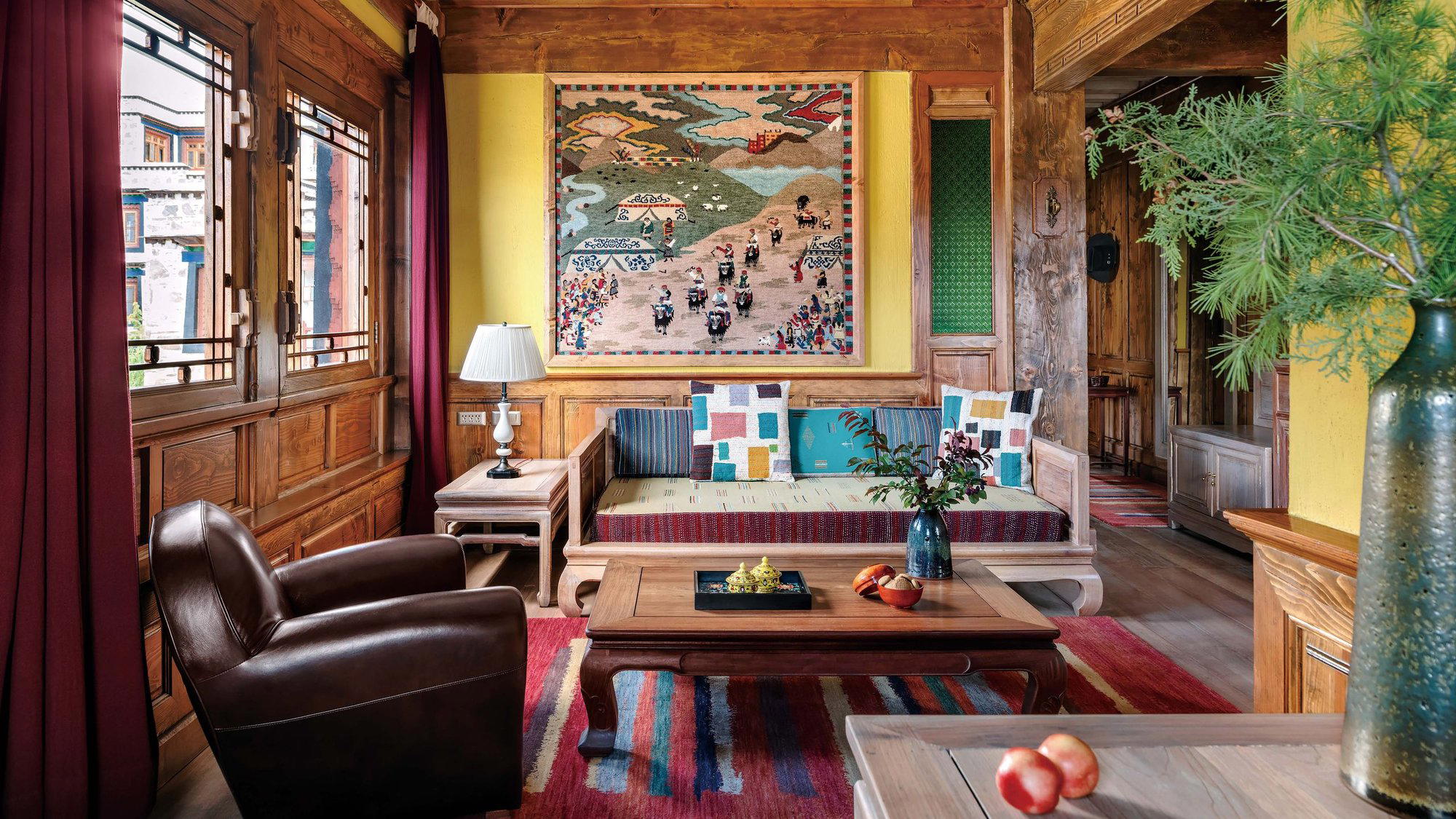
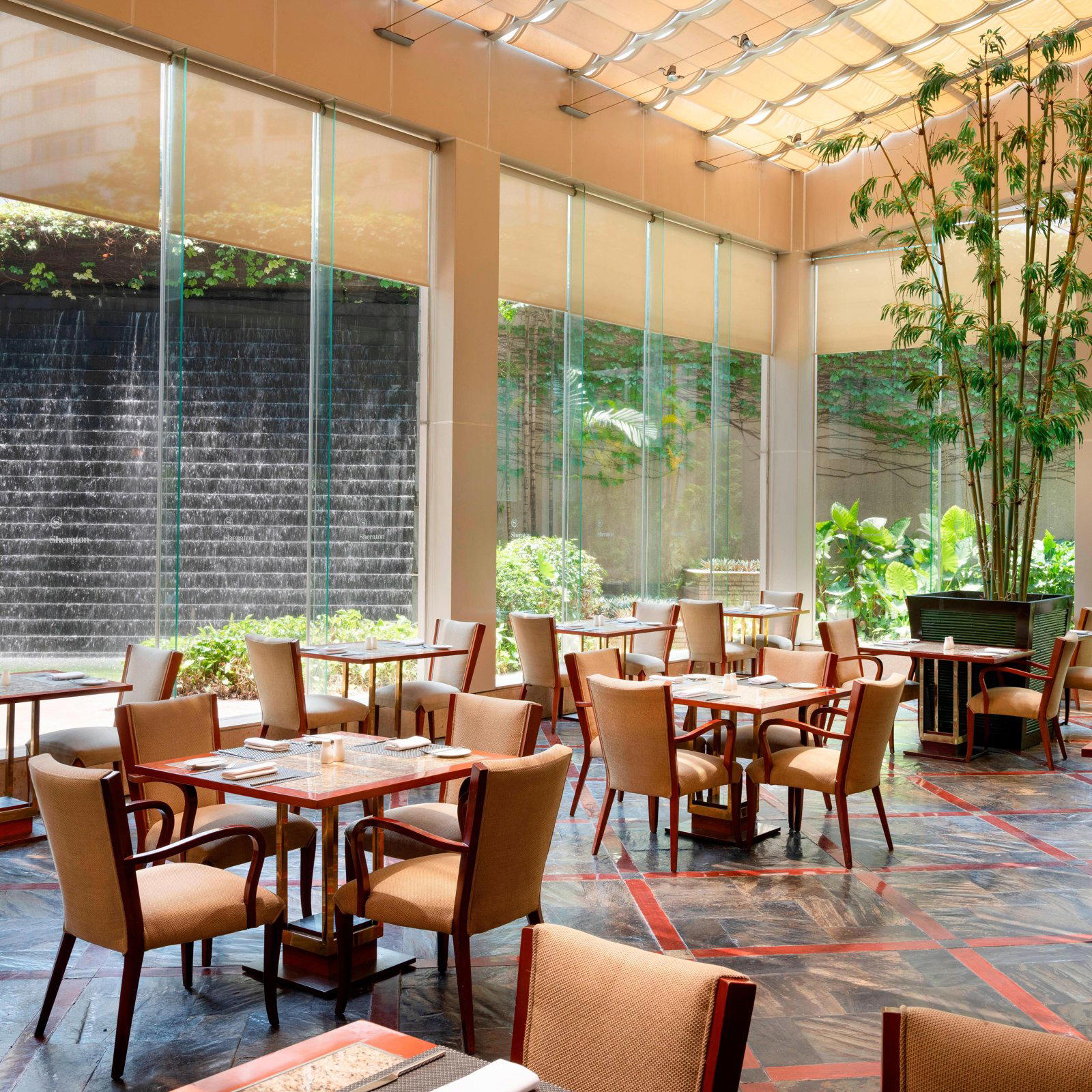
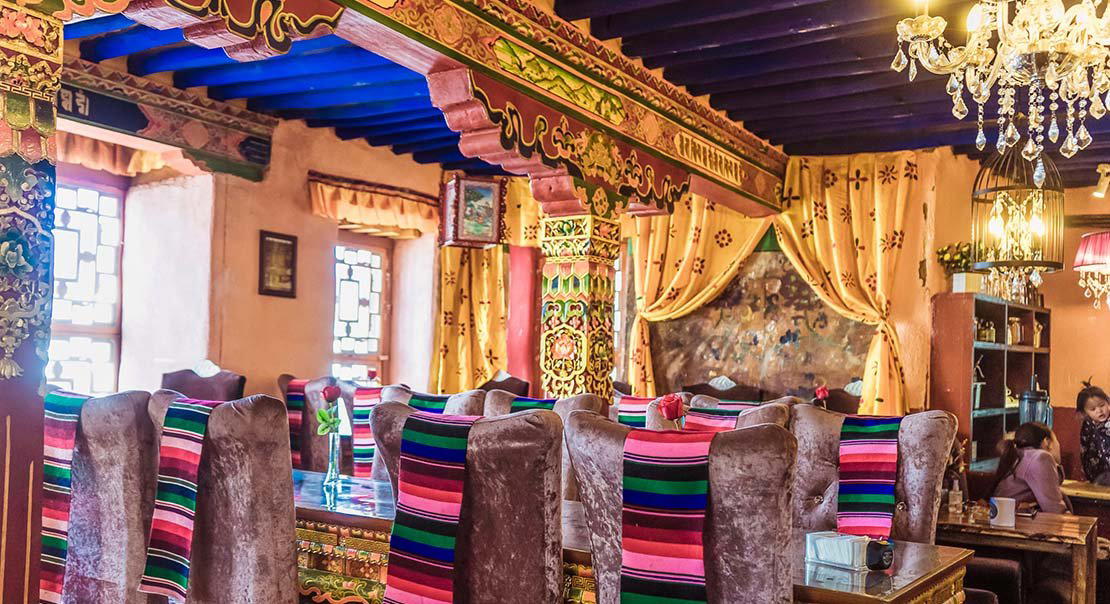
Sophisticated and serene with warm lighting, neutral tones of beige and gray, natural wood accents, and Tibetan cultural motifs creating a peaceful monastic-inspired atmosphere.