Our verdict
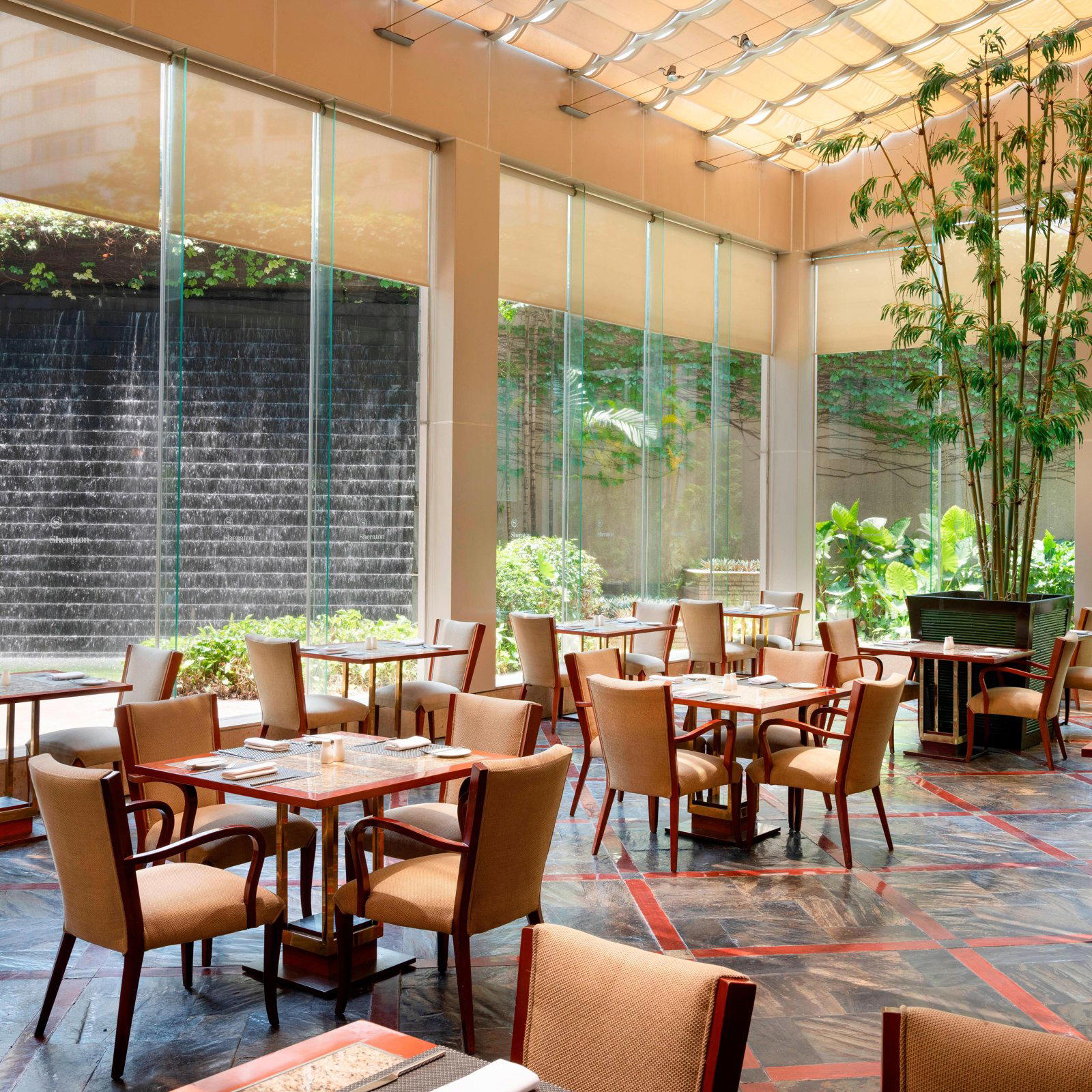
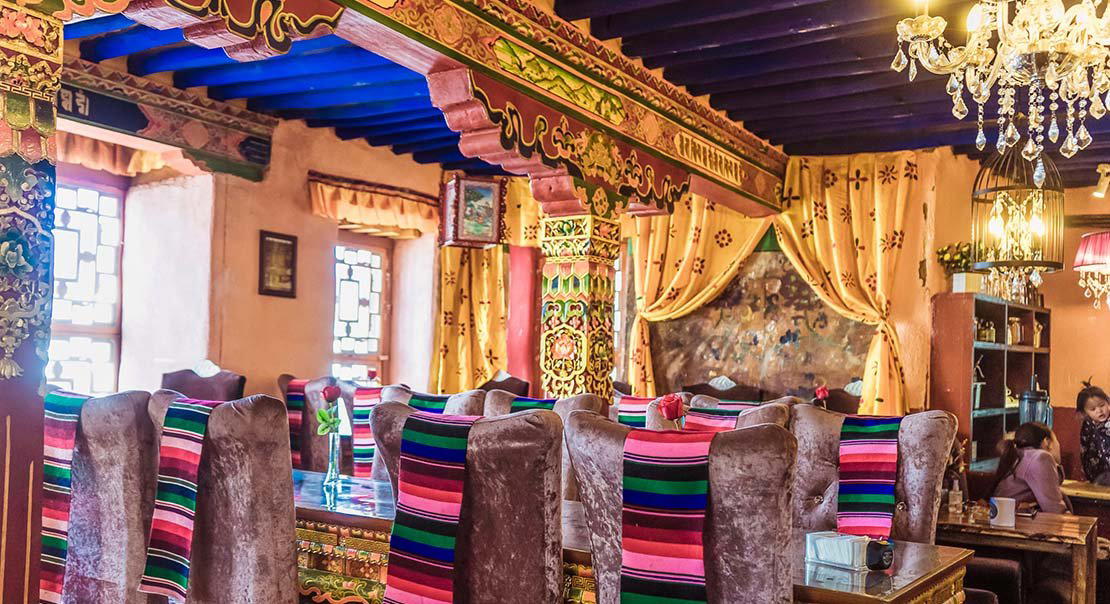
Chinese & Tibetan Restaurant sits in Lhasa’s practical middle ground, where Tibetan staples and broader Chinese cooking meet the needs of travellers moving through Chengguan District. Its value is less about ceremony than context: a table here helps explain how high-altitude ingredients, Han Chinese technique, and local dining habits coexist in the city.

Pearl is the En Primeur Club membership app — saves, bookings, and concierge access live there. Same editors, same standards.
- Address
- No.1 Zongzan Road, Wencheng Avenue, Chengguan District
- Directions
- Get directions
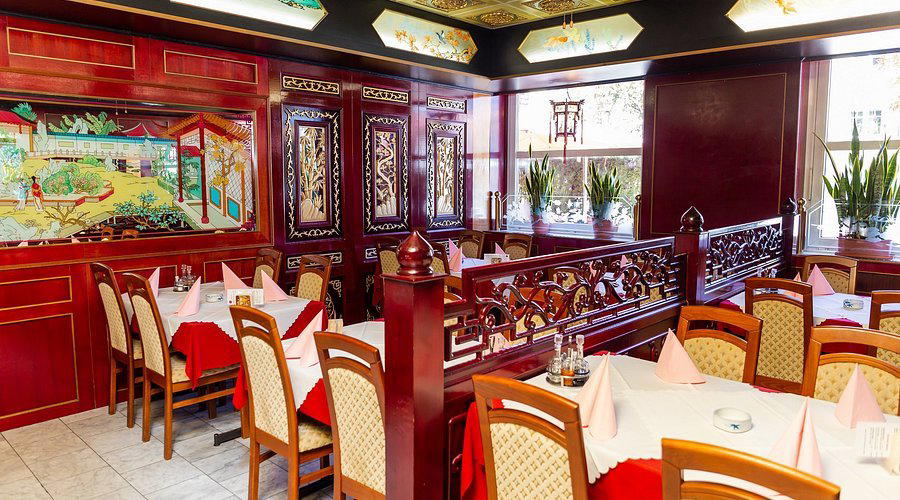
Approaching a restaurant in Lhasa is rarely only about the room. The city’s dining rhythm is shaped by altitude, travel routes, official business, hotel corridors, and the practical demands of feeding people who may want several styles of meal at the same table. Chinese & Tibetan Restaurant belongs to that mixed category: not a temple of narrow specialization, but a useful expression of how the city’s dining needs can overlap.
That matters in Lhasa because local food culture is often reduced by outsiders to a short list of assumptions. The more interesting story is the setting behind the meal. Highland conditions, travel patterns, stored goods, and practical restaurant formats all speak to a place where dining is shaped by elevation, climate, and movement through the city. The overlap is the point: this is a city where regional identity and broader dining habits meet daily, not theoretically.
High-altitude context sets the terms of the meal
Lhasa’s food culture begins with constraint as much as abundance. At this elevation, ingredients and preparations that suit the local environment tend to matter more than delicate signals of luxury. A restaurant carrying a name that points in more than one direction sits in the zone where travellers can read the city through the structure of the meal rather than through a single fixed idea of what should be on the table.
The practical advantage is range. A table can move between local familiarity and broader restaurant expectations without turning dinner into a specialist exercise. That is useful for groups, families, and first nights in the city, when altitude and appetite do not always move at the same pace. For a broader local counterpoint, other Lhasa dining rooms give additional angles on everyday dining, while Western Restaurant reflects the parallel demand for non-local formats in the same city.
The Lhasa dining split: local habits, traveller needs, and flexible formats
Lhasa’s restaurant scene is not built like larger dining capitals, where competitive dining often revolves around specialization and status. Here, breadth has its own logic. Venues that can speak to more than one dining expectation answer a local reality: mixed groups, uneven appetites, and diners arriving from rail, road, or flight with different needs. Chinese & Tibetan Restaurant is better understood inside that functional category than as a trophy reservation.
That distinction helps set expectations. The draw is not presented here as a named-chef or tasting-menu proposition. It is the ability to use one Lhasa table as a practical point of orientation and see how the city’s setting shapes everyday dining. Readers mapping the wider city should start with Our full Lhasa restaurants guide, then branch into Our full Lhasa hotels guide, Our full Lhasa bars guide, Our full Lhasa wineries guide, and Our full Lhasa experiences guide for the broader travel frame.
How it fits beside China's regional dining map
Seen against China’s larger restaurant map, Lhasa rewards a different kind of attention. Compare it generically with the ingredient precision, formality, or coastal-regional focus found in other Chinese cities. Lhasa’s interest lies less in refinement signals and more in adaptation: what suits altitude, what travels into the city, and how broader restaurant formats absorb local context.
For further contrast, other regional dining rooms across China can read through polish, capital-city dining culture, compact local-snack traditions, or international formats. Even more casual outliers underline the same lesson: context decides what a restaurant is for. In Lhasa, the strongest reading is often logistical, cultural, and environmental at once.
Frequently asked questions
Is Chinese & Tibetan Restaurant okay with children?
Yes, it suits children as a practical Lhasa dining stop rather than a formal tasting-room setup. Its Lhasa setting points to a straightforward restaurant format.
How would you describe the vibe at Chinese & Tibetan Restaurant?
The feel is functional and local, shaped by its Lhasa setting rather than by any fine-dining staging. It suggests a room built for steady meals, not ceremony.
What's Chinese & Tibetan Restaurant's location?
Lhasa.
Do they take walk-ins at Chinese & Tibetan Restaurant?
Walk-ins may be possible, but reservation details are not established here. Check the venue's official channels for the latest details.
What's the standout thing about Chinese & Tibetan Restaurant?
Its draw is the mixed dining position implied by the name in Lhasa. In a city where restaurants often reflect altitude, travel, and local context, that positioning carries real relevance.
How does Chinese & Tibetan Restaurant handle allergies?
Treat allergens as a direct conversation before ordering, especially common bases and seasonings used across Lhasa restaurant cooking. Clarifying ingredients directly with the venue is the safest approach.
Fast Comparison
Comparable venues by cuisine and price in the same metro.
| Venue | Cuisine |
|---|---|
| Chinese & Tibetan RestaurantThis venue — the venue you are viewing | Not listed |
| Western Restaurant | Hotel Buffet with Western and Tibetan Dishes |
| Yan Ting 宴庭 | Cantonese Fine Dining |
Continue exploring