
Soodle holds consecutive Michelin Bib Gourmand recognition in 2024 and 2025, making it one of Guangzhou's most consistent addresses for affordable vegetarian dining. Located in Tianhe District, the kitchen works within a ¥¥ price range and positions itself firmly in the city's growing plant-forward movement. For diners tracking value-to-quality ratios across Guangzhou's restaurant scene, Soodle merits attention alongside the city's broader vegetarian cohort.
Pearl is the En Primeur Club membership app — saves, bookings, and concierge access live there. Same editors, same standards.
- Address
- China, CN 广东省 广州市 天河区 1 层 邮政编码: 510623
- Phone
- +86 20 8565 6013
- Directions
- Get directions
 Saves & bookings on Pearl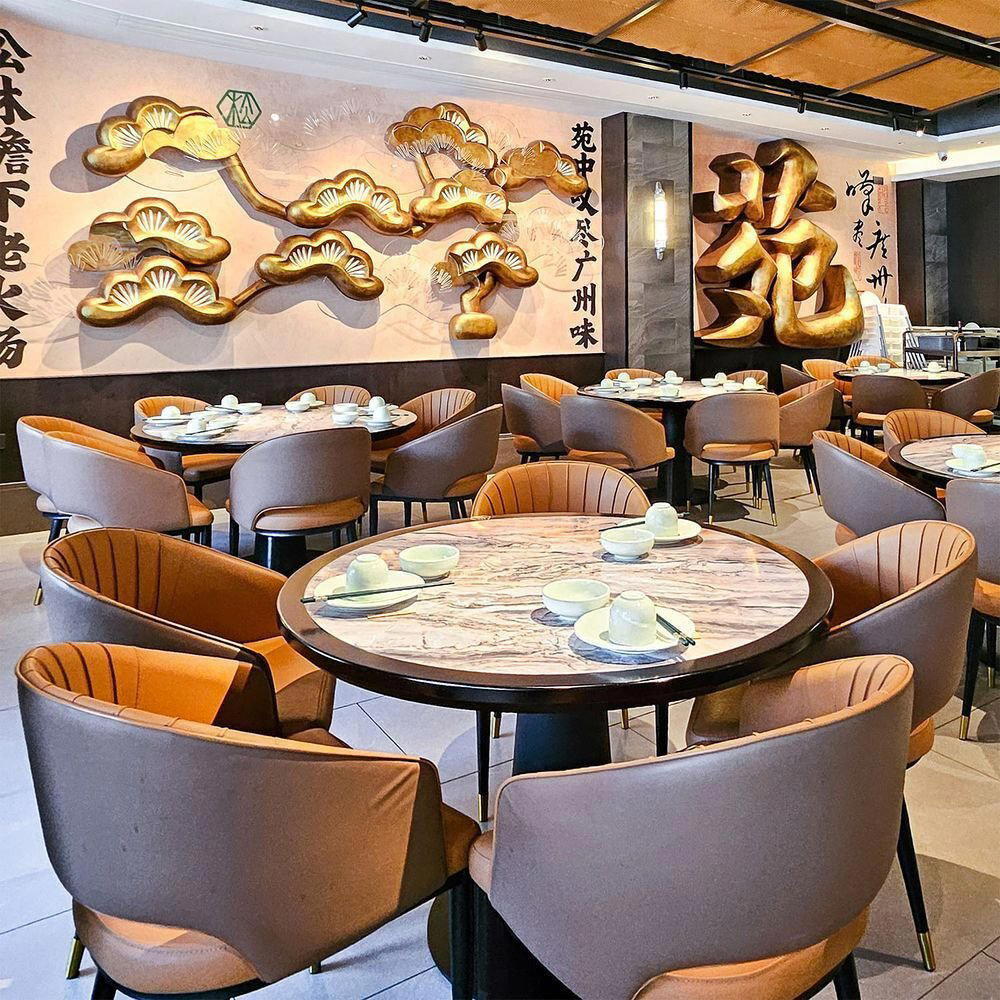
Where Guangzhou's Plant-Forward Dining Earns Its Credentials
Tianhe District is Guangzhou's commercial engine, dense with office towers, shopping complexes, and the kind of lunch trade that keeps a restaurant honest. It is not, by default, where you expect to find a vegetarian kitchen earning back-to-back Michelin Bib Gourmand recognition. Yet that is precisely the context in which Soodle operates: a mid-price plant-based address holding consecutive Bib Gourmand citations in 2024 and 2025, sitting inside a neighbourhood better known for Cantonese roast meat than anything leaf-forward.
That positioning is worth pausing on. The Bib Gourmand designation, which Michelin reserves for restaurants offering quality cooking at accessible prices, carries a different weight than any star. It signals value and consistency rather than technical ambition at any cost. For a vegetarian restaurant in a city whose culinary identity is so thoroughly built around Cantonese protein traditions, holding that citation two years running places Soodle in a narrow peer group. Fu He Hui in Shanghai and Lamdre in Beijing represent the higher-end tier of that cohort; Soodle occupies the more accessible bracket, where the argument for plant-based eating reaches a wider daily audience.
The Broader Shift in Chinese Vegetarian Cooking
Chinese vegetarian cuisine has a longer and more sophisticated history than its Western counterpart often acknowledges. Temple cooking, rooted in Buddhist dietary practice, has shaped regional vegetarian traditions for centuries, particularly in Guangdong, Zhejiang, and Fujian provinces. What has changed in the past decade is the audience: younger urban diners in cities like Guangzhou are engaging with plant-based eating not primarily through religious observance but through a combination of health awareness, environmental concern, and a growing curiosity about food systems. Restaurants that connect to this shift at an approachable price point, as the ¥¥ bracket at Soodle suggests, tend to build durable followings rather than trend-dependent ones.
The environmental argument for reducing meat consumption is particularly pointed in a city the size of Guangzhou, where the aggregate food system footprint is substantial. A vegetarian kitchen, almost by structural definition, operates with a lower carbon and water intensity than one dependent on livestock supply chains. Whether a given restaurant foregrounds that fact explicitly or simply demonstrates it through the plate is a secondary question; the material reality is present either way. Across China's tier-one cities, vegetarian dining has moved from a niche defined by absence (no meat) to one increasingly defined by presence: distinctive technique, regionally sourced produce, and cooking that does not position itself as a compromise.
Soodle in the Guangzhou Vegetarian Context
Guangzhou's vegetarian scene has grown meaningfully alongside the city's broader restaurant expansion, though it remains a smaller segment than the dominant Cantonese and Chaozhou traditions. Addresses like Plant-Based Kitchen and Zen Tea map different points on the spectrum, from contemporary format to tea-centred ritual. Soodle's consecutive Bib Gourmand citations position it as the value-anchor of the city's recognised plant-forward addresses, the place where the quality argument is made without requiring a significant outlay.
For diners moving between Guangzhou's broader dining offer, the contrast with the city's higher-tariff Cantonese rooms is instructive. Gu Yuan, Jia Yuan, and Tian Shui occupy the ¥¥¥ tier and above, working within classical Cantonese frameworks that centre seafood and poultry. Soodle's ¥¥ positioning is not a consolation; it reflects a different set of priorities entirely, one in which the food system choices embedded in the menu are as much the point as the cooking itself. Across China's major cities, this value-led, plant-forward tier has proven more sustainable than the high-concept vegetarian tasting menus that arrived and departed during the mid-2010s.
Reading the Bib Gourmand Signal
Two consecutive Bib Gourmand citations are not an accident of timing. Michelin's process for the designation involves inspectors returning across service periods and across seasons, testing whether quality and value hold under ordinary operating conditions rather than performative ones. For a vegetarian restaurant in a city as competitive as Guangzhou, that consistency signal matters. It places Soodle in the same recognition tier as a handful of comparable addresses elsewhere in China: Ru Yuan in Hangzhou has built a reputation in the thoughtful plant-based space, while the broader mainland China Michelin guide has slowly expanded its vegetarian-inclusive coverage as the category matures.
For context on how Chinese cuisine more broadly earns and sustains recognition across cities, it helps to track addresses like Xin Rong Ji in Beijing, Xin Rong Ji in Chengdu, 102 House in Shanghai, Chef Tam's Seasons in Macau, and Dai Yuet Heen in Nanjing. These are addresses where regional Chinese cooking sustains Michelin attention over time. Soodle belongs to a different segment of that map, but the durability question is the same.
Planning Your Visit
Soodle is located in Tianhe District, Guangzhou's 510623 postal zone, a dense commercial area well-served by metro infrastructure and direct to reach from the city's main business and hotel corridors. The ¥¥ price positioning makes it accessible for a midday meal without advance financial planning, and the Tianhe location means it sits within range of the district's broader dining circuit.
Cost and Credentials
Comparable venues nearby, for context on price, style, and recognition.
| Venue | Cuisine | Price | Awards | Notes |
|---|---|---|---|---|
| SoodleThis venue — the venue you are viewing | Guangzhoushi, Modern Vegetarian | $$$ | Bib Gourmand | Not listed |
| Ze 8 (Haizhu) | Guangzhoushi, Modern Cantonese Claypot | $$$ | Bib Gourmand | Not listed |
| Hui Cheng (Dunhe Road) | Guangzhoushi, Chaoshan Seafood | $$$ | Bib Gourmand | Not listed |
| Da Ge Fan (Tangxiayong West Road) | Guangzhoushi, Modern Teochew Chinese | $$ | Bib Gourmand | Not listed |
| Dr. Xu's Wellbeing Branch (Tianhe) | Not listed | $$$ | Michelin Plate | Guangzhoushi, Cantonese Chinese Medicine Cuisine |
| Tao Tao Ju · Ya Yuan | Guangzhoushi, Upscale Cantonese Dim Sum | $$$ | Michelin Plate | Not listed |
Recognition history
Dated appearances from independent guides and award organizations, with the underlying list record or original source where available.
Michelin Bib Gourmand
Michelin
Michelin Bib Gourmand
Michelin
Continue exploring
More in Guangzhou
Restaurants in Guangzhou
Browse all →

Bars in Guangzhou
Browse all →


At a Glance
- Elegant
- Modern
- Cozy
- Business Dinner
- Date Night
- Special Occasion
- Open Kitchen
- Local Sourcing
- Skyline
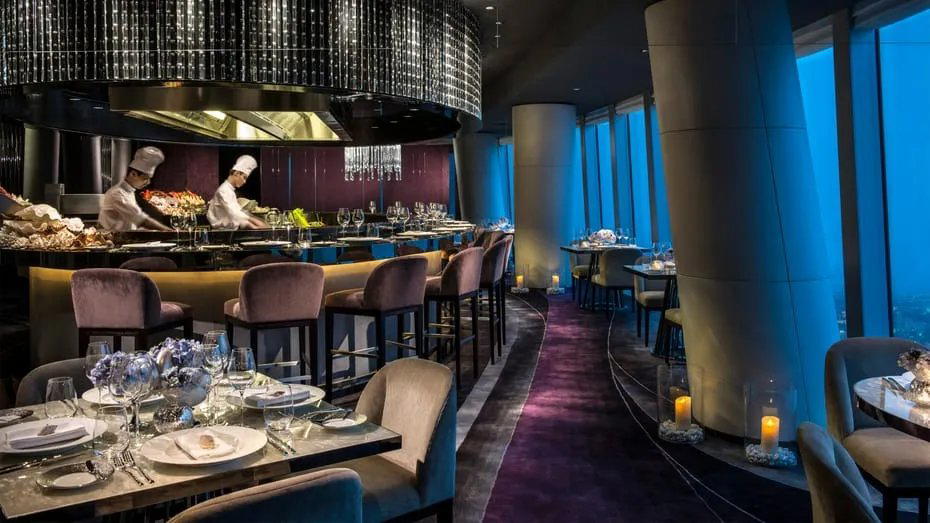
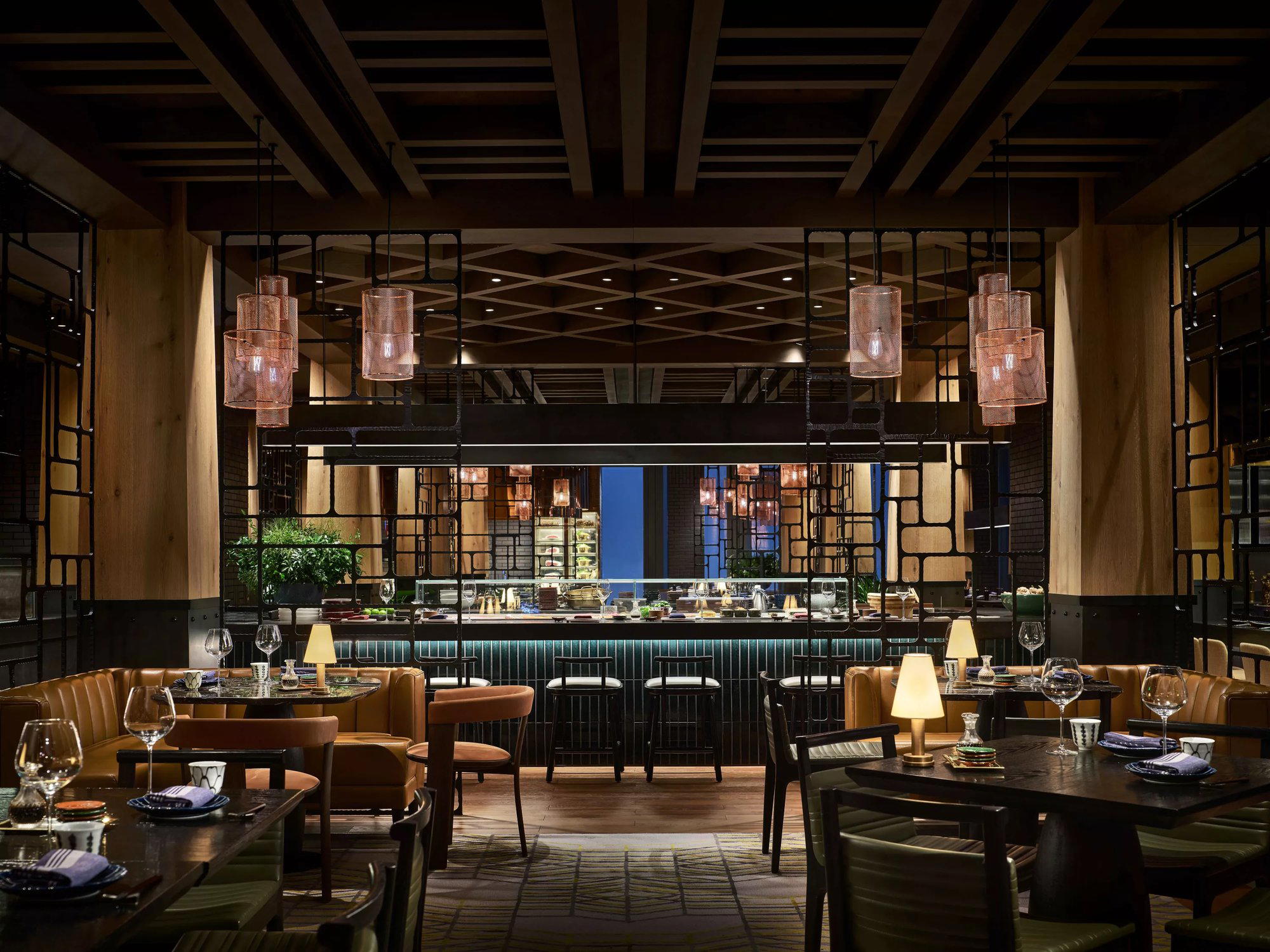
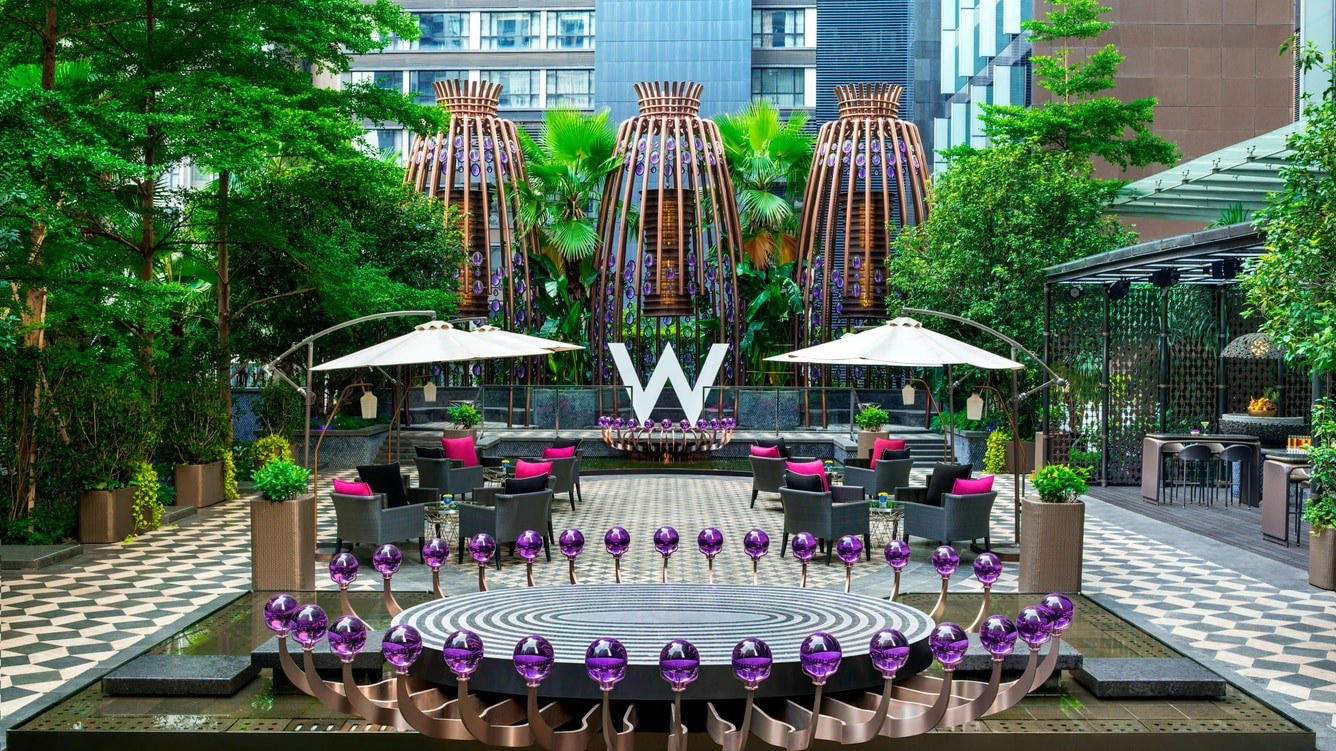
Sun-drenched plant-filled space with simple elegant decor quiet atmosphere and spectacular city views.