
Zen Tea holds back-to-back Michelin Plate recognition (2024 and 2025) and sits in Guangzhou's Baiyun district as one of the city's few vegetarian addresses carrying formal Michelin acknowledgment. Priced at the mid-range ¥¥ tier, it occupies a position in the vegetarian dining scene where ceremonial tea culture and plant-based cooking meet under the same roof.
Pearl is the En Primeur Club membership app — saves, bookings, and concierge access live there. Same editors, same standards.
- Address
- 57F8+JG5, Tianmu St, Baiyun, Guangzhou, Guangdong Province, China, 510422
- Phone
- +862084400079
- Directions
- Get directions
 Saves & bookings on Pearl
Where Guangzhou's Vegetarian Tradition Meets the Tea Room
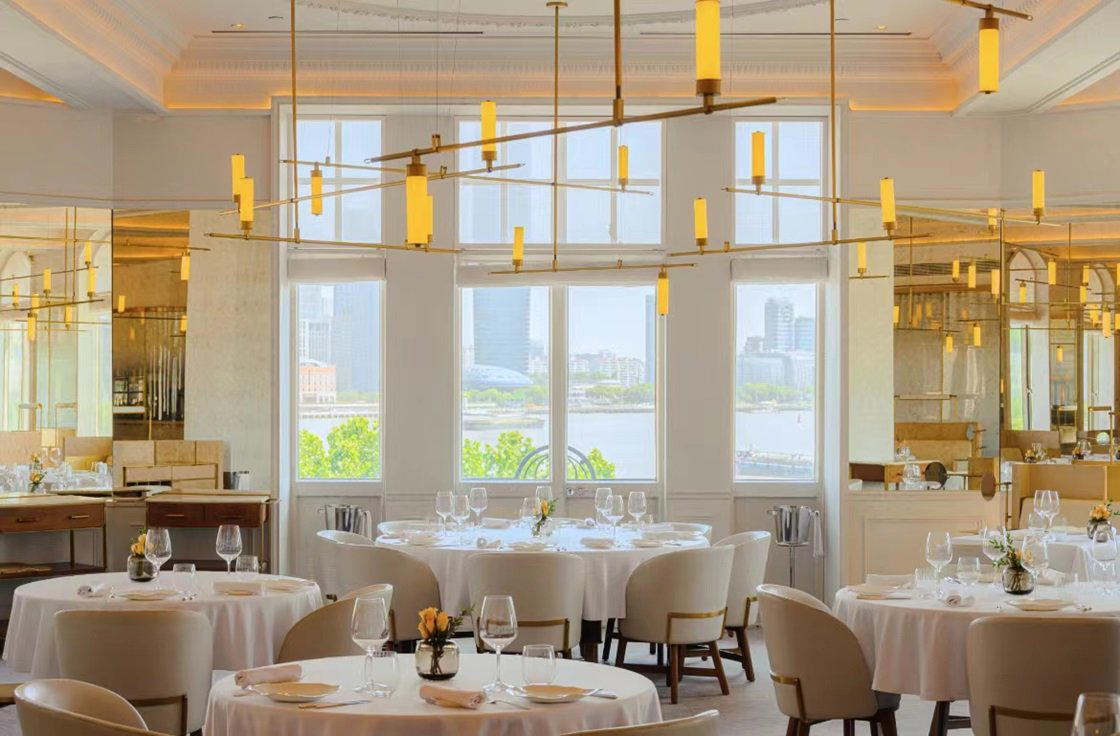
Zen Tea is a Guangzhou vegetarian restaurant in Baiyun district, known for its Michelin Plate recognition in 2024 and 2025, with a price point of about US$75 per person. The approach to a room like this one, lifted above street level, with the quieter registers of a tea-oriented dining environment, signals a deliberate detachment from the wok-smoke density of Guangzhou's mainstream Cantonese dining. China's vegetarian restaurant category has historically operated in this register: refined settings that borrow their visual grammar from tea culture, Chan Buddhism, and garden aesthetics rather than from the banquet hall tradition that defines so much of the Pearl River Delta's food identity.
Zen Tea, holding Michelin Plate recognition in both 2024 and 2025, occupies a specific position in that scene. The Michelin Plate designation, awarded to kitchens that Michelin inspectors consider to produce food of a solid, consistent standard, places it inside a recognized peer tier without implying the scoring pressure of starred dining. In Guangzhou's competitive Cantonese market, where the city's Michelin constellation is dominated by roast meat houses, dim sum specialists, and seafood-led Cantonese rooms, a mid-range vegetarian address earning back-to-back Plate acknowledgment says something about the category's growing credibility.
The Global Architecture of Vegetarian Cooking
To understand what a Chinese vegetarian restaurant is doing, it helps to map it against the traditions it sits alongside globally. The Indian vegetarian tradition, built across thousands of years and expressed through everything from South Indian temple kitchens to Gujarati thali culture, has the deepest infrastructure of any vegetarian cuisine on earth, a grammar of spice, lentil, and vegetable that never needed meat to carry flavor. Japanese shojin ryori, the monastic cooking of Buddhist temples, operates on a similar philosophical premise: limitation as creative discipline, with dashi drawn from kombu rather than bone, and seasonal mountain vegetables as the centerpiece. Ethiopian injera culture, where meat-free fasting days (roughly 200 per year for observant Orthodox Christians) produced one of the world's most complex vegetarian traditions, offers another angle on the same principle.
Chinese Buddhist vegetarian cooking belongs in this company. Its roots run to the Tang Dynasty, and its techniques, mock-meat preparations using tofu, wheat gluten, and mushroom, alongside high-craft vegetable carving and layered broths from dried fungus and soy, represent a culinary lineage as technically demanding as any of its global peers. What distinguishes the Chinese tradition is how deeply it absorbed the aesthetics of tea ceremony and monastic hospitality: the room, the pace, and the vessel carry as much meaning as the plate.
Where Zen Tea Sits in Guangzhou's Vegetarian Scene
Guangzhou's vegetarian dining scene is smaller in volume but growing in formal recognition. The city's food identity remains anchored in animal protein, roast goose, char siu, live seafood, offal preparations, and vegetarian restaurants operate as a distinct sub-market rather than a mainstream choice. Within that sub-market, the ¥¥ pricing tier that Zen Tea occupies represents the middle bracket: above the casual rice-and-vegetable canteens common near temples, but below the high-concept vegetarian tasting-menu format seen at addresses like Fu He Hui in Shanghai, which operates at a higher price point and longer format.
Peer venues in Guangzhou's vegetarian and plant-forward space include Plant-Based Kitchen, which approaches the category from a more contemporary, Western-inflected angle, and Tian Shui, which shares some of the same culturally rooted aesthetic. The difference at the restaurant is the explicit tea-room framing: the venue's tea-room framing suggests a dual identity as both dining room and tea space, which places it closer to the Chan Buddhist hospitality tradition than to trend-led plant-based dining.
For comparison at the national level, Lamdre in Beijing represents the more Himalayan-influenced end of Chinese vegetarian dining, while the restaurant's Cantonese cultural context puts it in a different conversation, one where Lingnan flavor principles and southern Chinese produce inform the kitchen's choices.
The Tea Culture Context
The Guangdong province has one of China's most serious tea cultures, rooted in the gongfu cha tradition of careful brewing with small-vessel Yixing ware and high-grade oolongs from Phoenix Mountain (Fenghuang dancong) and Wuyi. A restaurant named Zen Tea in this city is making a specific claim: that the tea service is central to the experience, not supplementary to it. In China's vegetarian dining tradition, this pairing makes structural sense. Tea functions as palate counterpoint in a meal without the grounding weight of meat, and the ceremonial pace of gongfu cha service sets a room's tempo in a way that shapes how food is experienced.
This is the dining format where restraint is the point. The comparison with Japanese shojin ryori is useful again here: both traditions use the absence of animal protein not as a limitation but as a compositional principle, allowing subtler vegetable and fungal flavors to carry the meal. The mid-range pricing at the restaurant suggests accessibility within that philosophy, a tea-and-vegetarian format that doesn't require the outlay of a high-end tasting menu to experience.
Guangzhou in Context
Guangzhou's broader dining scene runs from the city's pre-dawn yum cha culture through to contemporary Cantonese fine dining. Cantonese cooking's foundational respect for ingredient quality and minimal interference applies as readily to vegetable-forward cooking as to its more protein-heavy expressions, which gives a kitchen like Zen Tea's a culinary language to work within. Other parts of the Guangzhou Michelin roster, including addresses like Gu Yuan and Jia Yuan, operate in more traditional Cantonese registers.
Across the Pearl River Delta and the broader Chinese mainland, vegetarian dining with formal recognition is concentrated in a handful of cities. Ru Yuan in Hangzhou is another example of Buddhist-influenced vegetarian cooking in a city with deep temple culture. In Macau, Chef Tam's Seasons and Dai Yuet Heen in Nanjing operate in adjacent Cantonese-heritage registers, though without the vegetarian focus. The regional contrast is useful: Cantonese culinary culture, for all its protein-centrism, has a long parallel tradition of refined vegetarian cooking tied to its Buddhist temple networks, and the restaurant sits inside that lineage.
For noodle-forward options in the same city, Soodle offers a contrasting angle on Guangzhou's mid-range dining offer.
Know Before You Go
- Address: Tianmu Street, Baiyun District, Guangzhou, Guangdong Province 510422
- Price range: ¥¥ (mid-range)
- Cuisine: Vegetarian (Chinese Buddhist / tea-room tradition)
- Recognition: Michelin Plate 2024; Michelin Plate 2025
- Getting there: Baiyun District sits north of Guangzhou's central districts; metro Line 2 (Baiyun Cultural Square or Jiahewanggang stations) provides access to the broader area
What Do Regulars Order at Zen Tea?
What the Michelin Plate recognition and the tea-room format together imply, for readers familiar with the Chinese vegetarian tradition, is a kitchen working in the register of refined plant-based cooking: broths from dried fungus and root vegetables, tofu preparations, seasonal greens treated with the Cantonese preference for clean, light seasoning, and a tea service with enough range to function as the meal's structural backbone. The ¥¥ pricing places this within reach without the commitment of a multi-course tasting format.
Comparable Spots, Quickly
Comparable venues nearby, for context on price, style, and recognition.
| Venue | Cuisine | Price | Awards | Notes |
|---|---|---|---|---|
| Zen TeaThis venue — the venue you are viewing | Zen Vegetarian Cantonese | $$$$ | Michelin Plate | Not listed |
| Guo Fan Jia Yan | Authentic Hunanese Cuisine | $$$ | Michelin Plate | Guangzhoushi |
| Flavors of China | Provincial Chinese with Huaiyang and Sichuan Specialties | $$$ | Michelin Plate | Guangzhoushi |
| The Legend | Modern Cantonese with Chaoshan Influences | $$$$ | Michelin Plate | Guangzhoushi |
| BingSheng Pin Wei (Dongxiao Road) | Refined Cantonese with Live Seafood | $$$ | Michelin Plate | Guangzhoushi |
| Tian Shui | Seasonal Vegan Chinese Tasting Menu | $$$ | Michelin Plate | Guangzhoushi |
Recognition history
Dated appearances from independent guides and award organizations, with the underlying list record or original source where available.
Michelin Plate
Michelin
Michelin Plate
Michelin
Continue exploring
More in Guangzhou
Restaurants in Guangzhou
Browse all →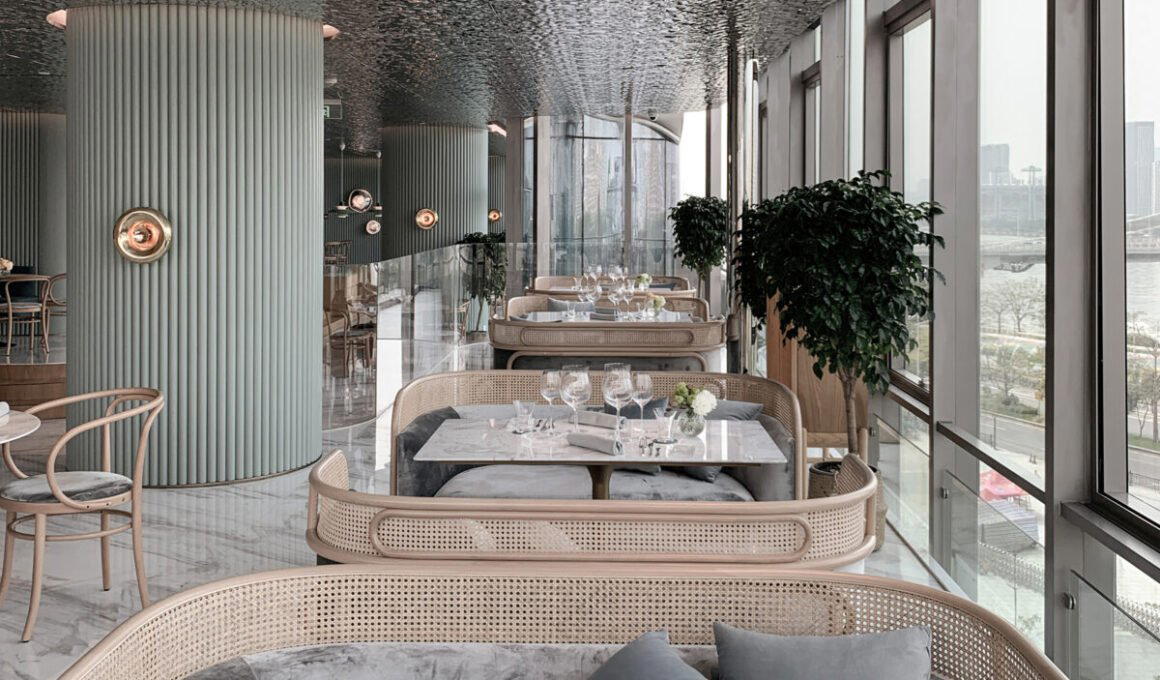
Bars in Guangzhou
Browse all →




At a Glance
- Quiet
- Elegant
- Intimate
- Sophisticated
- Cozy
- Special Occasion
- Business Dinner
- Celebration
- Private Dining
- Sake Program
- Local Sourcing
- Garden
Serene and hushed with tatami-toned calm, natural woods, stone accents, and a ceremonial quiet atmosphere.