Three Seasons
Our verdict
Three Seasons occupies a quietly established position on Bryant Street in downtown Palo Alto, where the Peninsula's dining scene has grown more demanding year by year. Positioned among a tightening field of neighbourhood restaurants serving a tech-adjacent clientele with high expectations, it represents a durable presence in a market that regularly cycles through new openings.

Pearl is the En Primeur Club membership app — saves, bookings, and concierge access live there. Same editors, same standards.
- Address
- 518 Bryant St, Palo Alto, CA 94301
- Phone
- (650) 838-0353
- Website
- threeseasonsrestaurant.com
- Directions
- Get directions
- Booking
- Book on OpenTable
Bryant Street and the Shape of Palo Alto Dining
Downtown Palo Alto's restaurant corridor on Bryant Street sits a short walk from University Avenue, the city's main commercial artery, in a block pattern that favours smaller, owner-operated rooms over large-format dining halls. The neighbourhood draws a consistent weeknight crowd from the surrounding tech campuses and Stanford-adjacent residential streets, and the dining expectations that come with that clientele have pushed the area's better restaurants toward a level of execution that competes more with San Francisco than with standard suburban fare. Three Seasons, at 518 Bryant St, occupies a position within that tightening field — a durable address in a market that has seen considerable churn over the past decade.
The Bay Area's mid-tier restaurant segment has undergone genuine pressure since the mid-2010s: rising rents, shifting delivery economics, and a post-pandemic recalibration of how people use neighbourhood dining rooms. The restaurants that have held on in Palo Alto's downtown core have generally done so by developing a loyal local base rather than chasing destination traffic. That pattern shapes how a place like Three Seasons functions — less as an occasion venue competing against The French Laundry in Napa or Single Thread Farm in Healdsburg, and more as a reliable address for the repeat diner who values consistency over spectacle.
How Neighbourhood Restaurants Reinvent Themselves
The evolution of a mid-range neighbourhood restaurant over multiple years is rarely a single dramatic pivot. More often it is a series of small recalibrations: a menu refocus, a shift in price positioning, an adjustment to the dining room pace. In cities where the premium end of the market is defined by tasting-menu formats, the kind of sustained ambition visible at Lazy Bear in San Francisco or Alinea in Chicago, the à la carte neighbourhood restaurant occupies a distinct and necessary role. It absorbs the Tuesday night dinner, the working lunch, the low-ceremony occasion that doesn't justify a three-hour commitment.
Three Seasons sits in that à la carte tier, in a city where the comparison set includes Anatolian Kitchen, Arya Steakhouse, and a range of fast-casual options like Asian Box and Bare Bowls. The competitive spread across those formats, from full-service dining to counter-service bowls, reflects how fragmented Palo Alto's dining scene has become. Longevity within that spread is its own form of evidence.
The Dynamics of Change in a Stable Room
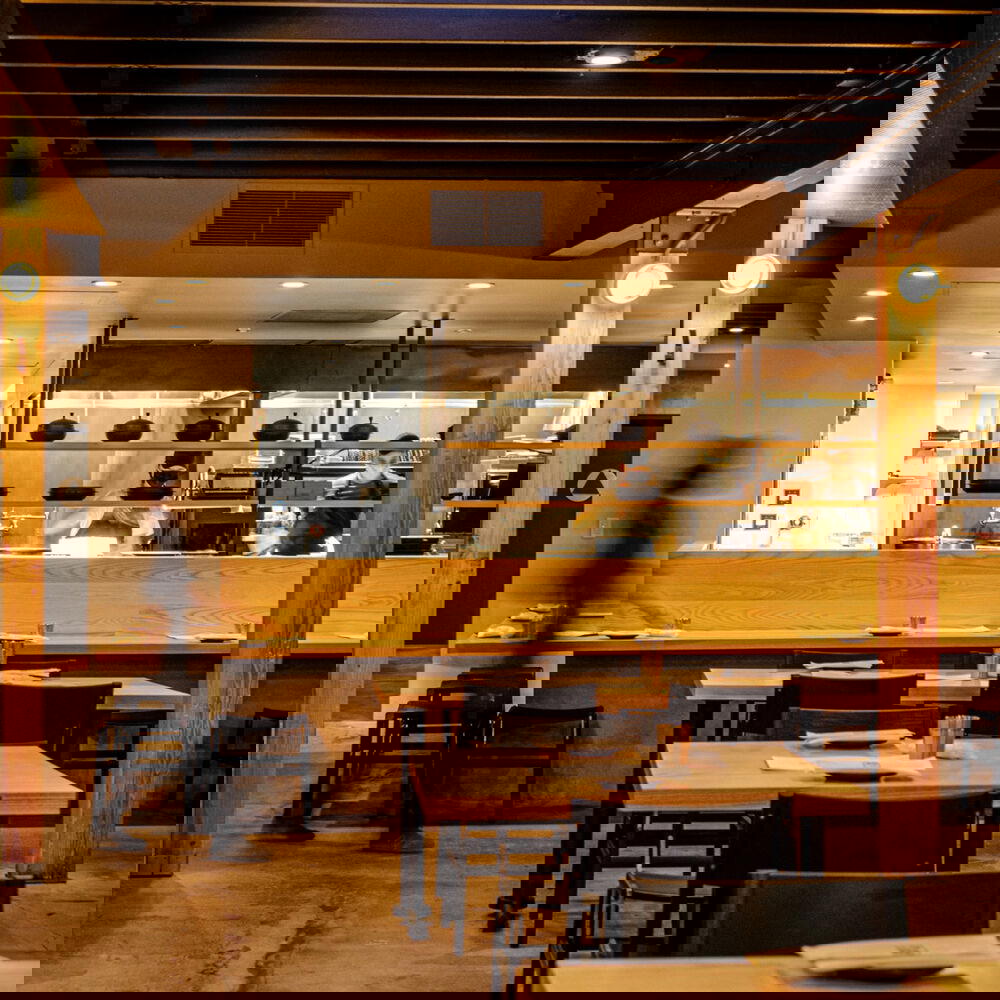
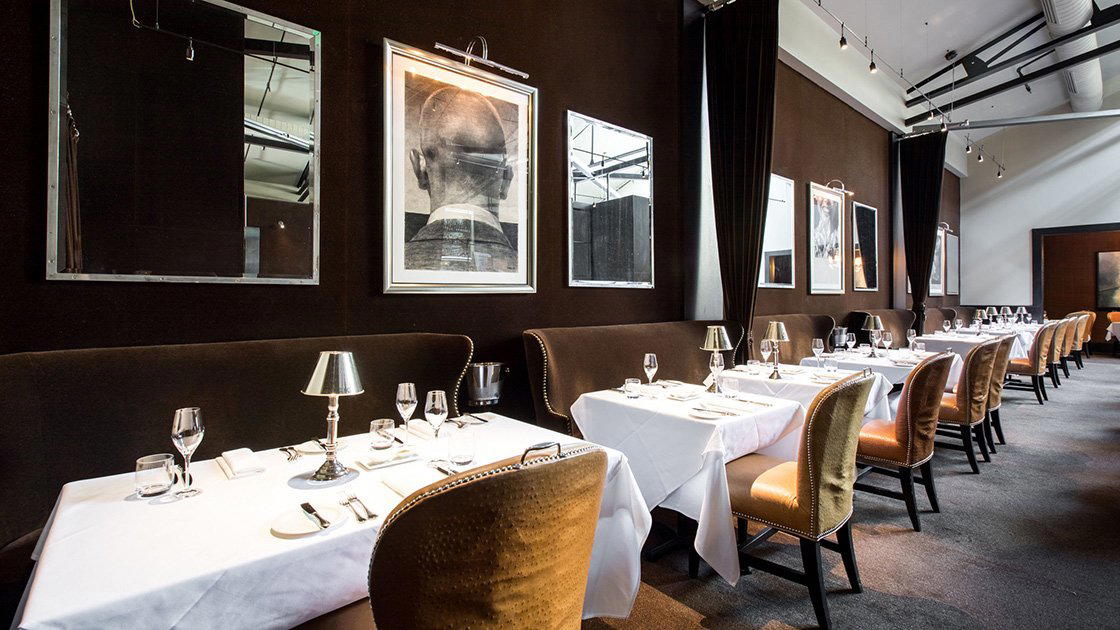
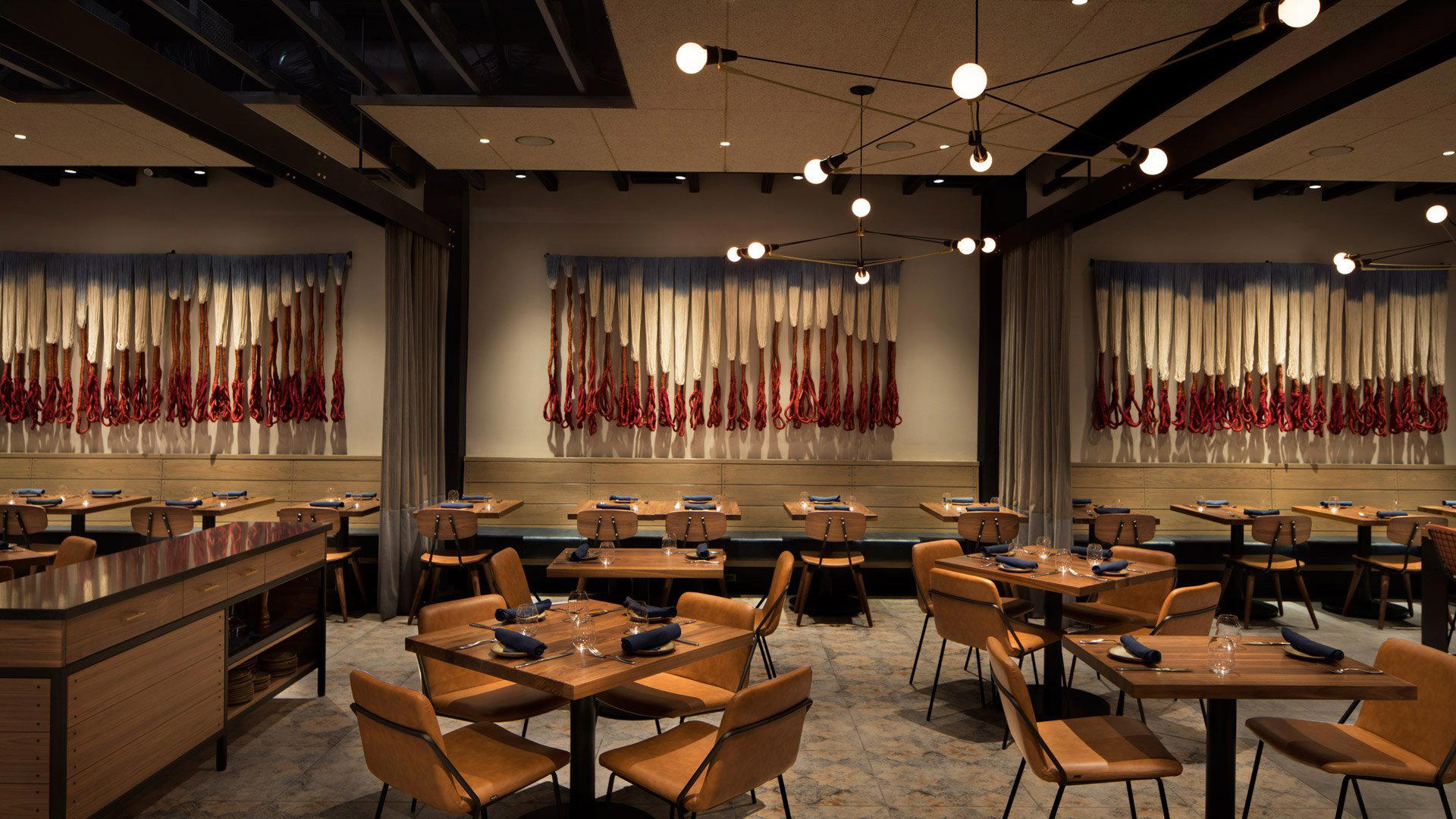
What changes in a restaurant that has held the same address over time is often less visible than what stays constant. The physical environment of a Bryant Street room, the way light enters from the street side, the acoustics of a moderately sized dining room on a busy evening, tends to anchor the experience even as menus shift. Restaurants in this position sometimes lean into that stability, treating the room's familiar quality as a feature rather than a limitation. Others use it as a base from which to push the menu further in a new direction.
Across American dining more broadly, the venues that have managed genuine reinvention without losing their core audience have tended to do so through incremental menu evolution rather than wholesale concept changes. Blue Hill at Stone Barns in Tarrytown represents one model of sustained reinvention at the high end; Providence in Los Angeles another. At the neighbourhood level, the mechanism is the same even if the ambition operates at a different scale. The question for any long-standing local restaurant is whether its current form reflects considered evolution or simply accumulated inertia.
For diners approaching Three Seasons for the first time, or returning after a gap, the relevant frame is the broader Bryant Street context: a block that rewards exploration across several stops rather than treating any single address as a destination in isolation. See our full Palo Alto restaurants guide for a wider map of what the neighbourhood currently offers, including newer entries and the more casual options that have expanded the area's range.
Palo Alto in a California Context
California's restaurant culture has produced some of the country's most discussed addresses, from Addison in San Diego to the established fine-dining rooms of the Bay Area. But the bulk of California dining happens at the neighbourhood level, in rooms without Michelin stars or James Beard nominations, where the quality of a weeknight dinner is determined by consistency, sourcing discipline, and the relationship between a kitchen and its regular customers. That tier is where Palo Alto's Bryant Street restaurants operate, and it is where Three Seasons has maintained its address.
The comparison to nationally recognised rooms, Le Bernardin in New York City, Atomix in New York City, The Inn at Little Washington, is useful not as aspiration but as contrast. Those rooms operate within a defined awards and recognition infrastructure. The neighbourhood restaurant operates outside that infrastructure, judged instead by whether its regulars return, whether its room fills on a Wednesday, and whether its kitchen has kept pace with the expectations of a clientele that eats well and travels widely. Palo Alto's proximity to San Francisco and the wine regions of Sonoma and Napa means that local diners carry high reference points even when they are eating locally.
For visitors arriving from outside the Peninsula, logistics are direct. Bryant Street is walkable from the Palo Alto Caltrain station, which connects to San Francisco in roughly an hour. Street parking in the surrounding blocks is available in the evenings, though the downtown core can be tight on weekday evenings. Birdie's at Stanford Golf offers an alternative dining anchor on the western edge of the area if the downtown corridor is at capacity.
Planning Your Visit
Given the limited publicly available data on Three Seasons' current format, hours, and booking policy, the practical guidance that applies to Bryant Street restaurants generally holds here: weekday evenings are more accessible than Friday and Saturday without a reservation, and the area's compact geography makes it easy to have a fallback option within a short walk.
Frequently asked questions
What's the address for Three Seasons?
Three Seasons is located at 518 Bryant St, Palo Alto, CA 94301, Palo Alto.
Is Three Seasons a good choice for a business lunch in Palo Alto?
Bryant Street's restaurant corridor, where Three Seasons sits at 518, has long functioned as an overflow from University Avenue for lower-key professional meetings in Palo Alto. The California dining culture in this part of the city skews toward settings where conversation isn't competed with by loud room design or performance kitchens.
What should I order at Three Seasons?
The menu specifics at Three Seasons are not published in detail through major review platforms at this time. For current dish availability, contacting the restaurant directly or checking their door menu on arrival at 518 Bryant St will give you the most accurate picture. Bryant Street restaurants in this corridor tend to rotate offerings with California's seasonal produce calendar, so what's on changes.
Can I walk in to Three Seasons?
Walk-in availability at Three Seasons depends on the day and service period. Downtown Palo Alto's Bryant Street sees consistent weekday lunch traffic from the surrounding business and tech community, which tightens covers during peak hours. Arriving before the main lunch or dinner rush improves your odds, though calling ahead is the safer approach given the neighbourhood's demand patterns.
What's the standout thing about Three Seasons?
Three Seasons occupies a position that relatively few Palo Alto restaurants hold: a named, addressed presence on Bryant Street with enough operational history to become part of the neighbourhood's dining fabric. In a city where restaurant turnover tracks closely with commercial lease cycles and the shifting appetites of a transient tech workforce, staying power at a single address is its own credential.
The Quick Read
| Venue | Cuisine | Price | Awards |
|---|---|---|---|
| Three SeasonsThis venue — the venue you are viewing | Modern Vietnamese | $20–30 | Not listed |
| Anatolian Kitchen | Anatolian Turkish & Mediterranean | $30–50 | Not listed |
| Khazana by Chef Sanjeev Kapoor | Modern Indian Fine Dining | $50–100 | Not listed |
| Macarena | Traditional Spanish Tapas & Paella | $30–50 | Wine Spectator Award of Excellence |
| Whole Foods Market | Organic Grocery Market with Prepared Foods & Deli | $10–20 | Not listed |
| Bistro Elan | California-French Bistro | $50–100 | Not listed |