
1 Michelin Star
Our verdict
A Michelin-starred Franco-Japanese tasting counter on Neil Road, Chaleur pairs French and Japanese produce through ten considered courses shaped by chef Masahiko Kawano's classical French technique.

Pearl is the En Primeur Club membership app, where members save venues, book tables and use the concierge.
The menu
What to order
- Duck Consomme Noodles
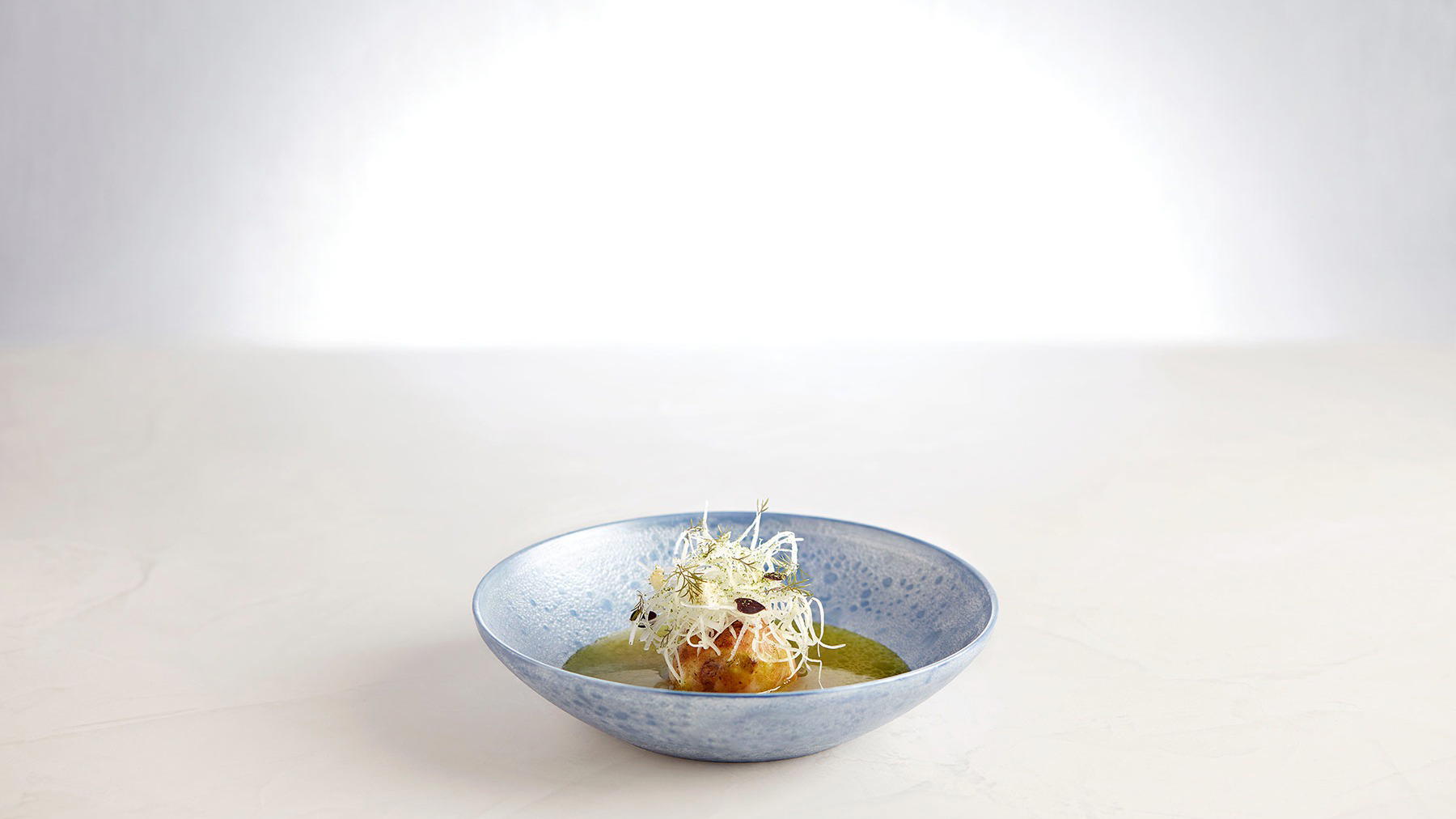
- Crab Chawanmushi and Caviar
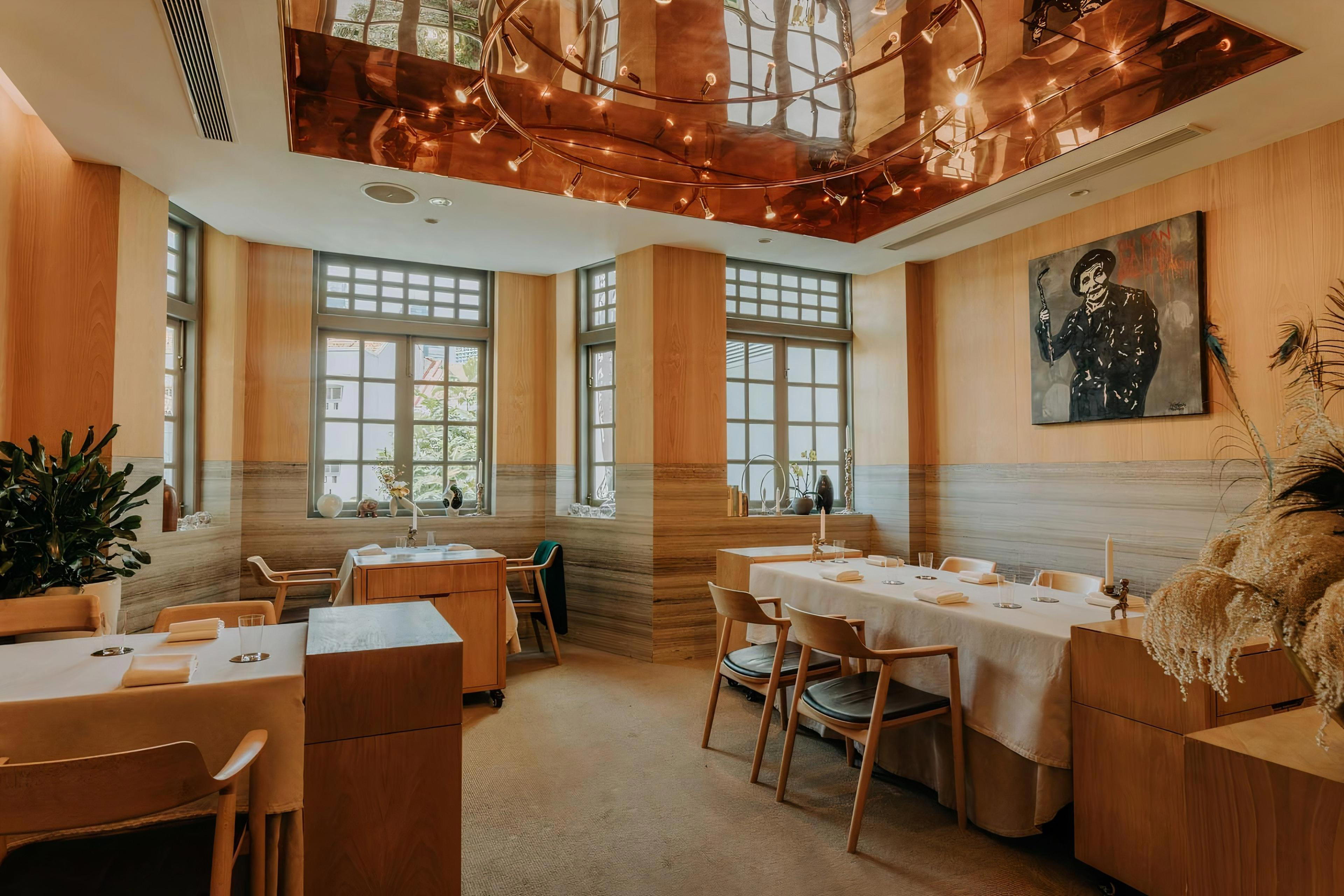
A Second-Floor Room on Neil Road
Neil Road in Tanjong Pagar runs through one of Singapore's older shophouse corridors, where the ground floors tend toward coffee shops and the levels above have quietly absorbed a generation of chef-led restaurants. The building at 77A sits within that pattern: an unremarkable facade that gives no signal of what the second floor holds. This is not an accident of geography. The Franco-Japanese tasting format that Chaleur operates within tends to seat itself away from ground-level foot traffic, relying on reservations rather than passing trade. The room above Neil Road earns its audience the same way Singapore's better omakase and tasting counters do: through word of mouth, award recognition, and a dining format that asks guests to commit to the full experience before they arrive.
That format is a ten-course dinner menu, and it is the only format on offer. Singapore's innovative dining tier has largely converged on this approach over the past decade: the tasting menu as the complete artistic statement, with no abbreviated version for guests who want something lighter. Cloudstreet operates similarly, as does Araya. The commitment strips out ambiguity about what the kitchen is trying to say.
Where the Produce Comes From, and Why That Matters
The editorial angle that defines Chaleur's position in Singapore's dining scene is the sourcing logic behind its ten courses. The kitchen draws on both French and Japanese produce, treating neither as a backdrop for the other. This is a harder proposition than it reads. Franco-Japanese menus are common enough across Asia's fine dining circuit, and many lean on Japanese ingredients primarily for their prestige signal, arranging wagyu or uni inside a French technique framework as a luxury-stacking exercise. What distinguishes the better end of that category is whether the sourcing relationship creates actual contrast or conversation between the two traditions.
The Michelin inspectors, who awarded Chaleur a star in 2024, noted specifically that French and Japanese produce are juxtaposed to great effect, not simply combined. That distinction carries weight. French produce in this context means the classical ingredient vocabulary of Lyonnaise and Parisian fine dining: butter, cream, foie gras, heritage breeds, the Loire Valley's vegetables. Japanese produce brings its own sourcing rigour, with regional specificity that matters in Japan's ingredient culture in the way appellation matters in French wine. Placing them on the same plate under French technique requires a cook who understands both source traditions well enough to know which elements translate and which resist it.
Chef Masahiko Kawano's background spans multiple kitchen roles in Singapore before Chaleur, and his training foundation in French technique is the scaffold on which the menu's sourcing logic sits. His nationality matters here in a specific, non-biographical way: a Japanese chef applying French classical training to a Franco-Japanese ingredient mix brings a category of sourcing knowledge that is difficult to acquire second-hand. The ability to evaluate Japanese produce at source, to understand what is seasonal and what is premium within that system, adds a layer of sourcing credibility that the menu depends on. For comparable cross-cultural sourcing intelligence in the innovative category across Asia, see Vea in Hong Kong and Fujiya 1935 in Osaka, both of which work at the intersection of European technique and Japanese ingredient logic.
The Consommé as a Daily Discipline
Among the details recorded about Chaleur's kitchen practice, one stands out as a signal of the kitchen's standards: the duck consommé is adjusted for consistency every day. Consommé is among the most technically demanding preparations in classical French cuisine, a clarified stock where the final clarity and concentration depend on precise control of temperature, timing, and the quality of the base ingredients on any given day. The fact that Kawano works on its consistency as a daily task rather than fixing a recipe and repeating it speaks to a cooking philosophy that treats sourcing and technique as a continuous relationship rather than a one-time calibration.
This matters to the broader scene because it illustrates a difference in kitchen culture between menus that are fixed as products and menus that are treated as living documents. Singapore's better Michelin-tier kitchens operate in the latter mode. Thevar and Labyrinth both adjust according to what the market produces on a given week. The consommé detail at Chaleur suggests a similar discipline, applied specifically to a preparation where ingredient variation is most visible and most difficult to correct.
Where Chaleur Sits in Singapore's Innovative Tier
Singapore's Michelin-starred tasting menu scene spans a wide price range and a number of distinct cuisine positions. At the top of the bracket sit three-star houses like Zén, operating at the $$$$ tier with European contemporary cooking that prices against the global luxury dining set. Below that, two-star operations like Jaan by Kirk Westaway hold a middle ground of British contemporary cuisine at the $$$ tier. Chaleur enters at the same $$$ price range as Jaan and a number of one-star operations including Iggy's and Burnt Ends, but with a cuisine position that is more specific: Franco-Japanese innovative, a niche that shares the $$$ tier with Born at $$$$.
Casual visitors who walk in expecting a different experience are screened out by the format itself, so the rating reflects guests who understood and chose the proposition. That is the demographic in which a 4.8 holds.
alla prima in Seoul, Soigné in Seoul, and Evett in Seoul each work within a similar innovative format logic. MAZ in Tokyo and Shimmonzen Yonemura in Kyoto offer comparison points from Japan's own Franco-Japanese tradition. Chaleur sits comfortably within that regional cohort in terms of ambition and sourcing seriousness, while operating at a price point that remains accessible within the Singapore tasting menu tier.
Singapore's innovative dining scene is also broader than any single restaurant or format. Meta represents another Franco-Japanese expression worth comparing directly. For a complete view of where Chaleur sits within the city's dining options, see our full Singapore restaurants guide. Those planning a broader trip can find paired recommendations in our Singapore hotels guide, our Singapore bars guide, our Singapore wineries guide, and our Singapore experiences guide.
Planning Your Visit
Chaleur operates on the second floor of 77A Neil Road, in the Tanjong Pagar district, within easy reach of the Tanjong Pagar MRT station. The $$$ price classification places it in the same planning tier as other one- and two-star tasting operations in the city: expect an outlay consistent with a serious dinner rather than a casual meal, and budget for a wine pairing if you want the kitchen's sourcing logic extended to the glass. The ten-course format means a full evening commitment; build at least two and a half to three hours into the schedule. Given the Michelin star awarded in 2024 and the strong early review signal, advance reservations are advisable, and the restaurant's location in a shophouse above street level means arriving a few minutes early to find the entrance is worth factoring in.
Frequently asked questions
What's the must-try dish at Chaleur?
The duck consommé is the preparation most directly associated with Kawano's technical standard and daily attention: the Michelin citation specifically references his commitment to adjusting its consistency each day, which makes it the clearest expression of the kitchen's sourcing and technique relationship. More broadly, any dish where French and Japanese produce meet on the same plate is the reason to be at this particular counter. The ten-course structure means the menu is the experience, and singling out one course above others works against the format's logic. If you want the sourcing argument made in a single preparation, the consommé is where the kitchen has publicly staked its claim.
Comparable Options
| Venue | Cuisine | Price | Awards | Notes |
|---|---|---|---|---|
| ChaleurThis venue (the venue you are viewing) | Japanese-French Fusion | $200–300 | 1 Michelin Star | Not listed |
| Zén | Yakitori & Japanese Izakaya | $50–100 | Tabelog 100 #92 | European Contemporary |
| Jaan by Kirk Westaway | Modern British Fine Dining | $200–300 | 2 Michelin Stars · Michelin Guide 2 Stars | British Contemporary |
| Burnt Ends | Modern Australian Barbecue | $100–150 | 1 Michelin Star · Michelin Guide 1 Star | Australian Barbecue, Barbecue |
| Summer Pavilion | Michelin-Starred Cantonese | $100–150 | 1 Michelin Star · Michelin Guide 1 Star | Cantonese |
| Born | Contemporary Fusion Fine Dining | $200–300 | 1 Michelin Star · Michelin Guide 1 Star | Creative Cuisine, Innovative |
Recognition history
Dated appearances from independent guides and award organizations, with the underlying list record or original source where available.
Michelin 1 Star
Michelin
Full recognition history (2 entries)
Michelin 1 Star
Michelin
Continue exploring
More in Singapore
Restaurants in Singapore
All restaurants in Singapore →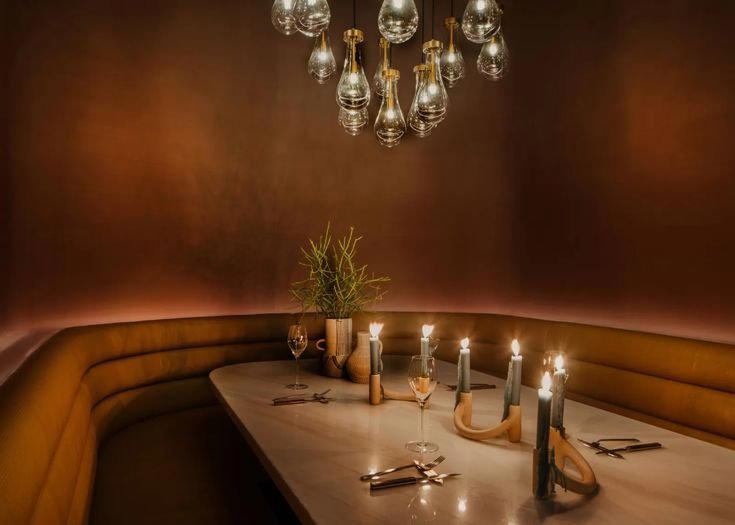
Bars in Singapore
All bars in Singapore →


Chaleur
The wine
- Wine program
- Deep wine list
- Extensive wine list
- Sommelier-led
Details
- Intimate
- Elegant
- Sophisticated
- Modern
- Special Occasion
- Date Night
- Celebration
- Open Kitchen
- Chefs Counter
- Extensive Wine List
- Sommelier Led
- Tasting Menu
Current opening hours
- Monday
- Closed
- Tuesday
- 6–11 PM
- Wednesday
- 12–3 PM, 6–11 PM
- Thursday
- 12–3 PM, 6–11 PM
- Friday
- 12–3 PM, 6–11 PM
- Saturday
- 12–3 PM, 6–11 PM
- Sunday
- Closed
Hours can change for holidays and private events. Hours as of .
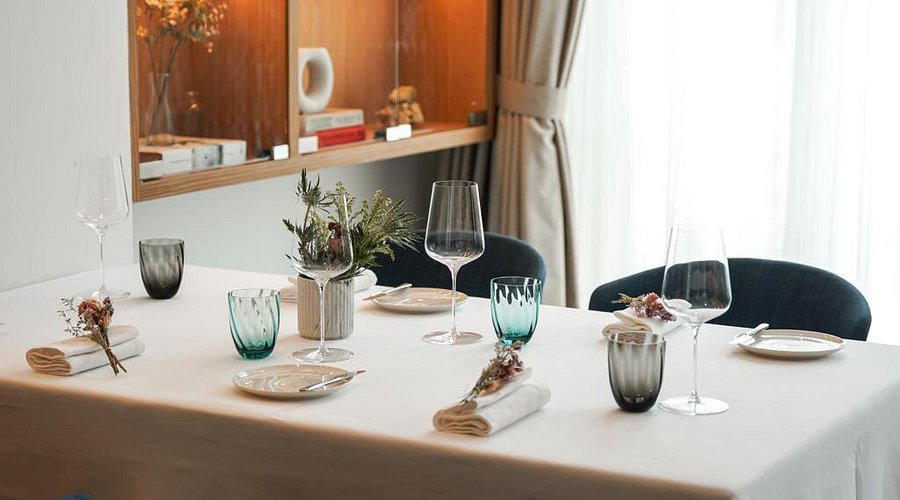
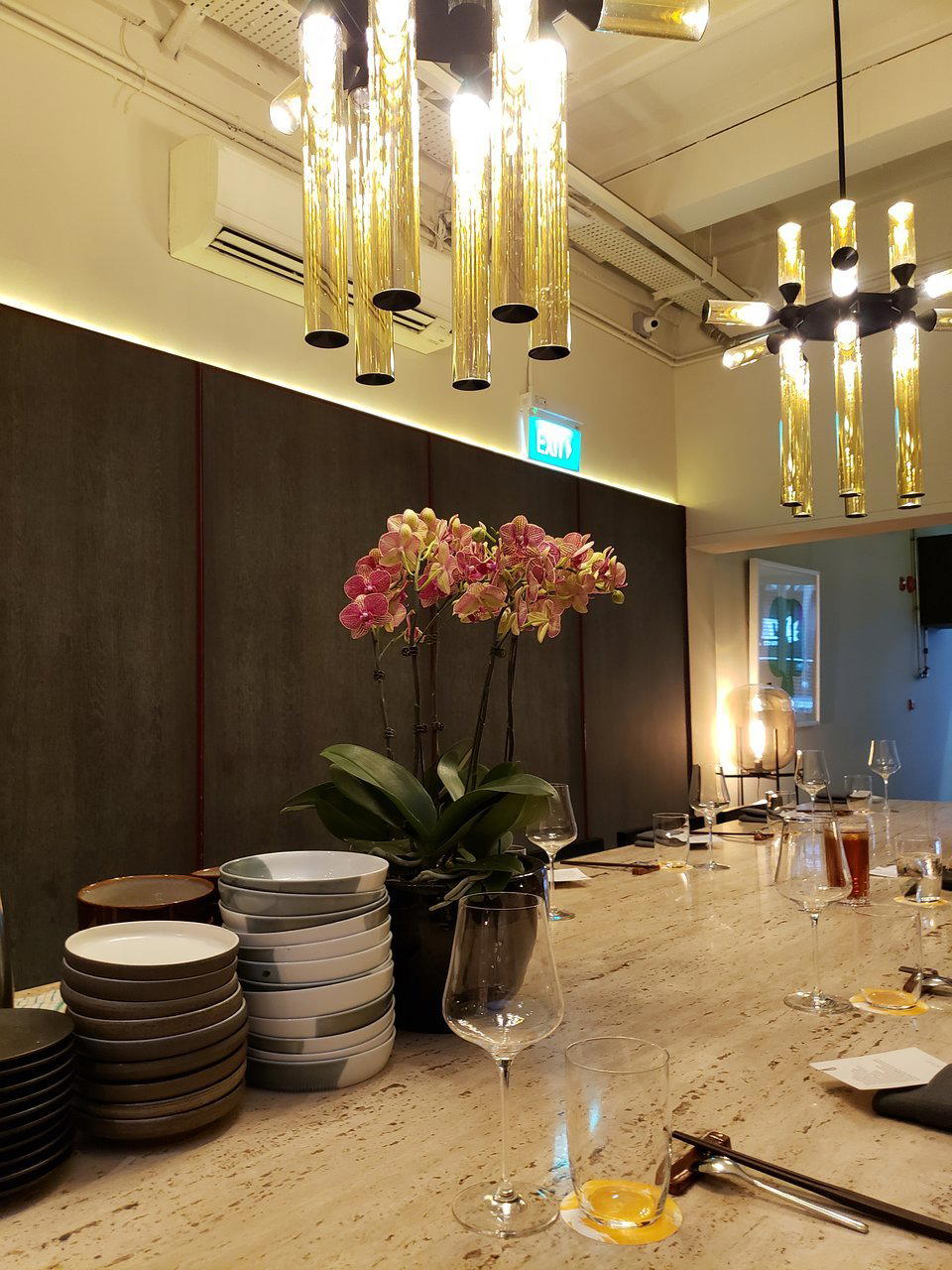
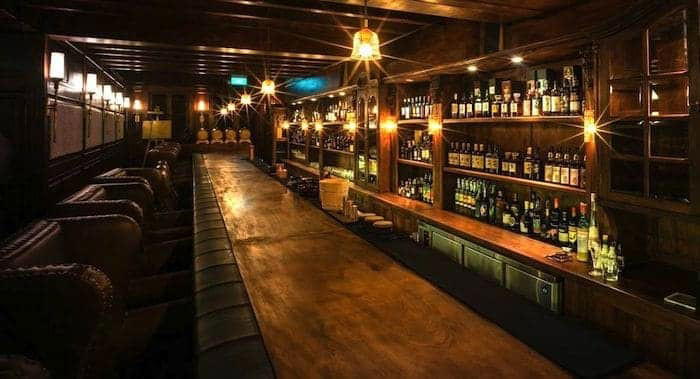
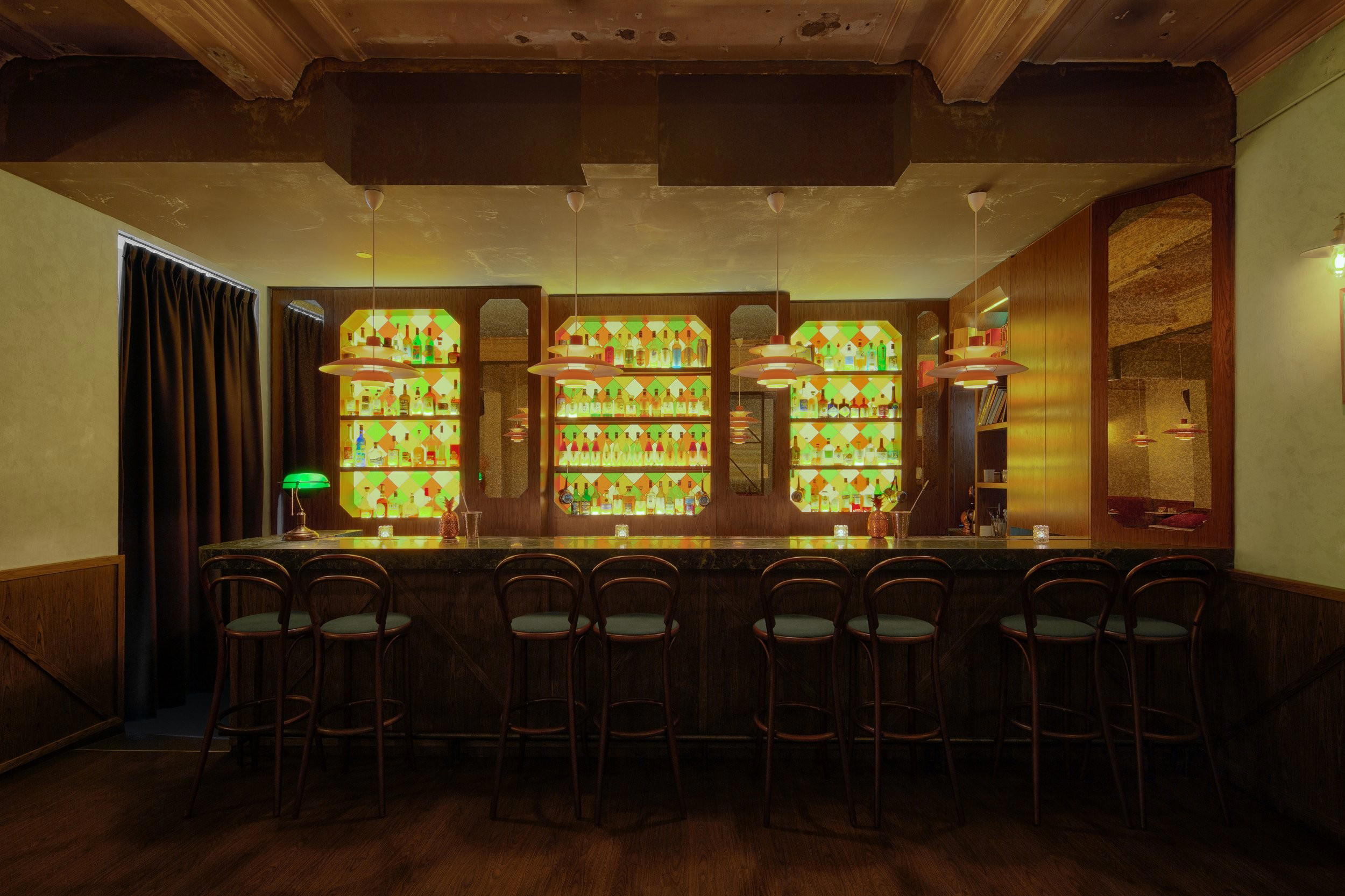
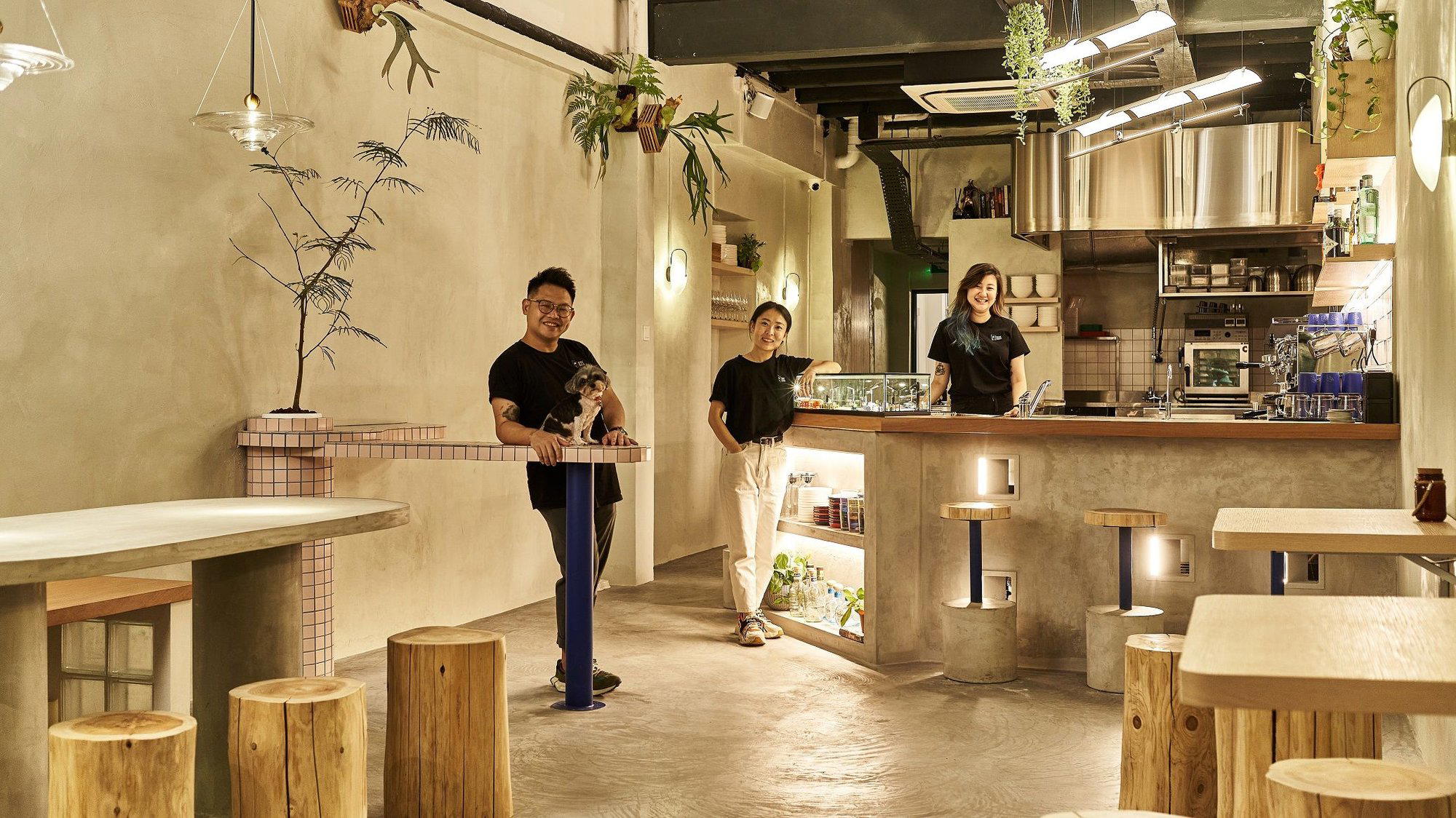
Warm, intimate, and elegant with an engaging open kitchen setup in a cozy shophouse space.