Oskar Schauer Haus/Sattelhaus
Oskar Schauer Haus, also known as Sattelhaus, sits in the Styrian hills of Maria Lankowitz, a corner of western Styria where rural architecture and agricultural tradition run deep. The address places it squarely in Austria's broader movement toward regionally grounded dining, where provenance and proximity to the source matter as much as technique. It is a venue that rewards travellers willing to move beyond the urban circuit.
Pearl is the En Primeur Club membership app — saves, bookings, and concierge access live there. Same editors, same standards.
- Address
- Scherzberg 27, 8592 Salla, Austria
- Phone
- +43314480019
- Website
- sattelhaus.at
- Directions
- Get directions
 Saves & bookings on Pearl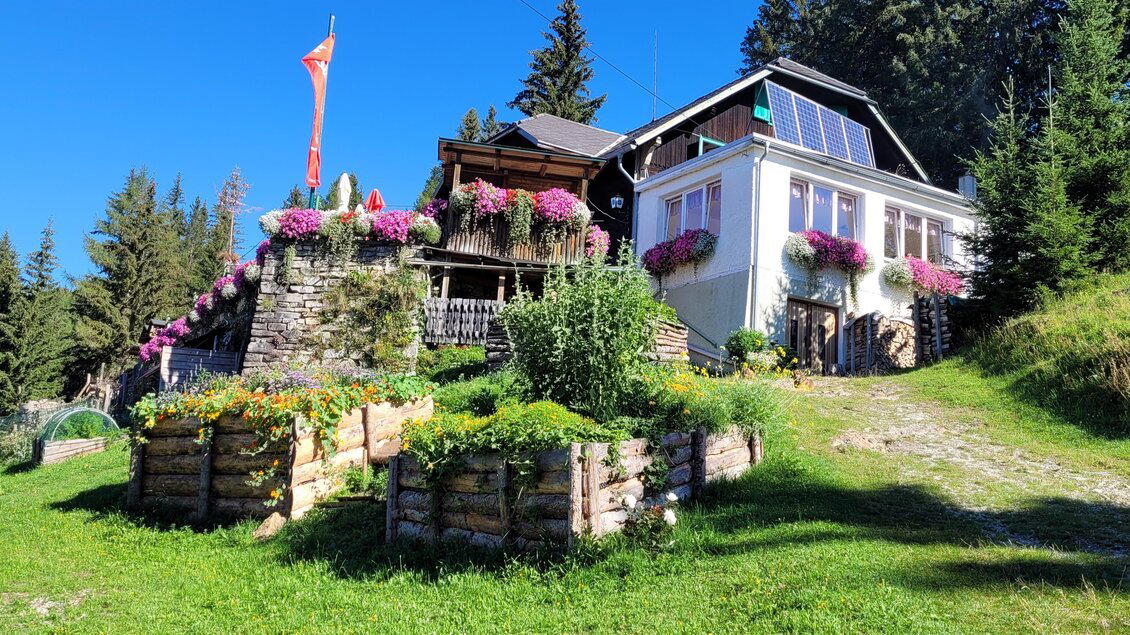
Where Styrian Agriculture Meets the Table
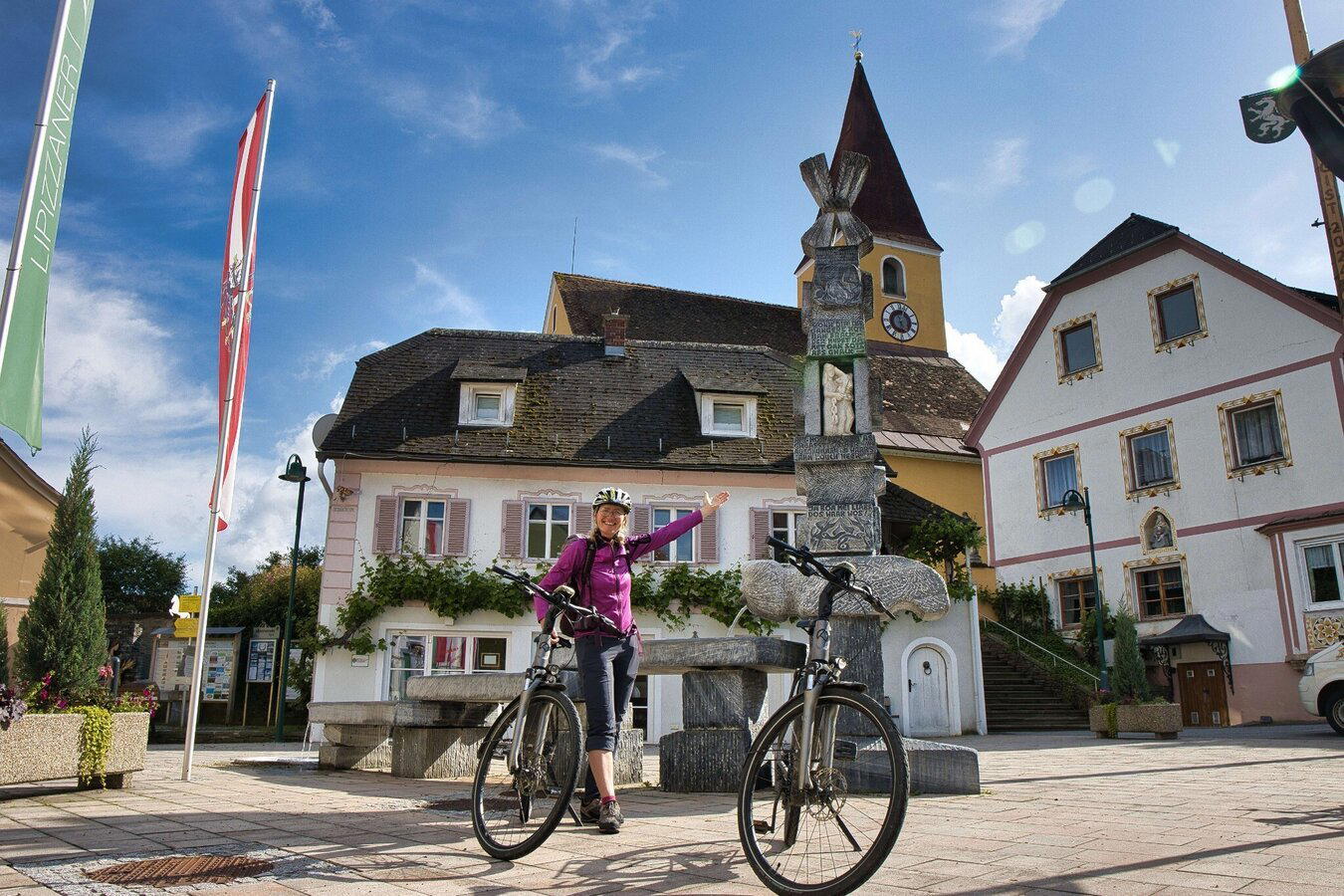
The approach to Scherzberg 27 tells you something before you've sat down. Western Styria's hillside farmsteads have a particular quality: timber-heavy construction, shallow pitched roofs, and a working relationship with the land that hasn't been aestheticised away. The Oskar Schauer Haus, known locally also as the Sattelhaus, occupies this kind of address, not a converted barn positioned as a lifestyle product, but a building that reads as genuinely embedded in the agricultural rhythm of Maria Lankowitz and the surrounding Salla valley. That distinction matters in a country where rural dining can veer quickly toward folkloric performance.
Austria's serious dining conversation has traditionally clustered in cities and resort towns. Steirereck im Stadtpark in Vienna and Ikarus in Salzburg operate at the internationally recognised end of that spectrum. But a quieter and more interesting strand runs through the provinces: kitchens in small communities that draw their authority not from tasting-menu theatre but from direct proximity to ingredients. Obauer in Werfen and Landhaus Bacher in Mautern an der Donau both built their reputations exactly this way, by treating the surrounding countryside as both larder and identity. The Sattelhaus address in Maria Lankowitz positions it within that same regional logic.
The Sourcing Story That Defines Western Styria
Styria as a food region is frequently reduced to its pumpkin seed oil and its wines, but the province's agricultural depth runs considerably further. The western Styrian hills around Köflach and Maria Lankowitz produce dairy, lamb, pork, and foraged material that rarely leaves the region in any visible form. This is not a place where ingredient stories are constructed for marketing purposes, the supply chains are short because the geography makes them short. Farms here measure their market in kilometres, not logistics networks.
That structural reality shapes what kitchens in this part of Styria can credibly offer. The sourcing argument that operations like Döllerer in Golling an der Salzach or Kräuterreich by Vitus Winkler in Sankt Veit im Pongau make explicitly through their menus and communications, the elevation of Austrian regional produce as a serious culinary foundation, is here a condition of the environment rather than a deliberate programme. A kitchen at this address doesn't need to build a sourcing philosophy; it operates inside one by default.
Contrast this with the urban end of the Austrian dining scene, where ingredient provenance is carefully curated and labelled. At addresses like Artis in Graz, the regional sourcing signal functions as a differentiator within a competitive urban market. In Maria Lankowitz, the sourcing is simply the operating reality. That's a different kind of credibility, and for travellers who've worked through the Graz and Vienna circuits, it's worth understanding the distinction.
Placing Oskar Schauer Haus in the Austrian Rural Dining Map
Austria's rural fine dining and serious regional cooking have developed along two rough tracks. The first is the alpine resort model: high-altitude kitchens in Ischgl, Lech, and Sankt Anton that operate within a luxury tourism infrastructure and price accordingly. Stüva in Ischgl, Griggeler Stuba in Lech, and Gourmetrestaurant Tannenhof in Sankt Anton am Arlberg all sit in that category. The second track is the agricultural hinterland model: kitchens in non-resort communities whose dining identity comes from the land rather than the ski lift. The Sattelhaus address belongs to the second track.
This also changes who the guest tends to be. The alpine resort circuit attracts international visitors as a matter of course, often as part of a broader leisure package. The agricultural hinterland addresses draw a more deliberate traveller, someone who has specifically chosen to move outside the obvious circuit. Venues like Taubenkobel in Schützen am Gebirge in Burgenland or Ois in Neufelden in Upper Austria have both developed followings on this basis. Maria Lankowitz, less visible than either of those areas, represents an even quieter node on that same map.
For international reference points: the dynamic is not entirely unlike what distinguishes a committed regional table in rural France from a Parisian showcase. The produce fidelity and the sense of place can be higher precisely because the distance from the source is lower. Kitchens operating at this remove from the city's competitive noise, the way Atelier Fischer in Sankt Gilgen does in the Salzkammergut, tend to develop a different kind of coherence.
Getting There and Planning Your Visit
Maria Lankowitz sits in the Köflach district of western Styria, accessible by road from Graz in under an hour. The address at Salla puts the venue in a genuinely rural setting; arriving by car is the practical choice, and the hillside approach through agricultural land is part of the experience of understanding where this kitchen sits in relation to its ingredients. The village of Maria Lankowitz has a train station on the regional rail network connecting through Köflach, which links to Graz, but the final stretch to Scherzberg requires road transport. For guests combining a broader Styrian itinerary, the area sits within reasonable range of both the Schilcher wine region to the southwest and the Köflach basin, which gives it a logical place in a multi-day western Styria route.
In Context: Similar Options
Comparable venues nearby, for context on price, style, and recognition.
| Venue | Cuisine | Price | Notes |
|---|---|---|---|
| Oskar Schauer Haus/SattelhausThis venue — the venue you are viewing | Traditional Styrian Alpine Hut Cuisine | $$ | Not listed |
| Jedermann's | Austrian | $$ | Innsbruck city center |
| Edelrautehütte | Traditional Austrian Mountain Hut Cuisine | $$ | Hohentauern |
| Onkel Willy's Hütte | Traditional Austrian Mountain Hut | $$ | Planai |
| Das James | Regional Austrian | $$ | Sommersbergsee |
| Sattelberghütte | Austrian Alpine Hut | $$ | Ramsau am Dachstein |
Continue exploring
More in Maria Lankowitz
Restaurants in Maria Lankowitz
Browse all →
Bars in Maria Lankowitz
Browse all →
Hotels in Maria Lankowitz
Browse all →

At a Glance
- Scenic
- Rustic
- Cozy
- Quiet
- Classic
- Casual Hangout
- Family
- Group Dining
- Panoramic View
- Standalone
- Local Sourcing
- Mountain
Rustic, tranquil and convivial mountain-hut atmosphere with traditional hospitality, alpine quiet and a panoramic natural setting.