Old Compton Brasserie
Old Compton Brasserie occupies a prominent address on one of Soho's most animated streets, sitting within a neighbourhood that has long defined London's more informal but considered approach to dining out. The brasserie format here reflects a broader Soho tradition: relaxed in setting, engaged in execution, and positioned at the intersection of neighbourhood staple and destination address.
Pearl is the En Primeur Club membership app — saves, bookings, and concierge access live there. Same editors, same standards.
- Address
- 36 – 38 Old Compton St, London W1D 4TT, United Kingdom
- Phone
- +442074342214
- Website
- oldcomptonbrasserie.co.uk
- Directions
- Get directions
 Saves & bookings on Pearl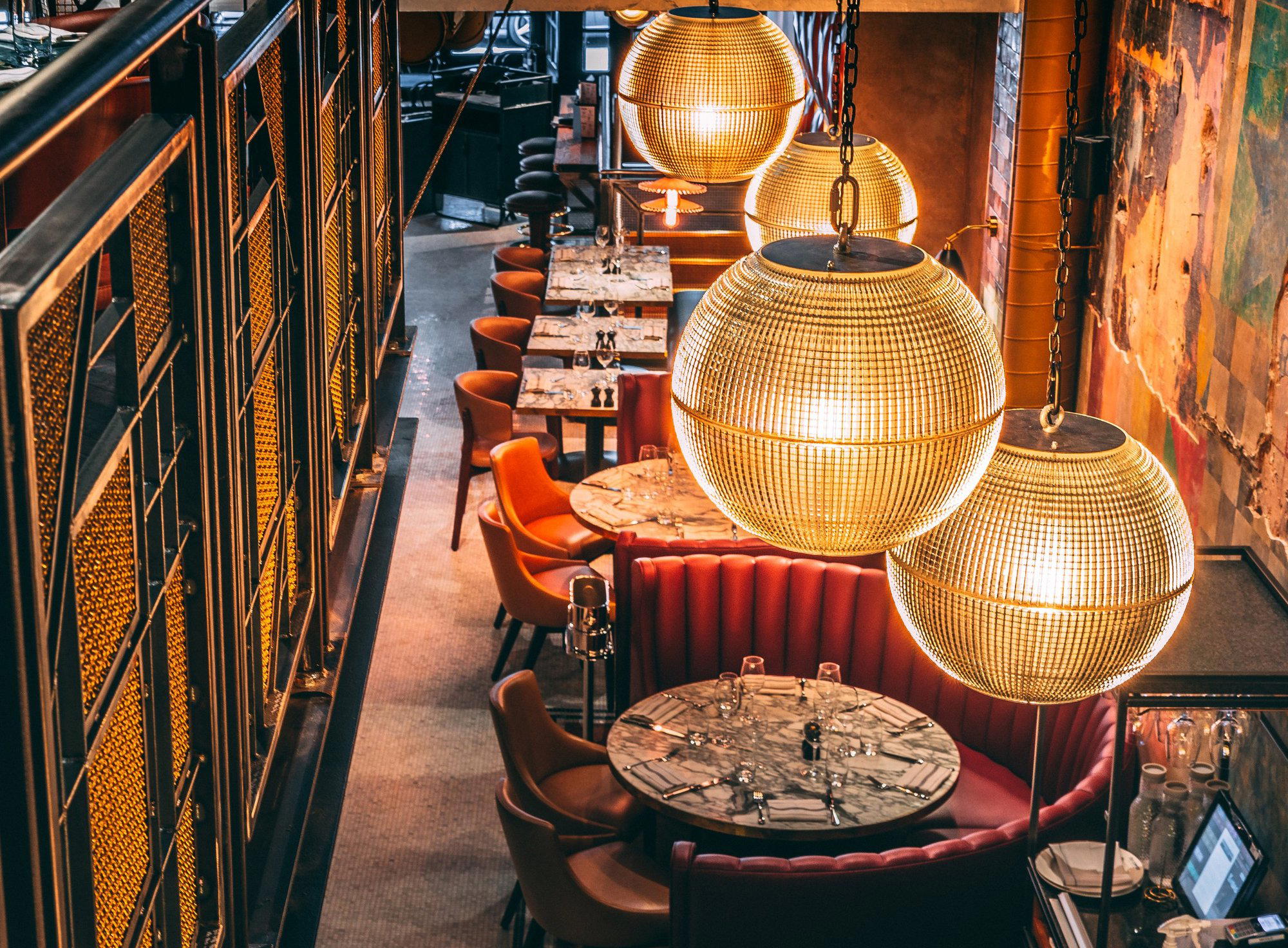
Soho's Brasserie Tradition and Where Old Compton Street Fits
Old Compton Street has functioned as a social artery through the heart of Soho for decades. Cafés, restaurants, and bars crowd its short run between Charing Cross Road and Dean Street, and the density of options tells you something about the neighbourhood's appetite for informal, any-hour dining. The brasserie format, which arrived in London from French and Belgian precedent, found a natural home in streets like this one: it suits the pace, the mix of daytime and late-evening traffic, and the expectation that a meal should be unhurried without being ceremonial.
It sits at the centre of that tradition. The address places it in direct eyeline of the street's foot traffic, which in Soho means exposure to a cross-section of the city that few London postcodes can replicate. This is not the quiet residential context that surrounds, say, The Ledbury in Notting Hill, or the formal hotel setting of Dinner by Heston Blumenthal in Knightsbridge. Soho operates on a different social contract: the room should be alive, and the kitchen should be ready.
The Rhythm of a Brasserie Meal
The brasserie format carries its own dining ritual, and that ritual is worth understanding before you arrive. Unlike the tasting-menu houses that dominate London's Michelin tier, where the kitchen sets the pace and the diner follows, a brasserie inverts that relationship. You order what you want, when you want it, and the room absorbs the irregularity. Tables turn at different speeds. The bar may be busier than the dining room at certain hours. The whole architecture of the experience is built for flexibility rather than choreography.
That flexibility is its own kind of discipline. The kitchens at London's better brasseries operate across a wider range of dishes and time windows than a tasting-menu kitchen, and the test of quality is consistency under that pressure rather than precision within a fixed sequence. Compare this with the formal progression at Restaurant Gordon Ramsay on Royal Hospital Road or the structured theatre of Sketch's Lecture Room and Library: those experiences depend on sequence and control. A brasserie stakes its reputation on breadth and reliability instead.
On Old Compton Street, the pacing of a meal also intersects with the neighbourhood itself. Soho evenings run late, and a table here is rarely a first stop or a last one. The street's character encourages a longer, more sociable approach to the evening, and a brasserie that understands this will keep the room comfortable for lingering rather than pushing towards a quick turnover.
Soho in Context: A Neighbourhood That Has Always Valued the Informal
London's premium dining has traditionally concentrated in a handful of postcodes, and Soho is an interesting outlier in that geography. The neighbourhood's restaurant density is high, but its prestige addresses are fewer than Mayfair, Belgravia, or Chelsea. What Soho has instead is cultural weight. The area's history of independent business, creative industries, and late-night life has produced a dining culture that values atmosphere and accessibility alongside quality.
That character has shaped the restaurants that succeed here. Across the city, the formal end of the market clusters around addresses like those occupied by CORE by Clare Smyth in Notting Hill or the destination restaurants further afield, including Waterside Inn in Bray, Le Manoir aux Quat'Saisons in Oxford, and L'Enclume in Cartmel. Soho tends to favour something less fixed in ceremony, which does not mean less serious about food.
Old Compton Brasserie's position on the street puts it in competition not just with other brasseries but with the full range of Soho's offer: Italian trattorias, late-night bars with food programs, and the cluster of independent restaurants that have defined the area's reputation. That competition keeps standards honest.
What to Expect from the Format
A brasserie visit on Old Compton Street works well when approached without a tasting-menu mindset. The meal is structured by your choices rather than the kitchen's sequence. Arriving with a clear sense of what you want, whether that is a single course and a glass of wine or a full table spread across an evening, will determine how the experience lands. The room's energy at peak service, typically Friday and Saturday evenings when the street is at its most active, will be noticeably different from a weekday lunch, when Soho's daytime workers and creative-industry regulars give the room a more settled tempo.
For visitors comparing London's broader restaurant scene, the brasserie tier occupies a different position from the destination restaurants. The likes of Moor Hall in Aughton, Gidleigh Park in Chagford, or Midsummer House in Cambridge represent the set-menu, destination-dining end of the spectrum. Old Compton Brasserie sits in a different register, where the value proposition is access, atmosphere, and the specific pleasure of eating well in one of London's most active streets without requiring a booking weeks in advance or a commitment to a fixed format.
Planning Your Visit
Old Compton Street itself is pedestrian-friendly and navigable on foot from much of Soho and Covent Garden.
For those building a broader London itinerary, the city's range runs from neighbourhood brasseries to the formal end of the market. Further afield, the UK's regional fine dining scene includes addresses like Hand and Flowers in Marlow, hide and fox in Saltwood, Opheem in Birmingham, and Restaurant Andrew Fairlie in Auchterarder. For international reference points at the formal end, Le Bernardin in New York City and Atomix in New York City represent the structured tasting-counter format that sits at the opposite pole from the brasserie model.
| Venue | Format | Price Tier | Booking Lead Time |
|---|---|---|---|
| Old Compton Brasserie | Brasserie, à la carte | Mid-range | Short to walk-in |
| CORE by Clare Smyth | Tasting menu | ££££ | Weeks to months ahead |
| Restaurant Gordon Ramsay | Tasting menu | ££££ | Weeks to months ahead |
| Sketch, Lecture Room | Tasting menu | ££££ | Weeks ahead |
| Dinner by Heston Blumenthal | À la carte, set menu | ££££ | Weeks ahead |
In Context: Similar Options
Comparable venues nearby, for context on price, style, and recognition.
| Venue | Cuisine | Price | Notes |
|---|---|---|---|
| Old Compton BrasserieThis venue — the venue you are viewing | Modern British Brasserie | $$$ | Not listed |
| Riding House Bloomsbury | Modern European Brasserie | $$$ | Bloomsbury |
| Brook House | Modern British Gastropub | $$$ | Parsons Green |
| Fox and Anchor | British Gastropub | $$$ | Farringdon |
| Butlers Wharf Chop House | Modern British Chop House | $$$ | River Thames |
| The Fat Badger | Modern British Gastropub | $$$ | North Kensington |
Continue exploring
More in London
Restaurants in London
Browse all →
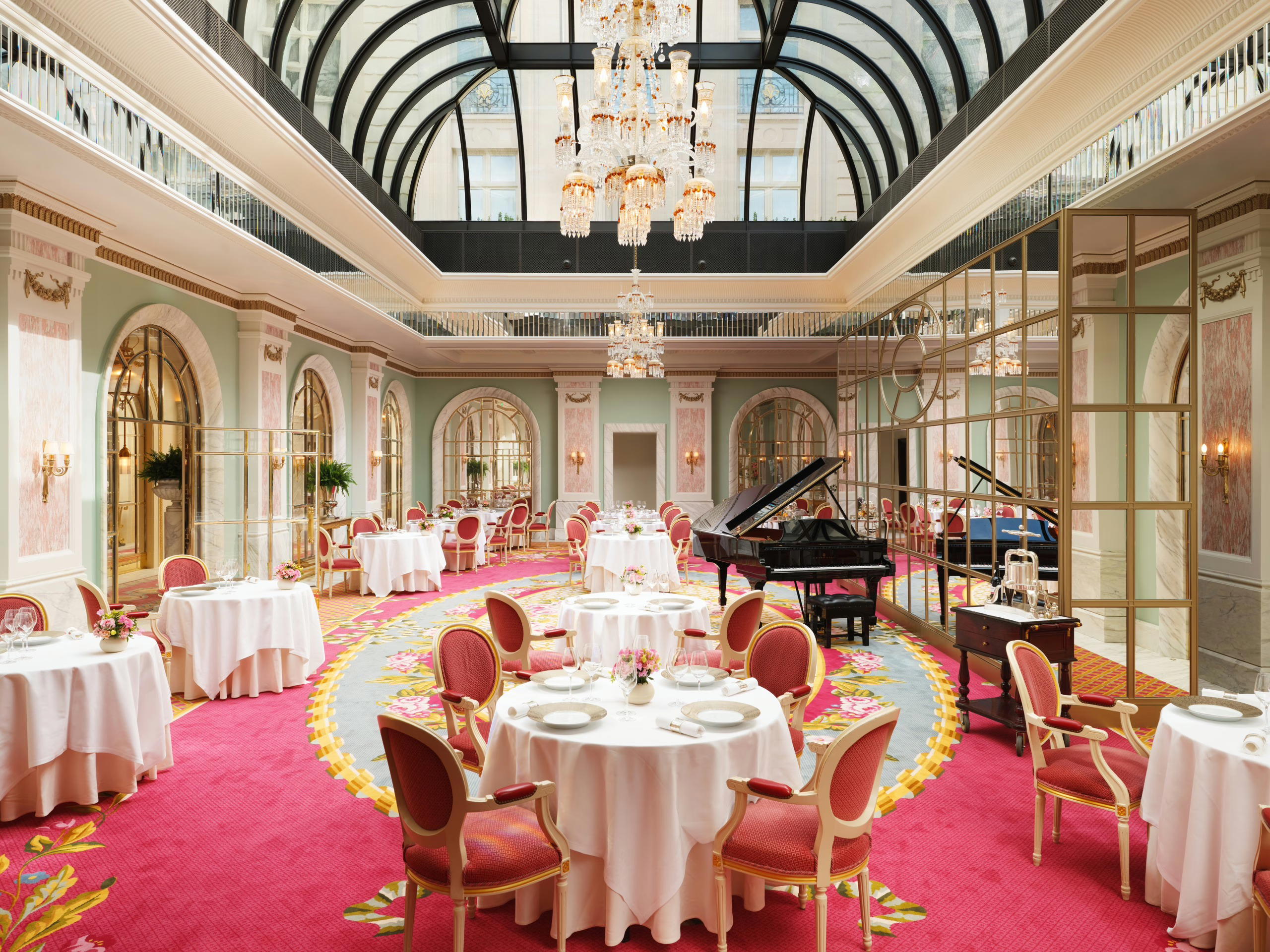
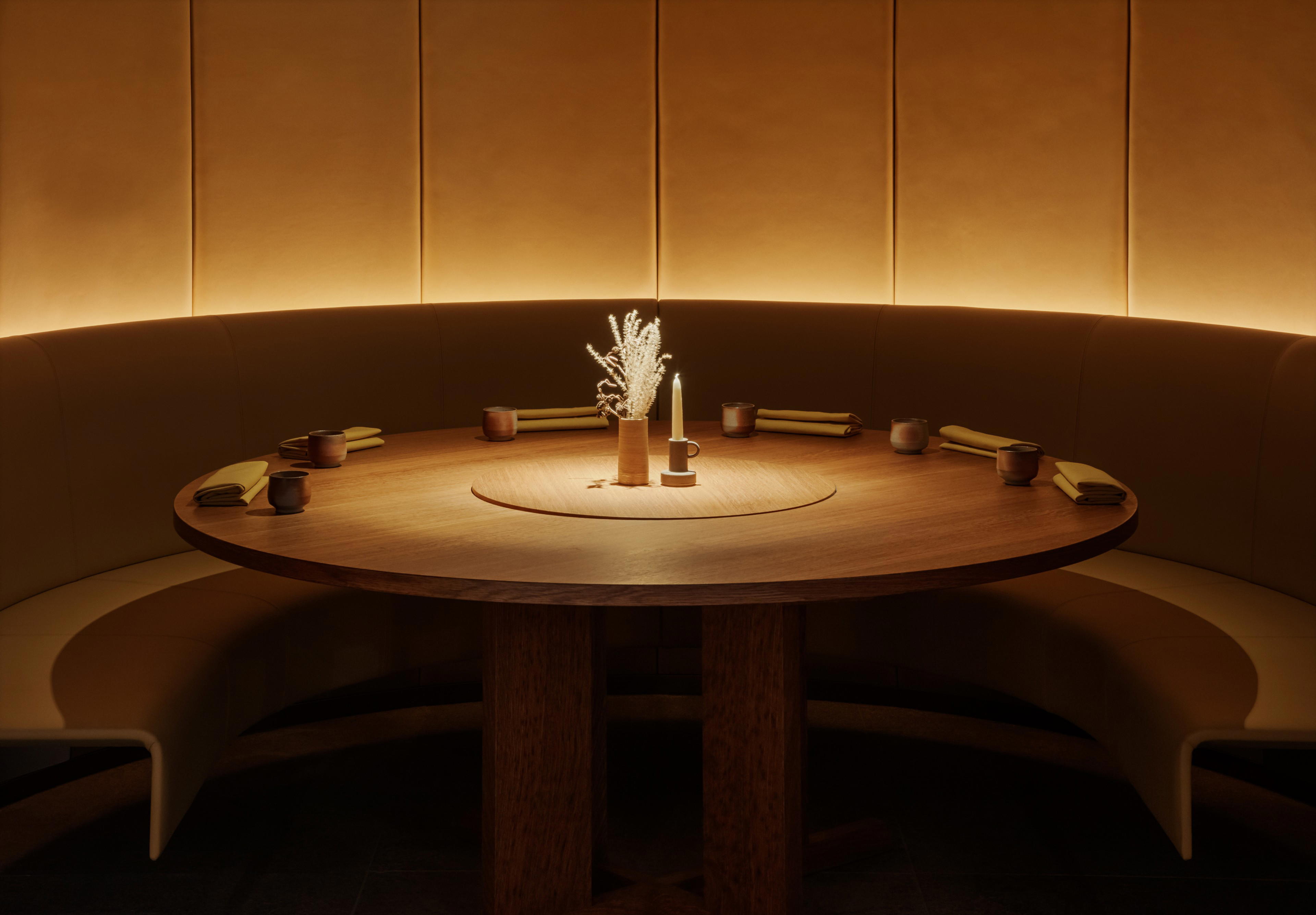
Bars in London
Browse all →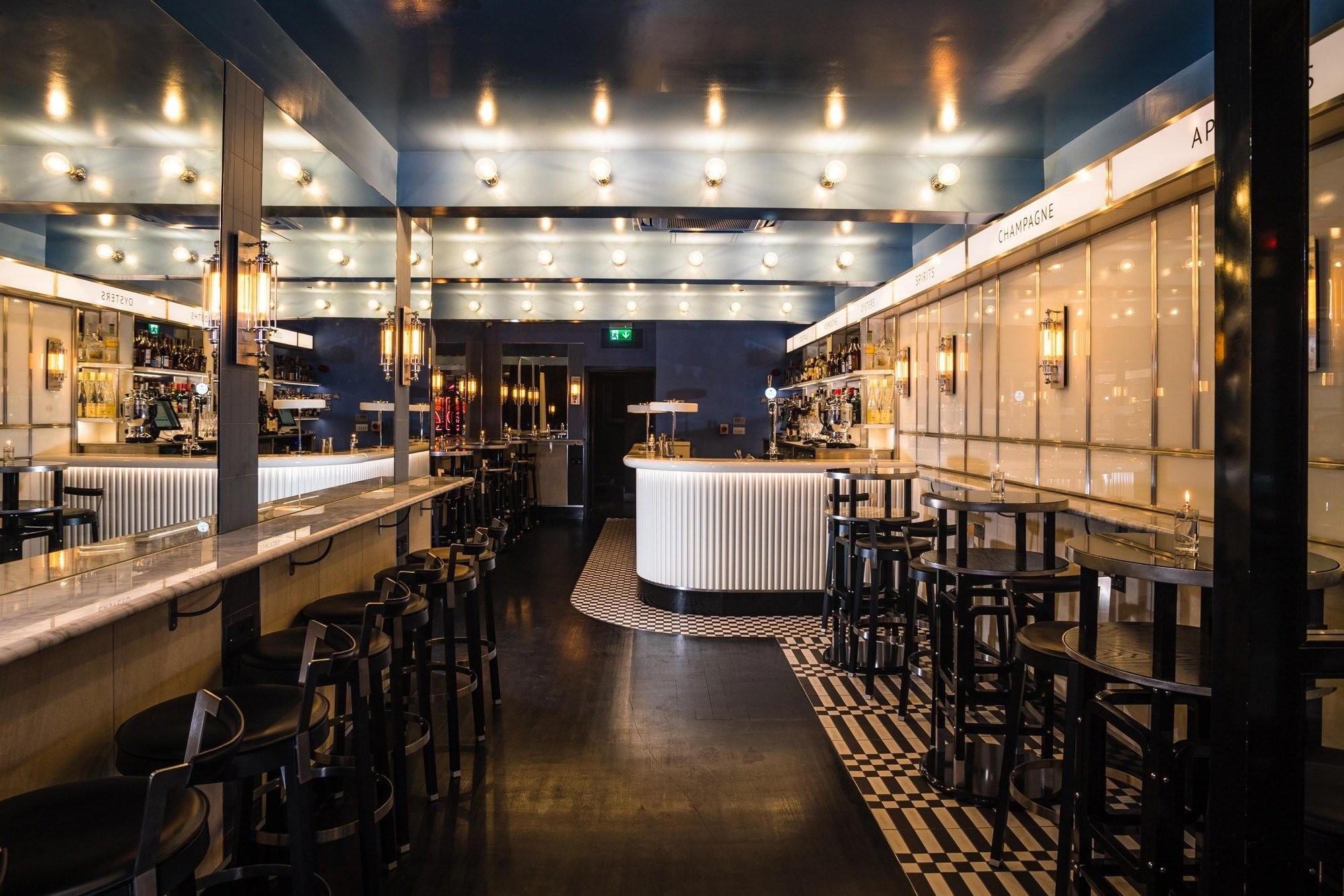
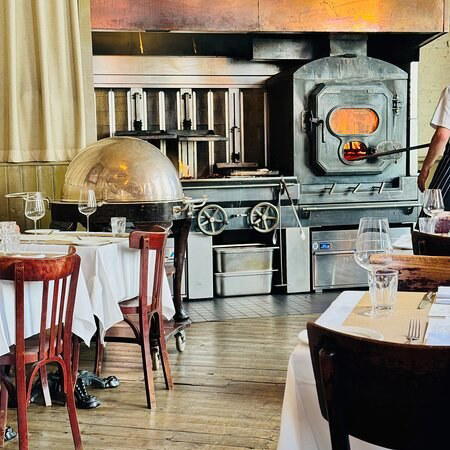
Hotels in London
Browse all →



At a Glance
- Lively
- Trendy
- Cozy
- Elegant
- Date Night
- Brunch
- Late Night
- Casual Hangout
- Open Kitchen
- Craft Cocktails
Current opening hours
- Monday
- 12–11:30 PM
- Tuesday
- 12–11:30 PM
- Wednesday
- 12–11:30 PM
- Thursday
- 12 PM–12:30 AM
- Friday
- 12 PM–12:30 AM
- Saturday
- 10 AM–12:30 AM
- Sunday
- 10 AM–11 PM
Hours can change for holidays and private events. Last verified .
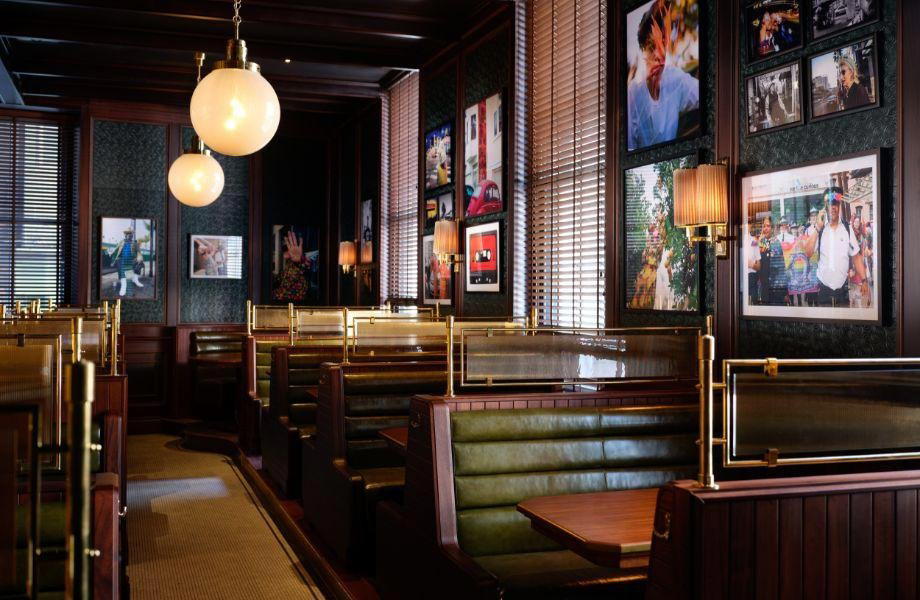
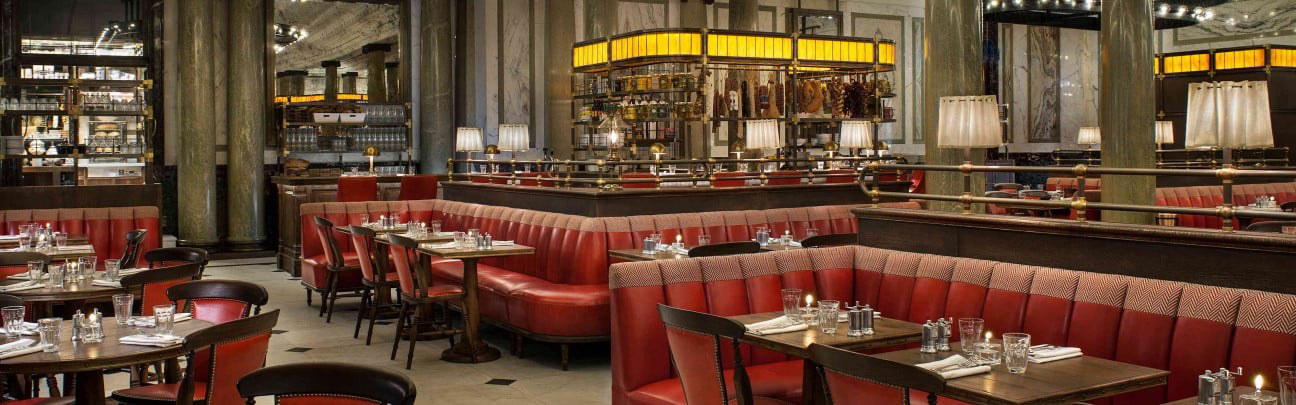
Lively yet relaxed setting with cosy chic atmosphere, exposed brick walls, horseshoe bar, and three zones including mezzanine.