The Vermilion Club

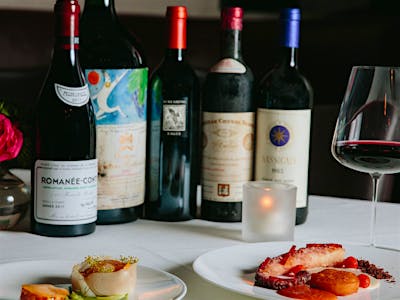
Wine Spectator Award of Excellence
Our verdict
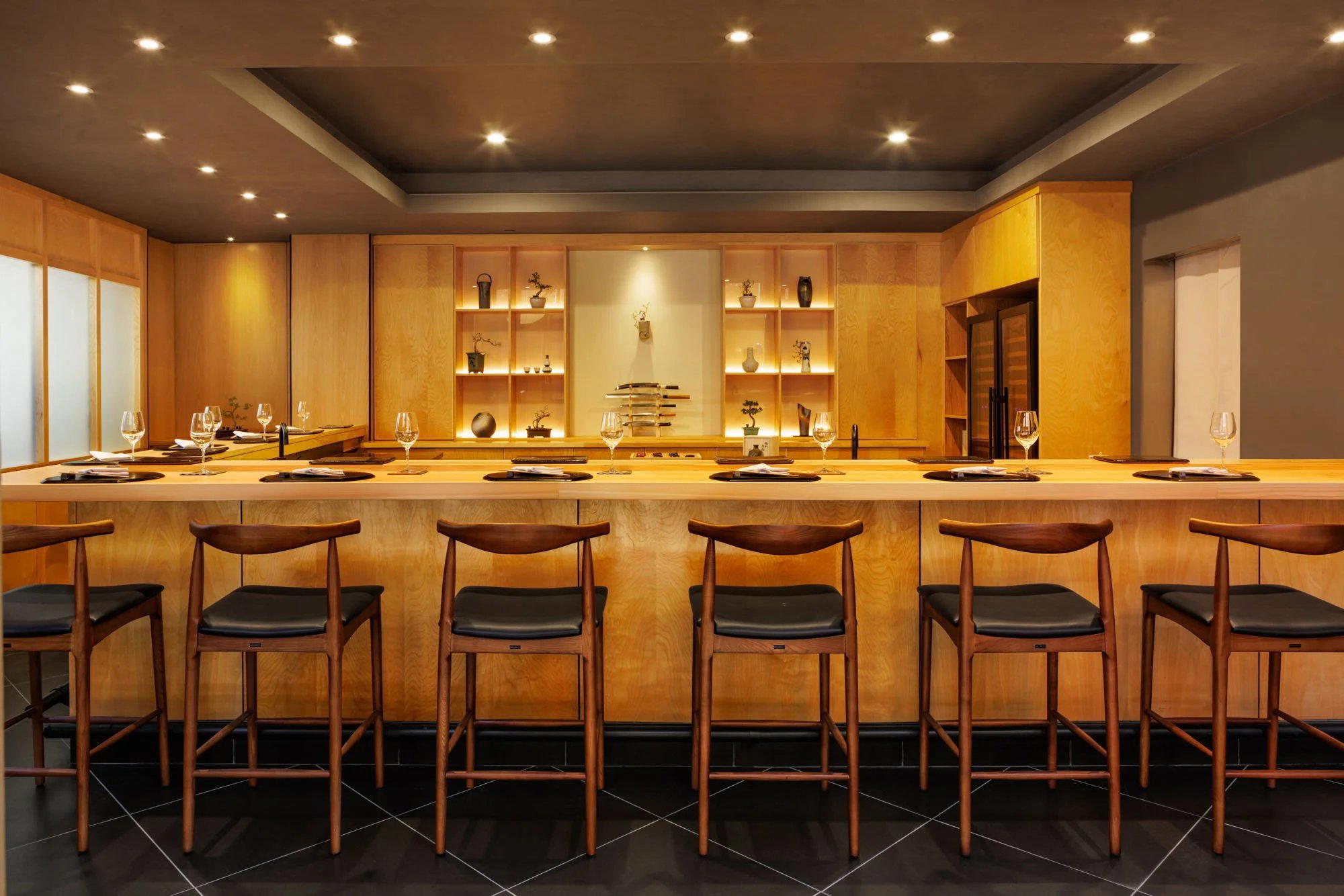
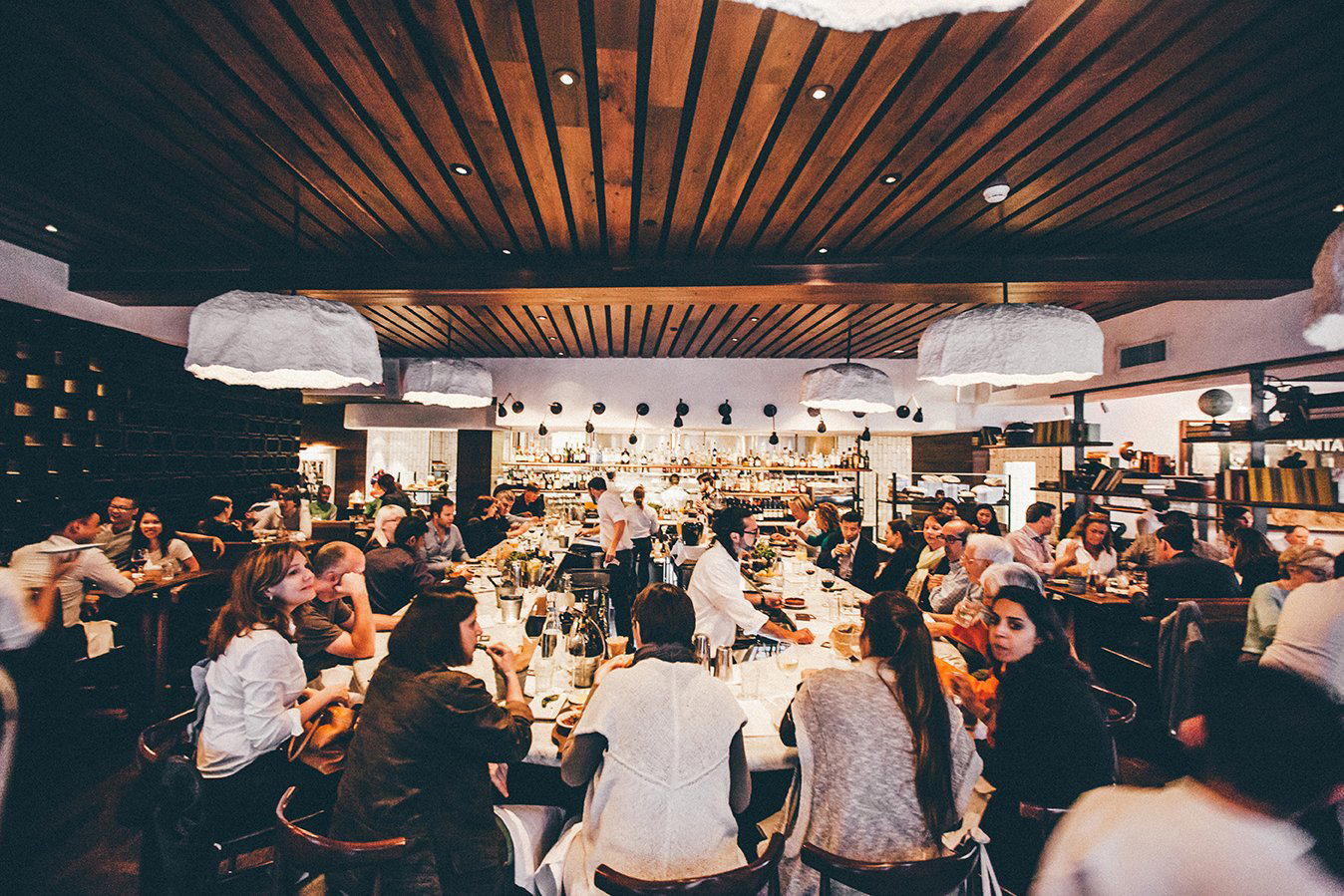
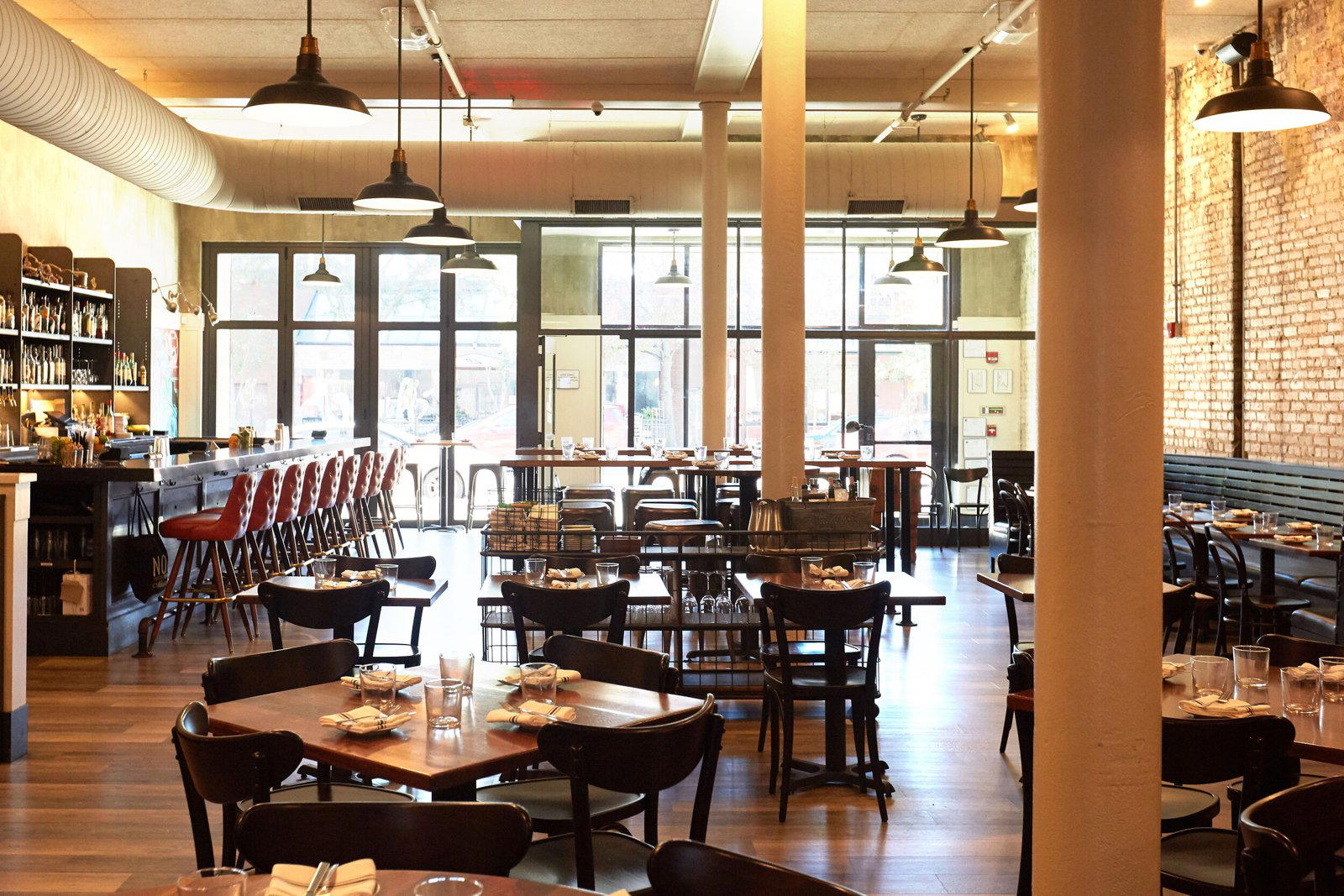
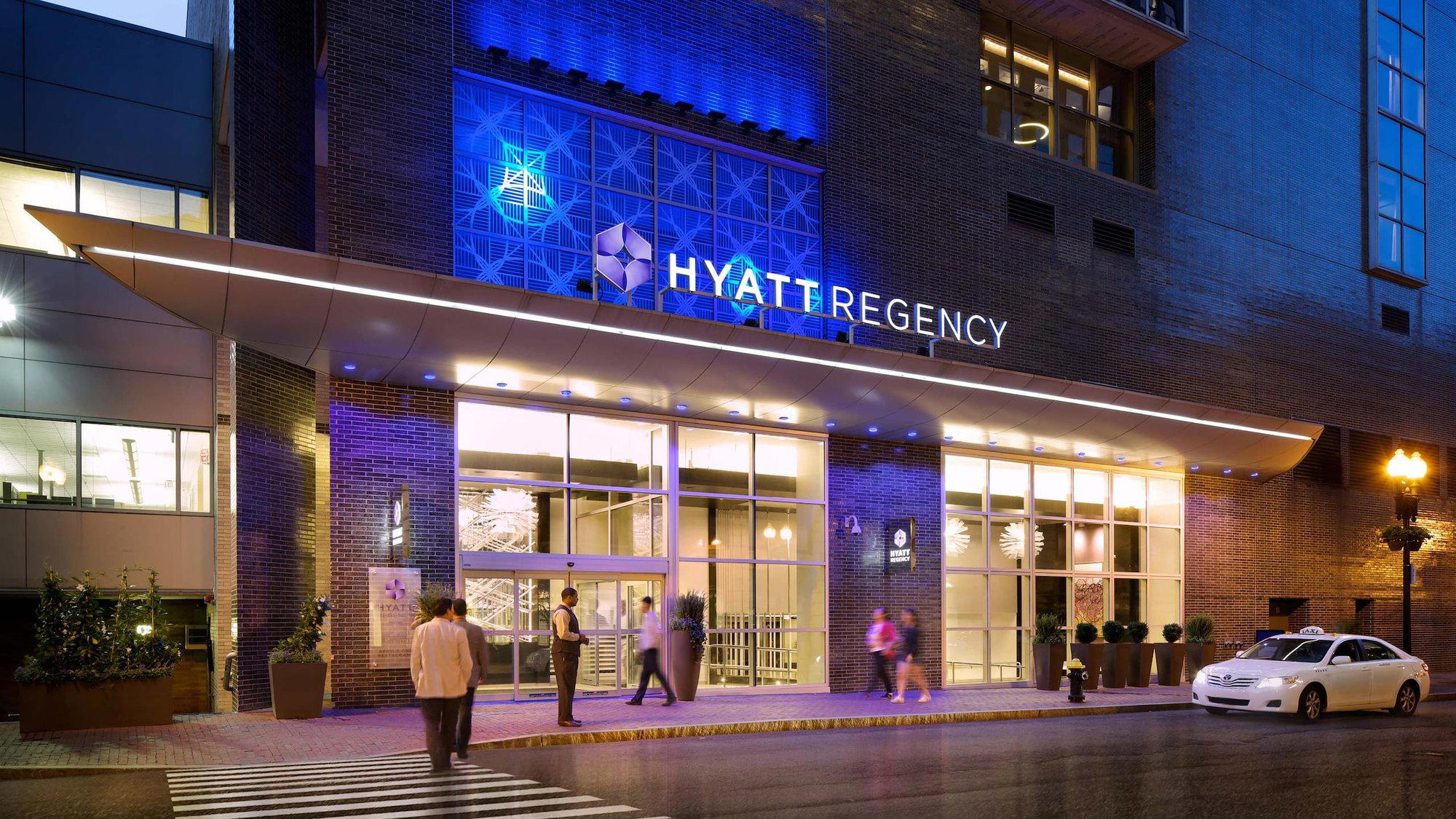
At 250 Devonshire Street in Boston's Financial District, the Vermilion Club occupies the professional-dining tier where room quality and service consistency carry as much weight as the kitchen's output. The club register and central location position it as a neighbourhood anchor for business lunches and corporate dinners, rather than a destination-driven tasting experience. For context on where it sits in Boston's broader dining map, see EP Club's full city guide.

Pearl is the En Primeur Club membership app, where members save venues, book tables and use the concierge.
The menu
What to order
- French onion soup dumplings
- Maple pudding
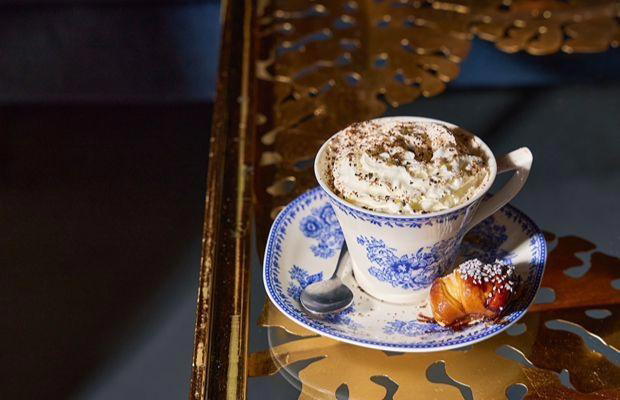
- Caramelized Puff Pie
Financial District Formality, Reconsidered
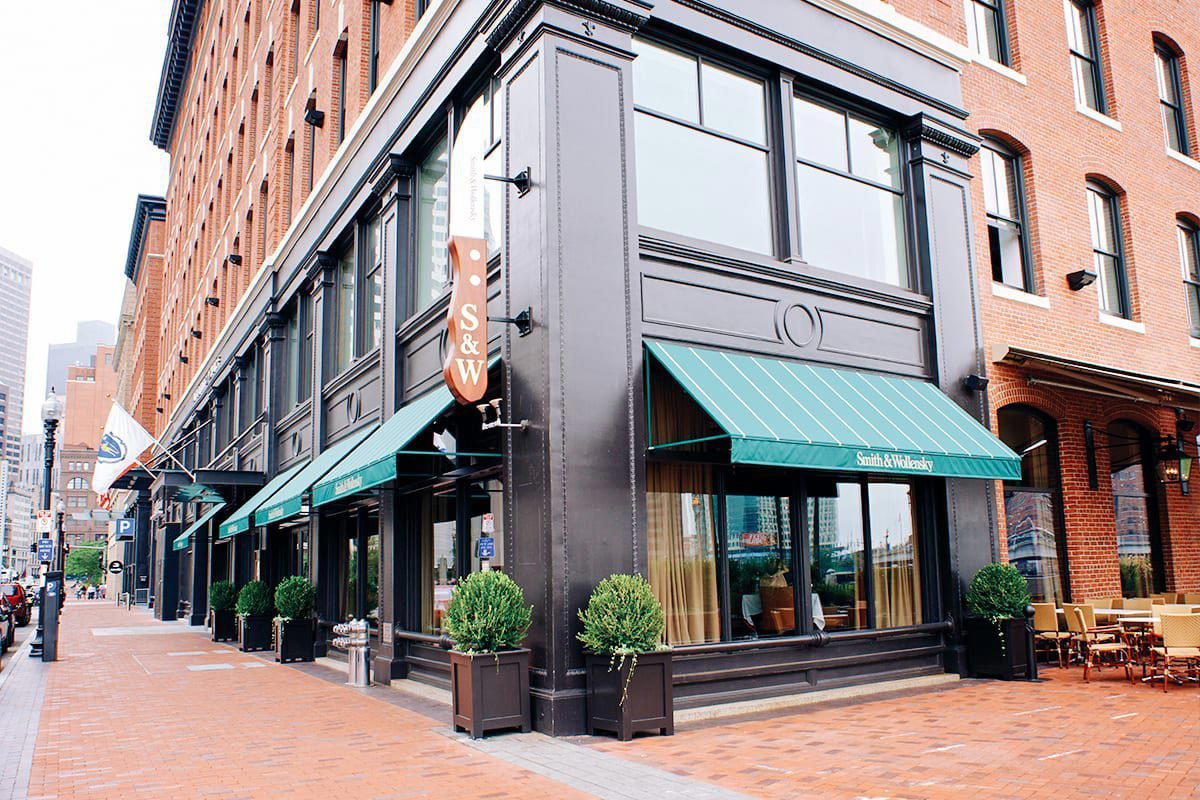
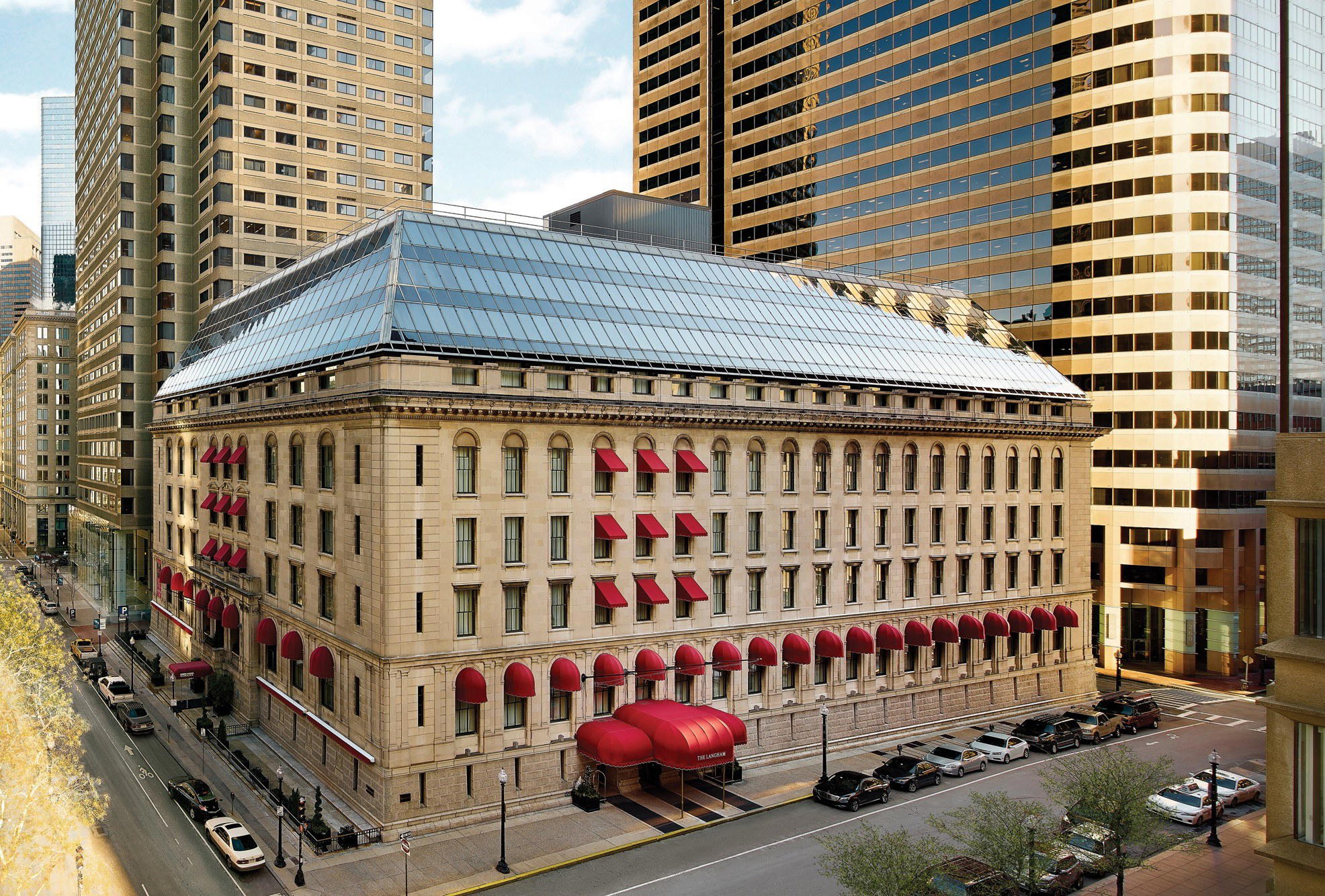
Devonshire Street runs through the core of Boston's Financial District, where the architecture skews toward mid-century office towers and converted banking halls. It is a neighbourhood that empties after six and fills again at lunch, built around professional rhythms rather than residential ones. Restaurants here tend to read the room accordingly: their menus are structured to move efficiently, their rooms are designed to project seriousness, and their price points reflect the expense-account latitude of their primary audience. Abe & Louie's on Boylston captures one version of that register, the classic American steakhouse, reliable and deliberately familiar. The Vermilion Club at 250 Devonshire St occupies a different position in the same professional-dining tier, one worth examining on its own terms.
How the Menu Speaks Before You Order
Menu architecture is rarely accidental at restaurants in this price and neighbourhood bracket. The way a kitchen structures its offerings, whether it leads with raw preparations or cooked, whether it separates proteins by land and sea or blends them, whether it offers a prix-fixe alongside à la carte, communicates the kitchen's priorities and its assumptions about the guest. In the Financial District context, menus that layer options tend to serve two distinct functions: they allow the solo diner on a tight lunch window to move through one course cleanly, and they allow the group celebrating a deal to build a longer, more ordered meal from the same base kitchen.
Boston's dining scene has moved steadily toward tighter, more concept-led formats over the past decade. Chef's counters like 311 Omakase and the tasting-menu format at Agosto represent one end of that spectrum, low seat counts, fixed progressions, no à la carte deviation. The Vermilion Club, by address and positioning, sits closer to the other end: a room built to handle volume across a full service calendar, with a menu architecture that accommodates the varied timelines of its clientele. That is not a criticism. It is a structural choice that reflects a clear understanding of who is walking through the door on a Tuesday at noon versus a Friday at eight.
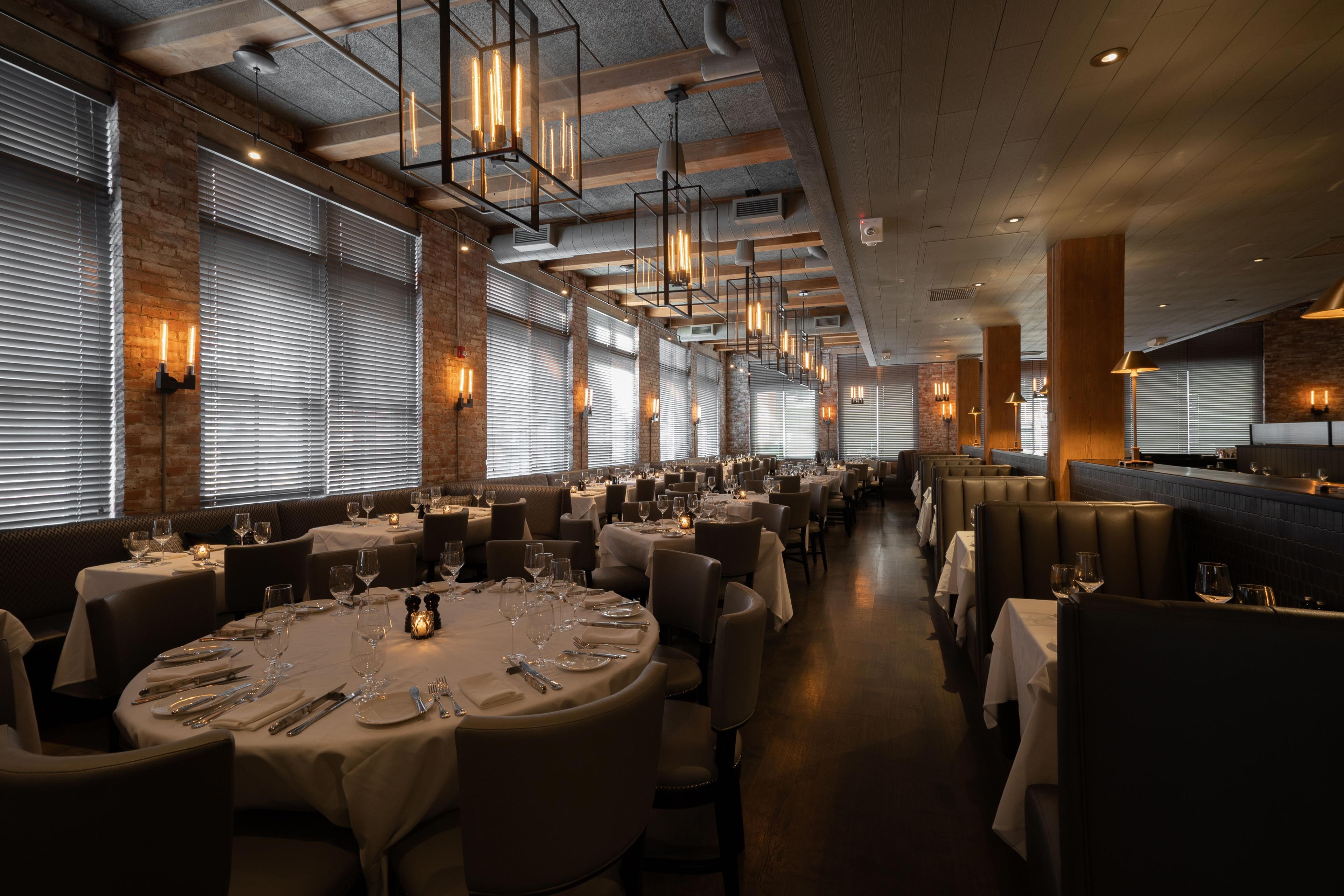
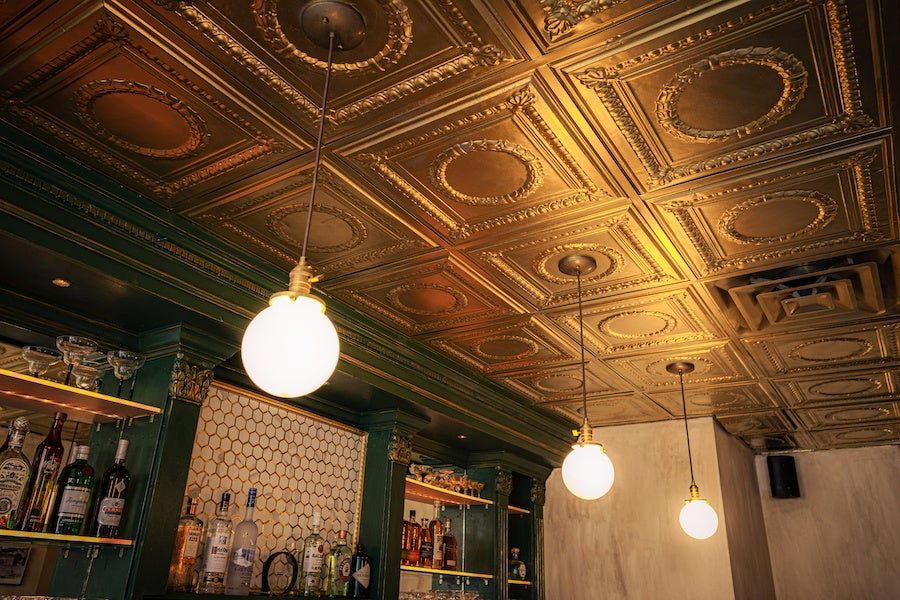
The name itself, Vermilion, gestures toward warmth and presence, a deliberate tonal contrast to the grey-and-glass register of the street outside. Clubs in the Boston tradition carry specific connotations: they suggest a degree of membership logic, whether formal or implied, and a certain expectation of consistency over novelty. Restaurants that adopt club nomenclature are typically signalling that the room and the service will matter as much as what arrives on the plate.
Boston's premium dining map has distinct clusters. The waterfront corridor, anchored by venues like 1928 Rowes Wharf and 75 on Liberty Wharf, draws a crowd oriented toward seafood and harbour views. The raw bar tradition runs deep in this city: Neptune Oyster in the North End has defined what a serious shellfish counter looks like for two decades, and Ostra on Charles Street holds the seafood grill position at the higher end of the spend bracket. Japanese formats have their own sub-cluster: 311 Omakase and Oishii Boston occupy the precision end, while O Ya operates a more eclectic Japanese-influenced tasting format.
The Financial District's dining identity is less consolidated than any of those clusters. It functions more as an office-lunch and corporate-dinner zone than a destination dining neighbourhood in the way that the South End or Back Bay are. That creates an opening for a room like the Vermilion Club to function as a neighbourhood anchor rather than a destination draw, which is a different kind of value and requires a different set of standards to evaluate fairly.
Against the broader American fine-dining field, the contrast is even sharper. Restaurants like Le Bernardin in New York City or The French Laundry in Napa operate with a different mandate entirely, multi-hour, multi-course commitments designed for guests who have blocked out an evening. Alinea in Chicago and Atomix in New York City push further into experiential territory. Lazy Bear in San Francisco, Blue Hill at Stone Barns in Tarrytown, and Single Thread Farm in Healdsburg each wrap a strong regional-sourcing narrative around their menu structures. Providence in Los Angeles, Addison in San Diego, and The Inn at Little Washington occupy the formal white-tablecloth tier in their respective markets. The Vermilion Club is not competing in that tier. It is operating in the professional-dining segment, where consistency, room quality, and service cadence carry more weight than culinary innovation.
What to Expect When You Arrive
The address places the Vermilion Club in a part of Devonshire Street where foot traffic is almost entirely professional during the week. Reaching it from South Station is a short walk north; from Government Center, a short walk south. The Financial District's transit access is among the better-served in central Boston, with multiple T stops within a few minutes on foot. Parking in the area follows standard downtown Boston conditions: limited, expensive, and leading avoided in favour of rideshare or the Red and Orange Lines.
For visitors comparing options at the premium end of Boston's dining spectrum, our full Boston restaurants guide maps the city's dining clusters by neighbourhood and cuisine type, which is a more reliable planning tool than relying on a single venue's positioning.
Planning Details
| Factor | The Vermilion Club | Agosto | 311 Omakase | 1928 Rowes Wharf |
|---|---|---|---|---|
| Location | Financial District | Back Bay | Financial District | Waterfront |
| Format | Full-service dining room | Chef's counter tasting menu | Omakase counter | Hotel dining |
| Booking lead time | Data not available | Weeks in advance | Weeks to months | Variable |
| Price tier | Data not available | Premium tasting menu | Premium omakase | Mid-to-upper |
| Meal length | Data not available | Multi-course, 2+ hours | Multi-course, 2+ hours | Flexible |
Frequently asked questions
Would The Vermilion Club be comfortable with kids?
The Vermilion Club sits at 250 Devonshire Street in Boston's Financial District, a neighbourhood where the weekday crowd is almost entirely professional. The setting and pace lean toward adult-oriented dining, business lunches, evening client dinners, and occasions where conversation is the focus. Families with children are not the primary audience here, and younger children in particular may find the environment less suited to their needs.
Is The Vermilion Club formal or casual?
The address in Boston's Financial District sets clear expectations: this is a room where the surrounding clientele tends to arrive in professional attire. The Vermilion Club occupies a register that sits above neighbourhood casual without demanding black-tie formality, think business professional rather than either extreme. Arriving underdressed relative to the room is the more common misstep here.
Is The Vermilion Club a good option for a business lunch in Boston's Financial District?
Located at 250 Devonshire Street in the heart of Boston's Financial District, The Vermilion Club is positioned squarely within the corridor where business dining demand is highest on weekdays. The address places it within easy reach of the major office towers that define this part of downtown Boston, making it a practical choice for midday meetings where the room itself needs to project a certain seriousness. Reservations in advance are advisable given the concentration of professional demand in the area.
What's the best thing to order at The Vermilion Club?
What the Financial District location at 250 Devonshire Street does signal is a kitchen calibrated to the expectations of Boston's business dining circuit, where consistency across lunch and dinner service carries as much weight as any single standout plate.
Where exactly is The Vermilion Club?
The Vermilion Club is located at 250 Devonshire St, Boston, MA 02110, Boston.
Just the Basics
Comparable venues nearby, for context on price, style, and recognition.
| Venue | Cuisine | Price | Awards | Notes |
|---|---|---|---|---|
| The Vermilion ClubThis venue (the venue you are viewing) | Modern Chophouse Steakhouse | Not listed | Wine Spectator Award of Excellence | Not listed |
| Mooo SEAPORT | Modern Steakhouse | $50–100 | Not listed | Fort Point, Modern Steakhouse |
| Mooo | Modern Steakhouse | $100–150 | Star Wine List · Forbes Recommended | Downtown, Modern Steakhouse |
| Bogie’s Place | Speakeasy-Style Steakhouse | $50–100 | Not listed | Downtown Crossing, Speakeasy-Style Steakhouse |
| Abe & Louie’s | Classic Steakhouse | $100–150 | Wine Spectator Best of Award of Excellence | Back Bay, Classic Steakhouse |
| nine | Modern French Fine Dining | Not listed | Not listed | Beacon Hill, Modern French Fine Dining |
Recognition history
Dated appearances from independent guides and award organizations, with the underlying list record or original source where available.
Wine Spectator Award of Excellence
Wine Spectator