NOPSI New Orleans

Preferred Hotels L.V.X. Collection
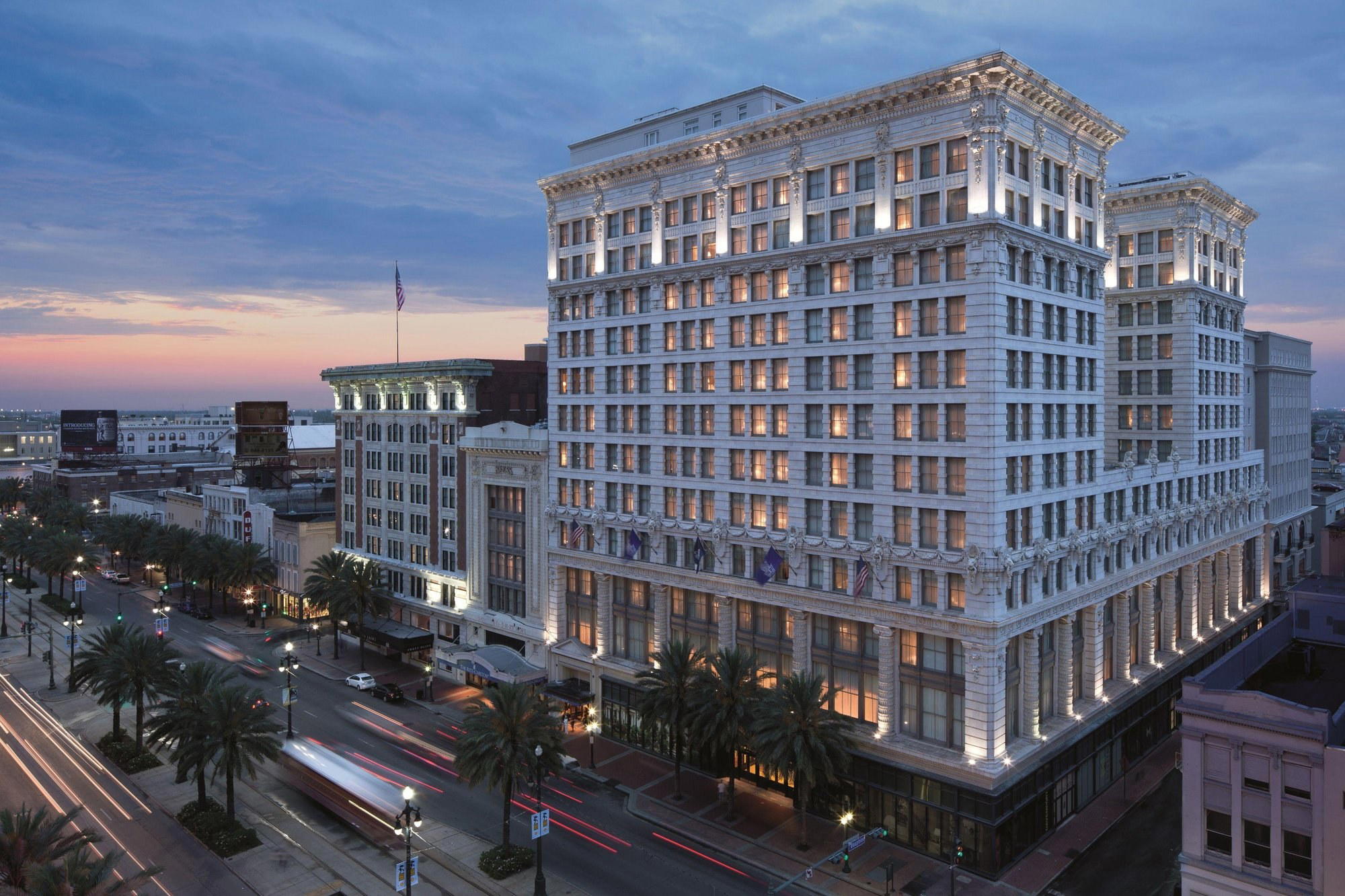
NOPSI New Orleans occupies a meticulously restored 1920s utility company headquarters on Baronne Street, offering 217 rooms in one of downtown's most architecturally compelling buildings. The property sits in a tier of adaptive-reuse hotels that treat New Orleans history as the design brief, placing it alongside properties like Hotel Peter and Paul and Hotel Saint Vincent rather than the city's legacy grand hotels.

Pearl is the En Primeur Club membership app — saves, bookings, and concierge access live there. Same editors, same standards.
- Address
- 317 Baronne St, New Orleans, LA 70112
- Phone
- (504) 962-6500
- Website
- nopsihotel.com
- Directions
- Get directions
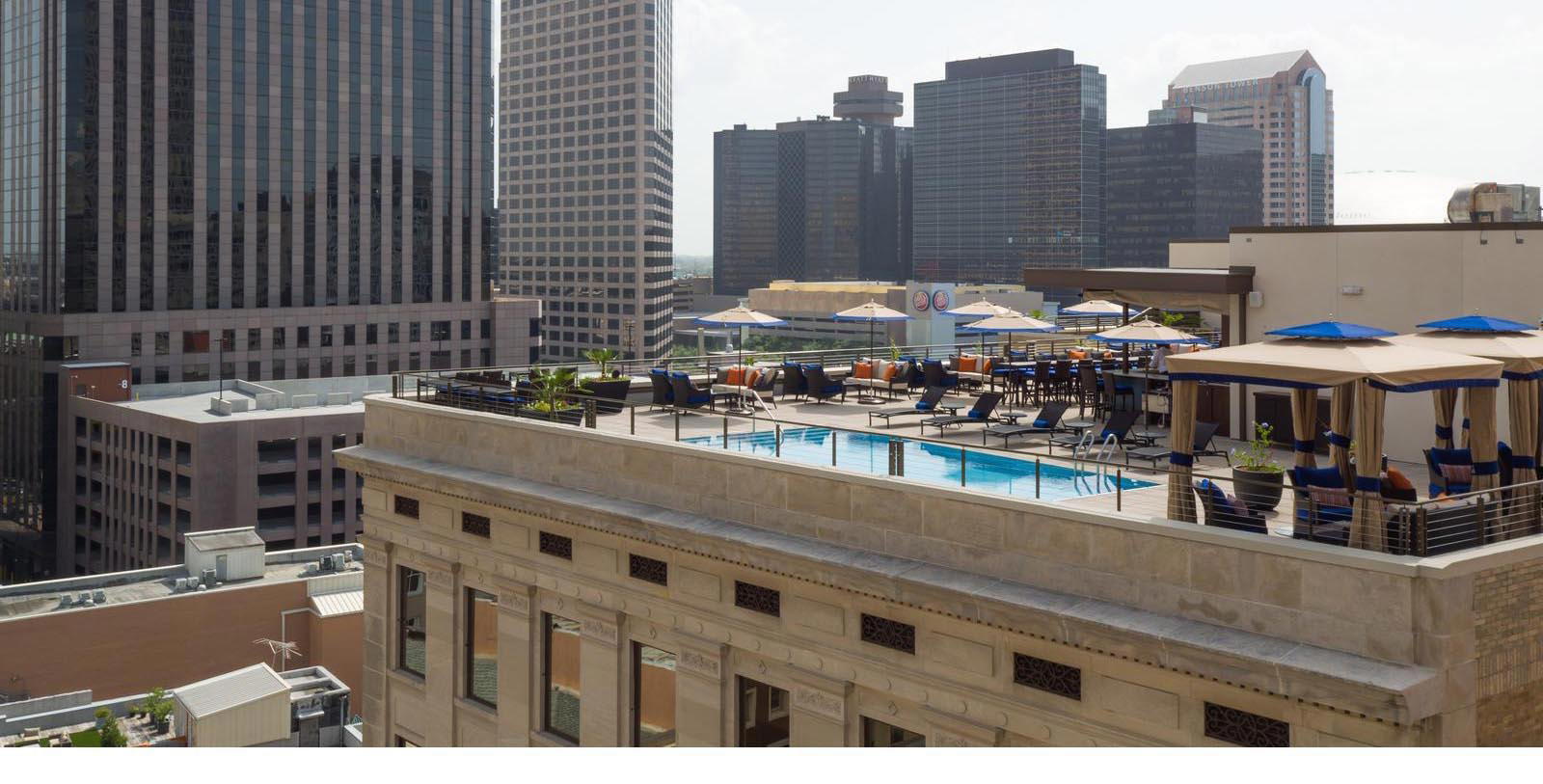
A Building With a Second Act Worth Paying For
Baronne Street in downtown New Orleans runs through a corridor of early twentieth-century commercial architecture that the city largely forgot to demolish. That neglect turned out to be valuable. The building at 317 Baronne — erected as the headquarters of the New Orleans Public Service Incorporated, the municipal utility that gave the hotel its name — survived intact long enough to become a serious adaptive-reuse project rather than a renovation of something already stripped out. Arriving at the NOPSI New Orleans, the exterior reads as civic rather than residential, which is precisely the point: the bones are too particular to pretend they belong to anything other than what they are.
New Orleans hotels have split into recognizable camps over the past decade. The legacy grand hotel tier, Pontchartrain Hotel St. Charles Avenue, The Roosevelt New Orleans, operates on accumulated reputation and scale. A second camp has emerged around adaptive-reuse conversions that treat the city's architectural stock as the product itself. Hotel Peter and Paul, which occupies a former church and school complex in the Marigny, sits in that cohort. So does Hotel Saint Vincent, a converted orphanage in the Irish Channel. NOPSI belongs to this second group, though it operates at larger scale, 217 rooms, than most of the design-led conversions, which typically trade in intimate key counts as part of their appeal.
What the Scale Actually Means
At 217 rooms, NOPSI sits in an interesting gap. It is large enough to absorb conference travel and extended stays without feeling like a boutique property trying to punch above its weight on amenities, yet it is not so large that the architectural identity gets diluted by the sheer volume of operational infrastructure required to run a 400-room convention anchor. Compare the footprint to Columns, which occupies a nineteenth-century Garden District mansion and operates with a fraction of the rooms, or to Maison Metier, which leans into an even more compressed, curated format. The NOPSI model is different: it offers institutional scale inside a genuinely institutional building.
That distinction matters when thinking about how to use the property. Travelers who want the New Orleans adaptive-reuse experience but also need reliable room consistency across multiple nights, or who are arriving as part of a small group, will find the size an asset rather than a compromise. The Celestine New Orleans and Catahoula New Orleans offer other downtown reference points, but neither matches the NOPSI building's specific architectural register.
Downtown New Orleans as a Starting Point
The Central Business District address places NOPSI within walking range of the French Quarter's edge without dropping guests directly into the density of Bourbon Street. That positioning is useful. It means the hotel functions as a base for the broader city rather than as a launching pad specifically for Quarter tourism, which tends to narrow the experience for anyone who wants to cover significant ground across neighborhoods. The Warehouse Arts District is immediately adjacent; the Garden District requires a streetcar or short ride. For travelers who have read our full New Orleans restaurants guide, the CBD location keeps most of the serious dining and drinking circuit within practical reach.
The Element New Orleans Downtown occupies a comparable geographic position but operates in a different register entirely, extended-stay infrastructure rather than character-led hospitality. The NOPSI's Baronne Street address is specific enough to carry its own identity within the district.
Reading the Property Against Peers Elsewhere
Adaptive-reuse hotel format that NOPSI represents has played out in cities across the United States with varying results. In New York, The Fifth Avenue Hotel and Aman New York represent the best of the market for building-as-identity hospitality. In Boston, Raffles Boston operates with a similar logic, heritage building, contemporary programming. What distinguishes the New Orleans version of this model is the specificity of the city's architectural history: the building types available for conversion here carry associations that are harder to replicate in cities with more aggressive development histories.
For travelers who move between properties of this type, those who might also be considering Troutbeck in Amenia or SingleThread Farm Inn in Healdsburg for their respective regional identities, NOPSI fits a recognizable pattern: a property whose argument rests primarily on where it is and what it was built as, rather than on a signature restaurant, a branded wellness program, or a celebrity chef attachment. That is not a criticism. It is a useful signal about what kind of stay to expect.
Planning Your Stay
NOPSI New Orleans is located at 317 Baronne Street in the Central Business District, a short walk from Canal Street and the French Quarter's western edge. The property's 217-room count means availability tends to be more consistent than at the smaller adaptive-reuse properties in the city, though peak festival periods, Jazz Fest in late April and early May, French Quarter Festival in April, and the Mardi Gras window, compress booking windows significantly across all New Orleans hotels. Travelers arriving for those periods should treat standard advance-booking timelines as inadequate and plan further ahead than they might for other domestic city trips.
The surrounding block pattern offers direct access to the streetcar lines that connect the CBD to the Garden District and Uptown neighborhoods. For anyone planning a stay that spans multiple New Orleans districts, the kind of trip where the hotel functions as a base rather than a destination, the location works well in both directions: toward the Quarter and toward the Warehouse District, which has concentrated much of the city's gallery activity and some of its more interesting mid-format restaurants.
Travelers with a preference for resort-scale amenities and landscape-driven settings will find a different kind of proposition at properties like Amangiri in Canyon Point or Little Palm Island Resort and Spa in Little Torch Key. NOPSI's argument is urban and architectural, not experiential in that resort sense. That distinction should inform who books it and why.
A Quick Peer Check
Comparable venues nearby, for context on price, style, and recognition.
| Venue | Cuisine | Price | Awards | Notes |
|---|---|---|---|---|
| NOPSI New OrleansThis venue — the venue you are viewing | historic luxury with modern residential comforts | Not listed | Preferred Hotels L.V.X. Collection | Not listed |
| Hotel Monteleone | Historic luxury hotel blending Southern charm with modern comforts | Not listed | Forbes Recommended · Preferred Hotels L.V.X. Collection | French Quarter |
| Soniat House | Historic Creole townhouses with private courtyards | Not listed | Not listed | French Quarter |
| Loft 523 | Urban loft-style boutique in historic warehouse | $200–300 | Not listed | Central Business District |
| Garden District Hotel | Fresh, design-forward take on Southern hospitality blending modern indulgences with historic charm in a resort-style setting. | $100–200 | Michelin Guide New Hotels New Hotel · Michelin Selected | Central City |
| The Lookout Inn of New Orleans | Owner-occupied boutique inn with individually themed suites offering a local, authentic New Orleans experience. | $100–200 | Not listed | Bywater |
Recognition history
Dated appearances from independent guides and award organizations, with the underlying list record or original source where available.
Preferred Hotels L.V.X. Collection
Preferred Hotels
Continue exploring
More in New Orleans
Hotels in New Orleans
Browse all →
Bars in New Orleans
Browse all →
Details
- Elegant
- Sophisticated
- Historic
- Well Known
- Romantic Getaway
- Business Trip
- Weekend Escape
- Rooftop Pool
- Historic Building
- Terrace
- Wi Fi
- Pool
- Fitness Center
- Room Service
- Concierge
- Valet Parking
- Skyline
- Wheelchair Accessible
- Elevator
- Step Free Entrance
- Accessible Parking
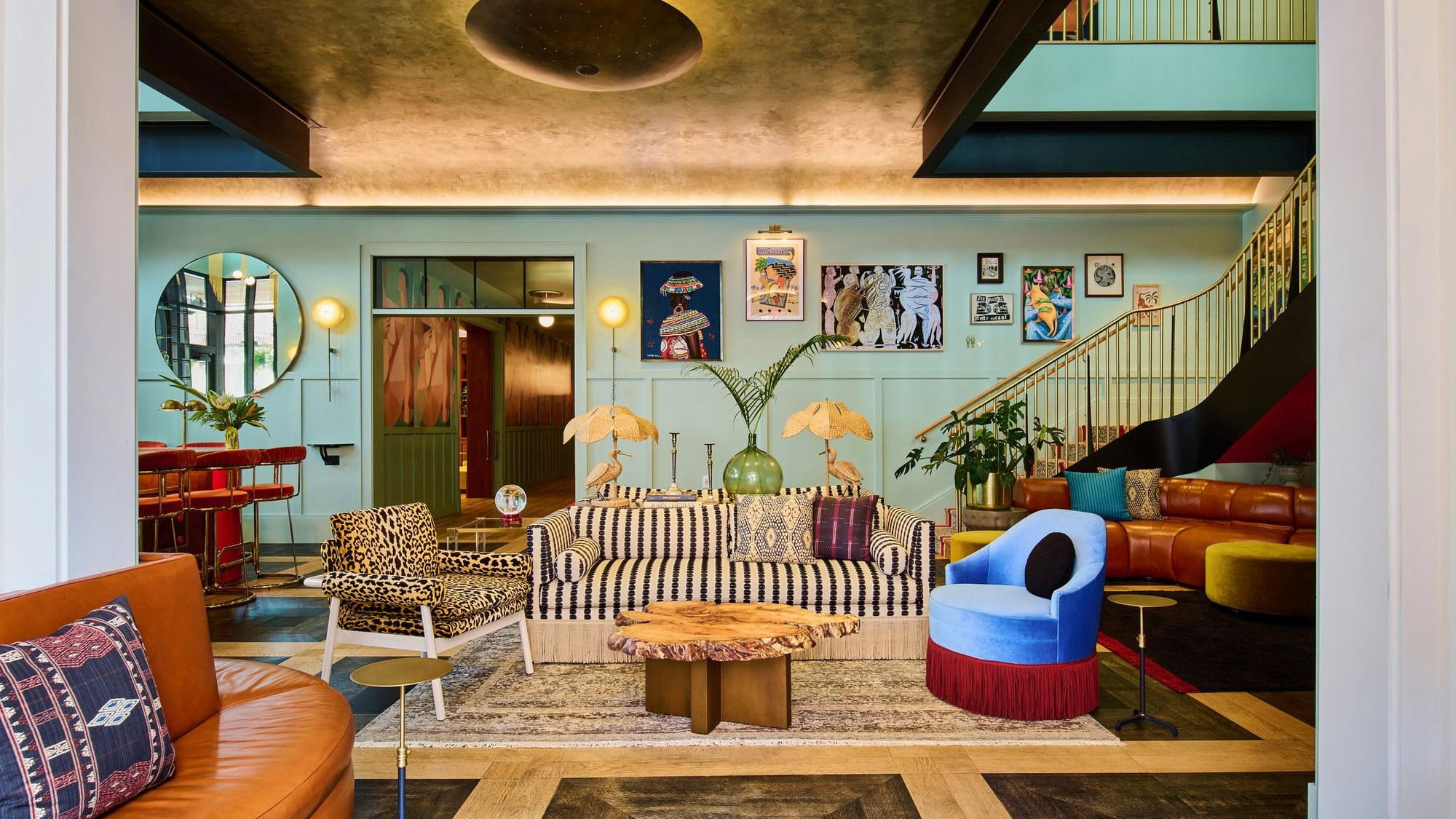
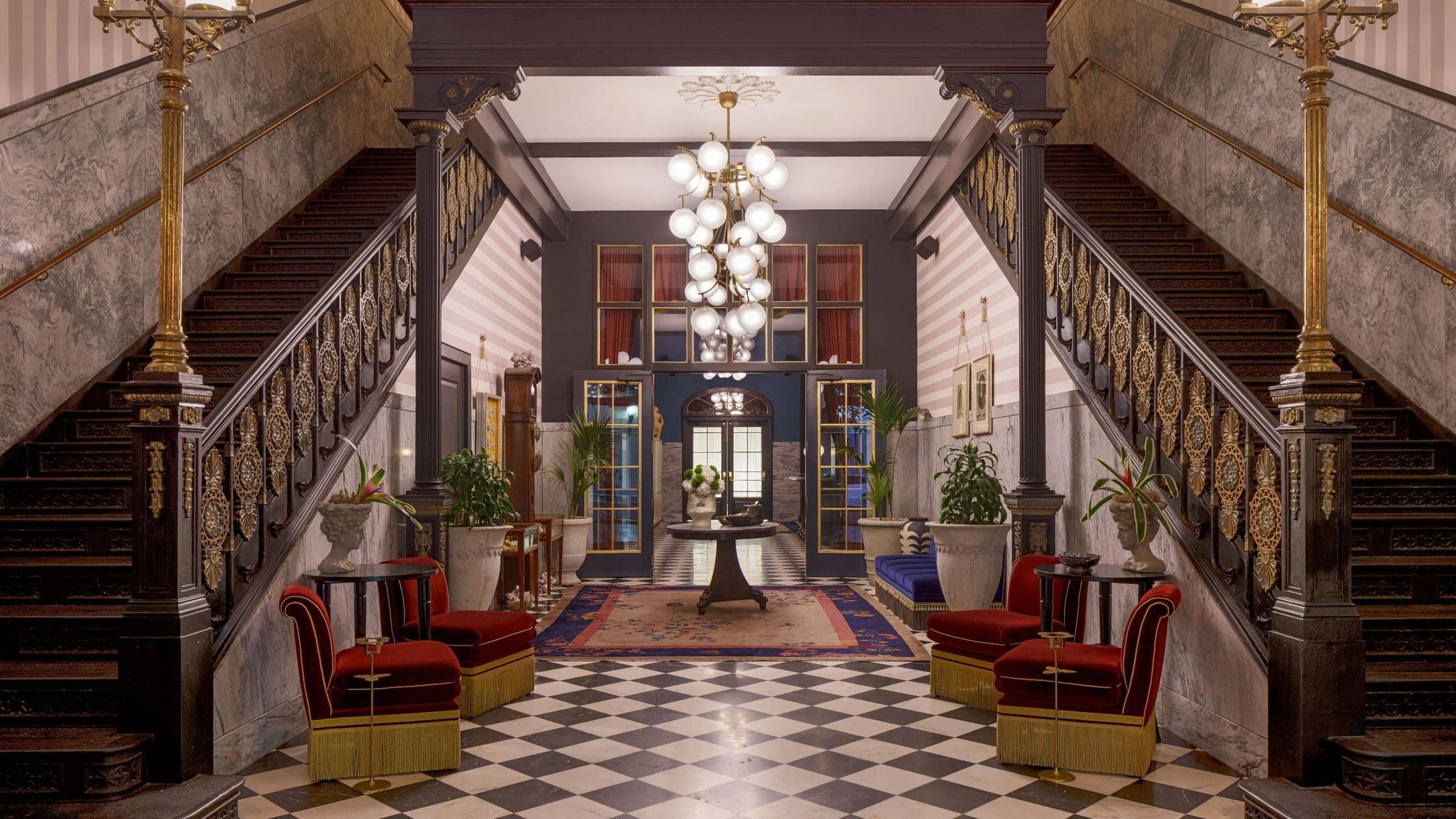
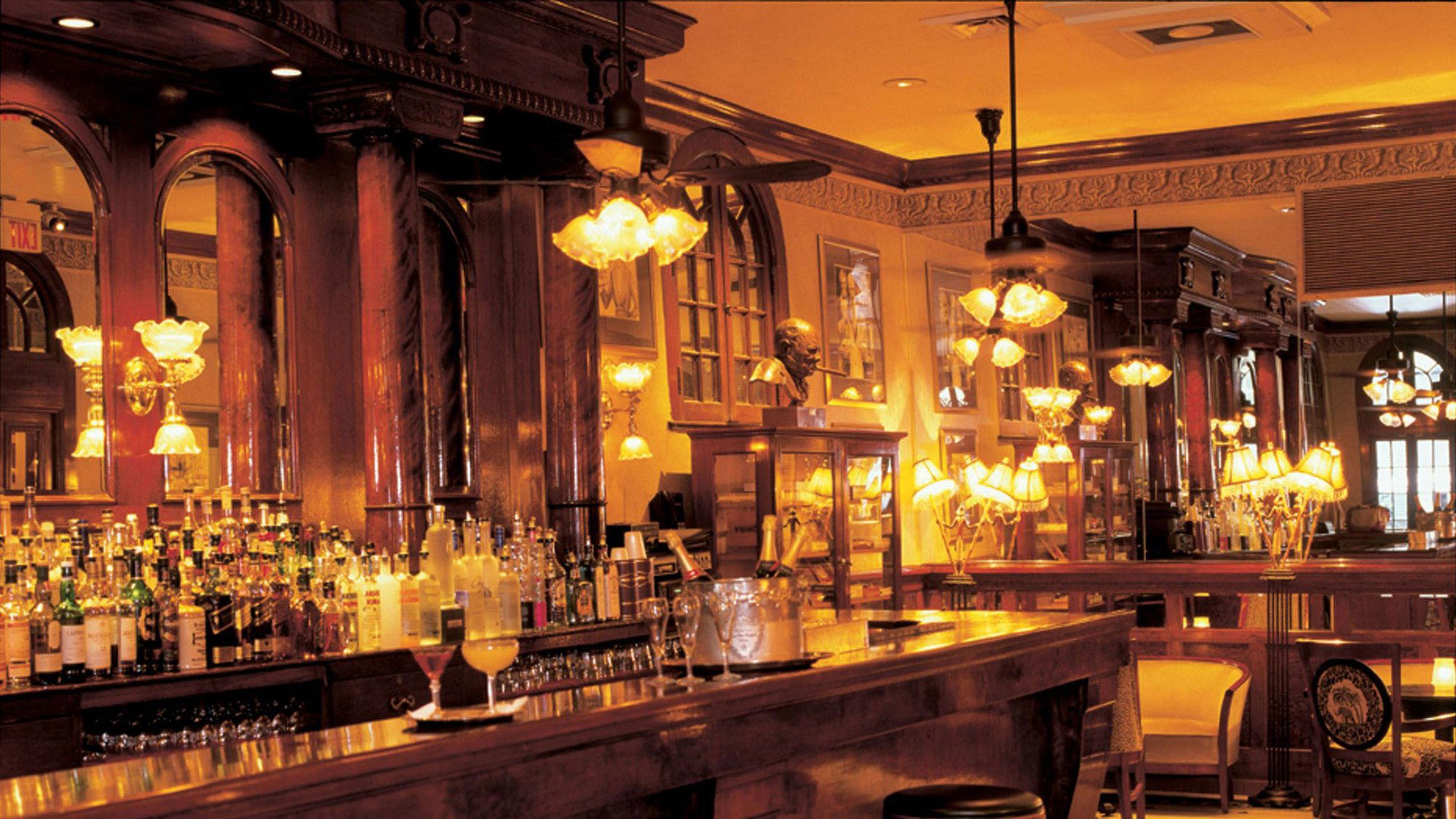
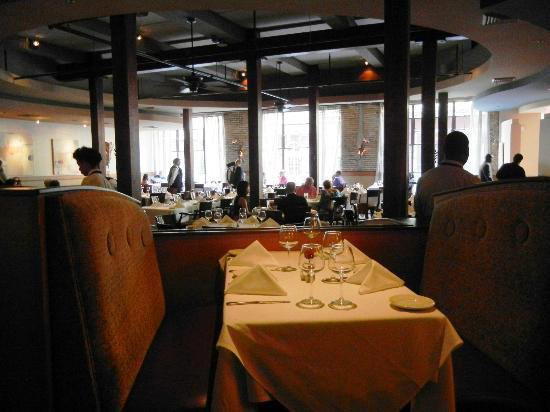
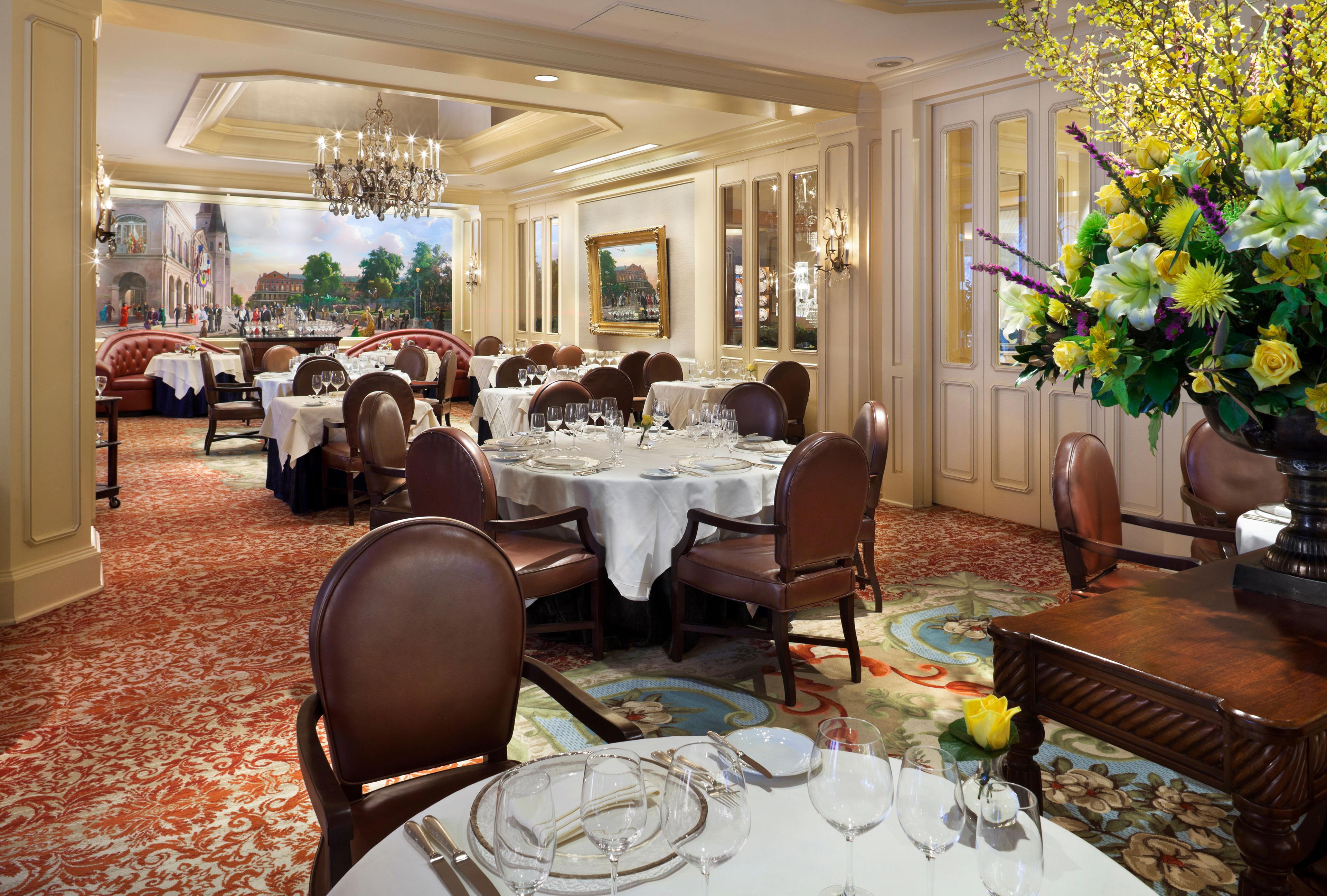
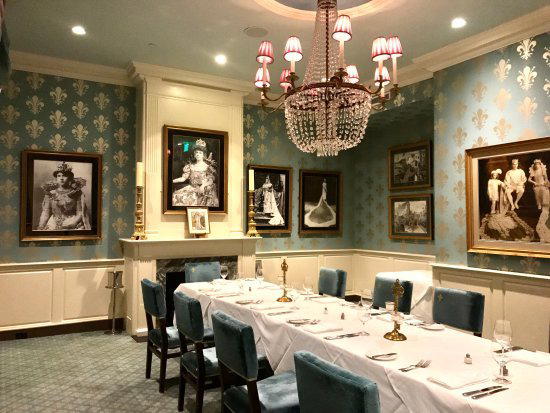
Industrially elegant with celestial blue palettes, rich woods, terrazzo floors, and a welcoming voluminous lobby; quiet, spacious rooms praised for comfort after city exploration.