Our verdict
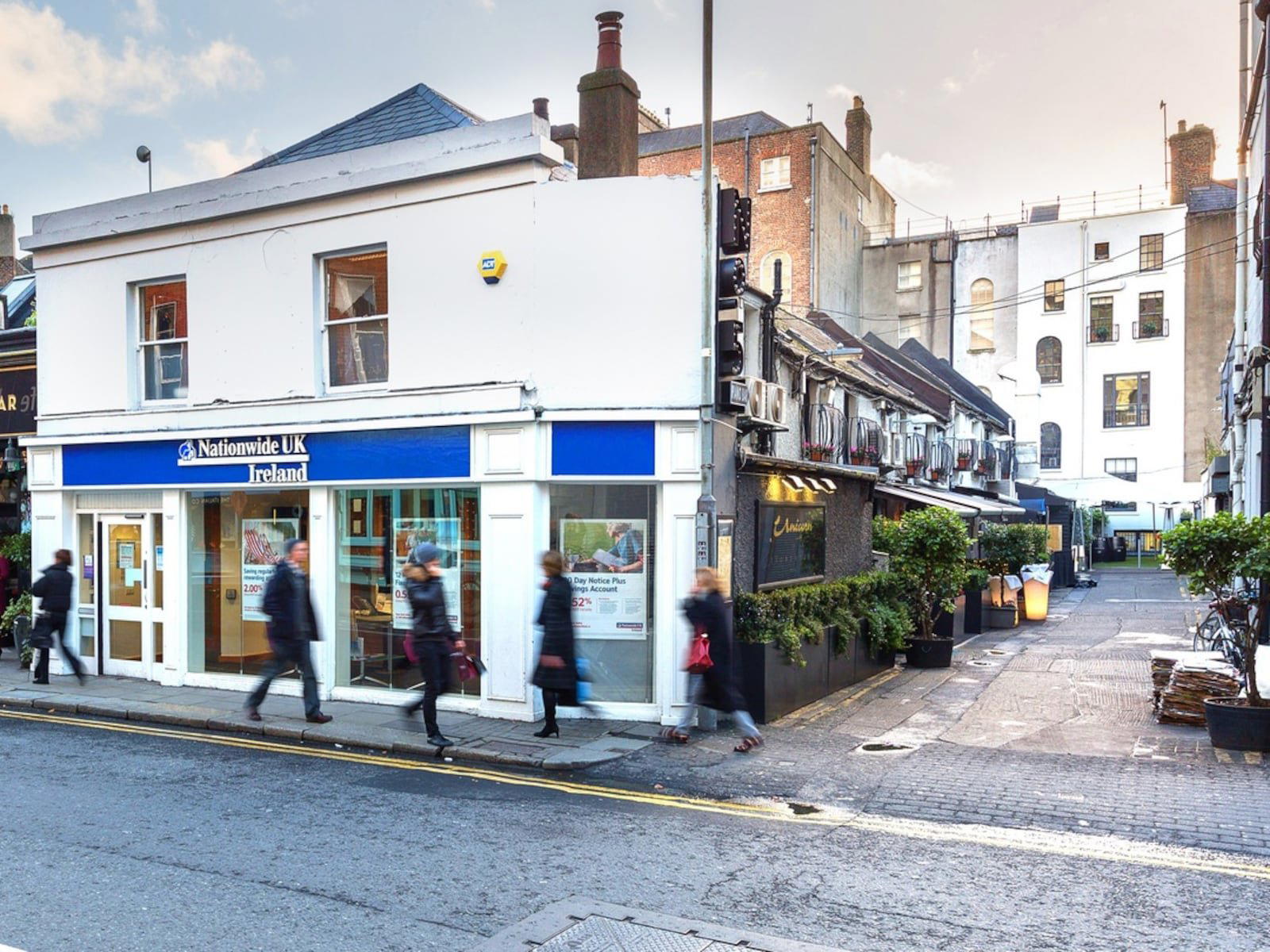
The Unicorn on Merrion Row has occupied a quiet corner of Dublin 2's most restaurant-dense stretch for decades, drawing a clientele that values consistency over novelty. Positioned steps from the Merrion Hotel and the National Gallery, it sits within one of the city's most considered dining corridors, where old-school Irish hospitality still competes on its own terms against a newer wave of tasting-menu restaurants.

Pearl is the En Primeur Club membership app — saves, bookings, and concierge access live there. Same editors, same standards.
- Address
- Merrion Court, 12B Merrion Row, Dublin 2, D02 DA52, Ireland
- Phone
- +35319636002
- Hours
- Mon–Wed 5–9:30 PMThu–Sat 12:30–3 PM, 5–9:30 PMSun Closed
- Website
- unicornrestaurant.ie
- Directions
- Get directions
- Booking
- Book on OpenTable
The menu
What to order
- Risotto con funghi e tartufo
- Burrata di bufala
- Unicorn linguini alla carbonara
Merrion Row and the Restaurants That Stayed
Dublin's Merrion Row runs a short block between St Stephen's Green and Merrion Street Upper, but its concentration of dining rooms, hotels, and wine bars gives it a density unusual for a city that spreads its restaurant trade across many neighbourhoods. The street has seen multiple cycles of openings and closures over the past three decades, with newer arrivals chasing tasting-menu formats and Michelin attention while older establishments have held their positions through return trade and institutional loyalty. The Unicorn, at 12B Merrion Court, belongs to the latter category: a dining room that has outlasted several generations of Dublin restaurant trends by remaining recognisably itself.
That position on Merrion Row places it in close proximity to some of the city's more formally recognised rooms. Patrick Guilbaud, Ireland's only two-Michelin-starred restaurant, operates nearby, as does Glovers Alley on Fitzwilliam Street. The Unicorn has historically operated in the same geographic and socioeconomic orbit without competing directly on the same terms.
What the Booking Experience Tells You About a Room
In Dublin's mid-to-upper dining tier, how a reservation is made often signals more about a restaurant's culture than its menu does. Rooms like Chapter One by Mickael Viljanen operate multi-month booking windows and formal reservation systems with credit card holds. Bastible on South Circular Road, a smaller operation with a loyal following, books up quickly through online systems and direct enquiry. The Unicorn has historically occupied a different register: a room where regulars call ahead, where walk-in capacity existed on quieter evenings, and where the transaction felt closer to a neighbourhood restaurant than a ticketed experience.
That distinction matters to a specific kind of diner. The tasting-menu format that now dominates Dublin's most recognised rooms requires a different commitment of time, money, and advance planning than a traditional à la carte service. Venues like D'Olier Street have navigated between those formats, while rooms further outside the capital, including Liath in Blackrock and Aniar in Galway, have committed more fully to the structured tasting approach. The Unicorn's identity, by contrast, has been associated with a more relaxed, bookable format suited to business lunches and long dinners without a fixed finish time.
Planning a Visit: What to Know Before You Go
Restaurant operations in Dublin have shifted considerably since 2020, with several long-running rooms adjusting formats, service days, or ownership structures. Merrion Row specifically has seen tenure changes at multiple sites, and confirming whether a venue's format and opening pattern remain as expected is a reasonable first step for any booking in this corridor.
For comparison, the broader Merrion Row and Baggot Street area tends to operate at its most animated during weekday lunch and early evening, with the post-theatre crowd filling rooms closer to 8pm on Fridays and Saturdays. Visitors cross-referencing Ireland's wider fine dining geography will find useful comparators in rooms like Terre in Castlemartyr, Lady Helen in Thomastown, and Campagne in Kilkenny, each of which represents a distinct regional approach to the same broad tradition of European-influenced Irish dining.
The Broader Dublin Dining Context
Dublin's restaurant scene has bifurcated more sharply over the past decade than at any previous point. At one end, a cluster of tasting-menu rooms has pursued and achieved international recognition, benchmarking against rooms in London, Copenhagen, and New York rather than against domestic peers. At the other, a range of neighbourhood and mid-market establishments serves the city's actual weekly dining habits. The gap between those two poles is wider in Dublin than in cities with more graduated mid-market options.
That structural split affects how a venue like The Unicorn is perceived and used. In cities like New York, where rooms from Le Bernardin to Atomix exist within a market large enough to sustain every format at every price point, a traditional European dining room occupies a clear and well-populated niche. Dublin's market is smaller, which means the middle tier carries different weight: rooms in that bracket tend to absorb demand from diners who want something more considered than a casual bistro but less structured than a ten-course tasting menu.
Ireland's wider dining geography also provides context. Regional rooms like dede in Baltimore, Bastion in Kinsale, Chestnut in Ballydehob, and Homestead Cottage in Doolin have demonstrated that serious cooking does not require a capital-city postcode. That shift in the national restaurant geography has, if anything, made Dublin's established mid-market rooms more rather than less interesting as reference points: they represent the city's own dining continuity against a backdrop of rising regional ambition. House in Ardmore offers another example of how coastal Irish venues have repositioned within that national conversation.
Atmosphere and Format
Merrion Court, the small courtyard address behind Merrion Row, gives The Unicorn a slightly removed quality from the street-facing bustle of the main strip. That physical address, partially shielded from the pavement, has historically contributed to the room's sense of being a place for regulars rather than passing trade: you have to know it is there, or be directed to it. That kind of address is less common in Dublin than in cities like London or Paris, where courtyard and mews restaurant locations form an established urban type.
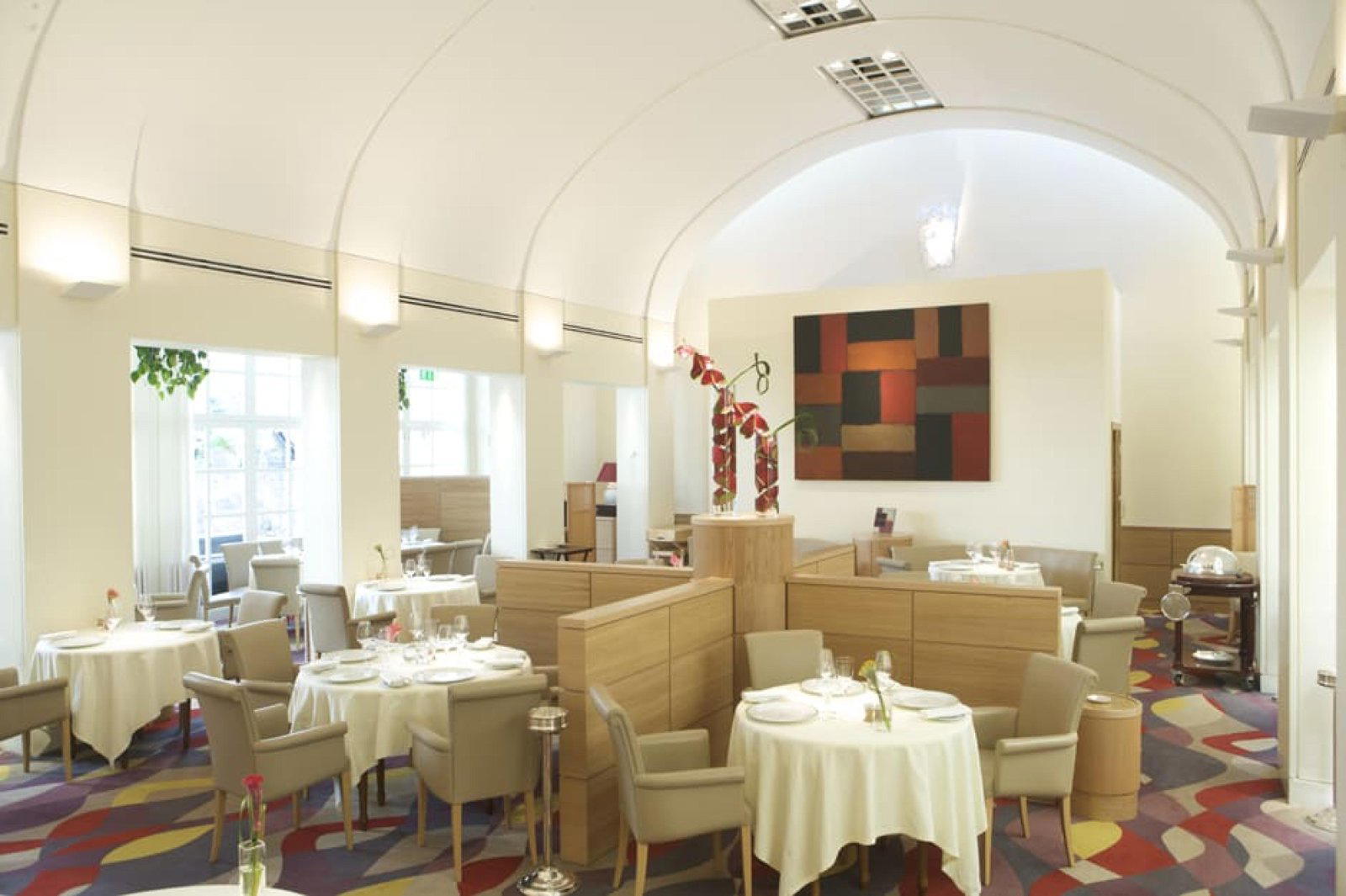
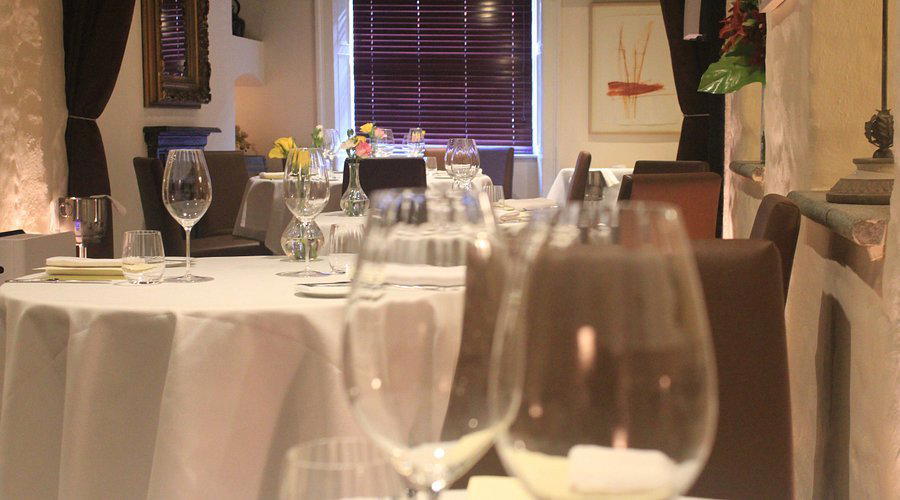
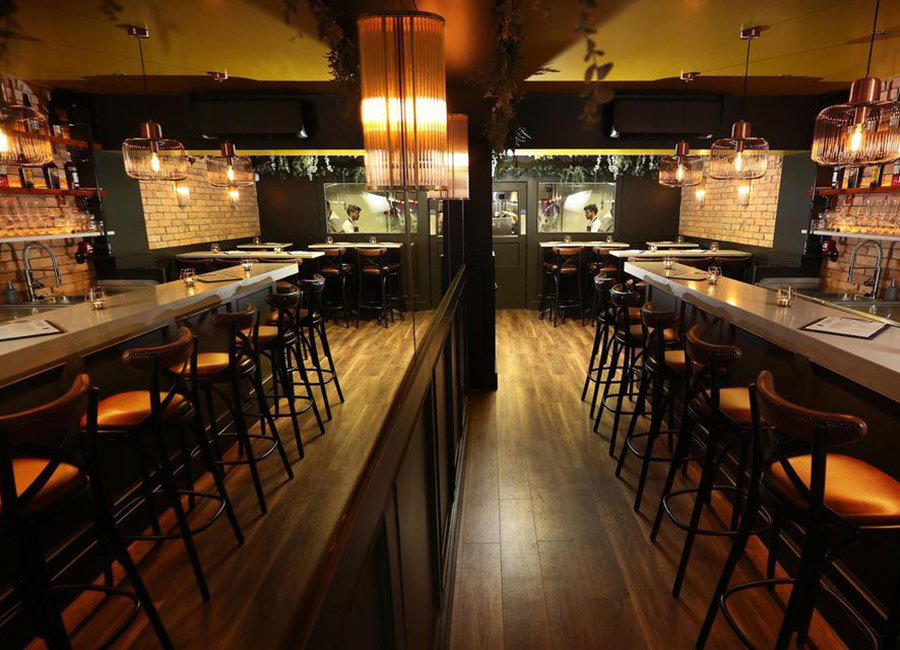
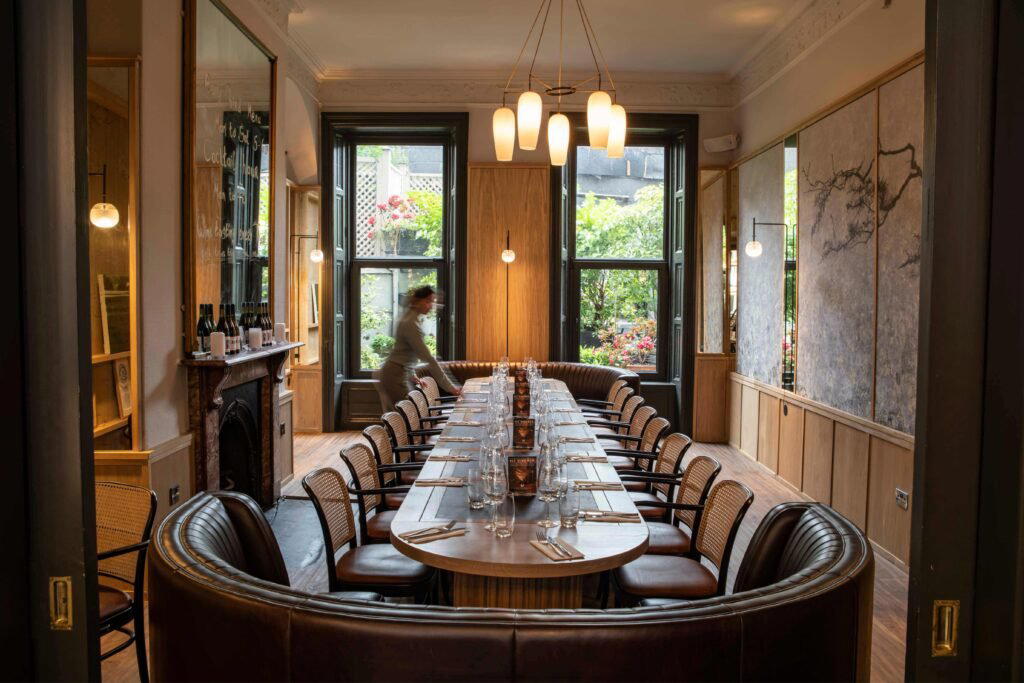
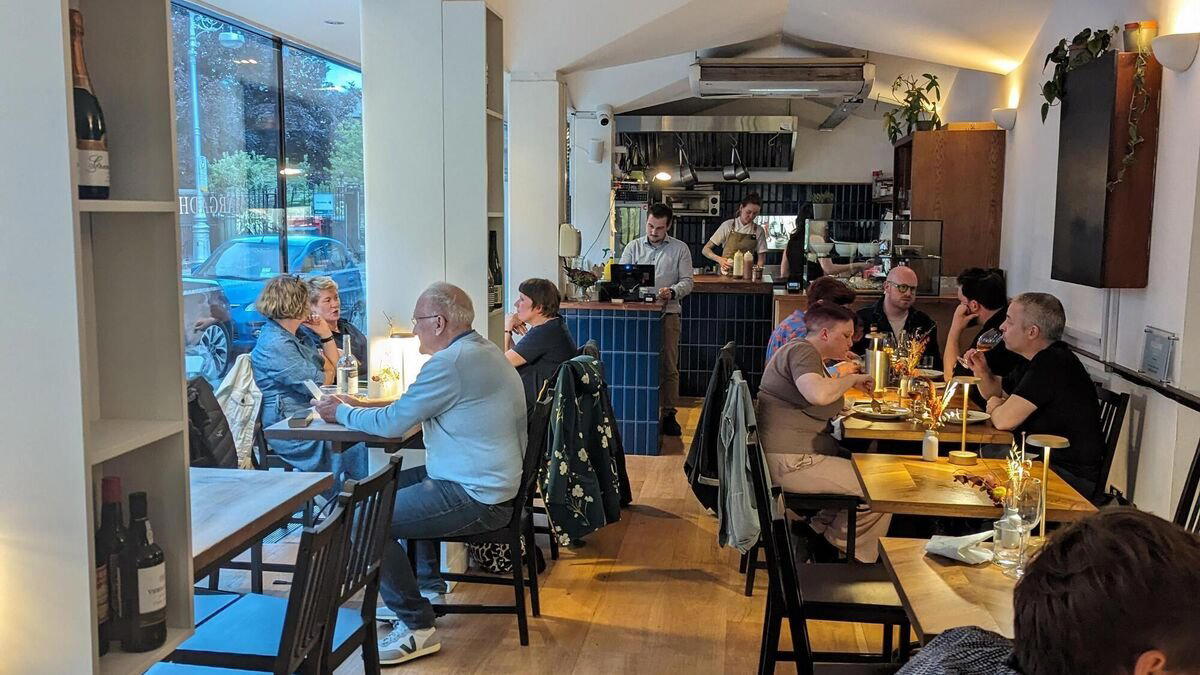
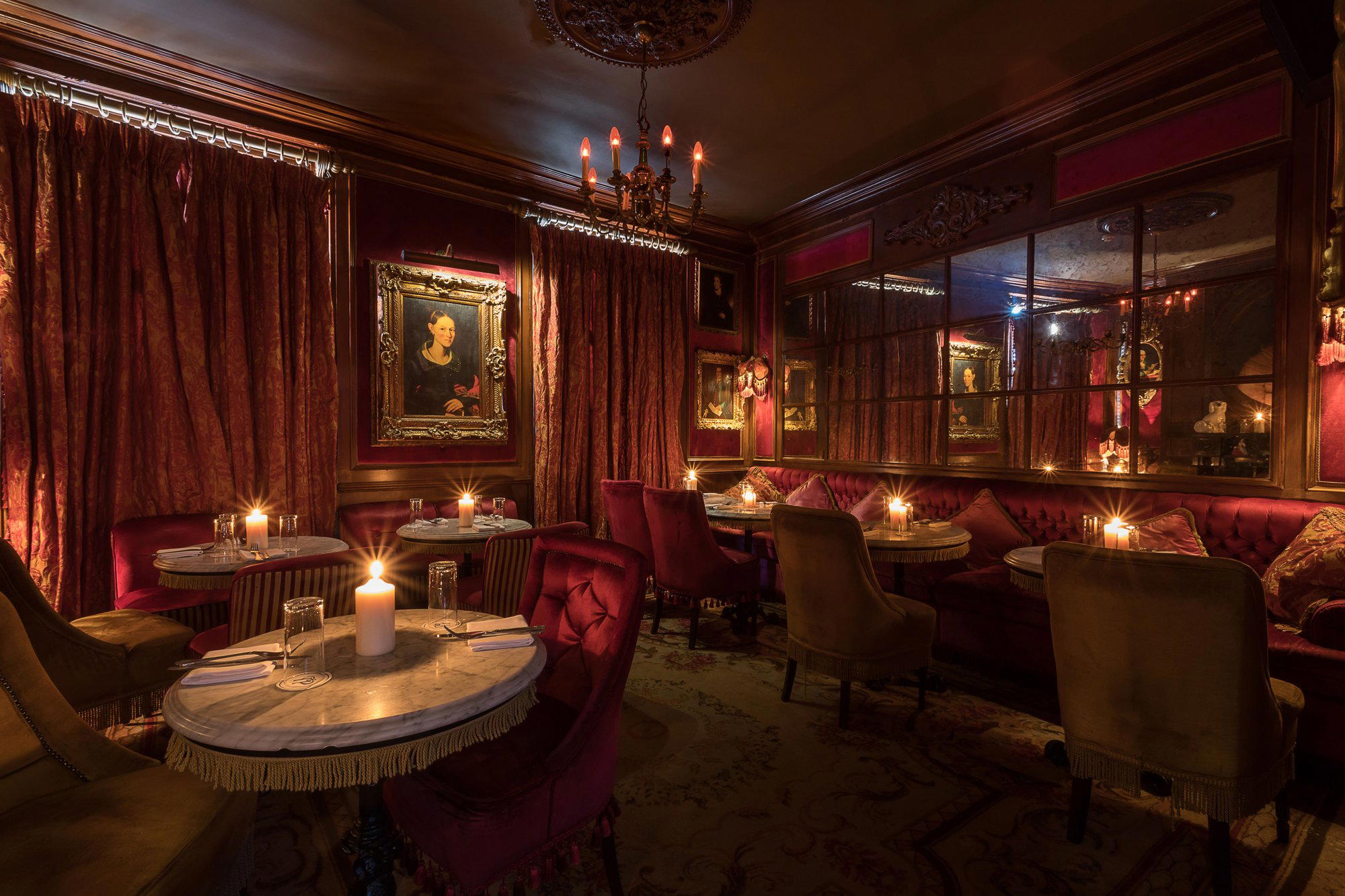
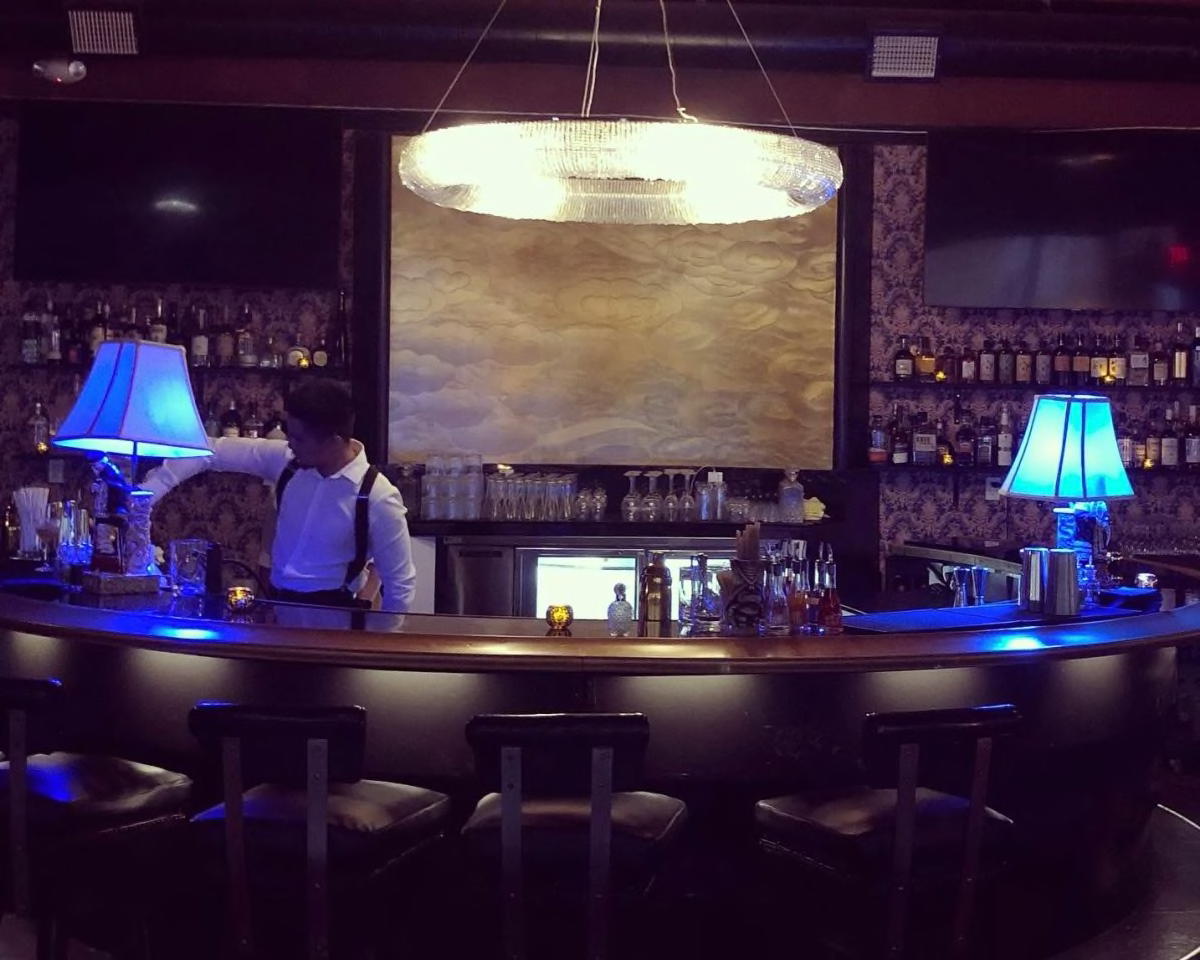
The room's atmosphere, as reported across the venue's operational history, has leaned toward the formal-but-not-stiff register common to long-running European dining rooms: white tablecloths as the baseline, service built on familiarity with returning guests, and a wine list oriented toward the European classics rather than the natural-wine programmes that have gained ground in newer Dublin openings. For a fuller picture of where The Unicorn sits within Dublin's current dining geography, the EP Club Dublin restaurants guide maps the full range of options across format, price tier, and neighbourhood.
Practical Comparison: Merrion Row and Fitzwilliam Corridor Dining
| Venue | Format | Price Tier | Booking Lead Time |
|---|---|---|---|
| The Unicorn | À la carte (verify current format) | Not confirmed | Verify directly |
| Patrick Guilbaud | À la carte and tasting menu | €€€€ | Several weeks minimum |
| Glovers Alley | Tasting menu | €€€€ | 2-4 weeks typical |
| Bastible | À la carte | €€€€ | 1-3 weeks typical |
Frequently asked questions
Is The Unicorn suitable for children?
The Unicorn sits on Merrion Court, a small courtyard address off Merrion Row in Dublin 2, which gives it a quieter setting than the street-facing rooms nearby. Without current menu or format data on record, families should check the venue's official channels to confirm whether the dining format and hours align with younger guests. The courtyard location itself is pedestrian-friendly and removed from heavy foot traffic.
What is the atmosphere like at The Unicorn?
The Unicorn occupies Merrion Court, a tucked-away courtyard behind Merrion Row, which places it physically apart from the main street-level bustle of one of Dublin's densest dining corridors. That address alone creates a degree of separation from the noise that characterises the pub-adjacent rooms on the Row itself.
Where exactly is The Unicorn located in Dublin, and how does its address differ from other Merrion Row restaurants?
The Unicorn is listed at 12B Merrion Court, off Merrion Row in Dublin 2 (D02 DA52), a courtyard address rather than a street-facing one. That distinction separates it from the majority of Merrion Row venues, which open directly onto the pavement between St Stephen's Green and Merrion Street Upper. The courtyard position is a concrete identifier when navigating the area on foot.
What dish is The Unicorn famous for?
The restaurant's position on Merrion Row places it within a corridor that has historically supported mid-to-upper-tier Dublin dining, but menu details should be confirmed directly with the venue before visiting.
What's the address for The Unicorn?
The Unicorn is located at Merrion Court, 12B Merrion Row, Dublin 2, D02 DA52, Ireland, Dublin.
Peers Worth Knowing
Comparable venues nearby, for context on price, style, and recognition.
| Venue | Cuisine | Price | Awards | Notes |
|---|---|---|---|---|
| The UnicornThis venue — the venue you are viewing | Modern Italian | $50–100 | Not listed | Not listed |
| Aperitivo | Italian Cicchetti Bar | $20–30 | Not listed | Mansion House A |
| Di Luca | Authentic Italian Pasta | $20–30 | Not listed | Royal Exchange B |
| Squaredish | Detroit-Style Deep-Dish Pizza | $20–30 | Not listed | Mansion House B |
| Val's | Authentic Italian Pizzeria | $20–30 | Not listed | Royal Exchange A |
| Little Pyg | Authentic Neapolitan Pizza | $20–30 | 50 Top Pizza World Best Pizza #82 | Royal Exchange B |