Our verdict
Di Luca on Harcourt Street sits within Dublin's growing tier of Italian-influenced dining rooms where the wine list carries as much editorial weight as the kitchen. Positioned among the city's mid-to-upper casual-serious restaurants, it draws a crowd that returns as much for the cellar curation as for the food. For visitors working through Dublin's dining scene, it offers a different reference point from the city's modern Irish canon.

Pearl is the En Primeur Club membership app — saves, bookings, and concierge access live there. Same editors, same standards.
- Address
- 10 Harcourt St, Dublin 2, D02 X259, Ireland
- Phone
- +35314759088
- Hours
- Mon–Wed 12–10 PMThu–Sat 12–11 PMSun 5–10 PM
- Website
- diluca.ie
- Directions
- Get directions
- Booking
- Book on the venue's website
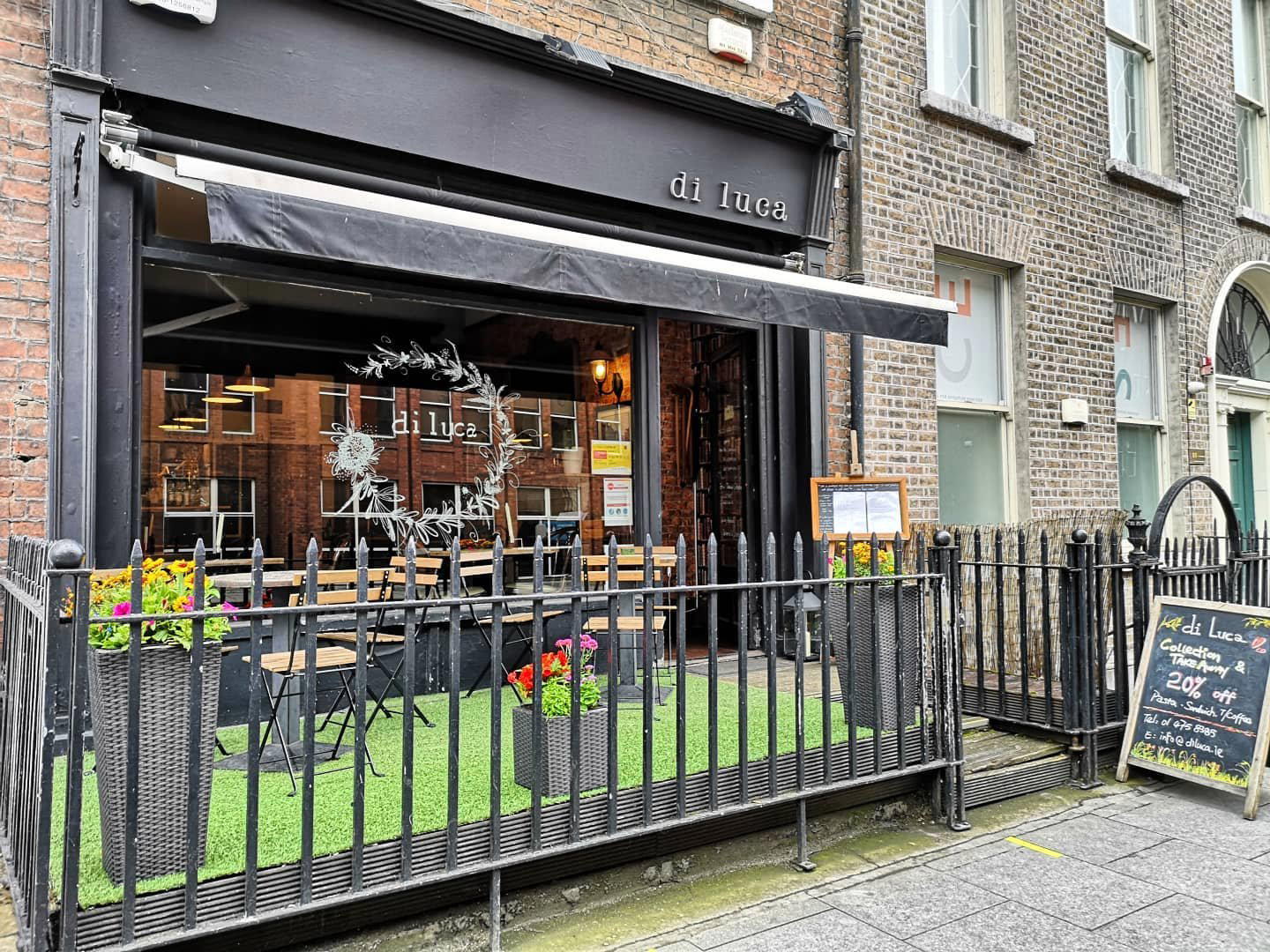
The menu
What to order
- Spaghetti carbonara
- Pasta puttanesca
- Burrata con olio
Harcourt Street and the Shifting Weight of the Wine List
There is a moment, somewhere between the Georgian facades of Harcourt Street and the interior of a room that takes its Italian references seriously, when a Dublin restaurant stops feeling like a bracket exercise and starts feeling like a deliberate position. Di Luca occupies that kind of address: a city-centre location in Dublin 2, close enough to St. Stephen's Green that the foot traffic is mixed, but with a register that skews toward people who have already made a decision about where they want to eat rather than those still choosing. That specificity of intent — the sense that the room knows what it is — matters more in the current Dublin market than it might have a decade ago.
Dublin's dining scene has matured considerably since the post-recession years, splitting into a recognisable set of tiers. At the leading sit rooms like Chapter One by Mickael Viljanen and Patrick Guilbaud, where tasting menus, Michelin recognition, and formal service structures define the experience. Below that, a more interesting middle tier has developed: places where the cooking is serious but the format is less ceremonial, and where the drinks programme often carries disproportionate weight in defining the room's personality. Di Luca belongs to this second bracket, and its Italian identity gives it a distinct angle within it.
The Wine List as Primary Argument
In Italian-focused restaurants, the wine list is not a supporting document, it is the clearest statement of the kitchen's culinary philosophy and the room's ambitions. Italy's vine geography is among the most complex of any wine-producing country: more than 350 authorised varieties, regions that shift dramatically in style from the alpine north to the volcanic south, and a classification system that has been revised and contested for decades. A wine list built around this material requires genuine editorial choices, not just a selection of the most recognisable bottles from the most marketable appellations.
The restaurants that handle Italian wine lists well tend to do a few things consistently: they reach beyond Barolo and Amarone into less-trafficked appellations, they treat southern Italian and island producers as equals rather than curiosities, and they build a by-the-glass programme that reflects the same rigour as the full list. The leading Italian lists in cities like New York, Le Bernardin operates a different cuisine but models the kind of depth and sommelier presence that shapes expectations globally, and in London demonstrate that depth in this format is achievable without a cellar of purely trophy bottles. What matters is curation over accumulation.
For Di Luca, operating in a city where the Italian restaurant category has historically defaulted to safe, recognisable bottles, a list that pushes into more specific territory would mark a genuine editorial position. Ireland's growing sophistication as a wine-importing market, driven partly by the same generation of diners who lifted Bastible and Glovers Alley into sustained critical attention, has created an audience that can support this kind of programme.
Italian Dining in a Modern Irish Context
The relationship between Italian cuisine and Irish dining rooms is more layered than it first appears. Ireland's own modern kitchen movement, represented by places like Liath in Blackrock and Aniar in Galway, has spent the last decade building a strongly localised idiom: Irish produce, Atlantic seafood, fermentation traditions rooted in place. Italian cuisine, by contrast, is also built on hyper-local produce logic and strong regional identity, but it arrives in a Dublin context carrying a different set of associations, pasta formats, cured meats, aged cheeses, and a wine culture tied to specific denominazioni rather than to a general Irish terroir story.
The question for any Italian restaurant in Dublin is which version of Italian cooking it is practising: the broadly accessible, mid-tier trattoria model; the modern Italian format that applies contemporary technique to classical forms; or the tightly regionalised approach that commits to a specific part of the Italian peninsula. Each of these positions implies a different wine strategy, a different price architecture, and a different kind of customer. D'Olier Street in Dublin and Campagne in Kilkenny represent different models of European-influenced dining in Ireland, and they are useful reference points for how a clear position, held consistently, builds a loyal audience over time.
Broader Irish dining scene beyond Dublin also offers useful context. Places like dede in Baltimore, Bastion in Kinsale, and Chestnut in Ballydehob demonstrate that serious, format-driven restaurants with strong drink programmes are not solely a Dublin phenomenon. The audience for this kind of eating has dispersed geographically across Ireland in a way that would have seemed implausible fifteen years ago. When you arrive at a Harcourt Street address with Italian intentions, you are operating in a market that has been educated by this wider shift.
What the Address Tells You
Harcourt Street is a particular kind of Dublin location. It runs south from St. Stephen's Green, lined with Georgian terraces that have been converted over decades into offices, hotels, and hospitality venues. The street has a dual character: weekday professional traffic gives way to a different crowd on weekends, and the proximity to Leeson Street means the neighbourhood has a complex social register. For a restaurant with serious intentions, this address requires a room that can hold its own against a varied audience without softening its proposition to accommodate the lowest-common-denominator end of the footfall.
Restaurants that manage this in comparable city-centre positions, Lazy Bear in San Francisco is an extreme example of a room that holds a very specific format against a mixed urban crowd, tend to do so by making the internal logic of the experience clear enough that the wrong customer self-selects out. The wine list is often the clearest signal: a list that takes its material seriously communicates a level of commitment that either attracts or dissuades, depending on the diner.
For the full picture of what Dublin's dining scene currently offers across all categories, the EP Club Dublin restaurants guide maps the city's current tier structure in detail, including reference points in the modern Irish tradition at The Morrison Room in Maynooth, Terre in Castlemartyr, Homestead Cottage in Doolin, and The Oak Room in Adare.
Know Before You Go
- Address: 10 Harcourt Street, Dublin 2, D02 X259, Ireland
- Neighbourhood: Dublin 2, walking distance from St. Stephen's Green
- Getting there: Harcourt Street Luas stop is on the Green Line, directly adjacent to the address
Frequently asked questions
What's Di Luca's location?
Di Luca is located at 10 Harcourt St, Dublin 2, D02 X259, Ireland, Dublin.
Is Di Luca suitable for a group wine dinner in Dublin?
Di Luca's positioning on Harcourt Street, with an Italian-focused kitchen and a wine list that functions as a primary argument rather than an afterthought, makes it a credible option for groups organising around a bottle-led evening. Dublin's Italian dining category is not crowded with rooms that take the wine side as seriously as the food side, which gives Di Luca a practical case for this format. Contacting the venue directly will confirm group capacity and any pre-arranged menu or wine options.
What do regulars order at Di Luca?
Dish-level ordering data for Di Luca is not on public record, but the pattern at Italian-focused rooms on Harcourt Street — where the wine list carries serious weight — tends to favour pasta courses and kitchen selections that pair cleanly with Italian varietals. The stronger instinct among returning guests at this category of Dublin restaurant is to follow the floor team's lead on both food and wine rather than arrive with a fixed order in mind.
How far ahead should I plan for Di Luca?
Di Luca sits on Harcourt Street in Dublin 2, a strip where demand for evening tables at mid-to-upper casual-serious restaurants has tightened considerably since 2022. For Friday and Saturday evenings, booking a week to ten days ahead is a reasonable working assumption; midweek sittings at comparable Dublin addresses often have more flexibility. Checking directly with the restaurant for current availability is the only way to confirm lead times specific to Di Luca.
Compact Comparison
Comparable venues nearby, for context on price, style, and recognition.
| Venue | Cuisine | Price | Awards | Notes |
|---|---|---|---|---|
| Di LucaThis venue — the venue you are viewing | Authentic Italian Pasta | $20–30 | Not listed | Not listed |
| Zero Zero Pizza, Kimmage | Authentic Neapolitan Pizza | $20–30 | Not listed | Kimmage C, Authentic Neapolitan Pizza |
| Little Pyg | Authentic Neapolitan Pizza | $20–30 | 50 Top Pizza World Best Pizza #82 | Royal Exchange B, Authentic Neapolitan Pizza |
| Aperitivo | Italian Cicchetti Bar | $20–30 | Not listed | Mansion House A, Italian Cicchetti Bar |
| The Unicorn | Modern Italian | $50–100 | Not listed | Mansion House B, Modern Italian |
| Carluccio's | Authentic Italian | $20–30 | Not listed | Mansion House A, Authentic Italian |
Continue exploring
More in Dublin
Restaurants in Dublin
Browse all →
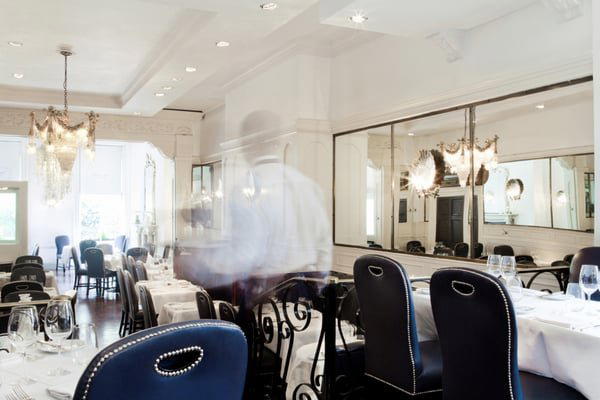
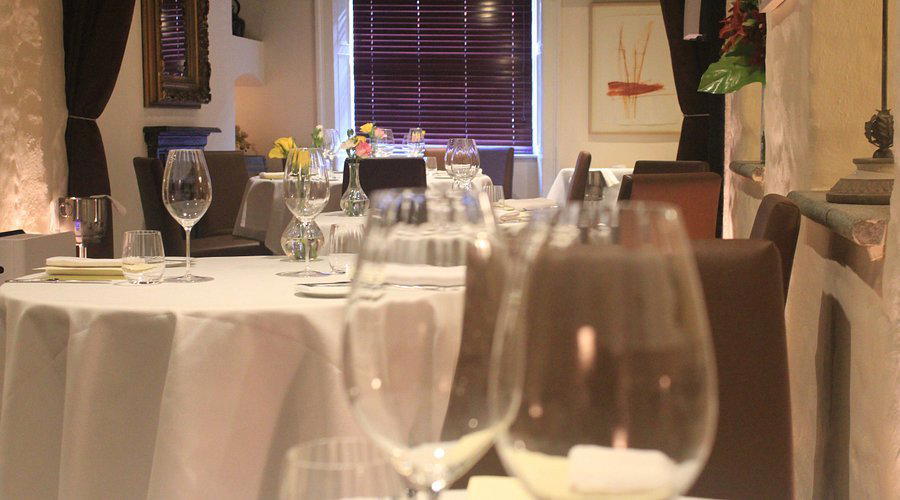
Bars in Dublin
Browse all →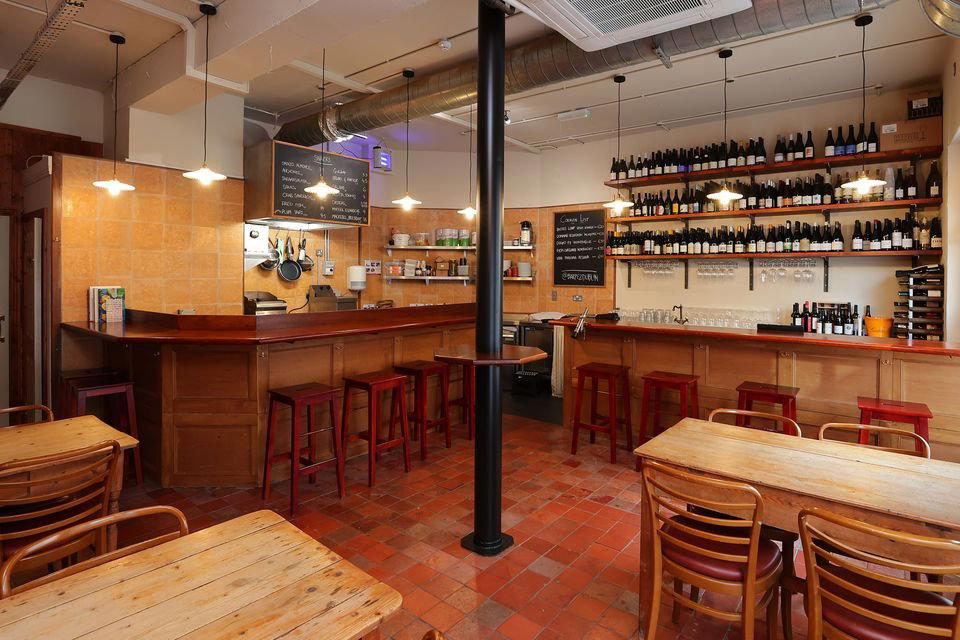
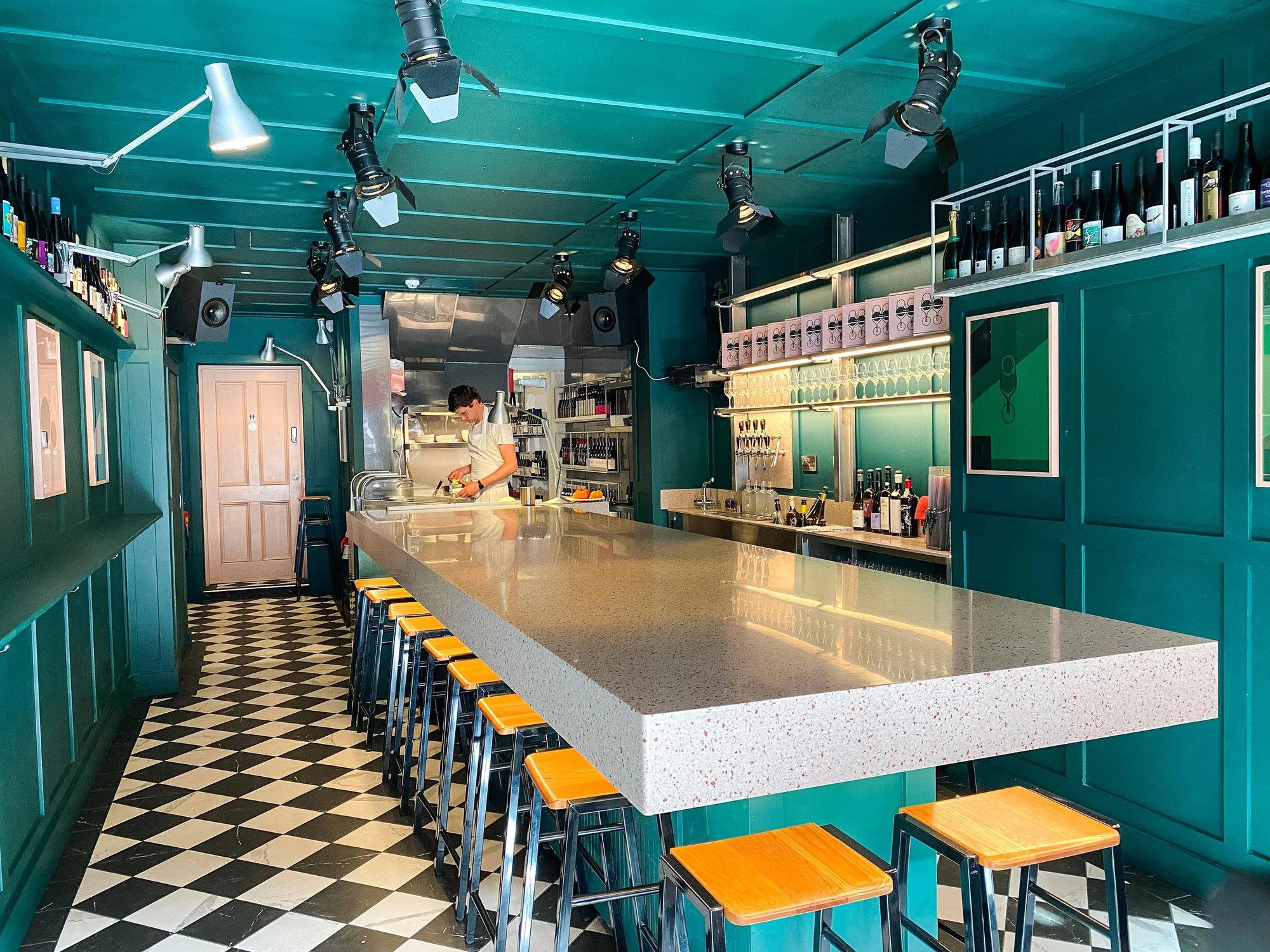
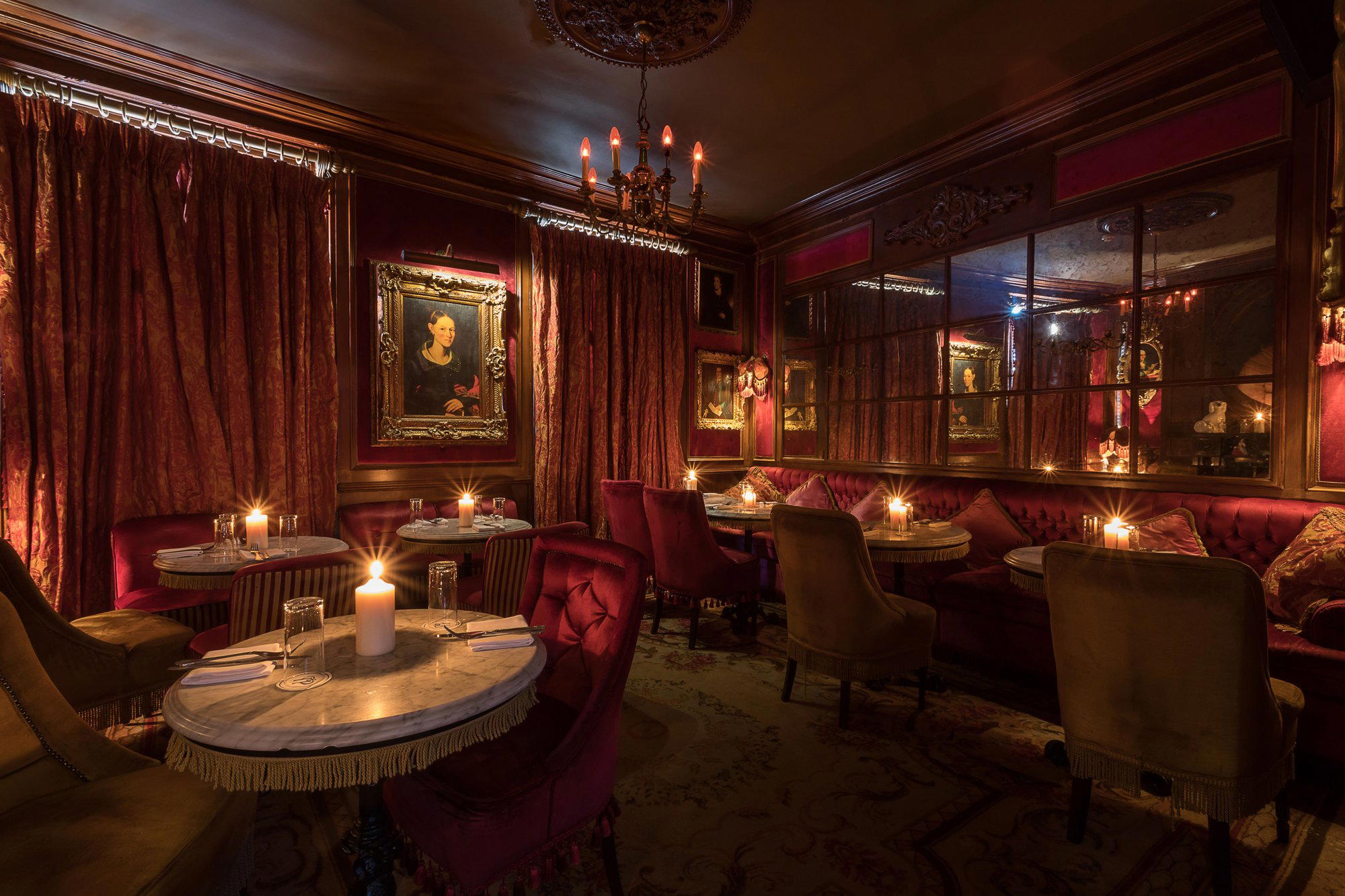
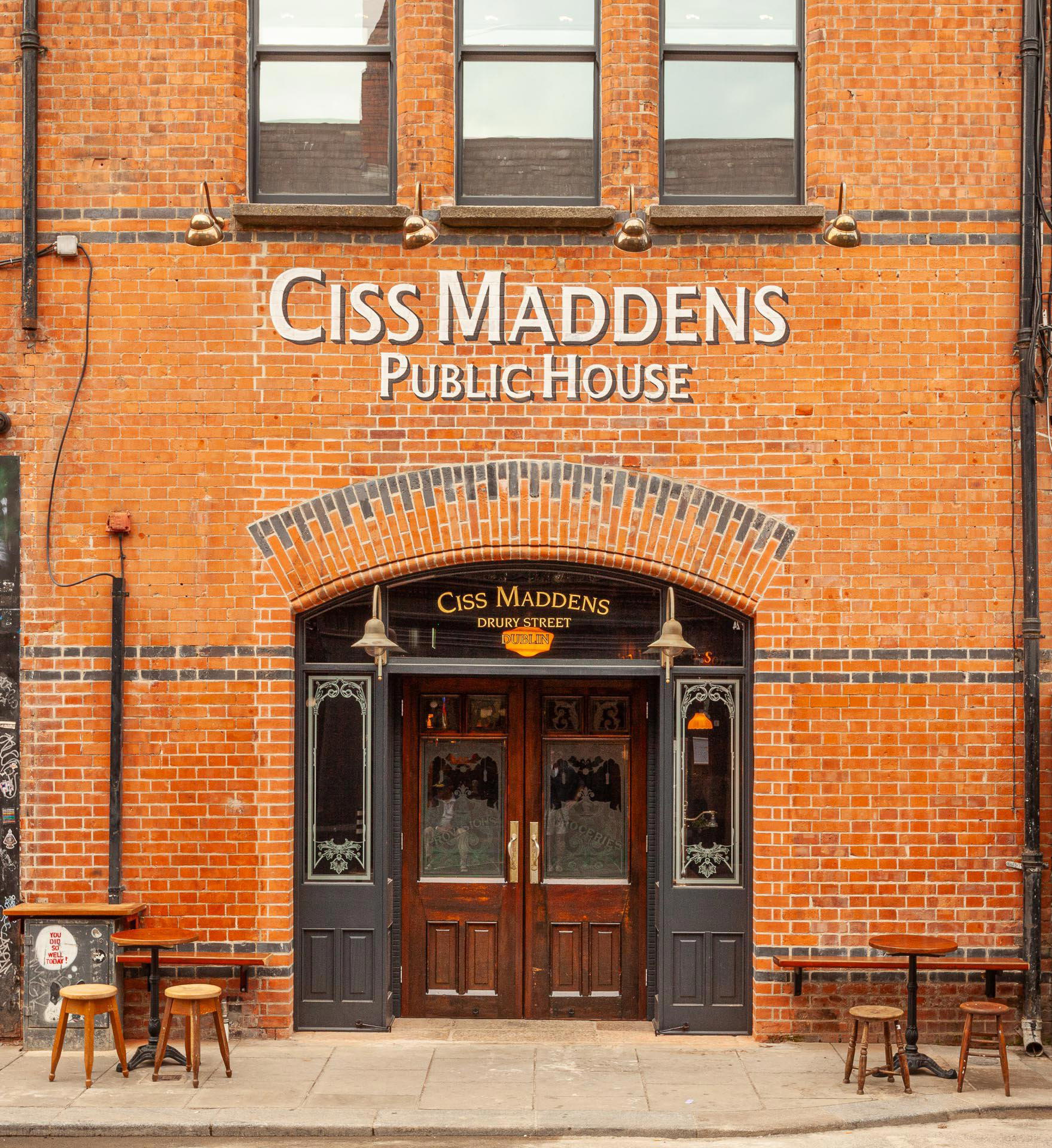
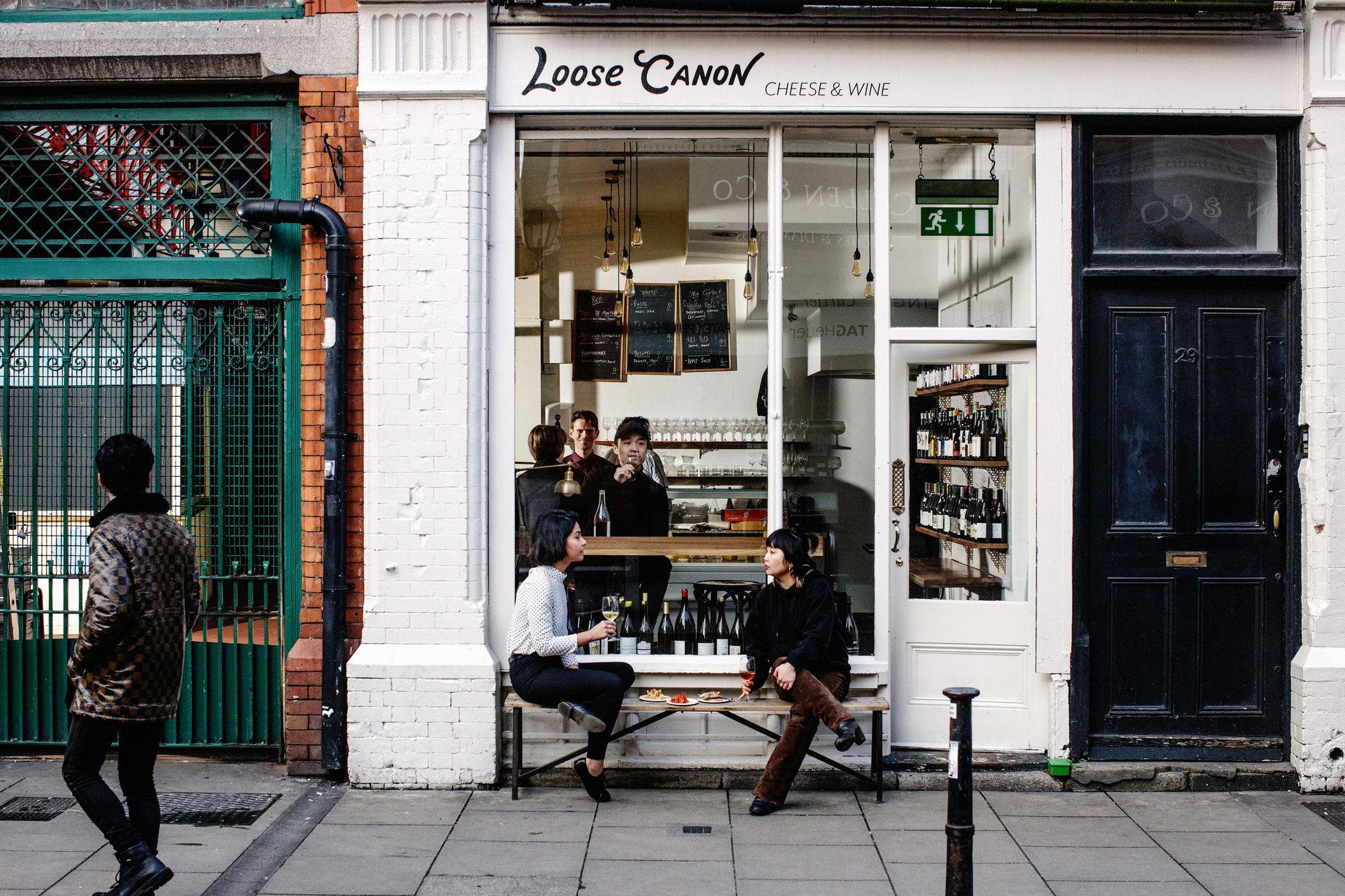
Hotels in Dublin
Browse all →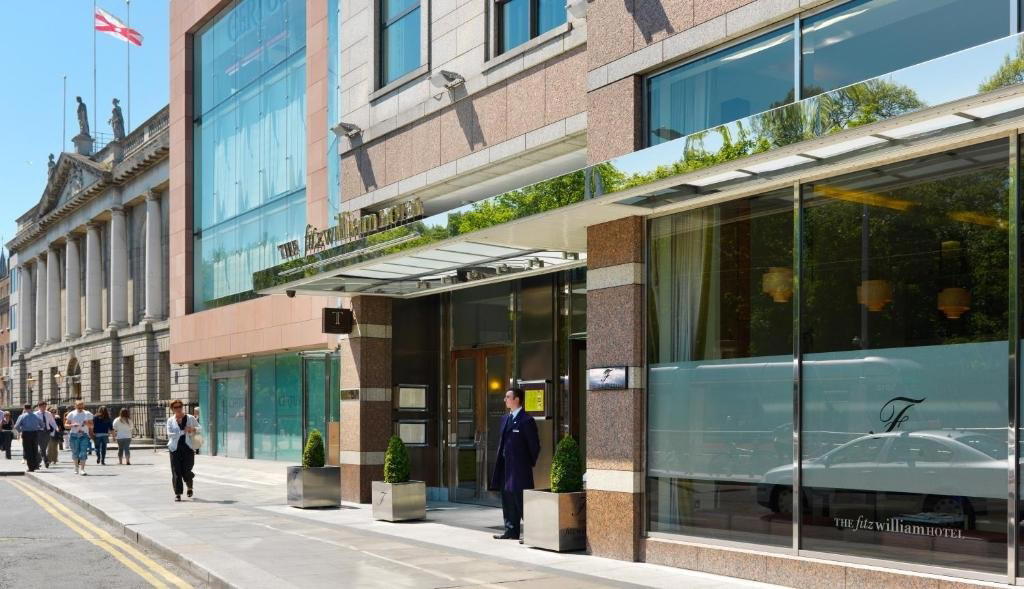
Wineries in Dublin
Browse all →
Details
- Cozy
- Intimate
- Romantic
- Date Night
- Family
- Casual Hangout
- Private Dining
- Extensive Wine List
- A La Carte
- Vegetarian Friendly
- Vegan Options
Current opening hours
- Monday
- 12–10 PM
- Tuesday
- 12–10 PM
- Wednesday
- 12–10 PM
- Thursday
- 12–11 PM
- Friday
- 12–11 PM
- Saturday
- 12–11 PM
- Sunday
- 5–10 PM
Hours can change for holidays and private events. Last verified .
Cozy and intimate with warm lighting, relaxed atmosphere, and attentive service creating a homey Italian feel.