The Thali Restaurant Easton
On St Marks Road in Easton, The Thali Restaurant has built a loyal following through its southern and street-style Indian cooking in one of Bristol's most food-serious neighbourhoods. The format is casual, the portions generous, and the returning crowd tells you more than any award citation. A fixture on the Easton dining circuit for those who treat the area as their local rather than a destination.
Pearl is the En Primeur Club membership app — saves, bookings, and concierge access live there. Same editors, same standards.
- Address
- 64-66 St Marks Rd, Easton, Bristol BS5 6JH, United Kingdom
- Phone
- +44 117 951 4979
- Website
- thethalirestaurant.co.uk
- Directions
- Get directions
 Saves & bookings on Pearl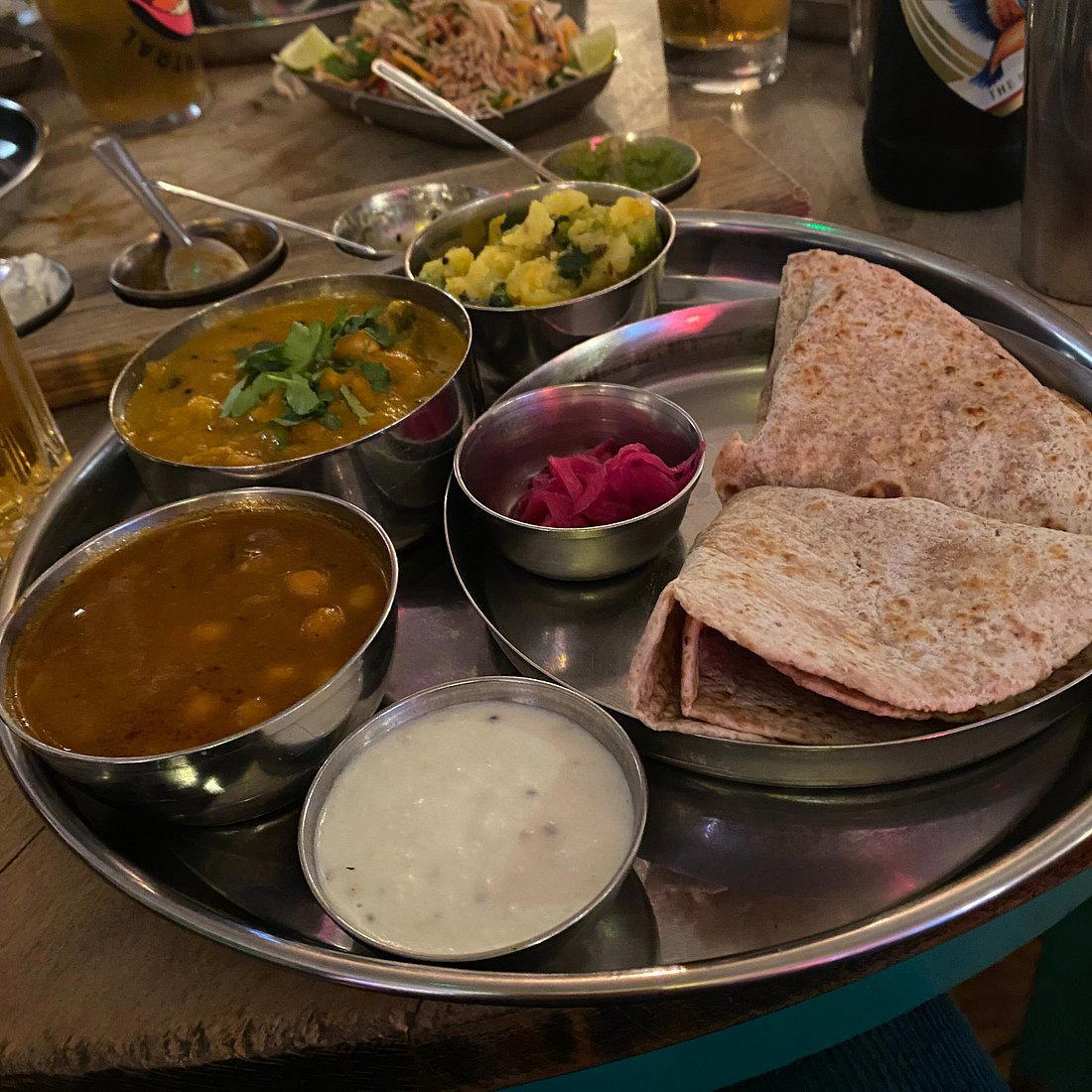
St Marks Road and the Logic of the Local
St Marks Road in Easton does not announce itself. There are no concierge desks pointing you toward it, no hotel lobbies channelling visitors in its direction. What the street has instead is a working density of independent food businesses serving a neighbourhood that eats seriously and spends thoughtfully. The Thali Restaurant at numbers 64-66 sits inside that context, not above it. The physical approach is low-key: a modest frontage on a residential-commercial strip where the foot traffic is mostly local and the signage competes with grocers and cafes rather than with fine-dining neighbours. That is precisely the point. The restaurants that embed themselves into Easton's rhythm tend to survive and compound loyalty in ways that destination-led openings in more conspicuous parts of the city do not.
What the Regular Order Looks Like
Indian restaurants in the UK have spent the better part of two decades splitting into distinct tiers: the high-specification curry-house update, the regional specialist (Keralan, Gujarati, Chettinad), and the neighbourhood staple that does one format well and lets the food make the argument. The Thali format belongs to the third category but draws from the regional specificity of the second. A thali, in its traditional sense, is a composed plate: multiple preparations served simultaneously, proportioned for balance rather than individual showpieces. The format resists upselling, resists the tasting-menu cadence, and resists the kind of Instagram-first presentation that has come to dominate mid-market Indian dining in British cities. What it rewards is repetition. The regulars who return to a thali restaurant week after week are not chasing novelty; they are calibrating against a known standard, checking whether the dal has its usual depth, whether the bread arrives at the right moment.
That logic of the repeat visit shapes everything about how a place like this functions. The unwritten menu is not a secret list of specials but an accumulated knowledge of what to request, what time of week the kitchen is at its most consistent, and which combinations of dishes justify the price relative to cooking from home. In a neighbourhood with Easton's demographic mix, those judgements are made by people who grew up eating this food, which raises the bar in ways that a tourist-facing restaurant rarely faces.
Easton in Bristol's Broader Dining Picture
Bristol's restaurant conversation tends to concentrate on the centre and inner suburbs: the waterfront, Clifton, Stokes Croft. The city's Michelin-level ambition is represented by kitchens like Bulrush and the modern European precision of Adelina Yard, while more accessible mid-range tables such as Bianchis and Bank anchor the sociable end of the market. 1 York Place represents the city's European fine-dining continuity. Easton sits outside these circuits, which is both its limitation and its advantage. The neighbourhood does not attract the food-media attention that lands on Bristol's more prominent dining zones, but it also does not perform for that attention. The Thali Restaurant is not trying to place on a best-of list; it is trying to be the place a particular set of Bristolians trust on a Tuesday.
That positioning puts it in a different conversation than, say, the Michelin-starred Indian ambition of Opheem in Birmingham, where the project is explicitly to reframe how fine-dining audiences understand subcontinental cooking. The Easton Thali operates at a different register: the measure of success is the table that books the same slot every fortnight, not the critic who arrives once. Both models are legitimate; they are simply answering different questions.
The Case for the Neighbourhood Indian
There is a broader pattern worth noting across British cities: the neighbourhood Indian restaurant, specifically the one embedded in a South Asian residential community, tends to maintain a quality floor that more commercially oriented operations cannot match. The customer base is too knowledgeable and too price-sensitive to tolerate drift. A kitchen that serves regulars who cook the same cuisine at home has to earn its place every service. This is not a romantic argument about authenticity; it is a practical one about accountability. The restaurants that survive this scrutiny longest tend to be the ones worth seeking out, regardless of where the city's food media is pointing at any given moment.
By comparison, the destination-dining tier in Britain, from Waterside Inn in Bray to CORE by Clare Smyth in London, from L'Enclume in Cartmel to Moor Hall in Aughton, operates on institutional credibility and long booking lead times. Those restaurants are optimised for the annual or once-in-a-lifetime visit. The neighbourhood thali is optimised for frequency, which makes it a fundamentally different kind of restaurant even when the cooking quality overlaps. The same principle applies across the country's strong regional tables: Gidleigh Park in Chagford, Hand and Flowers in Marlow, hide and fox in Saltwood, Midsummer House in Cambridge, and Ynyshir Hall in Machynlleth all serve the visitor who has planned the trip around the meal. Easton's thali serves the person who already lives nearby.
Planning a Visit
The Thali Restaurant is on St Marks Road in Easton, BS5 6JH, accessible from central Bristol by bus along the Stapleton Road corridor or by a direct cycle from the city centre. The area is walkable from Easton's residential streets, which makes it a natural end point for an afternoon in the neighbourhood rather than a standalone destination requiring transport planning. Given the format and the local character of the crowd, arriving with flexibility rather than a tight schedule suits the pace better. Current booking and hours information is best confirmed directly with the restaurant before visiting, as neither is confirmed in available records. The format and price point suggest this is the kind of table that rewards early-evening weekday visits if weekend covers are compressed.
Cuisine Context
| Venue | Cuisine | Price | Awards |
|---|---|---|---|
| The Thali Restaurant EastonThis venue — the venue you are viewing | This venue | Not listed | Not listed |
| Bulrush | Modern British | ££££ | Michelin 1 Star |
| Blaise Inn | Traditional Cuisine | Not listed | Traditional Cuisine, ££ |
| Little Hollows Pasta | Italian | Not listed | Italian, ££ |
| Root | Modern Cuisine | Not listed | Modern Cuisine, ££ |
| Wilsons | Modern British | Not listed | Modern British, £££ |

At a Glance
- Cozy
- Lively
- Bohemian
- Casual Hangout
- Family
- Solo
- Standalone
- Street Scene
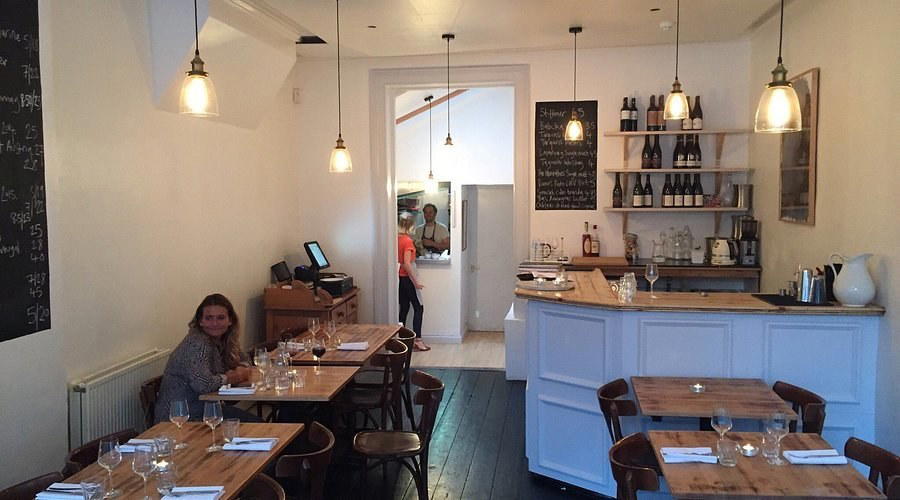
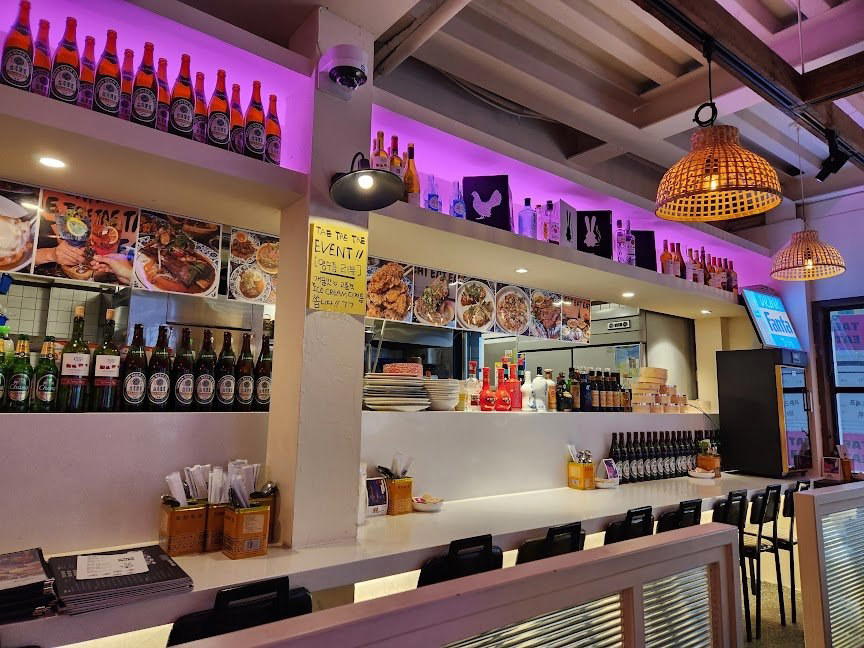
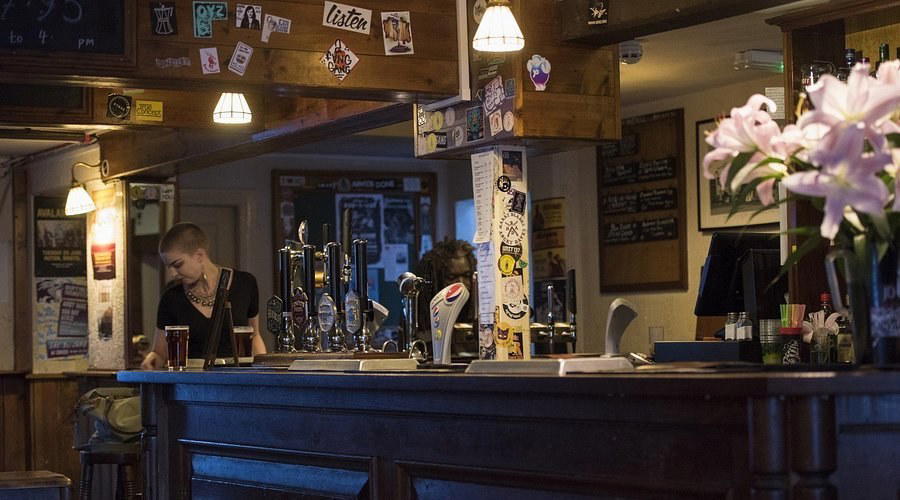
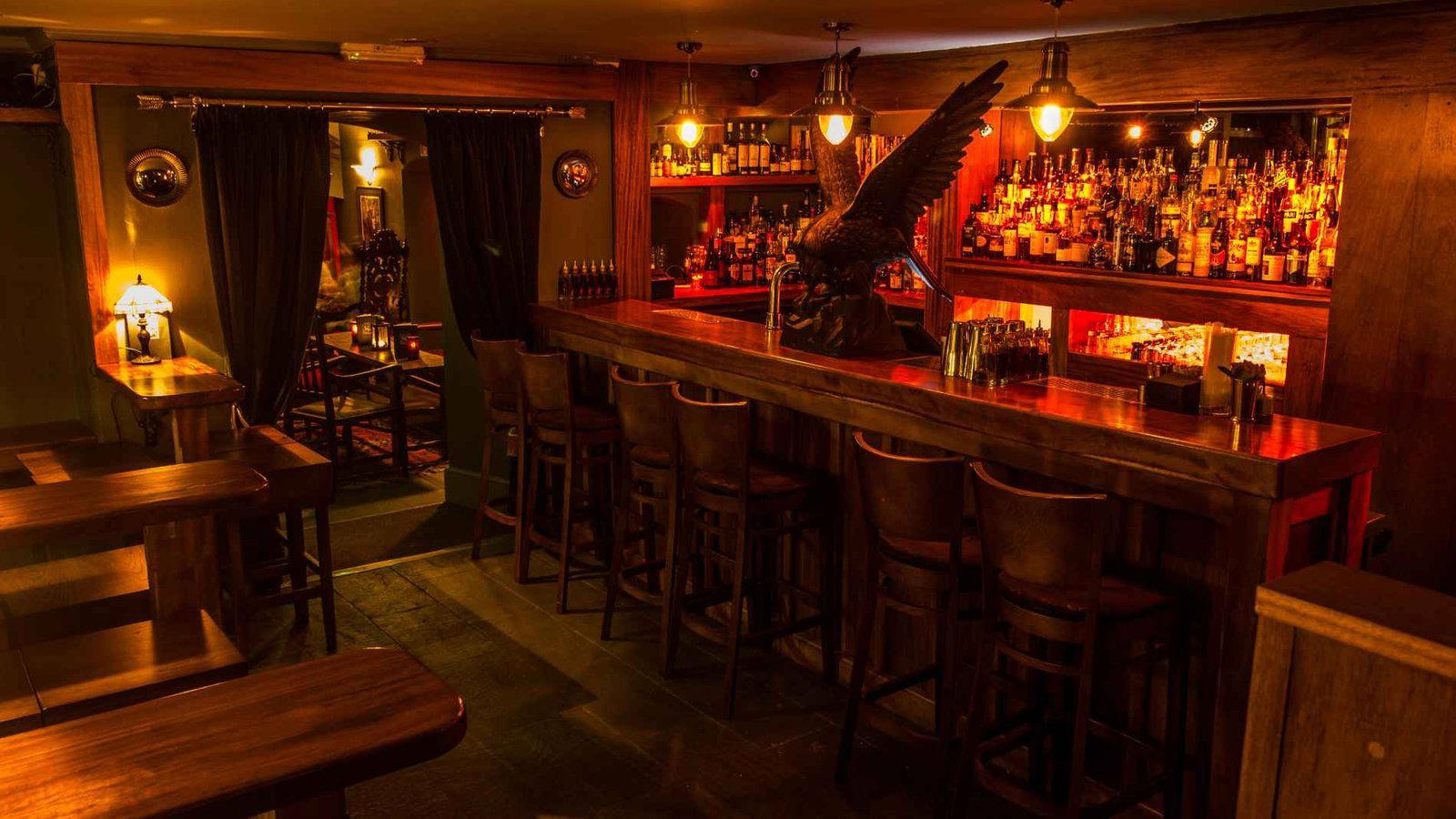
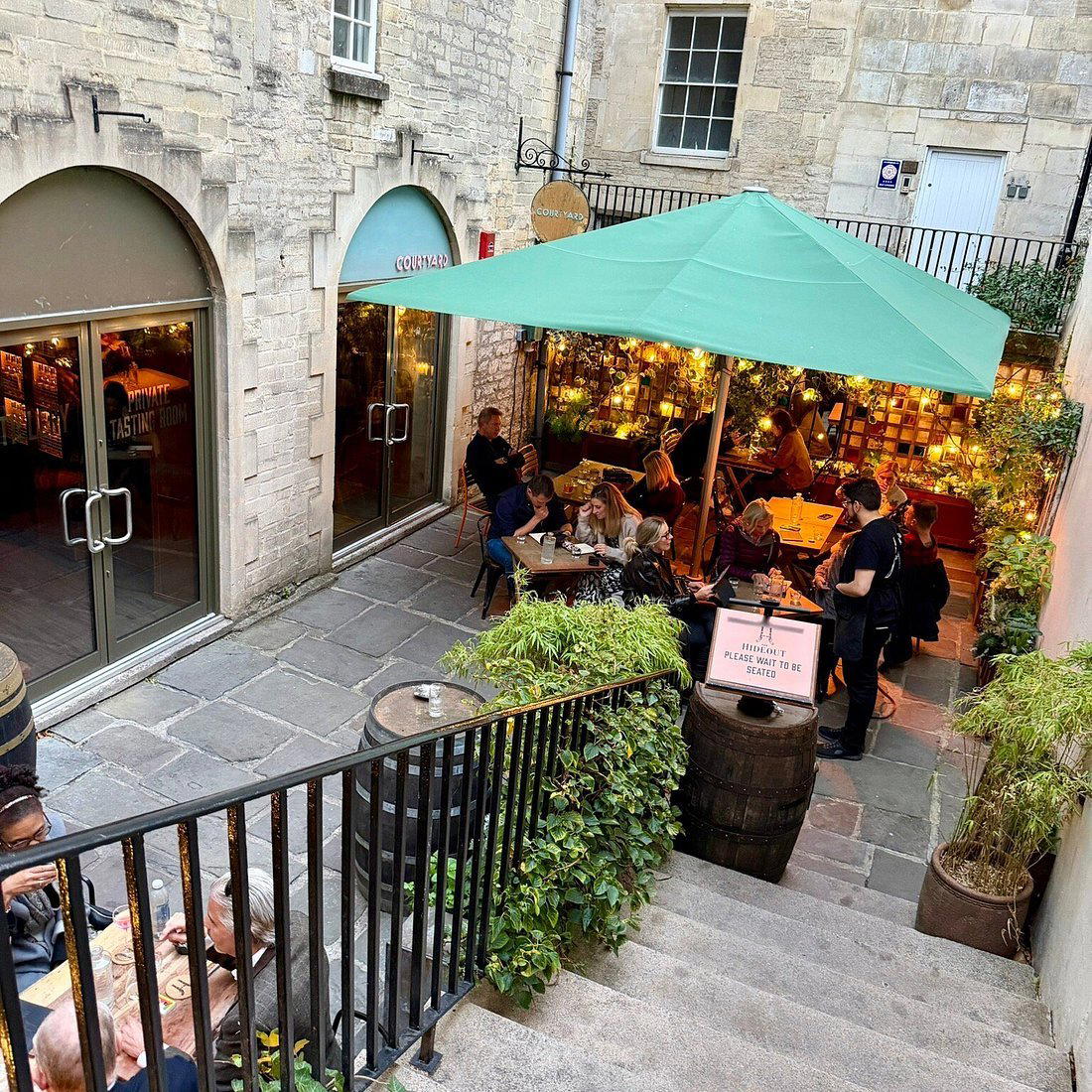
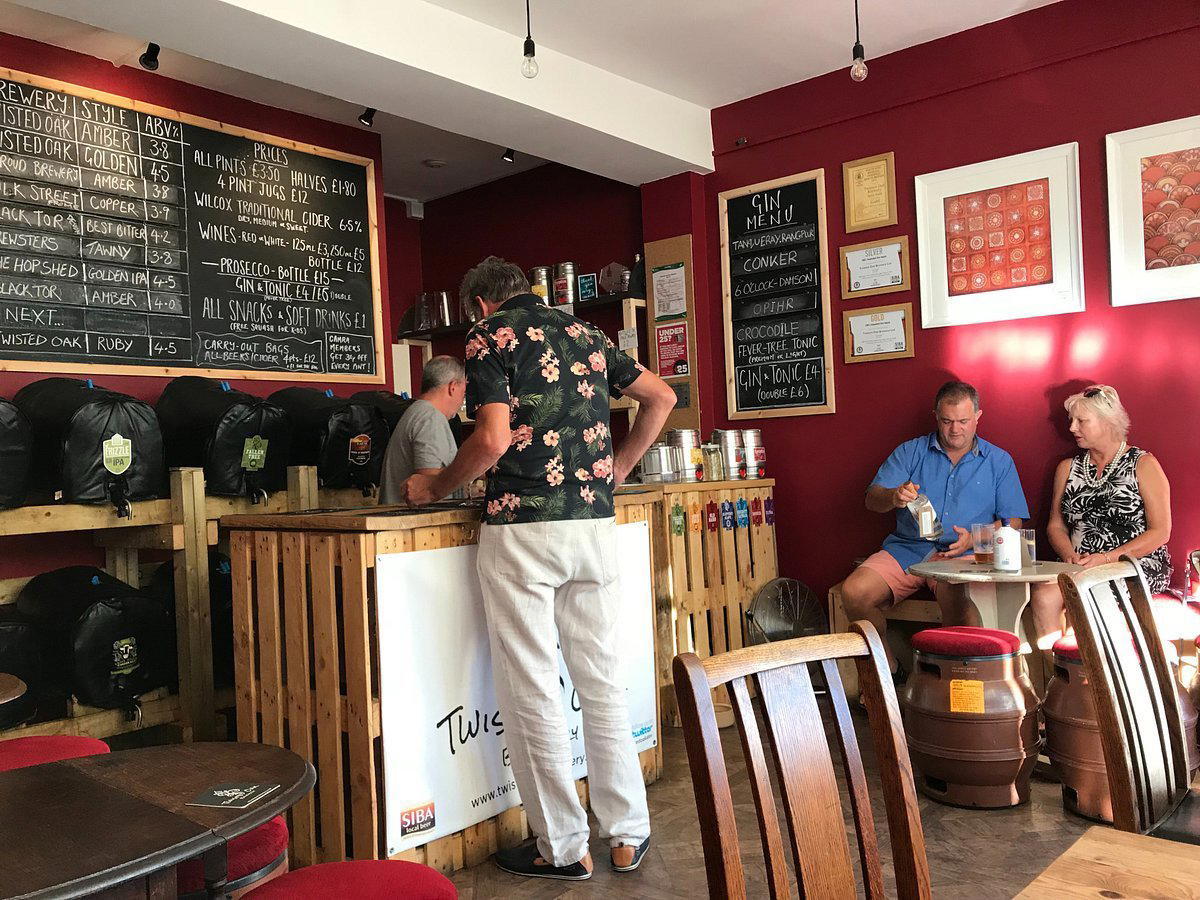
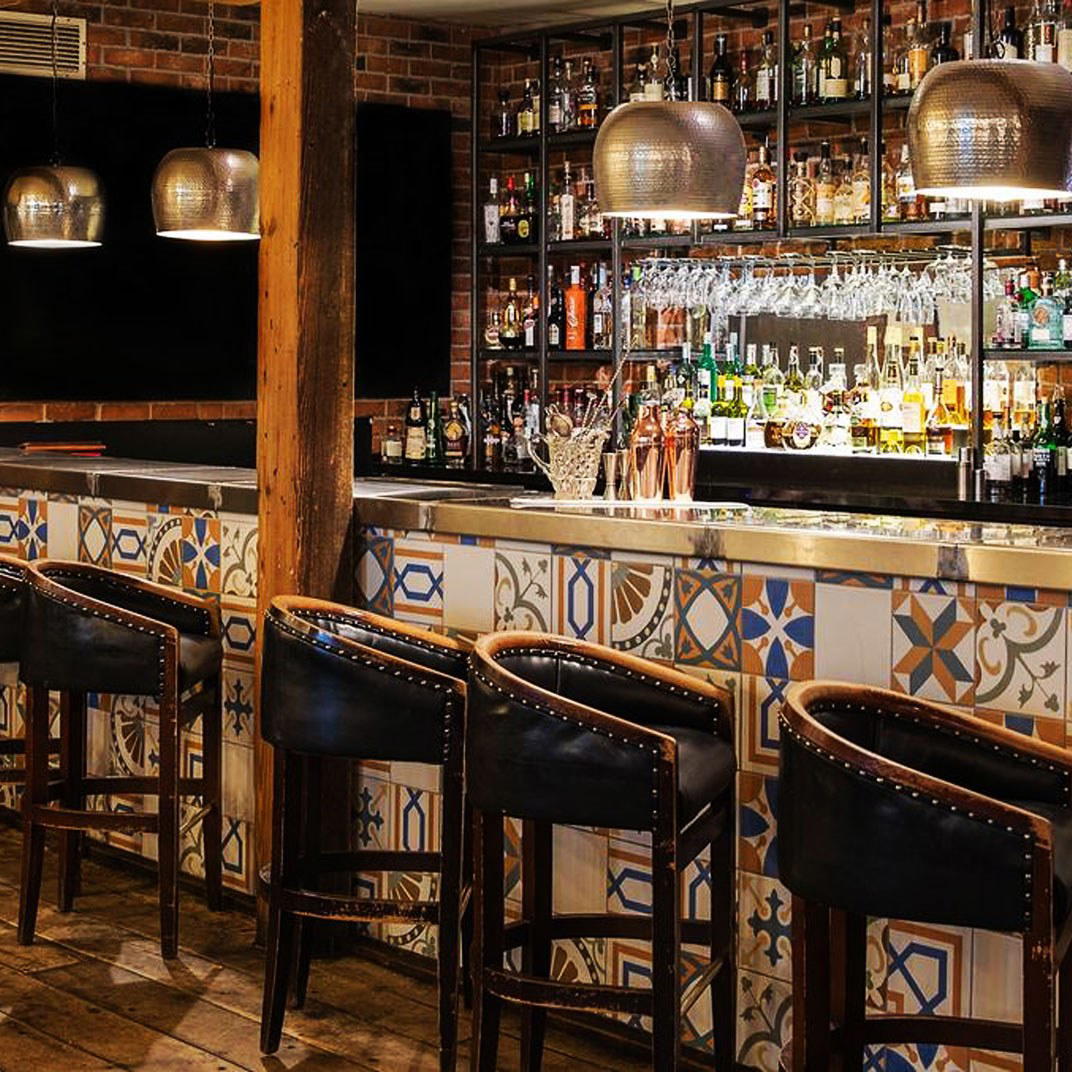
Casual and relaxed, with quirky decor and a well-liked neighborhood atmosphere.
Know Before You Go
- Getting there
- 64-66 St Marks Rd, Easton, Bristol BS5 6JH, United Kingdom