Blaise Inn

Michelin Bib Gourmand
Our verdict
A Michelin Bib Gourmand holder in Bristol's northern suburbs, Blaise Inn sits close to Blaise Castle and delivers traditional British cooking at a price point that makes it one of the city's more convincing arguments for heading beyond the centre. Under chef Louise McCrimmon, the kitchen applies a considered modern hand to classic dishes, backed by quality ales, a well-chosen wine list, and a pleasant rear courtyard.

Pearl is the En Primeur Club membership app, where members save venues, book tables and use the concierge.
The Village Inn, Reconsidered
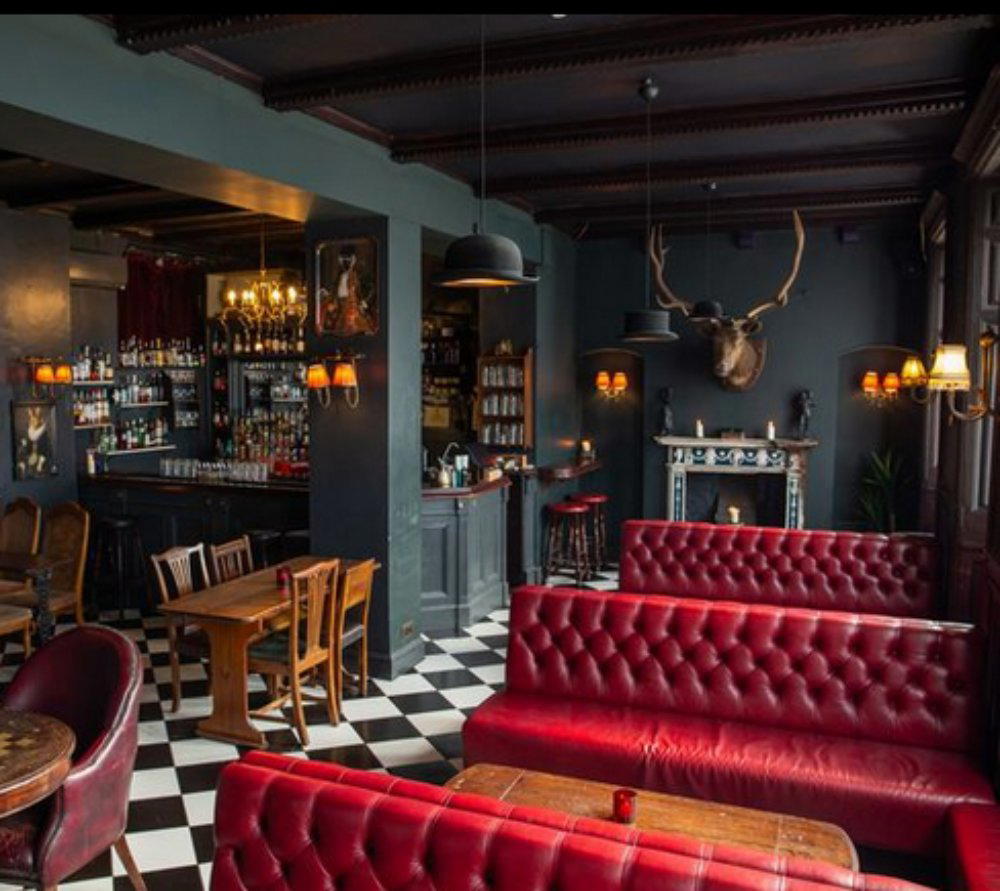
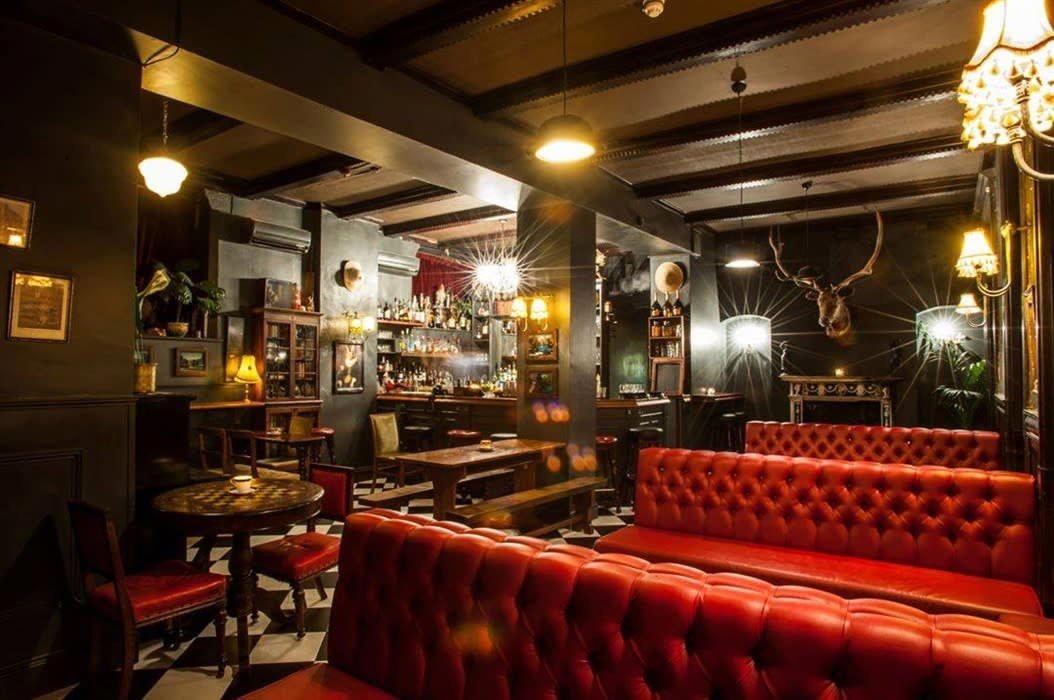
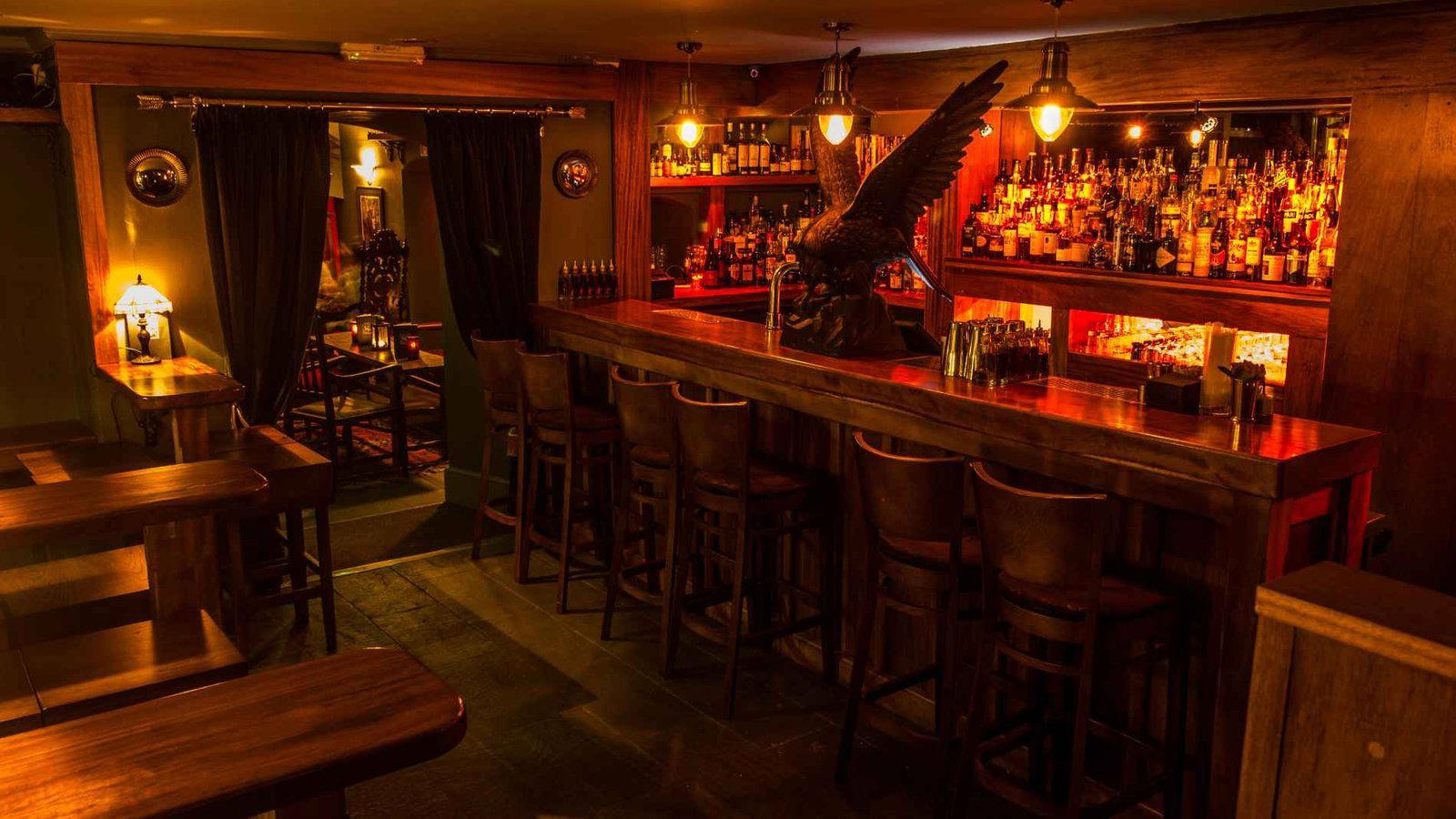
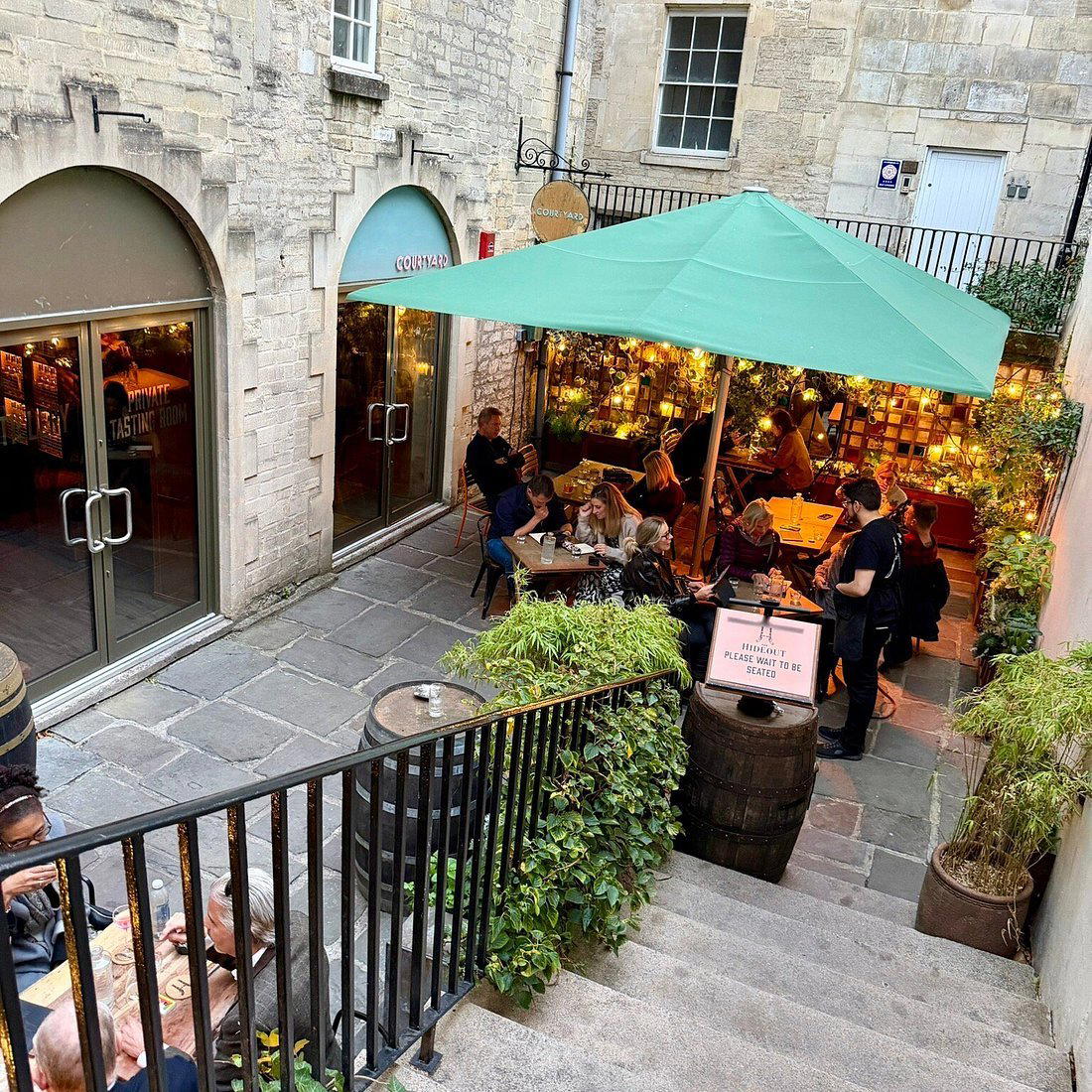
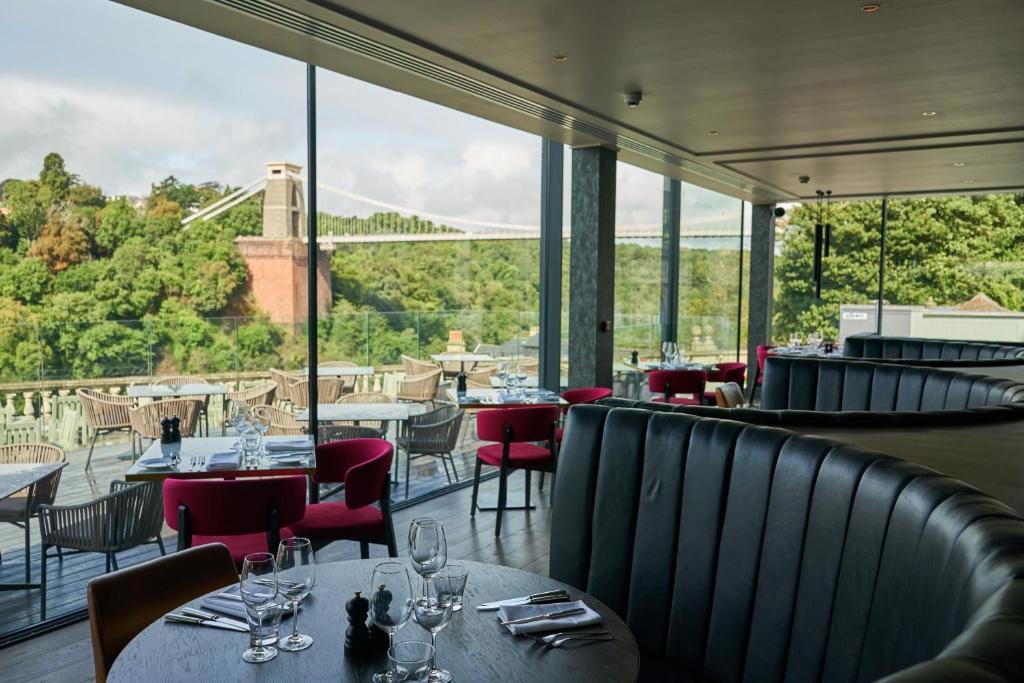
Head north out of Bristol's centre, past Westbury-on-Trym, and the city gradually gives way to quieter residential streets, the kind of neighbourhood where the local pub still plays a functional role rather than a performative one. Henbury Road runs through this territory, and the Blaise Inn sits on it with the understated presence that characterises the better end of the British inn tradition: a simply decorated interior that makes no attempt to compete with the destination dining rooms closer to the waterfront, a rear courtyard that earns its keep on warmer evenings, and a kitchen that has found a way to make traditional cooking feel current without abandoning what the format does well.
The proximity to Blaise Castle gives the location a particular character. The castle itself is a late eighteenth-century folly, built for theatricality rather than defence, and there is something fitting about a Michelin-recognised inn sitting in its shadow: substance where you might not expect it, quality delivered without fanfare.
What the Bib Gourmand Actually Means Here
Michelin's Bib Gourmand distinction, awarded to Blaise Inn in both 2024 and 2025, marks out restaurants where the inspectors find cooking quality that would justify a higher price bracket served at a lower one. That is a different kind of recognition from a star, and arguably a more practically useful one for most diners. Where the starred tier in Bristol, represented by places like Bulrush or Casamia, demands a commitment in both time and cost, the Bib Gourmand signals an accessible session where the kitchen is genuinely trying.
Bristol's Bib Gourmand cohort tends to cluster in the central and harbourside areas. Blaise Inn's position in the northern suburbs places it in a different kind of relationship with its audience: a neighbourhood restaurant serving a neighbourhood, with Michelin recognition as confirmation rather than draw. That dynamic produces a particular kind of dining room atmosphere, one where the regulars know the menu and the room, and where first-time visitors arrive with expectations set by the award rather than by word of mouth from friends who live nearby.
Across the broader British pub dining scene, the Bib Gourmand has become a reliable signal for a specific format: pubs and inns where a head chef has applied training and technique to dishes that the building and the price point suggest should be ordinary. The Hand and Flowers in Marlow represents one end of that spectrum, with two Michelin stars in a pub setting. Blaise Inn sits further along toward the accessible end, where the ££ pricing keeps the cooking within reach of repeat visits rather than special occasions.
British Cooking as a Living Tradition
Traditional British cuisine is a category that has been in genuine negotiation with itself for the past three decades. The cooking that emerged from the late 1990s and 2000s recovery of British food culture, driven partly by places like The Fat Duck in Bray and later consolidated by a generation of chefs who trained through that period, created both a high-end vocabulary and a trickle-down effect on more modest kitchens. What the better village inns and pub restaurants now do is cook within recognisable British idioms, using seasonal produce and classical technique, without the theatrics of destination dining.
Chef Louise McCrimmon's approach at Blaise Inn fits within that tradition. The kitchen's described orientation, traditional British dishes handled with a skilful, modern approach, positions it in the middle register of this conversation: not reconstructing the canon, not serving it unreconstructed either. The dessert emphasis that the venue's own Michelin description highlights is worth noting, because pastry at this price point is frequently where kitchens cut corners. The fact that desserts are called out specifically suggests a kitchen that treats the full arc of a meal with consistent care.
For comparison, Auberge Grand'Maison in Mûr-de-Bretagne and Auga in Gijón represent how traditional cuisine recognition functions in other European contexts, where regional rootedness and ingredient provenance carry their own weight. The British version of this conversation is less codified, which gives kitchens like Blaise Inn more interpretive latitude but also less of a critical framework to locate themselves within.
The Drinks Side of the Equation
An inn that holds Michelin recognition for its food but neglects the drinks programme is a common enough disappointment. Blaise Inn's Michelin description specifically mentions quality ales and a well-chosen wine list, which is a meaningful data point rather than a formulaic endorsement. Bristol's relationship with independent brewing and a growing interest in wine across its restaurant scene, visible in places like Adelina Yard and BOX-E, has raised the baseline expectation for what a drinks list should look like even at the more casual end of the market.
The rear courtyard extends the experience into the warmer months, giving the inn a seasonal flexibility that a dining room alone cannot provide. That kind of outdoor space, when it works, shifts the occasion from a meal into something closer to an afternoon or evening, particularly when the drinks side of the offer supports longer stays.
Where Blaise Inn Sits in Bristol's Eating Map
Bristol's dining scene has developed a distinct two-tier character. The centre and harbourside host the higher-ambition modern British and European kitchens, from 1 York Place to Bulrush, with price points to match. The neighbourhood tier, scattered across areas like Clifton, Bedminster, and the northern suburbs, operates on different economics and a different relationship with its audience.
Blaise Inn's ££ pricing places it alongside BOX-E in the accessible bracket, but with a format and location that are almost entirely different: a suburban inn rather than a container unit in a central market, a traditional British menu rather than a tightly focused modern one. Both hold Michelin attention; the similarity ends there. This kind of spread, affordable recognition distributed across genuinely different formats and neighbourhoods, is one of the things that makes Bristol's eating scene more plural than a simple centre-versus-suburbs reading would suggest.
Those building a broader picture of Bristol's table should also consult our full Bristol restaurants guide, alongside resources for hotels, bars, wineries, and experiences across the city. For a wider British context, the modern British register extends to L'Enclume in Cartmel, Moor Hall in Aughton, Gidleigh Park in Chagford, and CORE by Clare Smyth in London, each representing a different expression of what serious cooking within a British idiom can look like.
Planning a Visit
Blaise Inn is at 260 Henbury Road, Henbury, in the northern suburbs of Bristol. The address is BS10 7QR. At the ££ price point, a full meal with drinks represents a significantly lower commitment than the city's starred rooms, making it a practical first-visit option as well as a sustainable regular.
Frequently asked questions
What price level is Blaise Inn?
Pricing at Blaise Inn is listed as ££.
What's Blaise Inn's location?
Blaise Inn is located at 260 Henbury Rd, Henbury, Bristol BS10 7QR, United Kingdom, Bristol.
Can I walk in to Blaise Inn?
Blaise Inn operates as a neighbourhood pub at the ££ price point, which usually means walk-ins are possible on quieter weekday sessions. Booking ahead for Friday and Saturday evenings is the safer approach; the address is 260 Henbury Road, Bristol BS10 7QR.
Cuisine-First Comparison
Comparable options at a glance, pulled from our tracked venues.
| Venue | Cuisine | Price | Awards | Notes |
|---|---|---|---|---|
| Blaise InnThis venue (the venue you are viewing) | Modern British Gastropub | $30–50 | Michelin Bib Gourmand | Not listed |
| Bulrush | Modern British Fine Dining | $50–100 | 1 Michelin Star · The Good Food Guide GFG Very Good | Modern British |
| BOX-E | Modern British Bistro | $50–100 | Michelin Bib Gourmand · The Good Food Guide GFG Good | Modern British |
| Little Hollows Pasta | Modern Italian Pasta Bistro | $20–30 | Michelin Bib Gourmand | Italian |
| Root | Modern Vegetable-Led Small Plates | $30–50 | Michelin Bib Gourmand · The Good Food Guide GFG Good | Modern Cuisine |
| Wilsons | Modern British Fine Dining | $100–150 | 1 Michelin Star · National Restaurant Awards Top 100 #32 | Modern British |
Recognition history
Dated appearances from independent guides and award organizations, with the underlying list record or original source where available.
Michelin Bib Gourmand
Michelin
Full recognition history (3 entries)
Michelin Bib Gourmand
Michelin
Michelin Bib Gourmand
Michelin
Continue exploring
More in Bristol
Restaurants in Bristol
All restaurants in Bristol →
Bars in Bristol
All bars in Bristol →
Details
- Cozy
- Rustic
- Lively
- Date Night
- Family
- Group Dining
- Casual Hangout
- Courtyard
- Extensive Wine List
- A La Carte
- Vegetarian Friendly
Current opening hours
- Monday
- 5–11 PM
- Tuesday
- 5–11 PM
- Wednesday
- 12–11 PM
- Thursday
- 12–11 PM
- Friday
- 12–11 PM
- Saturday
- 12–11 PM
- Sunday
- 12–10:30 PM
Hours can change for holidays and private events. Hours as of .
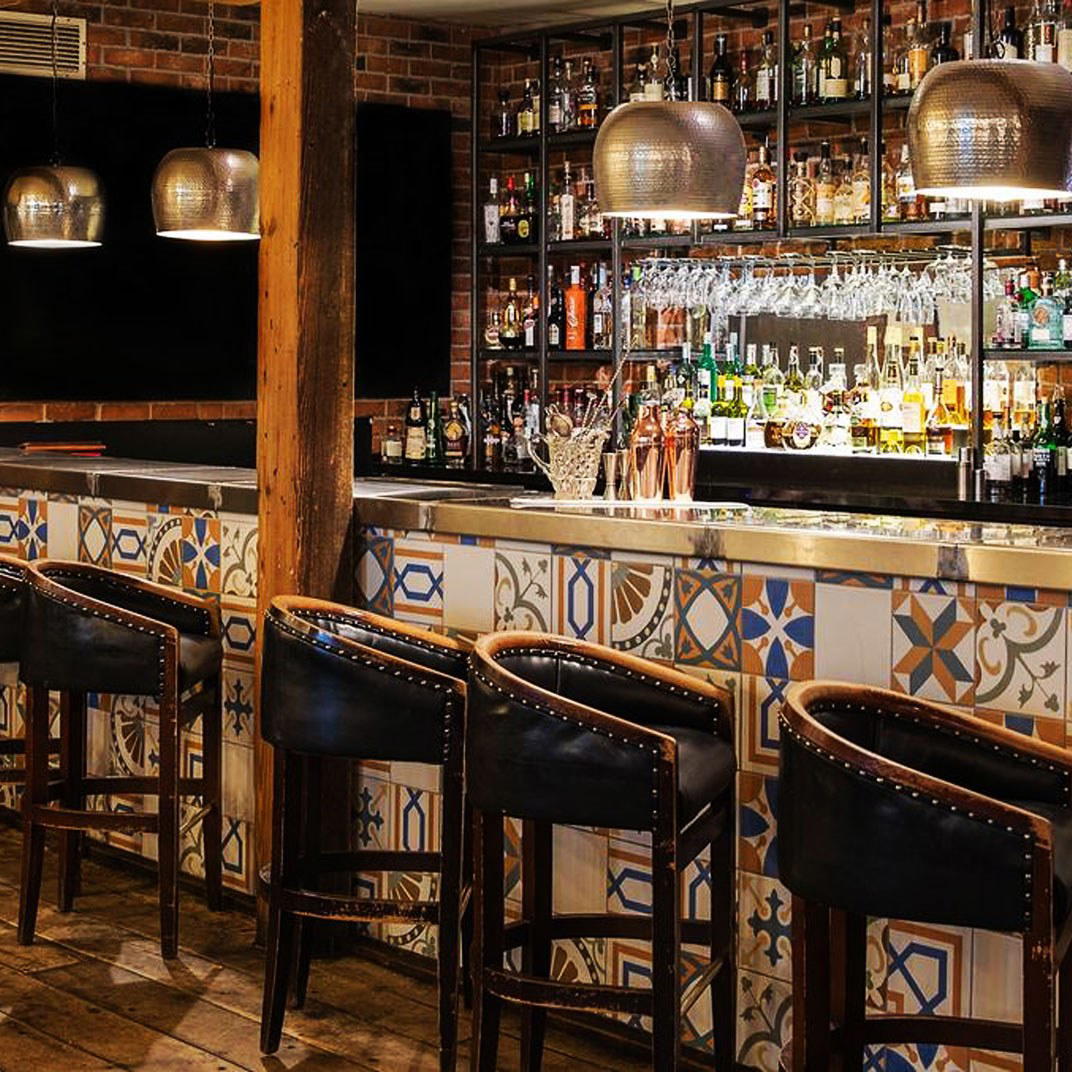
Lively pub atmosphere with friendly local vibe, cozy bar and restaurant areas, pleasant rear courtyard.