The Tangram Restaurant
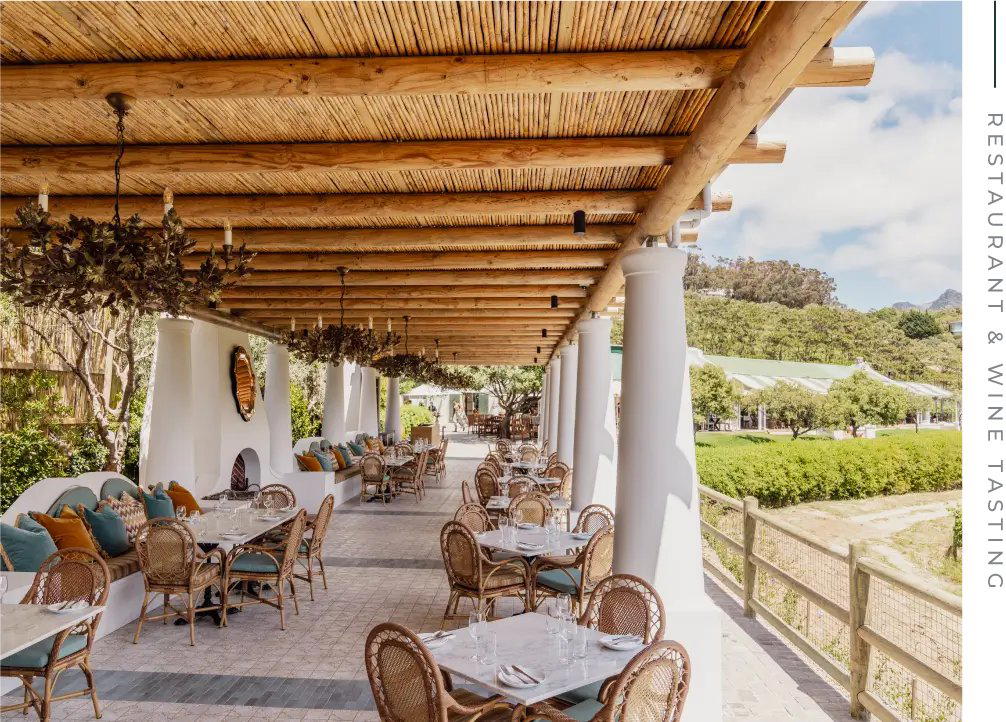
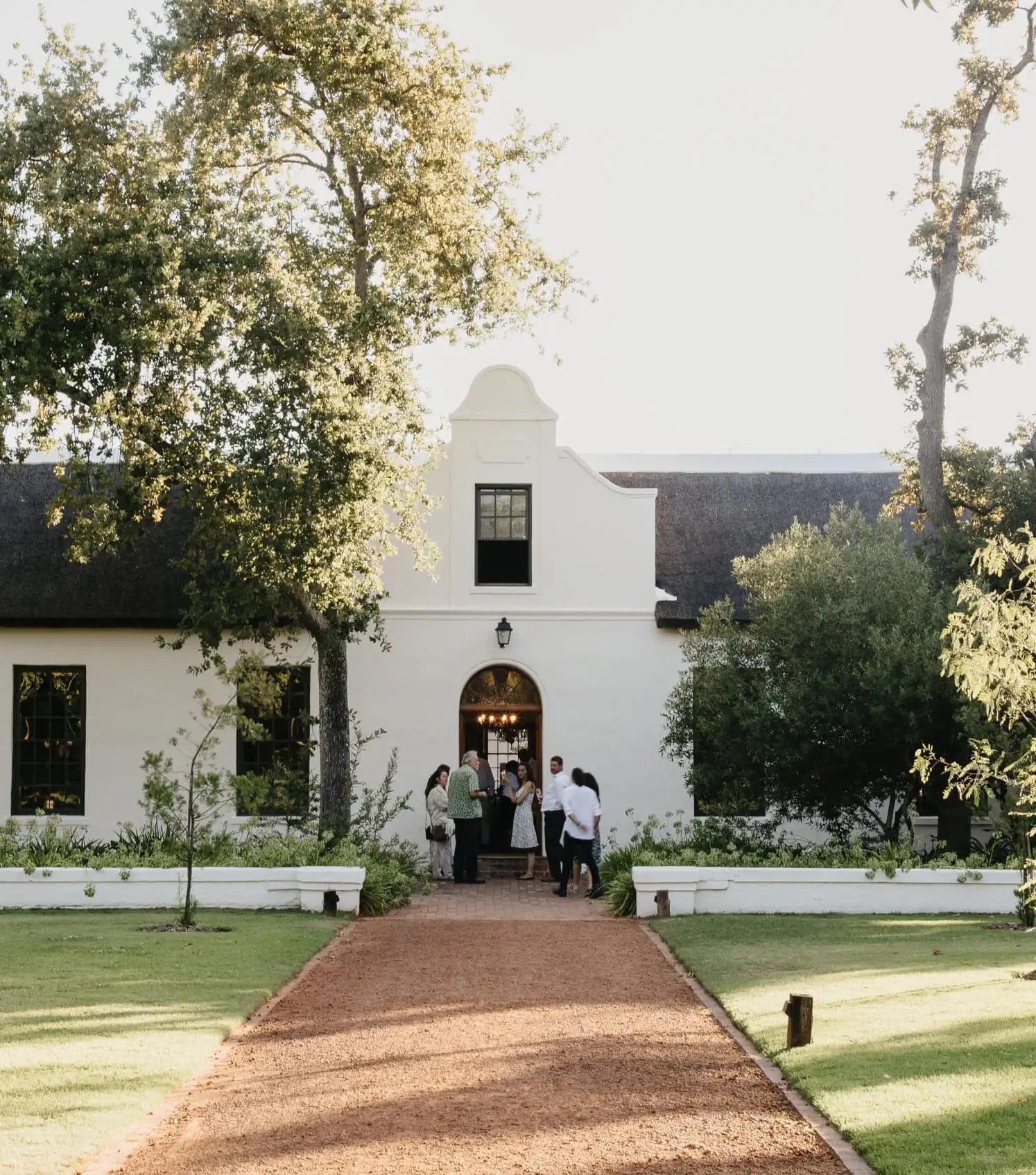
Set on Cape Farms in the Cape Metro, The Tangram Restaurant occupies a quietly compelling position in a region where the distance between field and plate is rarely as short as it is here. The surrounding agricultural landscape makes ingredient provenance a structural fact rather than a menu talking point. For a fuller picture of the Cape dining scene, see our full Cape Metro restaurants guide.
 Discover on Pearl
Pearl is the En Primeur Club membership app — saves, bookings, and concierge access live there. Same editors, same standards.
- Address
- Cape Farms, Cape Town, 7500, South Africa
- Phone
- +27215581300
- Website
- durbanvillehills.co.za
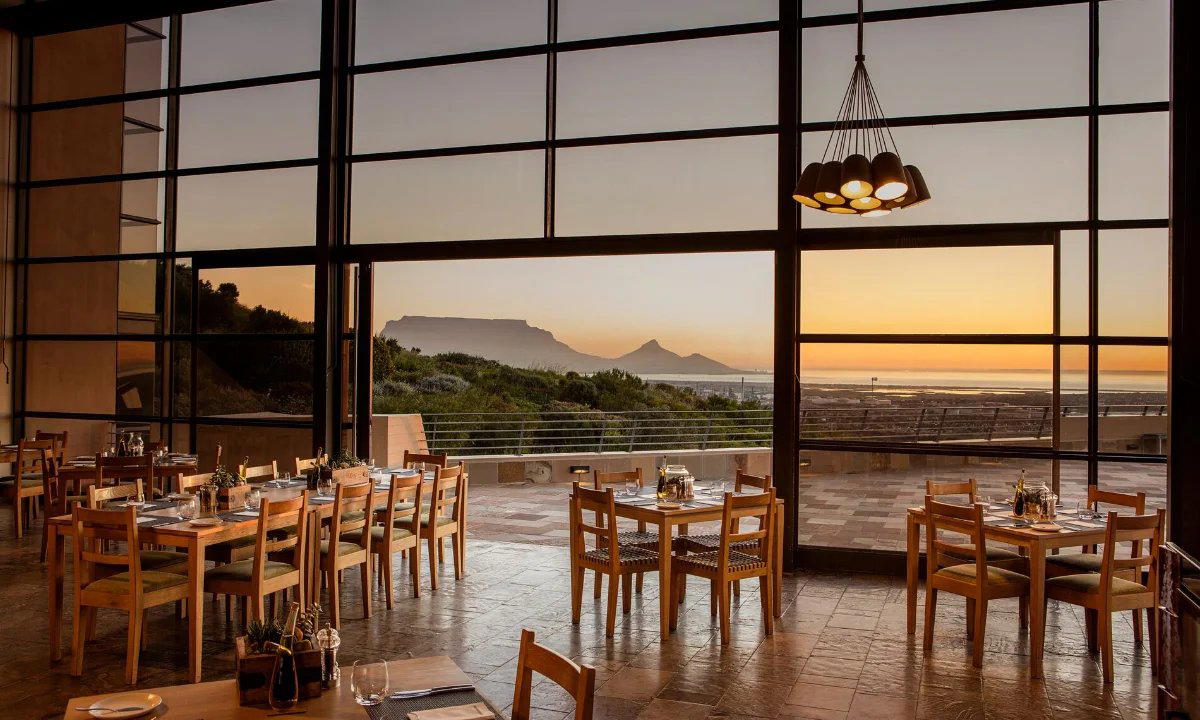
Where the Farm Sets the Terms
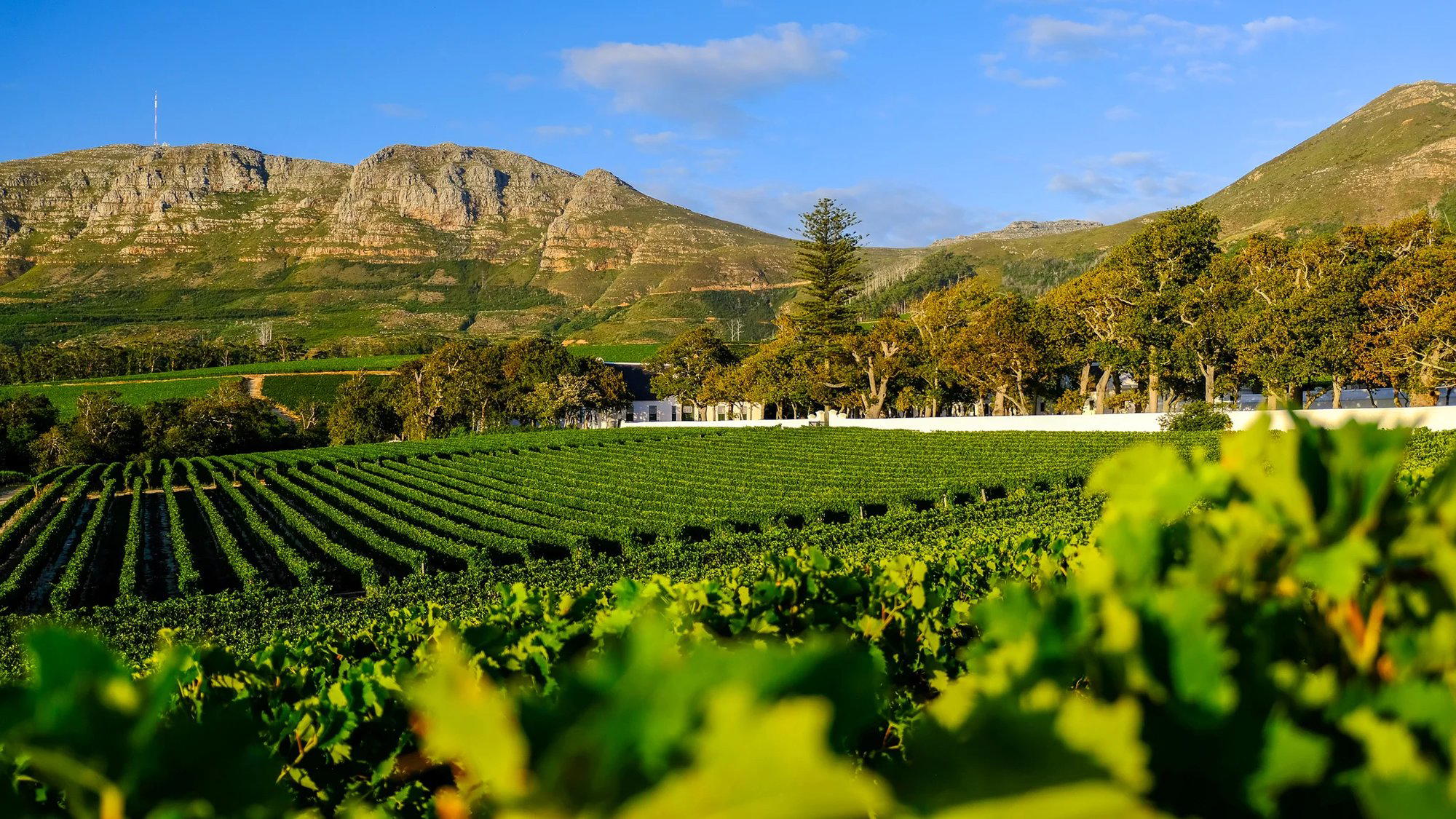
The Cape Winelands and its fringes have long operated on a principle that the rest of the world is still catching up to: that the credibility of a plate is inseparable from the credibility of what surrounds it. Drive out past the city's edge toward Cape Farms, and the relationship between land and kitchen becomes something you read in the terrain before you even sit down. Fynbos scrub, small-hold produce operations, and the particular quality of light that defines the southwestern Cape all register as context before you reach the door. At The Tangram Restaurant, that context is not decoration. It is the operating condition.
Cape Metro's dining scene has developed along two tracks over the past decade. One track follows the fine-dining consolidation visible in many global cities, where ambitious tasting menus migrate toward urban centres and international reference points. The other runs in the opposite direction, toward farms, coastal smallholdings, and the kind of sourcing relationships that require a kitchen to be geographically committed rather than merely aspirational. The Tangram Restaurant sits along that second track, at Cape Farms, where the address itself signals intent.
The Sourcing Argument, Made in the Southwestern Cape
South Africa's farm-to-table positioning is not uniform. In the Cape Metro specifically, a cluster of restaurants has moved beyond the phrase as marketing language and toward it as logistical architecture. Bread & Wine Vineyard Restaurant in Stellenbosch works within a wine estate framework, where the vineyard's own produce constrains and shapes the menu. Wolfgat in Paternoster has built an international reputation around Strandveld cuisine, foraging its ingredients directly from the coastline and inland scrub of the Western Cape. The logic across all of these places is the same: specificity of place produces specificity of flavour, and neither survives if the supply chain extends too far.
The southwestern Cape is particularly well-positioned for this model. The Boland agricultural corridor, the coastal fishing communities, and the fynbos biome together produce an ingredient palette that has no direct analogue anywhere else. Stone fruit from the Hex River Valley, abalone and snoek from the Atlantic, wild herbs from Namaqualand's fringes, and the region's own Karoo lamb all carry terroir in the same way that a good glass of Chenin Blanc does. A kitchen at Cape Farms has access to that supply network at short range, which changes not only what arrives on the plate but how recently it arrived.
Fyn in Cape Town interprets South African ingredients through a Japanese fusion framework, working with the produce of the region but through a lens that is deliberately global. Le Quartier Français in Franschhoek operates within the Franschhoek culinary tradition, where French technique meets Winelands produce in a valley that has functioned as a restaurant destination for three decades. Each of these represents a different relationship to the same regional larder. The Tangram's position at Cape Farms suggests a more direct relationship still, one where the farm gate and the kitchen door are the same conversation.
Reading the Cape Metro's Farm-Edge Dining
What distinguishes the farm-edge category from estate dining or rural fine dining is the degree to which sourcing constraints are allowed to shape the menu rather than merely inform it. This is a meaningful distinction. An estate restaurant can source globally and use local produce as garnish. A kitchen that operates within the limits of what is genuinely available nearby, seasonally and at short range, ends up with a menu that changes not because a chef decided it should but because the land decided it should.
That kind of discipline is harder to maintain and harder to communicate. It demands that a diner accept a degree of contingency: that the menu they read online may not be the menu they encounter, that the dish they came for may not be on, and that the substitute may turn out to be the reason they return. The Cape Winelands broadly, and the Cape Farms area specifically, attracts diners who already understand this contract. The region has enough dining density and enough editorial attention that first-time visitors are rarely naive about what farm-sourced cooking actually means in practice.
Elsewhere in South Africa, similar sourcing commitments appear in different geographic registers. Klein Jan in Moshaweng Nu works with the Northern Cape's arid terrain as its ingredient source, a radically different palette but the same underlying logic. La Sosta Restaurant in Swellendam operates in the Overberg, where Italian technique meets Swellendam's agricultural surroundings. The pattern across these places suggests that South Africa's most interesting dining is happening at the edges of its cities, where land access is real rather than theoretical.
Planning a Visit to Cape Farms
Cape Farms sits within the Cape Metro municipal boundary but operates at a remove from the city's centre that requires deliberate travel. Visitors without a rental car will find the journey logistically complex; the area is not serviced by the public transport network that connects the Atlantic Seaboard and City Bowl. The practical reality of eating at a farm-edge restaurant in this part of the world is that the journey is part of the experience and that arriving by road, through the agricultural periphery, calibrates expectations in a useful direction before the meal begins.
The Tangram Restaurant recommends reservations, and its regular hours run Mon to Sat 8:30 to 11 AM, 12 to 3 PM, and 6 to 11 PM, with Sunday service from 8:30 to 11 AM and 12 to 3 PM. Wolfgat in Saldanha Bay and Orangerie Restaurant in Stellenbosch both represent the Western Cape's farm-adjacent tier and offer useful reference points for what to expect from a dedicated dining visit to this part of the country.
Foundry in Sandton and EAT YOUR HEART OUT in Hillbrow represent the Johannesburg side of the country's dining conversation, while Cairo Kitchen in Kungwini and Milky Lane in East London extend the geographic picture further still. For international reference in the fine-dining tier, Le Bernardin in New York City and Atomix in New York City illustrate the global benchmark against which sourcing-led tasting menus are increasingly measured, wherever they happen to be located.
In Context: Similar Options
Comparable venues nearby, for context on price, style, and recognition.
| Venue | Cuisine | Price | Awards | Notes |
|---|---|---|---|---|
| The Tangram RestaurantThis venue — the venue you are viewing | Gourmet Fusion at Wine Estate | $$$ | , | |
| Chefs Warehouse at Maison | Global Tapas with South African Focus | $$$$ | , | Franschhoek |
| Tokara | Contemporary South African Fine Dining | $$$$ | 1 recognition | Helshoogte Pass |
| Carne Keerom Cape Town | Italian Steakhouse | $$$ | , | City Bowl |
| Post & Pepper | Modern African-Asian Fusion | $$$ | 1 recognition | Stellenbosch Central |
| Protégé | Modern Fusion Fine Dining | $$$$ | 1 recognition | Franschhoek |
Continue exploring
More in Cape Metro
Restaurants in Cape Metro
Browse all →
Bars in Cape Metro
Browse all →
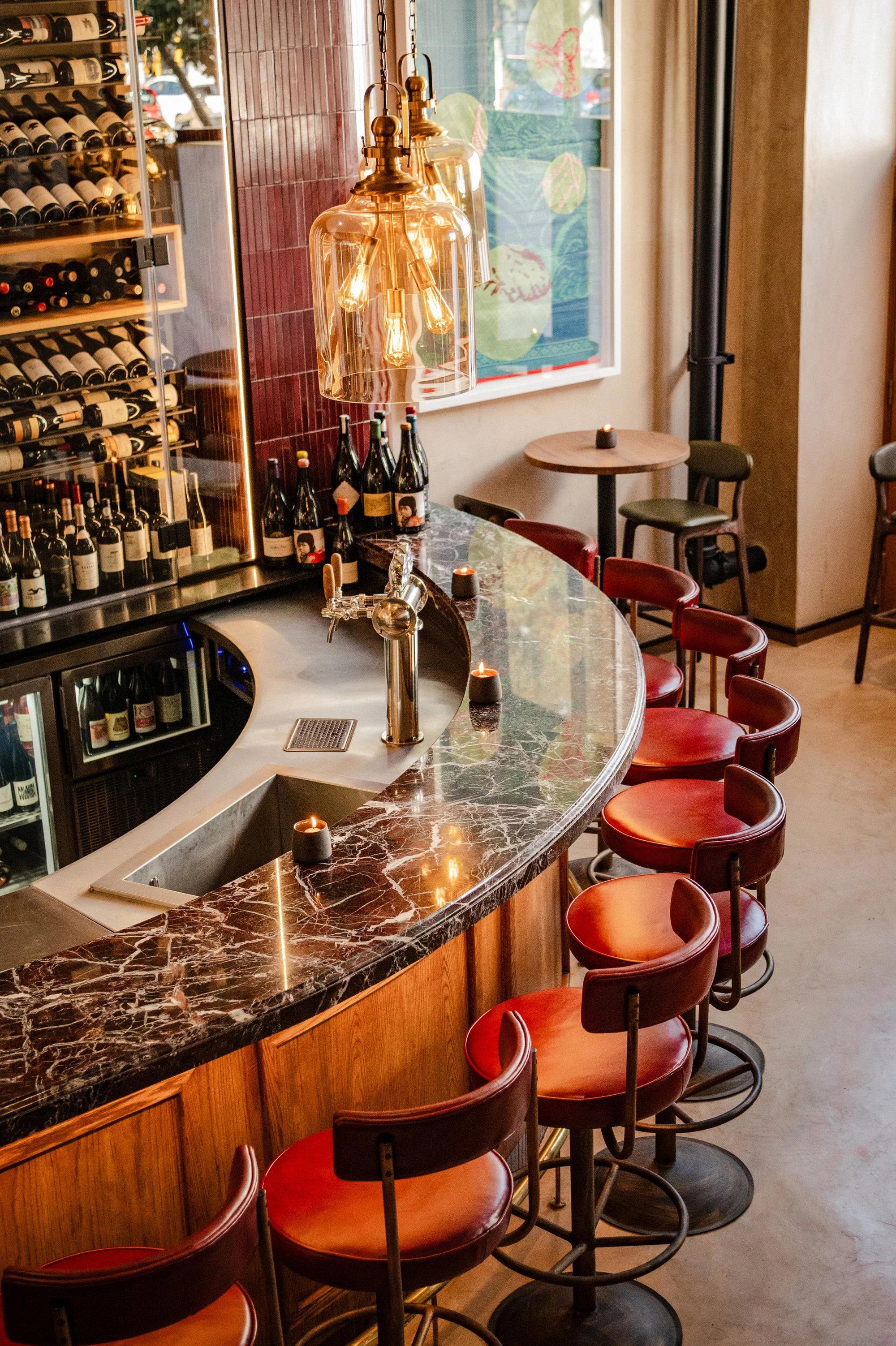
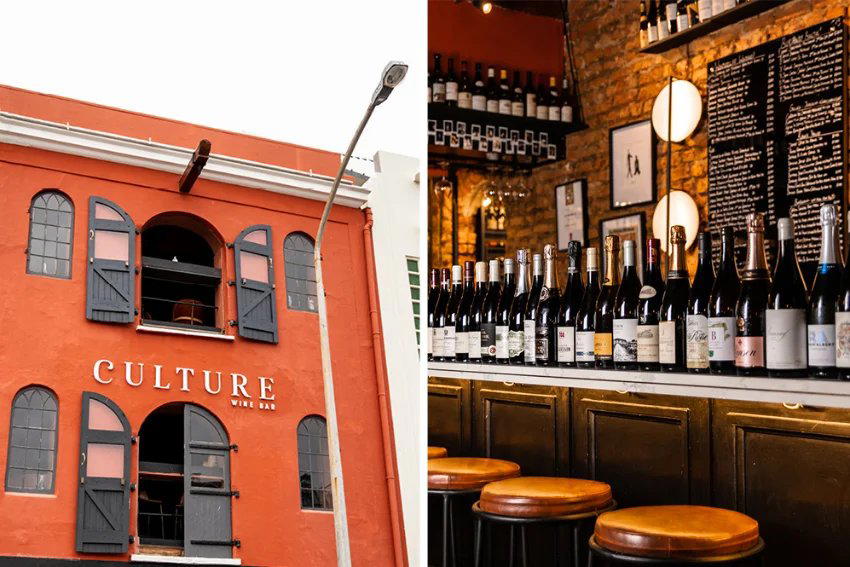
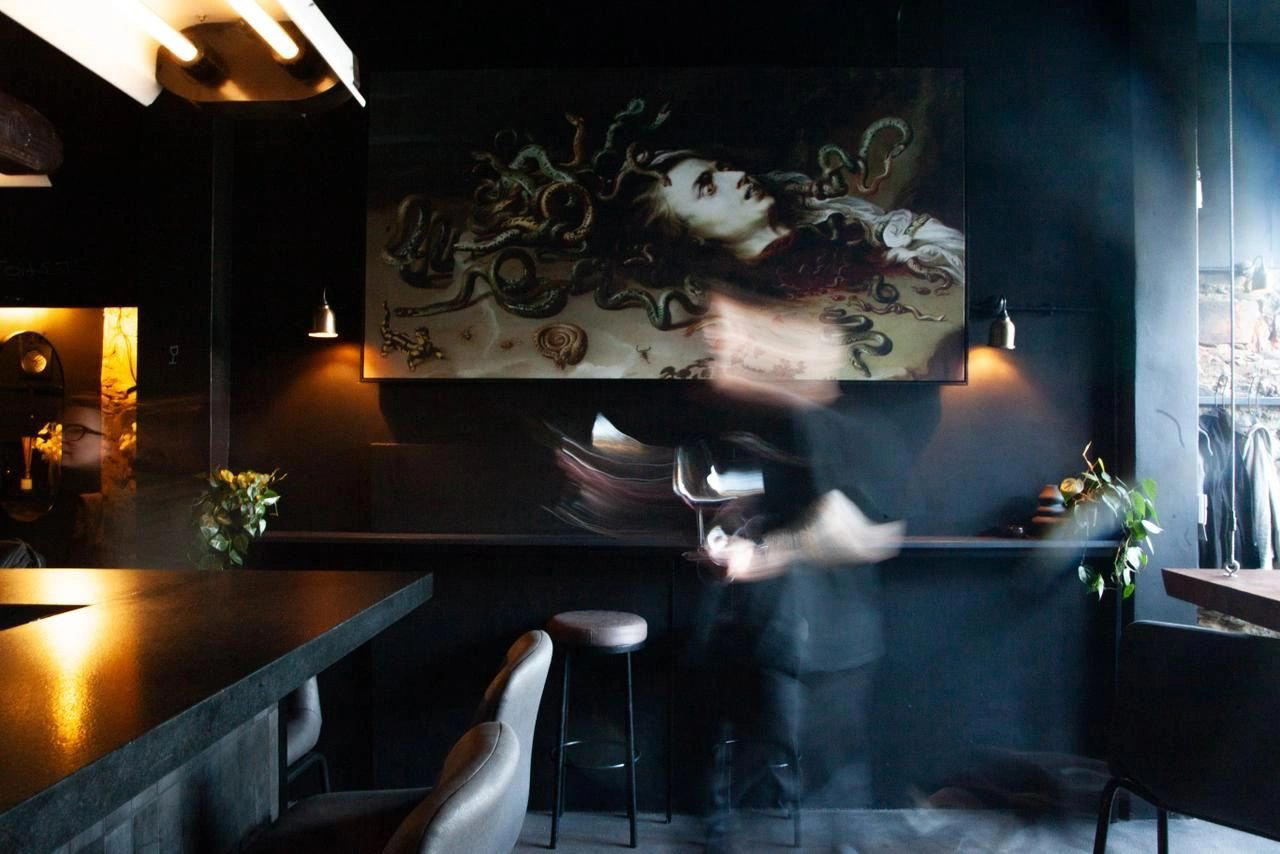
Hotels in Cape Metro
Browse all →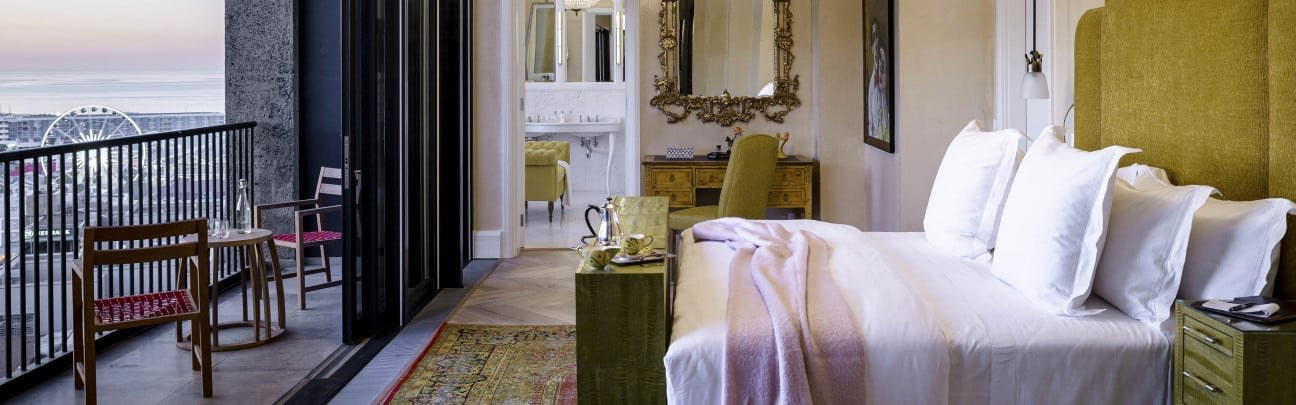

At a Glance
- Elegant
- Sophisticated
- Special Occasion
- Date Night
- Wine Cellar
- Historic Building
- Extensive Wine List
- Mountain
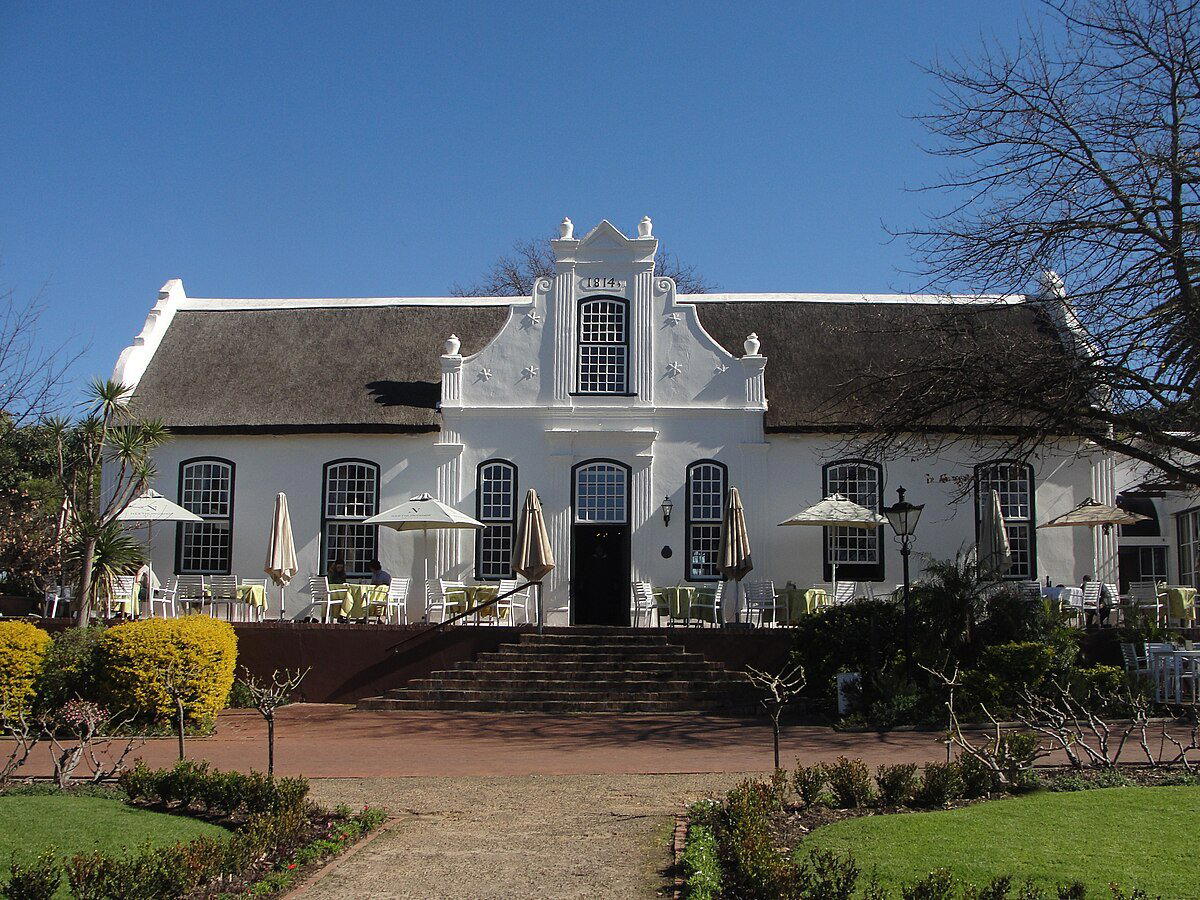
Elegant fine-dining in a historic cellar setting with sophisticated atmosphere.