Orangerie Restaurant
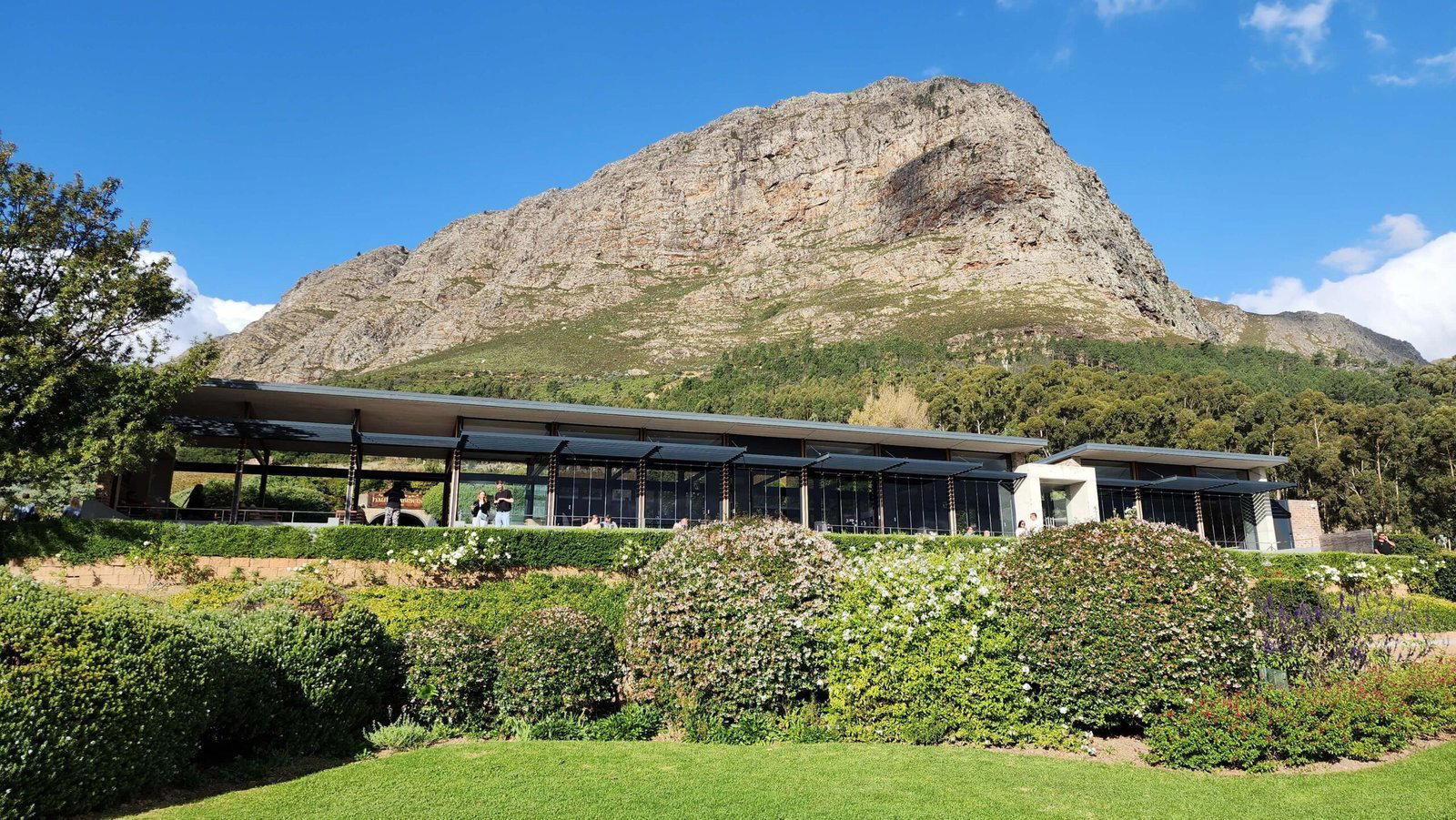
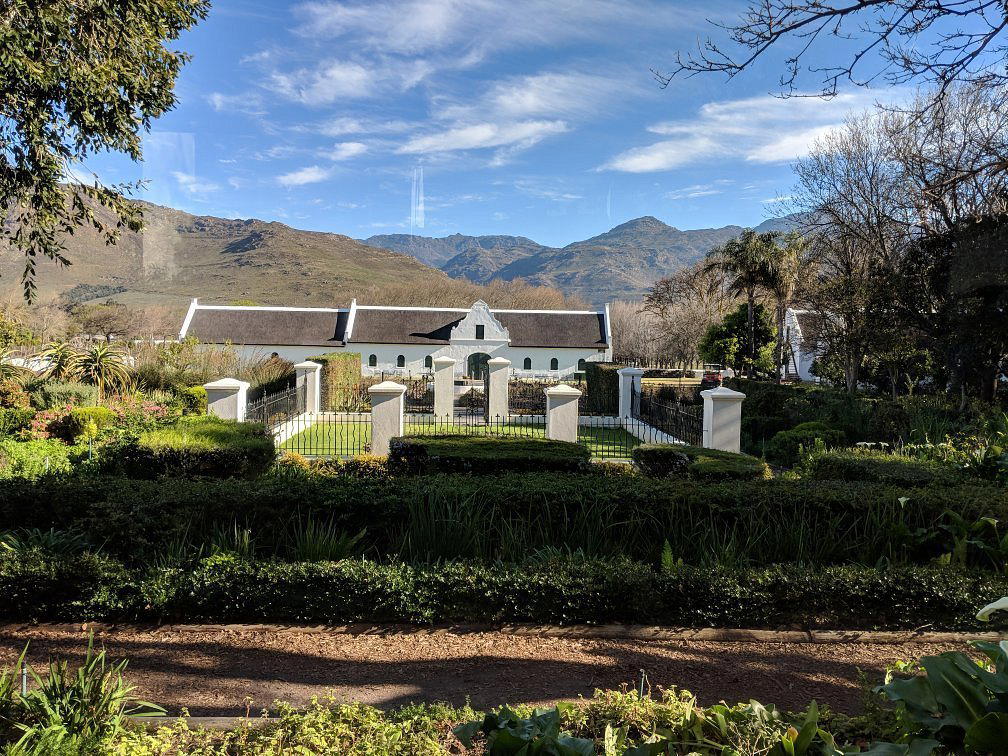
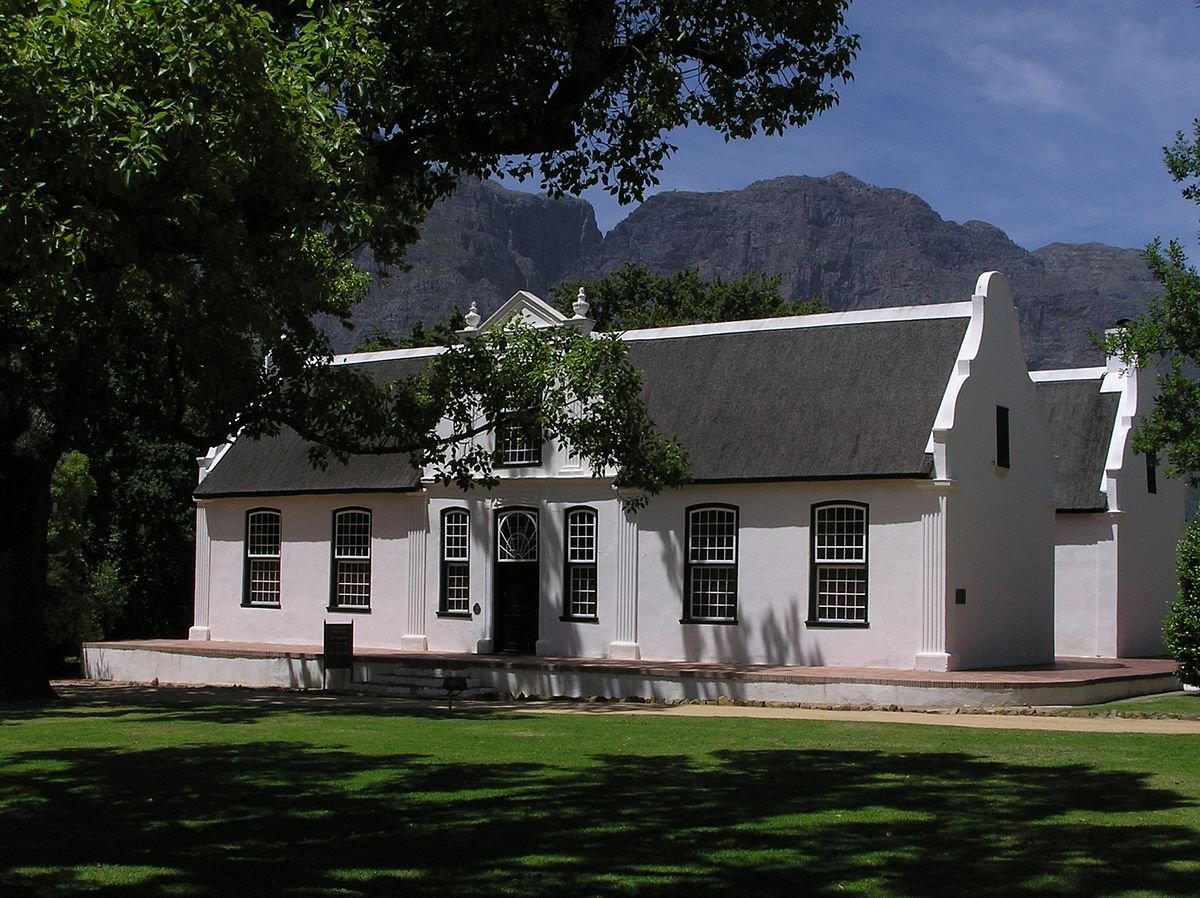
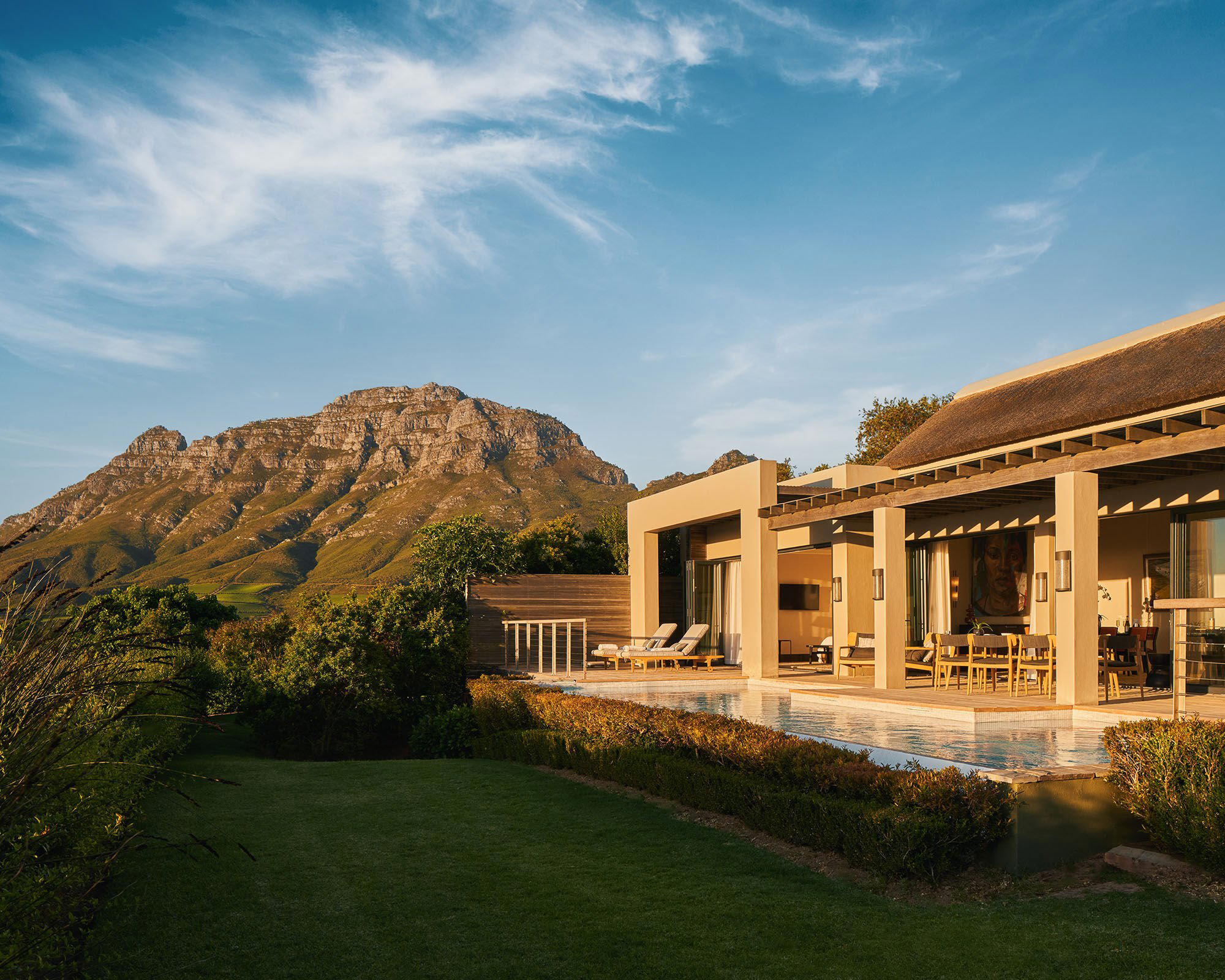
Set on Bowling Green Avenue in Franschhoek, Orangerie Restaurant occupies a position within one of the Western Cape's most ingredient-rich valleys, where farm-to-table sourcing is a practical reality rather than a marketing phrase. The restaurant sits at the intersection of Franschhoek's wine estate dining tradition and a broader regional movement toward grounding menus in what the surrounding landscape actually produces each season.
 Discover on Pearl
Pearl is the En Primeur Club membership app — saves, bookings, and concierge access live there. Same editors, same standards.
- Address
- Bowling Green Avenue, Lambrechts Rd, Franschhoek, 7690, South Africa
- Phone
- +27218762961
- Website
- lelude.co.za
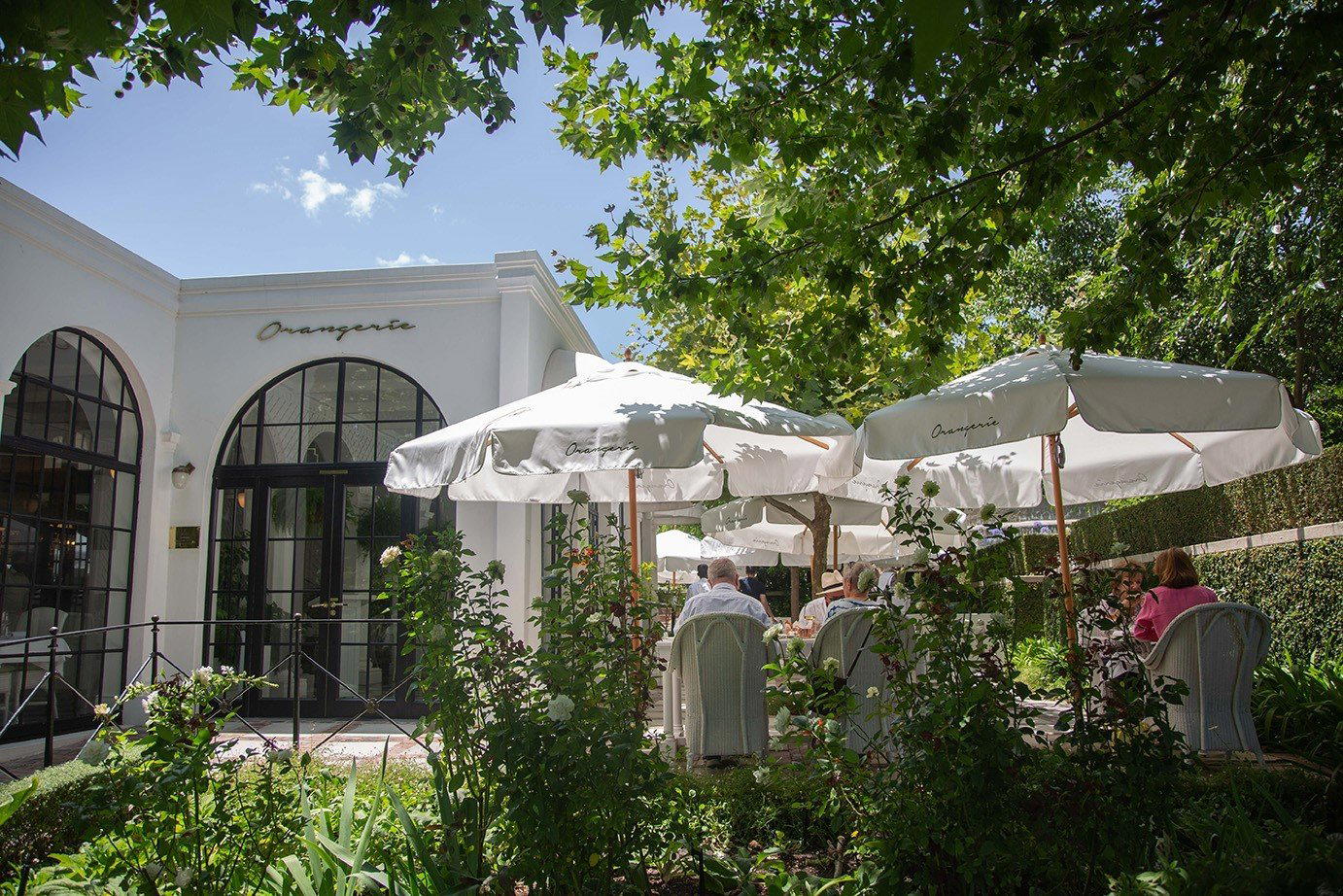
Franschhoek's Farming Tradition and What It Means on the Plate
The Franschhoek Valley has a longer continuous farming history than almost anywhere else in South Africa's Western Cape. Huguenot settlers laid out estates in the late seventeenth century, and those land boundaries have largely held. What that history produces, practically, is a valley where fruit orchards, vegetable gardens, herb patches, and vine rows sit within a few kilometres of every restaurant table. For a kitchen serious about ingredient sourcing, this is not a selling point, it is simply the operating condition. Orangerie Restaurant, located on Bowling Green Avenue along Lambrechts Road in Franschhoek, sits within this ecosystem, and understanding the restaurant means understanding that geography first.
Franschhoek dining has split, broadly, between two models over the past decade. The first is the large estate restaurant, often attached to a major wine producer, that runs high-volume lunch services for visitors moving through the valley on a day trip. The second is the smaller, more deliberate format that treats the valley's agricultural density as a sourcing network rather than a backdrop. The distinction matters because it changes what arrives on the plate and how the menu is structured. When produce travels metres rather than hundreds of kilometres, cooking decisions shift accordingly: preservation and fermentation become less necessary, seasonal specificity becomes more visible, and the menu reflects what is actually growing rather than what a national distributor has in stock.
The Setting on Bowling Green Avenue
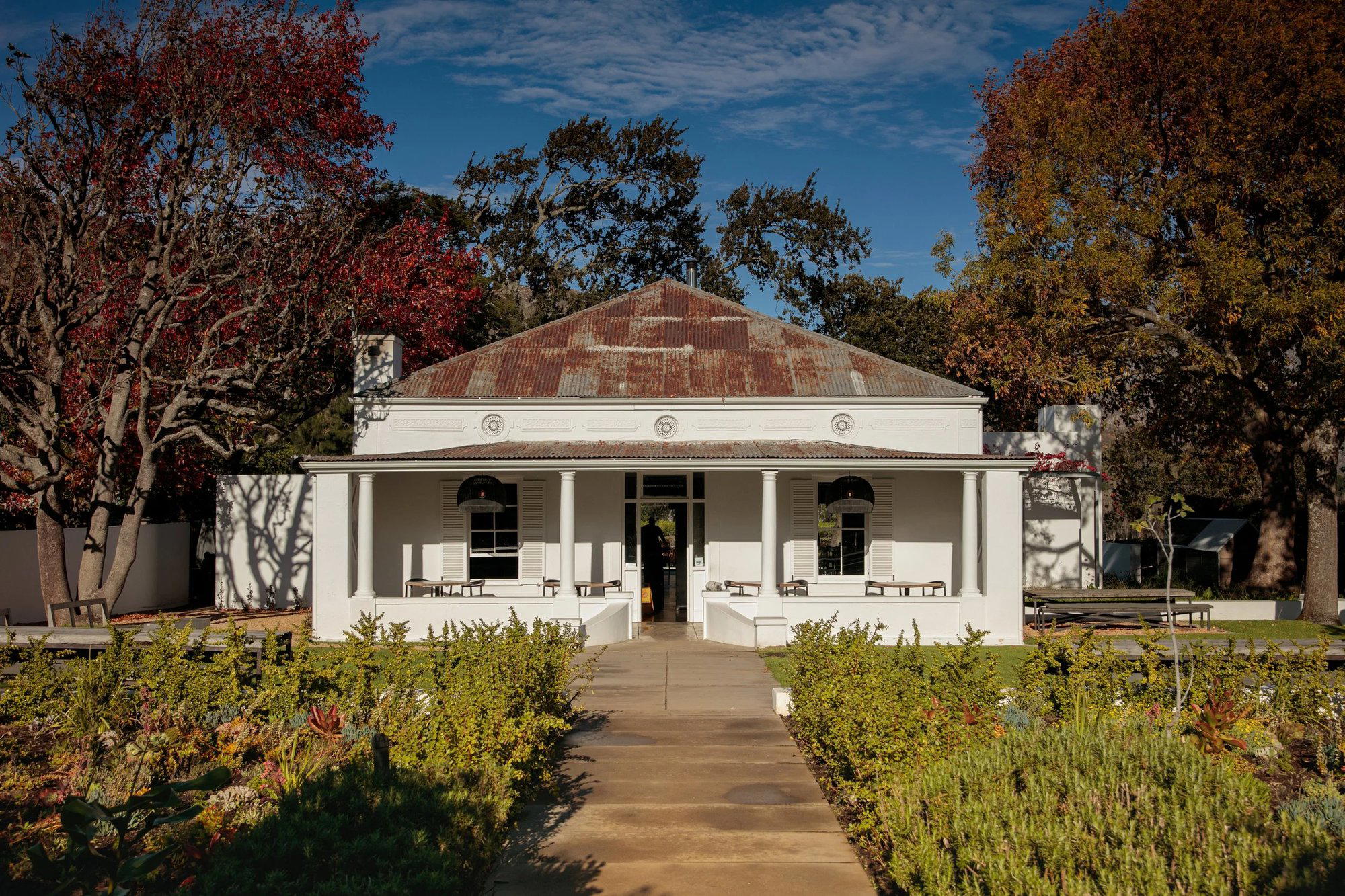
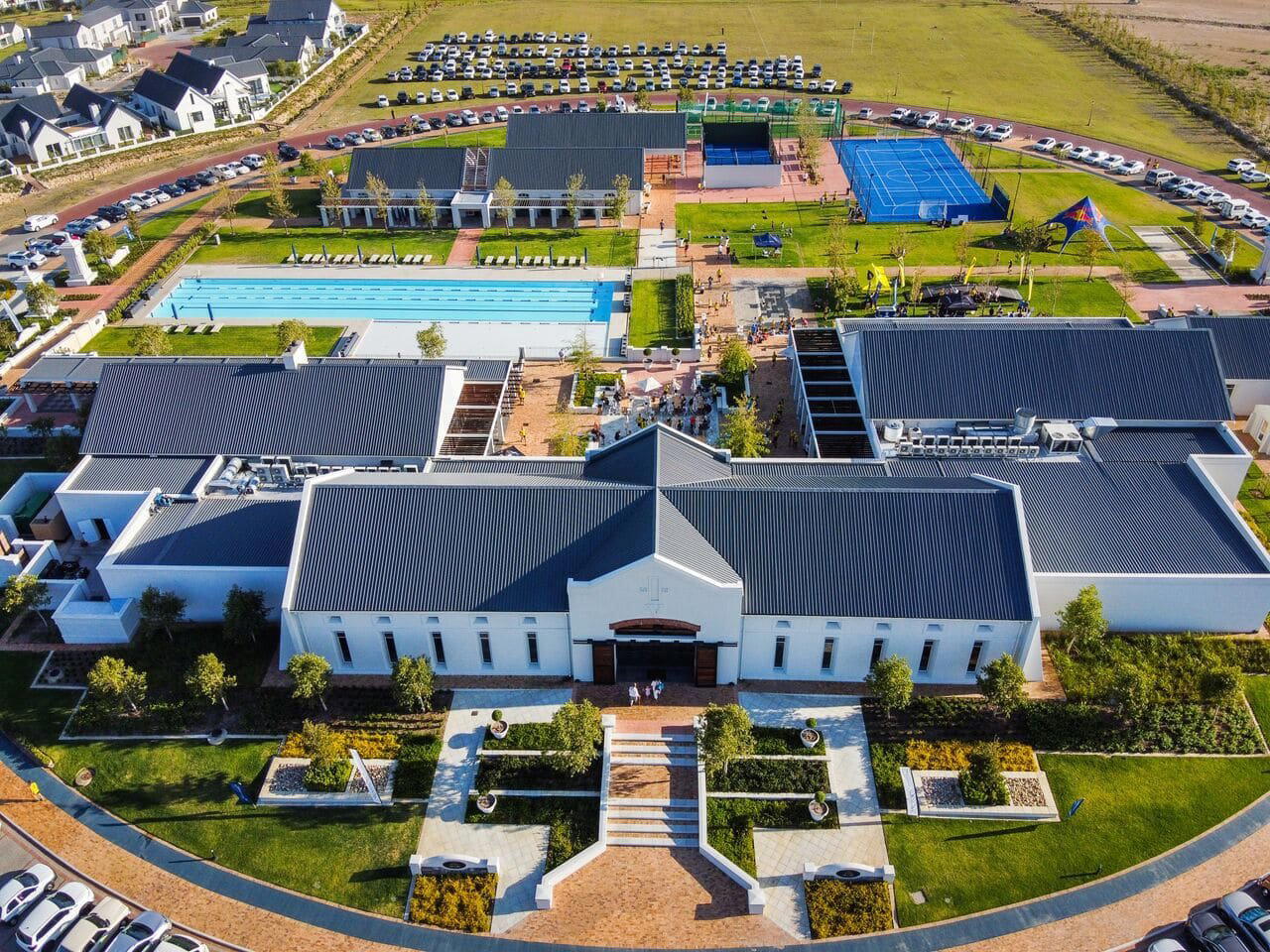
Approached from Lambrechts Road, the Franschhoek address places Orangerie Restaurant within the quieter, more residential edge of the valley rather than its central tourist corridor. This part of Franschhoek has a different character from the main street's concentrated restaurant strip. The pace slows, the scale drops, and the connection to the surrounding agricultural land feels more immediate. For restaurants operating in this zone, the physical proximity to productive farms and kitchen gardens is a practical advantage, and the leading kitchens in South Africa's wine country have consistently used that proximity to anchor their menus to what is growing within reach. Comparable operations in the Western Cape, including Bread & Wine Vineyard Restaurant in Stellenbosch, have demonstrated that a farm-adjacent position translates directly into menu specificity that larger urban kitchens cannot replicate.
Ingredient Sourcing in the Western Cape Context
South Africa's fine dining conversation has shifted noticeably toward provenance over the past several years. Restaurants that once imported frameworks from European fine dining, classical French technique, Michelin-adjacent plating conventions, have increasingly turned inward, building menus around what the Western Cape's extraordinary biodiversity actually offers. The fynbos biome alone provides aromatic herbs, edible flowers, and wild botanicals that do not exist in any other culinary tradition. Valley-grown stone fruit, heritage grain from the Swartland, line-caught fish from the Atlantic coast, and farm-raised meat from the surrounding mountains give Western Cape kitchens a sourcing depth that has drawn international attention.
That attention has not been lost on the broader critical community. Restaurants anchored in this sourcing philosophy, from Wolfgat in Paternoster, which built its reputation almost entirely on West Coast forage and catch, to Fyn in Cape Town, which layers Cape Malay and Japanese technique over South African ingredients, have set a benchmark for what ingredient-led cooking looks like in this region. The Franschhoek Valley, with its agricultural concentration, is a natural home for this approach. Kitchens here can source vine leaves, fig varieties, quince, rose geranium, and heritage vegetables from operations that would supply a single Franschhoek address rather than a national wholesale chain.
Where Orangerie Fits in the Franschhoek Dining Field
Franschhoek carries a density of serious restaurants relative to its population that few towns of comparable size anywhere in the world can match. Le Quartier Français in Franschhoek established much of the town's fine dining template and drew international attention to the valley as a culinary address. The broader Stellenbosch wine country context, which includes Rust en Vrede Restaurant, Kleine Zalze Restaurant, and Chefs Warehouse at Maison, reinforces the region's standing as a place where serious food and serious wine operate in close proximity. Against that competitive field, a restaurant's position is determined less by its own marketing and more by the rigour of its sourcing and kitchen decisions.
For visitors building a Franschhoek itinerary, the valley's agricultural character rewards a slower, more deliberate approach than a single-day drive-through allows. Restaurants anchored in local sourcing tend to express their strongest identity at lunch, when the connection between a morning market visit and what arrives at the table is most direct. The valley's wine estates also provide a context for pairing that few other South African wine regions can match: Franschhoek's Chenin Blanc, Semillon, and Rhône-style blends are produced within walking distance of the tables where they are poured.
Planning Your Visit
Orangerie Restaurant is located at Bowling Green Avenue, Lambrechts Road, Franschhoek 7690, South Africa, placing it within easy reach of the valley's main wine estates and accommodation. Current booking arrangements, hours of operation, and pricing should be confirmed directly with the restaurant ahead of a visit, as seasonal service schedules in the Franschhoek valley can shift with harvest periods and private event bookings.
Comparable Spots, Quickly
Comparable venues nearby, for context on price, style, and recognition.
| Venue | Cuisine | Price | Awards | Notes |
|---|---|---|---|---|
| Orangerie RestaurantThis venue — the venue you are viewing | Modern Classic French | $$$ | , | |
| Kleine Zalze Restaurant | Modern South African Fusion | $$$ | , | Stellenbosch |
| Chefs Warehouse at Maison | Global Tapas with South African Focus | $$$$ | , | Franschhoek |
| Sterrekopje Farm | Farm-to-Table Vegetarian | $$$$ | , | Franschhoek |
| Rust en Vrede Restaurant | Contemporary French with Brazilian-Italian Influences | $$$$ | , | Stellenbosch |
| Burrata | Modern Neapolitan Italian | $$$ | , | Woodstock |
Continue exploring
More in Stellenbosch Nu
Restaurants in Stellenbosch Nu
Browse all →
Bars in Stellenbosch Nu
Browse all →
Hotels in Stellenbosch Nu
Browse all →
At a Glance
- Romantic
- Elegant
- Scenic
- Intimate
- Sophisticated
- Date Night
- Special Occasion
- Celebration
- Garden
- Wine Cellar
- Extensive Wine List
- Local Sourcing
- Vineyard
- Garden
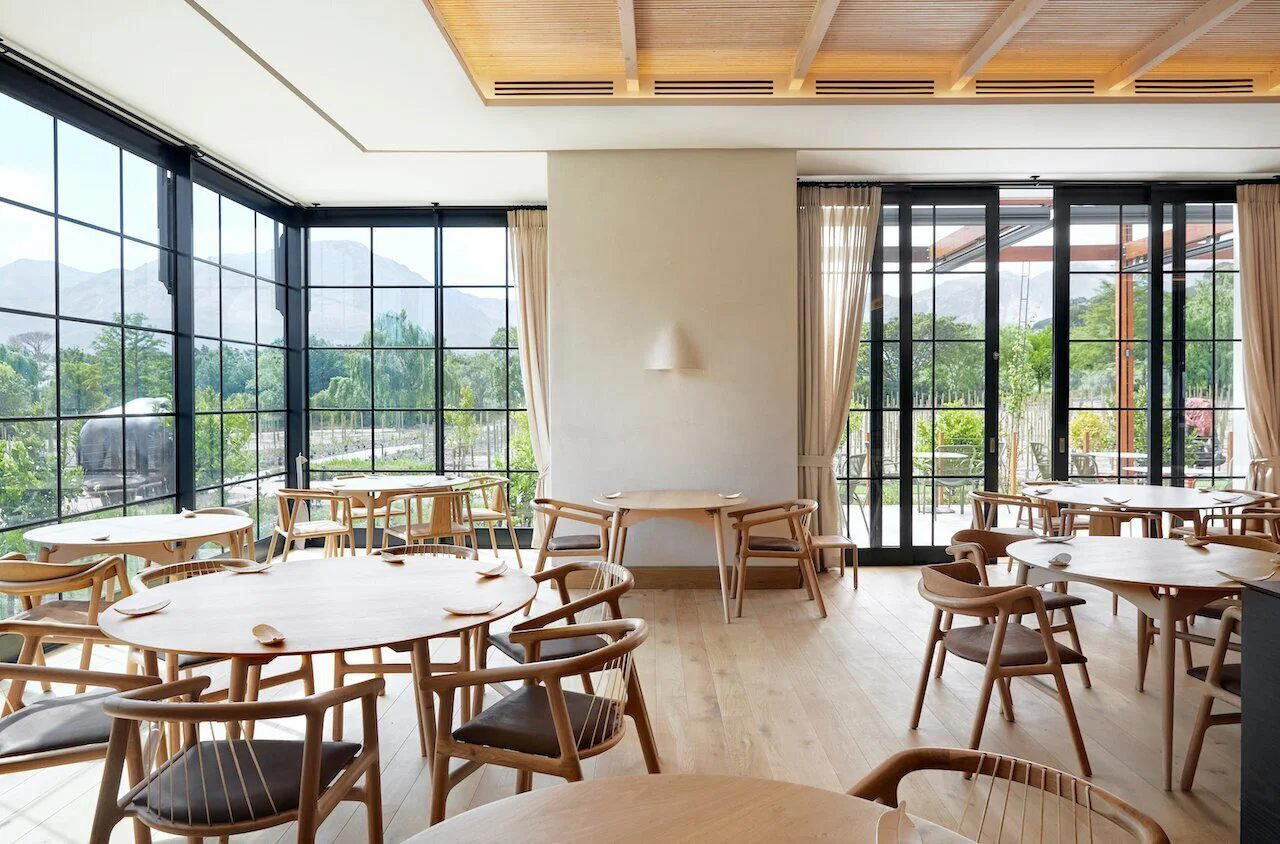
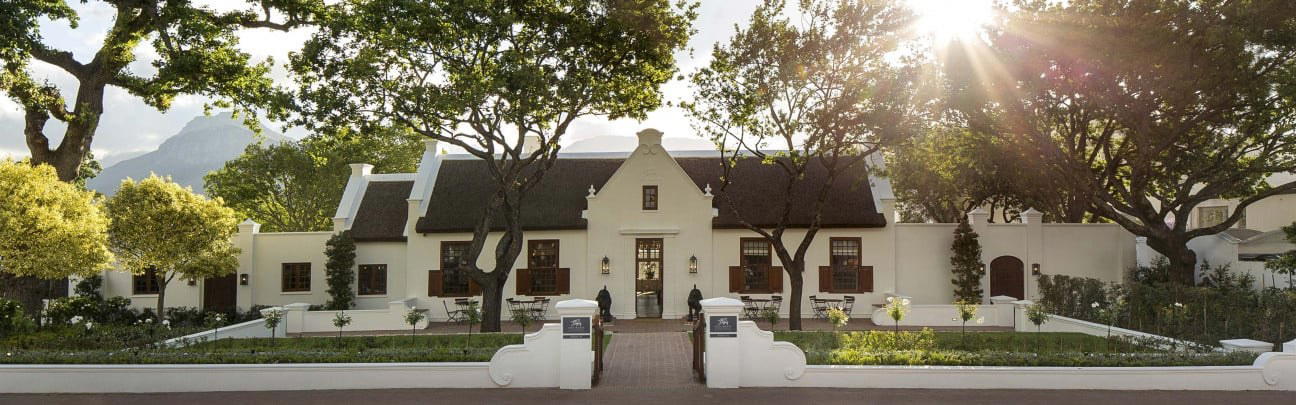
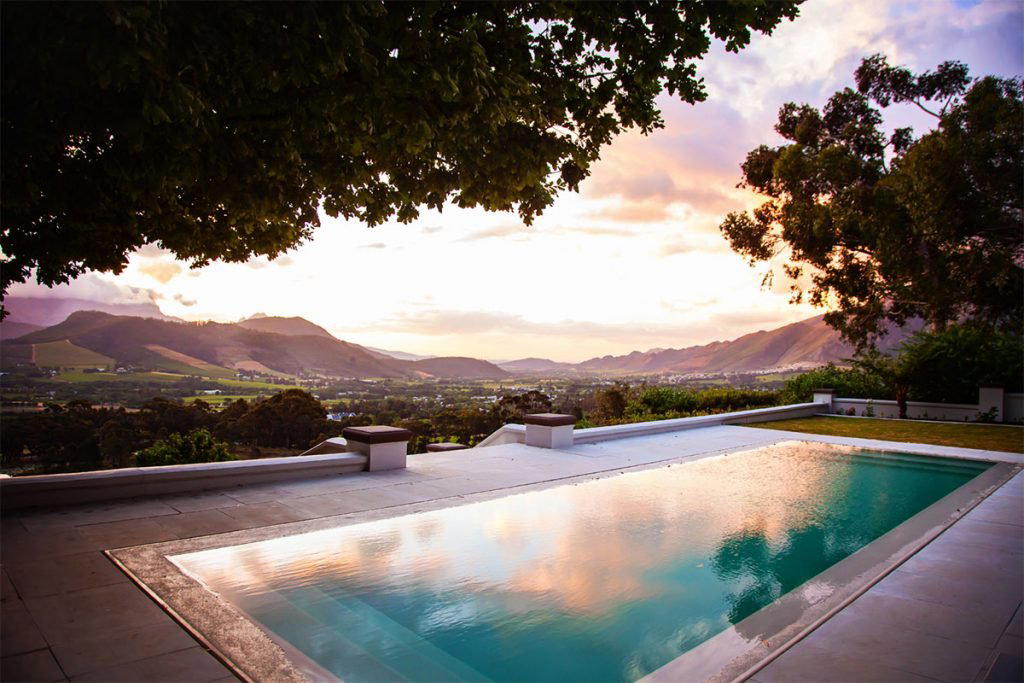
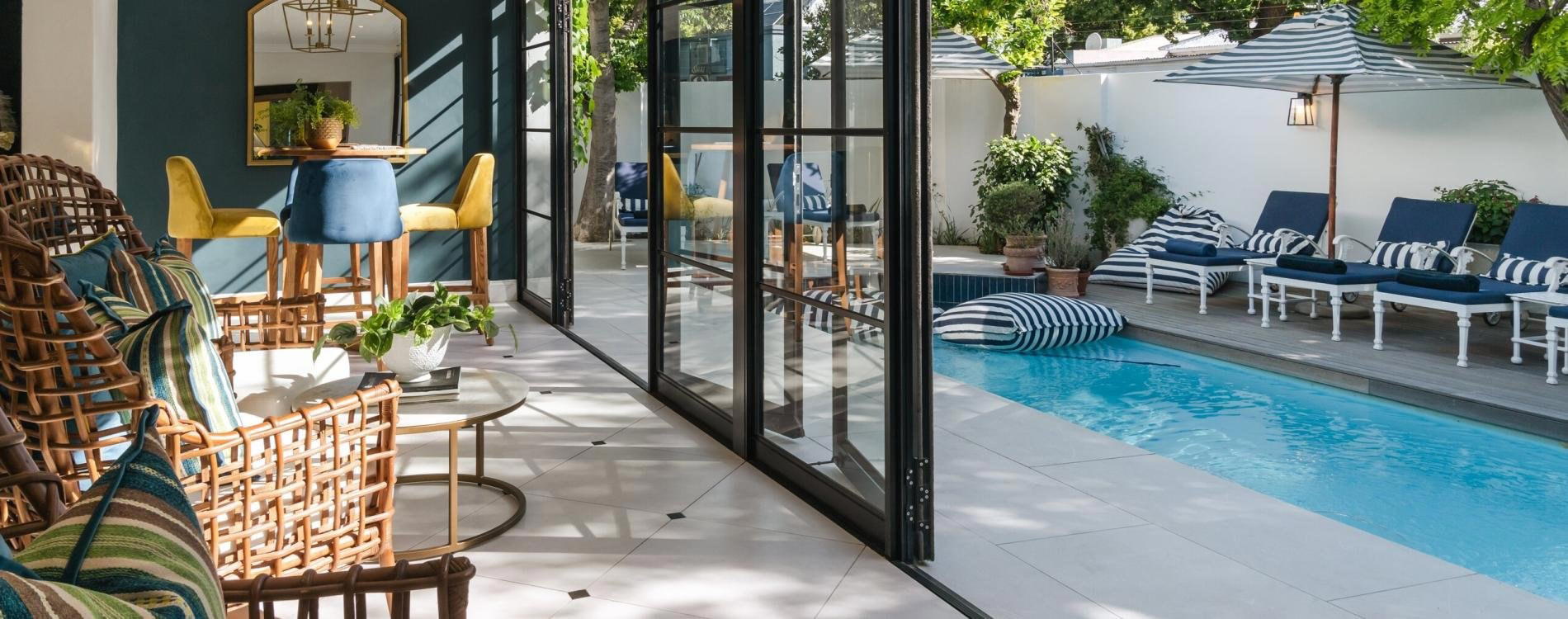
Relaxed French atmosphere with sophisticated French-inspired interiors creating a serene and picturesque setting.