Google: 4.6 · 512 reviews
The Spirits Library
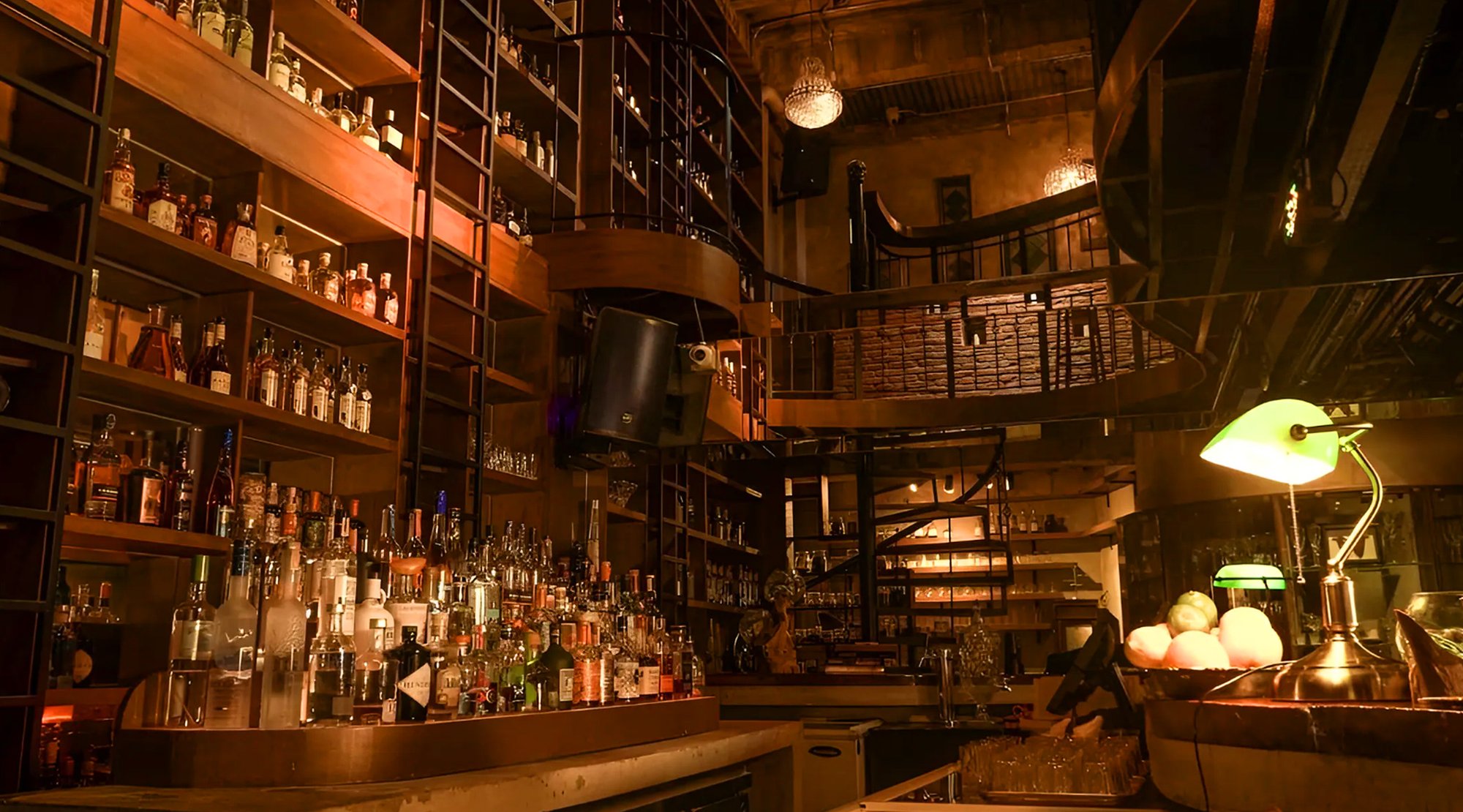
The Spirits Library on Guerrero Street in Makati draws on the cocktail culture of the 1920s and 1930s, when Manila sat at a crossroads of Asian and Western drinking traditions. The bar houses a collection of spirits, bar books, and vintage glassware, with each drink framed around a specific historical moment. It is one of Makati's more considered options for anyone interested in spirits beyond the pour.
 Discover on Pearl
Pearl is the En Primeur Club membership app — saves, bookings, and concierge access live there. Same editors, same standards.
The Bar as Archive: Makati's Interwar Cocktail Revival
Makati's bar scene has undergone a quiet but deliberate shift over the past decade. The city's better cocktail rooms have moved away from imported formats, whether the speakeasy theatrics borrowed from New York or the molecular precision that defined the early 2010s, toward something more grounded in local and regional history. The Spirits Library on Guerrero Street sits inside that shift, drawing its conceptual framework from the 1920s and 1930s, a period when cocktail culture spread through colonial trading ports across Asia and Manila was among the most cosmopolitan cities in the region.
The interwar decades matter for Asian cocktail history in ways that are still underappreciated. Singapore, Shanghai, Hong Kong, and Manila all hosted a confluence of American, British, Spanish, and Japanese drinking cultures during this period, producing hybrid bar traditions that were distinct from anything happening in Europe or the United States. The Spirits Library uses that moment as both a reference point and a research method, with a collection of bar books and vintage glassware that treats the era as primary source material rather than aesthetic backdrop.
What the Collection Signals
Bars that keep bar books are making an argument. The presence of a library of spirits literature alongside the spirits themselves suggests a curatorial approach to drink-making rather than a purely instinctive one. At The Spirits Library, the collection of vintage glassware adds a material dimension to that argument: the vessels from the 1920s and 1930s were not merely decorative, they reflected specific serving conventions and portion norms that differed markedly from contemporary practice. A bar that holds onto that context is telling you that the glass is part of the drink's meaning.
This places The Spirits Library in a smaller tier of Makati venues where the intellectual framework behind the program is as legible as the drinks themselves. In a city where Makati's established fine-dining rooms, including Hapag (Filipino) and Helm, have built reputations on research-driven menus rooted in Filipino culinary history, a bar operating on similar archival principles occupies recognizable territory. The Spirits Library is not alone in its seriousness; it is part of a broader pattern of Makati venues that treat historical knowledge as a competitive differentiator.
Manila, the 1920s, and the Spread of Asian Cocktail Culture
The framing of The Spirits Library's program around the interwar period is historically specific in ways worth unpacking. By the 1920s, Manila had been under American administration for over two decades, and American-style bar culture, including the cocktail, had taken root alongside the older Spanish traditions that had shaped Philippine drinking for three centuries. The result was a city where American whiskey cocktails, Spanish wines and spirits, and local ingredients existed in the same drinking culture simultaneously.
This made Manila an interesting node in the spread of cocktail culture through Asia. American bartenders and their techniques moved through the Pacific alongside trade and military routes, stopping in Manila before reaching Shanghai and beyond. Philippine bartenders adapted those techniques and combined them with local materials in ways that were not documented with the same rigour as the more commercially prominent bar scenes in British and French colonial cities. The Spirits Library's focus on this period suggests an interest in recovering some of that history through the drinks themselves.
For anyone with a serious interest in spirits, that framing makes The Spirits Library more than a well-stocked bar. It makes it a specific kind of research project, one that uses cocktails as a medium for historical argument. That is a rare posture anywhere in Southeast Asia, and it distinguishes the venue from the broader Makati bar scene covered in our full Makati bars guide.
The Guerrero Street Address and How to Plan Your Visit
The bar sits on Guerrero Street in Makati City, at address 4963 Guerrero, within the 1210 postal district of Metro Manila. Guerrero Street runs through a part of Makati that has accumulated a concentration of serious independent food and drink venues over the past several years, making it a practical base for an evening that might begin with dinner at one of the area's better kitchens, including Celera, Inatô, or Kása Palma, before moving to a post-dinner bar program.
Booking information, hours, and current pricing are not confirmed in EP Club's database at time of publication. Given the bar's specific focus and the likelihood that it operates as a smaller, specialist venue, contacting the bar directly before visiting is the practical approach, particularly on weekends when Makati's independent bar rooms tend to fill without much warning. For visitors building a wider itinerary around the city, our full Makati restaurants guide, our full Makati hotels guide, and our full Makati experiences guide provide the broader context.
For those planning across Metro Manila more broadly, the dining rooms worth knowing include Gallery By Chele in Manila, Linamnam in Parañaque, and Blackbird Makati in Manila. Visitors extending further into the Philippines might also consider Asador Alfonso in Cavite or Abaseria Deli and Cafe in Cebu. For reference points outside the Philippines, Le Bernardin in New York City and Emeril's in New Orleans represent the kind of historically anchored, serious hospitality programs that share a certain curatorial sensibility with what The Spirits Library is attempting, even if the scale and format differ substantially. Bolero in Taguig is also worth noting for visitors covering multiple neighborhoods.
- Saranggola
- Dirty Sorbetes
- Douhua
- Rice is Nice
- Albularyo
- Tropical Gin Fizz
- Monk Antril's Julep
- The Barry Cocktail
Cost Snapshot
A compact peer snapshot based on similar venues we track.
| Venue | Price | Awards | Notes |
|---|---|---|---|
| The Spirits Library | The Spirits Library offers a vast collection of spirits, bar books, and vintage… | This venue | |
| Hapag | Michelin 1 Star | Filipino | |
| Kása Palma | Michelin 1 Star | ||
| a mano | |||
| Crosta | |||
| Helm | Michelin 1 Star |
At a Glance
- Sophisticated
- Elegant
- Cozy
- Intimate
- Lively
- Date Night
- Casual Hangout
- After Work
- Late Night
- Celebration
- Live Music
- Private Dining
- Design Destination
- Craft Cocktails
- Extensive Wine List
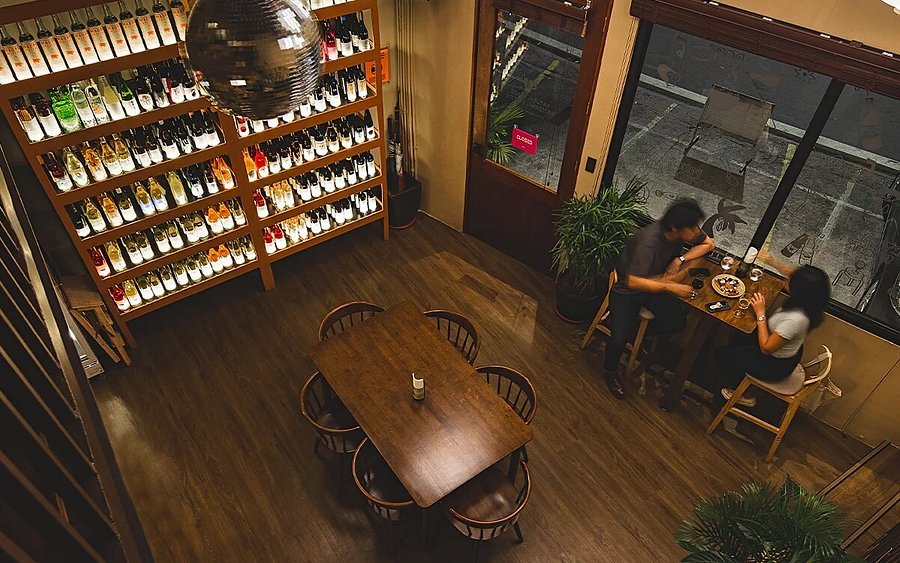
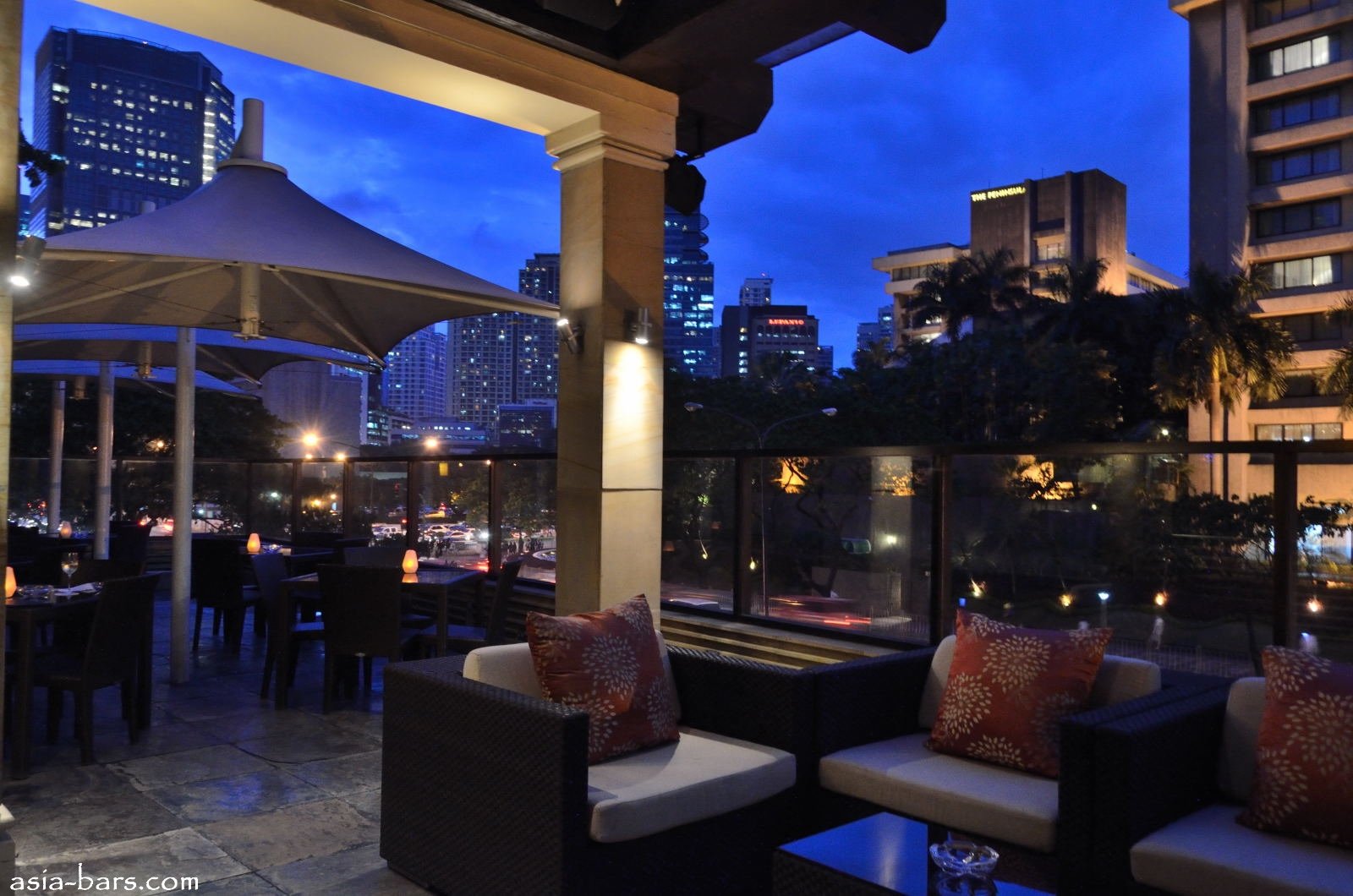
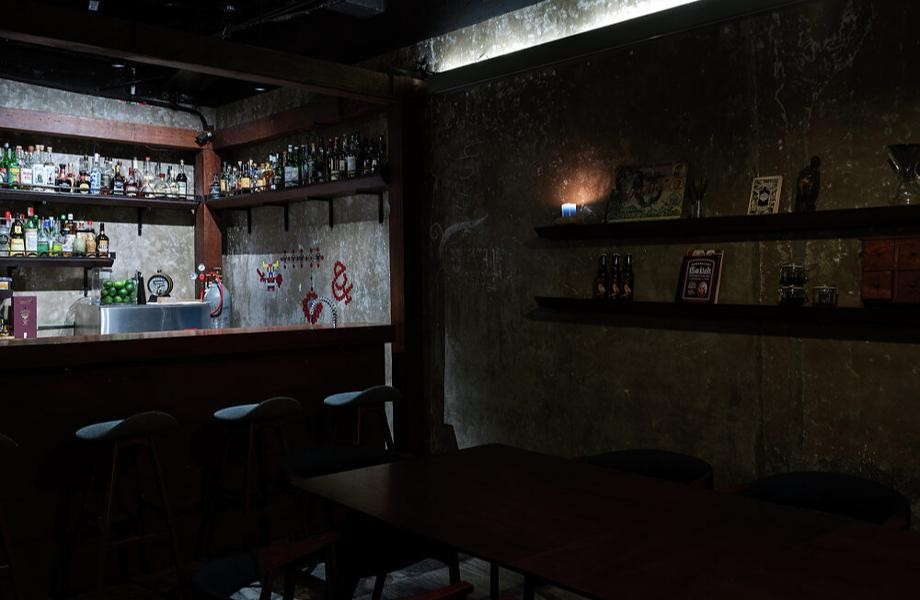
Dimly lit interiors with warm wood panels, grand chandeliers, bold fixtures, and leather couches creating a vintage gentleman's club atmosphere reminiscent of a period film.
- Saranggola
- Dirty Sorbetes
- Douhua
- Rice is Nice
- Albularyo
- Tropical Gin Fizz
- Monk Antril's Julep
- The Barry Cocktail