The Silk Route
Our verdict
The Silk Route belongs to Stone Town’s seafront dining circuit, where spice-trade memory, harbour traffic, and Indian Ocean ingredients shape the meal before the first plate arrives. Its value is contextual: a restaurant in Forodhani that makes sense when read through Zanzibar’s long exchange between coastal produce, South Asian technique, and Swahili hospitality.

Pearl is the En Primeur Club membership app — saves, bookings, and concierge access live there. Same editors, same standards.
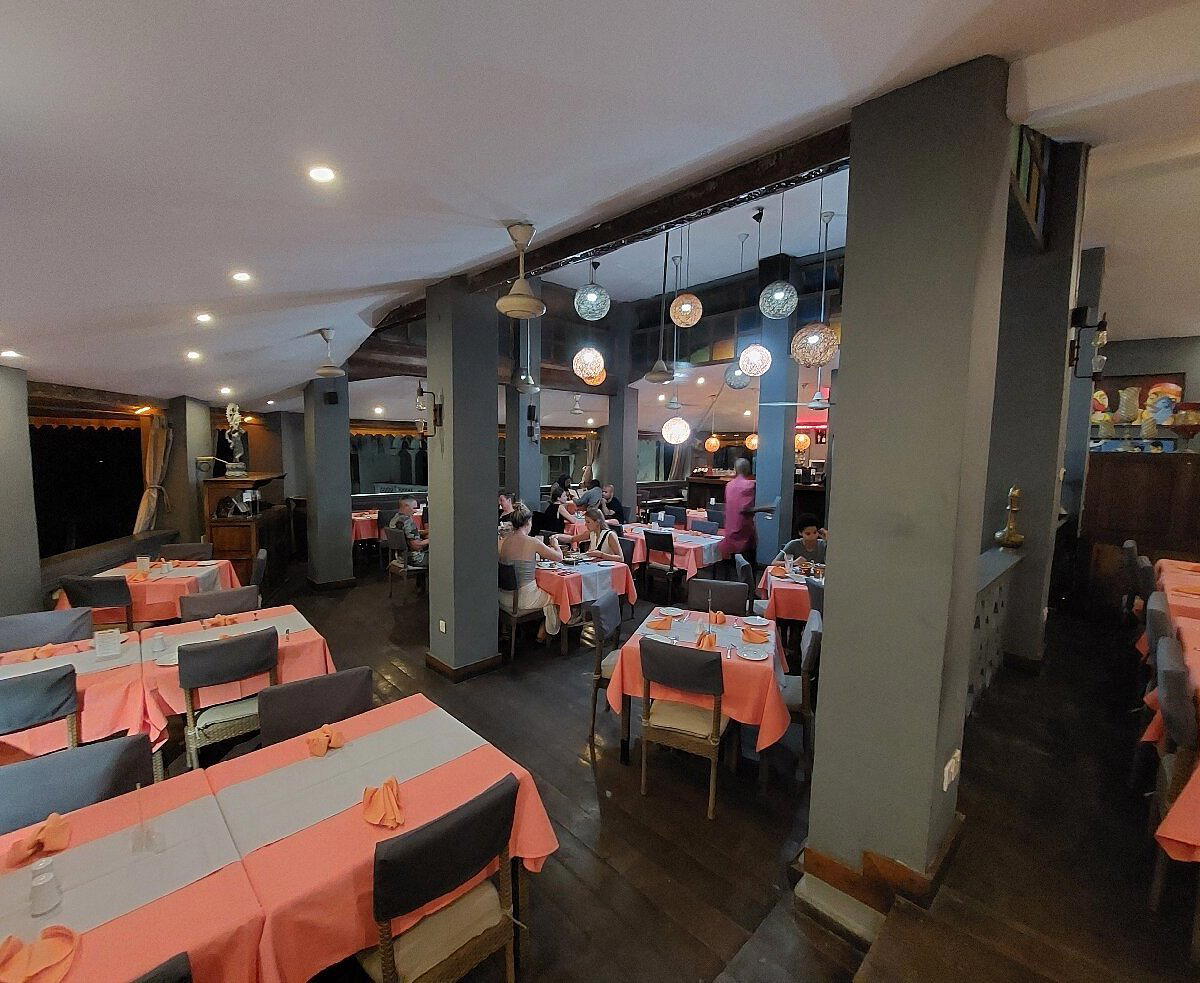
The menu
What to order
- Butter Chicken
- Paneer Tikka
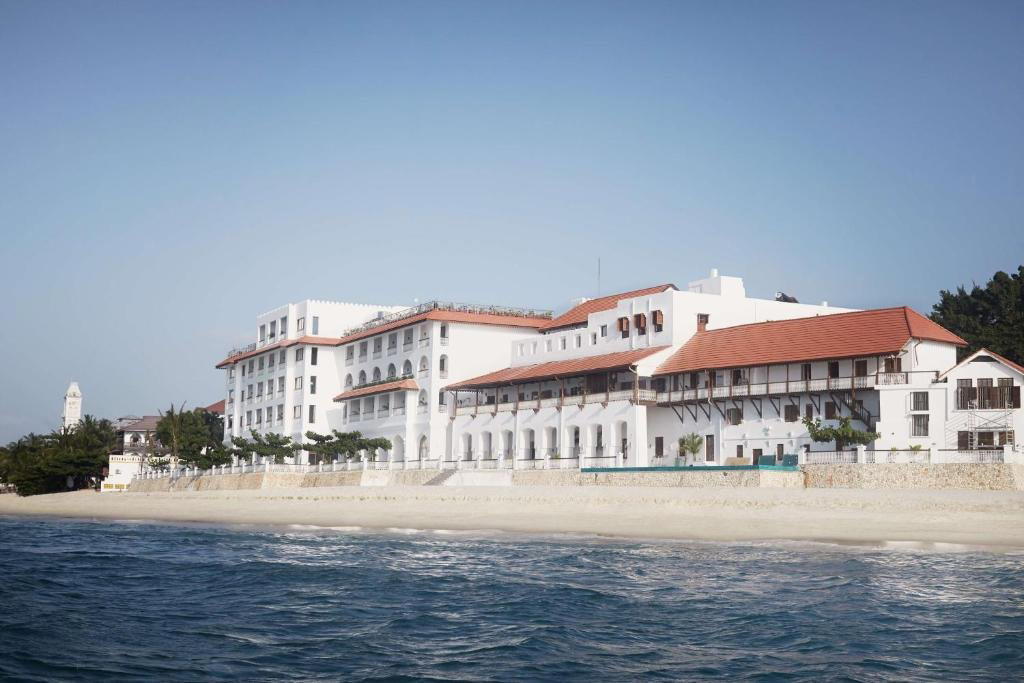
Approaching Stone Town, the city announces dinner through salt air, stone alleys, ferry horns, and the evening pull of the waterfront. This is not a neutral setting for a restaurant. Zanzibar’s food culture has long been shaped by movement: island trade, coastal markets, and cooking habits carried across the Indian Ocean. The Silk Route sits inside that setting rather than outside it.
For readers mapping the city’s dining scene, start with Our full Stone Town restaurants guide, then place this restaurant alongside the wider travel frame in Our full Stone Town hotels guide, Our full Stone Town bars guide, Our full Stone Town wineries guide, and Our full Stone Town experiences guide. Stone Town rewards that kind of cross-reading because meals, walks, markets, and waterfront rituals overlap here more than they do in resort-led parts of the archipelago.
Stone Town makes the sourcing argument before the menu does
The serious way to read a Stone Town meal is through supply lines. The city’s kitchens draw meaning from what can be landed, carried, dried, ground, and traded nearby. Coastal produce and island pantry traditions have obvious relevance, but the deeper signature is place: Zanzibar’s identity is tied to trade, spice, and a layered food culture. A restaurant in Stone Town is therefore judged not only by polish, but by how convincingly it connects the experience to the island’s edible geography.
The Silk Route’s name points toward exchange, and the Stone Town setting gives the idea weight. In the city, long-running Indian Ocean influences are not a decorative theme; they are part of the wider mercantile history, visible in foodways as much as architecture. The editorial question is not whether the cooking can be fitted into a neat label, but whether the meal belongs to the place. In this case, the strongest reason to consider it is the fit between the restaurant and its Stone Town context.
That matters because Zanzibar dining can split between two modes: resort comfort cooking designed for international ease, and urban restaurants that carry more of the island’s trading-port character. Stone Town is stronger in the second category. The city does not need imported theatrics; its advantage is density, with markets, ferry routes, old merchant houses, and seafront promenades compressed into a walkable core. A meal here works when it reflects that compression rather than smoothing it away.
A Stone Town meal, not a resort performance
The atmosphere to expect is city-facing rather than secluded. Stone Town places the restaurant within the city’s public rhythms, where visitors and residents move through the waterfront and the old town’s lanes continue to feed foot traffic toward the sea. That produces a different kind of premium than private-beach dining: less insulation, more urban texture, and a closer relationship to the city’s daily pace.
There are no awards or formal recognition provided here, so the trust signal is contextual rather than trophy-led: The Silk Route is a Stone Town restaurant, and the setting is central to how it should be read. That distinction is useful. Award-led restaurants often ask diners to enter a closed system of tasting-menu logic; Stone Town restaurants ask whether the room, pantry, and city make sense together.
Planning should stay flexible. Published details for price, hours, booking format, dress code, and seat count are not listed here, so this is a choice to fold into a Stone Town evening rather than a rigid destination meal built around a confirmed tasting-menu schedule. Families should think in the same terms: if the group is comfortable with city-centre dining in Stone Town and can work around menu specifics on arrival, the setting can make sense; if the meal depends on confirmed children’s options, dietary handling, or a precise budget, those points should be checked locally before committing.
For a broader Tanzania dining map, compare the city context through EP Club’s countrywide restaurant coverage, from other coastal dining rooms to inland safari-lodge restaurants and hotel kitchens. For readers following broader dining threads beyond Tanzania, EP Club also covers international restaurants across major city, resort, and travel markets.
Frequently asked questions
Does The Silk Route work for a family meal?
Yes, the Stone Town setting can make The Silk Route workable for a family meal, especially if the group wants a central city restaurant rather than a resort setting. The public record places the restaurant in Stone Town, which is useful for straightforward meet-ups and shared plans. Check the venue's official channels for the latest details.
What should I expect atmosphere-wise at The Silk Route?
Expect a city-facing mood tied to Stone Town rather than a secluded dining room. That places The Silk Route in the flow of everyday Stone Town movement, which usually means a livelier, more local rhythm.
Where is The Silk Route located?
Stone Town.
Is The Silk Route reservation-only?
Nothing in the public record indicates a reservation-only setup. With a setting in Stone Town, it reads more like a public-facing restaurant than a private booking-only room. Check the venue's official channels for the latest details.
What's the standout thing about The Silk Route?
Its most useful credential is the location: Stone Town. That places The Silk Route inside Zanzibar’s historic urban dining context, which matters more here than any formal award or chef profile, since none is provided.
Can The Silk Route accommodate dietary restrictions?
Those details are not published. In Stone Town, it is practical to ask about adjustments before ordering. Check the venue's official channels for the latest details.
A Quick Peer Check
Comparable venues nearby, for context on price, style, and recognition.
| Venue | Cuisine | Price | Awards | Notes |
|---|---|---|---|---|
| The Silk RouteThis venue — the venue you are viewing | Modern Indian with Zanzibari Influences | $10–20 | Not listed | Not listed |
| Beach Restaurant & Bar | Dining | Not listed | Not listed | Paje |
| Zanzibar White Sand Luxury Villas & Spa | Dining | Not listed | Not listed | Paje |
| Doors to Zanzibar Restaurant | Fine-dining African & international fusion | Not listed | Not listed | Paje |
| Doors to Zanzibar | Contemporary Zanzibari Seafood | Not listed | Relais Chateaux Award | Paje |
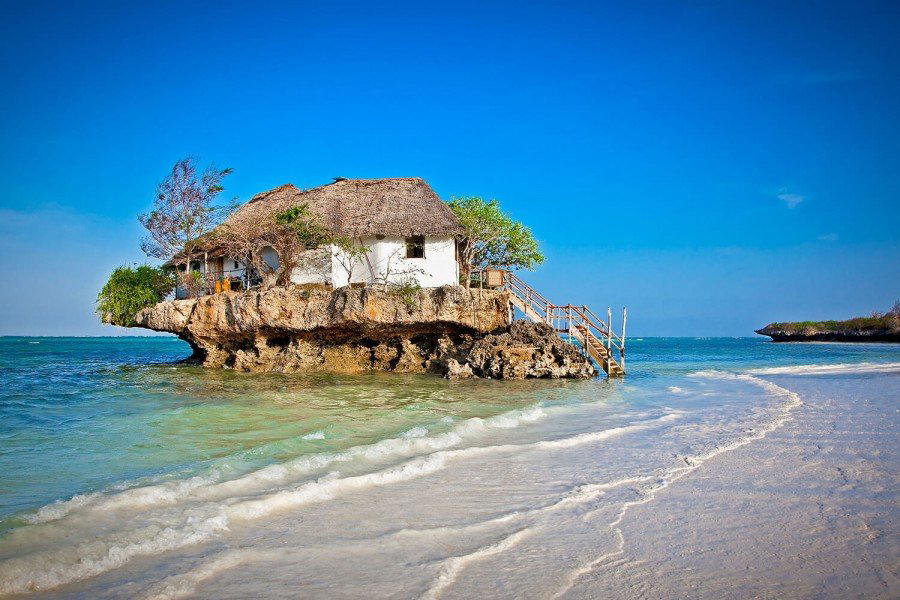
| The Rock Restaurant Zanzibar | Swahili-Mediterranean Seafood Fusion | $30–50 | Not listed | Michamvi Pingwe |
Continue exploring
More in Stone Town
Restaurants in Stone Town
All restaurants in Stone Town →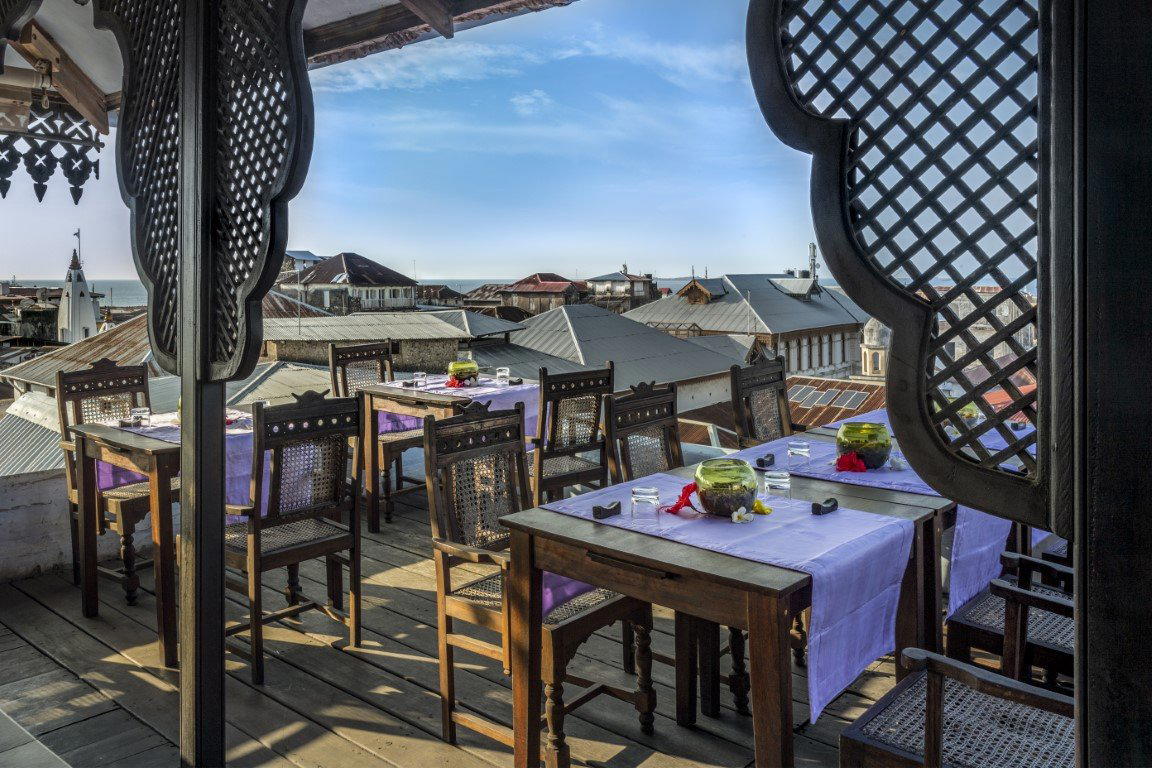
Bars in Stone Town
Browse all →



Details
- Modern
- Elegant
- Energetic
- Date Night
- Casual Hangout
- Terrace
- Historic Building
- Street Scene
- A La Carte
- Vegetarian Friendly
- Vegan Options
- Gluten Free Options
- Halal
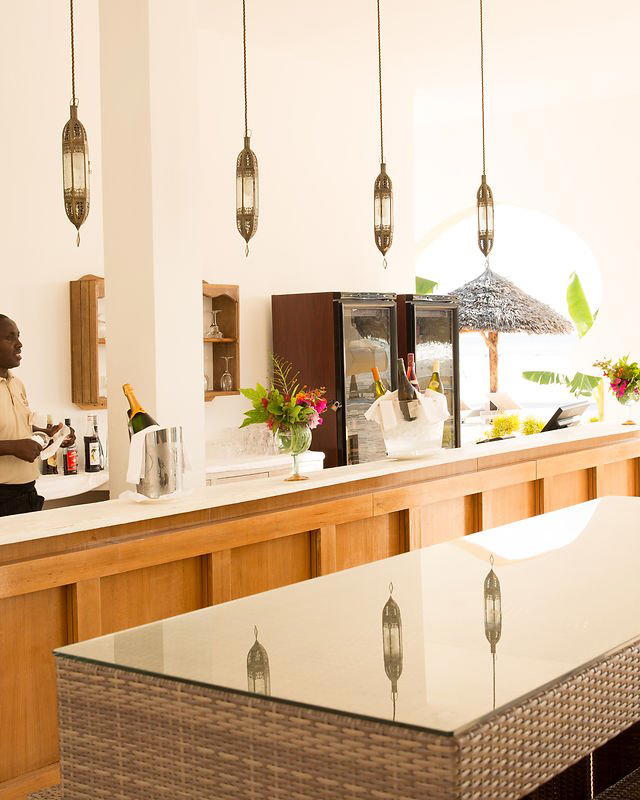
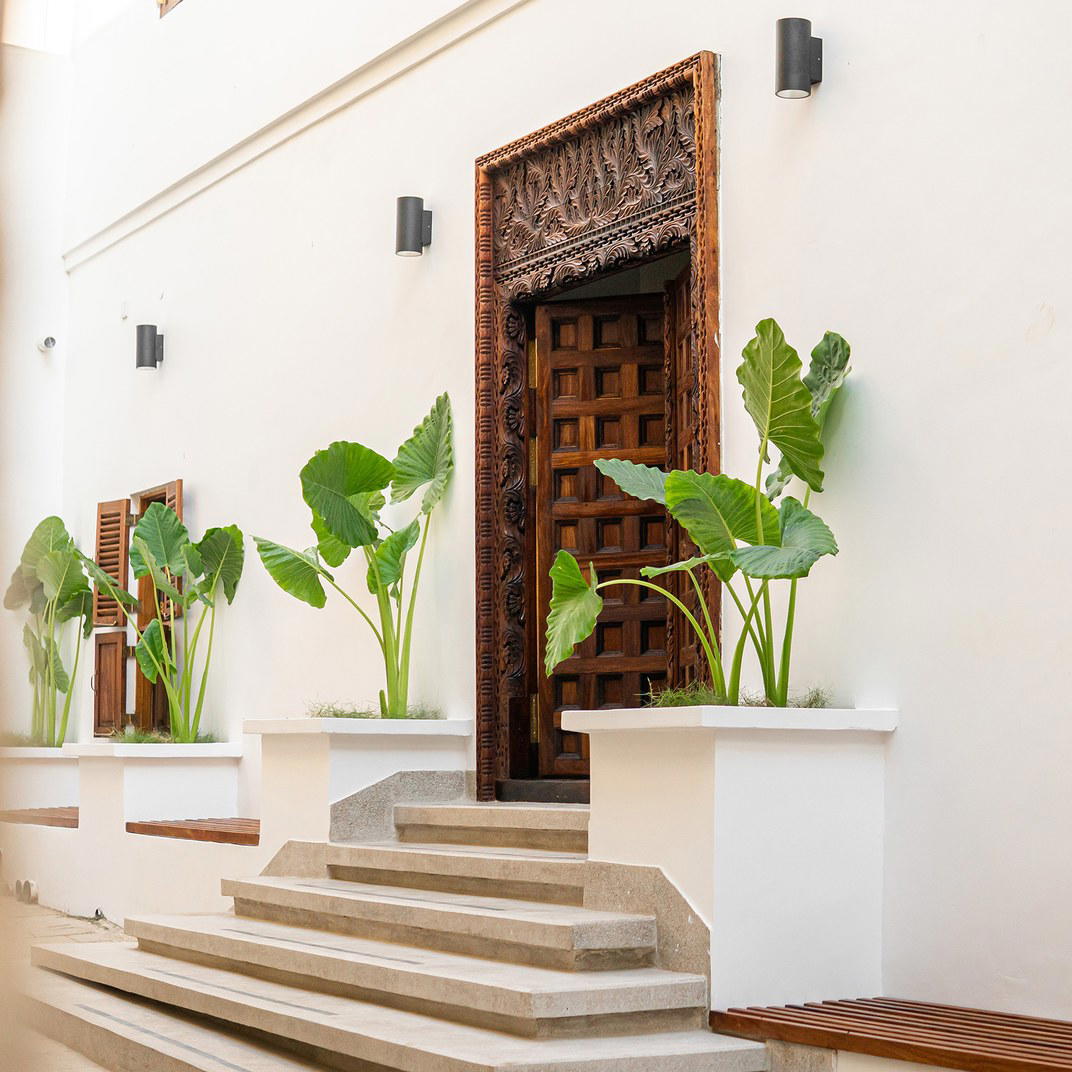
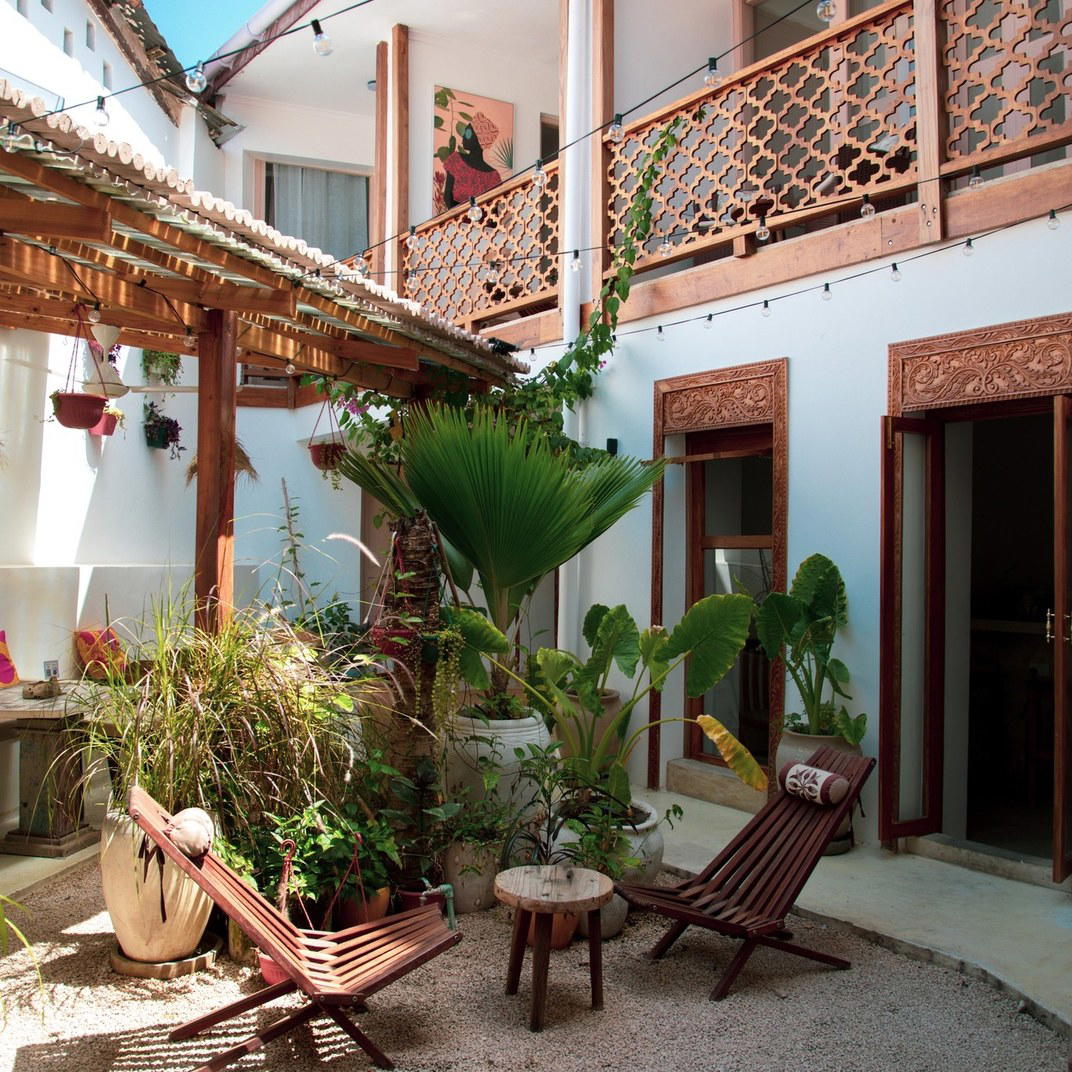
Contemporary minimalist decor with traditional Indian touches, creating an energetic, engaging, and inviting atmosphere.