Lake Masek
Our verdict
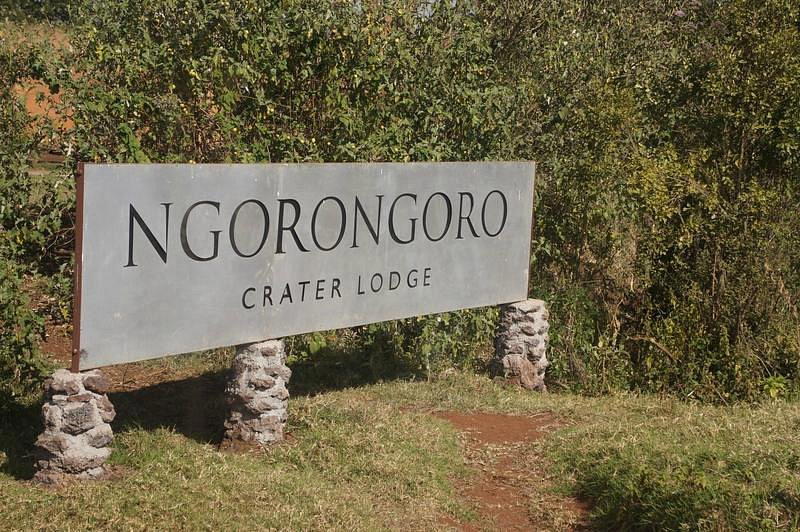
Set at the edge of the Ngorongoro ecosystem in Tanzania's Arusha region, Lake Masek occupies territory where the food on your plate and the land outside your window are governed by the same forces. Dining here sits inside a broader East African safari camp tradition where sourcing constraints and proximity to protected land shape what kitchens can realistically offer — and that limitation, handled well, becomes the point.

Pearl is the En Primeur Club membership app — saves, bookings, and concierge access live there. Same editors, same standards.
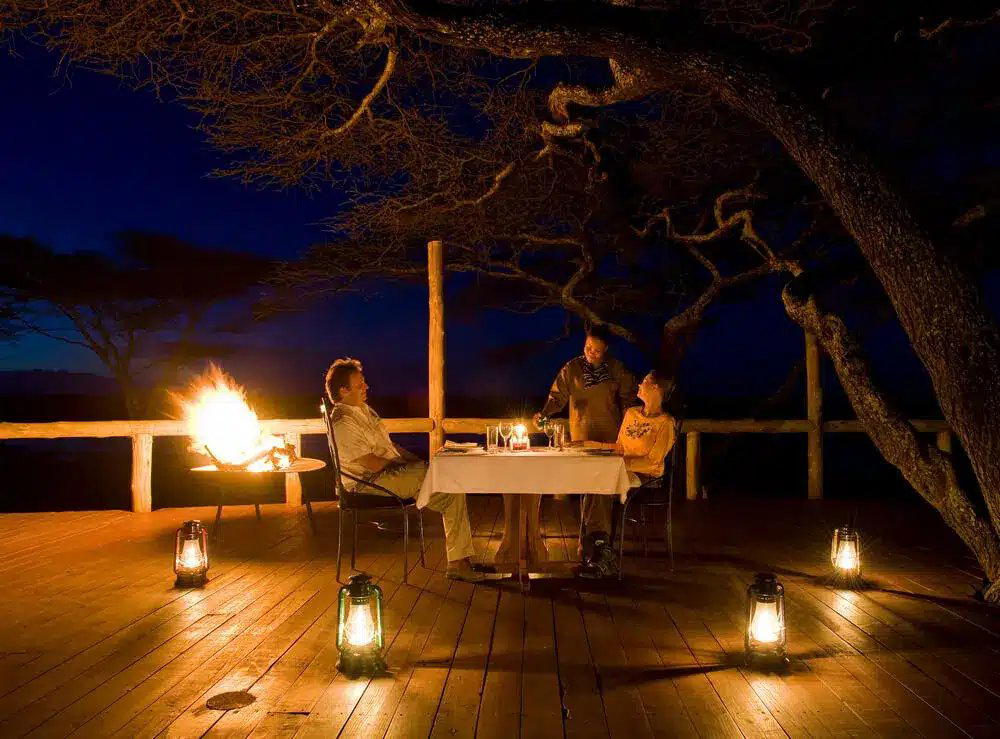
Where the Ecosystem Sets the Menu
There is a particular discipline that comes with cooking inside a conservation zone. The Ngorongoro Conservation Area, one of Africa's most closely managed protected territories, imposes conditions on every camp and lodge within its boundary — and Lake Masek sits squarely within that orbit. Supply chains that work in Nairobi or Dar es Salaam do not function here. The distance from regional markets, the restrictions on what can be brought into and moved through protected land, and the sheer logistical weight of operating at the crater rim all push kitchens toward a sourcing model that is, by necessity, locally anchored. What arrives on the table is shaped less by a chef's creative brief and more by what the land and its surrounding communities can actually provide.
This is not a constraint unique to Lake Masek. Across the East African safari camp circuit — from the Serengeti's central corridor to the private concessions bordering Tarangire, the leading kitchens have learned to treat geographic isolation as a creative condition rather than a liability. The camps that work well in this region are the ones that establish direct relationships with smallholder farmers in the Karatu highlands, source grains from cooperatives in the Arusha corridor, and plan menus around what arrives rather than what was originally specified. For readers interested in how that same discipline plays out in a more urbanised coastal context, Emerson Spice in Zanzibar offers a useful counterpoint, a kitchen working with spice-trade heritage and island produce under similarly specific geographic conditions.
The Setting as Context
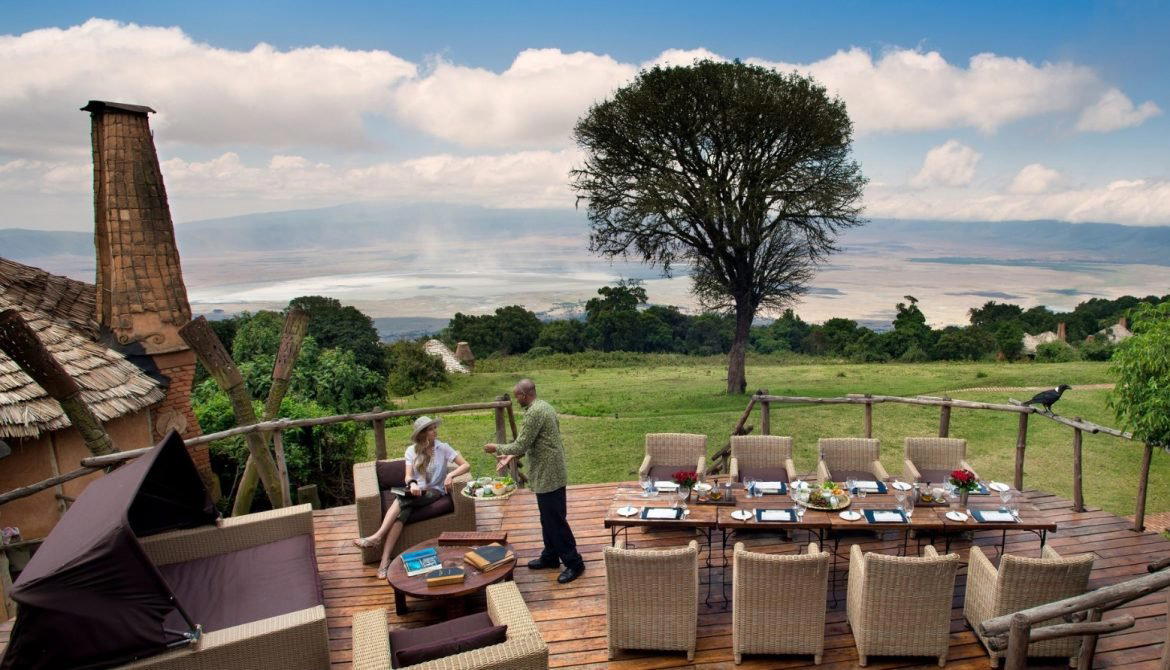
Lake Masek itself is a shallow alkaline lake on the western edge of the Ngorongoro highlands, part of the same rift valley system that produced Lake Magadi to the south and the soda flats that draw flamingos in their thousands during migration season. Dining with that view, and the wildlife corridor it implies, places the meal inside a context that no amount of interior design can replicate. The physical environment is the dominant editorial fact of any experience here. Camps in this zone understand that the room, however well-appointed, is always secondary to what lies beyond the canvas or the glass.
For more on the broader dining scene in this region, our full Ngorongoro restaurants guide maps the range of options across price points and camp styles. And for a closer look at another property operating in the same lake system, Lake Magadi offers a comparative reference point within walking distance of similar terrain.
Ingredient Sourcing in a Protected Zone
The Karatu district, roughly 20 kilometres from the crater rim, functions as the agricultural backbone for most of the lodges and camps operating in the Ngorongoro zone. Farms here grow coffee, avocados, tomatoes, and a range of leafy vegetables under conditions shaped by altitude and the moderate rainfall that the crater highlands trap. The produce that makes it to camp kitchens travels the same rutted dirt roads that game vehicles use, a logistical reality that concentrates menus around what survives transit and what ripens on a predictable cycle.
Protein sourcing in conservation areas carries additional complexity. Bushmeat is illegal throughout Tanzania's protected zones, which means camps rely on livestock raised outside the conservation boundary or on farmed fish from aquaculture operations in the Arusha region. This is structurally similar to the sourcing conditions that define cooking at high-altitude European restaurants, kitchens like Atelier Moessmer Norbert Niederkofler in Brunico, where protected terrain sets the terms and the kitchen adapts rather than overrides. The parallel is instructive: geography as discipline, not decoration.
On the coast, Tanzania's seafood supply chain works differently. Restaurants like Doors to Zanzibar in Paje and The Rock Restaurant Zanzibar in Pingwe Michamvi draw from daily boat landings where freshness is measured in hours. Inland and at altitude, the supply chain is slower and the menu philosophy adjusts accordingly, preserved, fermented, and slow-cooked preparations tend to dominate where refrigeration is inconsistent and delivery windows are wide.
How This Compares Across the EP Club Network
Safari camp dining occupies its own tier in the broader premium travel conversation. It does not compete with destination restaurants in the way that, say, Le Bernardin in New York City or HAJIME in Osaka compete within their respective urban peer sets. The evaluation criteria are different: sourcing integrity under constraint, consistency across a season without reliable resupply, and the ability to deliver a coherent meal to guests who have spent six hours in an open vehicle in equatorial sun. Measured against those standards, the ambition required is considerable, even when the output looks simple.
Coastal Tanzania benchmarks like The Silk Route in Stone Town demonstrate what happens when access to Indian Ocean trade routes and centuries of spice commerce inform a kitchen's pantry. The interior highland camps are working with a narrower palette and a harder brief. The comparison is not a hierarchy, it is a map of different conditions producing different kinds of excellence.
Planning Your Visit
The Ngorongoro Conservation Area operates on a dual-season logic: the long rains (March to May) soften the roads and thin the tourist numbers, while the dry season (June to October) concentrates wildlife and drives camp occupancy to its highest levels. For dining specifically, the dry-season kitchen tends to be better supplied, Karatu produce is at its most consistent between July and September, and camps that run farm-to-table sourcing programs benefit from peak-harvest timing. Booking well ahead of the high season is standard practice across all properties in this zone, and Lake Masek is no exception to that pattern.
Access typically routes through Arusha, where most international arrivals connect via Julius Nyerere International Airport in Dar es Salaam or Kilimanjaro International Airport. From Arusha, the drive to the crater rim takes approximately three hours on tarmac transitioning to dirt, or a short charter flight connects to the airstrips inside and adjacent to the conservation area. For readers building a broader Tanzania itinerary, the Ngorongoro city guide covers the full range of dining options worth considering alongside a stay in this zone.
Frequently asked questions
Can I bring kids to Lake Masek?
Lake Masek sits inside the Ngorongoro Conservation Area, which operates under strict wildlife and land-use regulations that affect access and movement for all guests. Families with children should confirm age policies and activity suitability directly with the camp before booking, as conservation zone protocols can restrict certain game drive and walking arrangements for younger visitors. The remote location in the Arusha region also means medical facilities are not nearby, which is worth factoring into travel planning with children.
What's the vibe at Lake Masek?
The setting defines the atmosphere: a shallow alkaline lake on the western edge of the Ngorongoro highlands, framed by rift valley geology and active wildlife corridors. This is not a resort environment — the Conservation Area context keeps the scale contained and the pace dictated by dawn departures and animal movement rather than hotel programming. Expect stillness, wide skies, and the kind of quiet that comes from being inside one of Africa's most closely managed ecosystems.
What makes Lake Masek different from other camps near the Ngorongoro Crater?
Lake Masek's position on the western edge of the Ngorongoro highlands places it adjacent to its own alkaline lake — part of the same rift valley system as Lake Manyara — rather than on the crater rim where most of the area's higher-profile camps concentrate. That geography means a different wildlife dynamic and considerably fewer neighbouring properties. For travellers staying in the Arusha region and wanting access to the Conservation Area without the crater-rim crowds, the location is a functional distinction rather than a marketing one.
What's the best thing to order at Lake Masek?
Specific menu details for Lake Masek are not published in advance, which is typical for safari camps in the Ngorongoro Conservation Area where sourcing depends on what the Karatu district agricultural suppliers can deliver seasonally. The broader pattern across camps in this zone is produce-led cooking shaped by what grows within the highland region rather than imported ingredients. Ask the camp on arrival what has come in fresh — that question will get you further than any fixed recommendation.
What's Lake Masek's location?
Lake Masek is located at Tanzania, Ngorongoro.
Do they take walk-ins at Lake Masek?
Walk-in access is not a practical option at Lake Masek. The Ngorongoro Conservation Area requires entry fees and permits for all visitors, and access roads into the highland zone make unplanned arrivals logistically difficult. Safari camps in this region operate on pre-booked stays, and dining is structured around those resident guests. Contact the camp directly to establish availability and booking procedures.
How It Stacks Up
| Venue | Cuisine | Price | Awards | Notes |
|---|---|---|---|---|
| Lake MasekThis venue — the venue you are viewing | Safari Lodge Cuisine | $500+ | Not listed | Not listed |
| Doors to Zanzibar | Contemporary Zanzibari Seafood | Not listed | Relais Chateaux Award | Seafood Grill |
| Zanzibar White Sand Luxury Villas & Spa | Zanzibari Seafood | Not listed | Not listed | Not listed |
| Lake Magadi | Not listed | $500+ | Not listed | Not listed |
| The Rock Restaurant Zanzibar | Swahili-Mediterranean Seafood Fusion | $30–50 | Not listed | Not listed |
| Emerson Spice | Zanzibari Seafood Tasting Menu | $30–50 | Not listed | Not listed |
Continue exploring
More in Ngorongoro
Restaurants in Ngorongoro
All restaurants in Ngorongoro →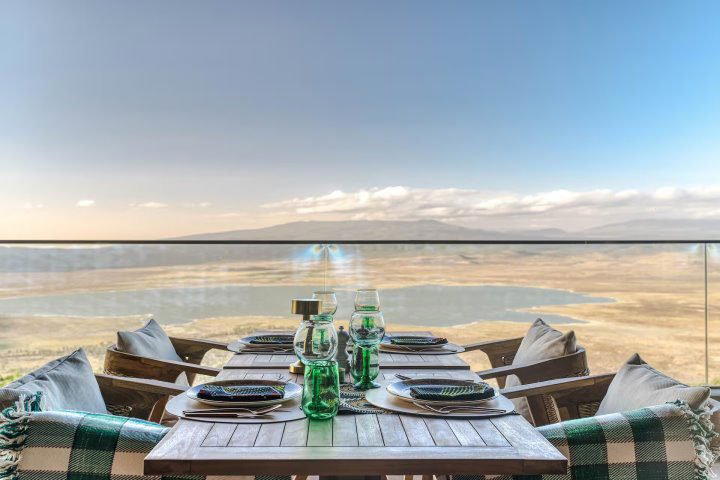
Bars in Ngorongoro
Browse all →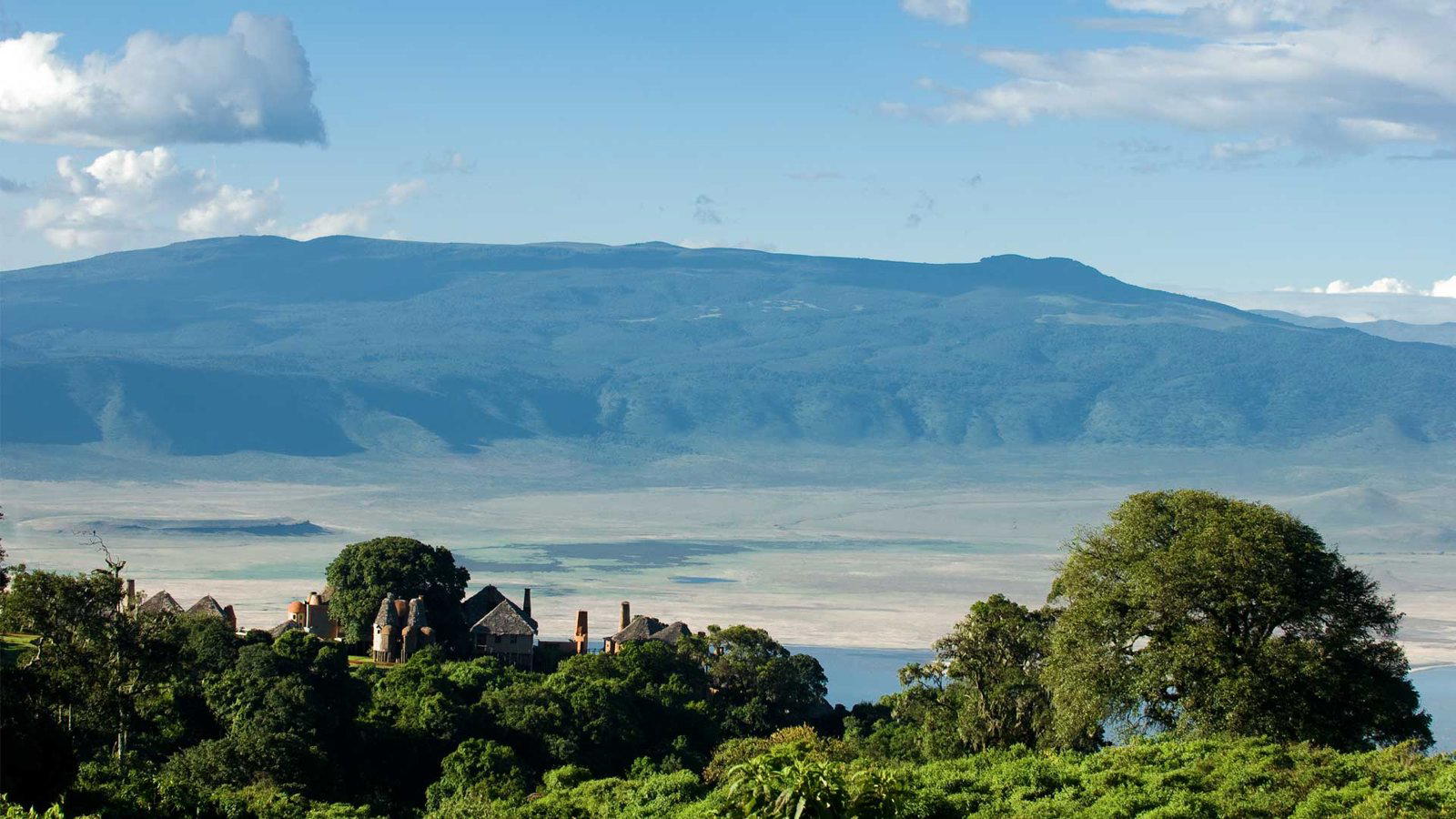
Details
- Scenic
- Rustic
- Elegant
- Special Occasion
- Terrace
- Waterfront
- Local Sourcing
- Buffet
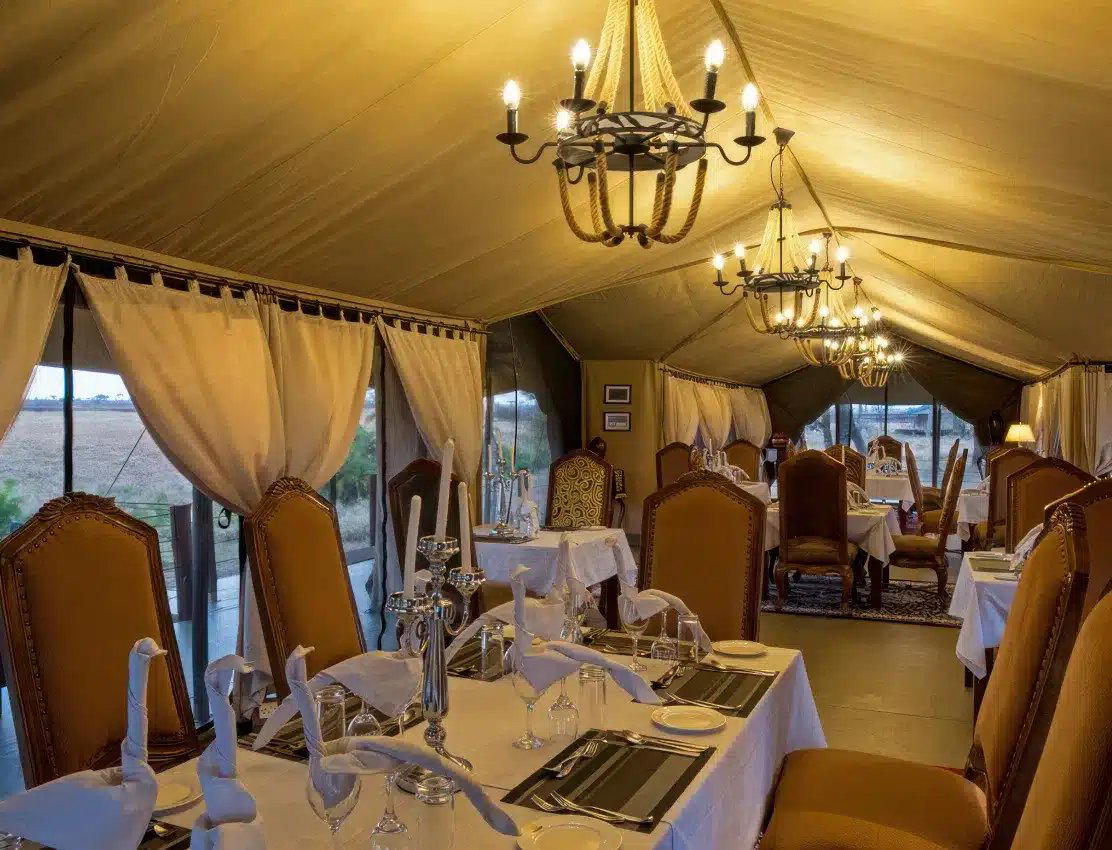
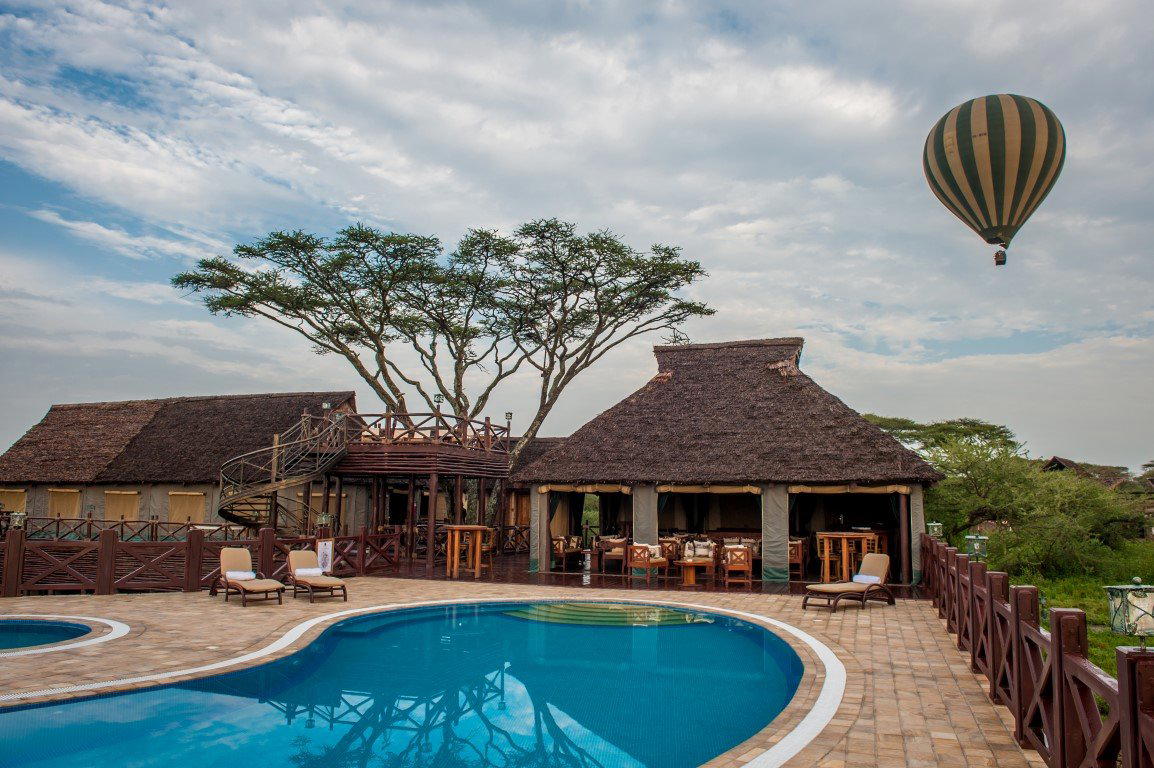
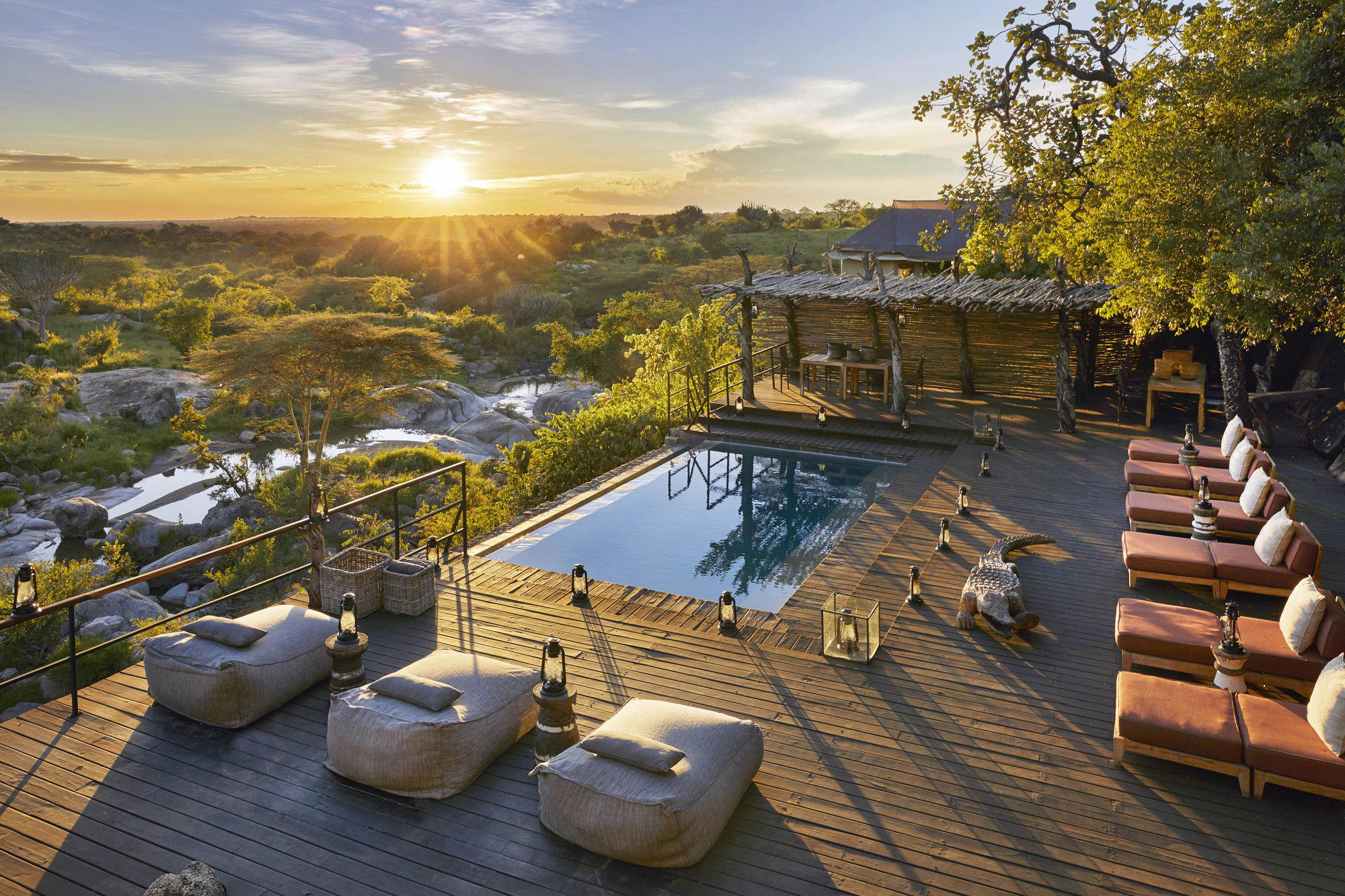
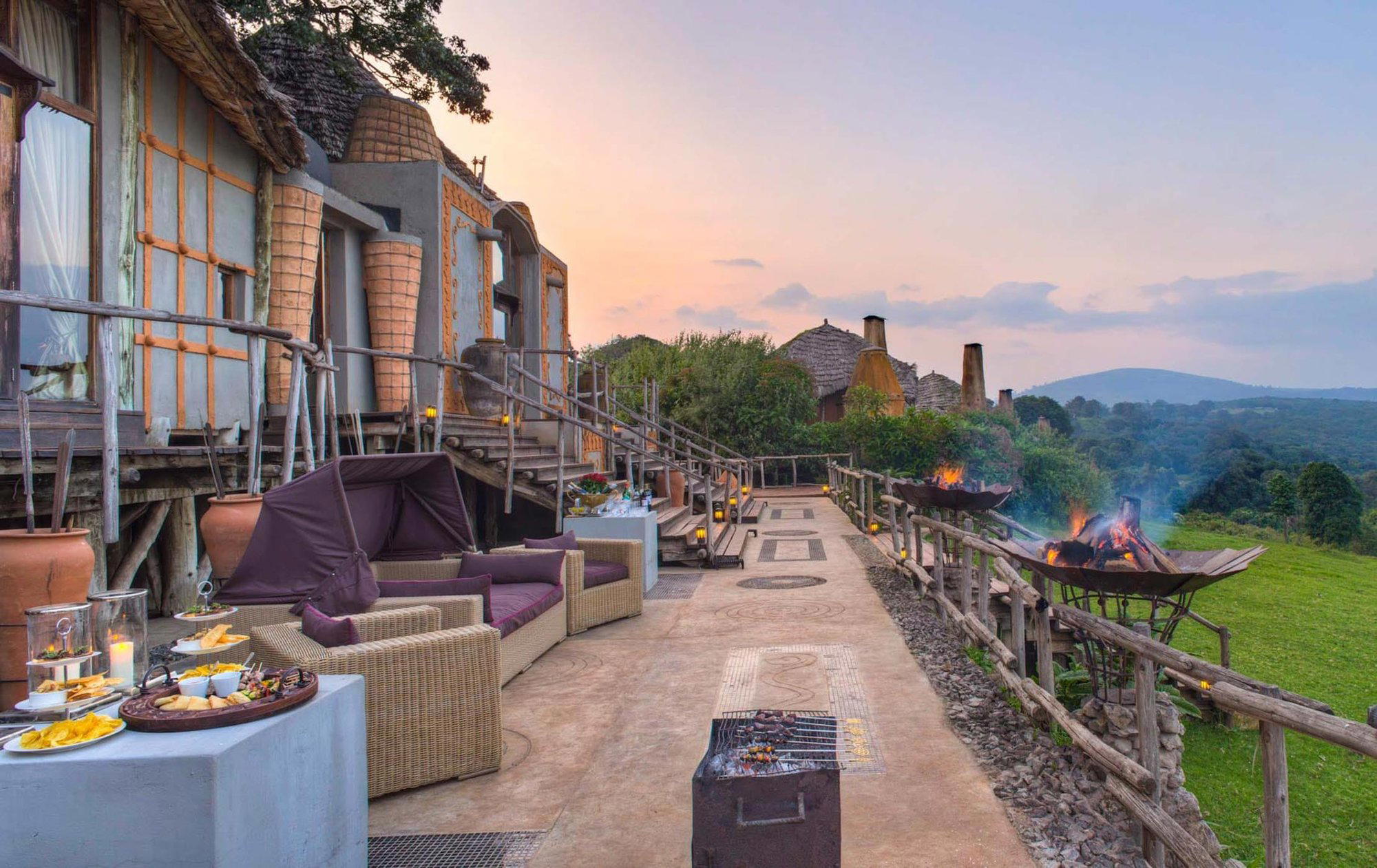
Open-air dining hall with vaulted ceilings and expansive deck offering serene atmosphere and 180-degree lake views under African skies.