Lake Magadi
Our verdict
Lake Magadi sits within the Ngorongoro Conservation Area, one of East Africa's most ecologically significant landscapes, where the soda lake's flamingo-lined shores define the visual grammar of the crater floor. Dining here is inseparable from the broader safari experience that frames this part of northern Tanzania, placing it firmly in a tradition where setting and sustenance are understood as a single proposition.

Pearl is the En Primeur Club membership app — saves, bookings, and concierge access live there. Same editors, same standards.
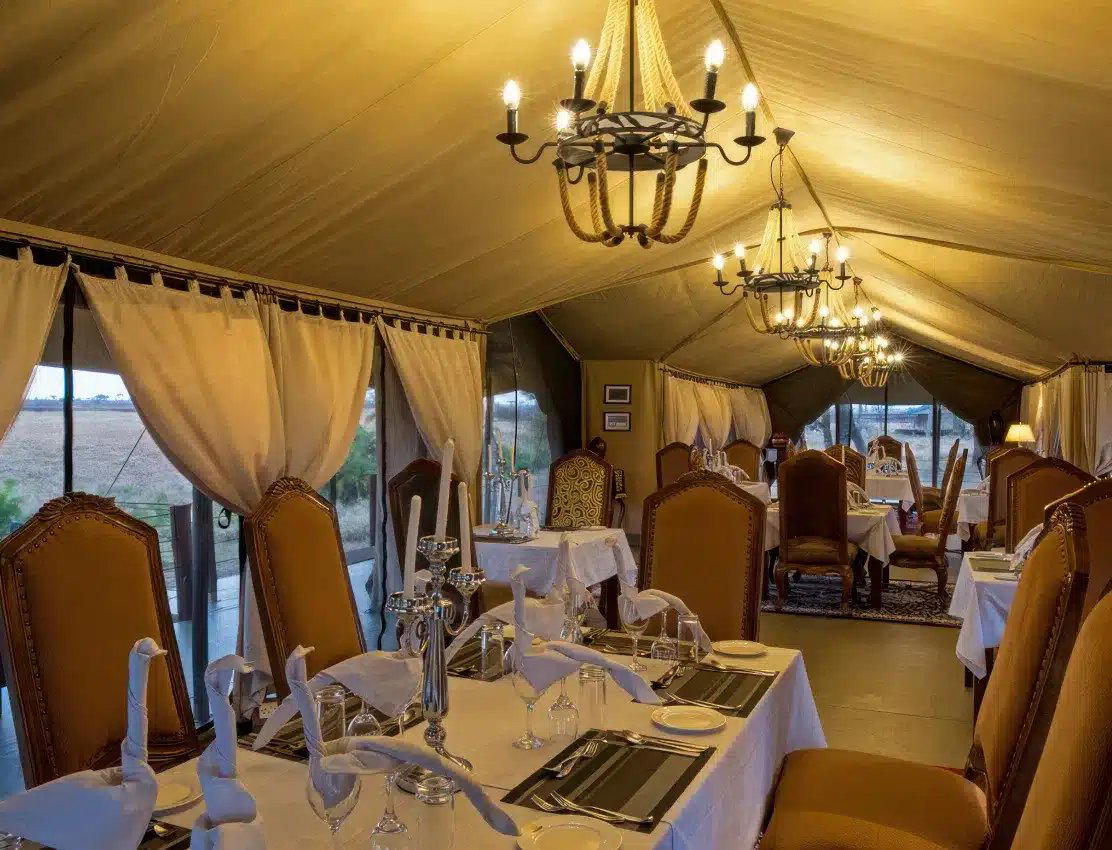
Where the Crater Floor Sets the Table
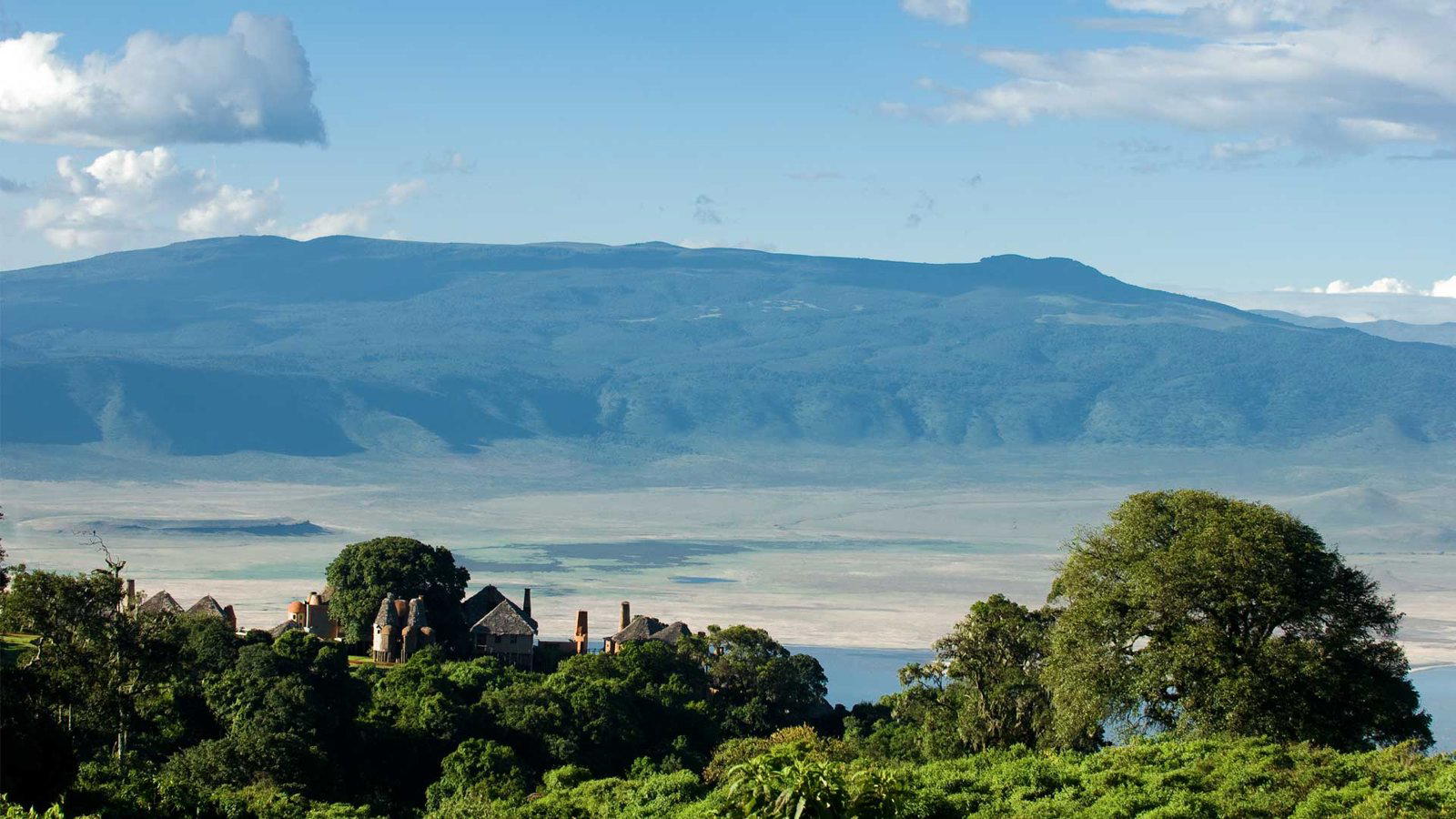
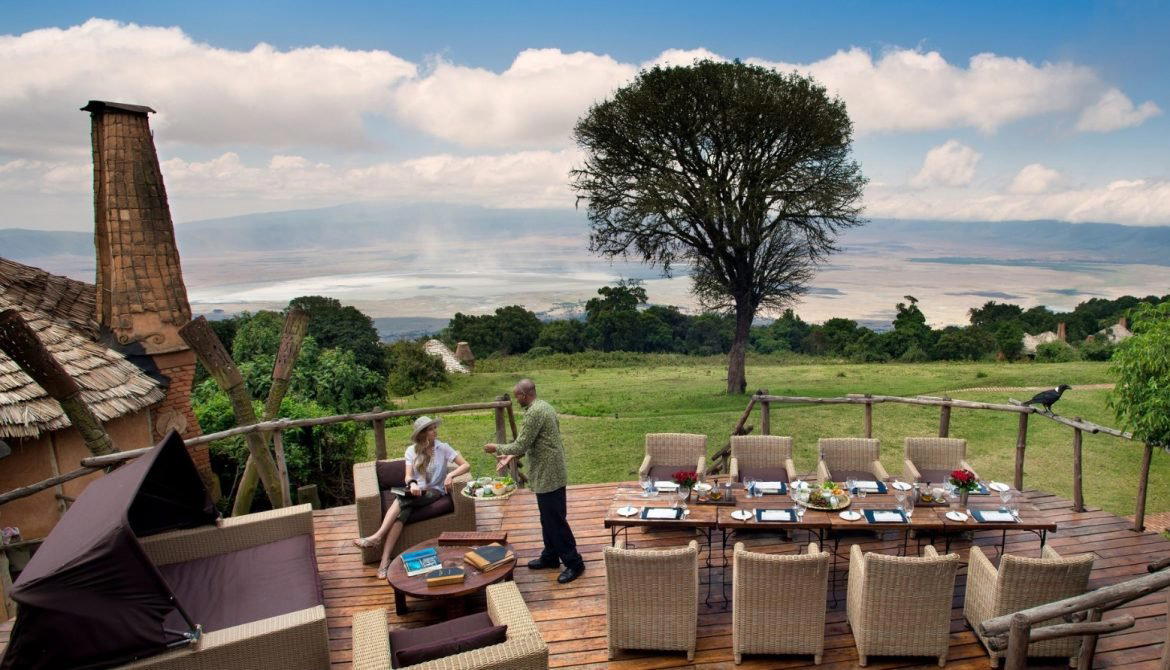
The Ngorongoro Crater is one of the few places on earth where the physical environment so completely determines how and why people eat. The crater floor sits roughly 600 metres below the caldera rim, and the drive down is a slow declension into a self-contained world: acacia woodland giving way to open grassland, then the alkaline shimmer of Lake Magadi at the crater's southern edge. Flamingos gather at the lake's margins in numbers that shift with the season, and the soda flats extend into a pale, mineral horizon. Any dining experience in this part of the crater is read against that backdrop, whether you are seated at a fixed lodge table or eating from a packed lunch at the lakeside itself.
That context matters because Ngorongoro has developed a distinct hospitality grammar over the past few decades, one in which the quality of a meal is judged partly by how well it integrates with the surrounding environment rather than how effectively it insulates the guest from it. The lodges and camps operating around the crater rim and on its approaches have largely adopted this logic, and the dining formats that have earned the most sustained attention in the region tend to be those that work with the terrain rather than import a generic international template onto it. For a broader orientation across what is available in this part of northern Tanzania, our full Ngorongoro restaurants guide maps the range.
The Cultural Architecture of East African Safari Dining
East African safari dining sits at an intersection of culinary traditions that is rarely acknowledged in the way it deserves. The Swahili coast, which has been a trade corridor for Arab, Indian, Persian, and Portuguese merchants since at least the ninth century, deposited a layered spice vocabulary into the region's cooking that persists in everything from the use of cardamom and cloves to the preparation of slow-cooked stews and coconut-based sauces. That coastal inheritance moves inland in attenuated form, reaching the highland interiors of Tanzania in dishes that combine East African staples with aromatic influences from oceanic trade routes.
In Zanzibar, where that coastal tradition is most concentrated, venues like Emerson Spice in Zanzibar and The Silk Route in Stone Town have built entire formats around the spice-trade heritage of the island, producing menus that read as culinary archaeology as much as contemporary cooking. The seafood-forward approach that defines venues such as Doors to Zanzibar in Paje and The Rock Restaurant Zanzibar in Pingwe Michamvi reflects the coast's natural larder, where Indian Ocean fish species and shellfish have defined the protein vocabulary for centuries. These are the benchmarks against which any serious dining claim in Tanzania is implicitly measured.
The interior highland tradition, by contrast, centres on livestock and grain. The Maasai communities who have coexisted with the Ngorongoro Conservation Area under a complex land-use agreement since 1959 maintain a pastoral economy built around cattle, and that cultural relationship with animals shapes how protein is understood in this part of northern Tanzania. It is a different dietary logic from the coast, less complex in its spice register but deeply rooted in place and practice. Visitors who arrive expecting the Swahili coastal repertoire will find a plainer, more elemental approach to food in the highland crater zone, which is not a deficiency but a different kind of integrity.
Reading Lake Magadi Within the Ngorongoro Hospitality Tier
The hospitality infrastructure around Ngorongoro divides broadly into two tiers: the conservation-area lodges on the crater rim, which have historically commanded significant premiums and serve guests who are visiting the area primarily for wildlife access; and the camps and facilities closer to the crater floor, where the relationship between environment and experience is more immediate and unmediated. Lake Magadi, as a point of attraction within the crater itself, sits within the second orientation: it is a destination reached during a crater excursion, not a fixed lodge address. The dining formats associated with it are therefore mobile by nature, which aligns with a wider pattern in premium safari travel where the picnic lunch or bush meal at a scenic point has become a considered hospitality moment rather than a logistical necessity.
Comparable dining-as-environment propositions can be found far outside East Africa. The philosophy that drives venues like Atelier Moessmer Norbert Niederkofler in Brunico or Reale in Castel di Sangro in Italy's mountain interiors, where the surrounding ecosystem is treated as both larder and frame, echoes something of what the crater floor proposes, even if the execution and cultural context are entirely different. In each case, the landscape precedes the plate. The same logic extends to coastal Italy at venues like Uliassi in Senigallia and Quattro Passi in Marina del Cantone, where proximity to a specific body of water defines the sourcing logic entirely. At Lake Magadi, the body of water in question is alkaline and flamingo-colonised rather than fish-bearing, which means the environmental frame operates aesthetically rather than as a direct source of ingredients.
Nearby, Lake Masek offers another reference point within the Ngorongoro zone, providing a sense of how different crater-adjacent settings generate different hospitality propositions for travellers moving through the area. The comparison is useful for anyone planning a multi-day itinerary that includes the conservation area.
Planning a Visit: Practical Orientation
Access to Lake Magadi is granted through the Ngorongoro Conservation Area Authority, which requires a daily crater descent fee that varies by nationality and is typically arranged through an accredited tour operator. The standard approach is a full-day crater excursion departing from a rim lodge, with the descent beginning in the early morning to maximise wildlife activity before midday heat reduces animal movement. The soda lake is located in the southwestern sector of the crater floor and is a standard stop on guided circuits. Seasonal flamingo aggregations are most reliable in the wetter months, when the lake's water levels and mineral concentrations attract larger numbers of birds, though some presence is common year-round. Planning through an established operator who works within the conservation authority's framework is the functional requirement; independent crater access without a registered guide vehicle is not permitted.
For readers building a wider East African itinerary, the dining reference points vary considerably across the region. The rigour of ingredient-led cooking at venues like Dal Pescatore in Runate or the technical ambition of HAJIME in Osaka and Le Bernardin in New York City represent the standard against which fine dining globally is tested. Within the Ngorongoro context, the operative standard is different: the crater floor sets an environmental bar that no kitchen can replicate, and the most honest dining formats here acknowledge that the setting is already doing most of the work.
Frequently asked questions
Where is Lake Magadi located?
Lake Magadi is located at Tanzania, Ngorongoro.
What wildlife can I expect to see at Lake Magadi during a Ngorongoro Crater descent?
Lake Magadi's alkaline shallows attract flamingos and a range of wading birds, making it one of the more photographically distinct stops on the crater floor circuit in Ngorongoro, Tanzania. The surrounding grasslands support hippo pools, black rhino, lion, and hyena within a few kilometres, all contained within the Ngorongoro Conservation Area's roughly 260-square-kilometre caldera floor. Early-morning descents — timed through your lodge or operator — typically offer the most active wildlife periods before midday vehicle congestion on the crater tracks.
What's the best thing to order at Lake Magadi?
Lake Magadi is a natural lake within the Ngorongoro Conservation Area, not a dining venue, so there is no menu or kitchen. Dining in this part of Tanzania happens at the crater-rim lodges or through organised bush picnics arranged by licensed safari operators who hold descent permits. Those operators vary significantly in provision quality, so confirming catering arrangements before booking a crater day is worth doing.
How far ahead should I plan for Lake Magadi?
Crater descent permits are issued by the Ngorongoro Conservation Area Authority and are subject to daily vehicle limits, which means high-season access — particularly June through October — can be constrained weeks in advance when rim lodges are at capacity. Booking a rim lodge or tented camp with crater-access logistics included is the most reliable route. Independent travellers arranging day descents should confirm permit availability directly with the Authority well before arrival.
What is Lake Magadi known for?
Lake Magadi is a shallow soda lake on the floor of the Ngorongoro Crater in Tanzania's Arusha region, one of the few alkaline lakes contained within a volcanic caldera accessible to visitors. It draws flamingos and wading birds and sits within a broader ecosystem that includes the highest density of large predators in Africa. Access is controlled by the Ngorongoro Conservation Area Authority, which limits daily vehicle numbers into the crater.
Can Lake Magadi accommodate dietary restrictions?
As a natural site inside the Ngorongoro Conservation Area, Lake Magadi has no catering facilities or staff. Any dietary requirements need to be communicated to the safari lodge or tour operator organising the crater descent, who will pack provisions accordingly. Crater-rim lodges at the conservation area generally accommodate standard dietary needs when given advance notice.
Is Lake Magadi overpriced or worth every penny?
The cost of visiting Lake Magadi is largely a function of the Ngorongoro Conservation Area daily crater-descent fee, which is set by the Authority and varies by nationality, plus vehicle fees and any lodge rates. The crater as a whole is among the most concentrated wildlife environments on the continent, and the soda lake adds a distinct visual and ecological element to a descent day. Whether the total spend feels proportionate depends almost entirely on which lodge tier and operator you book.
Booking and Cost Snapshot
| Venue | Cuisine | Price | Awards | Notes |
|---|---|---|---|---|
| Lake MagadiThis venue — the venue you are viewing | Not listed | $500+ | Not listed | Not listed |
| Doors to Zanzibar | Contemporary Zanzibari Seafood | Not listed | Relais Chateaux Award | Seafood Grill |
| Zanzibar White Sand Luxury Villas & Spa | Zanzibari Seafood | Not listed | Not listed | Not listed |
| Lake Masek | Safari Lodge Cuisine | $500+ | Not listed | Not listed |
| The Rock Restaurant Zanzibar | Swahili-Mediterranean Seafood Fusion | $30–50 | Not listed | Not listed |
| Emerson Spice | Zanzibari Seafood Tasting Menu | $30–50 | Not listed | Not listed |
Continue exploring
More in Ngorongoro
Restaurants in Ngorongoro
All restaurants in Ngorongoro →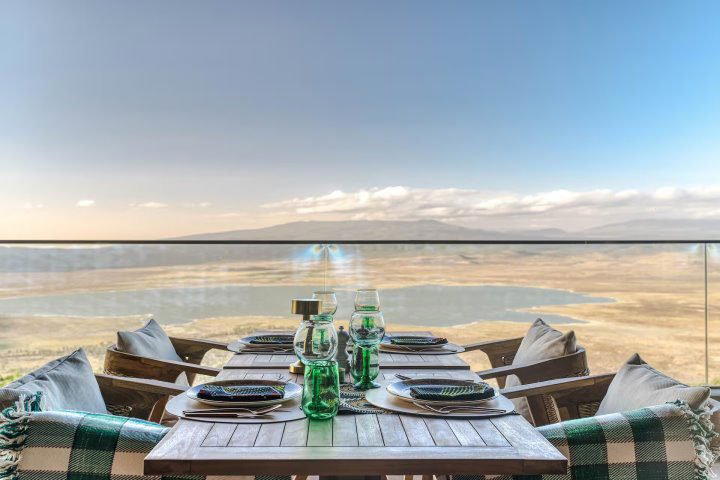
Bars in Ngorongoro
Browse all →

Details
- Scenic
- Special Occasion
- Family
- Group Dining
- Waterfront
- Panoramic View
- Local Sourcing
- Waterfront
- Mountain
- Buffet
- A La Carte
- Vegetarian Friendly
Natural, open-air crater landscape with shallow green water, soda pans, flamingos, and dramatic wildlife scenery.