
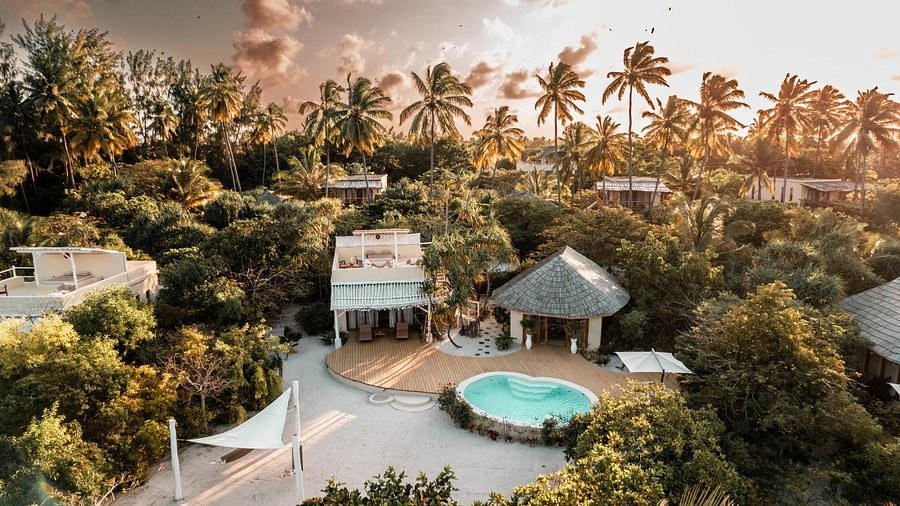
Doors to Zanzibar operates inside the White Sand Luxury Villas & Spa resort in Paje, bringing a seafood grill format to one of the Indian Ocean's most productive fishing coasts. Under Chef Lily Wong, the kitchen has earned recognition for creative cooking within a setting where the catch arrives fresh from local dhow fishermen. A focused destination for guests who want the coast's natural larder cooked with genuine intent.
Pearl is the En Primeur Club membership app — saves, bookings, and concierge access live there. Same editors, same standards.
- Address
- Paje beach Zanzibar White Sand Luxury Villas & Spa resort, Paje 72110, Tanzania
- Phone
- +255 778 923 854
- Website
- whitesandvillas.com
- Directions
- Get directions
 Saves & bookings on Pearl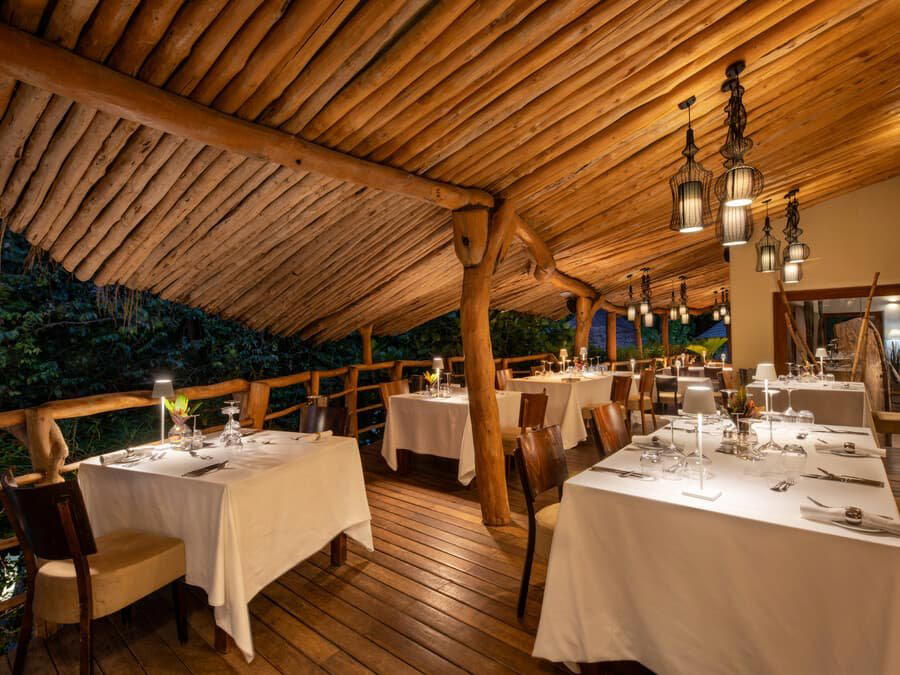
Where the Indian Ocean Sets the Menu
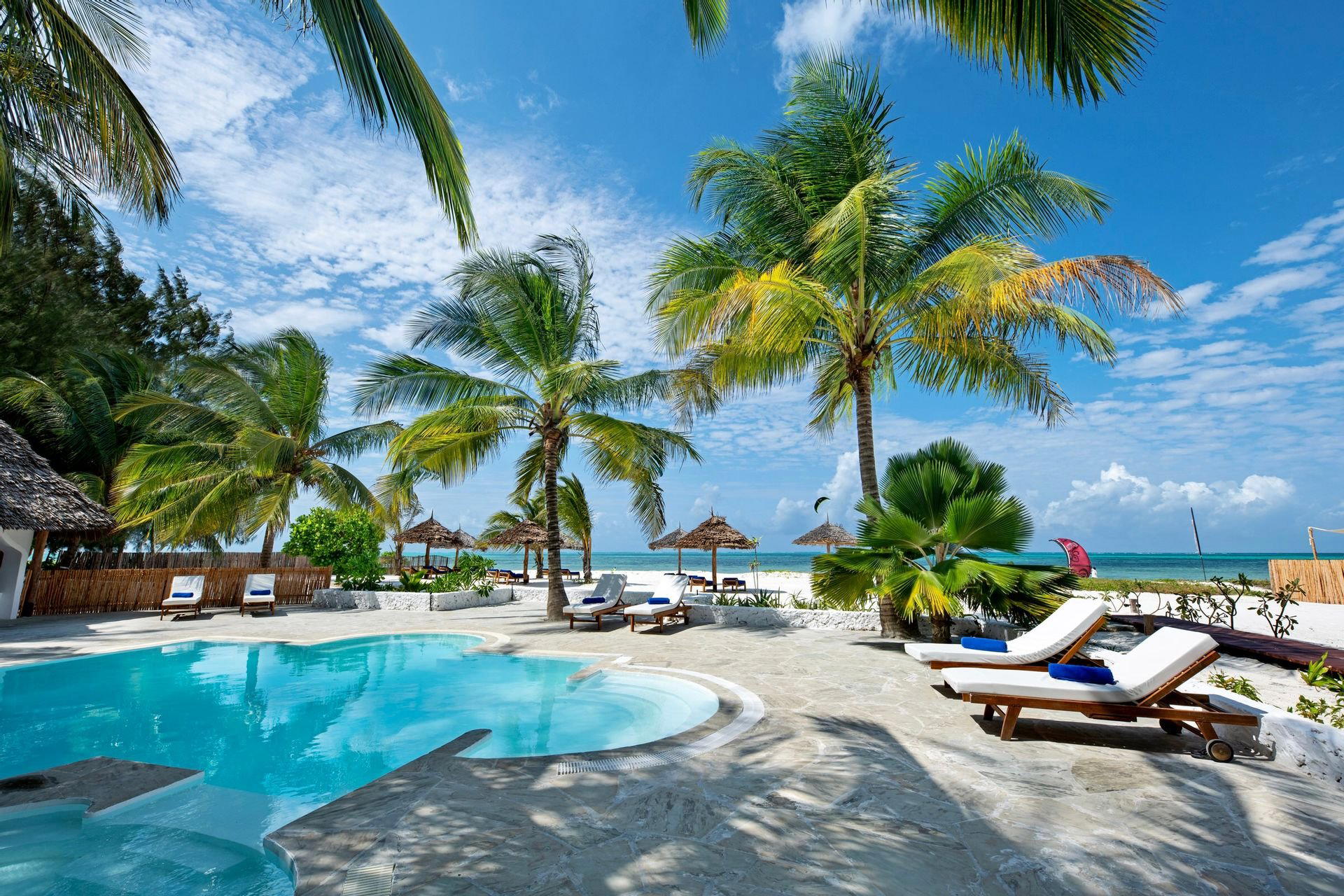
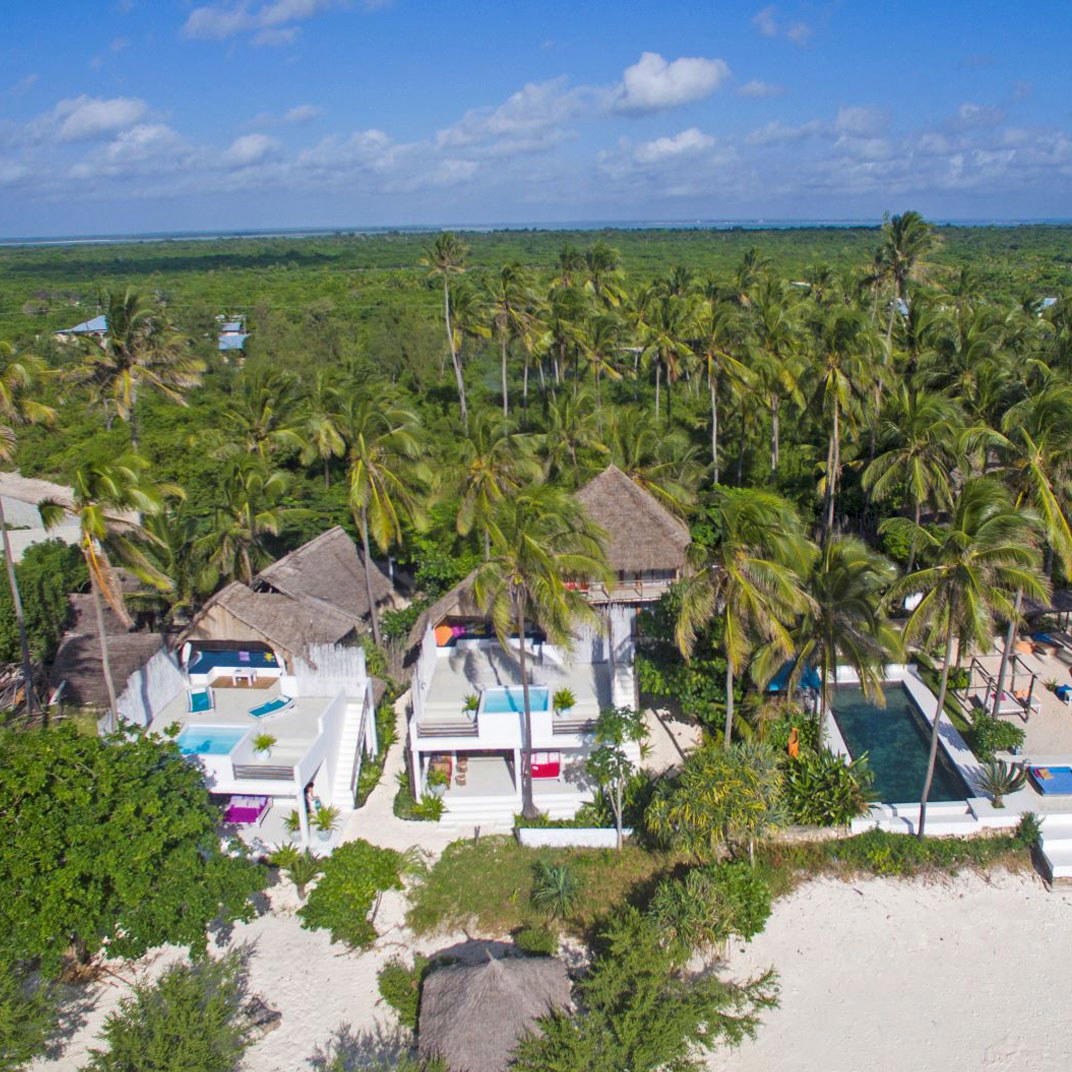
The approach to Paje beach at dusk reads like a brief education in how geography shapes a kitchen. The tide retreats to expose broad tidal flats, wooden dhows tilt on the sand beside piled nets, and the air carries salt and woodsmoke in roughly equal measure. This is the operational reality behind every seafood grill on Zanzibar's southeast coast: the catch is not a marketing claim here but a daily negotiation with weather, season, and the knowledge of fishermen who have worked these waters for generations. Zanzibar White Sand Luxury Villas & Spa (Zanzibari Seafood) occupies this same stretch of shoreline, and Doors to Zanzibar functions as the property's grill kitchen, shaped by what arrives from the water rather than by what a fixed supply chain can deliver.
The Sourcing Logic of the Southeast Coast
Zanzibar's seafood economy runs on a short, largely artisanal supply chain that larger Indian Ocean resort islands have largely lost. The dhow fishermen working the reef systems off Paje operate on tidal schedules, targeting octopus, reef fish, kingfish, lobster, and the deep-water catches that the Pemba Channel periodically pushes south. The port-to-plate distance here is measured in hours, not days, and that compression matters in ways that go beyond freshness. Octopus pulled from shallow reef water and cooked the same evening has a different texture and flavour profile than product held in cold storage and transported across a distribution hub. Lobster from these waters tends toward sweetness rather than brine. Reef fish like changu and red snapper carry a cleaner finish than their farmed equivalents. These are not poetic claims, they reflect the practical reality of what proximity to a functioning artisanal fleet actually delivers to a kitchen.
Chef Lily Wong works within that supply reality. The menu responds to what is available, which means it shifts with the season, the tides, and the fishermen's daily haul. That responsiveness is increasingly rare at resort-attached restaurants anywhere in East Africa, where the pressure to deliver a consistent printed menu often overrides the logic of cooking what is fresh.
Creative Cooking on the East African Coast
The designation of creative cooking sits in an interesting position for a seafood grill format on Zanzibar. The island's culinary tradition is already layered, Swahili spice routes, Arab trading influence, Indian Ocean coastal technique, and a Hindi and Portuguese presence all left traces in how the coast cooks. A kitchen that engages with that inheritance honestly has more raw material to work with than one that imposes a foreign fine-dining grammar on local product. Interesting seafood cooking on the East African coast has tended to operate at the intersection of those influences: tamarind and coconut alongside direct flame, warm spice used in a way that complements rather than masks the oceanic character of the fish.
For context, comparable creative seafood programs elsewhere operate in different supply conditions. Ostra in Boston draws from cold Atlantic waters with a different seasonal logic entirely. Le Bernardin in New York City treats sourcing as a global procurement exercise. Aponiente in El Puerto de Santa María has built one of Europe's more forensic seafood programs around Andalusian tidal systems. What Doors to Zanzibar offers is something structurally different: a geographically specific catch, a spice-influenced coastal tradition, and a resort setting that provides the infrastructure for a more considered kitchen than the beachside grill format might suggest.
The Resort Context and What It Means for Diners
Resort-attached restaurants in East Africa occupy a complicated position. At their weakest, they exist to keep guests on property, prioritising convenience over conviction. At their better end, the resort infrastructure, reliable electricity, cold storage, trained kitchen staff, a captive audience with refined expectations, enables a level of cooking that freestanding beach shacks in the same location cannot sustain. Doors to Zanzibar sits in that latter category by the evidence available: the creative cooking recognition implies investment in technique and intentionality, not simply a grill and a view.
The practical implication for travellers is that eating here is a viable destination decision in its own right, not merely a fallback for guests who do not want to leave the property. Paje itself is a small village, and the dining options within walking distance are primarily casual. For anyone staying nearby and wanting a more structured seafood meal, the resort setting is not a drawback. It is the reason the kitchen can operate at the level it does.
Logistics for non-resort guests typically require advance contact with the property, and reservations are recommended. The restaurant has, which suggests steady interest relative to the resort's scale. Booking ahead is the sensible approach regardless of where you are staying.
Placing Doors to Zanzibar in the Broader Scene
Zanzibar's restaurant scene has developed unevenly. Stone Town carries most of the island's culinary heritage infrastructure, with rooftop grills and spice-market-adjacent kitchens that have drawn international attention for decades. The southeast coast, including Paje, operates in a different register, quieter, more resort-driven, with fewer standalone restaurants of note. That context makes the creative cooking recognition at the restaurant more meaningful than it might appear in a denser culinary market. On this stretch of coast, a kitchen with a distinct point of view and verified quality signals is not competing against a deep field.
For seafood grill formats in other settings, the Freedom Restaurant & Sushi Bar in Gregory Town offers a different island-coast comparison point, while programs like Lazy Bear in San Francisco, Atomix in New York City, Emeril's in New Orleans, Alinea in Chicago, 8½ Otto e Mezzo Bombana in Hong Kong, Alain Ducasse at Louis XV in Monte Carlo, Alléno Paris au Pavillon Ledoyen, and Amber in Hong Kong illustrate how creative cooking recognition plays out across different contexts and price tiers globally.
Planning Your Visit
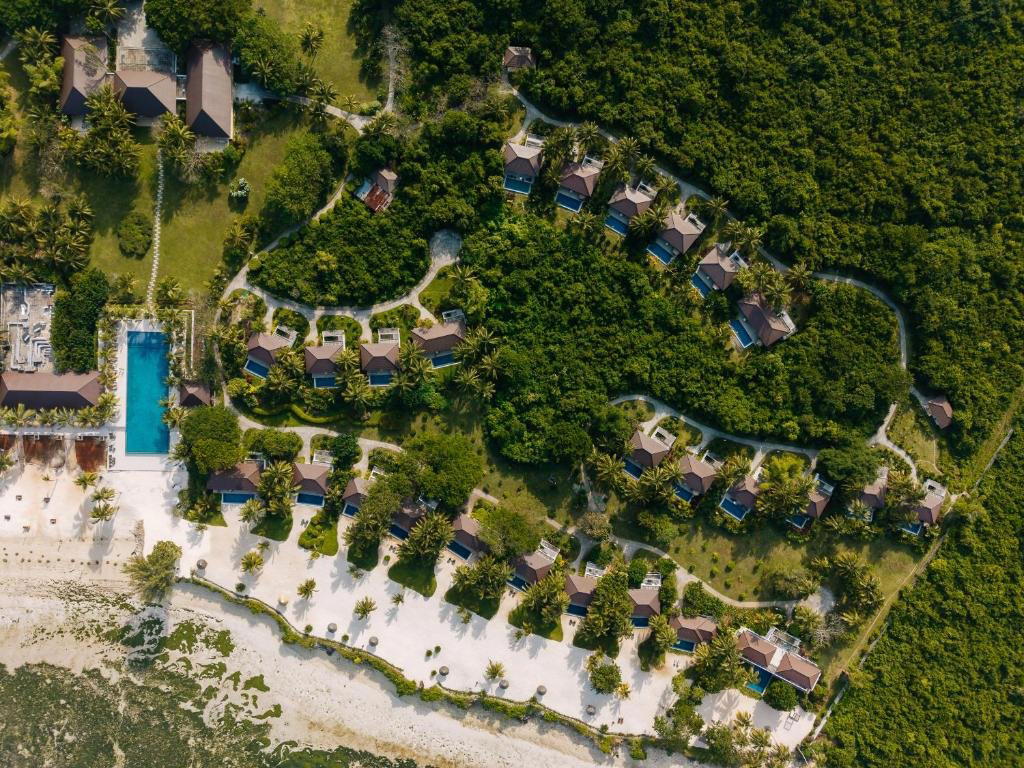
The restaurant is located within the White Sand Luxury Villas & Spa resort on Paje beach, at the southern end of Zanzibar's east coast. The east coast runs warm and reef-protected through most of the year, with the main rainy season (the long rains, locally called masika) running from March through May, when some resort operations reduce in scale. The drier months from June through October and December through February represent reliable periods for dining and beach access. The restaurant is open daily from 7:30 AM to 3:30 PM, and reservations are recommended.
Comparable Venues
Comparable venues nearby, for context on price, style, and recognition.
| Venue | Cuisine | Price | Notes |
|---|---|---|---|
| Doors to ZanzibarThis venue — the venue you are viewing | Contemporary Zanzibari Seafood | $$$$ | Not listed |
| Doors to Zanzibar Restaurant | Fine-dining African & international fusion | $$$$ | Paje |
| Beach Restaurant & Bar | Dining | Not listed | Paje |
| Zanzibar White Sand Luxury Villas & Spa | Dining | Not listed | Paje |
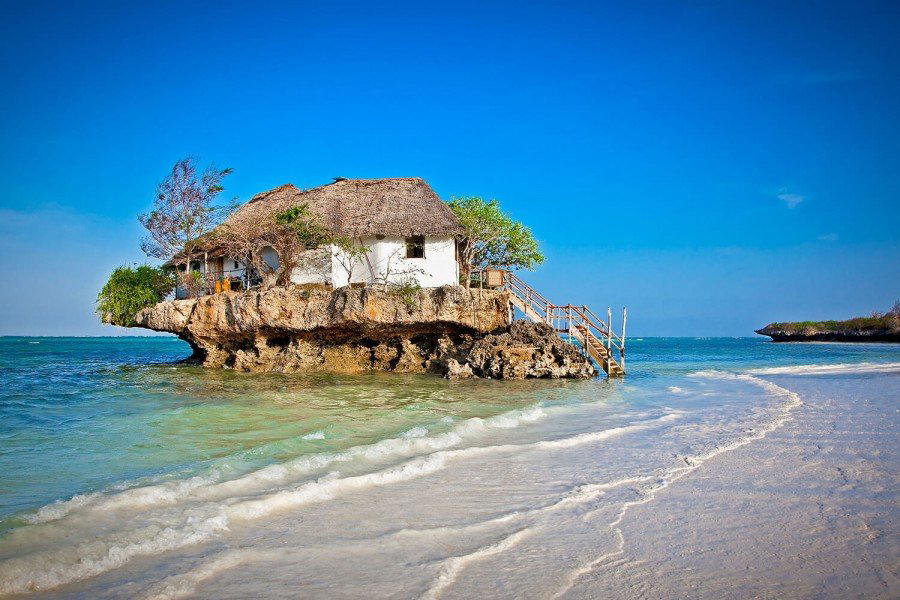
| The Rock Restaurant Zanzibar | Swahili-Mediterranean Seafood Fusion | $$$ | Michamvi Pingwe |
| The Rock | Seafood with Italian and Swahili Fusion | $$$ | Michamvi Pingwe |
Recognition history
Dated appearances from independent guides and award organizations, with the underlying list record or original source where available.
Relais Chateaux Award
Relais Chateaux
At a Glance
- Elegant
- Sophisticated
- Scenic
- Date Night
- Special Occasion
- Waterfront
- Hotel Restaurant
- Terrace
- Beer Program
- Waterfront
Current opening hours
- Monday
- 7:30 AM–3:30 PM
- Tuesday
- 7:30 AM–3:30 PM
- Wednesday
- 7:30 AM–3:30 PM
- Thursday
- 7:30 AM–3:30 PM
- Friday
- 7:30 AM–3:30 PM
- Saturday
- 7:30 AM–3:30 PM
- Sunday
- 7:30 AM–3:30 PM
Hours can change for holidays and private events. Last verified .
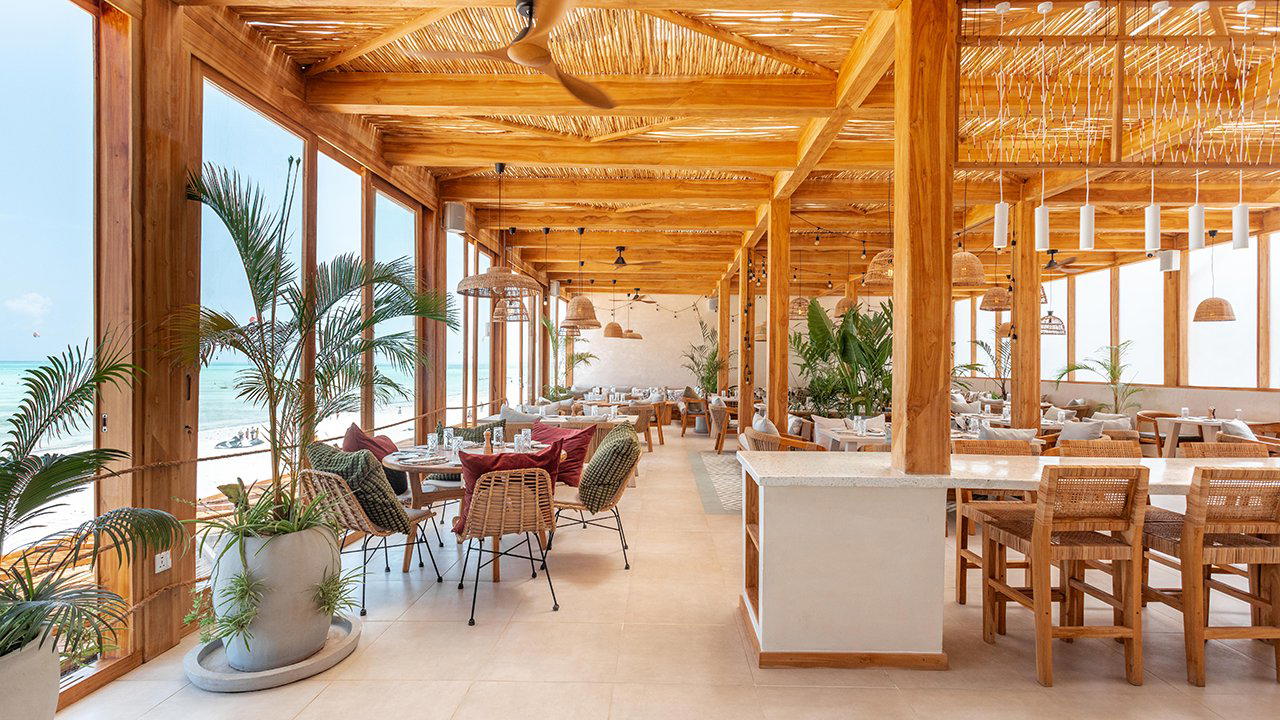
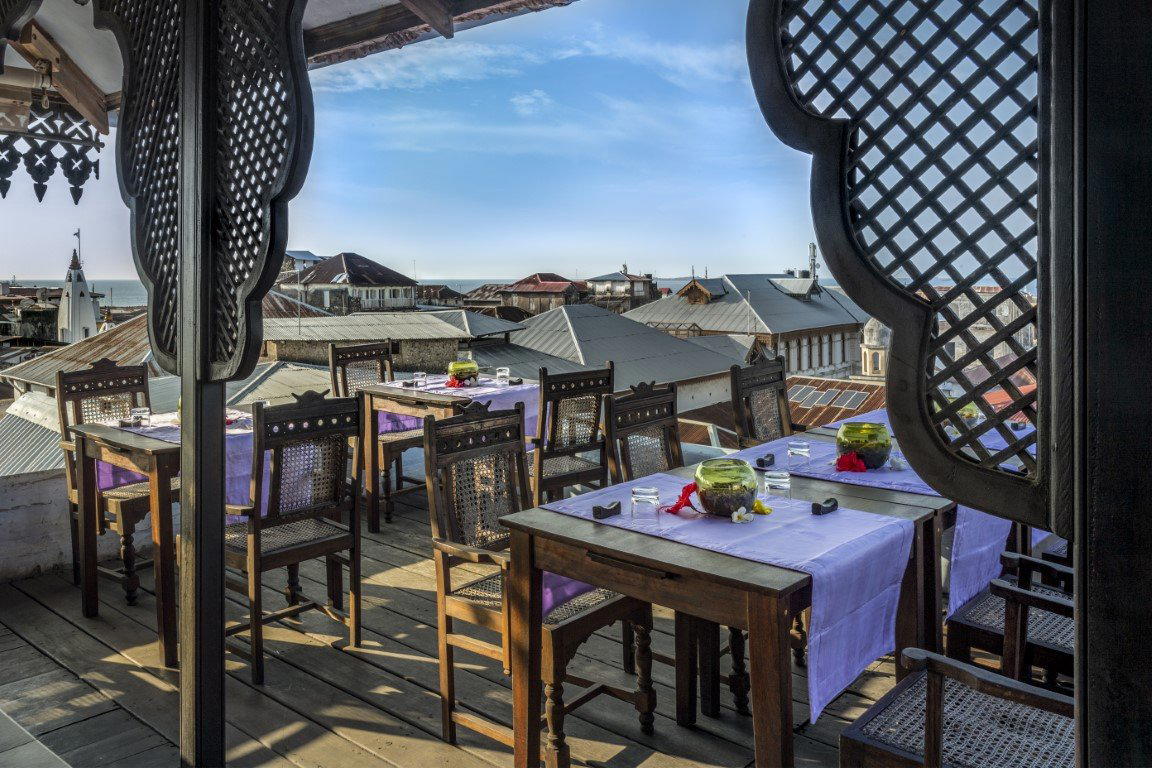
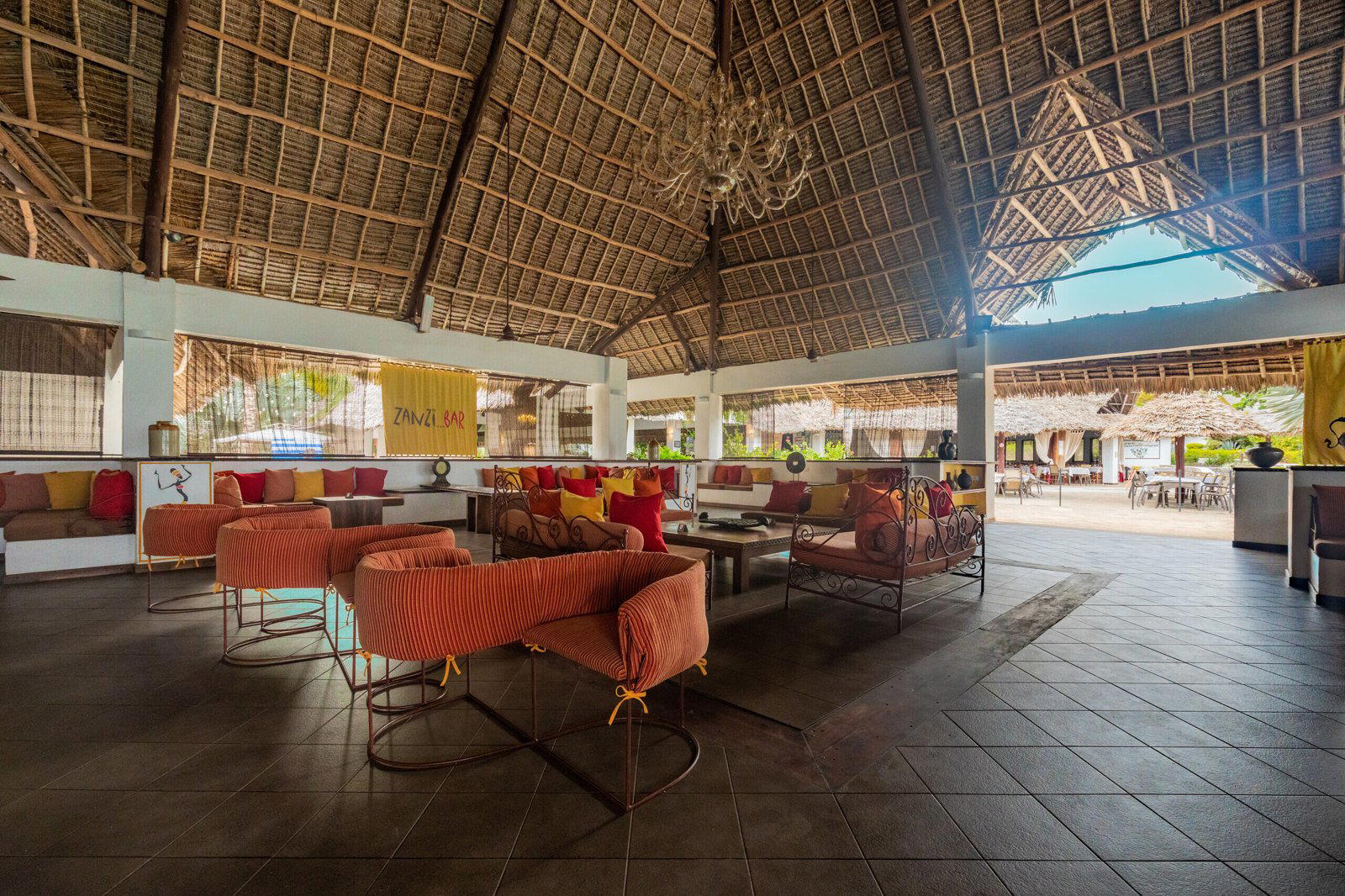
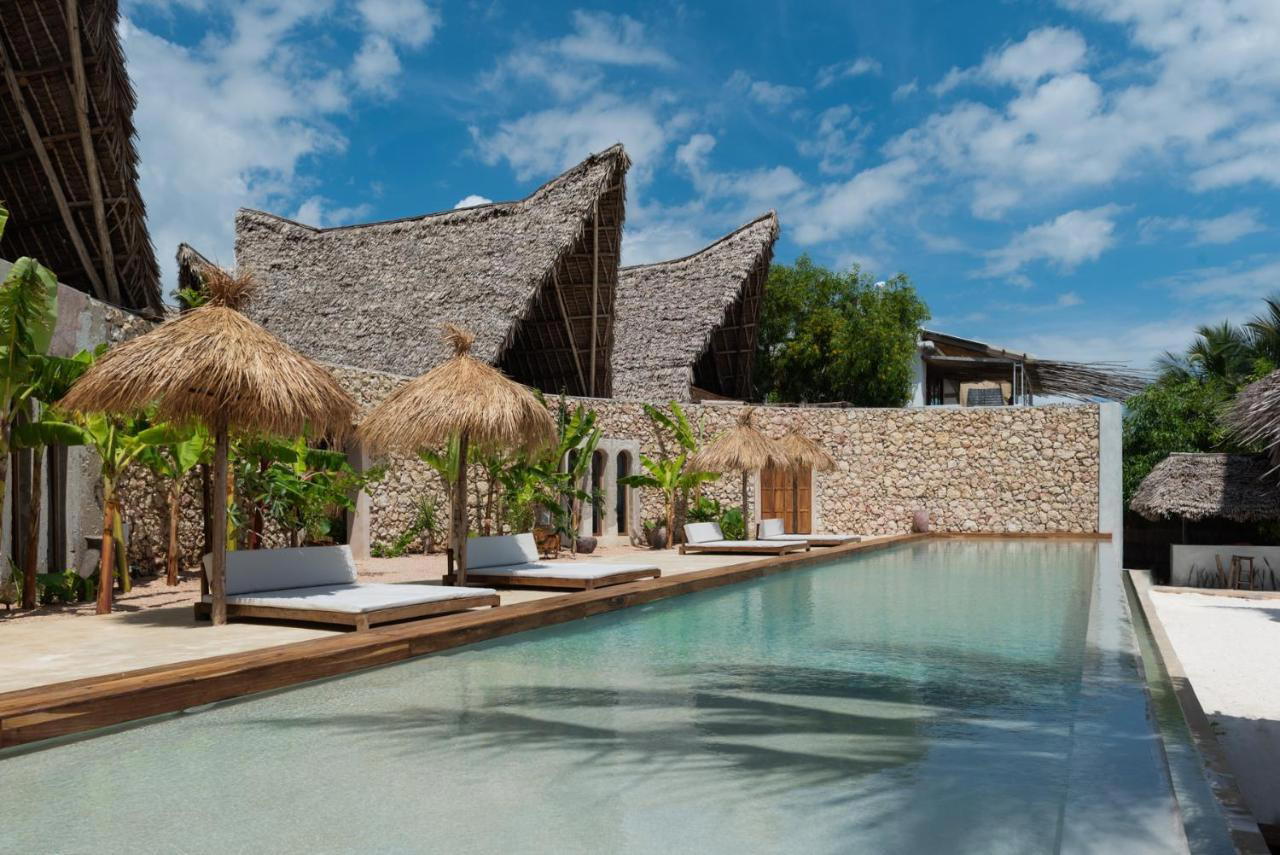
Contemporary elegance with traditional Zanzibari charm; however, the dining area is awkwardly positioned by the daytime pool, creating an unconventional and somewhat disjointed atmosphere.