Our verdict
Stone Town's Spice Trade, Served from a Rooftop Tharia Street in Kiponda is the kind of address that takes a few wrong turns to find. The lanes of Stone Town's oldest residential quarter narrow as they approach the seafront, and the facades here...

Pearl is the En Primeur Club membership app — saves, bookings, and concierge access live there. Same editors, same standards.
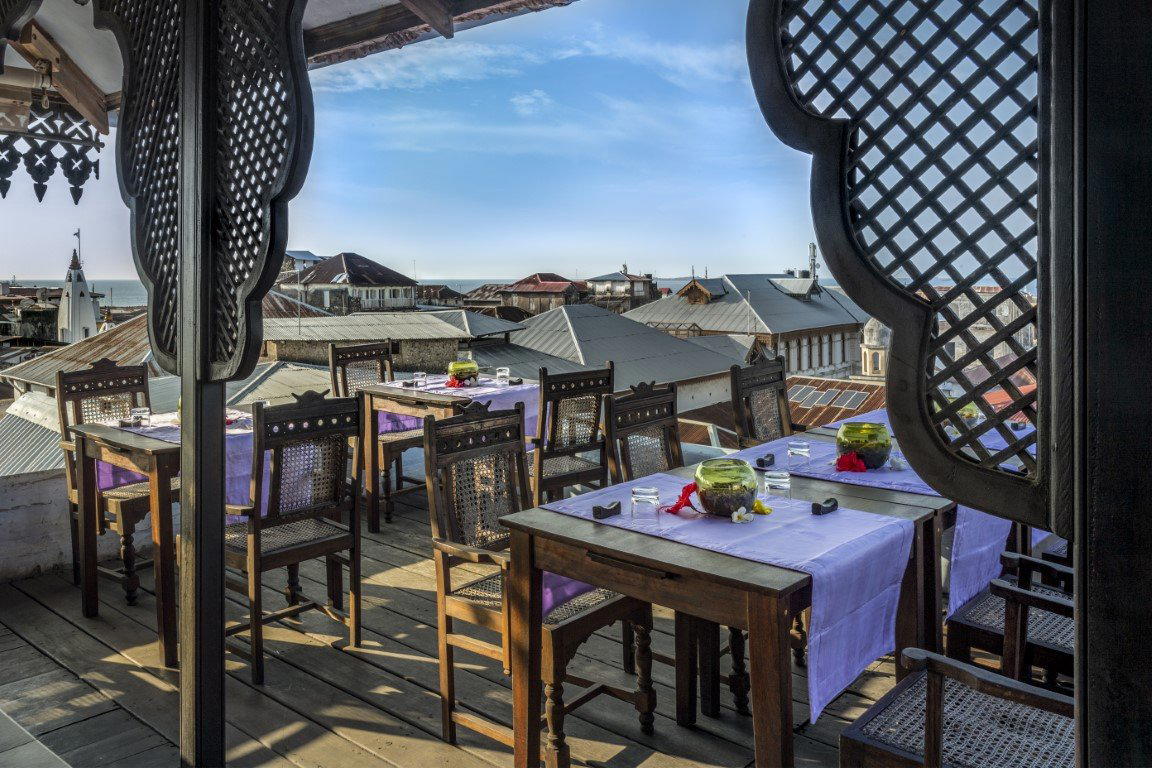
Stone Town's Spice Trade, Served from a Rooftop
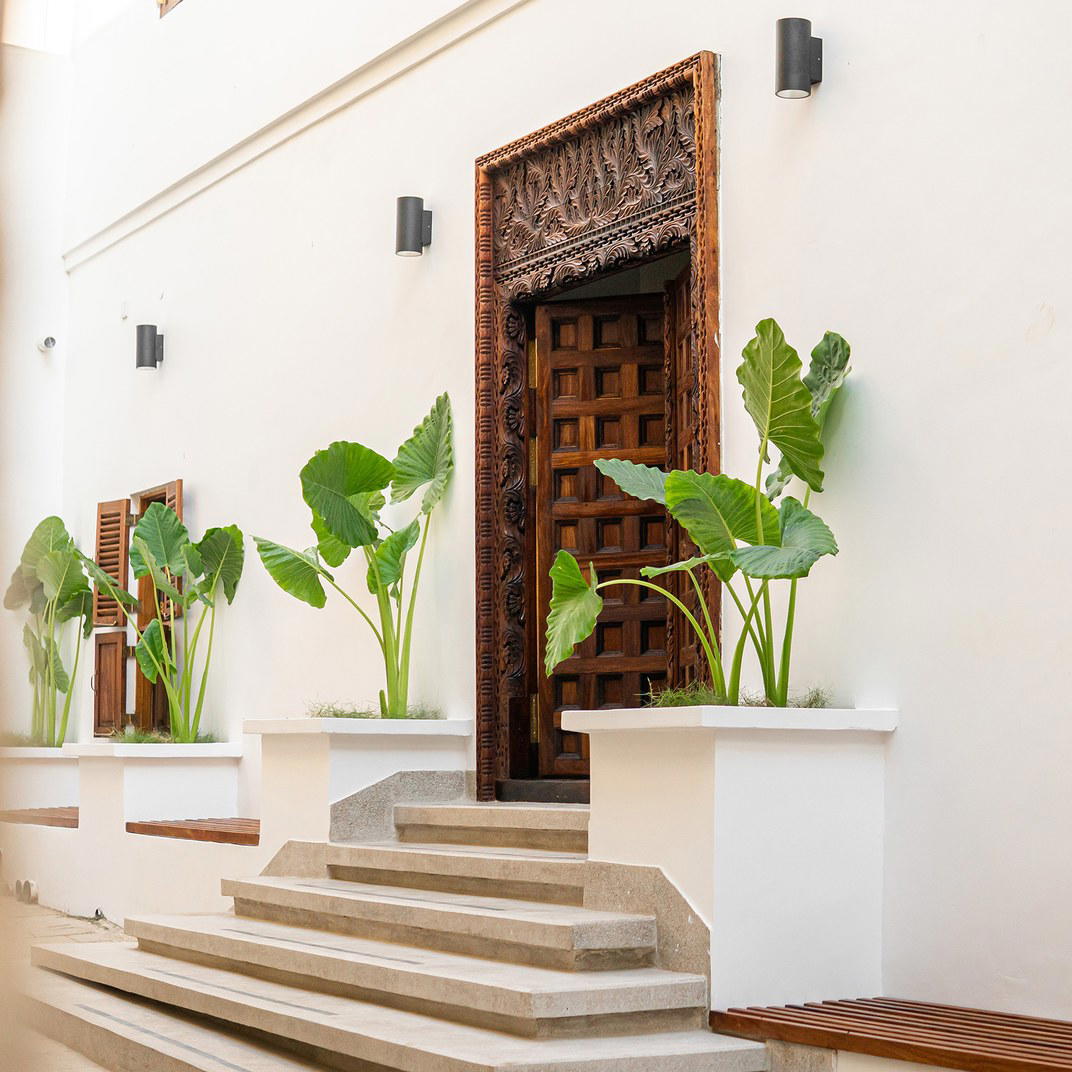
Tharia Street in Kiponda is the kind of address that takes a few wrong turns to find. The lanes of Stone Town's oldest residential quarter narrow as they approach the seafront, and the facades here carry the layered evidence of Omani, Portuguese, Indian, and British occupation in their carved wooden doors and coral-stone walls. Emerson Spice sits within this neighbourhood, occupying a restored historic tower house that places the Indian Ocean and the rooftops of the old city at eye level. The approach itself tells you something about where the food comes from: this is an island that has been a trading crossroads for centuries, and every spice that arrives at your table has a geography attached to it.
What the Spice Trade Actually Left Behind
Zanzibar's identity as a spice producer is frequently reduced to a tagline, but the agricultural reality is more specific. The island's clove plantations, concentrated in the interior, once supplied the majority of global clove production. Cardamom, cinnamon, turmeric, and black pepper grow alongside them in a farming system introduced and expanded under the Omani Sultanate in the nineteenth century. For any kitchen operating in Stone Town, proximity to that supply chain is not a marketing asset — it is a functional ingredient advantage that changes what arrives fresh versus what would need to be imported elsewhere. Restaurants across Stone Town work within this context, and the better ones build their menus around it rather than treating it as backdrop.
Emerson Spice draws from this tradition directly, shaping a menu in which the spice component is structural rather than decorative. In international kitchens that have earned recognition from bodies like the Michelin-starred HAJIME in Osaka or Atelier Moessmer Norbert Niederkofler in Brunico, sourcing discipline is a long-established editorial subject. In Zanzibar, the equivalent conversation centres on traceability within a small-island agricultural system where the field and the kitchen can be separated by a thirty-minute drive. That proximity matters for texture, volatility, and potency in a way that dried or vacuum-packed spice cannot replicate.
The Rooftop Table as Urban Observatory
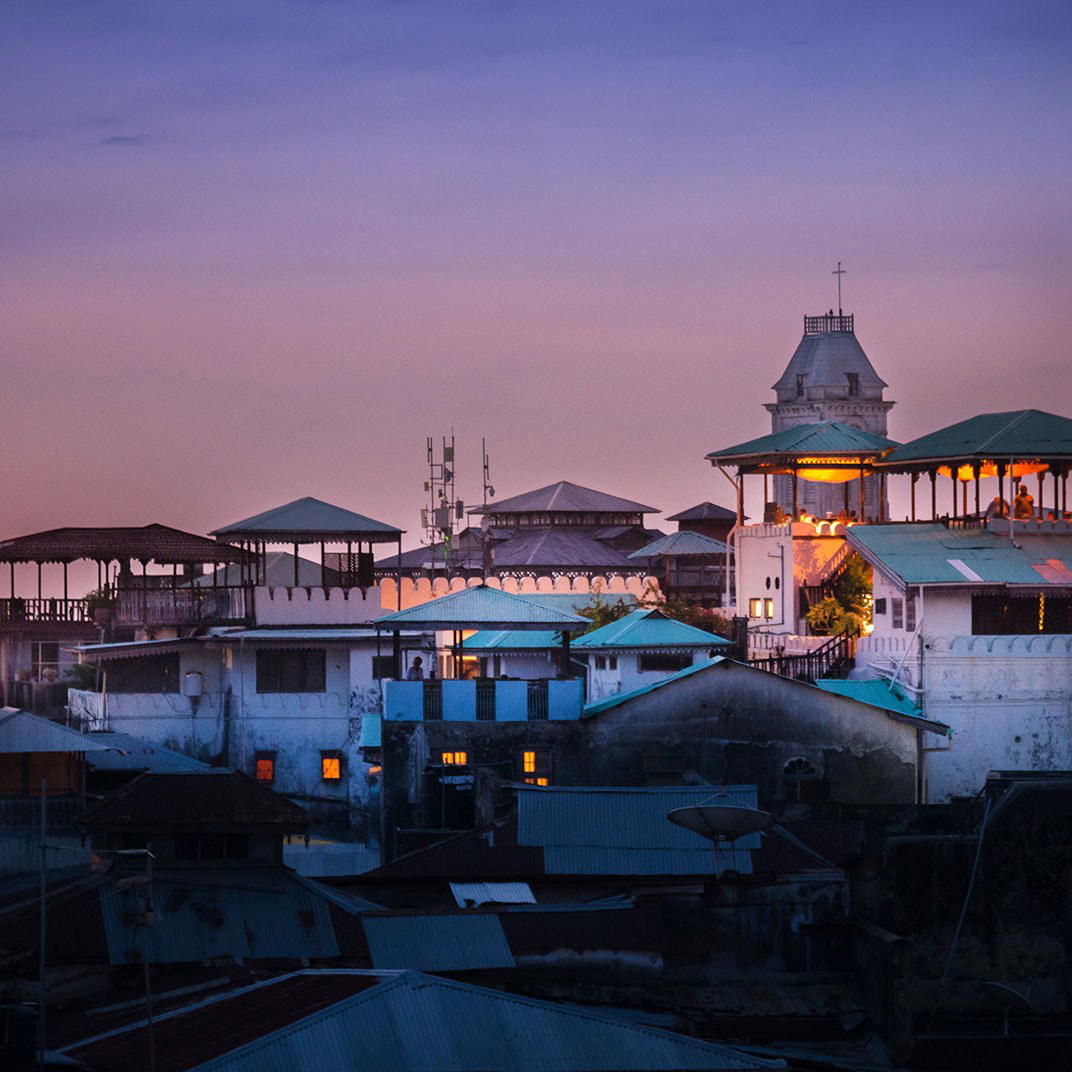
The rooftop dining format at Emerson Spice places it in a specific category of Stone Town dining: refined, open-air settings where the architectural panorama is part of the proposition. At sunset, the dhow harbour and the minaret line of the old city form the backdrop to the meal, which means the timing of your booking carries real consequence. Evening sittings capture the hour when the coral-stone buildings shift from white to amber and the call to prayer crosses the water from multiple mosques in overlapping sequence. This is not theatrical staging arranged by a restaurant — it is the actual condition of eating in this part of the city at this time of day, and Emerson Spice's rooftop position captures it without obstruction.
The format also places it alongside properties like The Silk Route in Stone Town, where the historic built environment frames the dining experience as much as the kitchen does. Stone Town's dining scene is small enough that the better addresses operate in a recognisable peer tier, one defined less by price competition and more by how seriously the kitchen engages with local sourcing and the specificity of Swahili and Zanzibari culinary tradition.
Swahili Cooking as a Culinary System
Swahili cuisine is not a single tradition but an accumulation: Arab spice use, Indian technique (particularly in the treatment of rice and lentils), coastal African ingredient bases, and Portuguese-era introductions like cassava and chilli. The result is a cooking system with more internal complexity than most visitors expect. Pilau rice, for instance, carries a spice profile that varies by island, family, and occasion. Urojo, the Zanzibari street soup known as Zanzibar mix, combines potatoes, lentils, coconut, tamarind, and fried snacks in a combination that does not map cleanly onto any single culinary lineage.
Emerson Spice's kitchen works within this tradition, which puts it in a different category from the seafood-forward grills that define much of Zanzibar's tourist-facing restaurant sector. For comparison, The Rock and The Rock Restaurant Zanzibar in Pingwe Michamvi both anchor their identity in the oceanic seafood tradition, while Doors to Zanzibar in Paje operates within the seafood grill format from the south of the island. A kitchen rooted in spice-forward Swahili cooking occupies a distinct position in that ecosystem, closer in spirit to how restaurants like Dal Pescatore in Runate or Waterside Inn in Bray position themselves relative to regional culinary tradition, even if the geographic and cultural contexts differ entirely.
Sourcing Logic and What It Implies for the Menu
In cities where the supply chain is long and opaque, ingredient sourcing is an act of curation. In Zanzibar, with its agricultural compactness, sourcing is more straightforwardly a matter of relationship and proximity. Cloves arrive from farms in Pemba or the Zanzibar interior. Coconut, a structural ingredient in Swahili cooking, is produced locally at a scale that makes it available fresh rather than processed. Seafood from the channels around the island reaches kitchens within hours of landing. Emerson Spice's address on Tharia Street puts it in one of the oldest settled parts of the city, close to the historical spice market infrastructure that supplied the Sultan's palace kitchens in the nineteenth century.
This is the sourcing logic that separates a kitchen genuinely engaged with Zanzibari ingredients from one that applies a spice-island aesthetic to imported food. The difference is legible in the cooking: fresh coconut cream behaves differently from tinned, whole spices ground to order carry volatile oils that pre-ground versions have lost, and fish delivered the same morning has a texture that refrigeration changes irreversibly. Visitors who eat around the island, from the beach restaurants of Paje to inland spots near Lake Masek in Ngorongoro on the mainland, will notice that the consistency of ingredient quality varies significantly by location and supply infrastructure.
Planning Your Visit
Emerson Spice is located on Tharia Street in Kiponda, in the heart of Stone Town. Kiponda is walkable from the main waterfront and the ferry terminal, though the streets of Stone Town do not follow a grid and first-time visitors generally benefit from asking for directions at the ferry landing rather than relying on mapping applications, which lose accuracy in the narrow lanes. The rooftop is the primary dining setting, and evening reservations are preferable given the sunset orientation of the terrace. Stone Town's dining scene is small and the better-known addresses fill quickly during high season, which runs roughly from June through October and again in December and January. Confirming a booking in advance is the practical course in those windows. For a broader survey of where Emerson Spice sits among the island's dining options, our full Zanzibar restaurants guide maps the scene by location and format.
Frequently asked questions
Is Emerson Spice suitable for children?
The rooftop setting on Tharia Street in Kiponda involves narrow Stone Town lanes and open terrace dining, which suits older children more comfortably than toddlers. The format is sit-down and deliberate rather than casual, so families with young children may find the pace and surroundings better suited to an adult-led evening. That said, nothing in the venue's format explicitly excludes children.
Is Emerson Spice better for a quiet night or a lively one?
Emerson Spice leans toward the quieter end of the spectrum. The rooftop position above Kiponda's residential lanes places it above street noise, and the open-air setting over Stone Town's rooftops creates an atmosphere shaped more by architecture and dusk light than by a party crowd. It is the kind of place where conversation carries without raising your voice.
What makes dining at Emerson Spice different from other Stone Town rooftop restaurants?
Emerson Spice sits on Tharia Street in Kiponda, Stone Town's oldest residential quarter, which places it deeper inside the historic urban fabric than most tourist-facing venues. The Swahili cooking framework at Emerson Spice draws directly on Zanzibar's position as a spice-trade entrepôt, meaning the Arab, Indian, and coastal African culinary layers on the plate have geographic and agricultural grounding specific to this island rather than a generic East African menu.
What do people recommend at Emerson Spice?
Emerson Spice draws consistent attention for its Swahili cooking, which draws on Arab spice traditions, Indian rice and lentil technique, and coastal Tanzanian ingredients rooted in Zanzibar's agricultural output, particularly cloves and local produce. The rooftop table itself is frequently cited as the reason to visit, with the view over Stone Town's coral-stone skyline at sunset serving as the frame for the meal. Specific dish recommendations are best sourced from current visitors, as the menu reflects seasonal and local availability.
Where do I go for Emerson Spice?
Emerson Spice is located at 1494, Tharia Street TZ, 1497 Kiponda, Zanzibar 4044, Tanzania, Zanzibar.
Do I need a reservation for Emerson Spice?
Given that rooftop seating at a venue of this format in a destination like Zanzibar is finite, booking ahead is advisable, particularly during peak travel periods between June and October and over the December holiday window. Walk-ins may find the terrace full. Contact details are not currently listed publicly, so booking through your accommodation or a local operator is the most reliable route.
Fast Comparison
| Venue | Cuisine | Price | Awards | Notes |
|---|---|---|---|---|
| Emerson SpiceThis venue — the venue you are viewing | Zanzibari Seafood Tasting Menu | $30–50 | Not listed | Not listed |
| Doors to Zanzibar | Contemporary Zanzibari Seafood | Not listed | Relais Chateaux Award | Seafood Grill |
| Zanzibar White Sand Luxury Villas & Spa | Zanzibari Seafood | Not listed | Not listed | Not listed |
| The Rock | Swahili-Mediterranean Seafood Fusion | $30–50 | Not listed | Not listed |
| Lake Masek | Safari Lodge Cuisine | $500+ | Not listed | Not listed |
| Lake Magadi | Not listed | $500+ | Not listed | Not listed |
Continue exploring
More in Zanzibar
Restaurants in Zanzibar
All restaurants in Zanzibar →
Bars in Zanzibar
Browse all →

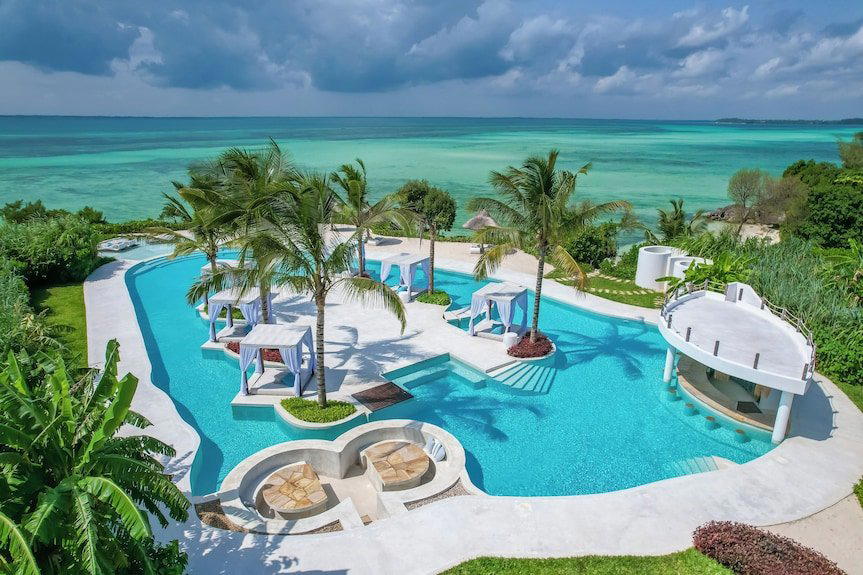
Emerson Spice
The wine
- Wine program
- Curated wine list
- Craft cocktails
Details
- Romantic
- Elegant
- Intimate
- Sophisticated
- Date Night
- Special Occasion
- Rooftop
- Open Kitchen
- Craft Cocktails
- Local Sourcing
- Street Scene
- Skyline
- Tasting Menu
- Vegetarian Friendly
- Vegan Options
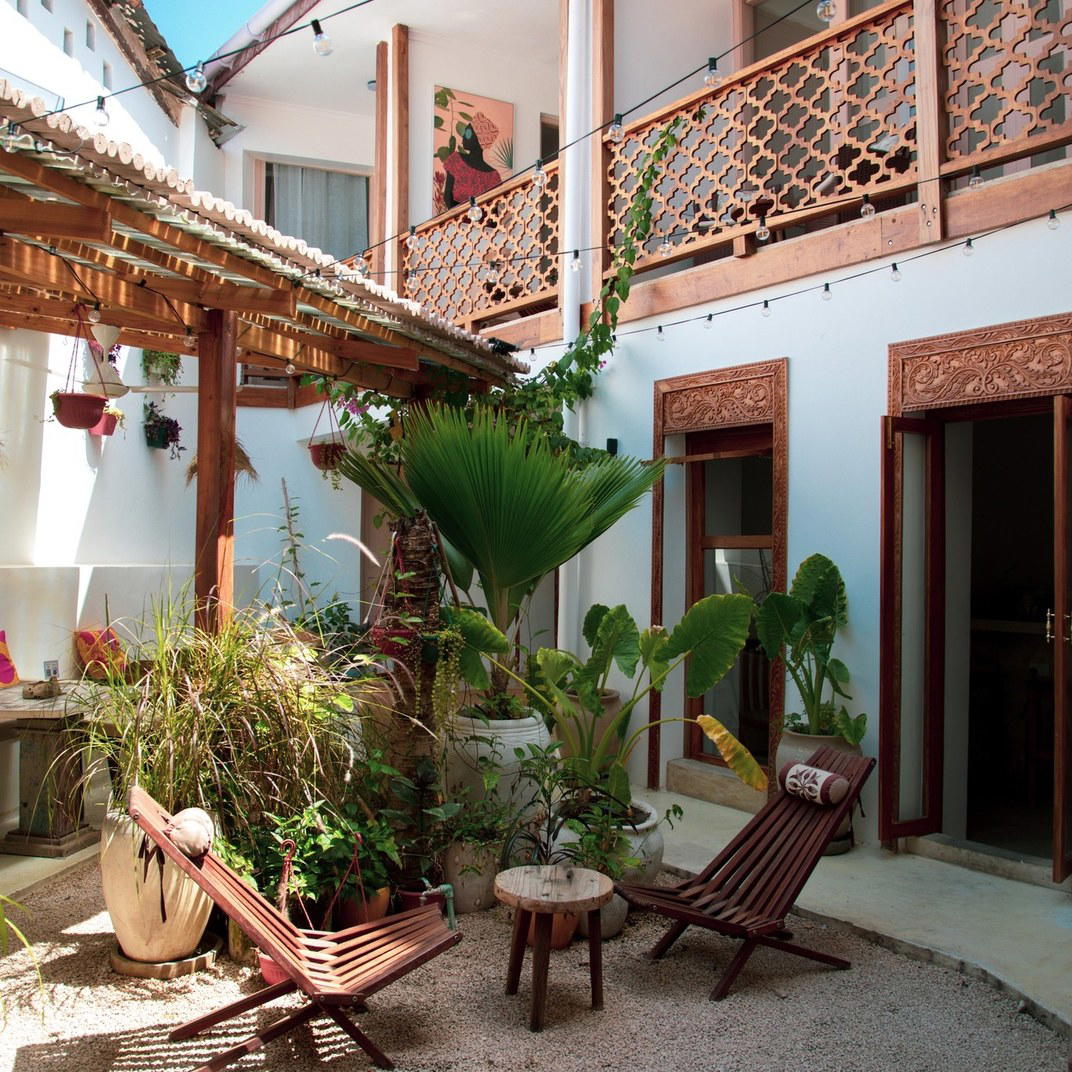
Stylish and intimate rooftop setting with cushions on Persian rugs under a velvet canopy, amidst the sounds of the city and calls to prayer.