The Setai
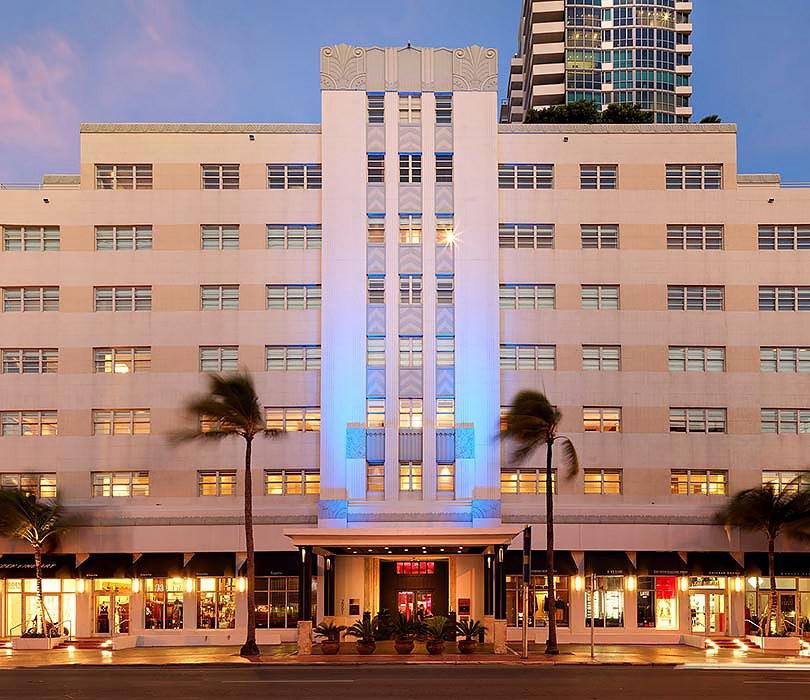
The Setai at 2001 Collins Ave occupies one of Miami Beach's most architecturally distinctive hotel addresses, where 1930s Art Deco bones meet Southeast Asian design language. The property operates at the upper end of South Beach's luxury tier, drawing guests who prioritize spatial calm over the area's more frenetic hotel scene. For dining, the setting competes with the strongest tables in Florida.
Pearl is the En Primeur Club membership app — saves, bookings, and concierge access live there. Same editors, same standards.
- Address
- 2001 Collins Ave, Miami Beach, FL 33139
- Phone
- +13057202125
- Website
- thesetaihotel.com
- Directions
- Get directions
 Saves & bookings on Pearl
Architecture as Argument: The Setai's Case for Restraint on Collins Avenue
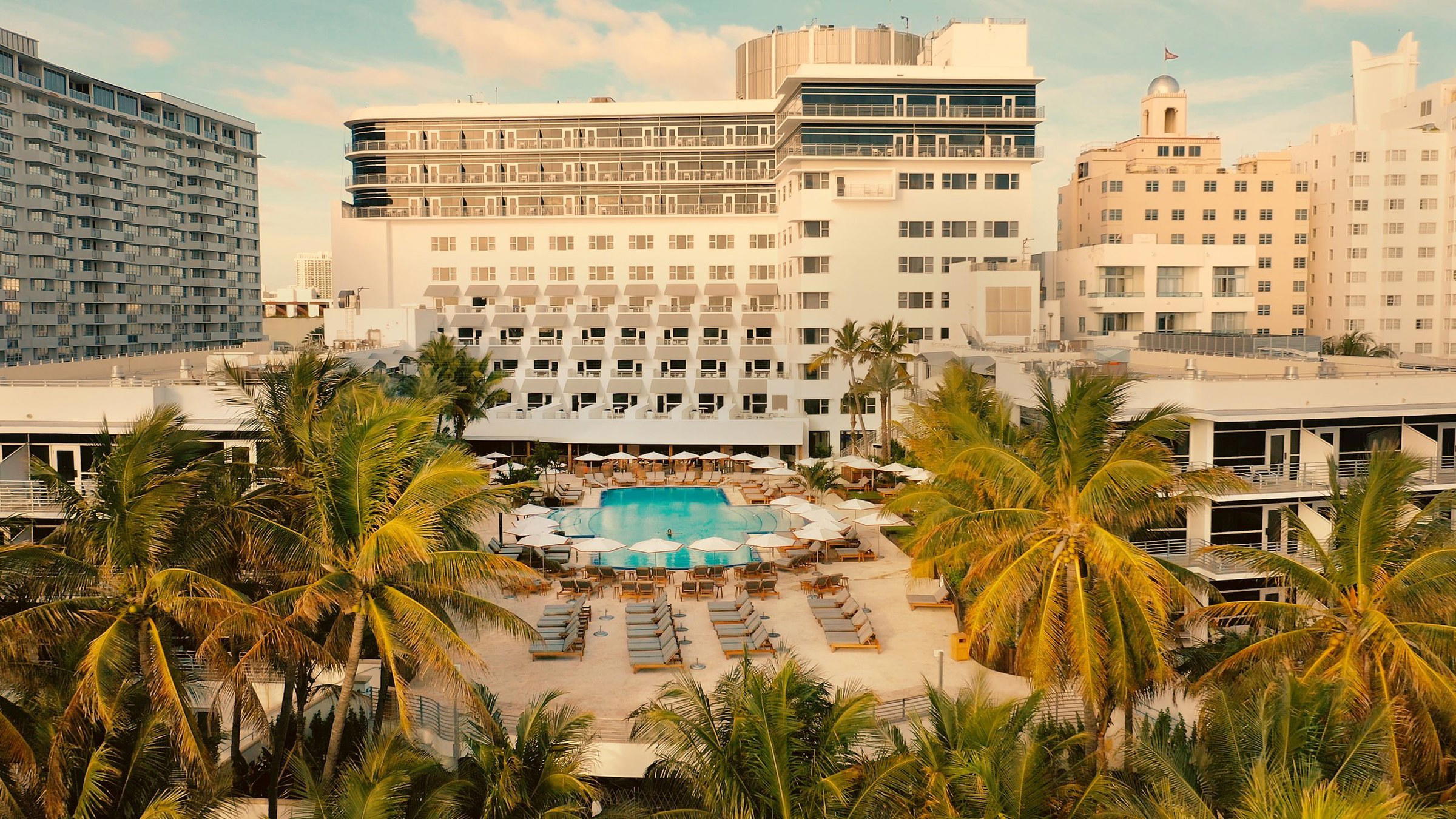
Collins Avenue between 20th and 22nd streets has seen every era of Miami Beach's identity crisis: Deco revival, condo boom, boutique-hotel saturation. What makes The Setai's position at 2001 Collins Ave worth examining is less about what was added to the building and more about what was preserved and counterposed. The original 1936 Deco structure, once the Dempsey-Vanderbilt Hotel, was retained and paired with a modern tower, a juxtaposition that became its own architectural thesis. In a neighbourhood where heritage facades are frequently treated as decorative wrapping for generic interiors, the decision to let two distinct architectural vocabularies coexist without forcing them to agree is a statement about how luxury space functions in South Beach.
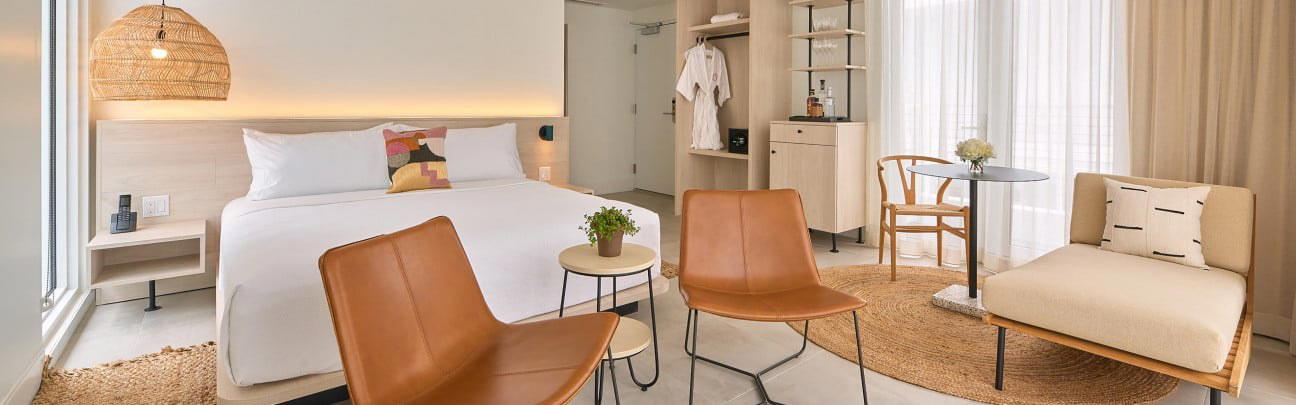
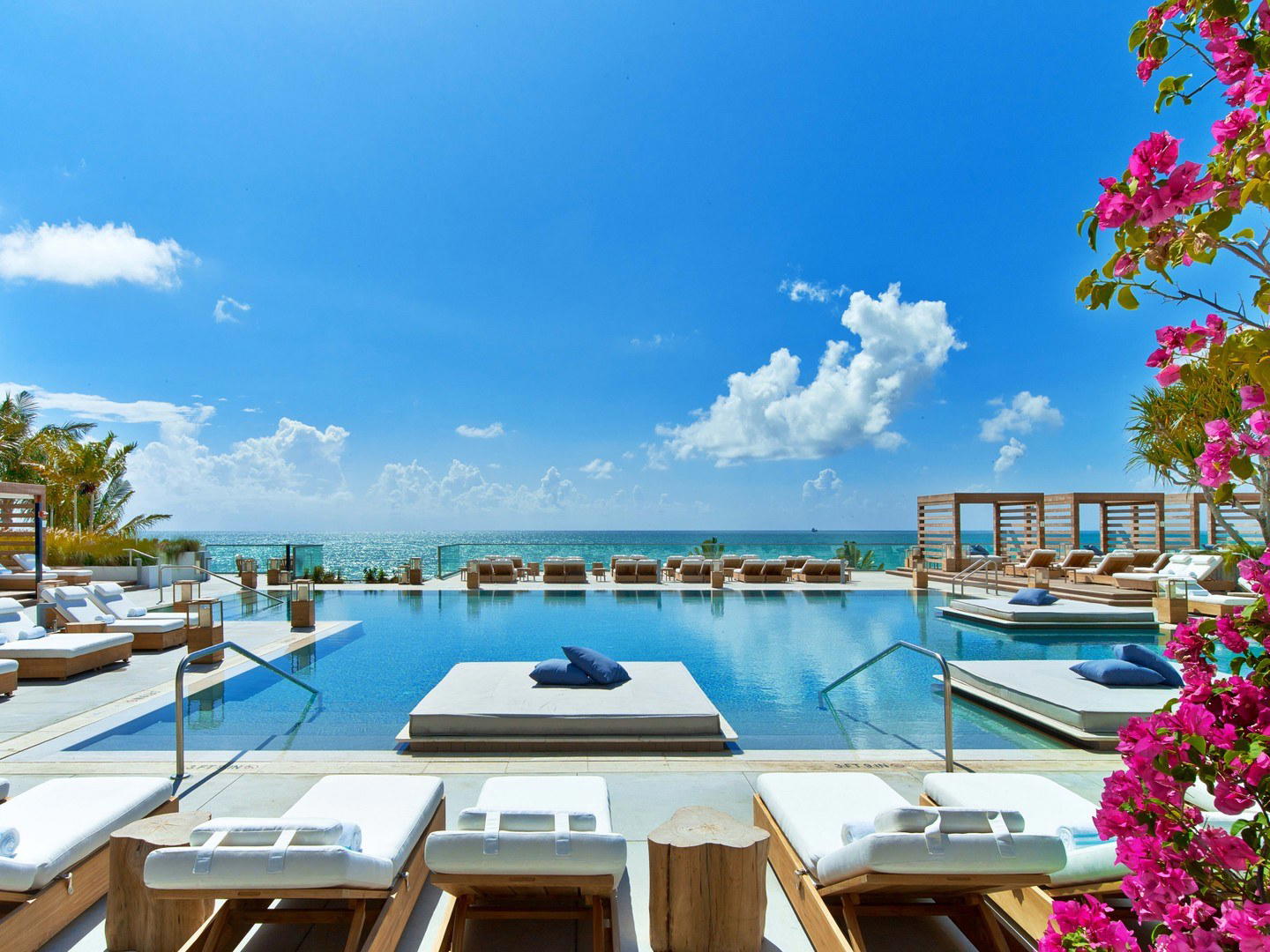
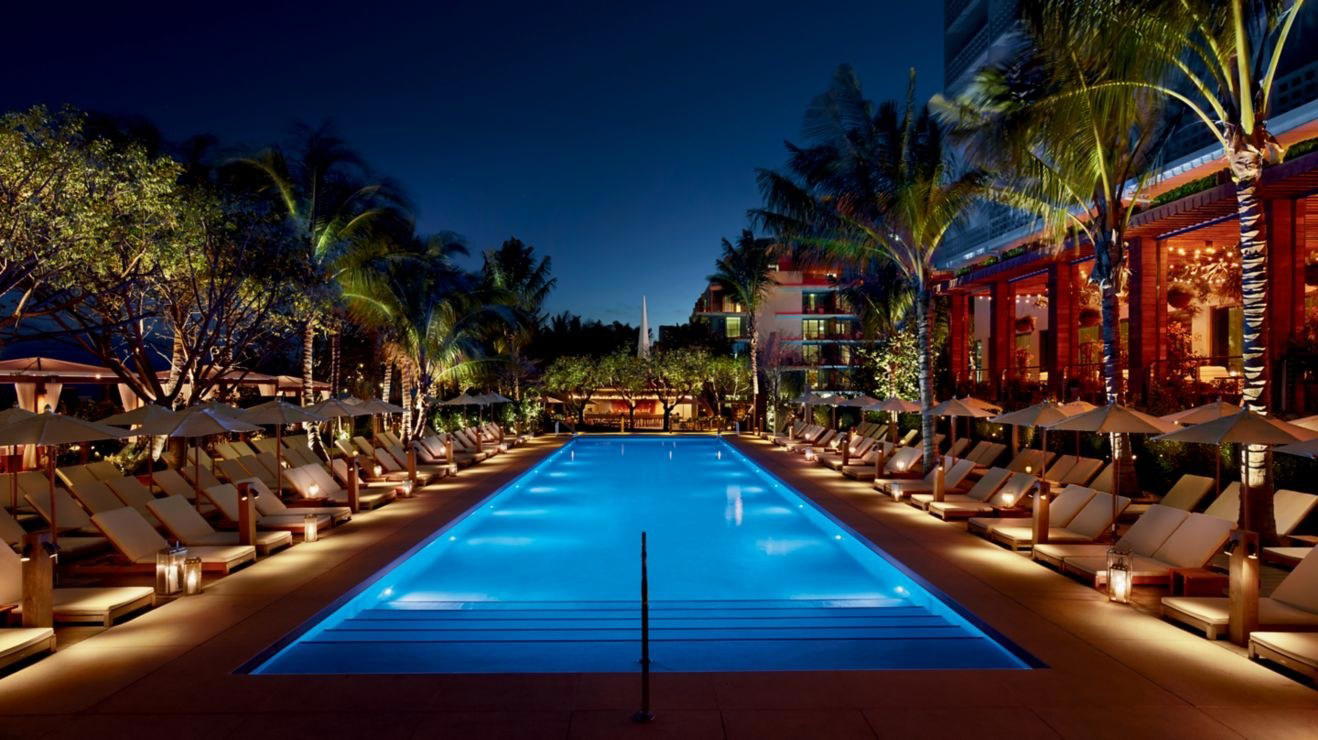
That choice has structural consequences for guests. The low-rise historic wing contains suites rather than standard rooms, which resets the scale expectation immediately. Corridors are narrower, ceilings lower in the Deco sections, and the progression from public spaces toward the pool and garden creates a compression-and-release effect that large-format hotels rarely achieve. The three pools, arranged in sequence, are among the better-known spatial signatures of the property, and they operate very differently from the single-pool resort format that dominates competitors one block east toward the ocean.
Where South Beach's Luxury Hotels Actually Sit
Miami Beach's upper-end hotel market has bifurcated over the past decade. One tier runs toward maximum-capacity programming: beach clubs, celebrity partnerships, high-decibel event spaces. The other, smaller tier operates on restraint and spatial depth, with lower key counts, more deliberate food and beverage programs, and guest profiles that skew toward repeat visitors rather than first-time South Beach arrivals. The Setai sits firmly in the second cohort. That positioning carries trade-offs: the property is quieter by design, which reads as either a feature or a limitation depending on what brought you to Miami Beach in the first place.
For comparison, the properties that share The Setai's competitive tier in the domestic market tend to be properties like those found in destination resort towns rather than urban beach strips. The closest parallels are hotels where the architecture does significant work to justify the rate, where the dining program is treated as a genuine revenue and reputation centre rather than a hotel amenity, and where the pool or outdoor space is considered a designed experience rather than a rectangle of water. That cohort, nationally, includes addresses from Napa to New York, where design-led hospitality commands a premium.
The Dining Program in Context
Hotel dining in Miami Beach exists on a spectrum. At one end are hotel restaurants that are essentially lobby bars with refined menus, trading on the address more than the kitchen. At the other end are hotel dining rooms that compete directly with standalone destination restaurants. The Setai's food and beverage operation has historically positioned toward the latter, with a restaurant that draws non-hotel guests and operates to a standard that requires it to be measured against the broader Miami dining scene rather than just the hotel corridor.
That broader scene is increasingly competitive. South Florida now hosts tables that carry national weight. For the dining-focused traveller, the question is not simply whether The Setai's restaurant is good relative to the hotel pool, but how it ranks against the wider Florida circuit or, for visiting Americans, against destination restaurant programs at places like The French Laundry in Napa, Alinea in Chicago, or Le Bernardin in New York City. The Setai's dining does not operate at that tier of accolades, but within the Miami Beach hotel dining segment it holds a position that the neighbourhood's more casual addresses cannot replicate.
Miami Beach's dining scene, away from the hotel circuit, includes a range of options that illustrate the area's range: the long-running American diner format at 11th Street Diner, the seafood-forward programming at A Fish Called Avalon, waterfront Italian at a'Riva, Cuban-inflected dining at Alma Cubana, and contemporary European at Amalia. The Setai's dining room operates in a different register from all of these, which is precisely the point: it is calibrated for guests who want to stay on-property and eat at a level that does not require compromise.
For context on what hotel dining looks like when it achieves a global standard, the reference points are properties where the kitchen earns recognition entirely independent of the hotel's brand, as seen at 8 1/2 Otto e Mezzo Bombana in Hong Kong or, domestically, at the dining rooms attached to properties with culinary programs that compete at the Addison in San Diego or Single Thread Farm in Healdsburg level. The Setai's dining is not in that conversation, but it occupies a credible middle ground that hotel dining in Miami Beach often fails to reach.
Timing and the South Beach Calendar
Miami Beach has a sharply seasonal rhythm. Winter, roughly December through April, represents peak demand across every category: hotel rates climb, restaurant reservations tighten, and the beach corridor operates at full capacity. The Setai, given its positioning at the calmer end of South Beach's luxury spectrum, sees its relative advantage most clearly in shoulder season. From May through October, when Collins Avenue's more event-driven properties lose energy, the architectural and spatial qualities of a property like The Setai become more apparent. The pools are less crowded, the pace shifts, and what was designed as an antidote to South Beach's volume becomes easier to appreciate as exactly that.
Art Basel Miami Beach, held each December, compresses the market in both directions: rates spike, and design-conscious guests specifically seek out hotels where the aesthetic sensibility aligns with the fair's programming. The Setai's Deco-meets-Asian-contemporary design language makes it a coherent choice for that week in a way that a more generically luxurious property would not be.
For a broader orientation to the area's dining and hospitality options, the full Miami Beach restaurants guide covers the neighbourhood's complete range. For reference on how hotel dining programs at other American luxury addresses are structured, the comparison set includes Blue Hill at Stone Barns in Tarrytown, Lazy Bear in San Francisco, Providence in Los Angeles, Atomix in New York City, The Inn at Little Washington, and Emeril's in New Orleans.
Know Before You Go
- Address: 2001 Collins Ave, Miami Beach, FL 33139
- Leading season: Shoulder season (May to early July; September to November) for lower rates and reduced crowds; Art Basel week (December) for design-focused programming
- Hotel position: Upper tier of South Beach luxury; design-led, lower-key than event-driven competitors on the same block
- Dining note: The on-property restaurant draws non-hotel guests; treat it as a standalone reservation rather than an automatic hotel perk
- Pool access: Three pools arranged sequentially; access policy for non-hotel guests varies by season and should be confirmed directly with the property
- Getting there: Collins Ave runs the full length of Miami Beach; the address sits in the northern section of South Beach, walkable from the main Art Deco Historic District
Similar Picks
A short peer table to compare basics side-by-side.
| Venue | Cuisine |
|---|---|
| The SetaiThis venue — the venue you are viewing | Not listed |
| Las’ Lap | Afro-Caribbean lounge / cuisine |
| Yue Chinese | Northern Chinese |
Continue exploring
More in Miami Beach
Restaurants in Miami Beach
Browse all →
Bars in Miami Beach
Browse all →
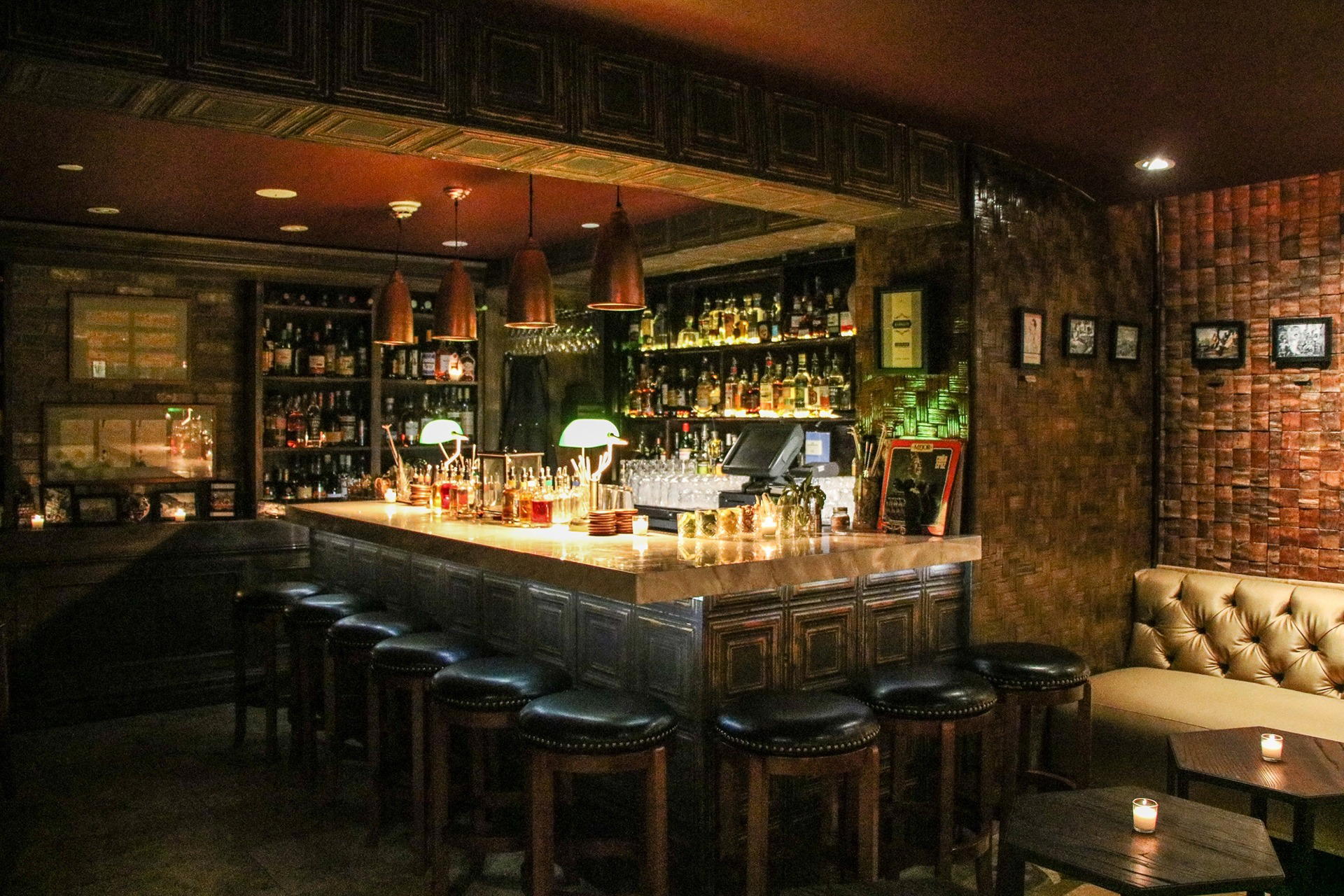
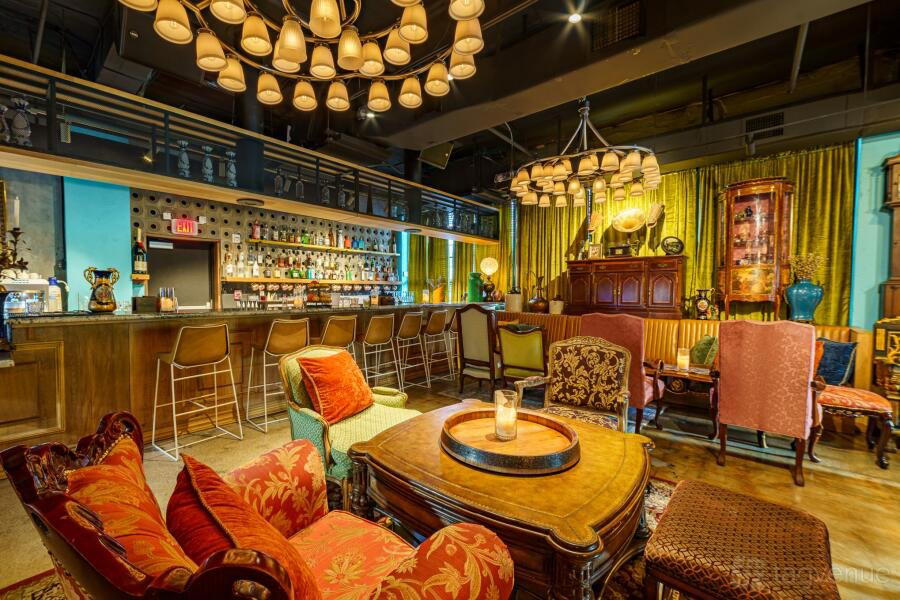
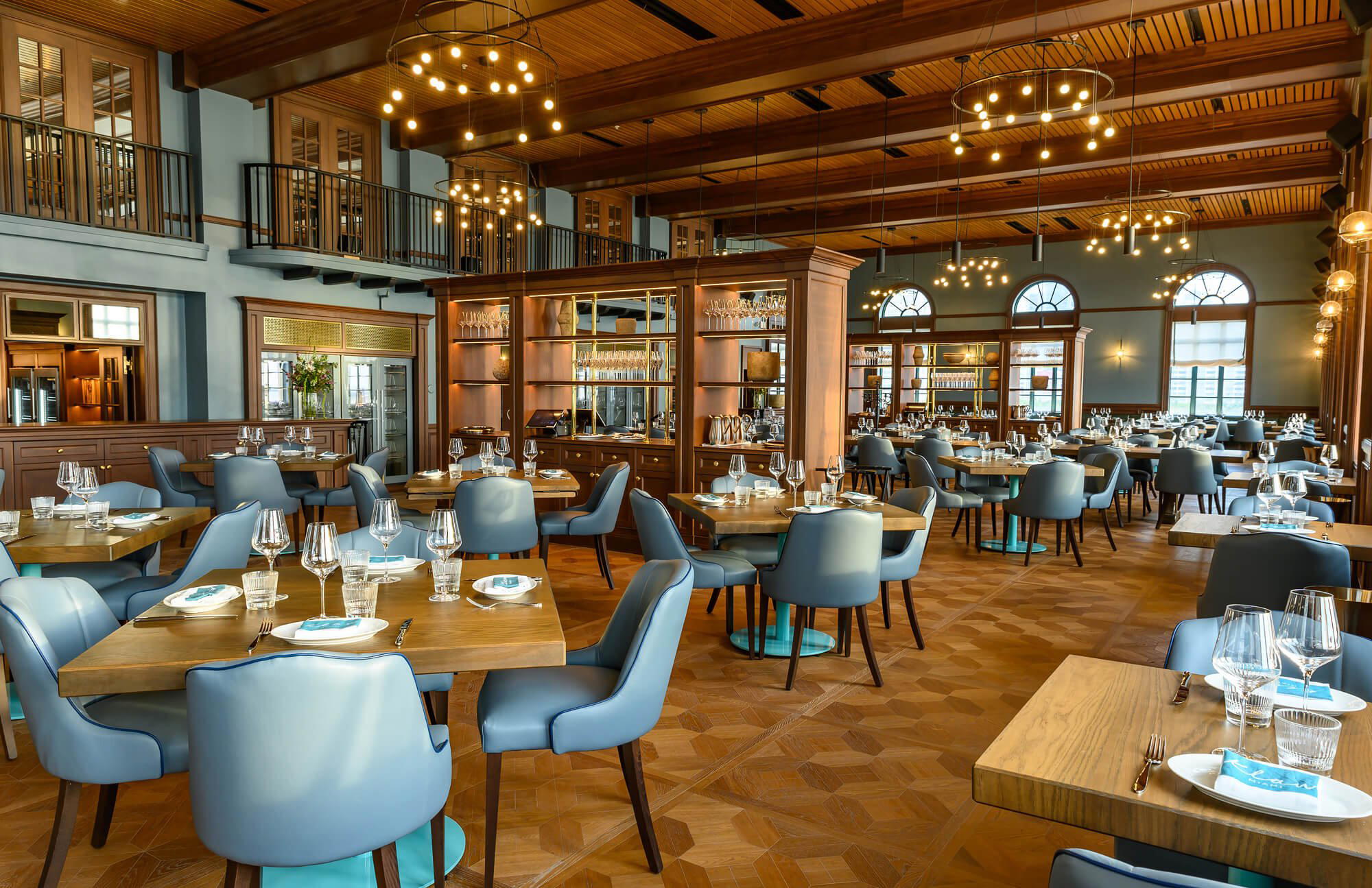
At a Glance
- Elegant
- Sophisticated
- Ornate
- Special Occasion
- Date Night
- Waterfront
- Hotel Restaurant
- Terrace
- Craft Cocktails
- Waterfront
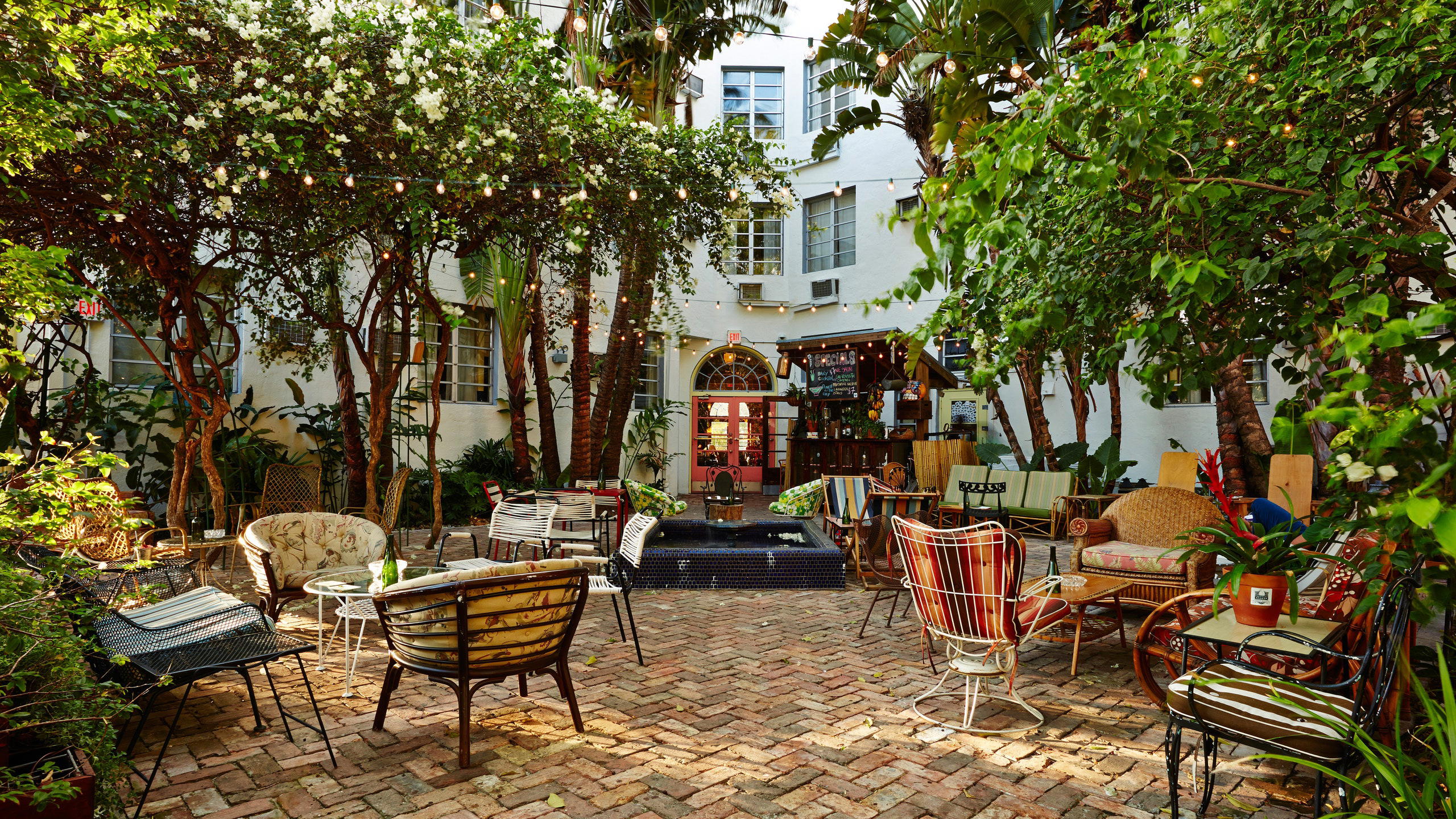
Serene and sophisticated with warm tropical elegance and inviting indoor and alfresco courtyard spaces.
Know Before You Go
- Getting there
- 2001 Collins Ave, Miami Beach, FL 33139