Japón at The Setai

Our verdict
Japón at The Setai occupies one of Miami Beach's most architecturally considered hotel settings, where Japanese culinary tradition meets the Collins Avenue luxury tier. The wine program operates at a level that rewards guests who look beyond the cocktail list, with cellar depth that positions it alongside the serious dining rooms of South Florida's upper bracket. Reserve well in advance, particularly during Art Basel season.

Pearl is the En Primeur Club membership app, where members save venues, book tables and use the concierge.
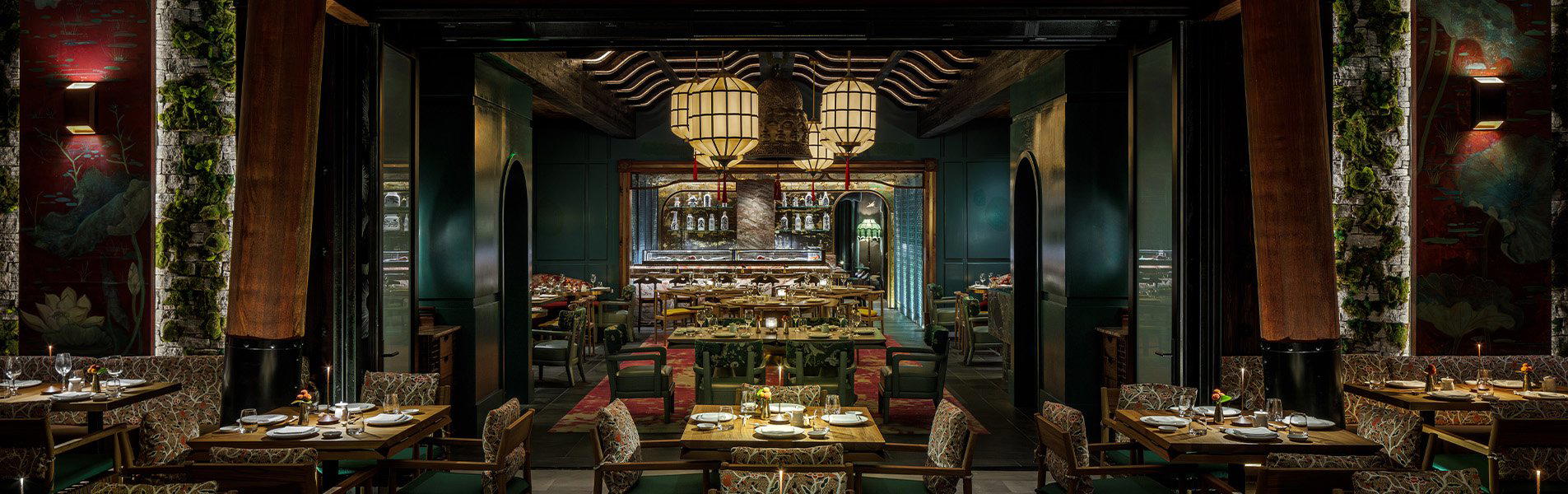
Collins Avenue, After Dark
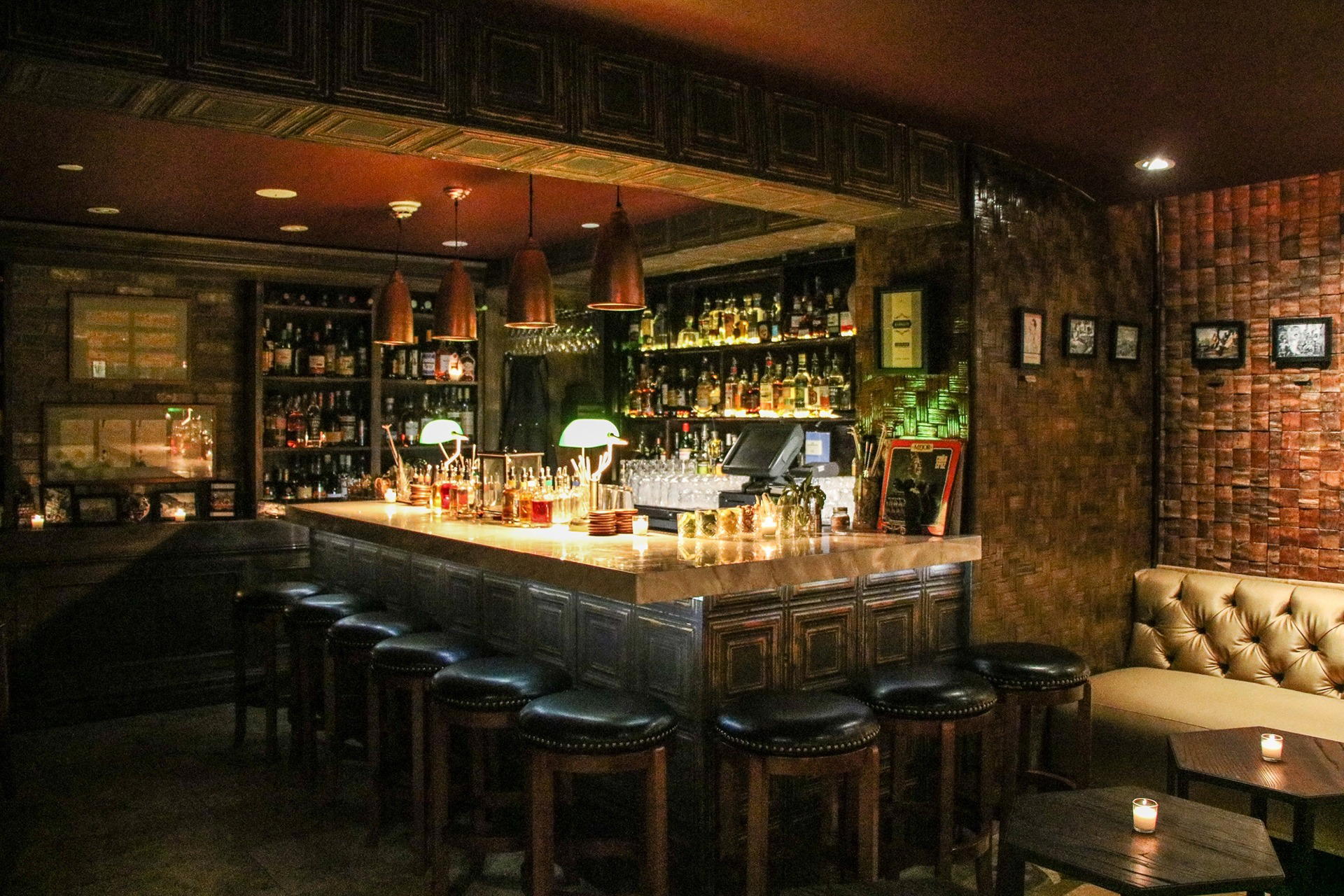
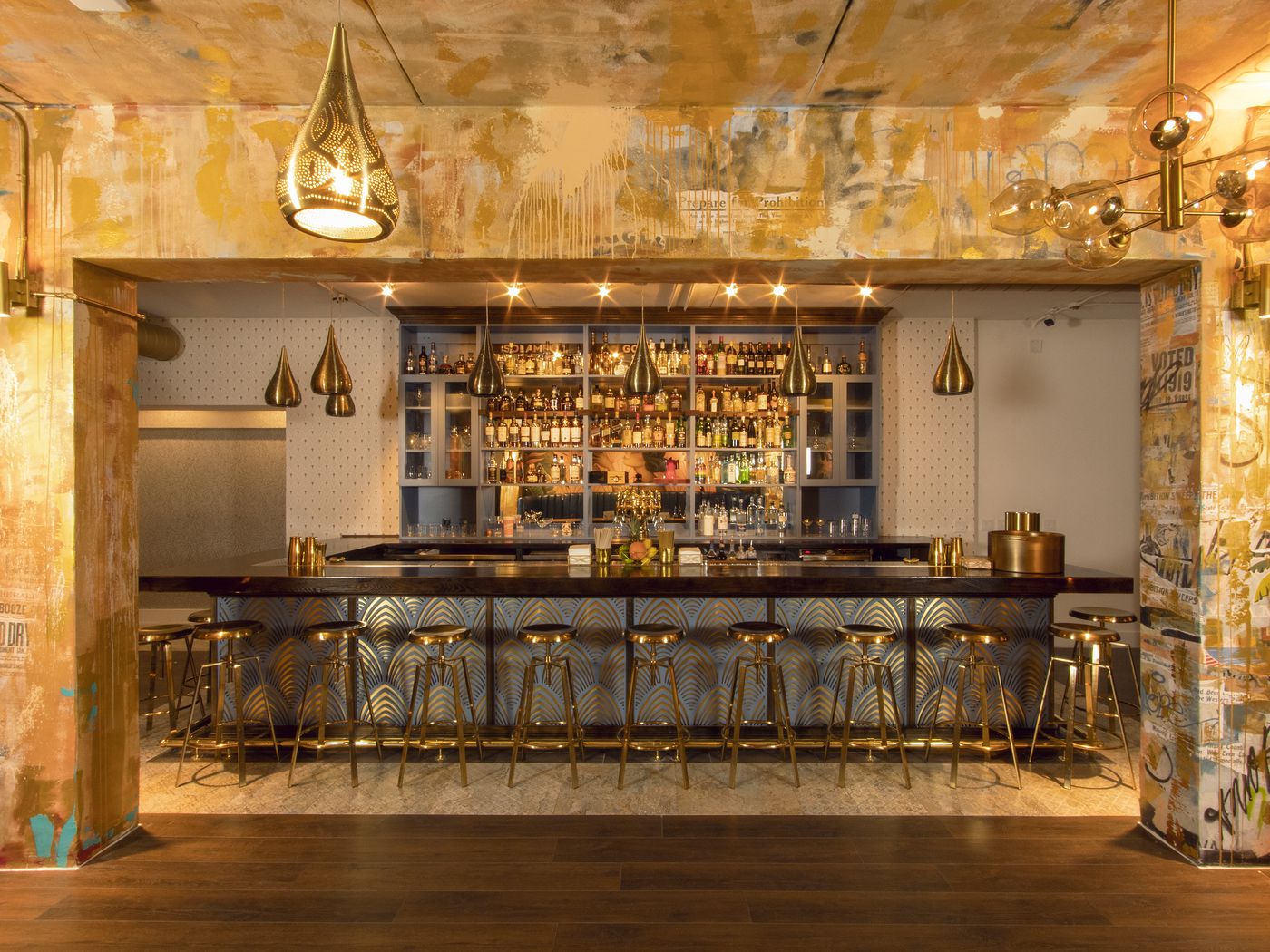
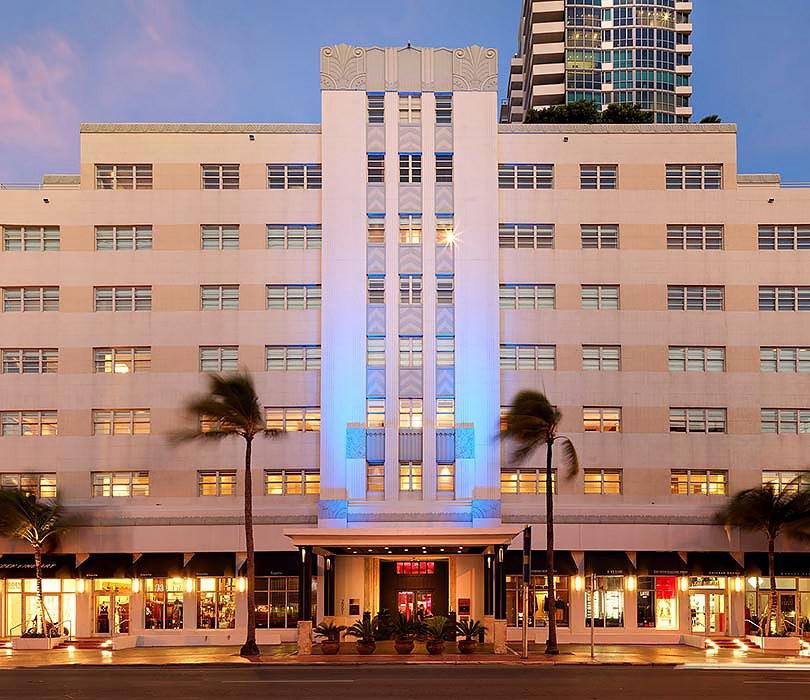
The Setai has always occupied a particular position on Collins Avenue, not the loudest property, not the most visible from the street, but the one that rewards the guest who already knows where they are going. The hotel's architecture draws from a 1930s Art Deco tower fused with a modernist Asian aesthetic, and the dining spaces reflect that same restraint: materials that absorb sound rather than amplify it, light levels that feel considered rather than dramatic. Japón at The Setai sits inside this environment, and the room reads accordingly, spare, precise, and calibrated for a guest who expects the setting to do less performative work than the plate and the glass.
Miami Beach's luxury dining scene has widened significantly over the past decade. Japón operates in that upper bracket, where the implicit contract with the guest is one of technical execution and program depth rather than spectacle. For context on how the broader Miami Beach restaurant market sits, see our full Miami Beach restaurants guide.
The Wine Program: Where the Serious Work Happens
In hotel dining at this level, the wine list often tells you more about institutional commitment than the menu does. A kitchen can perform well with a single talented team; a cellar with genuine depth requires years of purchasing decisions, storage discipline, and a sommelier operation that knows what the list is for. At the upper tier of Miami Beach hotel dining, wine programs have increasingly become a differentiator, the gap between a competent list and a genuinely considered one is wider here than in cities with deeper independent wine bar culture.
Japón's position within The Setai means it operates under the infrastructure of a hotel group that has made design and restraint its identity signals globally. That institutional posture tends to produce wine lists that lean toward precision and curation rather than volume, smaller selections held to a higher standard of condition and provenance, rather than encyclopedic lists that rely on the guest to do the editorial work. The framing here is Japanese cuisine, which opens specific conversations in the cellar: Burgundy at various price points for its textural affinity with delicate fish preparations, German Riesling for high-acid contrast with umami-forward dishes, and increasingly, aged Champagne as a food wine rather than an arrival drink.
Japanese restaurant wine culture has matured considerably in American dining rooms over the past fifteen years. The early default of sake-only programs has given way to lists that treat wine pairing with Japanese cuisine as its own discipline, one that demands different reasoning than pairing wine with European food. The logic isn't identical to what you'd encounter at Le Bernardin in New York City or Providence in Los Angeles, where classical French technique guides the pairing framework. Japanese cuisine asks different questions of the cellar: lower intervention, higher acid, and a tolerance for the savory and mineral that not every wine culture handles well.
Positioning Inside the Miami Beach Luxury Tier
The hotel dining room at this level in Miami Beach competes in a specific bracket. It is not the same market as the independent neighborhood restaurants along Española Way or the casual oceanfront spots on Ocean Drive. It is closer in competitive terms to the serious dining rooms attached to the city's other trophy properties, the kind of room where the check is expected to arrive at a certain number, and the guest has decided in advance that they are prepared for it.
Within the South Beach dining scene, there is a useful distinction between rooms that use their hotel address as the primary credential and rooms that have built a reputation independent of the lobby that surrounds them. The latter are rarer and more interesting. A Fish Called Avalon and a'Riva each operate with their own distinct culinary identities within the Miami Beach hotel context. Japón's framing through Japanese cuisine gives it a clearer positioning than the all-day Mediterranean formats that populate much of the competition, it is making a specific argument about what it does, which makes it easier to evaluate on its own terms.
For comparison across American fine dining more broadly, the discipline and program depth implied by this tier of hotel dining places Japón in a conversation with rooms like Addison in San Diego or Single Thread Farm in Healdsburg, not identical formats, but venues where the institutional commitment to quality operates at a recognizable level. The Korean-inflected precision of Atomix in New York City offers a useful reference point for understanding how Japanese and East Asian fine dining formats have evolved in American hotel-adjacent contexts.
When to Go and What to Consider
Miami Beach's dining calendar has two distinct operating tempos. Art Basel in early December compresses reservations across the upper tier, and the rooms that were bookable two weeks out in October become effectively unavailable without planning. The winter season running from December through April represents peak demand across the Collins corridor, with hotel rates and restaurant lead times both reflecting that pressure. Summer visits offer a quieter version of the same room, humidity is significant, but the tradeoff in terms of access and pace is real.
Guests staying at The Setai have a natural advantage in terms of access to Japón, though the restaurant operates as a dining destination in its own right rather than solely as an in-house amenity. The address at 2001 Collins Ave places it within walking distance of the denser South Beach blocks, though the property itself reads as a remove from that energy. Other Miami Beach options worth considering in the surrounding area include Alma Cubana, Amalia, and the historically grounded 11th Street Diner for a very different register of the neighborhood.
For those building a broader American fine dining itinerary around a Miami visit, the reference points extend outward: Alinea in Chicago, The French Laundry in Napa, Blue Hill at Stone Barns in Tarrytown, The Inn at Little Washington, Emeril's in New Orleans, Lazy Bear in San Francisco, and 8 1/2 Otto e Mezzo Bombana in Hong Kong for international context, all rooms that demonstrate what sustained program investment looks like across different culinary traditions.
Frequently asked questions
What's Japón at The Setai's location?
Japón at The Setai is located at 2001 Collins Ave, Miami Beach, FL 33139, Miami Beach.
How does Japón at The Setai compare to other Japanese dining options in Miami Beach?
Japón's placement inside The Setai at 2001 Collins Ave separates it from street-level Japanese concepts across Miami Beach: the hotel context brings a calibrated service standard and a wine program that most standalone Japanese restaurants in the city don't match. For guests already staying at The Setai, the convenience is a genuine factor, but local diners seek it out specifically for the Japanese-inflected kitchen within a luxury hotel setting that doesn't perform loudly for the room.
What do people recommend at Japón at The Setai?
Japón sits inside The Setai at 2001 Collins Ave, a property known for restraint over spectacle, so regulars tend to lean on the kitchen's Japanese-influenced preparations rather than the room's profile. The wine program draws consistent attention from guests who treat it as a serious list rather than a hotel afterthought. Given the venue's positioning in Miami Beach's upper dining tier, the omakase-style or tasting formats are where the kitchen's intentions read most clearly.
Is Japón at The Setai reservation-only?
Walk-in availability at this address on Collins Avenue is genuinely limited, particularly during Art Basel in early December when reservations across Miami Beach's upper tier compress sharply. The safer approach is to book in advance through The Setai directly. During shoulder season, late January through April, same-week reservations become more realistic.
What's the signature at Japón at The Setai?
Japón operates in a register where Japanese culinary discipline meets a Miami Beach setting, which means precision-driven preparations rather than fusion novelty. The wine program, uncommon for a hotel Japanese concept, carries enough depth to function as a standalone draw. Those details together define the kitchen's identity more reliably than any single dish.
Can Japón at The Setai adjust for dietary needs?
The Setai's hotel dining infrastructure at this level on Collins Avenue typically supports dietary accommodation requests, and a Japanese-oriented kitchen with access to plant-based and pescatarian frameworks has structural flexibility built in. Communicating requirements at the time of reservation, rather than upon arrival, gives the kitchen the preparation window it needs.
Is Japón at The Setai good value for money?
Japón competes in Miami Beach's hotel dining bracket, which prices against properties like the Faena and 1 Hotel South Beach rather than the independent neighborhood restaurant market. At that tier, the per-person spend reflects the room, the wine list depth, and the service infrastructure as much as the plate. Whether that equation works depends on whether you're treating the evening as dinner or as an occasion.
At-a-Glance Comparison
Comparable venues nearby, for context on price, style, and recognition.
| Venue | Cuisine | Price | Awards | Notes |
|---|---|---|---|---|
| Japón at The SetaiThis venue (the venue you are viewing) | Contemporary Japanese | $200–300 | Not listed | Not listed |
| OMAWEI at The Bath Club | Modern Japanese Omakase | $200–300 | Not listed | Mid-Beach |
| Sushi Bichi | Japanese Coastal Fusion Sushi | $50–100 | Not listed | North Beach |
| Moshi Moshi | Japanese Izakaya & Sushi | Not listed | Not listed | South Beach |
| estiatorio Milos Miami Beach | Refined Greek Seafood | $150–200 | Michelin Plate · Wine Spectator Award of Excellence | South of Fifth |
| J'Adore Miami Beach | New World with Latin and Caribbean Soul | $50–100 | Not listed | South Beach |
Recognition history
Dated appearances from independent guides and award organizations, with the underlying list record or original source where available.
Opinionated About Dining Top Restaurants in North America Recommended
Opinionated About Dining
Continue exploring
More in Miami Beach
Restaurants in Miami Beach
All restaurants in Miami Beach →
Bars in Miami Beach
All bars in Miami Beach →
Details
- Elegant
- Sophisticated
- Ornate
- Special Occasion
- Date Night
- Celebration
- Hotel Restaurant
- Open Kitchen
- Courtyard
- Private Dining
- Sake Program
- Craft Cocktails
- A La Carte
- Small Plates
- Set Menu
- Sake Program
Current opening hours
- Monday
- 5–11 PM
- Tuesday
- 5–11 PM
- Wednesday
- 5–11 PM
- Thursday
- 5–11 PM
- Friday
- 5–11 PM
- Saturday
- 5–11 PM
- Sunday
- 5–11 PM
Hours can change for holidays and private events. Hours as of .
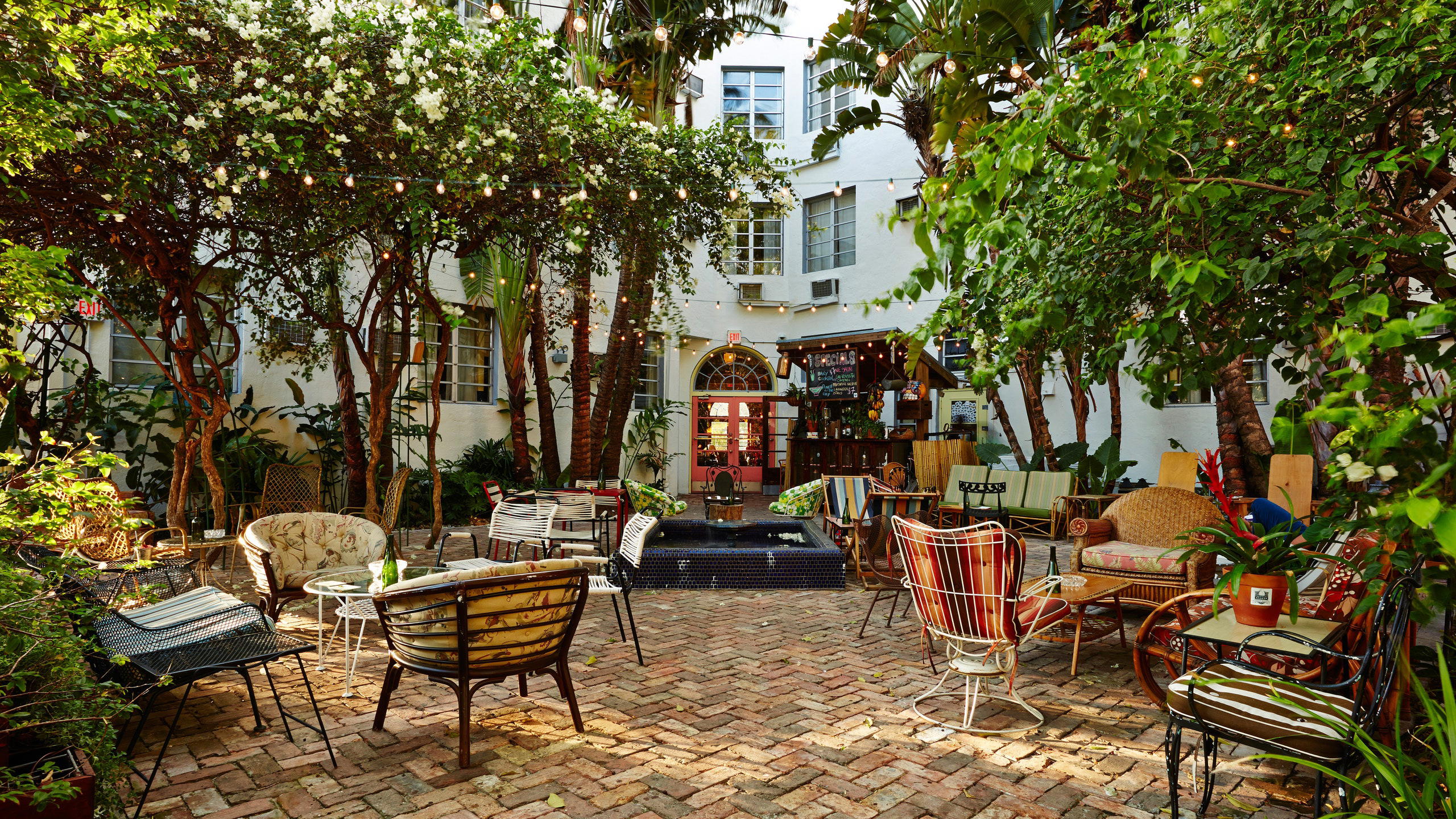
Handsome, moody-painted dining room opening onto a courtyard with performances over the pool, blending elegance and vibrancy.