The Satisfactory
On Hauptplatz in the heart of Spittal an der Drau, The Satisfactory occupies one of Carinthia's more quietly considered dining addresses. The restaurant sits within a town better known for its Renaissance Schloss Porcia than its table culture, making it a point of reference for visitors looking beyond the region's mountain-resort dining circuit. Practical details on booking and format are best confirmed directly with the venue.
Pearl is the En Primeur Club membership app — saves, bookings, and concierge access live there. Same editors, same standards.
- Address
- Hauptpl. 12, 9800 Spittal an der Drau, Austria
- Phone
- +434347622217
- Website
- the-satisfactory.at
- Directions
- Get directions
 Saves & bookings on Pearl
Carinthia's Dining Scene and Where Spittal Fits
Austria's restaurant culture outside Vienna and Salzburg tends to cluster around two poles: the high-altitude resort dining of Tyrol and Vorarlberg, where addresses like Griggeler Stuba in Lech and Stüva in Ischgl draw a seasonally concentrated clientele, and the slower, more rooted tradition of the southern provinces, where Carinthia in particular maintains a culinary identity shaped as much by Slovenian and Italian proximity as by alpine convention. Spittal an der Drau sits in the latter territory, a market town in upper Carinthia with a Renaissance town square that predates the skiing economy by several centuries. Dining here operates on different terms than in the resort corridors: less dependent on a narrow winter window, more reflective of the region's year-round agricultural and cultural rhythms.
That context matters when considering The Satisfactory, which occupies a central position on Hauptplatz at number 12. The address itself signals something about positioning: Hauptplatz locations in Austrian provincial towns carry a particular civic weight, historically associated with commerce, hospitality, and public life rather than the intimate side-street settings that characterise destination dining in larger cities. A restaurant on the main square of a town like Spittal is, by definition, oriented toward the local community as well as toward visitors passing through on the Drau valley corridor between Villach and the eastern Tyrol.
The Cultural Register of Austrian Provincial Dining
To understand what a restaurant like The Satisfactory is likely doing, it helps to understand the broader tradition it operates within. Austrian provincial dining, particularly in Carinthia and Styria, has long maintained a distinct character from the Viennese haute cuisine represented by addresses like Steirereck im Stadtpark in Vienna. Where the capital's leading tables have moved toward creative tasting formats and international reference points, provincial cooking in the southern Alps tends to preserve stronger connections to local produce, inherited technique, and the kind of direct hospitality that defines a Gasthaus rather than a Gourmetrestaurant.
This is not a lesser tradition. Restaurants such as Landhaus Bacher in Mautern an der Donau and Obauer in Werfen have demonstrated that deeply regional Austrian cooking, when executed with sustained precision, can hold its own against more internationally styled competition. The question for any Carinthian address is how it positions itself along the spectrum from traditional Gasthausküche to contemporary regional fine dining, and whether it treats that spectrum as a constraint or an opportunity.
Carinthia's culinary specificity runs deep. The province's Kasnudeln, a filled pasta that reflects centuries of cross-border exchange with Slovenia and Friuli, is as emblematic of regional identity as Wiener Schnitzel is of the capital. Lake fish from the Wörthersee and Millstätter See feature prominently in local kitchens, as do cured meats and aged cheeses from the surrounding valleys. A restaurant operating on Hauptplatz in Spittal is almost certainly drawing on this repertoire in some form, whether through direct sourcing or through the cultural expectations of its local clientele.
Positioning Within the Wider Austrian Restaurant Circuit
Austria's restaurant recognition infrastructure, anchored by Michelin's Austria guide and the Gault&Millau; ratings, concentrates heavily on Vienna, Salzburg, and the Tyrolean resort towns. The restaurants that appear consistently in that recognition tier, from Döllerer in Golling an der Salzach to Ikarus in Salzburg and Kräuterreich by Vitus Winkler in Sankt Veit im Pongau, share a common orientation toward structured tasting formats, regional sourcing with contemporary technique, and a booking model that treats scarcity as a signal of quality.
Carinthia has fewer entries in that tier, which creates a particular dynamic for serious diners visiting the province. Restaurants in towns like Spittal often occupy a middle position: too treated as dismissed as casual, not sufficiently credentialed to attract destination-dining pilgrims on name alone.
For contrast, it is worth noting how Austria's creative fine dining end of the spectrum operates. Gourmetrestaurant Tannenhof in Sankt Anton am Arlberg and Schwarzer Adler in Hall in Tirol represent one end of the provincial fine dining spectrum, while addresses like Ois in Neufelden and Restaurant 141 by Joachim Jaud in Mieming show how smaller Austrian towns can sustain ambitious cooking outside the resort economy. Artis in Graz and Taubenkobel in Schützen am Gebirge further illustrate that the provinces sustain serious cooking across multiple formats and price brackets. The Satisfactory operates in a town without that kind of peer density, which shapes both its role and its audience.
Practical Considerations for Visitors
The Hauptplatz address puts the restaurant within easy reach of the Schloss Porcia and the town's modest but genuinely old-fashioned market square, making it a natural anchor for a half-day or full-day visit to the town rather than a standalone destination requiring significant logistical planning.
Visitors should contact the restaurant directly before travelling, especially if arriving outside peak summer season. This is particularly relevant for those arriving outside peak summer season, when provincial Austrian restaurants sometimes adjust their opening schedules. A comparable approach applies to nearby Juicy Lucy, another Spittal address worth confirming ahead of a visit.
For international reference, the kind of regional-produce-led dining shares conceptual territory with what kitchens like Le Bernardin in New York City do with seafood specificity, or what Atomix in New York City does with cultural rootedness in a contemporary format. The scale and ambition differ considerably, but the underlying commitment to a defined culinary identity over generic crowd-pleasing is the same principle operating at different price points and in different cultural registers.
Budget and Context
Comparable venues nearby, for context on price, style, and recognition.
| Venue | Cuisine | Price | Notes |
|---|---|---|---|
| The SatisfactoryThis venue — the venue you are viewing | Not listed | $$$ | Not listed |
| Juicy Lucy | Not listed | $$ | Spittal an der Drau, American Soul Food with Vegan Options |
| magazin | Not listed | $$$ | Mönchsberg, Austrian-International Fusion |
| Q Restaurant | Windischgarsten, Modern Fusion Cuisine | $$$ | Not listed |
| Seetalblick | Murtal, Modern Austrian-Asian Fusion | $$$ | Not listed |
| Miss Cho | Innere Stadt, Pan-Asian Fusion | $$$ | Not listed |
Continue exploring
More in Spittal An Der Drau
Restaurants in Spittal An Der Drau
Browse all →
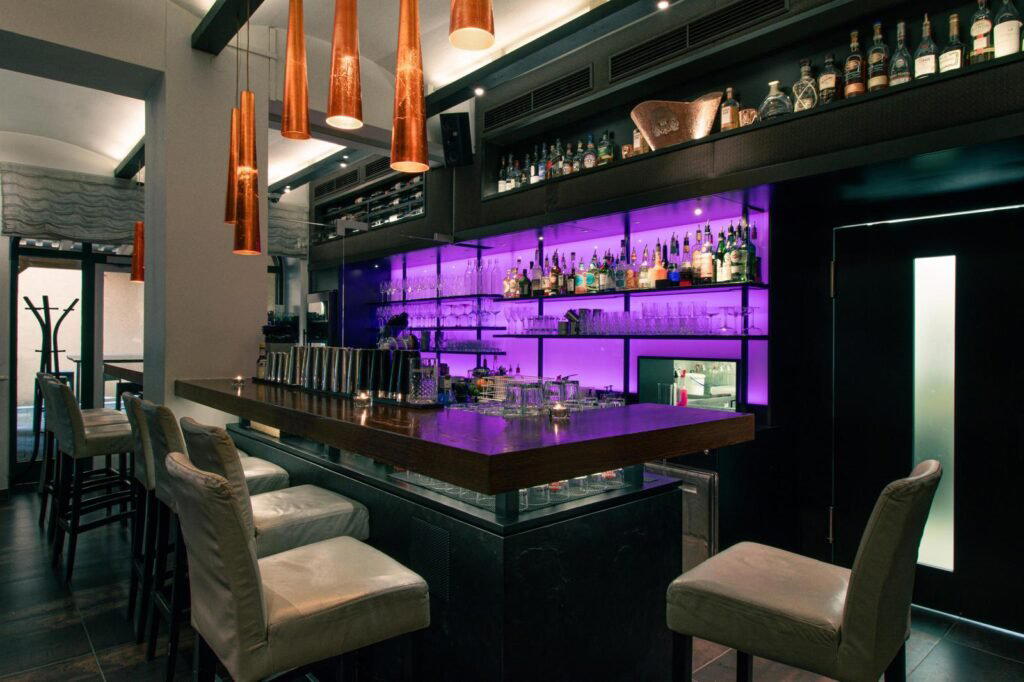
Bars in Spittal An Der Drau
Browse all →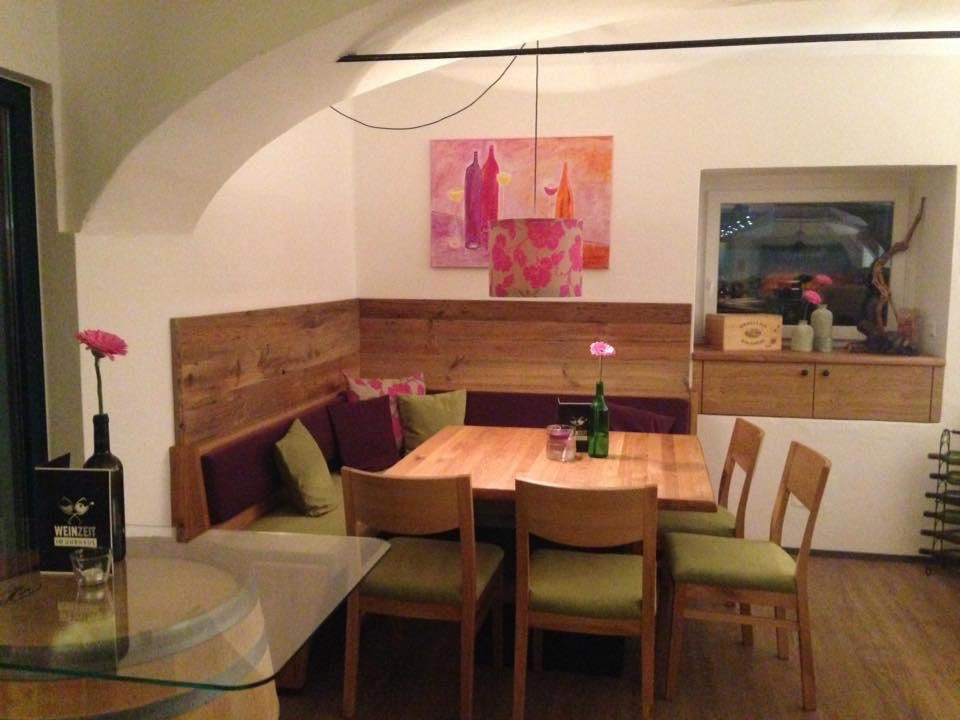
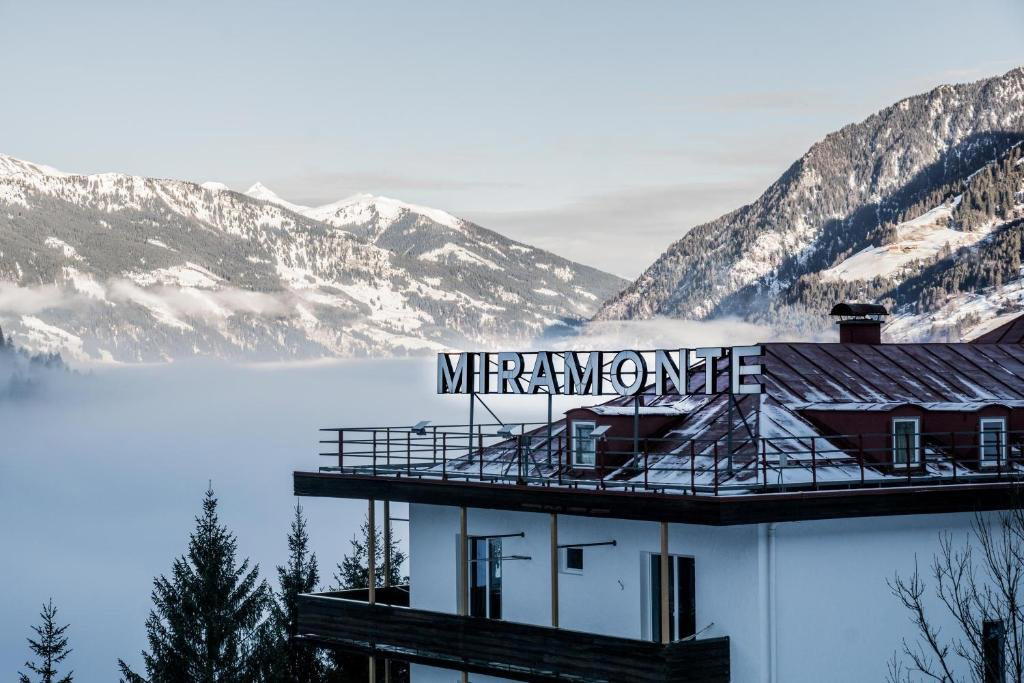
Hotels in Spittal An Der Drau
Browse all →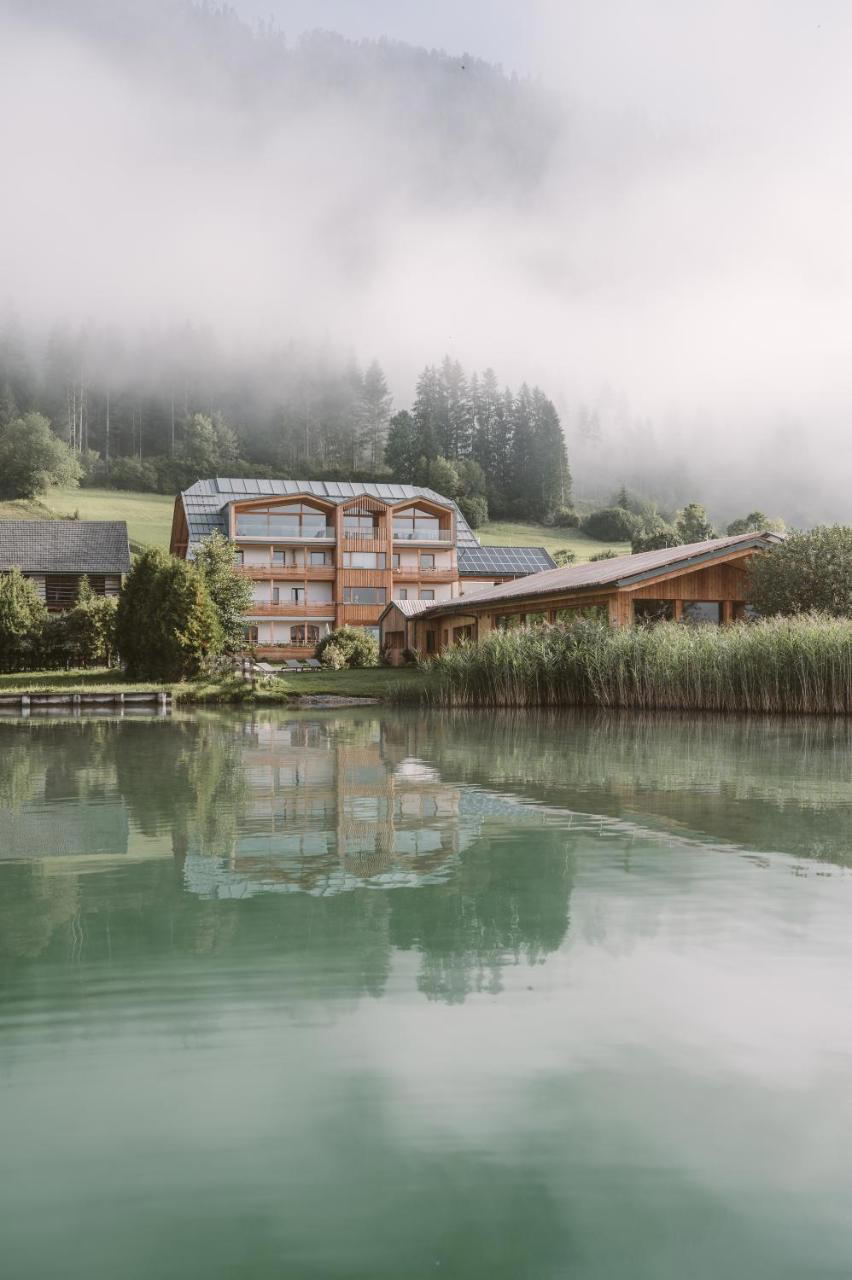


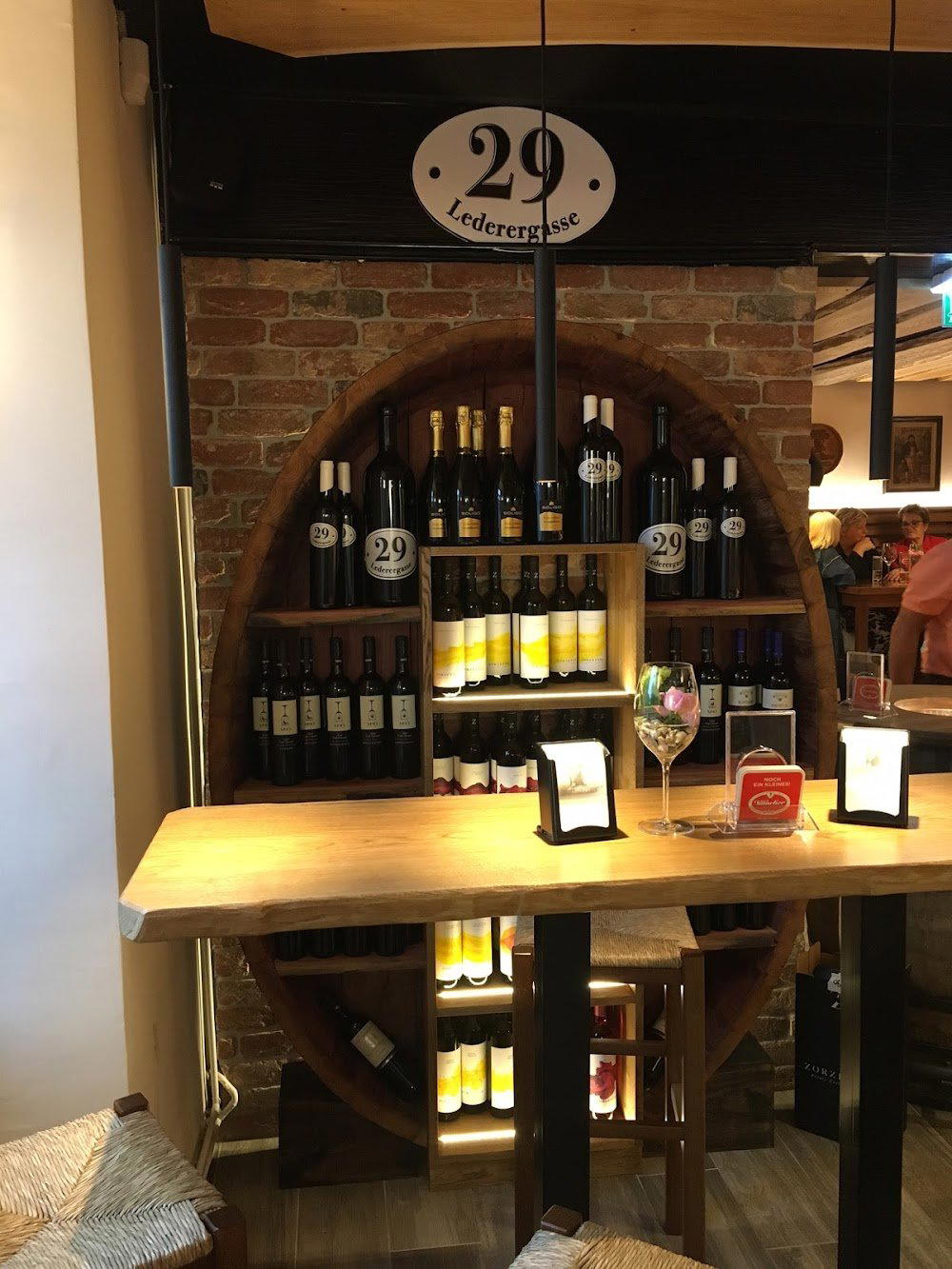
Wineries in Spittal An Der Drau
Browse all →
At a Glance
- Modern
- Trendy
- Cozy
- Family
- Group Dining
- Casual Hangout
- Open Kitchen
- Beer Program
Current opening hours
- Monday
- Closed
- Tuesday
- 5–11 PM
- Wednesday
- 5–11 PM
- Thursday
- 5–11 PM
- Friday
- 5 PM–12 AM
- Saturday
- 5 PM–12 AM
- Sunday
- Closed
Hours can change for holidays and private events. Last verified .
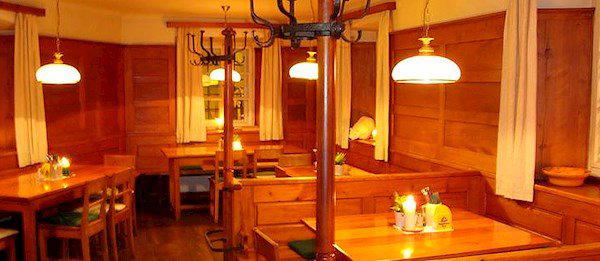
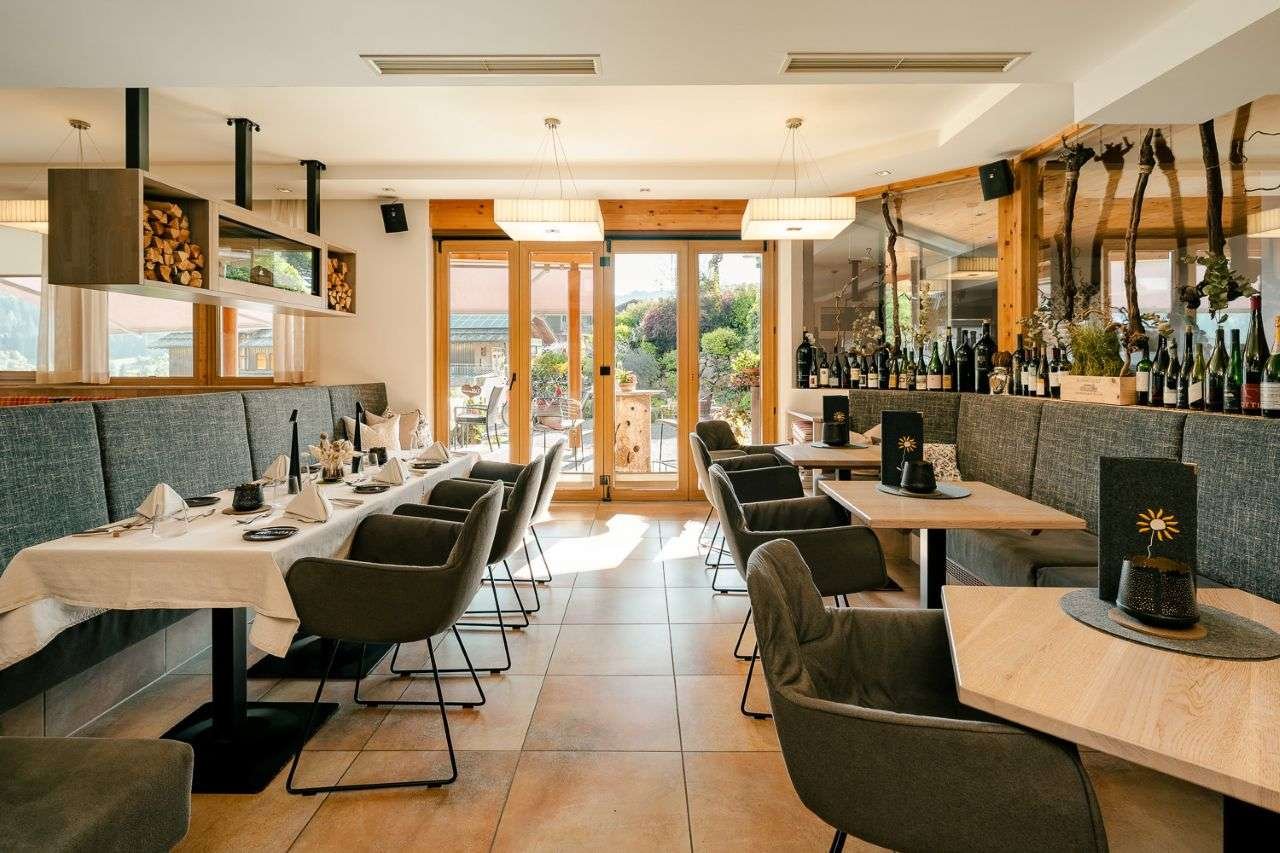
Stylish and creative urban atmosphere with distinctive interior that blends multiple gastronomic styles, praised for its trendy and welcoming vibe.