Seetalblick sits in the quiet Styrian uplands near Obdach, at an address, Mönchegg 15a, that rewards those willing to look beyond the main tourist corridors of Austrian dining. The surrounding agricultural terrain shapes what arrives on the plate, placing this in a tradition of rurally anchored Styrian cooking that has quietly defined the region's table for generations. Verify current hours and booking details directly before your visit.
Pearl is the En Primeur Club membership app — saves, bookings, and concierge access live there. Same editors, same standards.
- Address
- Mönchegg 15a, 8742 St. Wolfgang, Austria
- Phone
- +43357841954
- Website
- seetalblick.at
- Directions
- Get directions
 Saves & bookings on Pearl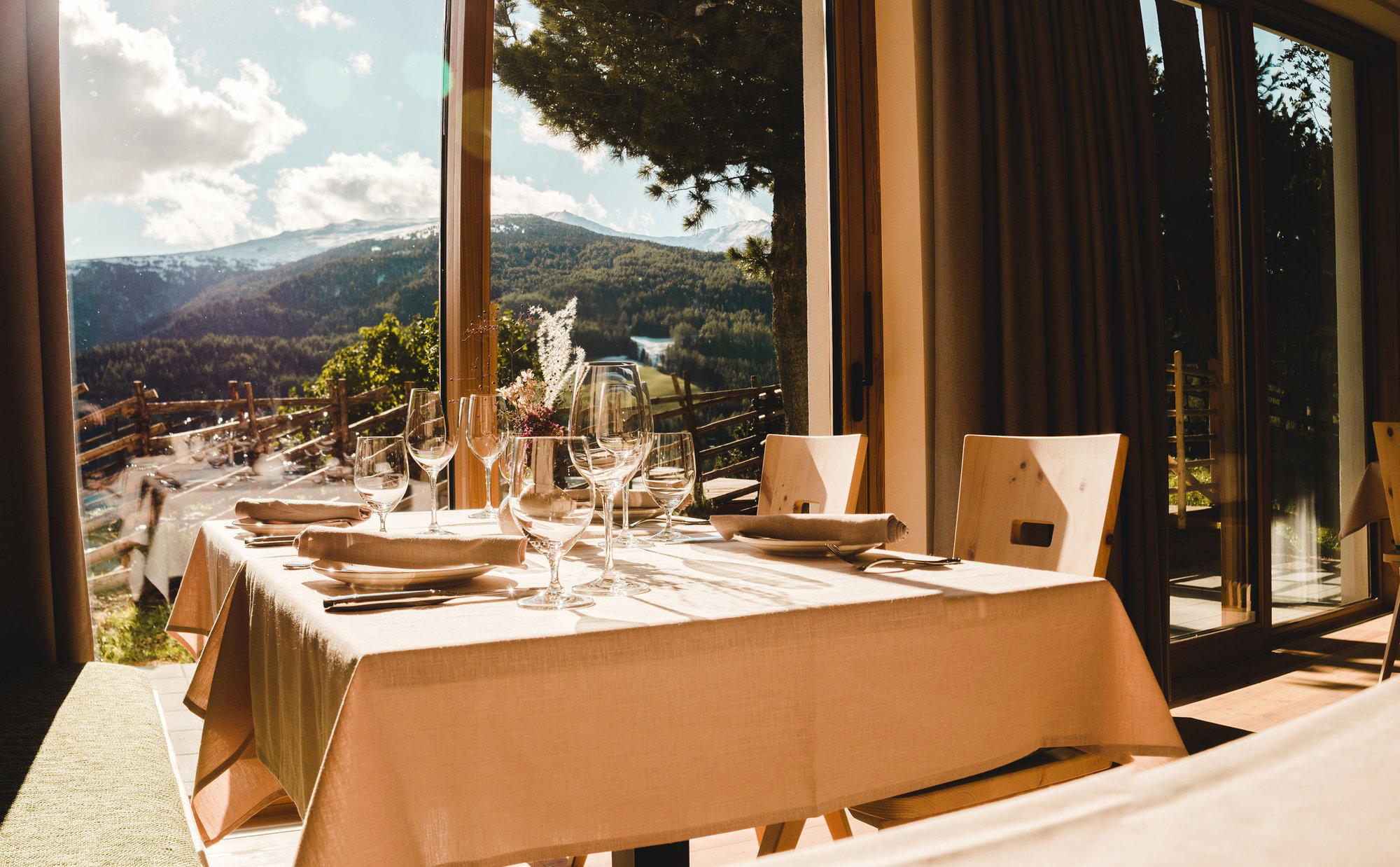
Where the Styrian Uplands Set the Table
Austria's restaurant conversation tends to compress around a handful of well-mapped coordinates: Vienna's grand dining rooms, the Salzburg festival circuit, the alpine resort kitchens of Arlberg and Ischgl. The Styrian interior, by contrast, operates at a different register. Towns like Obdach sit in a fold of the Mur valley hinterland where the agricultural texture of the landscape determines what regional cooking looks like, not as a marketing proposition, but as a practical reality shaped by what farmers, foragers, and smallholders can reliably produce in this elevation and climate.
Seetalblick occupies this context. The address, Mönchegg 15a in the municipality of St. Wolfgang near Obdach, places it firmly within Austria's rural dining map. That geographic position is not incidental. Styrian kitchens at this latitude have historically worked with what the surrounding valley floors and hillside pastures provide: pumpkin in autumn, lamb from the upland grazing grounds, cultivated and foraged herbs from the valley slopes, freshwater fish from nearby streams. The seasonal rhythm is less a menu strategy than a structural condition of cooking here.
Ingredient Logic in the Styrian Interior
The broader tradition of ingredient-led cooking in Austria's rural south has gained international reference points in recent years. Döllerer in Golling an der Salzach built its reputation on a hyper-regional sourcing logic tied to the Salzach valley, while Kräuterreich by Vitus Winkler in Sankt Veit im Pongau made herb cultivation and mountain terroir a defining frame. These kitchens share a premise: that the distance between source and plate is itself a form of argument about quality.
In Styria specifically, this argument has particular force. The region produces Austria's most recognizable culinary export, Kürbiskernöl, the cold-pressed pumpkin seed oil with protected designation of origin, alongside Styrian beef, lamb from mountain pastures, and a wine tradition in the southern Steiermark that increasingly draws international attention. What this means for a kitchen operating in the Styrian uplands near Obdach is that the sourcing infrastructure exists to make localism coherent rather than aspirational. The question for any restaurant in this terrain is how rigorously it commits to that infrastructure.
For regional context at the upper end of Austrian fine dining, kitchens like Steirereck im Stadtpark in Vienna and Landhaus Bacher in Mautern an der Donau demonstrate how Austrian produce, when treated with discipline and without unnecessary internationalization, can anchor menus that hold their own against any European benchmark. The Styrian interior operates at a more intimate scale, but the underlying logic of seasonality and provenance is consistent with that tradition.
The Character of Rural Austrian Dining Rooms
Approaching a restaurant in this part of Styria, the physical environment tends to do much of the framing work before a menu arrives. The Styrian uplands offer a quiet that is genuinely uncommon in European dining: no traffic hum, no compressed urban street noise, an absence of the ambient density that defines even mid-sized Austrian towns. Light at this elevation changes quickly across a meal's duration in the warmer months, shifting from late-afternoon gold through dusk in a way that becomes part of the dining occasion itself.
Rural Austrian restaurants of this type typically seat guests in spaces that reflect the agricultural architecture of the region, timber, stone, modest scale, rather than the international hospitality design language that has standardized the interiors of resort and city restaurants from Lech to Vienna. At Griggeler Stuba in Lech or Gourmetrestaurant Tannenhof in Sankt Anton am Arlberg, the alpine resort context shapes both design and pricing in specific ways. A kitchen in the Styrian interior operates under different pressure, with a guest profile drawn more from regional loyalists and food-motivated travelers than from international ski season visitors.
This matters for what a meal here is likely to feel like. The pace tends to be unhurried in a way that is structural rather than performative. Kitchens in less commercially pressured rural settings typically run fewer covers and depend on regulars and word-of-mouth rather than walk-in volume, which shapes service cadence as much as any deliberate hospitality philosophy.
Placing Seetalblick in the Austrian Rural Dining Map
Austria's recognized rural restaurants, those that have drawn sustained critical attention, share a few common signals: deep relationships with local producers, menus that shift meaningfully with the calendar, and a willingness to prioritize regional coherence over international legibility. Obauer in Werfen and Taubenkobel in Schützen am Gebirge both built recognition on this basis, in locations that required guests to travel deliberately rather than stumble in by accident.
Seetalblick's position near Obdach places it in similarly non-accidental territory. Reaching St. Wolfgang requires intention. The nearest significant rail connection is Judenburg, roughly 15 kilometers to the northeast, with onward road access into the valley. Visitors arriving by car from Graz face approximately 80 kilometers of driving, much of it through agricultural upland rather than motorway. This is not a casual stop on the way to somewhere else; it operates as a destination in its own right, which tends to self-select for guests who approach a meal with some degree of prior commitment.
For those building an Austrian food itinerary that extends into less-charted Styrian territory, pairing a visit here with the Graz dining scene, Artis in Graz offers a useful urban counterpoint, makes geographic sense. Alternatively, the Styrian and Salzburg corridor links logically to kitchens like Atelier Fischer in Sankt Gilgen or Ikarus in Salzburg, though these represent different price tiers and dining formats. See our full Obdach restaurants guide for a broader view of what the area supports.
Planning a Visit
Venue-specific details, current hours, pricing, booking method, and seasonal closures are not included here. Given the rural location and the likelihood of limited covers, advance planning is advisable. The address is Mönchegg 15a, 8742 St. Wolfgang, Austria. Reservations are recommended, particularly if you are coordinating travel around a specific date.
Comparable Venues
Comparable venues nearby, for context on price, style, and recognition.
| Venue | Cuisine | Price | Notes |
|---|---|---|---|
| SeetalblickThis venue — the venue you are viewing | Modern Austrian-Asian Fusion | $$$ | Not listed |
| NOVA-AIR Graz | International Fusion with Austrian & Styrian Influences | $$$ | Gösting |
| Chalet Moeller | Modern Fusion with Asian Influences | $$$ | Neuwaldegg |
| Momoya Fusion Restaurant | Asian Fusion Sushi & Street Food | $$$ | Staatsoper |
| Stölzl Schloss Wolfsberg | Modern Regional Austrian with Mediterranean Influences | $$$ | Lavanttal |
| my Indigo Atrio | Asian Fusion Energy Bowls & Hot Pots | $$ | Villach city center |
Continue exploring
More in Obdach
Restaurants in Obdach
Browse all →
Bars in Obdach
Browse all →
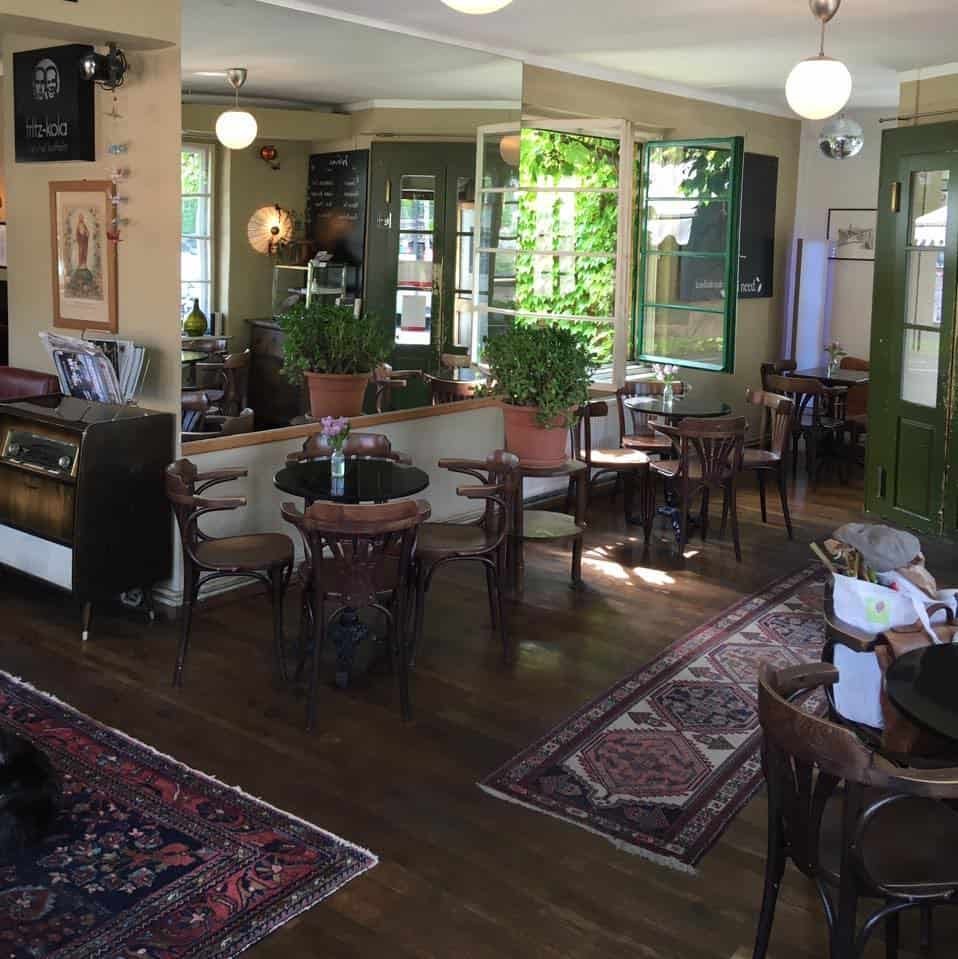
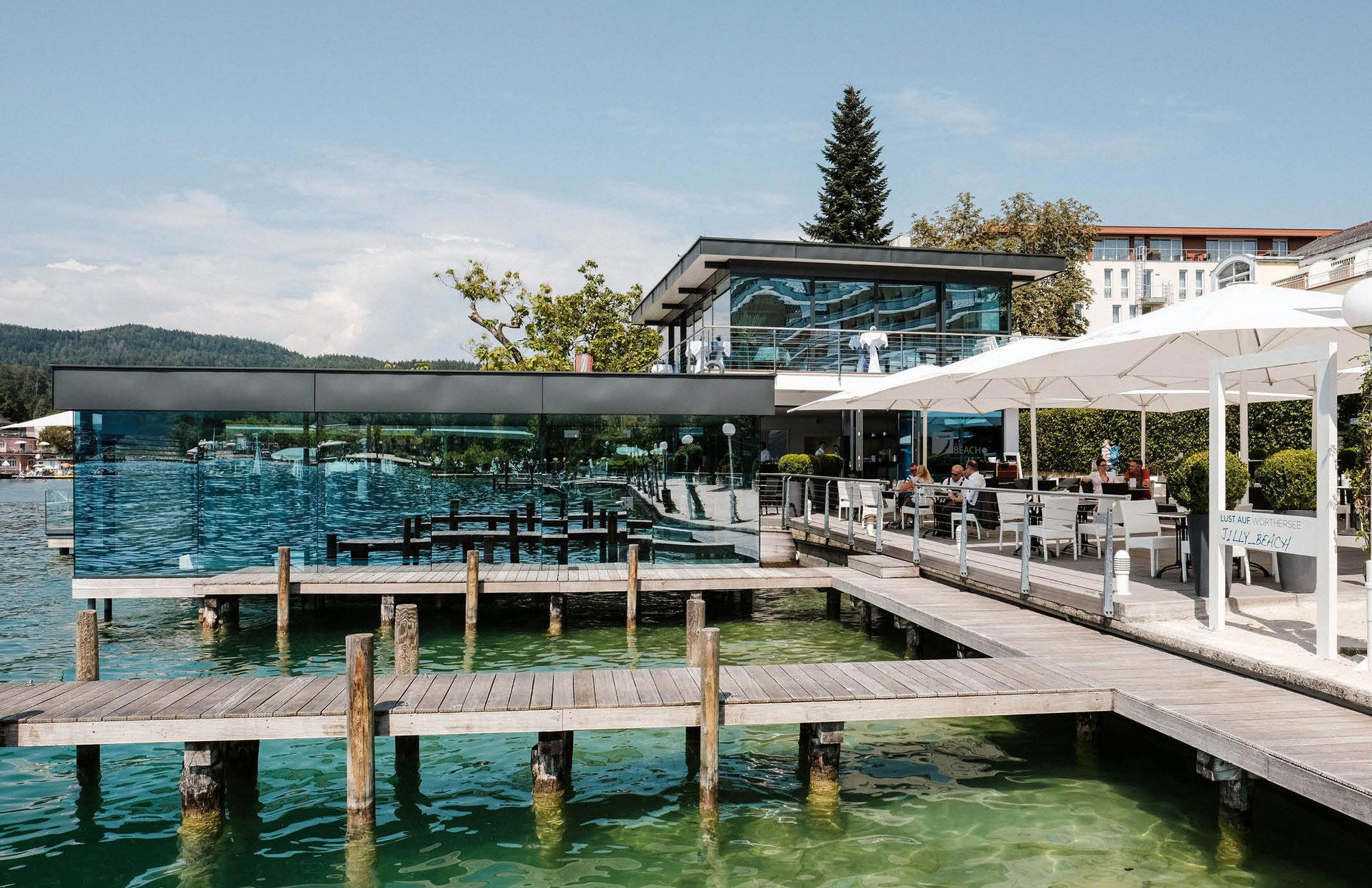
Hotels in Obdach
Browse all →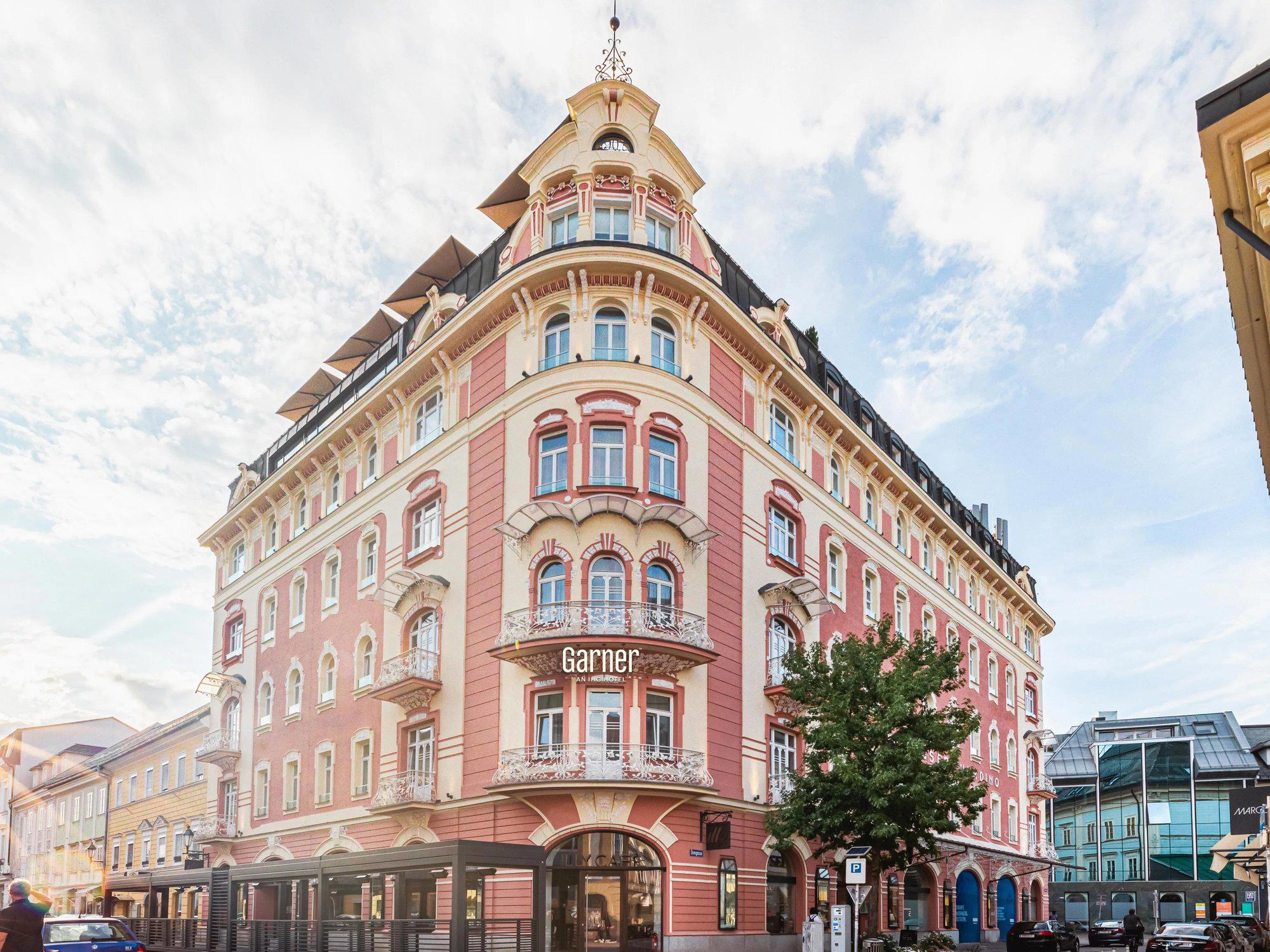

At a Glance
- Cozy
- Rustic
- Scenic
- Intimate
- Date Night
- Special Occasion
- Historic Building
- Local Sourcing
- Farm To Table
- Mountain
Charming cozy alpine atmosphere with down-to-earth regional hospitality.