
The kitchen works in a Japanese contemporary register, bringing precision and seasonal discipline to a city better known for its European fine-dining tradition.
Pearl is the En Primeur Club membership app — saves, bookings, and concierge access live there. Same editors, same standards.
- Address
- Hedderichstraße 69, 60596 Frankfurt am Main, Germany
- Phone
- +49 69 89990330
- Website
- the-sakai.com
- Directions
- Get directions
 Saves & bookings on Pearl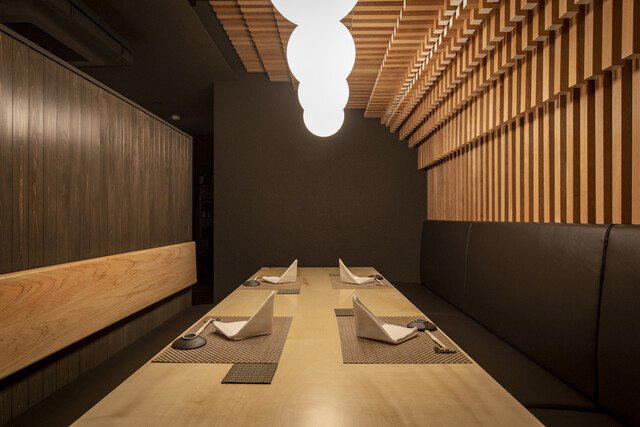
Japanese Precision in Sachsenhausen
Hedderichstraße cuts through Sachsenhausen's quieter southern stretch, a street more associated with independent boutiques and neighbourhood wine bars than with the kind of cooking that earns Michelin recognition. That contrast is part of what makes the address work. Arriving at The Sakai, the surroundings signal discretion rather than spectacle.
Frankfurt's restaurant scene has long been weighted toward French and Italian traditions. The city's trophy-room tier, Lafleur at the leading for Modern French, Erno's Bistro and Carmelo Greco representing Classic French and Italian respectively, reflects a city whose expense-account culture has historically favoured European culinary grammar. Japanese contemporary sits in a different register, one that Frankfurt has been slower to develop at serious-restaurant level. The Sakai's 2025 Michelin Plate.
The Arc of a Japanese Contemporary Meal
Japanese contemporary cuisine, as a category, operates through contrast and compression rather than the accumulation of classical French technique. A well-constructed progression in this register moves through textures and temperatures in a tighter arc than a European tasting menu: small, precise cold courses that set the palate's register; a mid-section where umami-forward preparations build intensity; and a resolution that is typically quieter and more restrained than the dramatic dessert sequences common in French fine dining. The discipline lies in knowing when to stop adding.
Germany has a handful of kitchens working at this intersection of Japanese technique and contemporary presentation. JAN in Munich approaches it from a Nordic-Japanese hybrid angle; the cooking at Aqua in Wolfsburg incorporates Japanese influence within a broader three-Michelin-star European framework. The Sakai operates in a purer Japanese contemporary mode, which within Frankfurt's dining context represents a specific gap being filled rather than a variation on an existing theme.
For comparison, the kaiseki tradition, the formal multi-course Japanese meal structure from which contemporary Japanese tasting menus draw much of their sequencing logic, prizes the cooking of each individual course as a self-contained statement. The progression is designed to reflect season and to create a cumulative impression rather than a narrative climax. This structural logic tends to produce meals that reward attention differently from European tasting menus: the memorable moments are distributed across the sequence rather than concentrated in a headline main course.
Where The Sakai Sits in Frankfurt's Dining Tier
At the €€€€ price tier, the restaurant occupies a high-spend bracket, meaning the spend expectation is comparable to Frankfurt's most formally recognised European kitchens. This pricing positions it as a considered choice rather than an accessible entry point: guests arriving here are not testing the waters of Japanese cuisine but committing to a full serious-restaurant experience. The comparison with bidlabu's farm-to-table bistro format at the tier below illustrates how different the proposition is, one is a relaxed neighbourhood exercise in seasonal European cooking, the other a structured progression that requires the same level of engagement as any Michelin-recognised table in the city.
The Michelin Plate designation, introduced by the guide to recognise kitchens producing consistently good cooking below star level, is a meaningful signal in this context. It places the restaurant inside the guide's quality perimeter without yet assigning the star that would shift its competitive set entirely. In Germany's dense Michelin ecosystem, which includes Schwarzwaldstube in Baiersbronn, Vendôme in Bergisch Gladbach, and ES:SENZ in Grassau at the multi-star level, a Plate in a city like Frankfurt carries specific weight as an indicator of consistent execution rather than occasional brilliance.
Michelin Plate recognition speaks to kitchen technical standard; a high-volume public rating at this score suggests the front-of-house and overall experience are holding the same level. Restaurants can fall short on one or the other; the restaurant's numbers indicate alignment across both.
The Wider Context: Japanese Contemporary in Europe
Japanese contemporary cuisine has expanded considerably across European cities over the past decade, from omakase counters in London and Paris to the more restrained kaiseki-influenced formats appearing in cities without a large Japanese diaspora. Frankfurt's position as a financial hub with high international traffic has always created demand for this kind of cooking, but supply has lagged behind comparable European cities. The Japanese Restaurant in Andermatt and Eika in Taipei illustrate how the category scales across different contexts, resort dining in the Swiss Alps versus a destination table in East Asia. The restaurant's Frankfurt position is urban and local-market-facing, which tends to produce a more stable regular clientele than resort or tourist-destination equivalents.
For those mapping out a Frankfurt dining sequence, the restaurant functions as the city's primary reference point for high-discipline Japanese cooking. MAIN TOWER Restaurant and Lounge covers Asian influences within a broader, more accessible format; CODA Dessert Dining in Berlin represents a different kind of precision-driven alternative if you're moving between cities. Neither is a substitute for what the restaurant does within its specific register.
Planning a Visit
The restaurant is at Hedderichstraße 69, 60596 Frankfurt am Main, in the Sachsenhausen district south of the Main river. At the €€€€ tier with Michelin recognition, advance booking is advisable, particularly for weekend sittings. No booking method is published here, but direct reservation through the restaurant's own channels is standard practice for this category. Sachsenhausen is walkable from the Schweizer Platz U-Bahn station and within easy reach of central Frankfurt's hotel stock.
Awards and Standing
Comparable venues nearby, for context on price, style, and recognition.
| Venue | Cuisine | Price | Awards | Notes |
|---|---|---|---|---|
| The SakaiThis venue — the venue you are viewing | Modern Japanese Omakase | $$$$ | Michelin Plate | Not listed |
| Carte blanche | Modern German Seasonal Tasting Menu | $$$$ | Michelin Plate | Nordend-Ost |
| Goldmund | Modern French-German Brasserie | $$$$ | Michelin Plate | Innenstadt |
| RAUSCH | Modern German Fine Dining | $$$$ | Michelin Plate | Westend |
| Tiger-Restaurant | Modern European Fine Dining | $$$$ | Not listed | Innenstadt |
| Zenzakan | Pan-Asian Fusion with Robata Grill | $$$$ | Michelin Plate | Westend-Süd |
Recognition history
Dated appearances from independent guides and award organizations, with the underlying list record or original source where available.
Michelin Plate
Michelin
Michelin Plate
Michelin
Continue exploring
More in Frankfurt
Restaurants in Frankfurt
Browse all →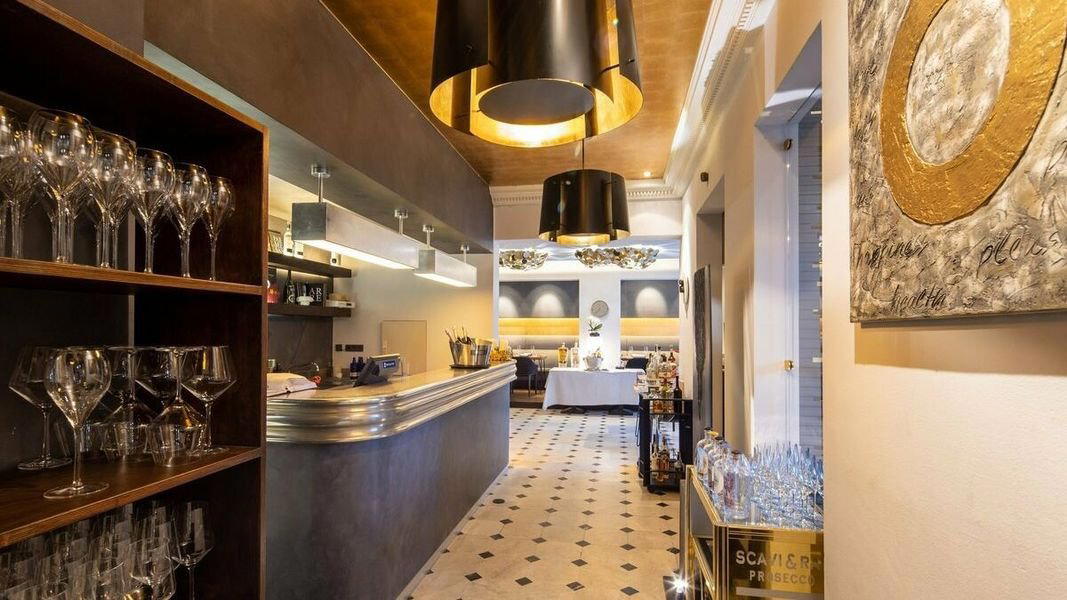
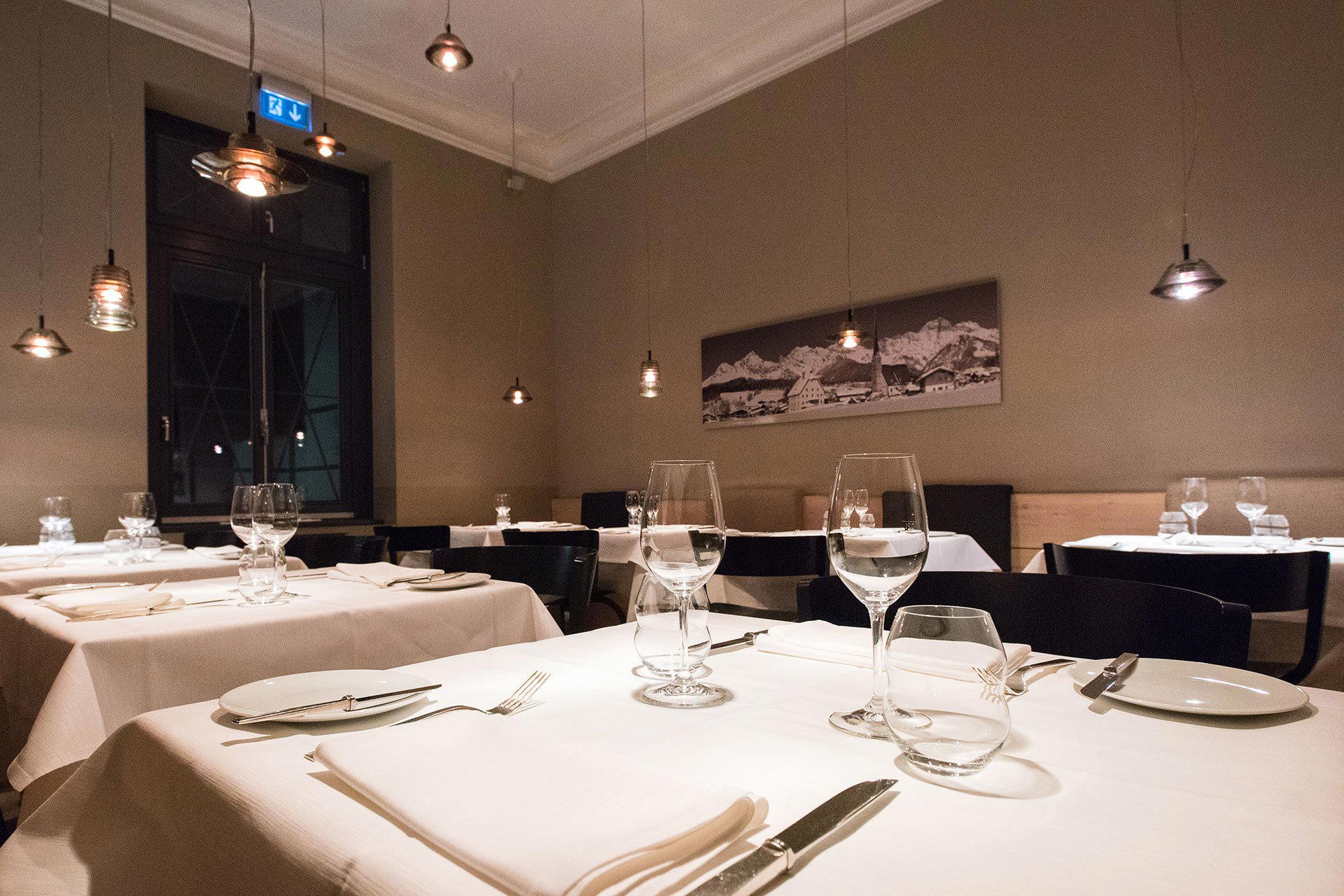
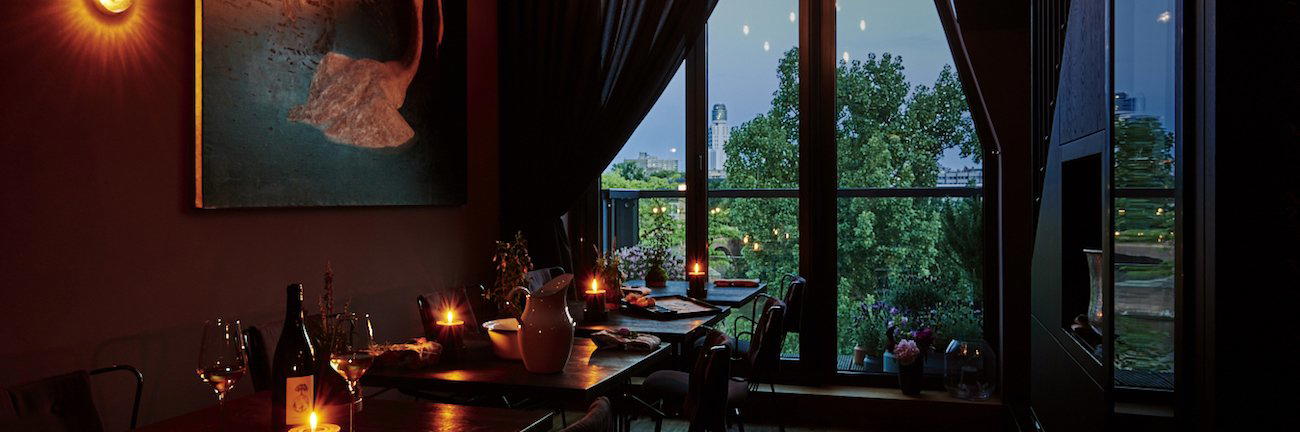
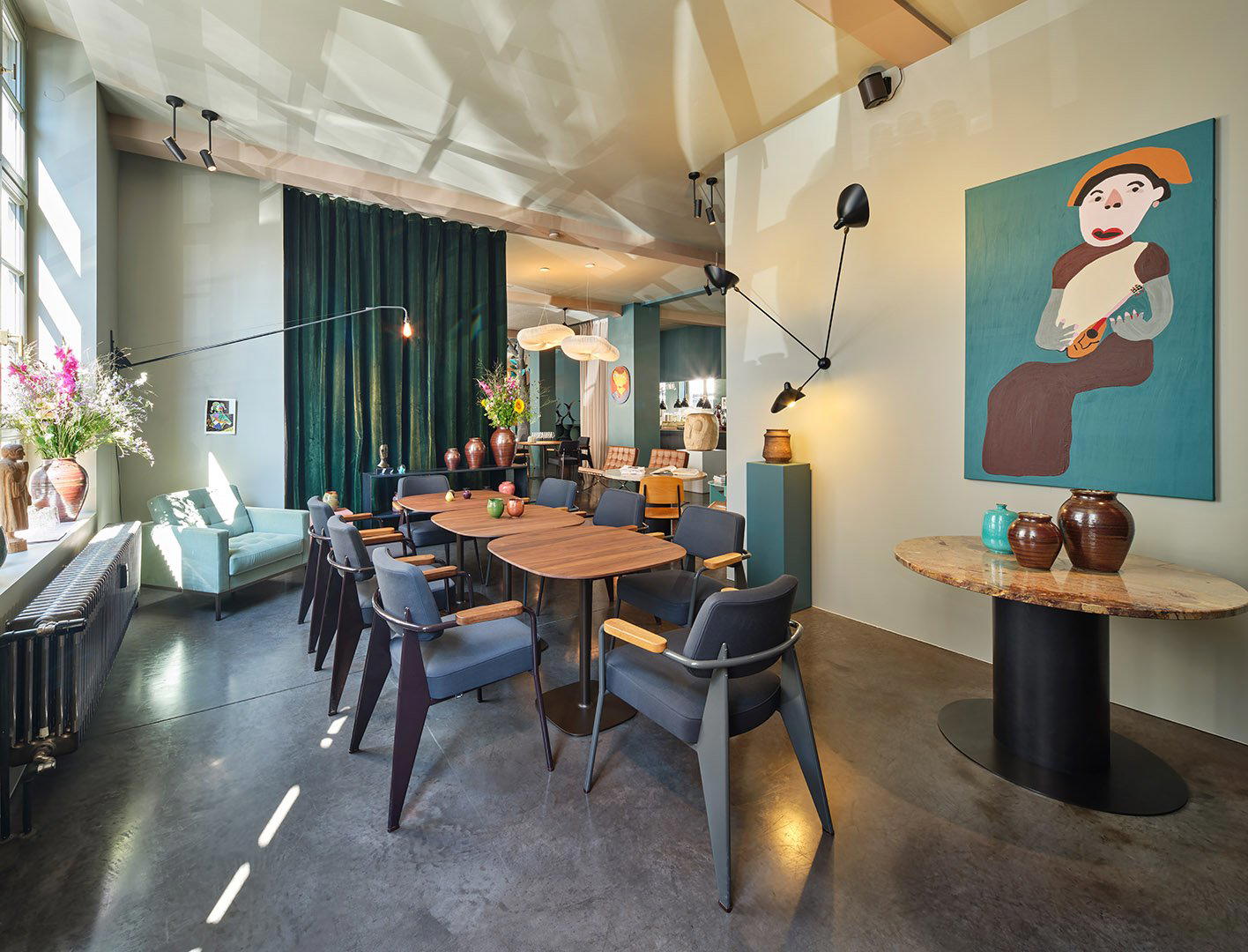
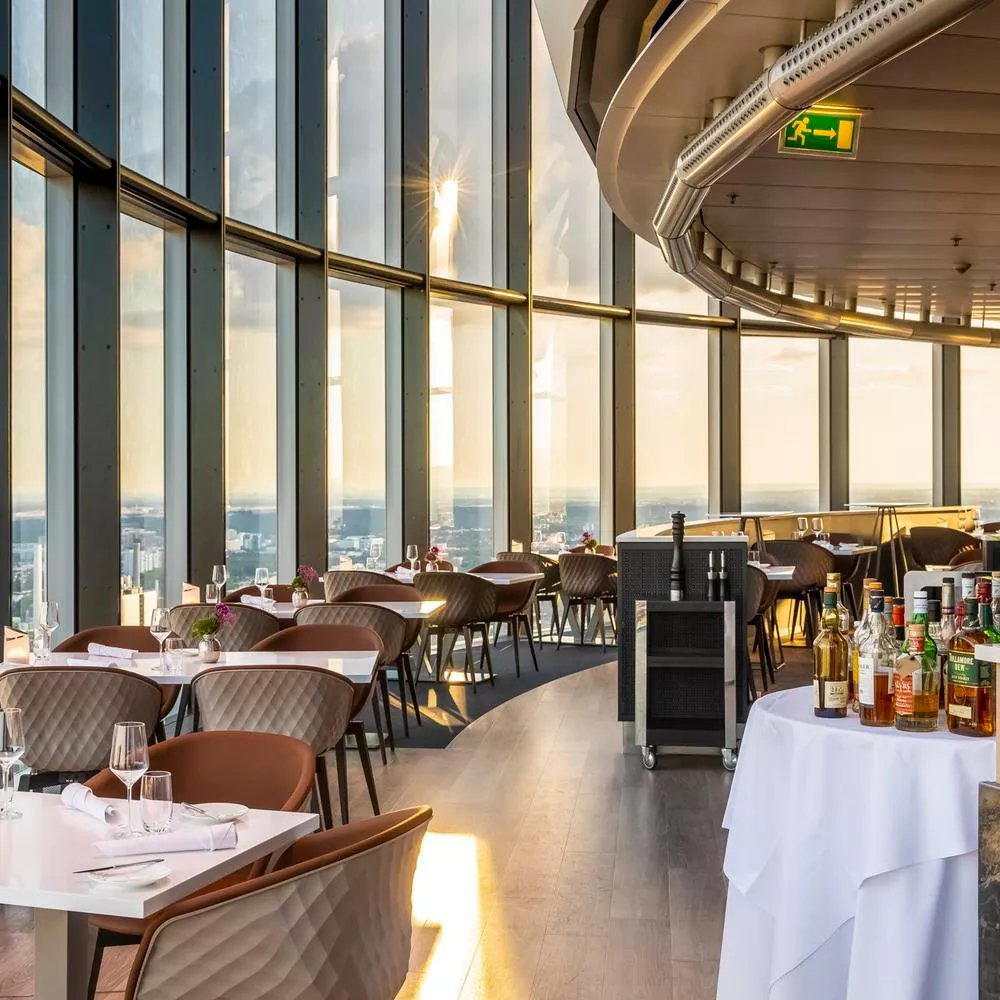
Bars in Frankfurt
Browse all →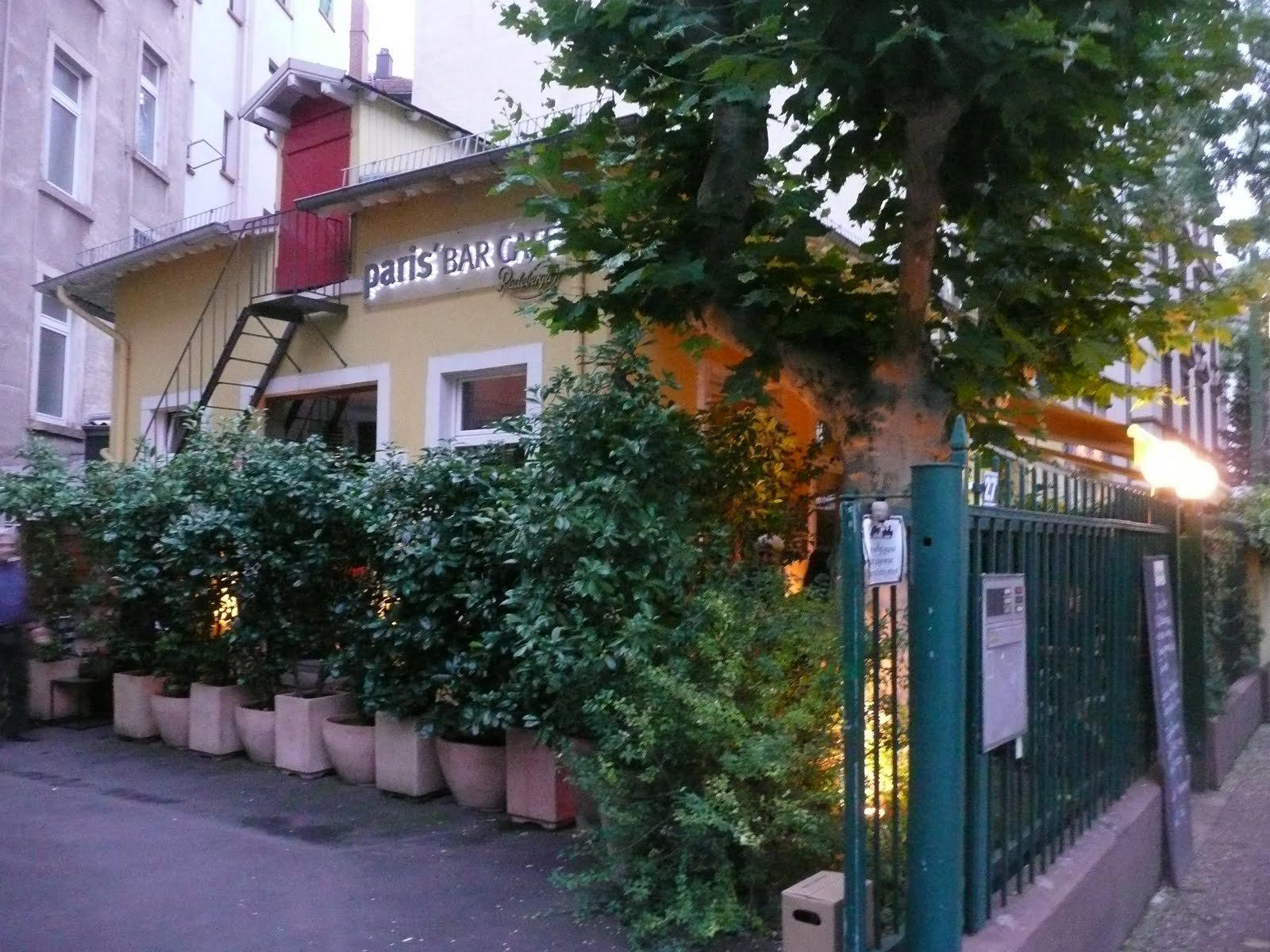
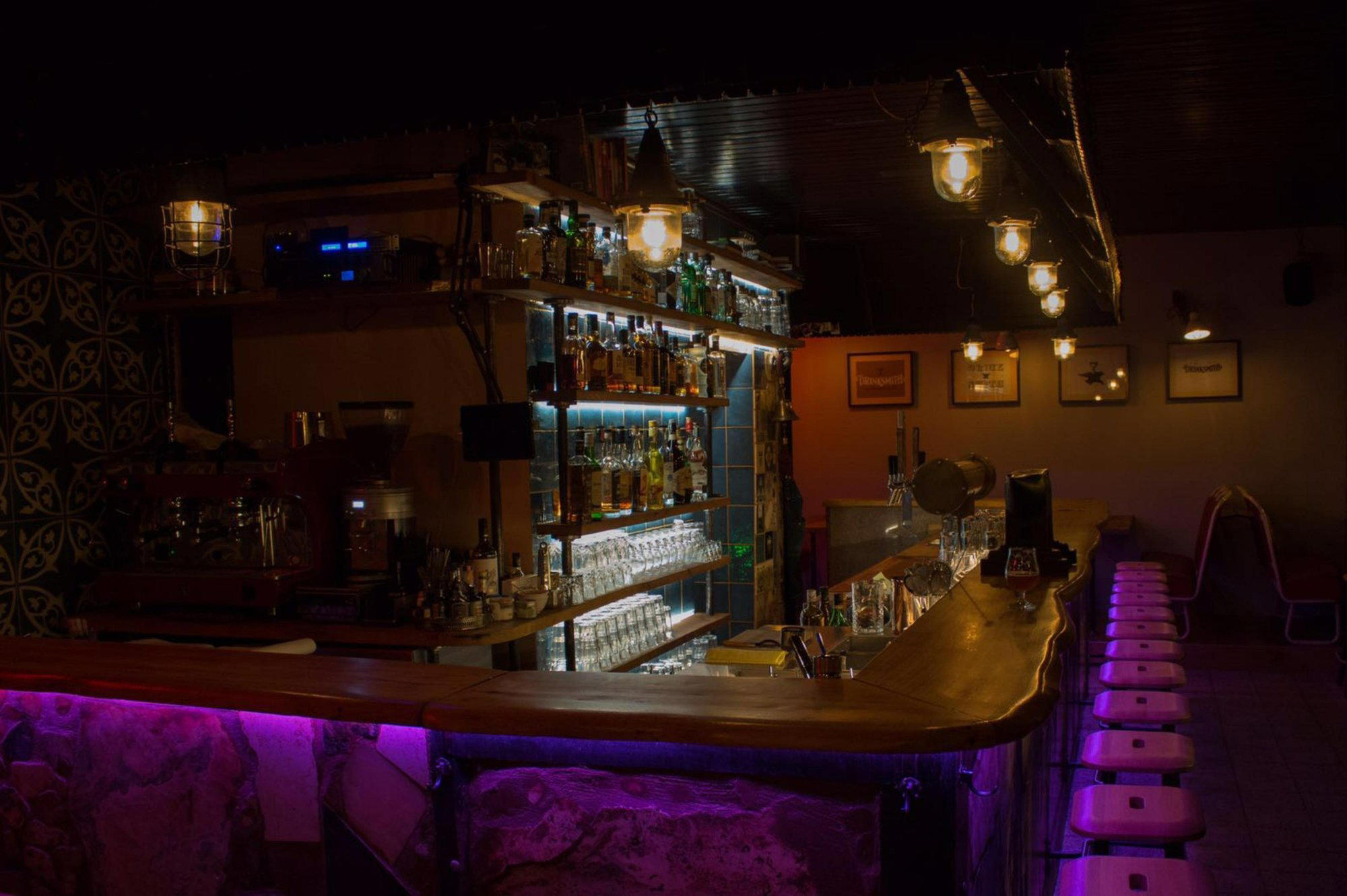
Hotels in Frankfurt
Browse all →

At a Glance
- Elegant
- Sophisticated
- Minimalist
- Intimate
- Date Night
- Business Dinner
- Special Occasion
- Celebration
- Chefs Counter
- Open Kitchen
- Sake Program
- Sommelier Led
- Local Sourcing
- Sustainable Seafood
Current opening hours
- Monday
- 6–11 PM
- Tuesday
- 6–11 PM
- Wednesday
- 6–11 PM
- Thursday
- 6–11 PM
- Friday
- 6–11 PM
- Saturday
- 6–11 PM
- Sunday
- Closed
Hours can change for holidays and private events. Last verified .
Basement restaurant with authentic Japanese minimalist design, warm lighting, sleek and clean aesthetic that creates a tranquil, refined atmosphere.