The Royal
On the edge of Shaw and Bloomingdale, The Royal at 501 Florida Ave NW occupies a stretch of D.C. where neighborhood bars and serious kitchens coexist. The cooking draws on local sourcing traditions and technique-driven ambition, placing it within a broader Washington movement that takes Mid-Atlantic ingredients as seriously as any European terroir.
Pearl is the En Primeur Club membership app — saves, bookings, and concierge access live there. Same editors, same standards.
- Address
- 501 Florida Ave NW, Washington, DC 20001
- Phone
- +1 202 332 7777
- Website
- theroyaldc.com
- Directions
- Get directions
 Saves & bookings on Pearl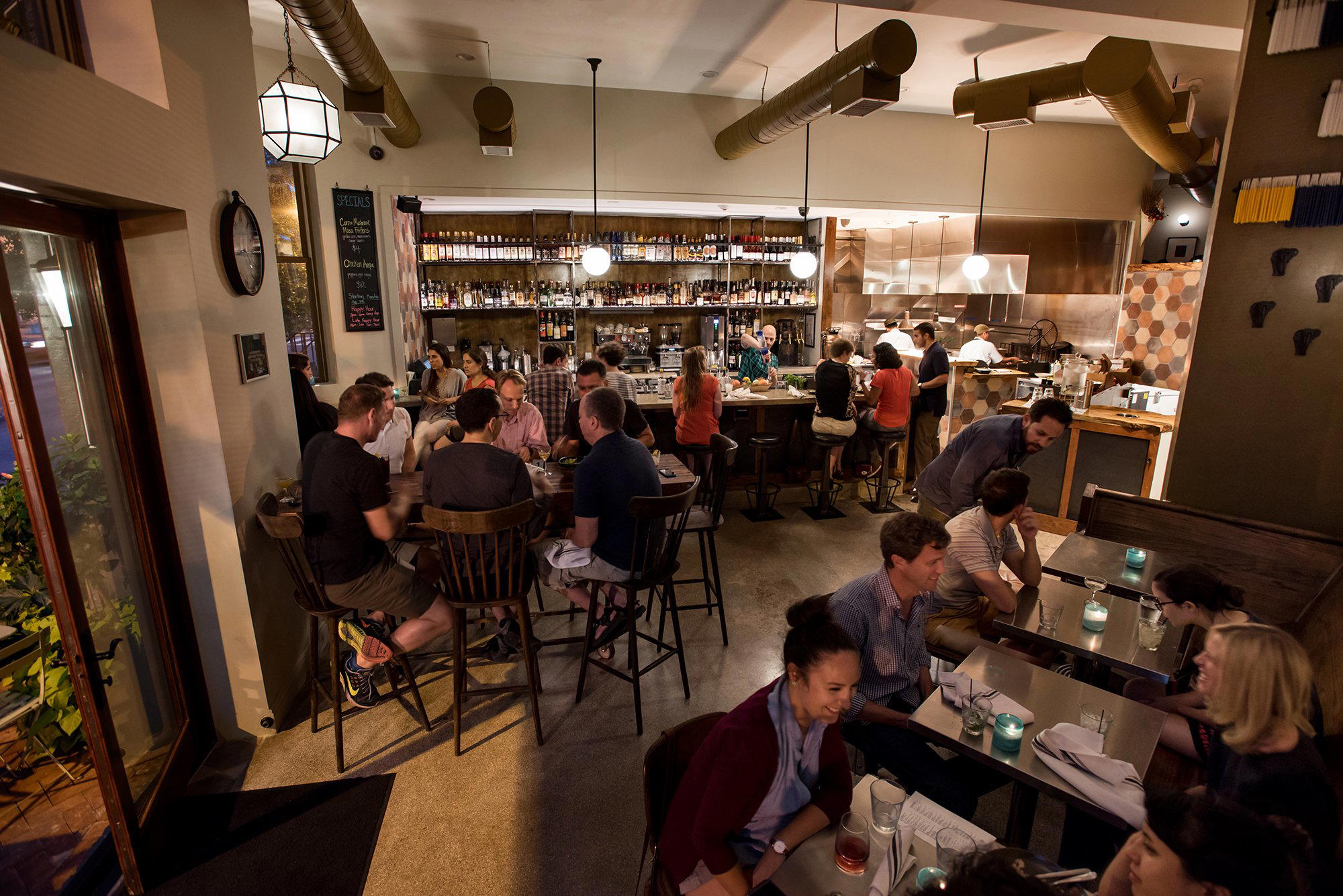
Shaw, Bloomingdale, and the Case for Neighborhood Dining in D.C.
Washington's serious dining conversation has historically clustered in Penn Quarter and Georgetown, but the past decade reshaped that geography considerably. Shaw and Bloomingdale, running along Florida Avenue NW, developed into one of the more credible corridors for kitchens that combine technical discipline with genuine neighborhood identity. The Royal, at 501 Florida Ave NW, is a Latin American restaurant in Washington, D.C.165 reviews and a casual dress code.
That intersection of local sourcing and imported technique is not distinctive to The Royal as an institution, it defines a generation of American restaurants that took the French and Japanese emphasis on terroir and applied it to Chesapeake crab, Virginia pork, and Appalachian grains. What distinguishes the leading practitioners in this tier is not the sentiment but the discipline: sourcing that is traceable, technique that serves the ingredient rather than overshadowing it, and a format that lets both register with the diner.
The Editorial Angle: Local Ingredients, Global Technique
Across the United States, generative tension in ambitious cooking over the last fifteen years has been between highly mobile culinary training and deeply local raw material. The pipeline runs in both directions: American cooks stage in France, Japan, and Scandinavia; those methods return and collide with Chesapeake oysters, Carolina heritage grains, and seasonal Appalachian produce. The result, at its most considered, is a cooking vocabulary that neither slavishly replicates European models nor retreats into a kind of nostalgic regionalism. It builds something with a genuine address.
D.C. is an instructive city for watching this dynamic play out. The capital's dining scene includes minibar, where molecular technique operates at the furthest remove from tradition, and Jônt, which applies omakase-style progression and French classical structure simultaneously. At the neighborhood scale, Oyster Oyster has become a reference point for sustainable sourcing done without self-congratulation, while Albi demonstrates what happens when a non-European culinary tradition, in that case Middle Eastern, is given the same precision and ingredient focus that the French fine-dining model demands. Causa brings Peruvian technique into the same conversation. The Royal operates in this broader context: a room where the expectation is that the cooking does something considered with what grows and swims nearby.
Nationally, the parallel is visible across a cohort of kitchens that have made local-ingredient discipline their primary argument. Blue Hill at Stone Barns in Tarrytown turned farm-to-table from slogan to structural commitment. Single Thread Farm in Healdsburg built a Japanese kaiseki frame around Northern California produce. Smyth in Chicago treats Illinois sourcing with the same formality European restaurants apply to their own appellations. Addison in San Diego and Providence in Los Angeles each position local marine and agricultural products as the intellectual center of the menu, with technique serving as the instrument rather than the subject. That positioning, sourcing as the argument, method as the tool, is what separates this tier from kitchens where spectacle dominates.
What Florida Avenue NW Actually Feels Like
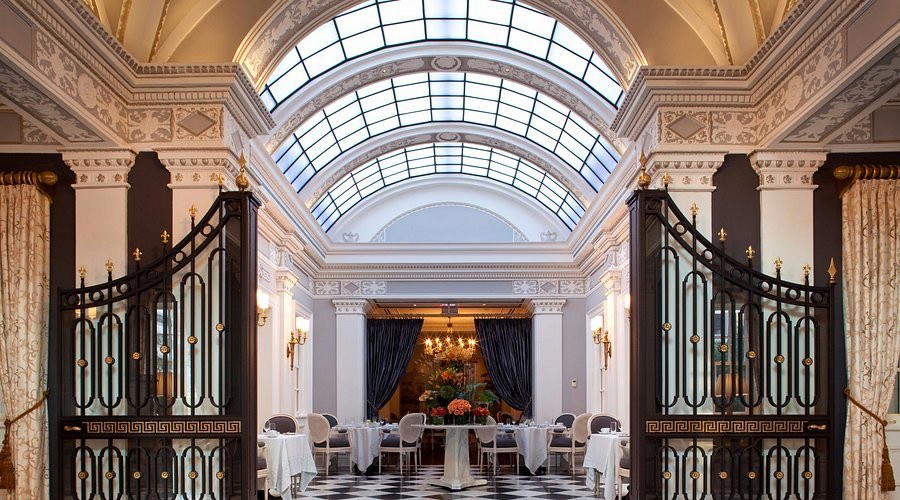
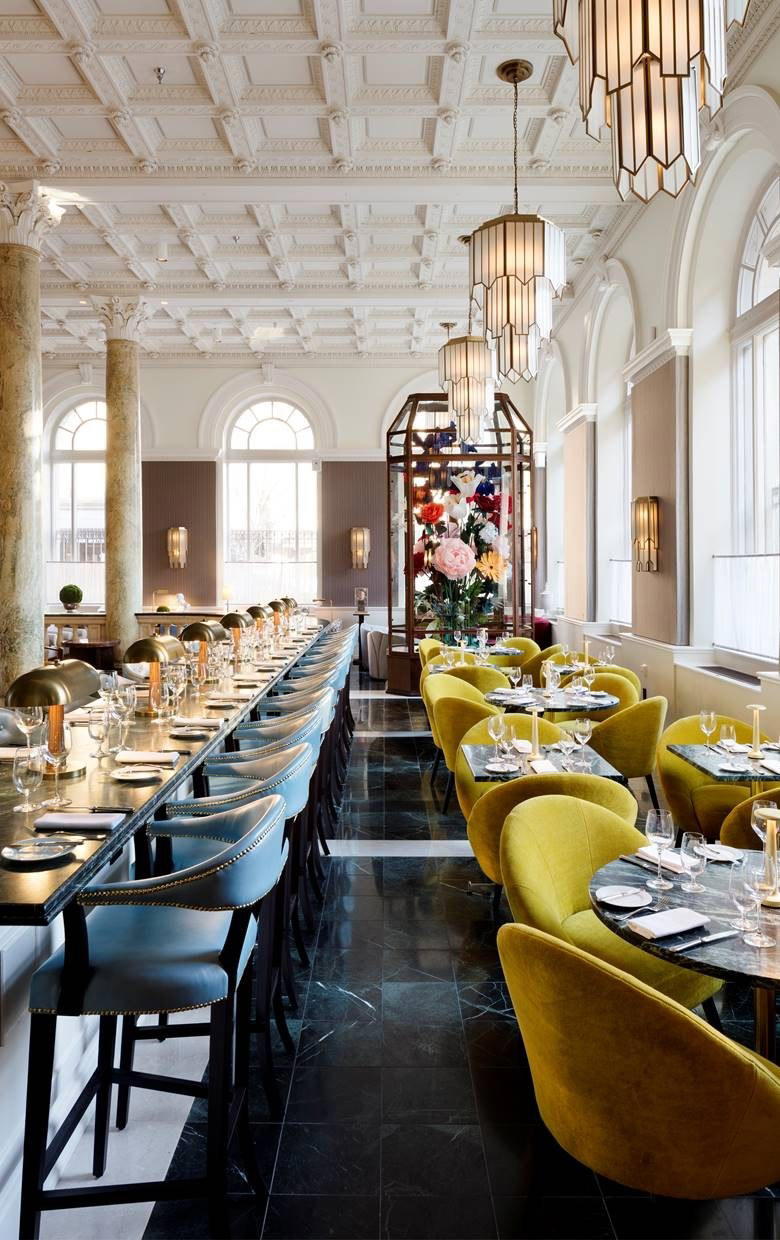
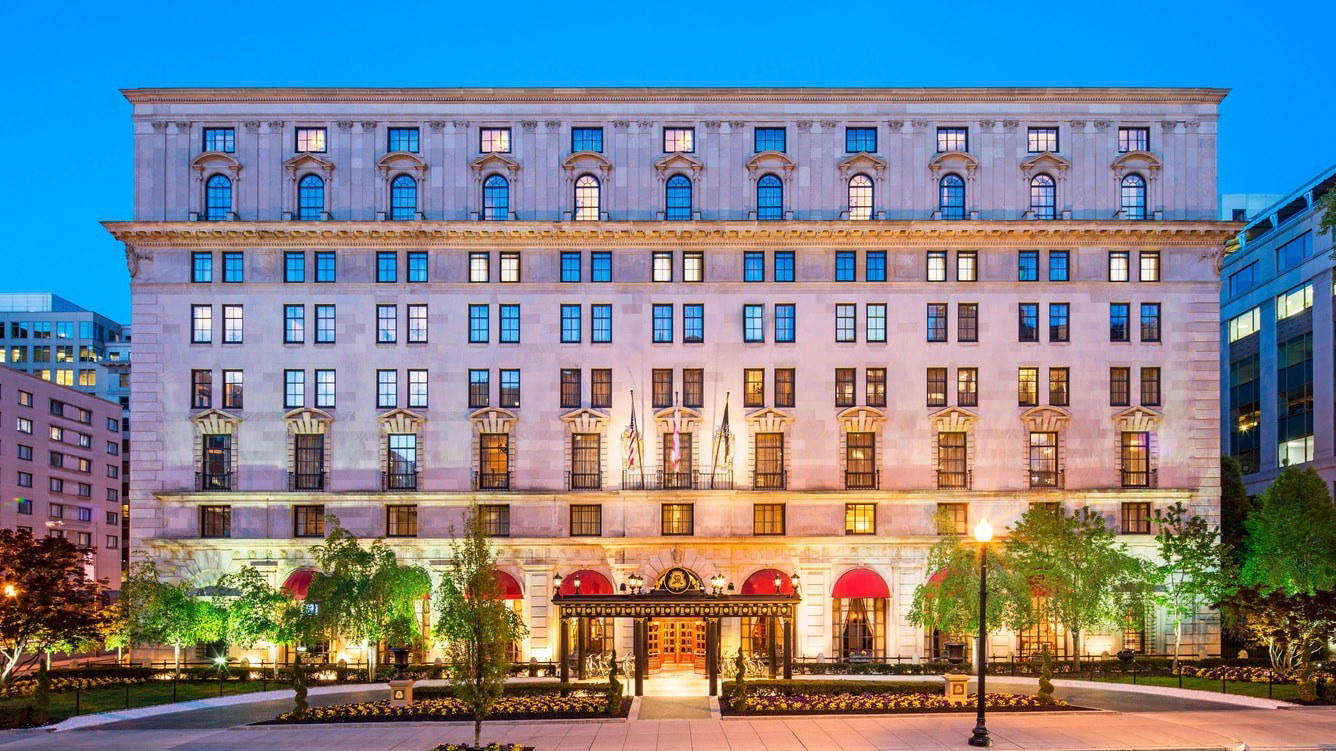
The corner of Florida and 5th NW sits at the edge of the historic U Street corridor and the lower reaches of Bloomingdale, a neighborhood that developed its restaurant density relatively recently. The building stock along this stretch tends toward early-twentieth-century commercial brick; the street-level dining rooms that occupy these spaces retain enough of the original structure to feel embedded rather than implanted. This matters for understanding how a room like The Royal reads physically: the setting is not designed to signal fine-dining formality. The architecture works against that register, and the better kitchens in the corridor use that to their advantage, delivering food with more ambition than the room's price signals might suggest.
For visitors approaching from central D.C. the Shaw-Howard University Metro stop on the Green and Yellow lines puts you a short walk from the corridor. The neighborhood rewards arrival on foot; the stretch between Logan Circle and Bloomingdale captures D.C.'s residential-commercial texture at a scale that the Penn Quarter or Georgetown concentrations do not provide.
Placing The Royal in the D.C. Tier
Washington's mid-to-upper dining tier is now genuinely competitive at a national level. The city that once relied on political celebrity for its restaurant reputation now produces kitchens that hold their own against comparable rooms in New York, Chicago, and the Bay Area. Le Bernardin in New York City and The French Laundry in Napa represent the established pillars of that national conversation; newer entrants like Lazy Bear in San Francisco and Atomix in New York City demonstrate that format experimentation and ingredient rigor are not mutually exclusive at the highest tier. The Inn at Little Washington anchors the Virginia side of the broader D.C. dining region with decades of recognition. Emeril's in New Orleans and Atelier Moessmer Norbert Niederkofler in Brunico each illustrate, from different starting points, what it means to build a cooking identity around regional specificity rather than universalized fine-dining language.
The restaurant, positioned in Shaw at a neighborhood price point, operates in a different competitive bracket than that upper tier, but the underlying argument, that local ingredients handled with technical seriousness produce more interesting food than globally sourced product processed through generic methods, is the same across all of them. That argument is increasingly mainstream in D.C. and the Florida Avenue corridor is one of the places where it is being made most credibly at the neighborhood scale.
Planning Your Visit
501 Florida Ave NW is accessible by Metro (Shaw-Howard University, Green/Yellow lines) and sits within a walkable stretch of Shaw and Bloomingdale.
Reputation First
Comparable venues nearby, for context on price, style, and recognition.
| Venue | Cuisine | Price | Notes |
|---|---|---|---|
| The RoyalThis venue — the venue you are viewing | Latin American | $$ | Not listed |
| Zorba's Café | Authentic Greek Café | $$ | Dupont Circle |
| Milk & Honey - The Wharf | Southern Inspired Kitchen | $$ | Southwest Waterfront |
| Peacock Café | American Fusion with Persian Influences | $$ | West Village Georgetown |
| PopUp Bagels | Artisan Bagels & Schmears | $$ | Georgetown |
| Art and Soul | Modern Southern American | $$ | East End |
Continue exploring
More in Washington DC
Restaurants in Washington DC
Browse all →
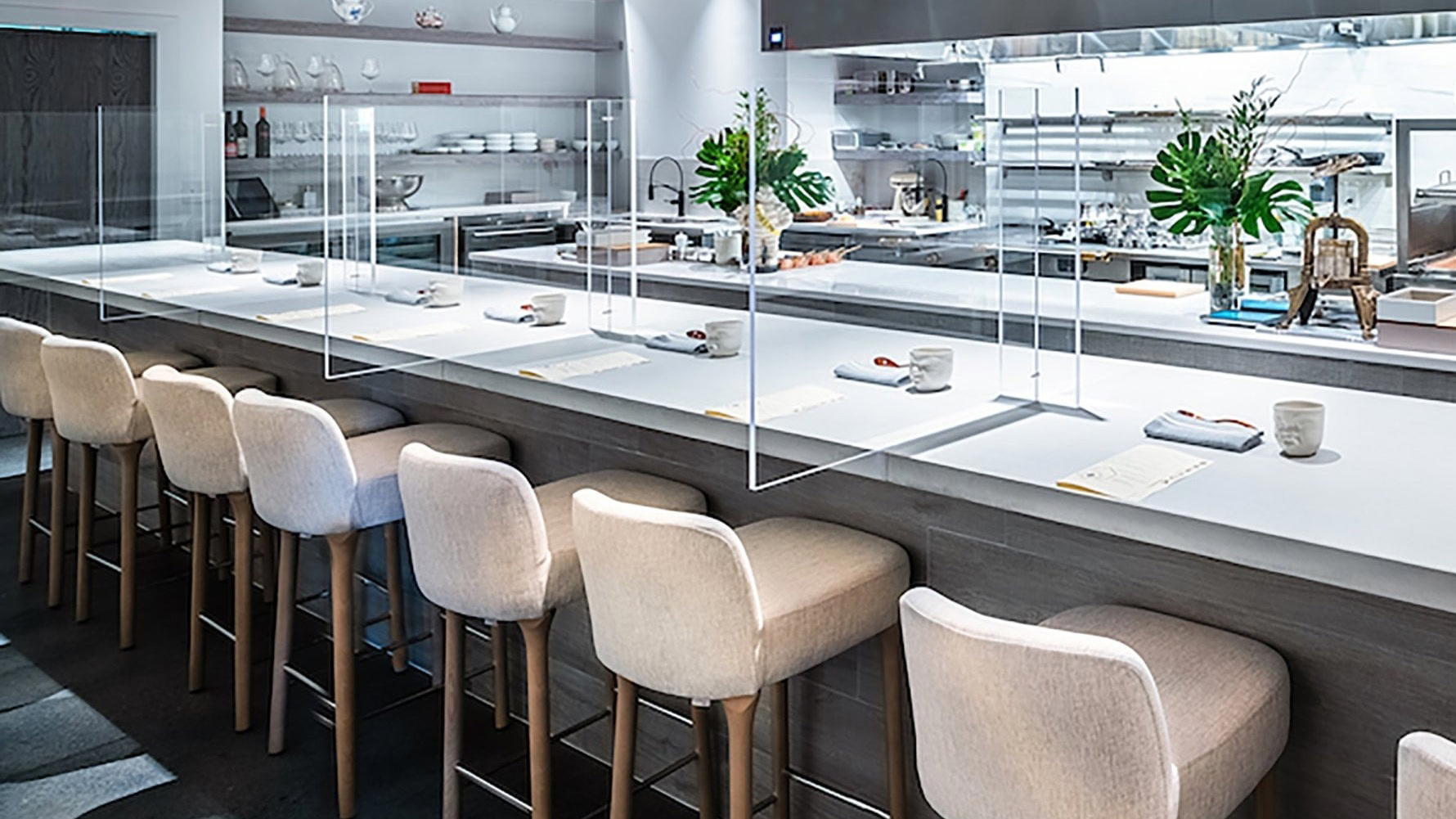
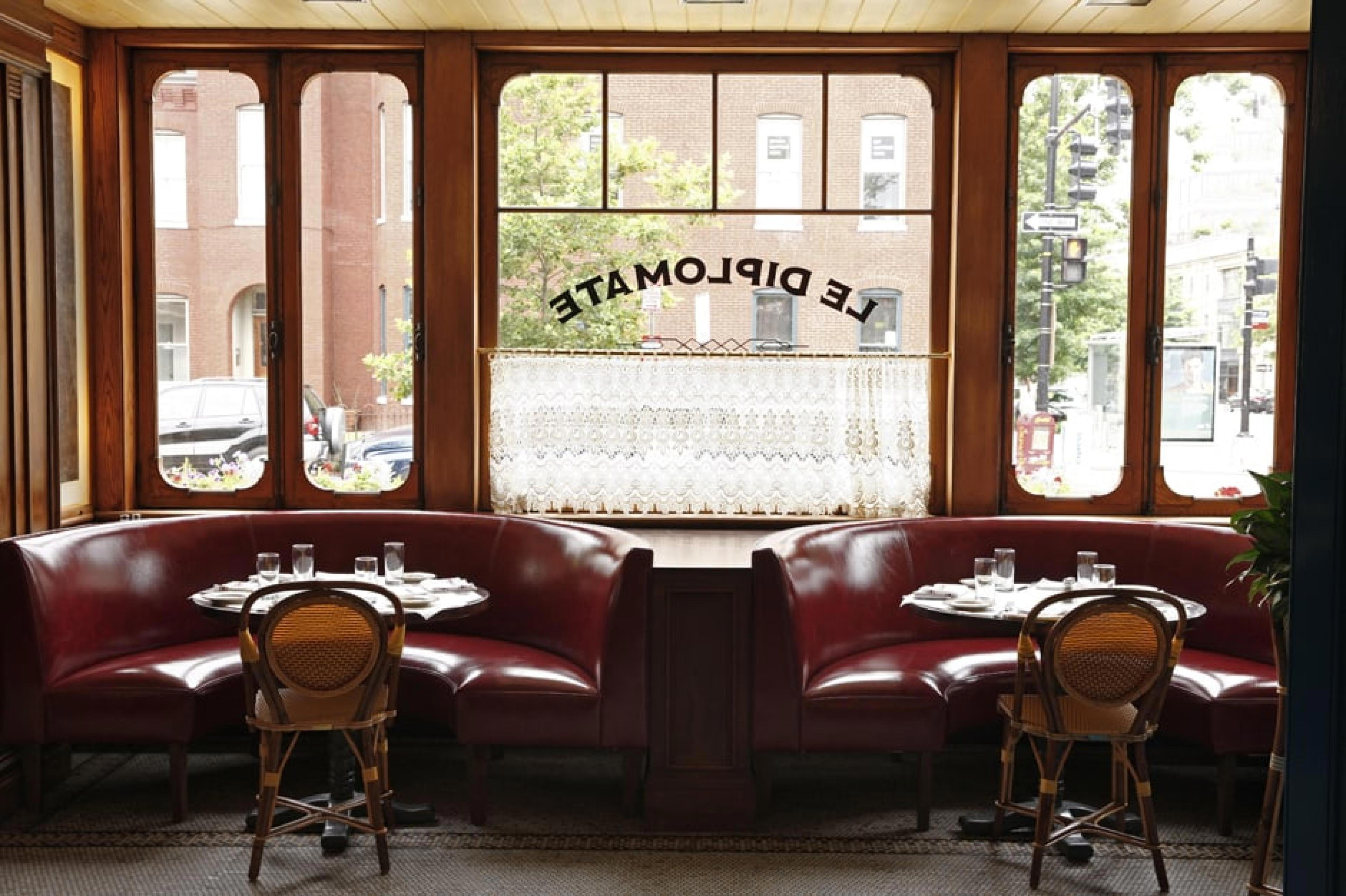
Bars in Washington DC
Browse all →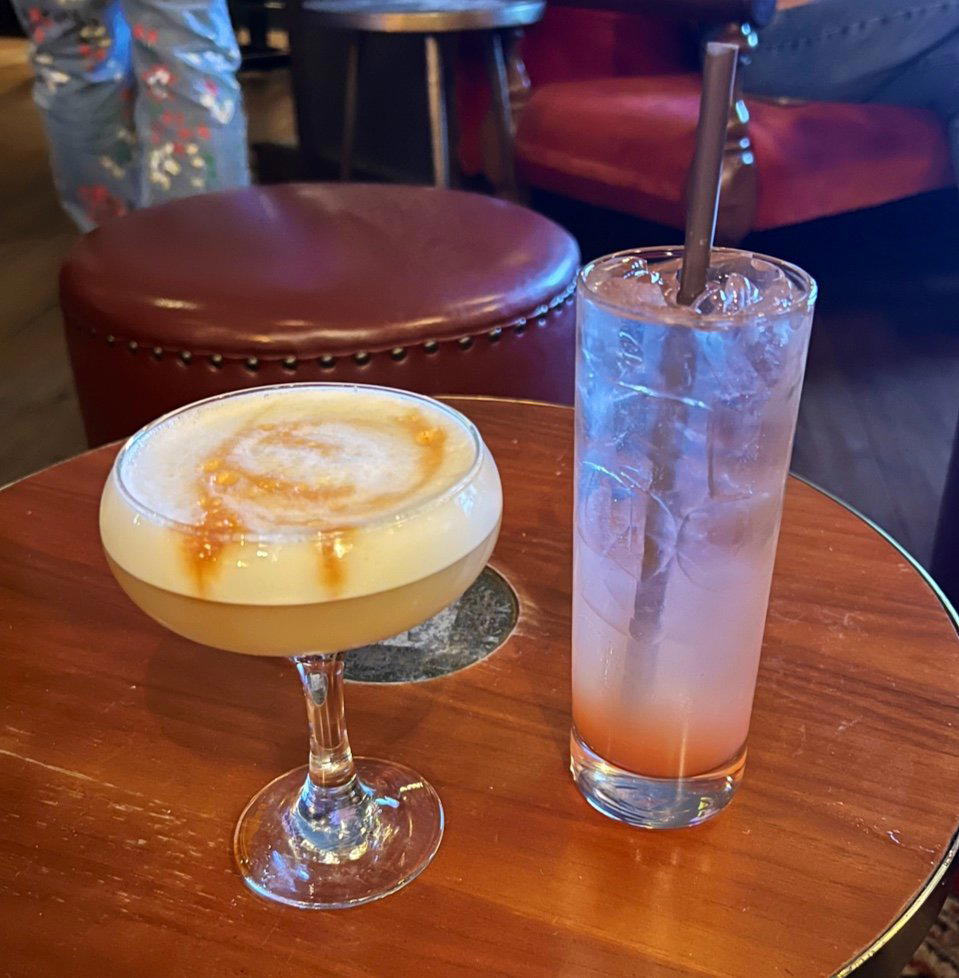
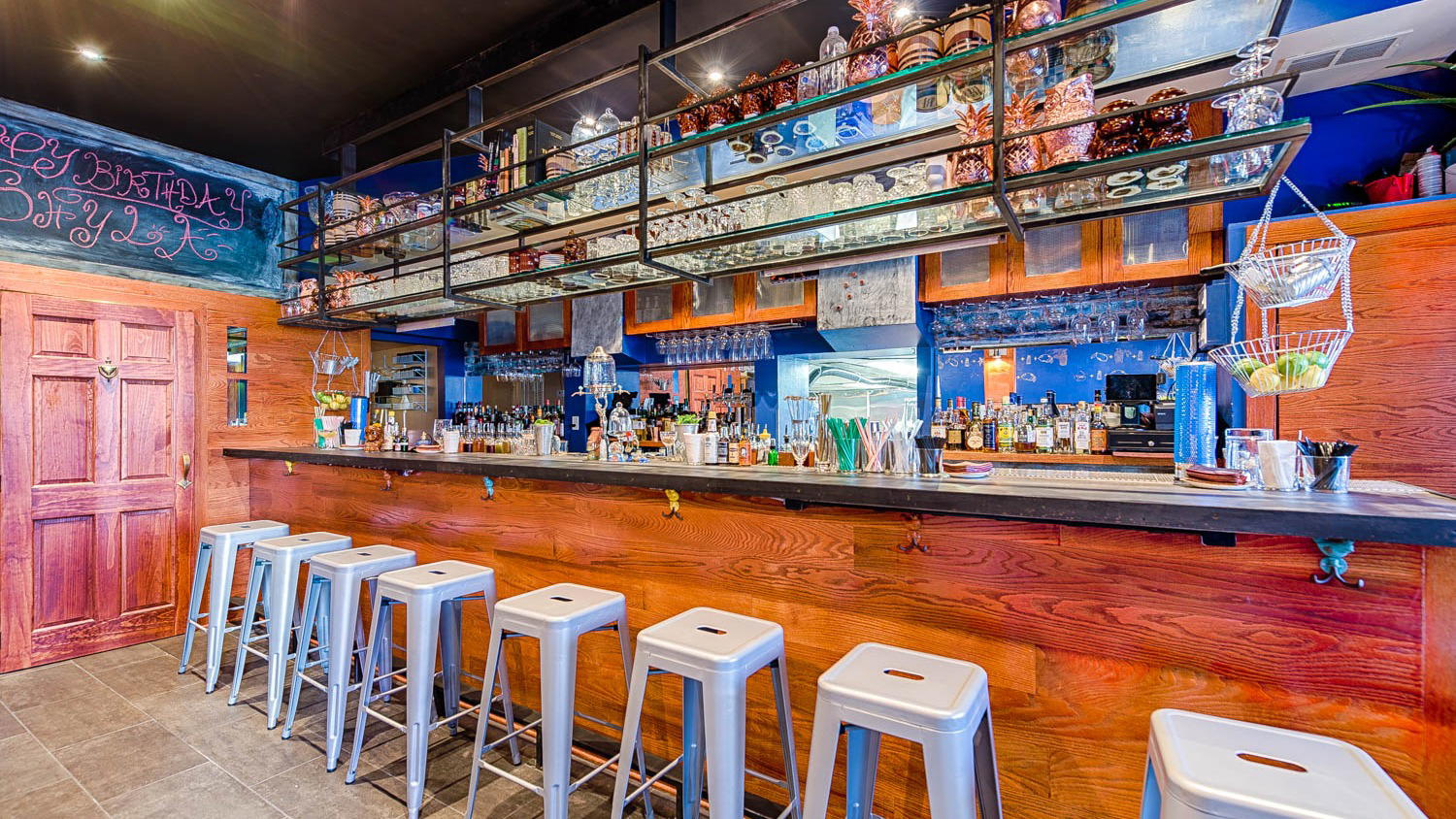
Hotels in Washington DC
Browse all →
At a Glance
- Cozy
- Trendy
- Intimate
- Casual Hangout
- Brunch
- Open Kitchen
- Craft Cocktails
Current opening hours
- Monday
- 10 AM–10 PM
- Tuesday
- 10 AM–10 PM
- Wednesday
- 10 AM–10 PM
- Thursday
- 10 AM–10 PM
- Friday
- 10 AM–12 AM
- Saturday
- 10 AM–12 AM
- Sunday
- 10 AM–9 PM
Hours can change for holidays and private events. Last verified .
Casual and cozy atmosphere with indoor/outdoor dining options, suitable for relaxed daytime coffee or evening drinks.