The Rock Restaurant Zanzibar
Our verdict
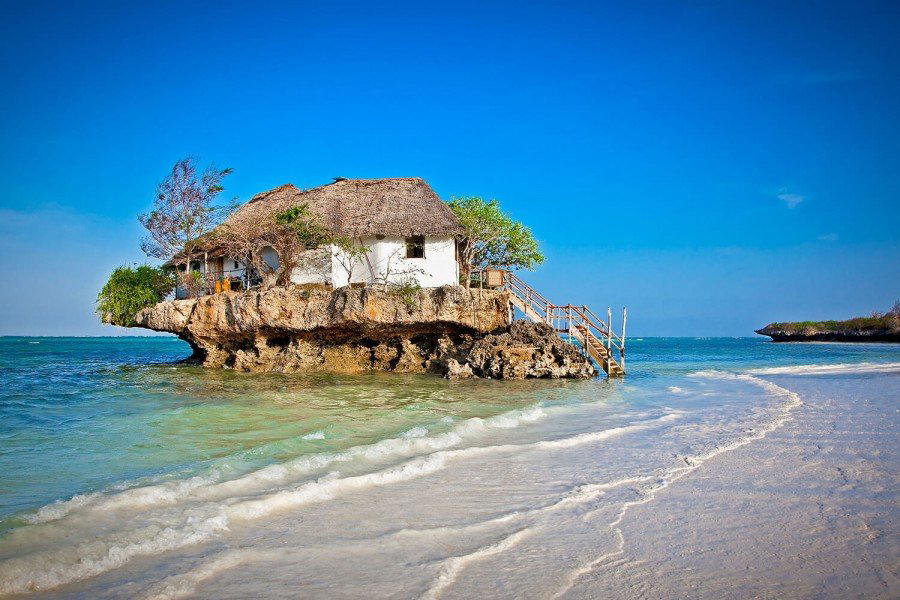
Perched on a coral outcrop in the Indian Ocean off Zanzibar's southeast coast, The Rock Restaurant is one of the most photographed dining settings in East Africa. Accessible by wading or boat depending on the tide, it serves seafood sourced from the surrounding waters. The physical drama of the setting and the directness of the supply chain define the experience as much as the menu itself.

Pearl is the En Primeur Club membership app — saves, bookings, and concierge access live there. Same editors, same standards.
The menu
What to order
- Rock Special
- Octopus Curry
- Homemade Gnocchi with Fish Ragout
- Catch of the Day
- Fish Carpaccio with Coconut and Lime
Coral, Current, and the Kitchen Between Them
On the southeast coast of Zanzibar, between the villages of Pingwe and Michamvi, a small restaurant sits on a coral rock formation a short distance from the shoreline. At low tide, guests wade out. At high tide, a boat makes the transfer. The approach is not a gimmick layered onto the experience — it is the experience, and it sets an expectation that the kitchen has to meet: if you are going to ask people to get their feet wet, the food had better justify the journey.
This part of the Indian Ocean coastline has defined East African seafood cooking for centuries. The waters off Zanzibar's eastern shore carry strong currents and nutrient-rich upwellings that support diverse marine life — octopus, lobster, kingfish, red snapper, and a range of smaller reef species. What arrives at this kitchen travels a short distance. That proximity is not a marketing position; it is a structural reality of operating on a rock surrounded by the same ocean that supplies it. For comparable coastal-proximity sourcing at a very different latitude and price tier, the model at Uliassi in Senigallia on the Adriatic offers an instructive parallel, the logic of fishing-harbour-to-table discipline applies regardless of geography.
What the Ocean Supplies and Why It Matters
Zanzibar's seafood identity is shaped by several converging forces: the monsoon calendar, traditional Swahili fishing techniques still practiced along the eastern coast, and the spice-trade history that left the archipelago with one of the most complex culinary inheritances in sub-Saharan Africa. Cloves, cardamom, cinnamon, and black pepper, all cultivated on the island, have been moving through local kitchens for centuries, and their presence in seafood preparations here is not fusion or novelty. It is the baseline.
The eastern coast of Zanzibar, where Pingwe sits, is less developed than the northern resort strip, which means local fishing communities remain active and the supply of fresh catch is tied to daily activity rather than industrial procurement. For a small restaurant in this position, that is a genuine sourcing advantage: the menu can follow the catch rather than force the catch to follow the menu. Seasonal variation in what appears on the plate is not a limitation but an accurate read of what the sea is offering on any given day.
This mode of ingredient-led cooking, where what grows or swims nearby determines what gets cooked, is increasingly the stated ambition of restaurants operating at the upper end of the dining tier in many European markets. At Atelier Moessmer Norbert Niederkofler in Brunico, the commitment to Alpine regionalism is the structural premise of every plate. At The Rock, the premise is ocean proximity, and unlike many restaurants that invoke terroir as a concept, the physical circumstances here make the claim difficult to dispute. You are, quite literally, surrounded by the source.
The Setting as Editorial Argument
Among the restaurants that have built their reputation primarily on physical setting, coastal Europe has several, and Quattro Passi in Marina del Cantone on the Amalfi coast is one benchmark, The Rock makes a case that geography and cuisine can be genuinely integrated rather than merely adjacent. The question any serious diner asks of a setting-led restaurant is whether the kitchen would still be worth visiting if you moved it indoors. Here, the honest answer involves acknowledging that the setting is inseparable from the cooking's meaning: preparing Zanzibari seafood surrounded by the Indian Ocean is a different act than plating the same fish in a landlocked dining room.
The wider region offers a useful peer comparison. Emerson Spice in Zanzibar operates from a Stone Town rooftop and foregrounds the spice-trade heritage of the archipelago through a different format. Doors to Zanzibar in Paje works a seafood grill model from the beach. The Rock sits in its own tier: not a beach restaurant, not a heritage dining room, but a coral-anchored structure that has become one of the most recognised images associated with Tanzanian hospitality internationally. See our full Pingwe Michamvi restaurants guide for how this corner of the coast maps to the wider dining options across the peninsula.
Further inland, the range of Tanzanian dining shifts register entirely. Lake Masek in Ngorongoro serves a completely different context, safari-adjacent, altitude-cooled, with sourcing tied to very different ecological conditions. The contrast underscores how much Tanzania's restaurant scene is shaped by geography rather than a unified national culinary tradition.
Planning the Visit
The tidal logistics are non-negotiable and should be checked before booking. The transfer method, wading versus boat, depends entirely on the tide schedule for the specific day of the visit, and the timing of lunch and dinner services shifts accordingly. Pingwe is accessible from the southeast Zanzibar coast; Stone Town is roughly an hour and a half away by road, and the beach resort areas of the northeast are a similar distance. Given the tidal dependency, arriving with some time to spare is sensible. The restaurant's popularity, particularly at lunch when the setting photographs well in direct light, means reservations are strongly advised and fill ahead of peak travel periods, especially during the dry season months of June through October and December through February when visitor numbers on the island are highest.
There is no formal dress code that publicly applies, and the coastal setting and open-air format make light, practical clothing appropriate. Given that reaching the restaurant may involve wading, footwear choices matter more than dress level. The experience rewards flexibility and advance planning in equal measure, the kind of logistical calculus that applies to any table where the setting is as deliberate as the menu. For readers accustomed to the operational discipline of reservation-dependent kitchens like Le Bernardin in New York City or Waterside Inn in Bray, the approach here is less formal but no less purposeful.
Frequently asked questions
Is The Rock Restaurant Zanzibar suitable for children?
The tidal access is the primary consideration for families. Depending on the tide schedule, reaching the restaurant involves either wading through shallow water or transferring by boat, which makes it impractical for very young children or those uncomfortable with water crossings. Older children who are confident around the ocean will manage the experience without difficulty. Check the tide times well before your reservation date.
Is The Rock Restaurant Zanzibar better for a quiet night or a lively one?
The setting dictates the tone: a coral rock formation off the southeast Zanzibar coast, surrounded by the Indian Ocean, does not lend itself to a high-volume crowd. The physical footprint of the restaurant is small, which keeps the atmosphere contained and intimate rather than animated. It suits a slow lunch or a dinner where the priority is the view and the company, not the energy of the room.
How does tidal scheduling affect a visit to The Rock Restaurant in Pingwe Michamvi?
The restaurant sits on a coral rock formation a short distance from the shore at Pingwe, Michamvi, and the transfer method — wading or boat — changes depending on the tide state at the time of your reservation. Tidal windows are non-negotiable: arriving at the wrong point in the tidal cycle can mean the crossing becomes difficult or unavailable. Guests should confirm the tide schedule for their specific date and factor it into both arrival and departure timing.
What's the signature dish at The Rock Restaurant Zanzibar?
The menu at The Rock draws from Zanzibar's seafood tradition, shaped by the monsoon calendar and Swahili fishing practices along the Michamvi peninsula coast. Ordering according to what is fresh rather than what is fixed is the approach most aligned with how the restaurant operates.
Comparable Spots, Quickly
Comparable venues nearby, for context on price, style, and recognition.
| Venue | Cuisine | Price | Awards | Notes |
|---|---|---|---|---|
| The Rock Restaurant ZanzibarThis venue — the venue you are viewing | Swahili-Mediterranean Seafood Fusion | $30–50 | Not listed | Not listed |
| The Rock | Swahili-Mediterranean Seafood Fusion | $30–50 | Not listed | Michamvi Pingwe |
| The Silk Route | Modern Indian with Zanzibari Influences | $10–20 | Not listed | Stone Town |
| Doors to Zanzibar | Contemporary Zanzibari Seafood | Not listed | Relais Chateaux Award | Paje |
| Beach Restaurant & Bar | Dining | Not listed | Not listed | Paje |
| Emerson Spice | Zanzibari Seafood Tasting Menu | $30–50 | Not listed | Stone Town |
Continue exploring
More in Pingwe Michamvi
Restaurants in Pingwe Michamvi
All restaurants in Pingwe Michamvi →
Bars in Pingwe Michamvi
Browse all →
The Rock Restaurant Zanzibar
The wine
- Wine program
- Curated wine list
- Extensive wine list
- Craft cocktails
Details
- Romantic
- Scenic
- Intimate
- Well Known
- Whimsical
- Elegant
- Date Night
- Special Occasion
- Celebration
- Waterfront
- Live Music
- Terrace
- Panoramic View
- Standalone
- Extensive Wine List
- Craft Cocktails
- Local Sourcing
- Sustainable Seafood
- Farm To Table
- Waterfront
- A La Carte
- Set Menu
- Tropical Cocktails
- International Wines
- Local Beverages
- Vegetarian Friendly
- Vegan Options
- Pescatarian Friendly
Current opening hours
- Monday
- 12–8:30 PM
- Tuesday
- 12–8:30 PM
- Wednesday
- 12–8:30 PM
- Thursday
- 12–8:30 PM
- Friday
- 12–8:30 PM
- Saturday
- 12–8:30 PM
- Sunday
- 12–8:30 PM
Hours can change for holidays and private events. Last verified .
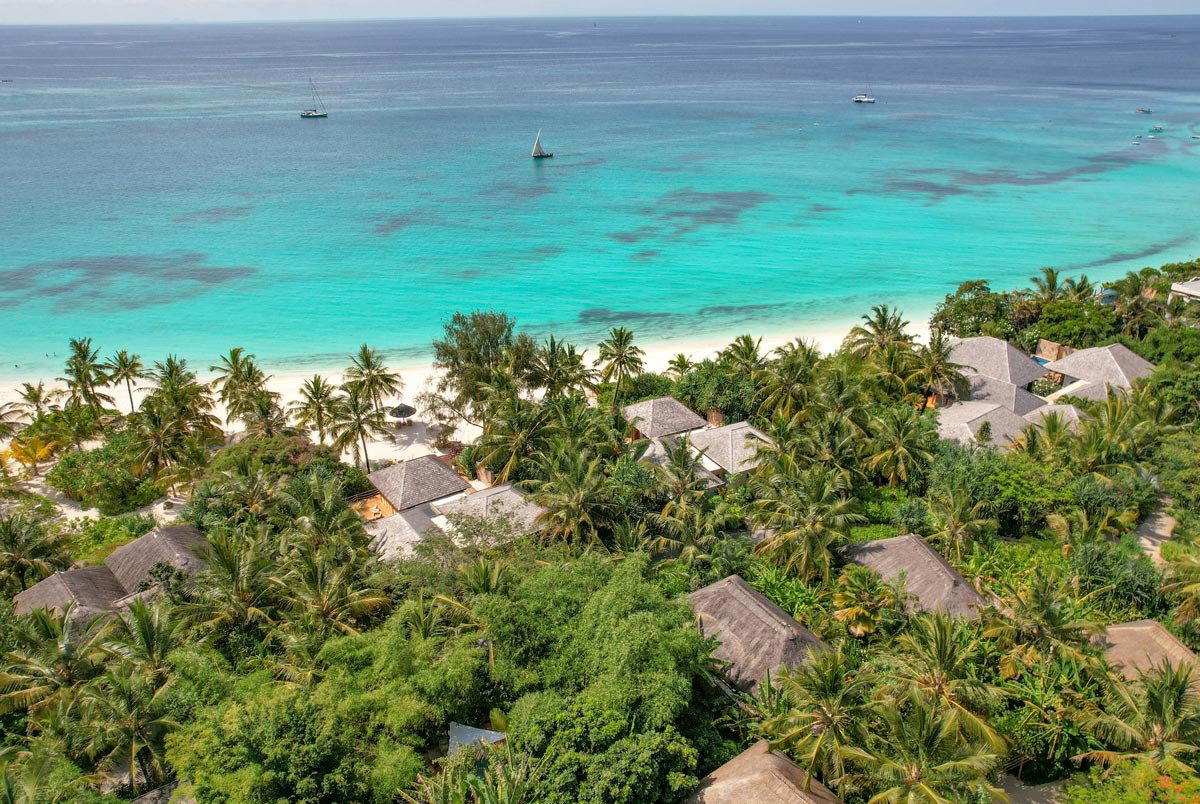
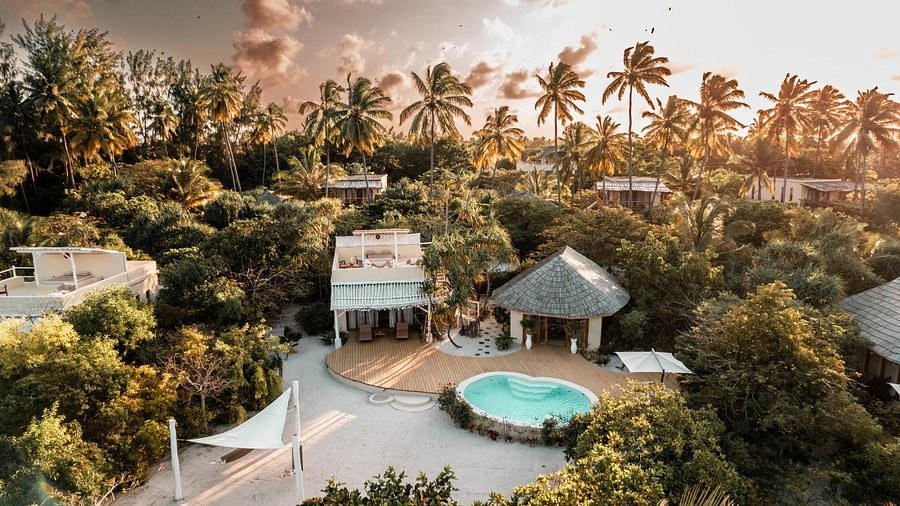
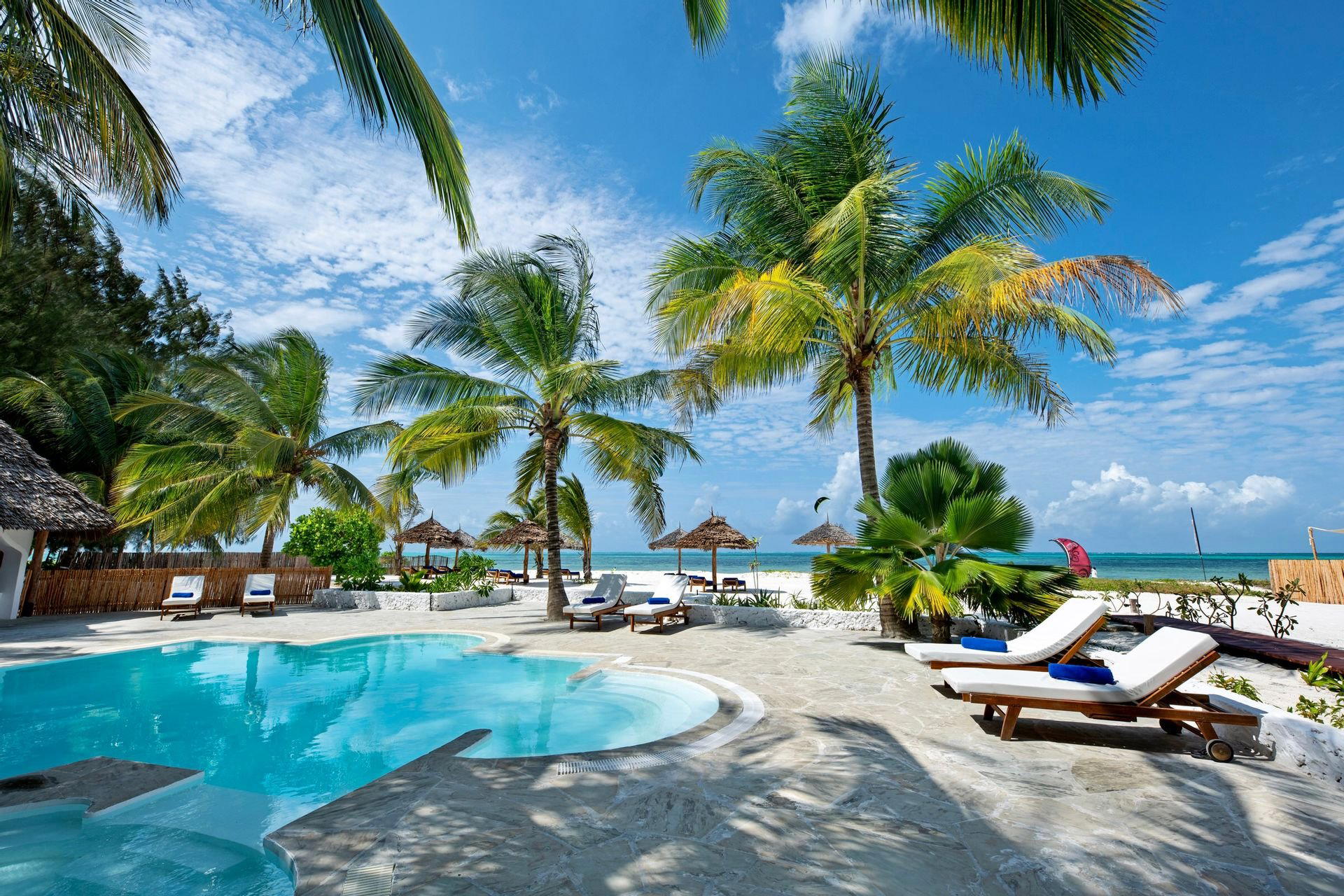
Open-air terrace surrounded by turquoise waters with romantic lighting, live rock music at evening seatings, and a barefoot-luxury atmosphere enhanced by traditional Makuti palm roof architecture.