The Promenade
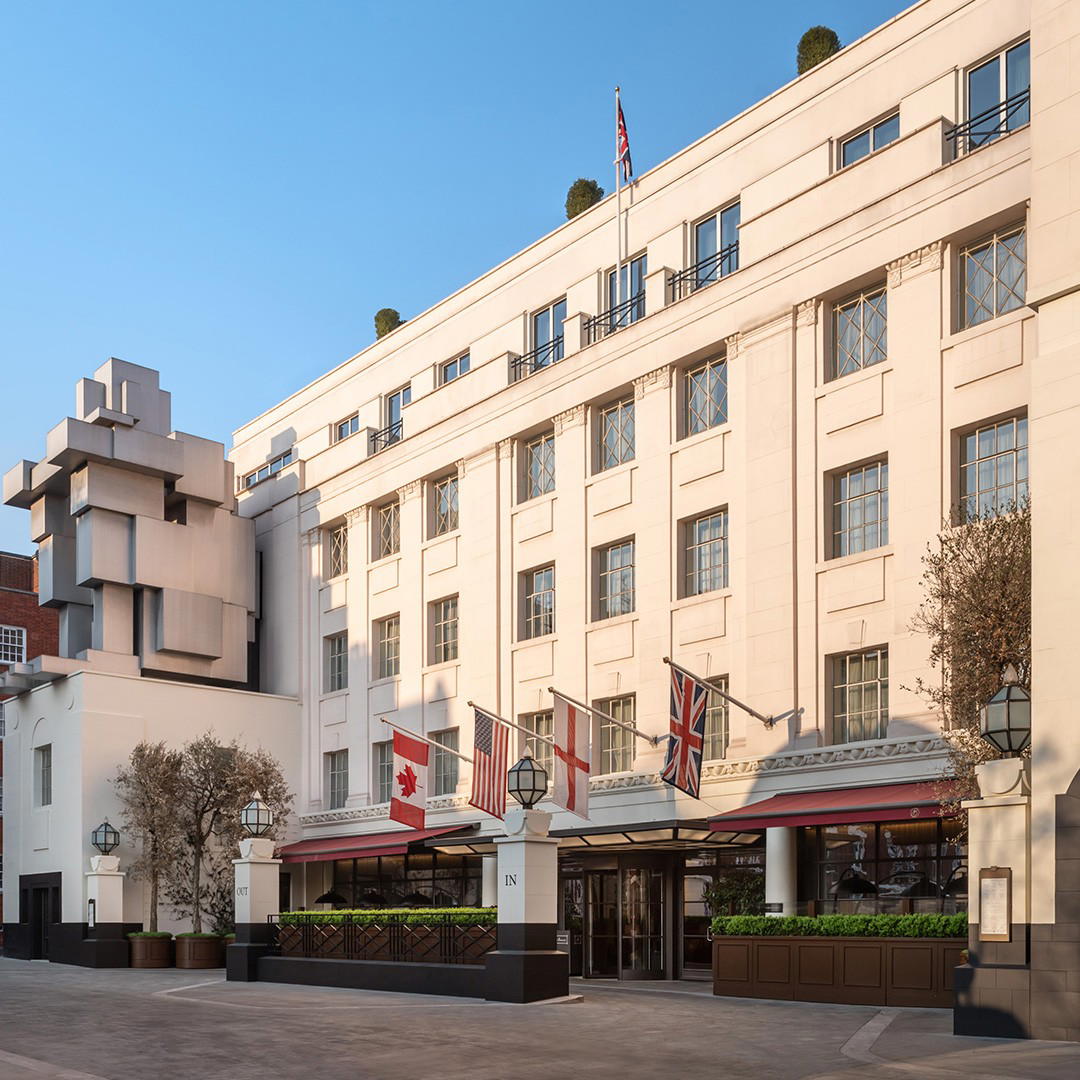
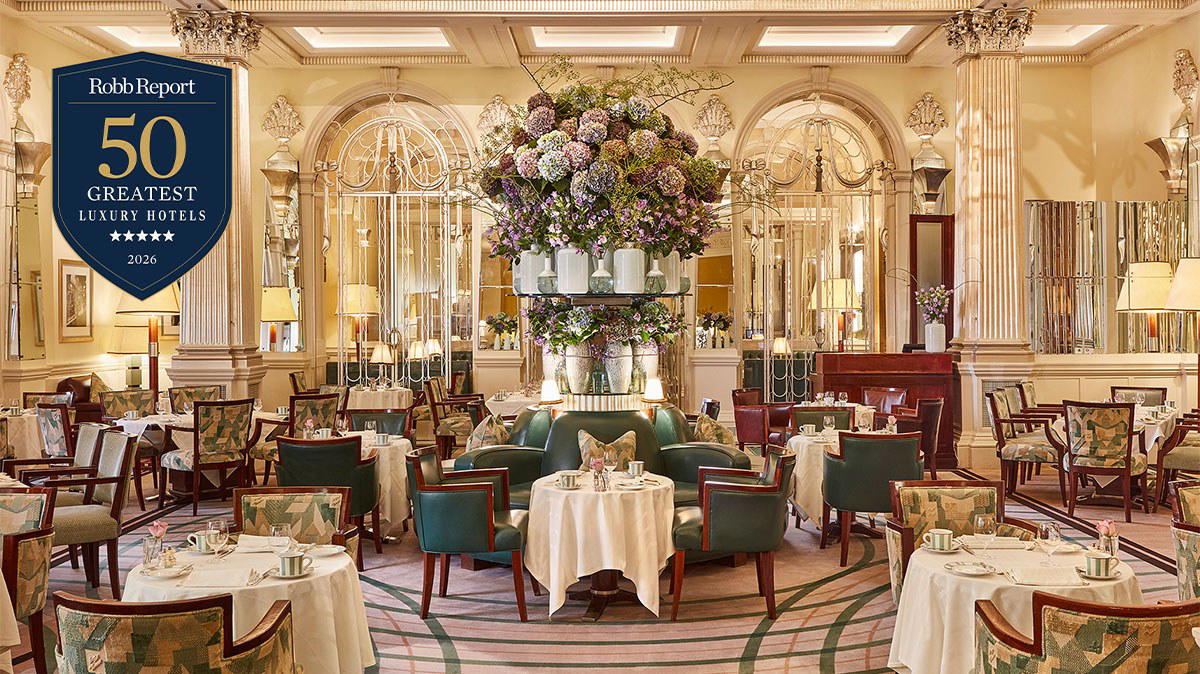
The Promenade at 53 Park Lane occupies one of London's most formally composed afternoon tea and all-day dining spaces, positioned within the Mayfair hotel corridor that sets the standard for the format in Britain. Against peers in the ££££ tier, it offers a room-led experience where spatial grandeur and service cadence define the proposition as much as the food itself.
Pearl is the En Primeur Club membership app — saves, bookings, and concierge access live there. Same editors, same standards.
- Address
- 53 Park Ln, London W1K 1QA, United Kingdom
- Phone
- +442076298888
- Website
- dorchestercollection.com
- Directions
- Get directions
 Saves & bookings on Pearl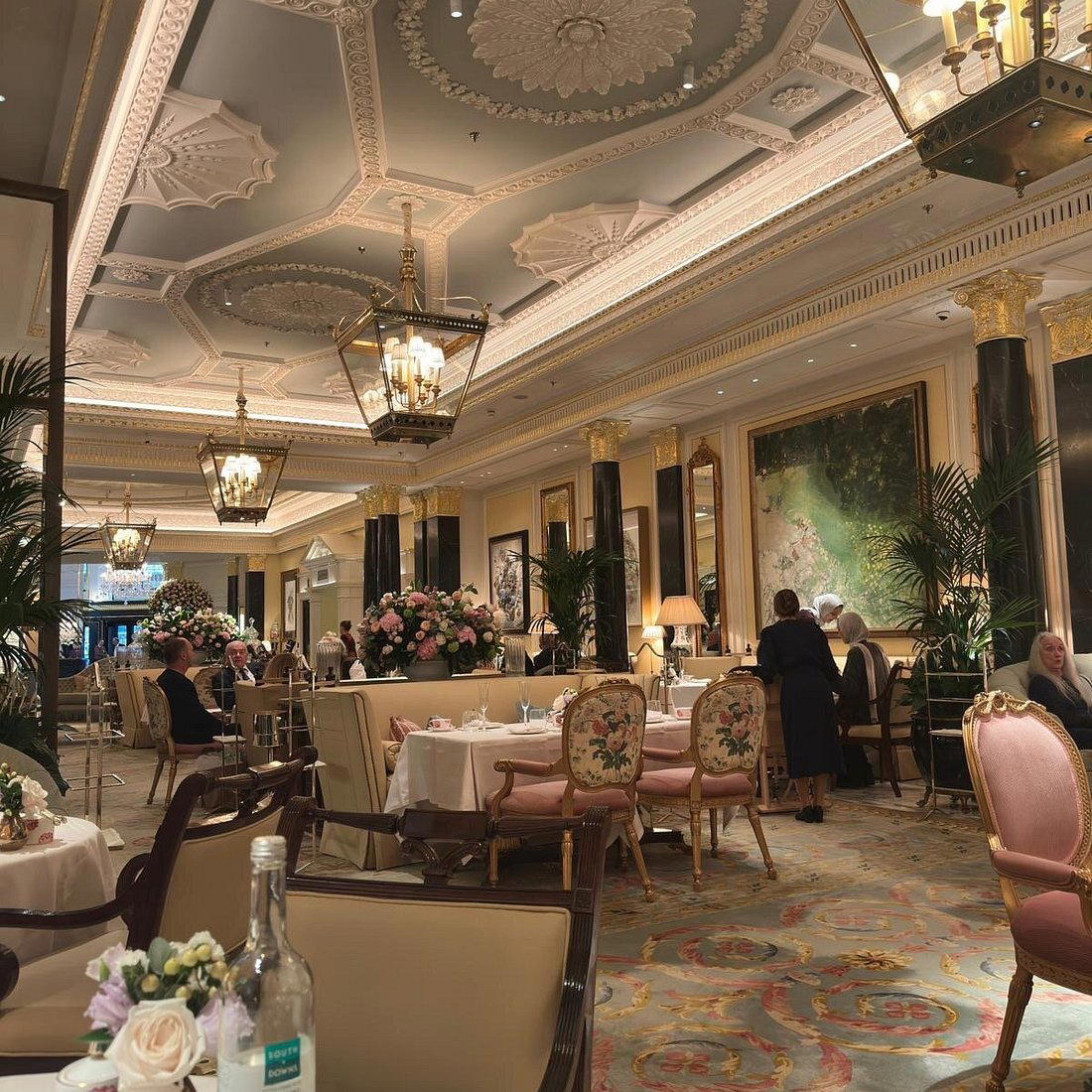
Park Lane's Formal Dining Tradition
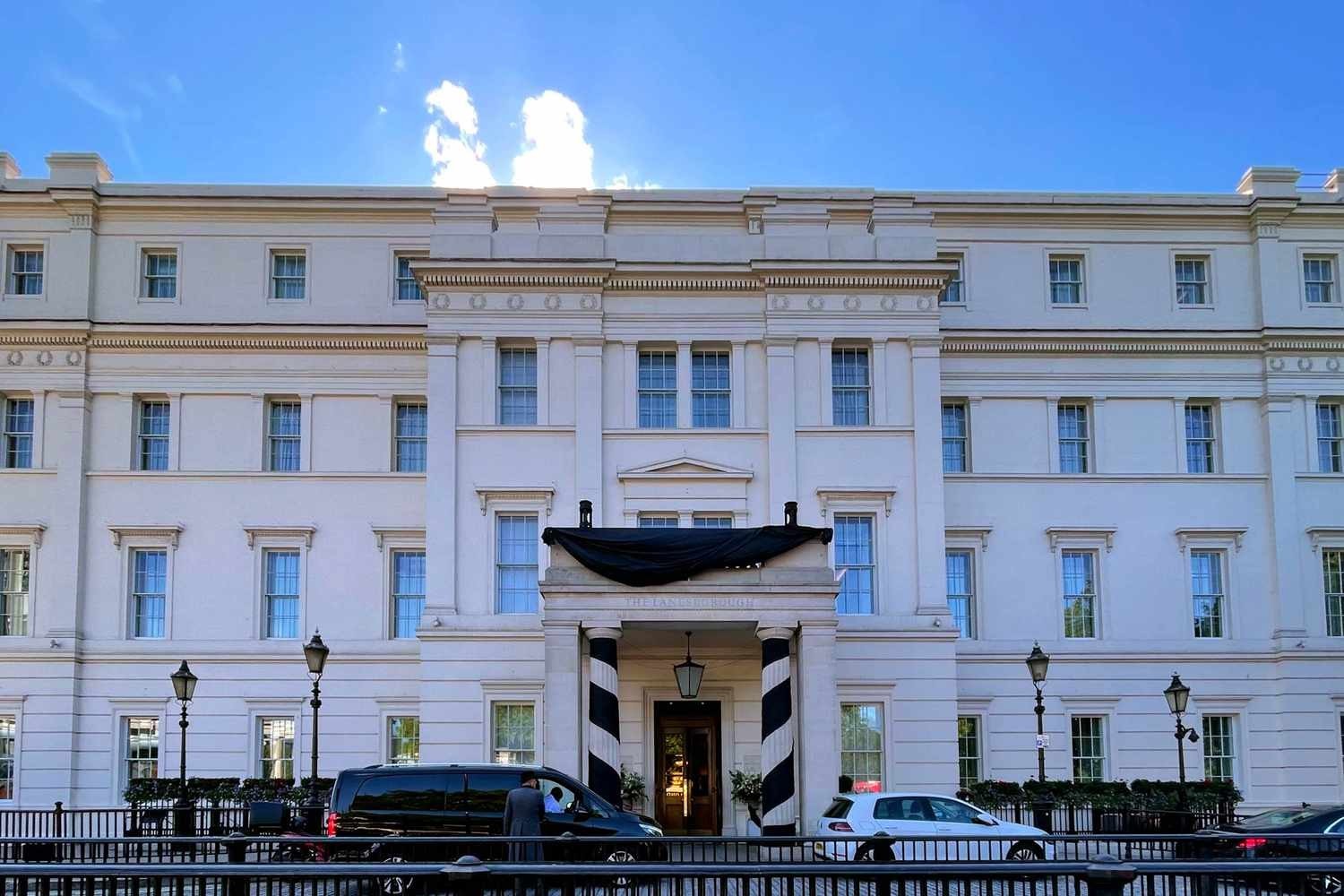
London's Park Lane corridor has served as the city's clearest expression of grand hotel dining for well over a century. The street's position on the eastern edge of Hyde Park, its concentration of large-format luxury hotels, and its proximity to Mayfair's private members culture have made it the natural home for a specific type of room: one where the physical container of dining carries as much weight as the kitchen. The Promenade at 53 Park Lane sits within that tradition, representing a format of all-day and afternoon dining where architecture, scale, and service choreography are the primary draw.
That distinction matters more than it might seem. Across London's ££££ dining tier, the dominant model has shifted toward tight chef-driven tasting counters and destination restaurants built around a named kitchen brigade. Venues like CORE by Clare Smyth, Restaurant Gordon Ramsay, and Sketch, The Lecture Room and Library trade on precise culinary identity. The Promenade operates on different logic: the room precedes the menu in the hierarchy of the experience, and guests arriving here are buying into a spatial and social occasion first.
The Room as the Argument
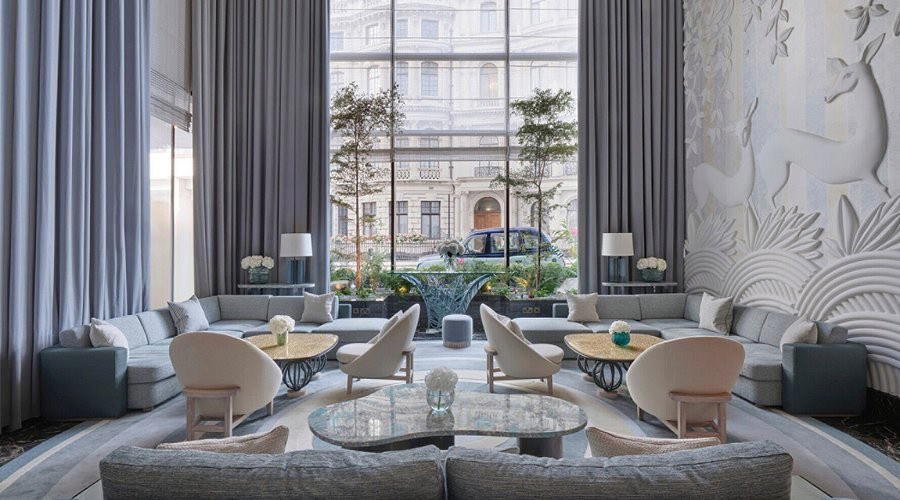
Grand hotel promenades in London descend from a Victorian and Edwardian tradition of public rooms designed for visibility and social performance. The format was built around long, light-filled galleries or salons where being seen was inseparable from the act of taking tea or luncheon. That spatial grammar persists in the better examples along Park Lane today: high ceilings, natural light managed through tall windows, upholstered seating arranged to allow both privacy and a clear sightline across the room, and service staff who function as much as spatial managers as food-and-beverage professionals.
In this context, the interior architecture is not decoration applied over a functional dining room. It is the dining room. The quality of the afternoon tea experience at this tier is measured, in part, by how well the space holds its register across a three-hour service: whether the ambient noise stays controlled, whether natural light shifts gracefully through the afternoon, and whether the seating plan allows for the kind of unhurried occupation that distinguishes genuine grand-hotel hospitality from its imitators.
London has a relatively short list of rooms that credibly sustain that standard. The comparison set for The Promenade is not the city's restaurant scene broadly but a specific cohort of hotel dining rooms and afternoon tea destinations where the room itself is the subject. That peer group commands significant price premiums over standalone restaurant tea services, and the premium is justified largely by spatial and service factors rather than food differentiation.
Afternoon Tea as a London Format
Afternoon tea at the Park Lane level sits at the summit of a format that London has commercialised and codified more thoroughly than any other city. The British tradition of a late-afternoon service of tea, sandwiches, scones, and pastries has, at its upper end, become a distinct hospitality category with its own booking patterns, dress conventions, and guest demographics. It draws heavily from international visitors for whom the format carries strong cultural associations with British identity, but it also retains a domestic clientele for milestone occasions.
The format's logic differs from restaurant dining in one important respect: the pacing is fixed and social rather than driven by appetite. A two-to-three-hour afternoon tea is structured around conversation and occasion as much as consumption, which places additional pressure on the room's ability to hold atmosphere without intrusive service or noise. The rooms that do this well in London tend to share certain physical characteristics: generous table spacing, acoustic management through soft furnishings and carpet, and a ratio of staff to covers that allows attentive service without crowding the floor.
Properties like Waterside Inn in Bray, Le Manoir aux Quat'Saisons in Oxford, and L'Enclume in Cartmel represent the country-house end of the British premium dining spectrum, while London concentrates the urban grand-hotel format. Moor Hall in Aughton, Gidleigh Park in Chagford, and Hand and Flowers in Marlow each demonstrate regional variants of serious British dining that share little format overlap with Park Lane's promenade tradition.
Positioning Within London's All-Day Dining Tier
The Park Lane hotel dining room occupies a position that is adjacent to, but distinct from, the city's destination restaurant circuit. Where venues like The Ledbury and Dinner by Heston Blumenthal compete on culinary authority and kitchen reputation, the grand hotel promenade competes on spatial authority and occasion delivery. The guest motivation is different, the booking experience is different, and the measure of success is different.
This does not make one format superior to the other. A reader choosing between an afternoon at the restaurant and a dinner at a Michelin-starred destination is choosing between two distinct types of experience. The hotel promenade format rewards those who are specifically after the room, the ritual, and the occasion framing. Those whose priority is culinary ambition and kitchen-led creativity should look at Midsummer House in Cambridge, Opheem in Birmingham, or Restaurant Andrew Fairlie in Auchterarder for a sense of what British fine dining produces at its most technically focused. For international reference points in the same refined tier, Le Bernardin in New York City and Atomix in New York City illustrate how differently other cities frame the premium dining proposition.
Know Before You Go
- Address: 53 Park Lane, London W1K 1QA
- Area: Mayfair, immediately adjacent to Hyde Park
- Format: Grand hotel all-day dining and afternoon tea
- Price tier: ££££ (consistent with Park Lane hotel dining peers)
- Nearest transport: Hyde Park Corner (Piccadilly line) or Marble Arch (Central line)
- Booking: Advance reservation strongly recommended for afternoon tea, particularly at weekends and during peak tourist seasons (spring and autumn)
- Dress: Smart casual at minimum; the room's formality rewards dressing accordingly
A Lean Comparison
Comparable venues nearby, for context on price, style, and recognition.
| Venue | Cuisine | Price | Notes |
|---|---|---|---|
| The PromenadeThis venue — the venue you are viewing | Mayfair, Contemporary European | $$$$ | Not listed |
| 28-50 By Night | Not listed | $$$ | Marylebone, Modern European with Live Jazz |
| Salut Restaurant Islington | Canonbury, Modern European | $$$ | Not listed |
| The Fifth Floor Cafe | Hyde Park, Modern European Cafe | $$$ | Not listed |
| Crispin at Studio Voltaire | Clapham, Modern European Bistro | $$$ | Not listed |
| Grain Store | Not listed | $$$ | King's Cross, Vegetable-Centric Modern European |
Continue exploring
More in London
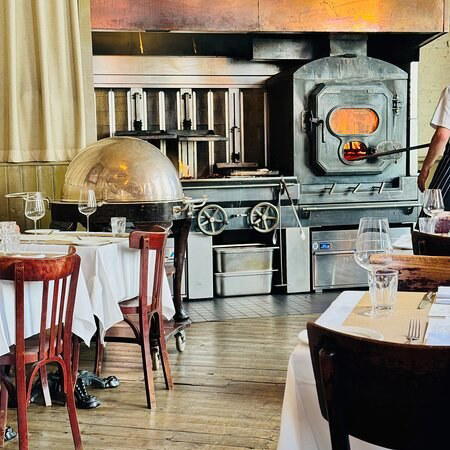
Restaurants in London
Browse all →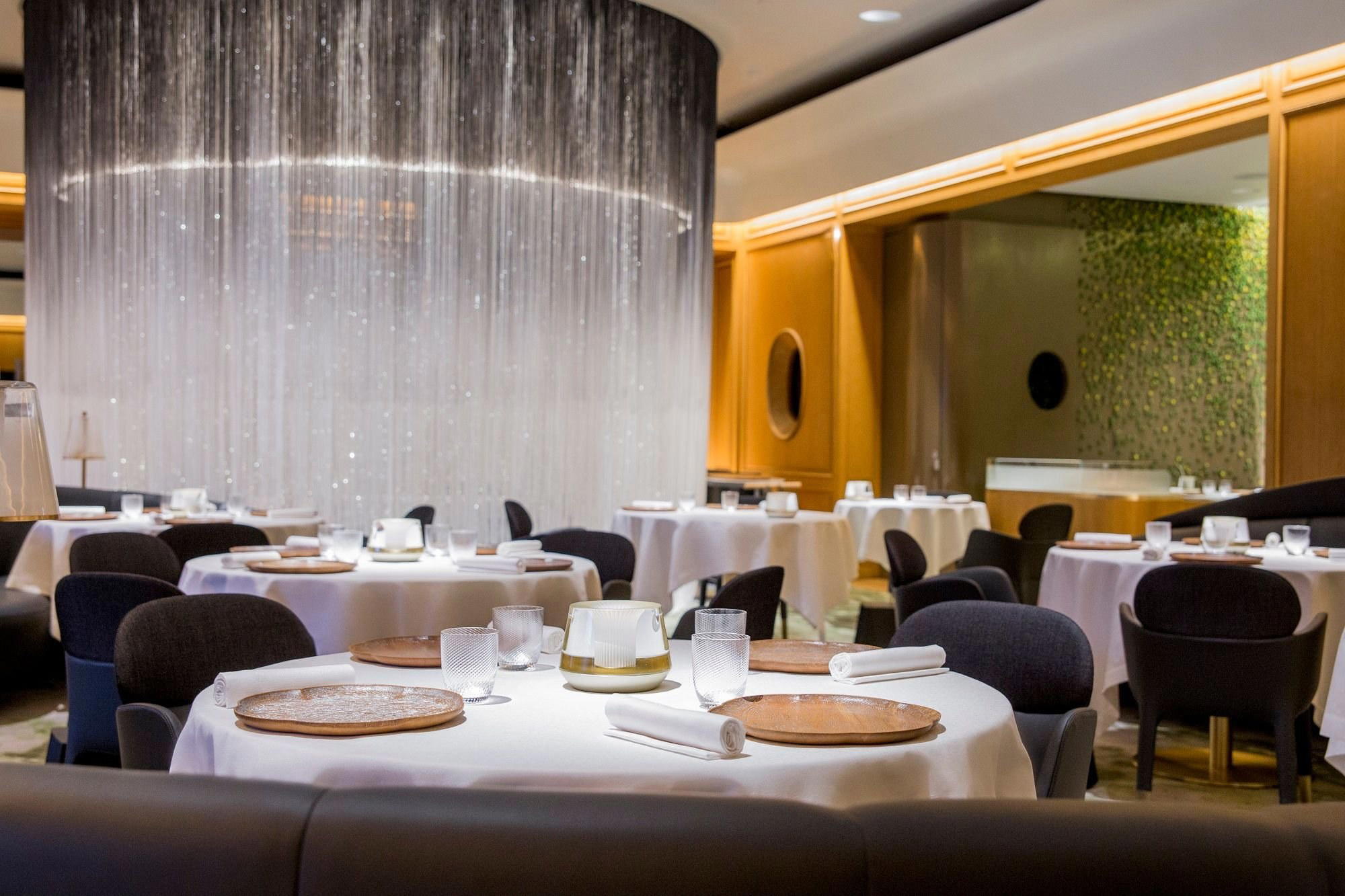
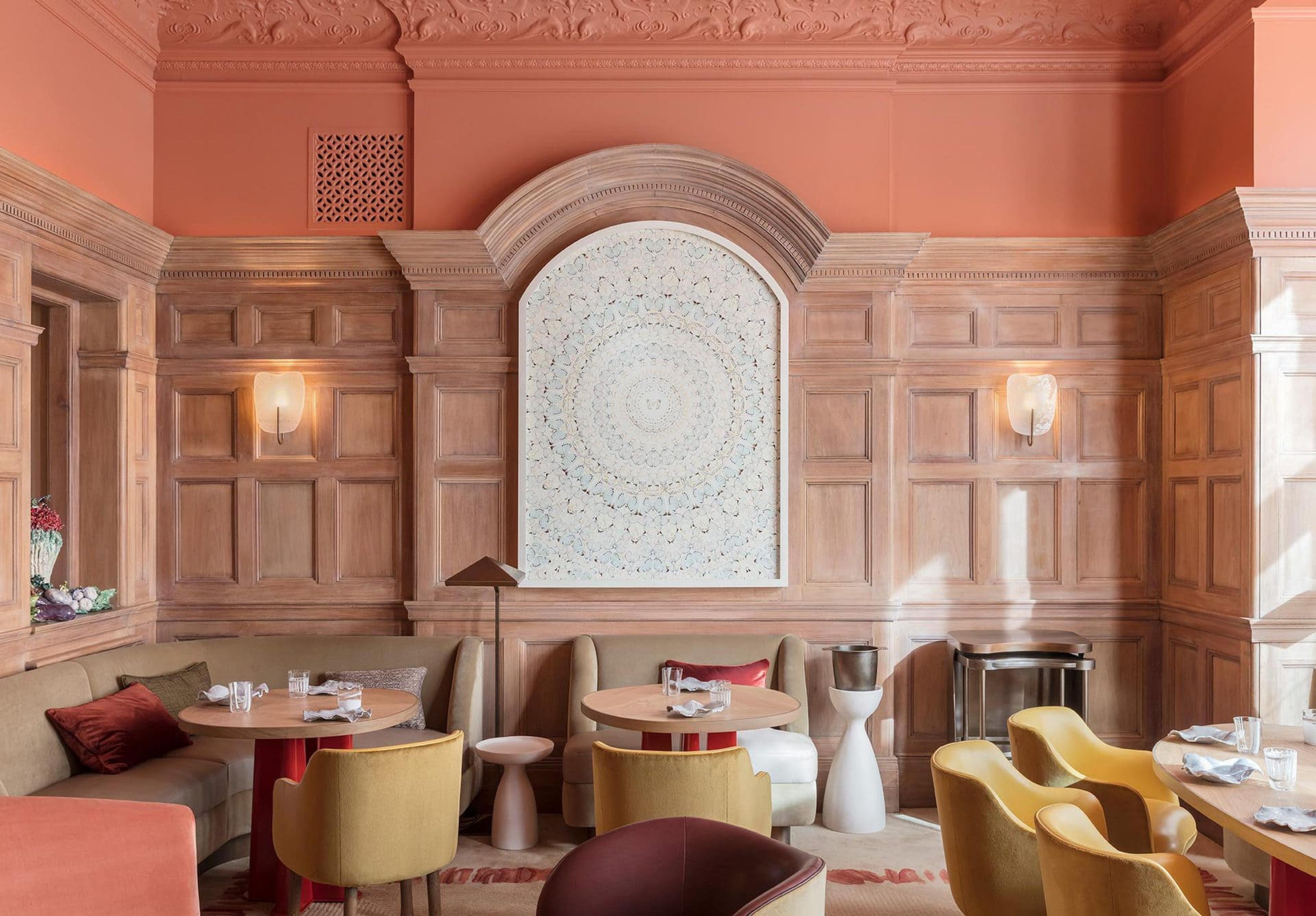
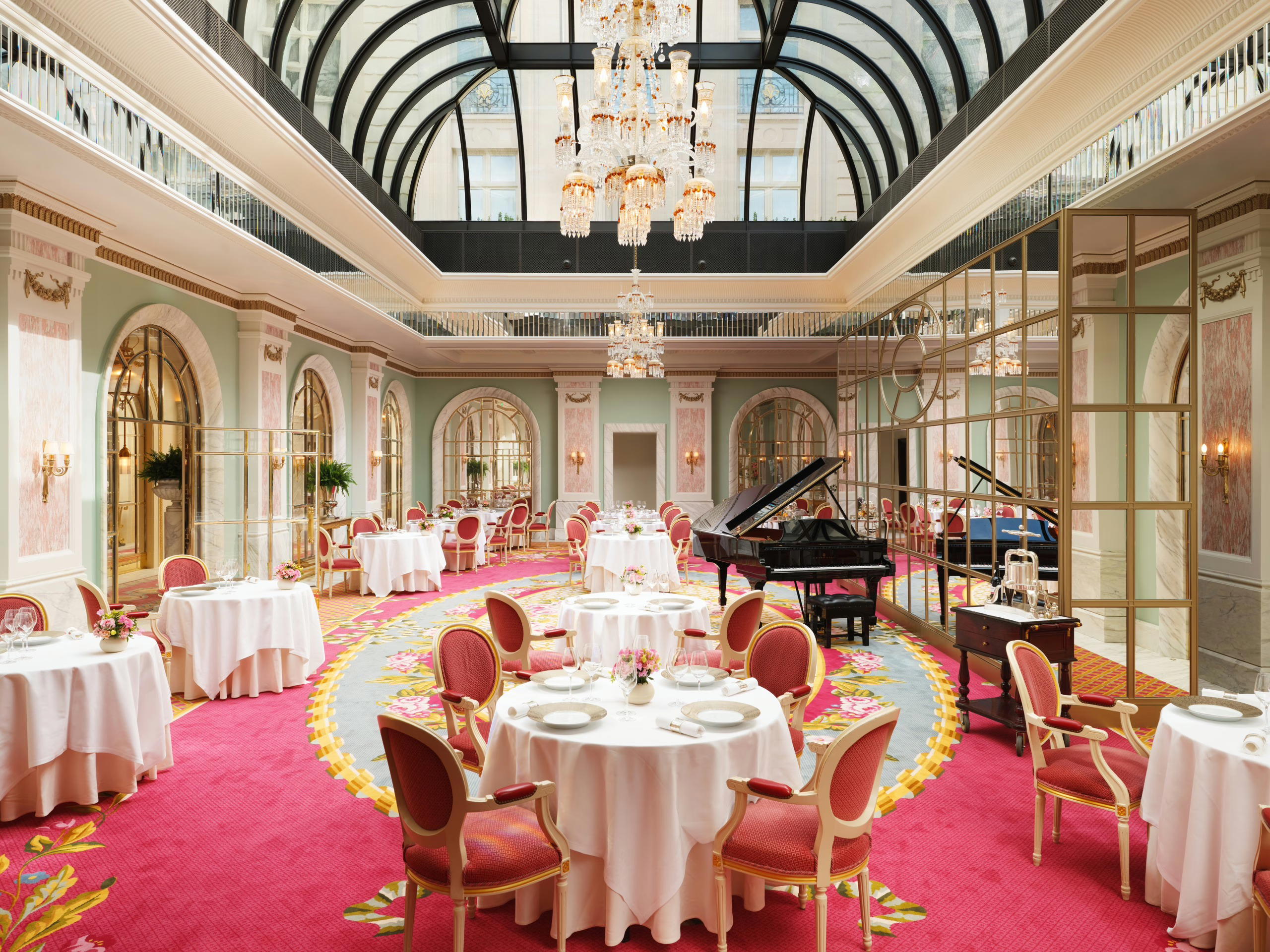
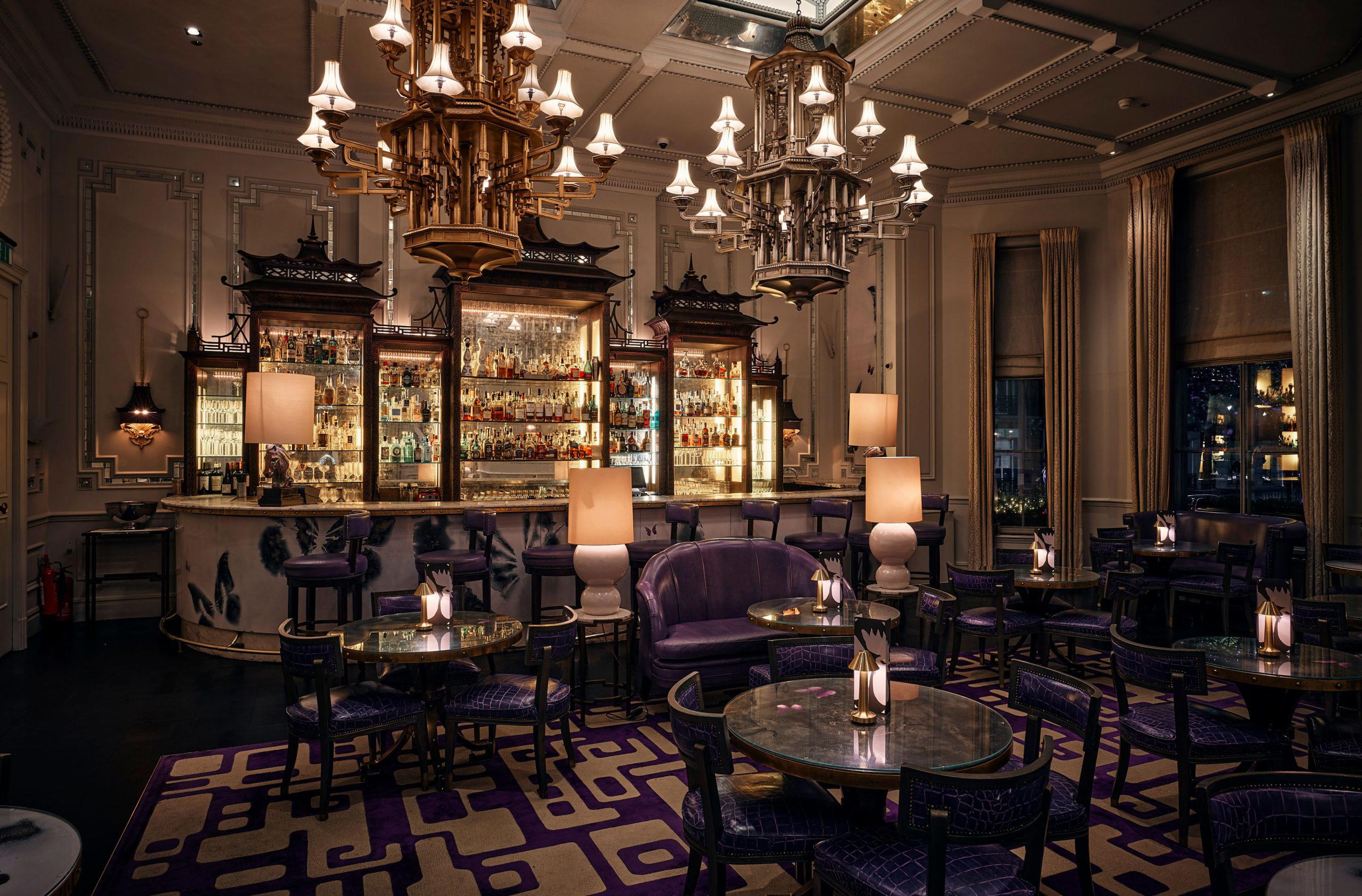
Bars in London
Browse all →
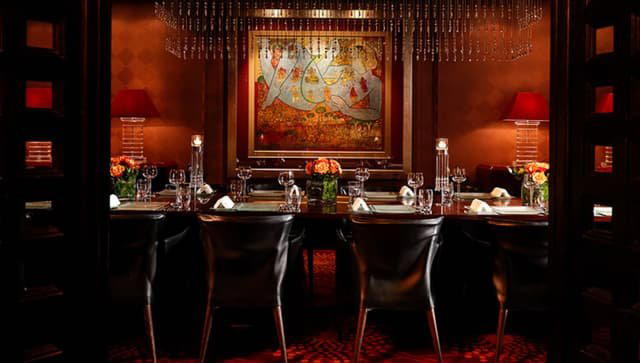
Hotels in London
Browse all →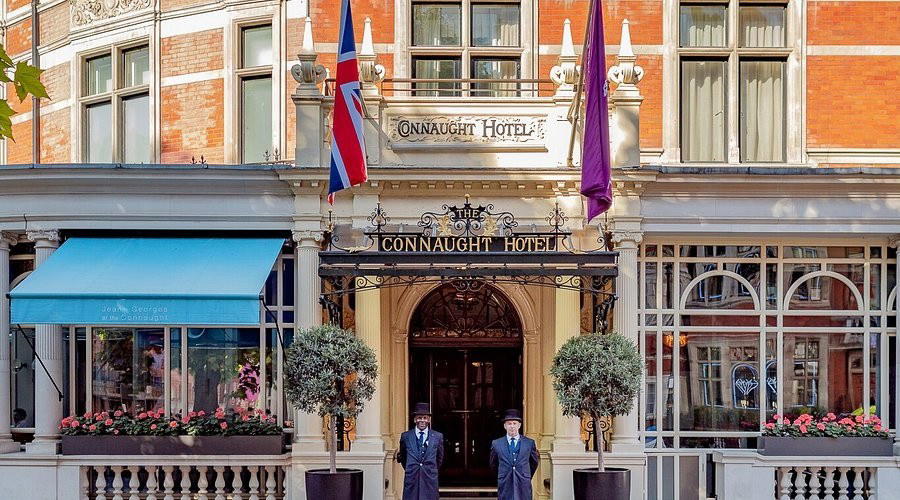



At a Glance
- Elegant
- Sophisticated
- Intimate
- Brunch
- Special Occasion
- Live Music
- Hotel Restaurant
- Historic Building
- Extensive Wine List
Current opening hours
- Monday
- 7 AM–10:30 PM
- Tuesday
- 7 AM–10:30 PM
- Wednesday
- 7 AM–10:30 PM
- Thursday
- 7 AM–10:30 PM
- Friday
- 7 AM–10:30 PM
- Saturday
- 7 AM–10:30 PM
- Sunday
- 7:30 AM–10:30 PM
Hours can change for holidays and private events. Last verified .
Stately and intimate with striking black pillars, white and sage green ceiling with gold leaf accents, and a lively warmth enhanced by live piano music.