Our verdict
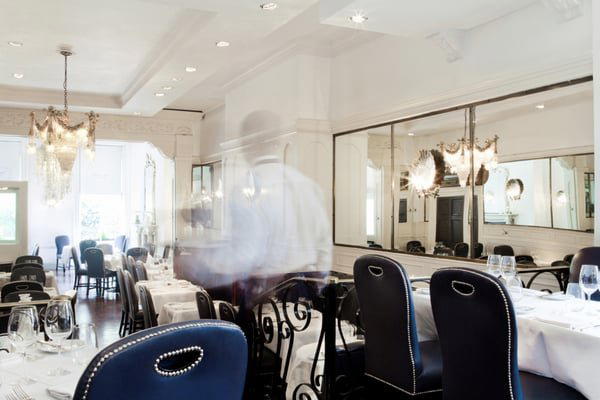
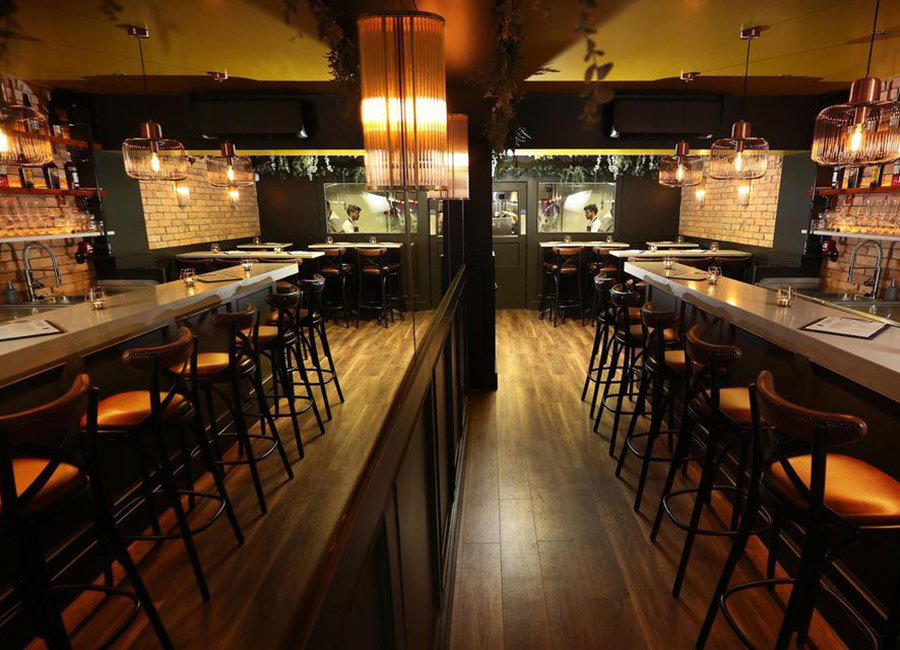
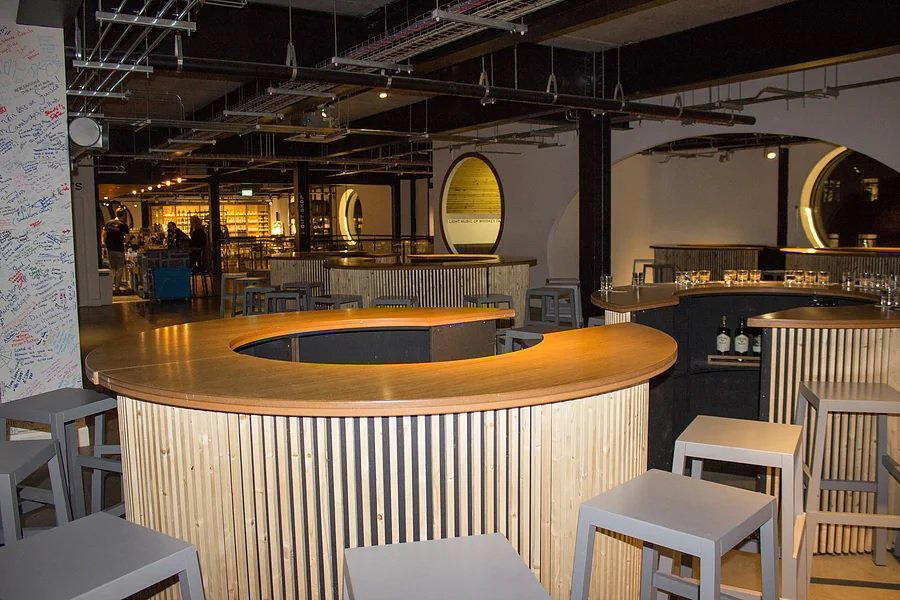
On the south side of Dublin's city centre, The Port House on William Street South operates within a city that has become one of Europe's more serious destinations for ingredient-led cooking. The venue sits in a neighbourhood increasingly defined by considered dining rather than volume, making it a useful reference point for visitors weighing Dublin's mid-to-upper casual dining tier against its more formal alternatives.

Pearl is the En Primeur Club membership app — saves, bookings, and concierge access live there. Same editors, same standards.
- Address
- 64 William St S, Dublin, D02 XW99, Ireland
- Phone
- +35316770298
- Hours
- Mon–Wed 12 PM–12 AMThu–Sat 12 PM–1:30 AMSun 12–10:30 PM
- Website
- porthouse.ie
- Directions
- Get directions
- Booking
- Book on the venue's website
William Street South and the Neighbourhood That Shaped It
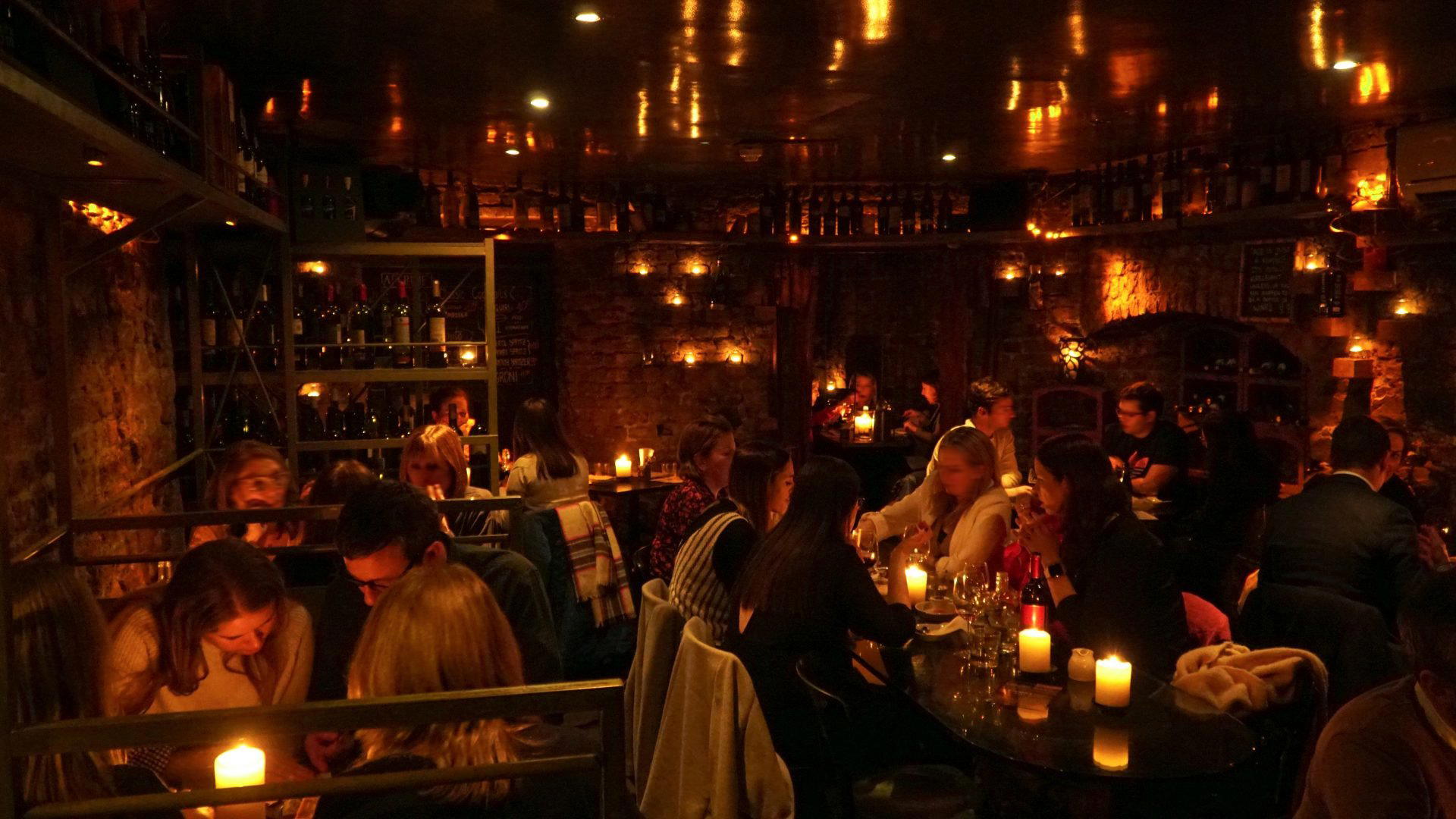
Dublin's dining culture has reorganised itself around a handful of streets and postcodes over the past decade, and William Street South is among those that attract a more deliberate kind of diner. The blocks running south from the Liffey toward the Portobello and Camden Street corridor have accumulated a density of wine bars, casual-serious restaurants, and destination spots that put them in the same conversation as some of the better-stocked European city-centre dining streets. The Port House, at number 64, sits within that cluster.
In any city where ingredient sourcing has become a genuine editorial talking point rather than marketing language, location matters less than provenance. Dublin has followed a path taken earlier by London and Copenhagen: a turn toward named producers, traceable proteins, and a cooking style where the supply chain is part of the story. The restaurants that have earned sustained attention here tend to be those where the kitchen can explain where the fish came from, which county the beef was reared in, and why those choices affect what arrives at the table. That framing applies across price points, from the long-tasting-menu rooms of Chapter One by Mickael Viljanen and Patrick Guilbaud to the more pared-back registers of Bastible and Glovers Alley.
Ingredient Sourcing as Dublin's Current Preoccupation
The broader shift across Irish restaurant cooking over the past five to seven years has been a measurable one. Ireland's geography — relatively small landmass, short distances from farm and sea to city, a coastline that produces Carlingford oysters, Castletownbere crab, and Dingle Bay prawns without significant logistics chains — gives Dublin kitchens a structural advantage that few European capitals can replicate. The same short supply lines that make Aniar in Galway or Bastion in Kinsale credible as ingredient-led destinations apply, with only marginal extra distance, to city-centre kitchens in Dublin.
That context matters when assessing any William Street South address. Diners arriving with expectations shaped by rural destination restaurants like Chestnut in Ballydehob, Homestead Cottage in Doolin, or House in Ardmore will find that the same producer networks extend to the city. The argument that provenance-led cooking requires rural settings has largely been dismantled by a generation of Dublin kitchens that source with as much rigour as their country counterparts. Liath in Blackrock and dede in Baltimore are further illustrations of how that sourcing ethos distributes across the island.
Positioning Within Dublin's Dining Tiers
Dublin's current dining map splits fairly clearly into three tiers. At the leading sit the white-tablecloth rooms with multi-course formats and wine pairings priced accordingly. In the middle is a growing cohort of chef-driven, informally presented restaurants where the cooking is serious but the format is not ceremonial. Below that is a large and fairly undifferentiated casual sector. The Port House occupies the city-centre zone where the middle and casual tiers meet, serving a street audience that includes both destination diners and passing trade.
For comparison with how similar-address venues across different cities handle that positioning: D'Olier Street in Dublin works within a comparable street-level brief. Internationally, city-centre ingredient-focused rooms like Le Bernardin in New York City demonstrate how seriously provenance can be taken even in high-density urban settings, though the price tier and formality are distinct. Atomix in New York City represents a different register again, where sourcing is foregrounded as a design principle across every element of the tasting format. Dublin's mid-tier venues draw from those traditions at a different price point and with more accessible formats.
Among Irish destination restaurants beyond the capital, Campagne in Kilkenny, Terre in Castlemartyr, and Lady Helen in Thomastown each show how the sourcing-led model translates into hotel and country-house formats. The city version of that model, which The Port House represents, trades the pastoral backdrop for proximity, convenience, and a more impromptu booking window.
Planning Your Visit
William Street South is walkable from St Stephen's Green and from the main city-centre hotel cluster, making The Port House accessible without pre-planned transport. The street itself is a short walk from the Georges Street Arcade and the Camden Street dining strip, so it integrates easily into an evening that involves multiple stops.
| Venue | Location | Format | Price Tier |
|---|---|---|---|
| The Port House | William St South, Dublin | City-centre casual-serious | Not confirmed |
| Patrick Guilbaud | Merrion Hotel, Dublin 2 | Fine dining, tasting menu | €€€€ |
| Bastible | Camden Street, Dublin | Chef-driven, informal | €€€€ |
| Chapter One by Mickael Viljanen | Parnell Square, Dublin | Tasting menu, Michelin two-star | €€€€ |
For a fuller orientation to Dublin's current dining options across all price tiers and neighbourhoods, the EP Club Dublin restaurants guide covers the city in detail.
Frequently asked questions
Where exactly is The Port House?
The Port House is located at 64 William St S, Dublin, D02 XW99, Ireland, Dublin.
Does The Port House Dublin focus on a specific wine style to pair with its tapas?
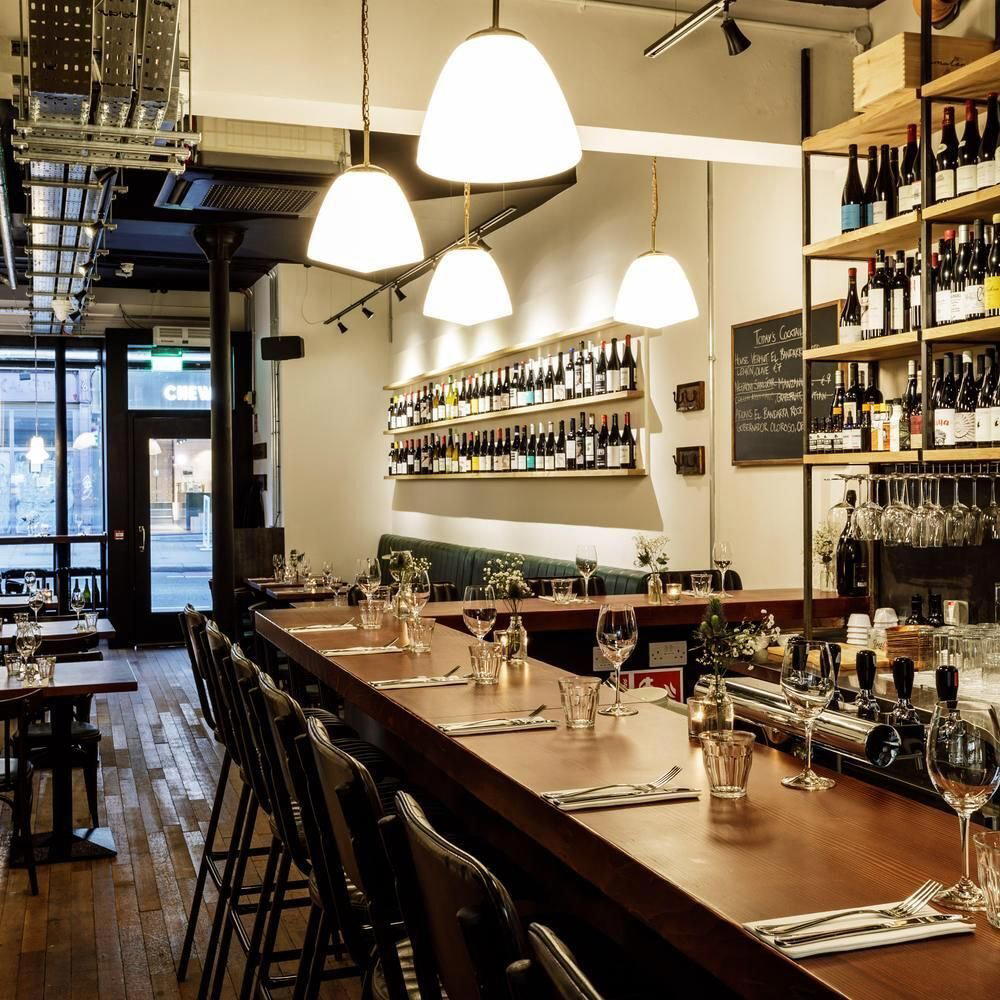
The Port House pairs its Iberian small-plate format with a wine list oriented toward Spanish and Portuguese producers, which follows naturally from the pintxos-and-tapas model the venue runs. That regional coherence between food and wine is relatively uncommon in Dublin's city-centre bar scene, where wine lists tend to be generic rather than cuisine-matched. It places The Port House closer to a specialist wine bar than a general gastropub on William Street South.
What should I eat at The Port House?
The Port House on William Street South is built around small-plate formats, with pintxos and tapas-style dishes at the core of the menu. The kitchen leans into Spanish and Iberian traditions, which places it closer to a wine-bar eating experience than a conventional restaurant sitting. Order broadly and graze — that is the format the room is designed for.
What's the best way to book The Port House?
The Port House is located at 64 William Street South, Dublin D02 XW99, and is walkable from St Stephen's Green and the main city-centre hotel cluster.
What's the standout thing about The Port House?
The format itself is the differentiator: a pintxos and wine-bar model in a city where most comparable venues run conventional table-service menus. William Street South has become one of Dublin's more active dining streets over the past decade, and The Port House occupies a distinct position within it by anchoring to Iberian small-plate traditions rather than Irish-contemporary cooking.
Is The Port House allergy-friendly?
Given the small-plate format — where dishes often share prep space and ingredients rotate — guests with serious allergies should check the venue's official channels before visiting to confirm what accommodations are possible.
Is a meal at The Port House worth the investment?
For the William Street South corridor, that makes it a practical option for an informal evening built around wine and small plates rather than a formal multi-course commitment.
Comparable Spots
Comparable venues nearby, for context on price, style, and recognition.
| Venue | Cuisine | Price | Notes |
|---|---|---|---|
| The Port HouseThis venue — the venue you are viewing | Traditional Spanish Tapas & Pintxos | $30–50 | Not listed |
| GBK South Anne Street | Gourmet Burgers | $20–30 | Royal Exchange B |
| The Woollen Mills | Modern Irish Gastropub | $20–30 | North City |
| Chili Club | Authentic Thai | $20–30 | Mansion House B |
| Gallaghers Boxty House | Traditional Irish Boxty House | $20–30 | North City |
| Di Luca | Authentic Italian Pasta | $20–30 | Royal Exchange B |