Our verdict
The Pizza Company Nguyễn Văn Cừ - Vinh serves pizza at 138 Nguyễn Văn Cừ in Vinh, with casual service, conversational noise, and lunch-or-dinner pacing.

Pearl is the En Primeur Club membership app — saves, bookings, and concierge access live there. Same editors, same standards.
- Address
- 138 Nguyễn Văn Cừ, Phường Hưng Phú, Vinh, Nghệ An 460000, Vietnam
- Phone
- +848419006066
- Hours
- Daily 10 AM–10 PM
- Website
- thepizzacompany.vn
- Directions
- Get directions
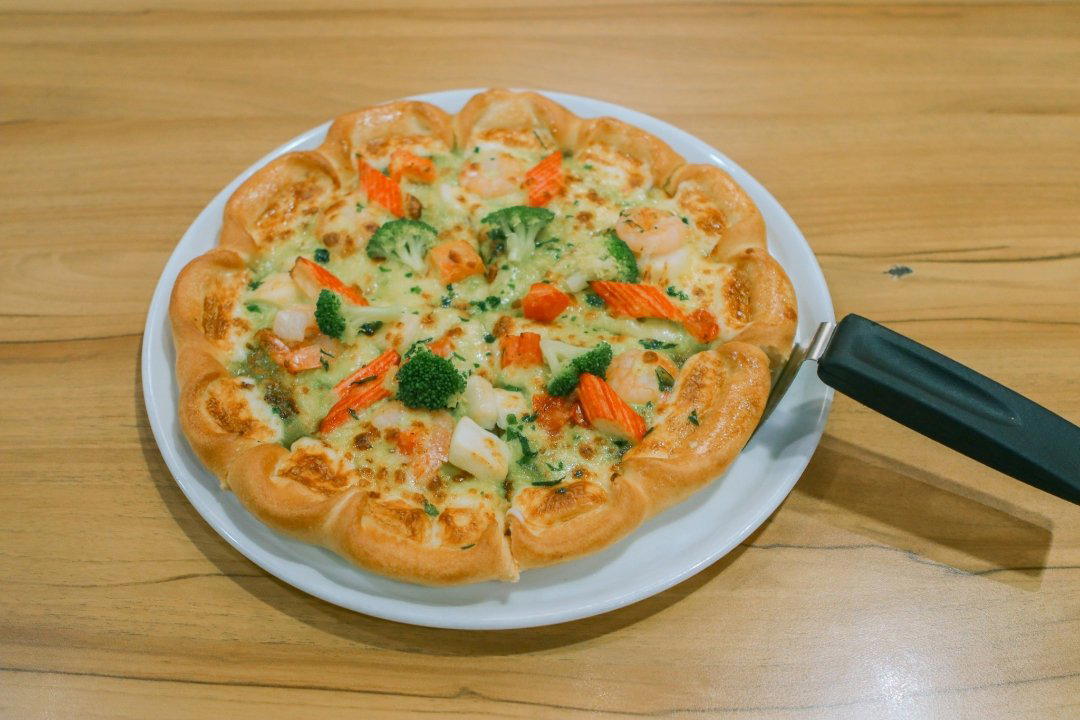
The broader story here is one of ingredient transit. Tomatoes from Đà Lạt's highland farms, pork from Mekong Delta suppliers, and locally produced dairy have progressively replaced the imported ingredients that once defined the cost structure of international-format restaurants in the country. That shift matters because it changed price positioning: chains like The Pizza Company can now compete in the mid-market without the import premiums that historically pushed international food up the price ladder. For a city like Vinh, where average dining spend sits well below Ho Chi Minh City levels, that local sourcing evolution is what made the format viable at all. The Pizza Company, a Thai-origin chain with significant Southeast Asian presence, has followed that playbook, and the Nguyễn Văn Cừ location operates within a recognisable brand framework: standardised fit-out, a menu calibrated for family groups, and a price point that sits above street food but below the ₫₫₫₫ bracket occupied by Hanoi contemporaries like Gia or Ho Chi Minh City's Akuna.
That price positioning is significant context for how this restaurant functions in Vinh's dining ecosystem. The city does not have a high-end international dining tier comparable to what La Maison 1888 in Da Nang and Japanese options such as Fujiya Sushi Đà Lạt, as well as Korean tteokbokki concepts like Dookki Vincom Plaza Tuyên Quang. The Pizza Company competes within that tier, distinguished from fast-food formats like Jollibee in Kon Tum by table service and a broader menu architecture. Unlike coastal-city restaurants that can access premium seafood supply chains as seen at Bien 14 Seafood Buffet Restaurant in Ha Long, a pizza chain's sourcing logic is primarily about supply chain reliability and cost management at scale.
Nghệ An province itself has agricultural depth. The region produces vegetables, pork, and poultry at volume, and the degree to which central procurement systems for a chain like this tap into provincial supply versus national distribution hubs varies and is not publicly detailed. That standardisation is the commercial proposition, and it is what differentiates the experience from Vinh's independent restaurant operators who work with local market produce directly. The chain format trades that specificity for consistency and accessibility, and in a secondary market like Vinh, accessibility wins on volume. Against that backdrop, international chain formats occupy a particular social function, acting as venues for birthday gatherings, business lunches, and family meals where the familiarity of the format matters as much as the food itself. The Pizza Company on Nguyễn Văn Cừ performs that social role in its catchment area.
For EP Club readers accustomed to the ₫₫₫₫ tier, where Akuna in Ho Chi Minh City or fine dining reference points like Le Bernardin in New York City and Atomix in New York City define the conversation, a provincial pizza chain is a different category of decision. Our full Vinh restaurants guide covers the full spectrum from street-level to the city's more polished dining options.
Adjacent formats worth knowing for comparison purposes include GoGi House Go Bạc Liêu in Bac Lieu for Korean BBQ in a similar provincial context, and Big Bowl in Cam Ranh and Han Yang BBQ in Ong Hoi and [Matchandeul BBQ Binh Duong](https://www.enprimeurclub.
Planning a Visit
The location at 138 Nguyễn Văn Cừ, Phường Hưng Phú is accessible from Vinh's centre without significant travel time. As a chain restaurant, booking is generally not required, and walk-in availability is standard for the format. The address is clear and the neighbourhood is a functional residential district rather than a tourist zone, which means foot traffic is predominantly local.
Frequently asked questions
Would The Pizza Company Nguyễn Văn Cừ - Vinh be comfortable with kids?
Pizza chains generally design their format around family dining, and the ground-floor commercial unit on Nguyễn Văn Cừ in Hưng Phú ward fits that pattern. The casual counter-service or table structure typical of The Pizza Company across Vietnam tends to accommodate children without difficulty.
How would you describe the vibe at The Pizza Company Nguyễn Văn Cừ - Vinh?
This is a chain restaurant on a commercial street in Vinh's Hưng Phú ward — the atmosphere follows the standardised Pizza Company format rather than anything locally distinct. Expect a mid-casual, brightly lit dining room consistent with the brand's other provincial Vietnam outlets. It sits in contrast to the street-level bún bò and cháo spots that define Vinh's local dining register.
Is The Pizza Company on Nguyễn Văn Cừ one of the few international food chains operating in Vinh, Nghệ An?
Vinh's restaurant scene is predominantly local, built around Vietnamese regional dishes, which means international pizza chains occupy a narrow but visible niche in the city. The Hưng Phú ward location at 138 Nguyễn Văn Cừ represents part of The Pizza Company's wider push into Vietnam's provincial capitals beyond Hanoi and Ho Chi Minh City. For visitors or residents seeking a format familiar from larger cities, this branch is one of the more established international food options in the area.
What dish is The Pizza Company Nguyễn Văn Cừ - Vinh famous for?
The brand's wider Vietnam operation is known for adapting toppings to regional preferences, which makes the Vinh outlet an interesting case study in how a Thai-origin chain adjusts to central Vietnamese tastes.
What's the address for The Pizza Company Nguyễn Văn Cừ - Vinh?
The Pizza Company Nguyễn Văn Cừ - Vinh is located at 138 Nguyễn Văn Cừ, Phường Hưng Phú, Vinh, Nghệ An 460000, Vietnam, Vinh.
How hard is it to get a table at The Pizza Company Nguyễn Văn Cừ - Vinh?
As a chain restaurant at 138 Nguyễn Văn Cừ in Vinh, walk-in availability is the norm — advance booking is not a feature of this format in Vietnam's provincial cities. Peak hours on weekends may require a short wait, but the operational model is built for throughput rather than reservation-led sittings.
What's the defining dish or idea at The Pizza Company Nguyễn Văn Cừ - Vinh?
The defining idea here is the chain format itself operating in a secondary Vietnamese city: an international pizza brand embedded in a neighbourhood, Hưng Phú, that runs on local rice-dish culture.
At-a-Glance Comparison
Comparable venues nearby, for context on price, style, and recognition.
| Venue | Cuisine | Price | Notes |
|---|---|---|---|
| The Pizza Company Nguyễn Văn Cừ - VinhThis venue — the venue you are viewing | Pizza | $1–10 | Not listed |
| White Rose (Bông Hồng Trắng) | Hoi An White Rose Dumplings | Not listed | Old Town |
| Pizza 4P's Bao Khanh | Japanese-Italian Fusion Pizza | $20–30 | Hoan Kiem |
| Victoria Sapa Resort & Spa | Vietnamese and International | $20–30 | Sa Pa |
| Bacco | Modern Italian restaurant in a luxury hotel | $30–50 | Hoan Kiem |
| The Hill Station Signature Restaurant | Authentic Sapa Ethnic Cuisine | Not listed | Sa Pa |
Continue exploring
More in Vinh
Restaurants in Vinh
Browse all →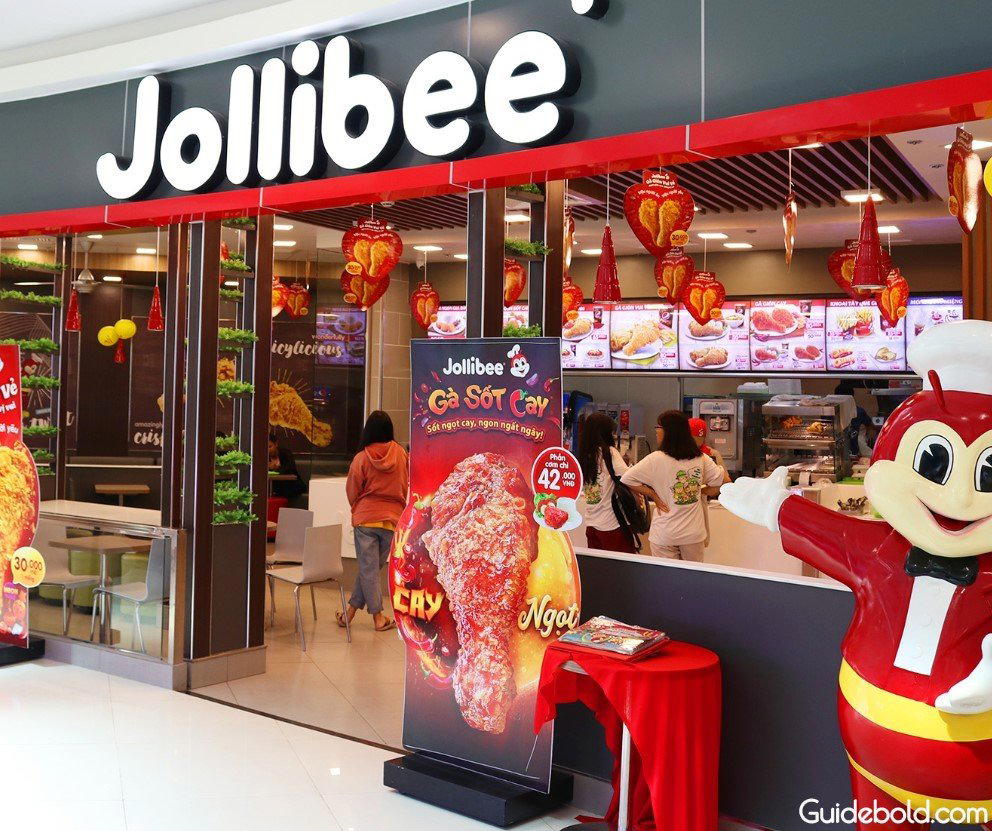
Details
- Lively
- Casual Hangout
- Family
- A La Carte
- Vegetarian Friendly
Current opening hours
- Monday
- 10 AM–10 PM
- Tuesday
- 10 AM–10 PM
- Wednesday
- 10 AM–10 PM
- Thursday
- 10 AM–10 PM
- Friday
- 10 AM–10 PM
- Saturday
- 10 AM–10 PM
- Sunday
- 10 AM–10 PM
Hours can change for holidays and private events. Last verified .
Casual and direct pizza restaurant atmosphere.