The Nicollet Diner
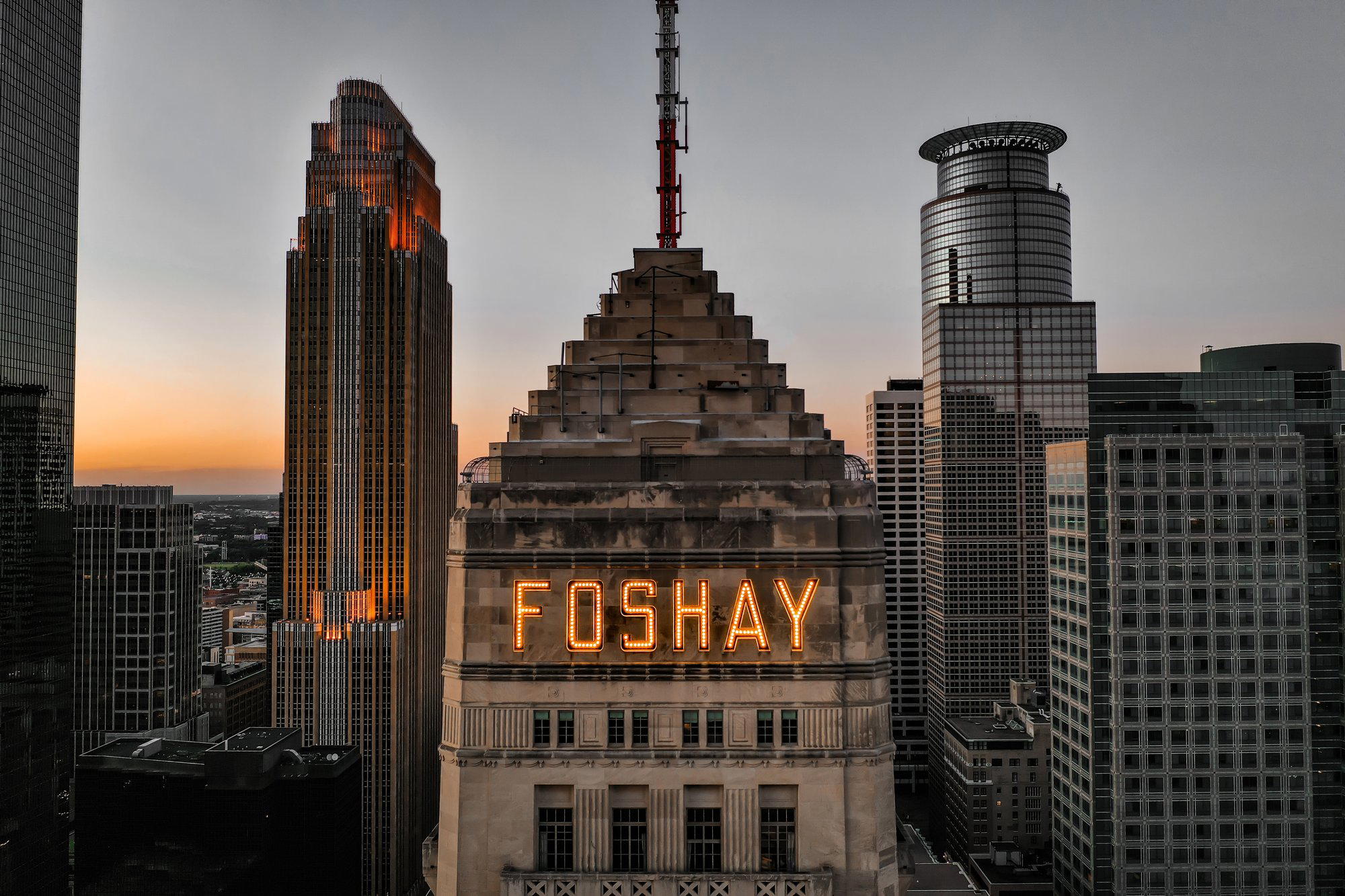
On Nicollet Mall, Minneapolis's main pedestrian corridor, The Nicollet Diner occupies a position that says something about how the city feeds itself between its fine-dining ambitions and its everyday appetite. The diner format here sits at the intersection of neighborhood ritual and street-level practicality, making it a useful reference point for understanding how Minneapolis structures its mid-register dining scene.
Pearl is the En Primeur Club membership app — saves, bookings, and concierge access live there. Same editors, same standards.
- Address
- 1333 Nicollet Mall, Minneapolis, MN 55403
- Phone
- +16123996258
- Website
- thenicolletdiner.com
- Directions
- Get directions
 Saves & bookings on Pearl
Nicollet Mall and the Diner as Urban Anchor
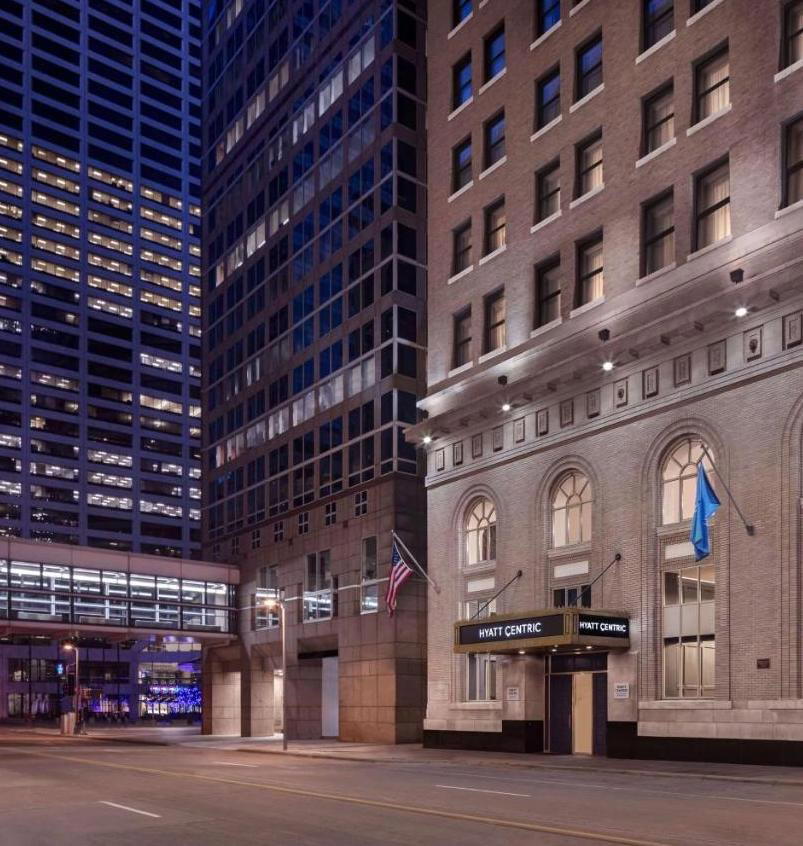
American cities tend to reveal their character most clearly not in their celebrated restaurants but in the places that absorb everyone else: the counter seats, the all-day menus, the rooms that don't require a reservation weeks in advance. On Nicollet Mall, the pedestrian spine that runs through central Minneapolis, The Nicollet Diner at 1333 Nicollet Mall occupies exactly that kind of position. The street itself has been through decades of reinvention, from a mid-century shopping corridor to a light-rail-served urban boulevard, and a diner at this address is less a destination than an institution of daily life.
The diner format in American cities has bifurcated sharply over the past two decades. One branch has been absorbed into the brunch-industrial complex, retooled with craft syrups and Instagram-ready plating while keeping the diner vocabulary as aesthetic cover. The other branch has held its ground: counter service, laminated menus, booth seating worn to the particular comfort that only years of use produce. Understanding which of those two modes a given diner operates in tells you more about its neighbourhood than any single dish on the menu.
Menu Architecture and What It Signals
A diner menu is a document of negotiated expectations. Unlike the tasting menus at places such as Alinea in Chicago or Lazy Bear in San Francisco, where the kitchen controls sequence and pacing entirely, a diner menu is explicitly designed around the guest's right to decide. The architecture is democratic: breakfast served all day, or at least past noon; a lunch section that doesn't require abandoning the morning's logic; dinner plates that acknowledge not everyone wants to be transformed by an evening out.
This structural permissiveness is the diner's core editorial statement. It says that the restaurant's job is to meet the guest, not the other way around. Compare that posture to the controlled environments at The French Laundry in Napa or Single Thread Farm in Healdsburg, and the gap between American dining's poles becomes immediately legible. The Nicollet Diner exists at the opposite end of that spectrum, and on Nicollet Mall, that positioning is a feature, not a limitation.
Minneapolis has developed a genuinely serious dining culture over the past fifteen years. Spoon and Stable anchors the North Loop's transition to a food destination. Owamni has made a nationally significant argument for Indigenous ingredients and technique. Hai Hai, James Beard-nominated, brought Southeast Asian street food into a format that resists easy categorization. Against that backdrop, the diner holds a different but necessary position: it's the room that doesn't ask anything of you before you sit down.
The Nicollet Mall Context
The address matters here. Nicollet Mall is not a back-street location or a neighbourhood discovery requiring local knowledge to find. It is the city's most public-facing commercial corridor, running through downtown Minneapolis with light rail access along its length. A diner at this address absorbs foot traffic from office workers, transit commuters, hotel guests, and the variable population that downtown corridors always generate. That mix shapes what an all-day menu has to accomplish: it cannot afford to be too precious, too slow, or too opaque.
Downtown Minneapolis's dining options at the accessible end of the price range compete with a predictable mix of chain restaurants and hotel lobbies. The independent diner in that environment serves a specific function: it provides the sense of place that chain operations cannot. For visitors who have come from a meal at Le Bernardin in New York City or Providence in Los Angeles, a well-executed diner is not a step down; it is a different register of American food culture.
The neighbourhood immediately around 1333 Nicollet Mall includes the Loring Park edge to the south, the convention district to the east, and the main retail blocks to the north. This places the diner within reasonable walking distance of several of the city's main hotel clusters, making it a practical early-morning or post-meeting option for visitors who want something more embedded in the city's fabric than a hotel restaurant.
Where the Diner Sits in a Serious Food City
Minneapolis's dining scene now includes enough serious operators that the hierarchy is meaningful. 112 Eatery has held its position as a late-night reference point for the industry. 4801 S Minnehaha Dr represents the more suburban, park-adjacent end of the city's food geography. The diner format, particularly one with a Nicollet Mall address, occupies a category that doesn't compete with those rooms and doesn't need to. It competes with itself: the version of the diner that holds the format honestly versus the version that performs nostalgia for guests who've never experienced the original.
That same bifurcation appears across American dining cities. Blue Hill at Stone Barns in Tarrytown and Addison in San Diego have made the case for highly composed, sourcing-led menus with national influence. Atomix in New York City and The Inn at Little Washington represent the controlled, high-ceremony end of the American table. Emeril's in New Orleans and 8 1/2 Otto e Mezzo Bombana in Hong Kong operate in the register of named-chef spectacle. None of those modes are what a downtown diner is doing, and acknowledging that distinction is what allows each format to serve its actual audience well.
Planning a Visit
Cuisine Context
Comparable venues nearby, for context on price, style, and recognition.
| Venue | Cuisine | Price | Notes |
|---|---|---|---|
| The Nicollet DinerThis venue — the venue you are viewing | Classic American Diner | $$ | Not listed |
| Modern Times | Eclectic American Cafe | $$ | Central |
| The Harriet Brasserie | French-Brazilian New American Brasserie | $$ | Linden Hills |
| Esther's Table | Modern American Gastropub | $$ | Loring Park |
| Hi-Lo Diner | Retro American Diner | $$ | Cooper |
| Turtle Bread | American Bakery Cafe | $$ | Howe |
Continue exploring
More in Minneapolis
Restaurants in Minneapolis
Browse all →
Bars in Minneapolis
Browse all →
At a Glance
- Classic
- Cozy
- Lively
- Casual Hangout
- Brunch
- Late Night
- Live Music
- Open Kitchen
- Craft Cocktails
Current opening hours
- Monday
- Open 24 hours
- Tuesday
- Open 24 hours
- Wednesday
- Open 24 hours
- Thursday
- Open 24 hours
- Friday
- Open 24 hours
- Saturday
- Open 24 hours
- Sunday
- Open 24 hours
Hours can change for holidays and private events. Last verified .
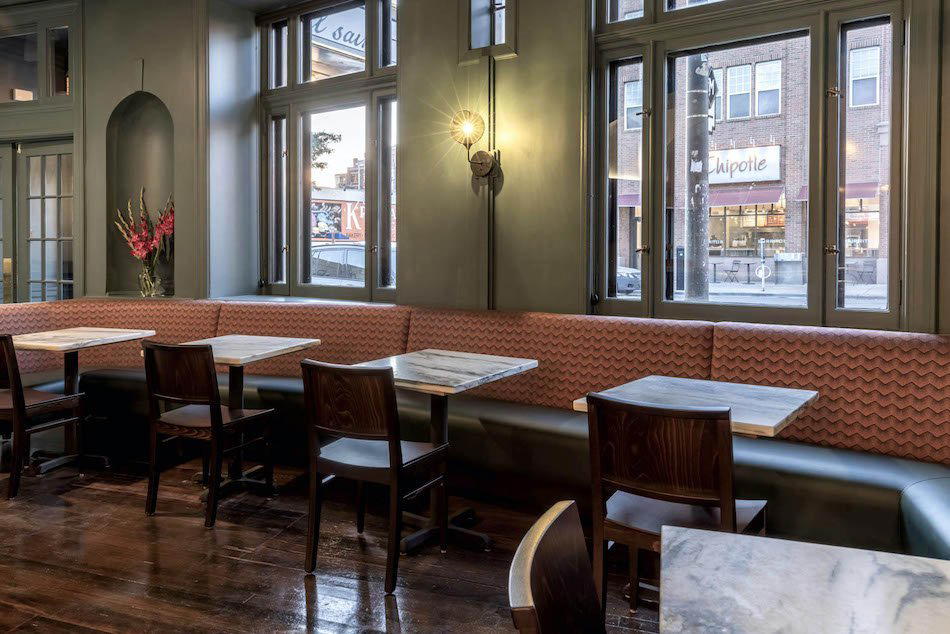
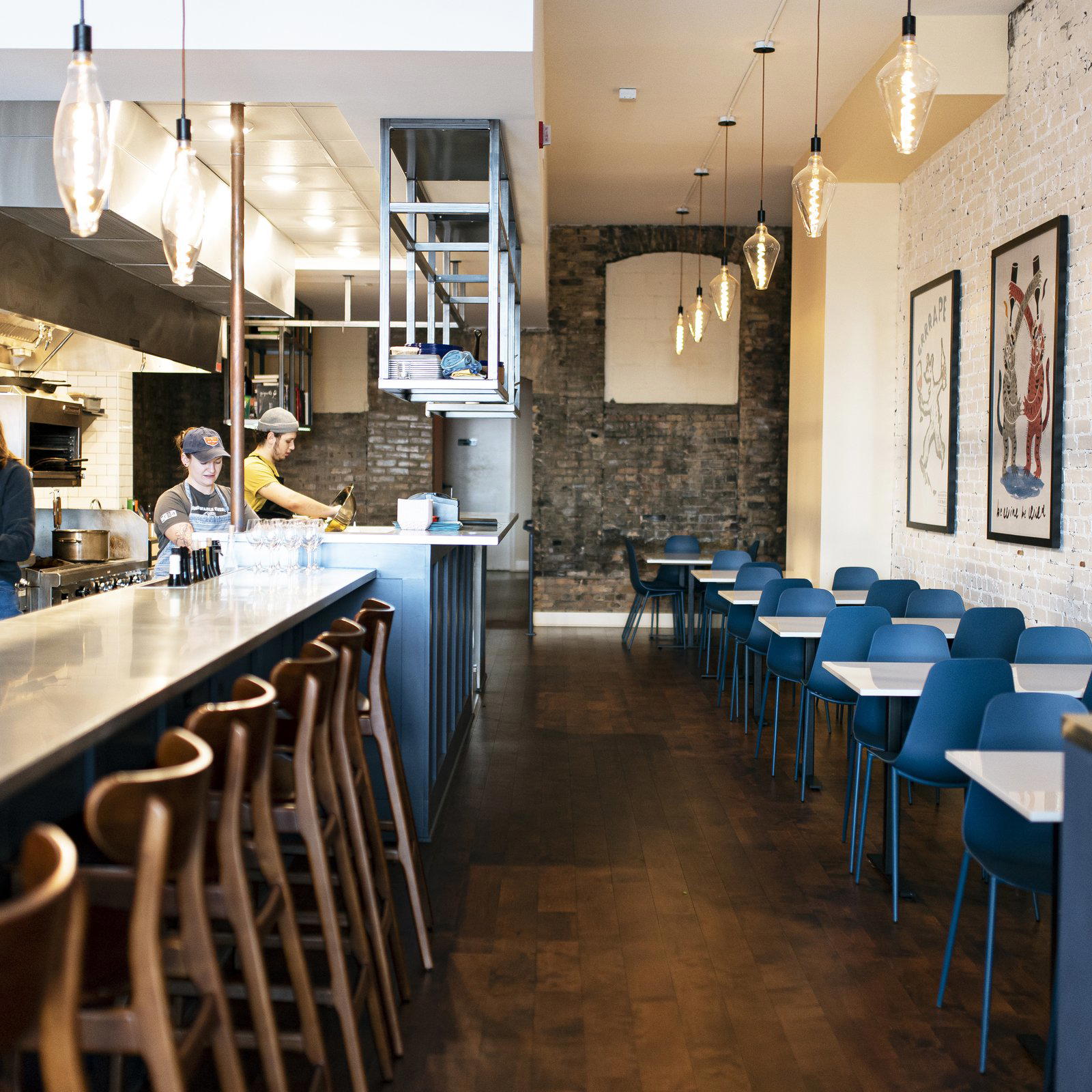
Classic diner atmosphere with quirky servers, live music, and a cozy, old-school feel.