Hi-Lo Diner
Hi-Lo Diner sits on East Lake Street in Minneapolis, a corridor where independent operators have long held ground against chain saturation. The diner format here connects to a broader Minneapolis conversation about sourcing ethics, community access, and what sustainability looks like at an everyday price point rather than a tasting-menu tier.
Pearl is the En Primeur Club membership app — saves, bookings, and concierge access live there. Same editors, same standards.
- Address
- 4020 E Lake St, Minneapolis, MN 55406
- Phone
- +1 612 353 6568
- Website
- hi-lo-diner.com
- Directions
- Get directions
 Saves & bookings on Pearl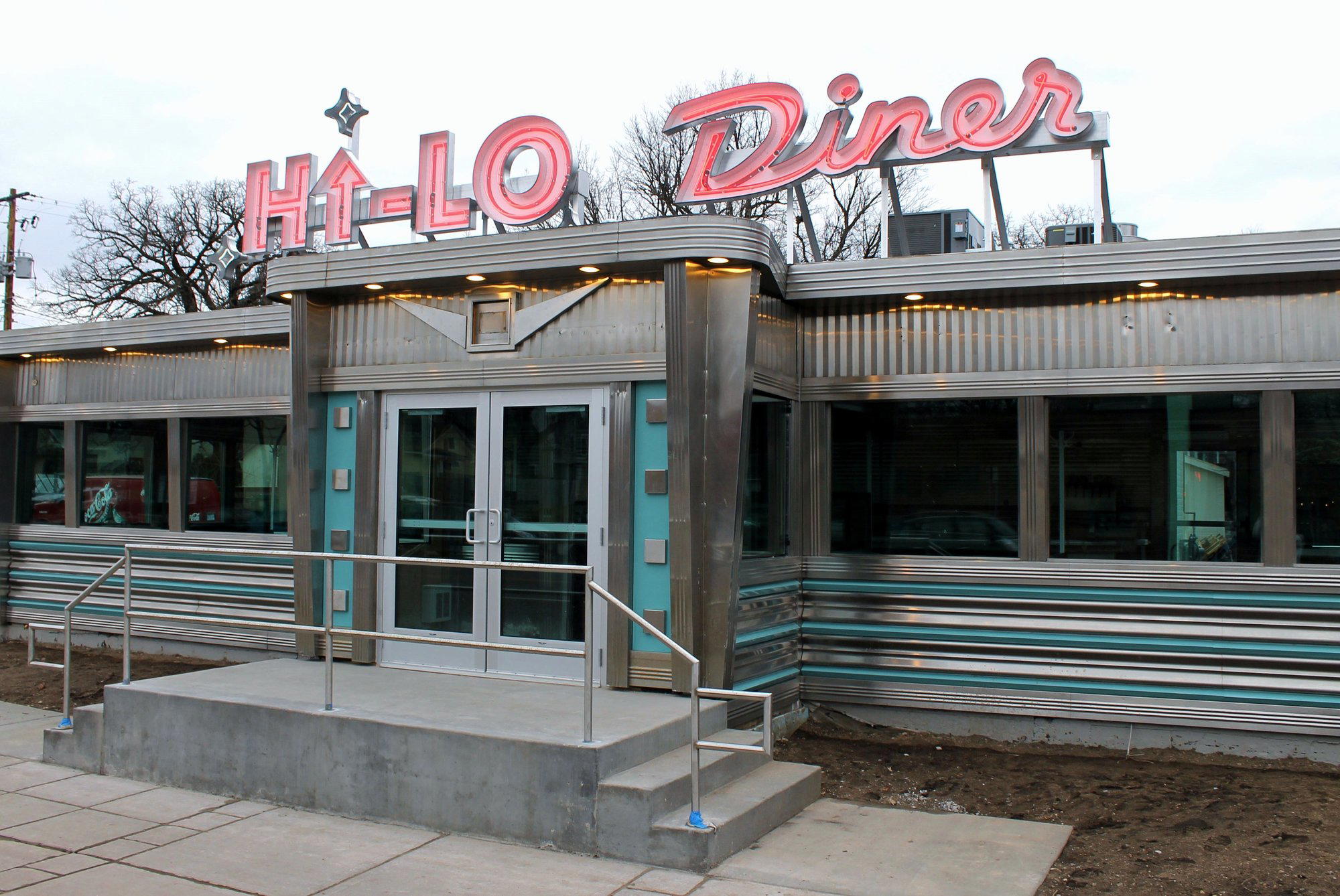
East Lake Street and the Diner as Ethical Argument
East Lake Street runs through some of Minneapolis's most demographically layered neighbourhoods, a stretch where Somali grocers, Mexican bakeries, and long-running American diners share frontage within blocks of each other. It is not the address you associate with the farm-to-table dining conversation that dominates coverage of restaurants like Owamni or Spoon & Stable, both of which operate in parts of the city with higher median incomes and a clientele already primed for premium sourcing narratives. Hi-Lo Diner at 4020 E Lake St occupies a different position: the diner format, historically particularly democratic of American restaurant types, applied to a neighbourhood where affordability is not optional positioning but structural reality.
That context matters for understanding what sustainability looks like at Hi-Lo. Across the American dining spectrum, the sustainability conversation has largely been captured by high-investment formats. Blue Hill at Stone Barns in Tarrytown and Single Thread Farm in Healdsburg have built their identities around farm integration and waste reduction at price points that remove them from everyday access. Smyth in Chicago operates with similar values inside a tasting-menu structure. The question Hi-Lo implicitly poses is whether the ethical sourcing framework can hold at a diner price point in a working neighbourhood, or whether it necessarily migrates upmarket whenever it becomes serious.
The Diner Form and What It Demands
The American diner is among the more pressure-tested formats in the country's restaurant history. It survives on volume, speed, and margin discipline that tasting-menu restaurants never face. Ingredient sourcing decisions at a diner carry different consequences: a premium local protein that works inside a tasting menu at $250 per head becomes a structurally difficult line item when the surrounding dishes need to hold at diner pricing. Minneapolis has several operators navigating adjacent tensions. Brasa Rotisserie has built a model around responsibly raised proteins at accessible price points for years. Punch Neapolitan Pizza works within tight ingredient specifications on a fast-casual template. Hi-Lo's position on East Lake Street places it in that same conversation, asking whether the diner specifically, with its griddle-forward cooking, its classic American menu architecture, can carry ethical sourcing commitments without abandoning the neighbourhood economics that define the format.
Sourcing Ethics at Street Level
The sustainability story in American restaurants has developed two distinct tracks. One is the showcase farm model, where the sourcing relationship is itself a marketing asset and the menu is built around demonstrating it. Places like The French Laundry in Napa, Addison in San Diego, and Providence in Los Angeles operate in this register, where the sourcing story is woven into the dining experience at a level that justifies significant price. The second track is quieter: operators who apply waste-reduction discipline, seasonal purchasing, and local sourcing not as a brand differentiator but as an operational commitment that the customer may never directly encounter in the menu language.
Hi-Lo's East Lake Street location positions it more naturally in the second track. The neighbourhood does not produce diners who arrive expecting a sourcing narrative with their eggs. What it does produce is a demand for quality that can be sustained across repeated, affordable visits, which is its own form of sustainability argument: a restaurant that the community can actually use, week after week, is a more durable form of local food infrastructure than a destination room that the same community cannot access.
This argument has parallels outside Minneapolis. Emeril's in New Orleans built early credibility partly by engaging with Louisiana producers before farm-to-table was industry standard. Atelier Moessmer Norbert Niederkofler in Brunico has taken the regional sourcing commitment to its logical extreme at a fine-dining level. What neither of those models addresses is the diner-format version of the same commitment, which is precisely where Hi-Lo's position becomes editorially interesting.
Neighbourhood Context and Peer Comparisons
East Lake Street after 2020 is not the same street it was before. The neighbourhood absorbed significant economic disruption and has seen a mix of closures, rebuilds, and new openings as the corridor restabilises. Independent operators who held through that period carry a different kind of community credential than those who arrived after. Hi-Lo's address at 4020 E Lake St places it in the middle of this recovery story, where showing up consistently matters as much as any single menu decision.
Within Minneapolis's wider dining conversation, the restaurants drawing sustained national attention tend to cluster around different zip codes. Hai Hai, the James Beard-nominated room from Christina Nguyen, operates with a Southeast Asian lens and a sourcing awareness that has earned significant editorial coverage. Owamni has built a nationally recognised identity around Indigenous foodways and decolonised sourcing. 112 Eatery holds a different kind of institutional authority as one of the city's long-running neighbourhood anchors. 4801 S Minnehaha Dr represents another point on the Lake Street corridor's emerging food map. Hi-Lo sits in a comparable set defined less by cuisine category or price tier than by commitment to place, which is its own form of editorial positioning.
At the far end of the American fine-dining sustainability spectrum, operations like Lazy Bear in San Francisco, Le Bernardin in New York City, The Inn at Little Washington, and Atomix in New York City demonstrate what sustainability programming looks like with the full resources of a destination-tier operation. The comparison is not to diminish Hi-Lo but to locate it clearly: its contribution to the sourcing conversation is structural rather than spectacular, embedded in a neighbourhood that needs it rather than displayed to a clientele seeking it.
Planning a Visit
Hi-Lo Diner is at 4020 E Lake St, Minneapolis, MN 55406, accessible by the Lake Street corridor's bus routes and within reach of the Hiawatha light rail at Minnehaha stations. Hi-Lo Diner is open Mon: 9 AM-8 PM; Tue: 9 AM-8 PM; Wed: 9 AM-8 PM; Thu: 9 AM-8 PM; Fri: 8 AM-9 PM; Sat: 8 AM-9 PM; Sun: 8 AM-8 PM. The East Lake Street location means
A Lean Comparison
Comparable venues nearby, for context on price, style, and recognition.
| Venue | Cuisine | Price | Notes |
|---|---|---|---|
| Hi-Lo DinerThis venue — the venue you are viewing | Cooper, Retro American Diner | $$ | Not listed |
| Turtle Bread | Howe, American Bakery Cafe | $$ | Not listed |
| Hen House Eatery | Not listed | $$ | WeDo, All-Day Breakfast with Local Farm Ingredients |
| Lakeview Kitchen + Bar | Bde Maka Ska, American Gastropub | $$ | Not listed |
| Ted Cooks 19th Hole BBQ | Standish, Pit-Smoked BBQ | $$ | Not listed |
| Esther's Table | Loring Park, Modern American Gastropub | $$ | Not listed |
Continue exploring
More in Minneapolis
Restaurants in Minneapolis
Browse all →
Bars in Minneapolis
Browse all →
At a Glance
- Retro
- Cozy
- Trendy
- Classic
- Brunch
- Casual Hangout
- Family
- Historic Building
- Craft Cocktails
Current opening hours
- Monday
- 9 AM–8 PM
- Tuesday
- 9 AM–8 PM
- Wednesday
- 9 AM–8 PM
- Thursday
- 9 AM–8 PM
- Friday
- 8 AM–9 PM
- Saturday
- 8 AM–9 PM
- Sunday
- 8 AM–8 PM
Hours can change for holidays and private events. Last verified .
Retro diner atmosphere with cute decor blending nostalgic charm and modern creativity.