The Lucky House Fare Manuia Restaurant
Our verdict
On Bora Bora's circuit of casual and mid-range dining, The Lucky House Fare Manuia Restaurant occupies the kind of local position that rewards those willing to look beyond the resort corridor. Set in the Leeward Islands, it draws on the French Polynesian tradition of cooking close to what the lagoon and land provide. Details on bookings and current hours are best confirmed directly on arrival or through local concierge channels.

Pearl is the En Primeur Club membership app — saves, bookings, and concierge access live there. Same editors, same standards.
The menu
What to order
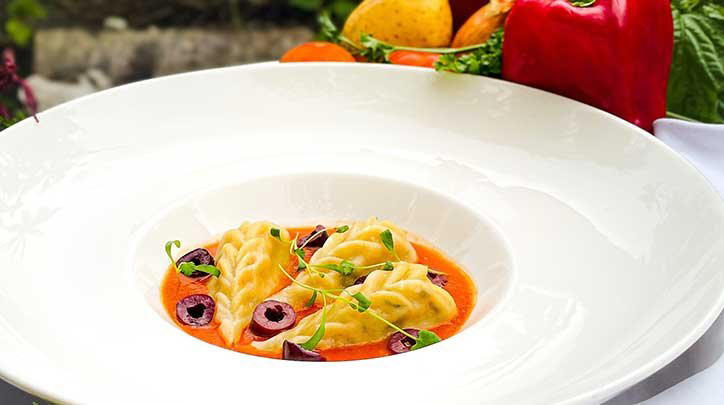
- Wood-fired pizzas
- Tahitian poisson cru
- Tuna tartar
Where Bora Bora Eats When It Isn't Performing for Tourists
The resort belt that rings Bora Bora's lagoon has a well-documented gravitational pull. Overwater bungalows come with overwater dining, and the dominant restaurant format on the island tilts toward curated Polynesian-French menus priced to match the nightly room rate. What exists outside that corridor is harder to map but more instructive about how the island actually feeds itself. The Lucky House Fare Manuia Restaurant sits in that alternative circuit, the kind of address that appears in conversations between locals and returning visitors rather than in resort concierge binders.
Bora Bora's name translates roughly as "first born" in Tahitian, and its food culture carries that same layered inheritance: Polynesian tradition overlaid with French colonial influence, then shaped further by the supply realities of a remote island in the Leeward archipelago. Restaurants that operate outside the resort system navigate those supply realities differently, and the results tend to be more honest representations of what the island's kitchens can actually produce.
Ingredient Geography: What the Lagoon and Land Provide
French Polynesia's restaurant supply chain is not direct. The islands sit roughly 4,000 kilometres from the nearest continental landmass, and even inter-island freight from Tahiti involves logistics that shape every menu decision. For comparison venues in the same tier — Otemanu in Vaitape and Le Taha'a in Tahaa — Polynesian-French sourcing is the baseline, but the ratio of imported to local product varies considerably by price point and ambition.
The strong sourcing argument for eating at non-resort restaurants in Bora Bora is proximity. Kitchens closer to the community tend to have more direct relationships with local fishers and small growers. Bora Bora's lagoon produces parrotfish, grouper, and yellowfin tuna that appear on tables across the island, but the treatment differs: resort kitchens frame these in classical French technique, while local spots apply Polynesian preparation methods, including raw preparations with coconut milk in the poisson cru tradition, and simpler grill formats that let the catch speak without significant intervention.
This sourcing reality places The Lucky House Fare Manuia Restaurant in a different conversation from fine-dining addresses like Le Kenae in Taiohae or internationally credentialed kitchens such as Atelier Moessmer Norbert Niederkofler in Brunico. The comparison is not about parity of technique, it is about the different value that comes from eating what the immediate environment produces, prepared without the infrastructure that resort kitchens import alongside their guests.
The Setting in Context
Bora Bora's dining scene divides fairly cleanly into three tiers. The first is resort and overwater dining, where French Polynesian cuisine is presented within international luxury frameworks and priced accordingly. The second is mid-range and local, concentrated in and around Vaitape, the island's main town, where restaurants serve a mix of residents, day-trippers from neighbouring islands, and travellers who have deliberately stepped off the resort circuit. The third is the rōtisserie and snack-bar format, informal takeaway operations that anchor Polynesian street eating.
The Lucky House Fare Manuia falls within the local and mid-range tier, a positioning it shares with other non-resort addresses on the island. This cohort serves a dual function: it provides everyday dining for the island's permanent population, and it offers visitors a frame of reference that resort dining cannot. For context on how this mid-tier local scene compares across French Polynesia, Blue Banana in Punaauia and L'O A La Bouche in Papeete represent analogous positioning on Tahiti, while Restaurant Te Honu Iti in Moorea Maiao holds a similar role on Moorea.
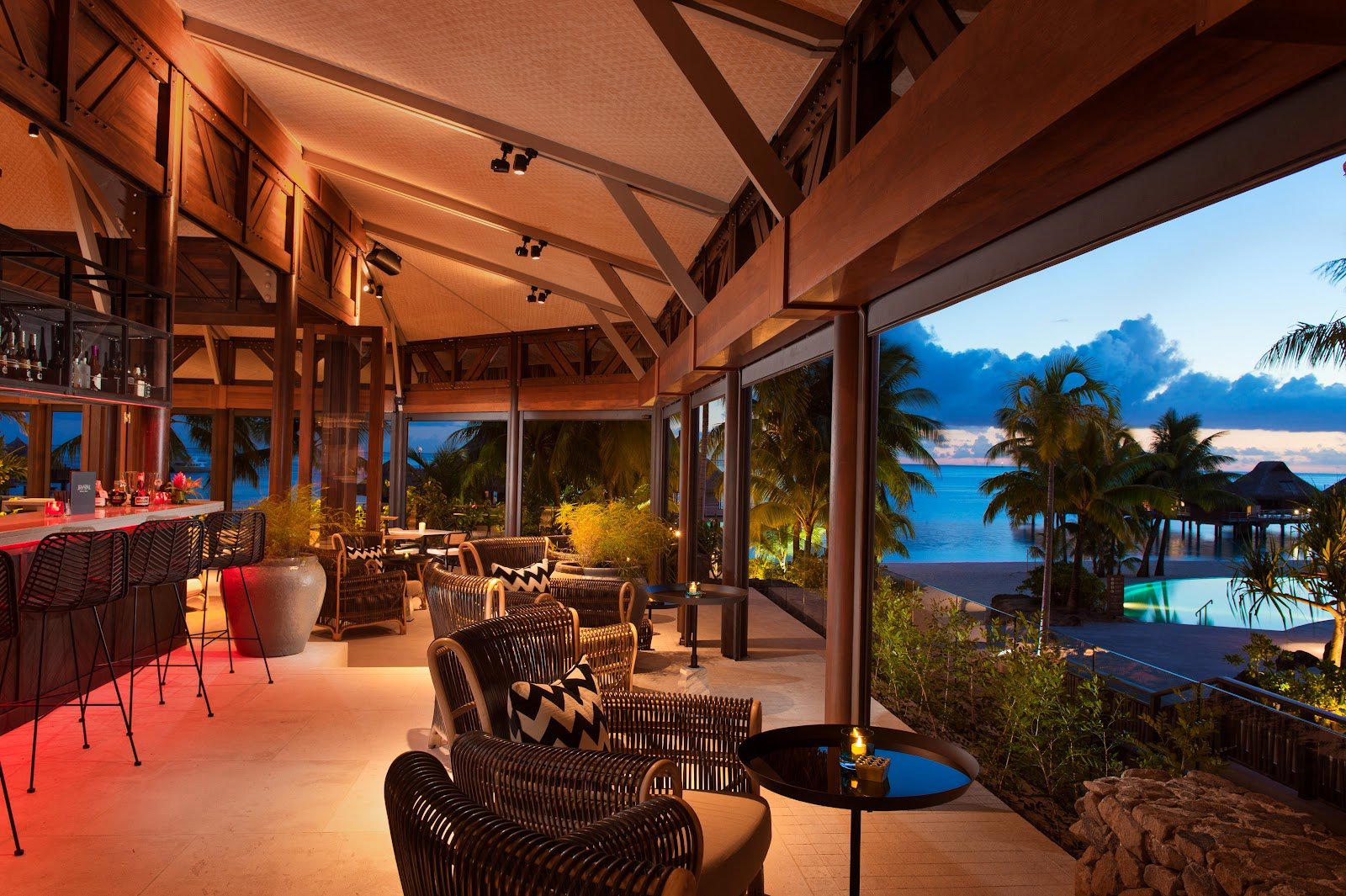
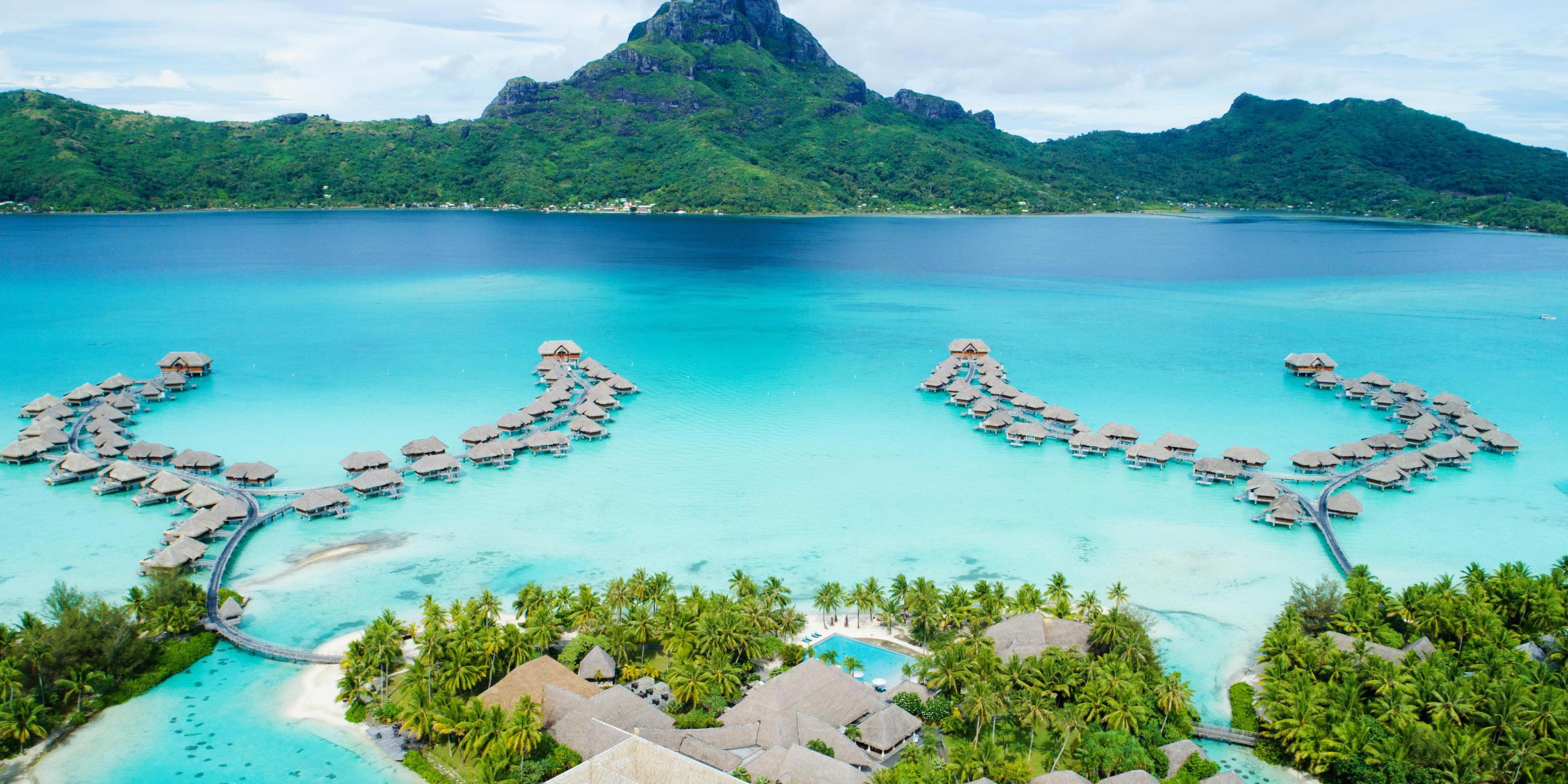
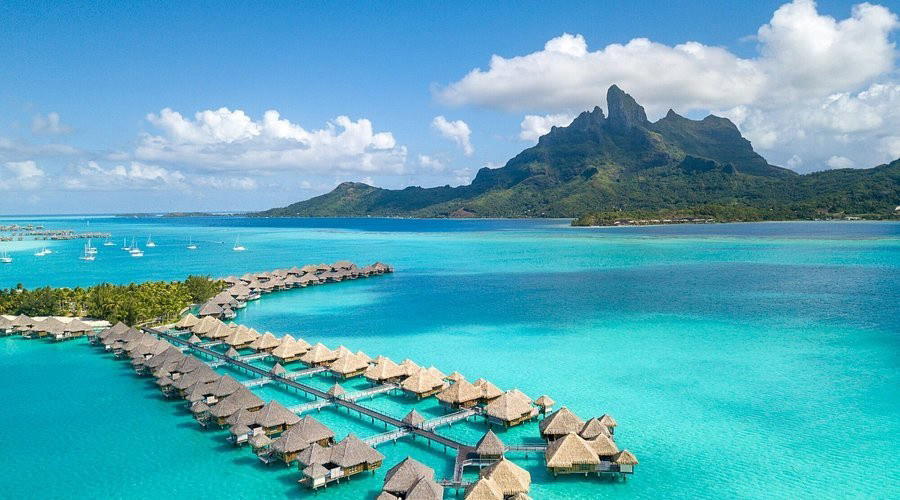
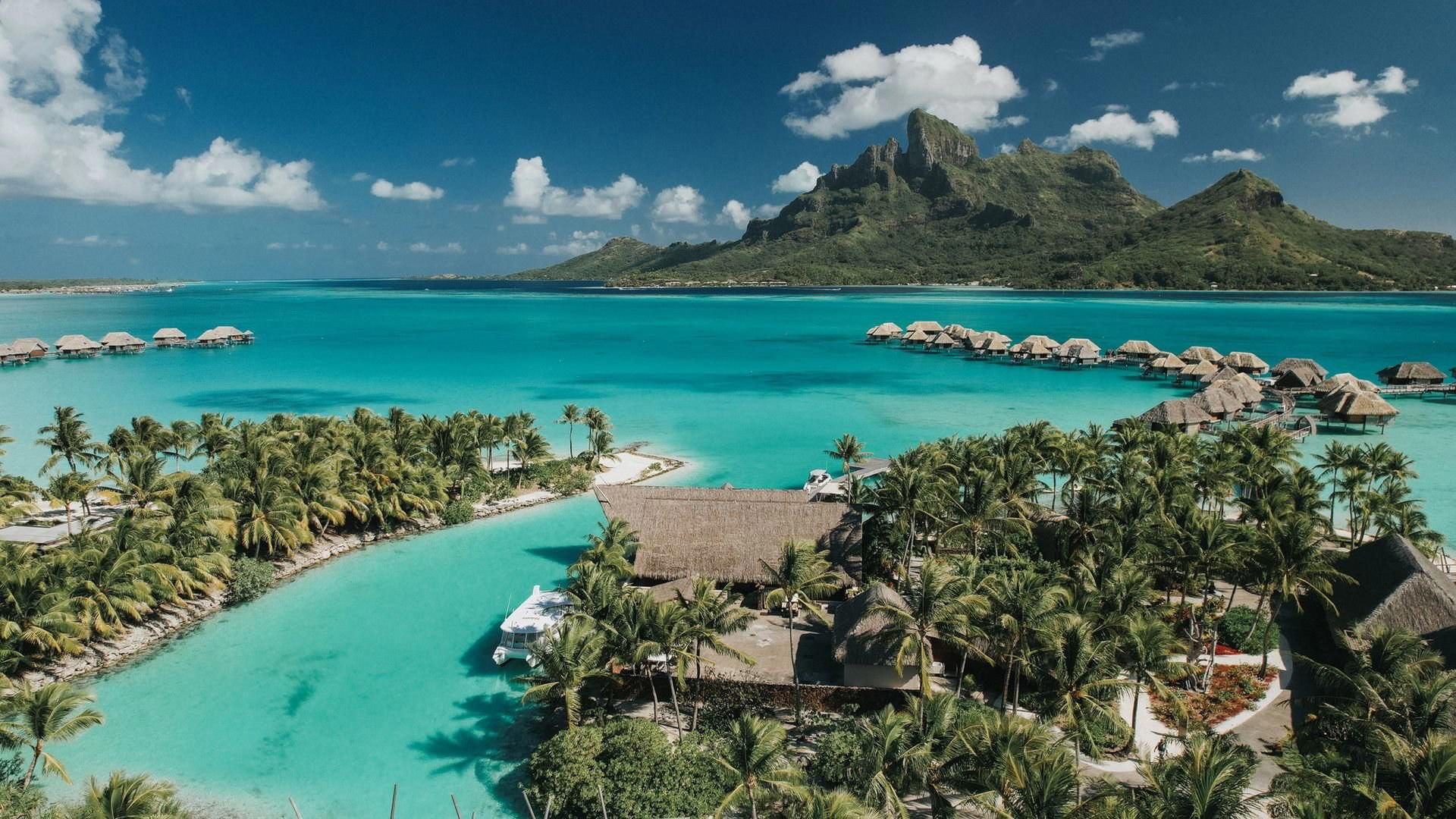
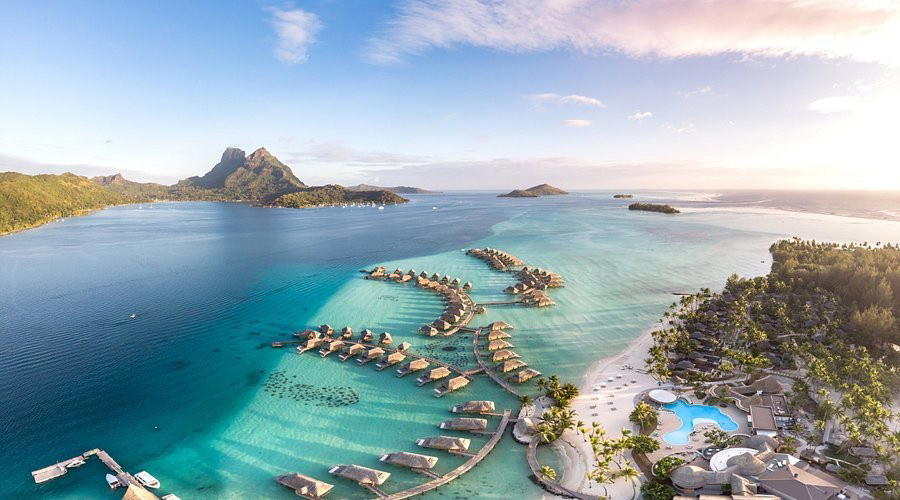
The physical environment in this part of Bora Bora is defined less by the engineered aesthetics of resort design and more by the practical architecture of a working island community. That distinction matters to how a meal feels: the lagoon view may be less composed, but it is also less mediated.
How This Fits the Broader French Polynesian Dining Map
French Polynesia's culinary geography rewards those who cross islands. Restaurant Te Tiare in Faaa on Tahiti and Loula et Rémy in Taiarapu Est both illustrate how the French Polynesian kitchen can operate with genuine ambition outside the resort system. O Belvédère in Pira E takes a different approach, leaning into elevation and panorama as part of the experience. Each of these addresses makes a case for the diversity of what French Polynesian dining actually covers, which is considerably broader than the overwater-restaurant format has led many visitors to expect.
The Leeward Islands, of which Bora Bora is the most visited, have a narrower restaurant infrastructure than Tahiti simply because the resident population is smaller and the supply chain more attenuated. That scarcity creates its own editorial interest: kitchens that operate here are making choices under genuine constraint, and constraint is often where the most direct food comes from. Internationally, kitchens that have built reputations on sourcing discipline, Dal Pescatore in Runate, Quattro Passi in Marina del Cantone, demonstrate that proximity-to-source cooking can anchor serious culinary identity. The local Bora Bora context operates at a different scale and without comparable recognition, but the underlying logic is the same.
Planning Your Visit
The practical approach for visitors is to ask locally, hotel concierge desks in Vaitape and at the island's smaller guesthouses maintain current knowledge of which local restaurants are operating and on what schedule. This is consistent with how many of Bora Bora's non-resort dining addresses operate: without digital booking infrastructure, but reliably findable through the island's own information networks. For broader orientation, our full Bora Bora restaurants guide covers the range of options across the island's different dining tiers and can help frame where The Lucky House Fare Manuia sits relative to alternatives.
Frequently asked questions
Is The Lucky House Fare Manuia Restaurant okay with children?
Restaurants in Bora Bora's non-resort tier tend to be more accommodating for families than the island's overwater fine-dining addresses, where multi-course formats and pricing create practical barriers. The Lucky House Fare Manuia sits in that community-facing category, making it a more natural fit for families eating alongside island residents than for those seeking a choreographed resort experience.
What kind of setting is The Lucky House Fare Manuia Restaurant?
The restaurant occupies Bora Bora's working, non-resort dining circuit rather than the lagoon-facing resort belt. That means the atmosphere is shaped by the rhythms of island life: locals, tradespeople, and residents rather than hotel guests on scheduled excursions. It is the kind of address where the setting is incidental to the food rather than engineered around it.
How does The Lucky House Fare Manuia Restaurant compare to dining options elsewhere in French Polynesia?
French Polynesia's culinary geography spans from Tahiti's capital Papeete, where a broader supply chain supports more varied restaurant formats, to outer-island addresses like Bora Bora, where proximity to the lagoon shapes what reaches the kitchen. The Lucky House Fare Manuia represents the Bora Bora resident tier: a counterpoint to the resort circuit rather than a competitor to it, and a reasonable reference point for anyone mapping the islands' local food culture beyond the hotel buffer.
What do regulars order at The Lucky House Fare Manuia Restaurant?
Confirmed menu data is not part of the available record for this address. Across Bora Bora's local dining tier more broadly, poisson cru (raw fish cured in coconut milk and citrus) is a baseline staple, alongside grilled fish sourced from lagoon and Pacific waters. For current dish specifics, visiting in person or contacting the restaurant directly is the most reliable approach.
Comparable Venues
Comparable venues nearby, for context on price, style, and recognition.
| Venue | Cuisine | Price | Awards | Notes |
|---|---|---|---|---|
| The Lucky House Fare Manuia RestaurantThis venue — the venue you are viewing | Polynesian-Italian Fusion with Wood-Fired Pizza | $20–30 | Not listed | Not listed |
| 54 Rue Paul Gauguin | French Soufflé Bistro | $20–30 | Not listed | center |
| Holy Délices | French Steakhouse with Polynesian Fusion | $30–50 | Not listed | Ha'apiti |
| Tipairua – Restaurant gourmet | Gourmet French‑Polynesian Fusion | Not listed | Not listed | Patio, Taha’a |
| Otemanu | French-Polynesian Fusion | $30–50 | Relais Chateaux Award | Vaitape |
| Blue Banana | French-Polynesian Fusion | $30–50 | Not listed | Punaauia |
Continue exploring
More in Bora Bora
Restaurants in Bora Bora
All restaurants in Bora Bora →
Bars in Bora Bora
Browse all →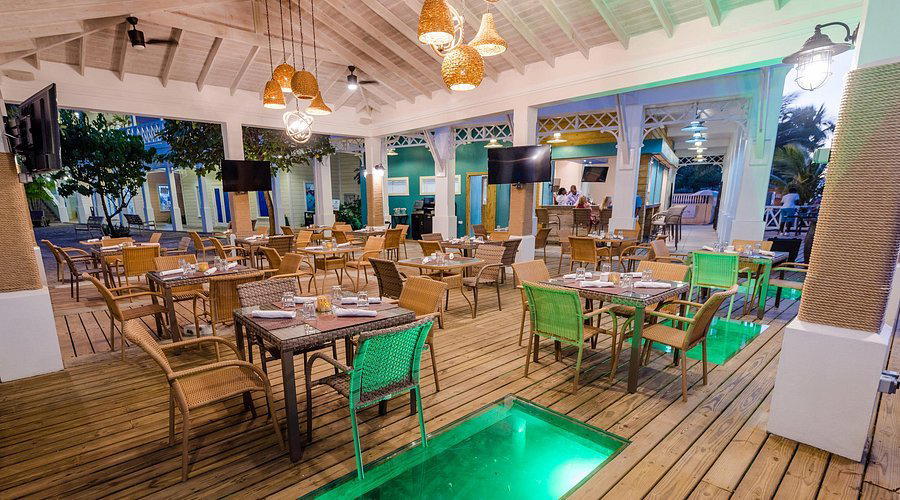
Details
- Casual
- Lively
- Cozy
- Casual Hangout
- Family
- Craft Cocktails
- Local Sourcing
- A La Carte
- Cocktails
- Vegetarian Friendly
- Vegan Options
- Gluten Free Options
Current opening hours
- Monday
- 11:30 AM–11 PM
- Tuesday
- 11:30 AM–11 PM
- Wednesday
- 11:30 AM–11 PM
- Thursday
- 11:30 AM–11 PM
- Friday
- 11:30 AM–11 PM
- Saturday
- 11:30 AM–11 PM
- Sunday
- 11:30 AM–11 PM
Hours can change for holidays and private events. Last verified .
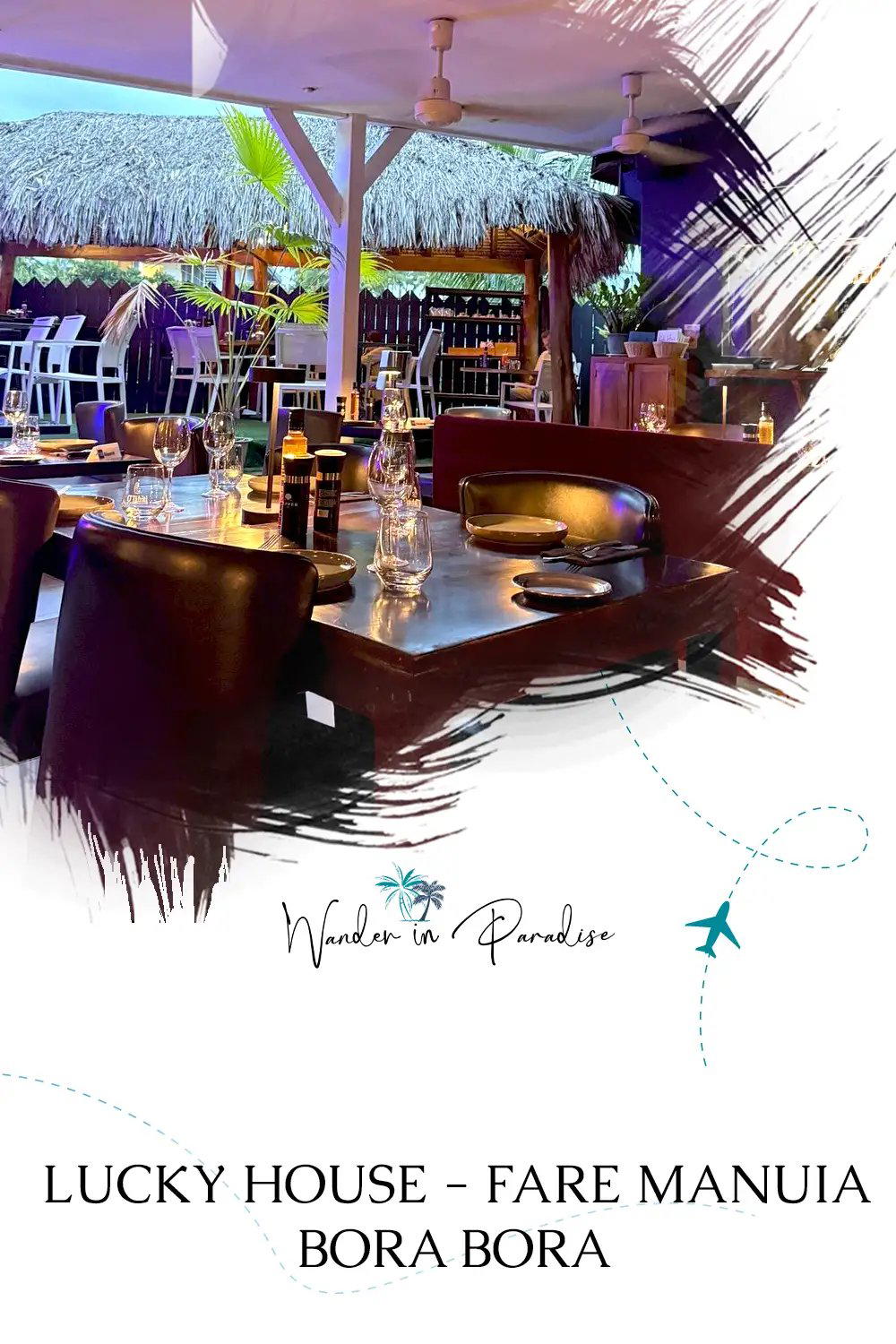
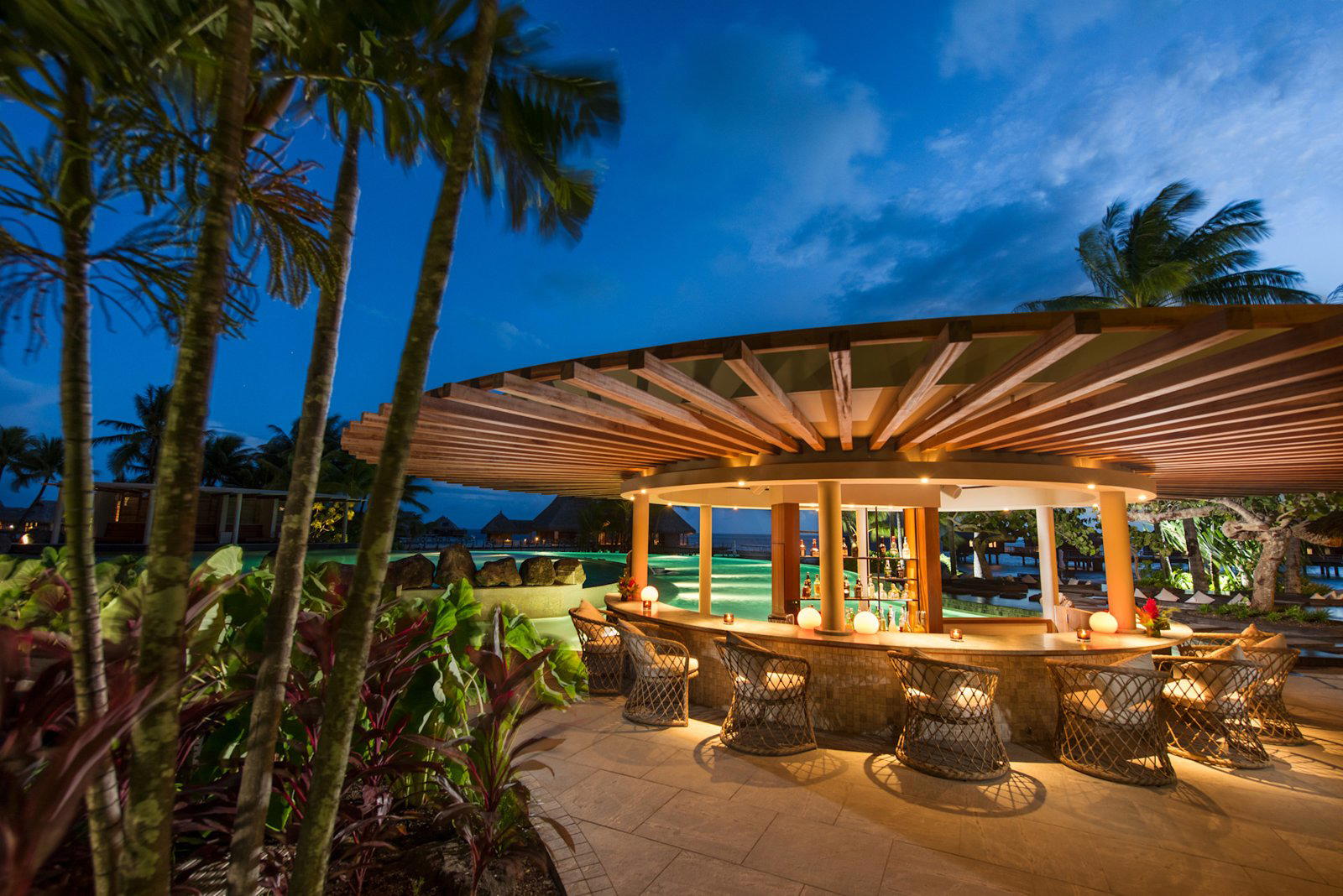
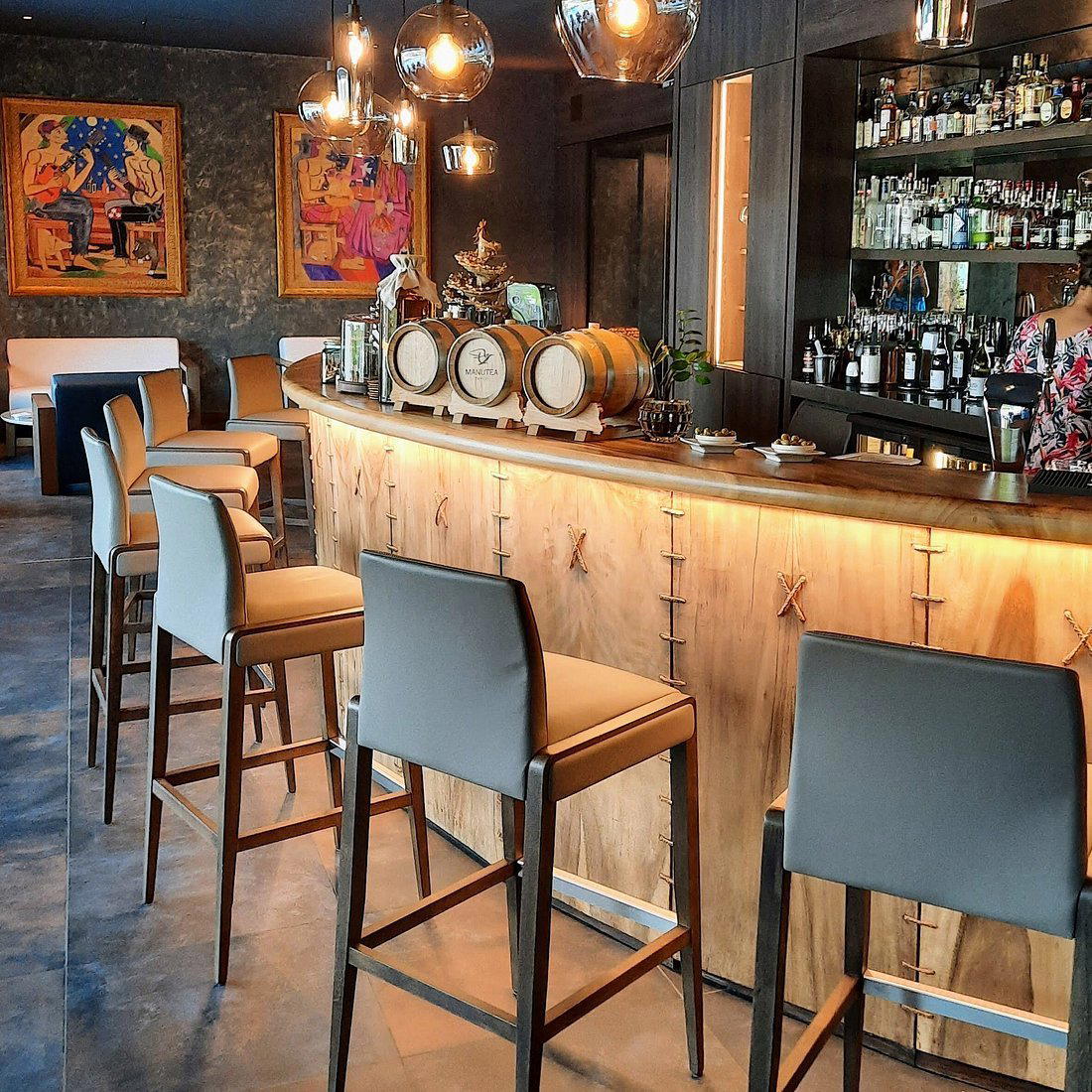
Recently refurbished modern candlelit evenings with relaxed open-air courtyard atmosphere.