Le Kenae

Relais Chateaux Award
Our verdict
Discover Le Nuku Hiva, a luxury Polynesian dining sanctuary where island tradition meets modern finesse. Indulge in artfully plated seafood, aromatic coconut, vanilla, and taro, and rare spices sourced from across the Pacific. From elegant tasting menus to signature rum and pandan cocktails, every detail is crafted for romance, celebration, and refined adventure. Impeccable service, candlelit ambience, and evocative island rhythms transform dinner into an unforgettable escape in Unknown City, Unknown Country.

Pearl is the En Primeur Club membership app — saves, bookings, and concierge access live there. Same editors, same standards.
- Address
- Vallée de Hakaui, Nuku Hiva 98742, French Polynesia
- Website
- facebook.com
- Directions
- Get directions
The menu
What to order
- Vanilla-poached lobster
- Smoked octopus
- Langoustine
At the Edge of the Pacific: What the Marquesas Do to a Meal
The approach to Nuku Hiva sets expectations before you arrive. The island rises from the ocean in basalt walls, its valleys cut deep by rivers that run year-round through forest canopy. This is the northern Marquesas, among the most remote inhabited archipelagos on earth, sitting roughly 1,400 kilometres northeast of Tahiti. The agricultural and oceanic conditions here are unlike anything in mainstream French Polynesia: altitude, rainfall, and volcanic soil combine to produce ingredients that don't travel far before reaching a table. At Le Nuku Hiva, in the Vallée de Hakaui outside Taiohae, that geography is the starting point for everything on the plate.
Under Chef Pierre Marion, the kitchen works within a framework shaped almost entirely by what the surrounding environment provides. In the Marquesas, that means breadfruit in multiple preparations, reef fish pulled from some of the Pacific's least trafficked waters, and tropical fruits grown in conditions that reward concentration of flavour. The sourcing isn't a concept layered onto a menu; it's a structural necessity when you operate this far from supply chains. Properties like Aponiente in El Puerto de Santa María or Atelier Moessmer Norbert Niederkofler in Brunico have built celebrated reputations around hyper-local, ecosystem-specific sourcing. Le Nuku Hiva operates under similar logic, but the ecosystem is one of the most isolated on the planet.
Polynesian Cuisine at This Latitude
Polynesian cooking across the French territory spans a wide register, from the Franco-Polynesian formality found at properties like Hawaiki Nui in Tahaa or Otemanu in Vaitape to the more ingredient-forward approaches gaining ground in the outer islands. The Marquesas sit apart from the Society Islands culturally and culinarily. Tuna, mahi-mahi, and wahoo are caught in deep Pacific waters, not farmed or sourced through regional distributors. The mineral-rich volcanic soil of the valleys produces root vegetables and fruits with a density and complexity that flatland growing can't replicate.
This is the context in which Le Nuku Hiva's Polynesian cuisine operates. Comparisons to properties in Bora Bora or Mo'orea are less useful than comparisons to other remote-island dining formats where the kitchen's relationship to its territory is direct and visible. The principle is consistent: cuisine rooted in a specific geography tells you something that generic sourcing cannot.
The Format: All-Inclusive in an Isolated Setting
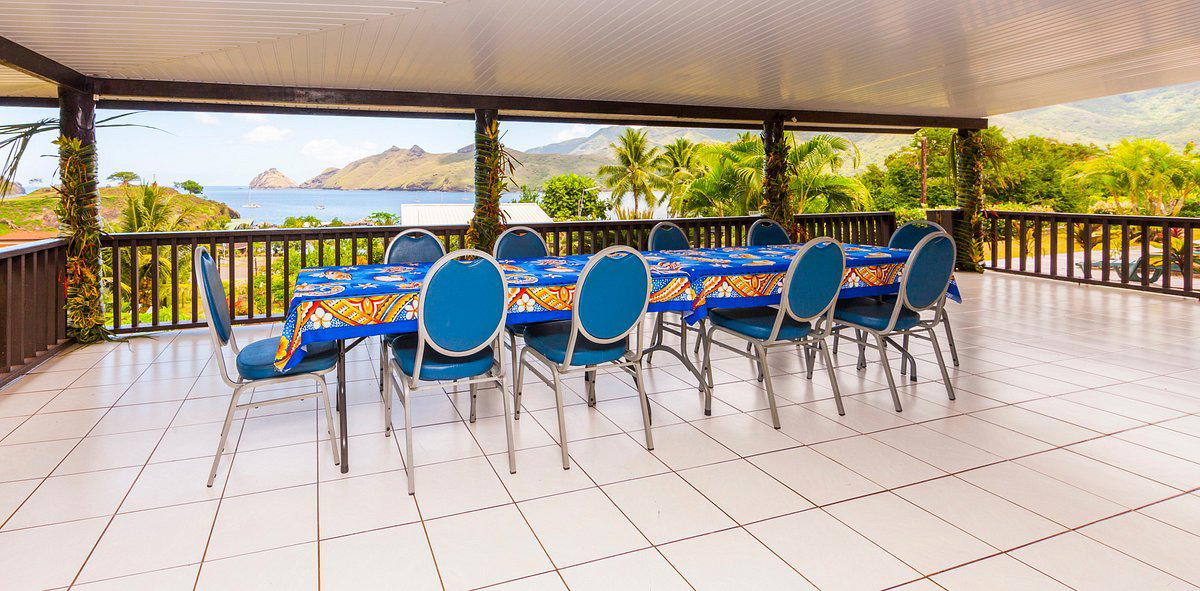
Le Nuku Hiva operates as an all-inclusive property with cliffside bungalows positioned across volcanic terrain above the valley. This format, in a location this remote, produces a different relationship between guest and table than all-inclusive properties in high-traffic resort zones. When the nearest alternative dining option requires a significant journey, the kitchen carries the full responsibility for the guest's daily food experience. That concentration tends to raise the stakes for ingredient quality and menu variation across multiple sittings.
The physical setting compounds this. The cliffside bungalow format, with volcanic landscape and tropical forest as the immediate surroundings, means the dining environment engages with the same geography that produces the ingredients. This isn't incidental design. In the broader context of premium remote lodges globally, this convergence of environment and table is what separates properties that feel genuinely placed from those that could exist anywhere. Alain Ducasse at Louis XV in Monte Carlo achieves authority through classical precision and context; Le Nuku Hiva achieves its own kind of authority through geographic specificity and the constraints of its location.
Taiohae and the Broader Nuku Hiva Context
Taiohae is the administrative centre of Nuku Hiva and the only settlement with regular air access, via small aircraft connections from Tahiti's Faa'a International Airport. The town itself is compact, with a working bay and a small concentration of services. For dining beyond the property, Le Kenae represents the most relevant French Polynesian option in Taiohae proper. But guests at Le Nuku Hiva are unlikely to be treating the town as a dining base; the property's all-inclusive format and remote valley position make it a self-contained experience.
For a fuller picture of what Taiohae offers, EP Club has assembled guides across categories: [restaurants](), [hotels](), [bars](), [wineries](), and experiences. The island's archaeology, hiking access into the valleys, and sea-based activities add layers to any stay that are worth planning around.
Remote island all-inclusive properties in the premium bracket tend to sort into two groups: those that use the setting as backdrop while running a largely standardised hospitality programme, and those where the setting genuinely shapes the food, the activity programme, and the daily rhythm. Le Nuku Hiva's Relais and Chateaux affiliation (reachable at nukuhiva@relaischateaux.com or +689 40920710, with the property website at lenukuhiva.com) places it within a global network that applies minimum standards for property character and culinary quality.
For travellers comparing against other technically accomplished properties globally, from Le Bernardin in New York City to 8 1/2 Otto e Mezzo Bombana in Hong Kong or Alléno Paris au Pavillon Ledoyen, the relevant difference is not technique but access. Those urban properties deliver precision in cities with global supply chains and critic populations. Le Nuku Hiva operates where the supply chain is the Pacific Ocean and the surrounding valley, and where the only audience that matters is the guest in the bungalow. That is a different kind of proposition, and for a specific type of traveller, a more compelling one.
Planning for Nuku Hiva requires more lead time than most French Polynesia trips. Flight connections are infrequent and the island's accommodation capacity is limited. Guests who approach Le Nuku Hiva as an extension of a standard Bora Bora itinerary consistently underestimate the logistical commitment. Build the Marquesas as the primary destination, not the detour.
Frequently asked questions
Who is the chef or culinary lead at Le Nuku Hiva?
The chef associated with Le Nuku Hiva is Pierre Marion.
What's Le Nuku Hiva known for in terms of accolades?
Le Nuku Hiva has received recognition including: HIGHLIGHTS: • ALL INCLUSIVE • SECLUDED ARCHIPELAGO • VOLCANIC LANDSCAPES & TROPICAL FORESTS • CLIFFSIDE BUNGALOWS DIRECTIONS & ACCESS: Website and contact information E-mail: nukuhiva@relaischateaux.com Tel.: +689….
What should I eat at Le Nuku Hiva?
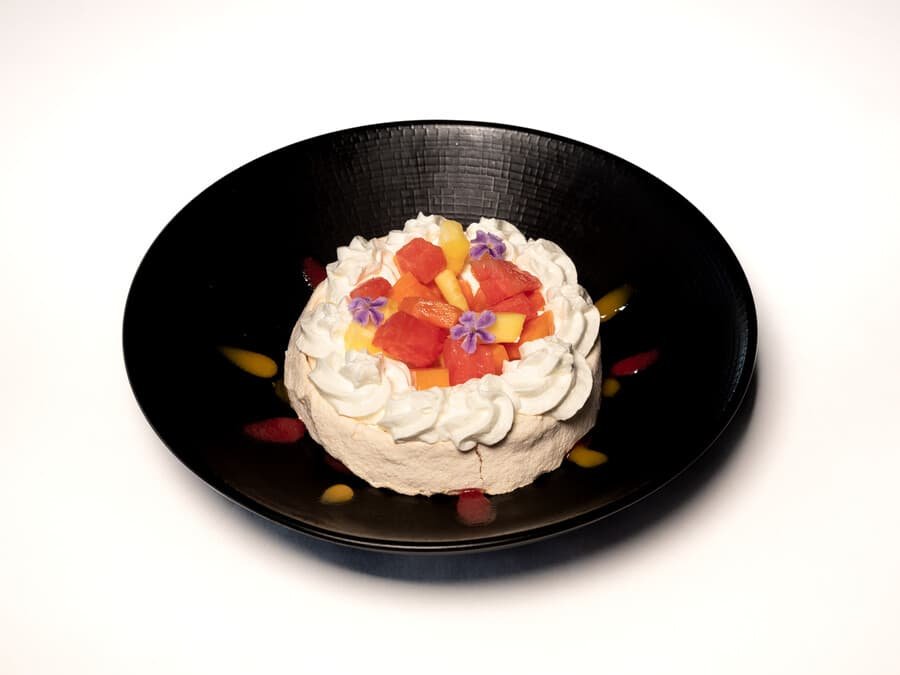
Le Nuku Hiva serves Polynesian cuisine shaped by the Marquesas' isolation and its proximity to the Hakaui Valley. Chef Pierre Marion works within a culinary tradition that draws on local fish, tropical produce, and techniques rooted in French Polynesian cooking. Given the all-inclusive format and the island's limited supply infrastructure, the menu reflects what the terrain and surrounding ocean provide rather than a broad international repertoire.
What part of town is Le Nuku Hiva in?
Le Nuku Hiva is located at Vallée de Hakaui, Nuku Hiva 98742, French Polynesia, Taiohae.
How far ahead should I plan for Le Nuku Hiva?
Nuku Hiva itself requires lead time: the island is accessible only via small aircraft connections through Tahiti's Faa'a International Airport, and onward logistics to Taiohae need advance coordination. Booking through the Relais & Châteaux affiliation at nukuhiva@relaischateaux.com or by phone at +689 40920710 is the direct route. Given the property's cliffside bungalow capacity and the limited inbound flights, planning three to six months ahead is a practical baseline for peak travel periods.
What has Le Nuku Hiva built its reputation on?
Le Nuku Hiva holds a Relais & Châteaux affiliation, which places it within a global network of independently operated properties selected for character and culinary standard. Its position in the Hakaui Valley above Taiohae, with cliffside bungalows set against volcanic terrain and tropical forest, defines the property's identity more than any single amenity. In the Marquesas, where the hospitality infrastructure is thin, operating an all-inclusive format at this latitude is itself a logistical credential.
Budget Reality Check
Comparable venues nearby, for context on price, style, and recognition.
| Venue | Cuisine | Price | Awards | Notes |
|---|---|---|---|---|
| Le KenaeThis venue — the venue you are viewing | Polynesian Fine Dining | Not listed | Relais Chateaux Award | Not listed |
| Le Kenae | Pacific Fusion with French Savoir-Faire | Not listed | Relais Chateaux Award | Taiohae, Pacific Fusion with French Savoir-Faire |
| Hawaiki Nui | Polynesian and International | Not listed | Relais Chateaux Award | Tahaa, Polynesian and International |
| Restaurant Poreho | Not listed | Not listed | Not listed | Tuherahera, Polynesian-European lagoonfront fine dining |
| Restaurant Te Honu Iti | French-Polynesians fusion | $50–100 | Not listed | Cook's Bay, French-Polynesians fusion |
| Holy Délices | French Steakhouse with Polynesian Fusion | $30–50 | Not listed | Ha'apiti, French Steakhouse with Polynesian Fusion |
Recognition history
Dated appearances from independent guides and award organizations, with the underlying list record or original source where available.
Relais Chateaux Award
Relais Chateaux
Continue exploring
More in Taiohae
Restaurants in Taiohae
Browse all →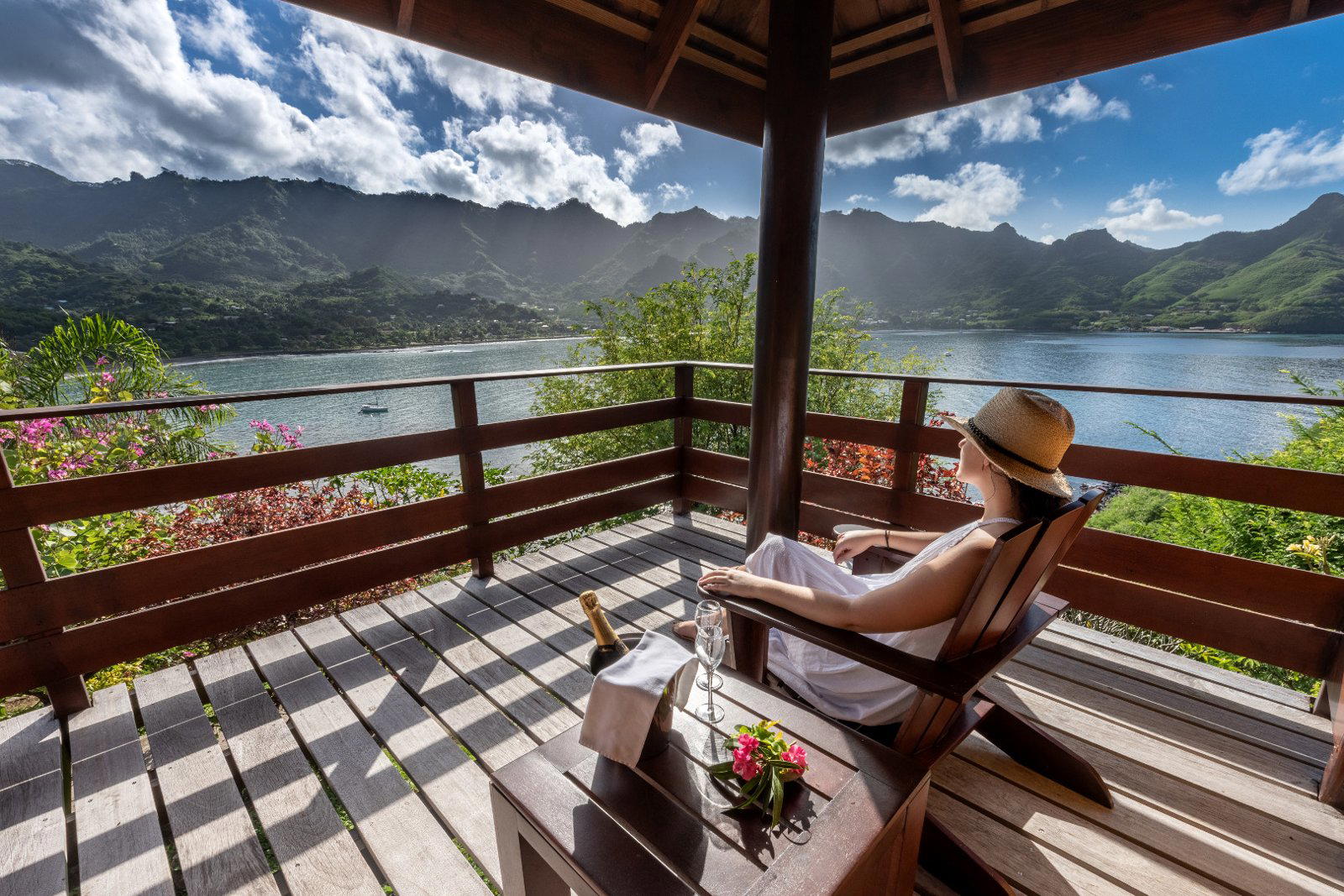
Bars in Taiohae
Browse all →
Hotels in Taiohae
Browse all →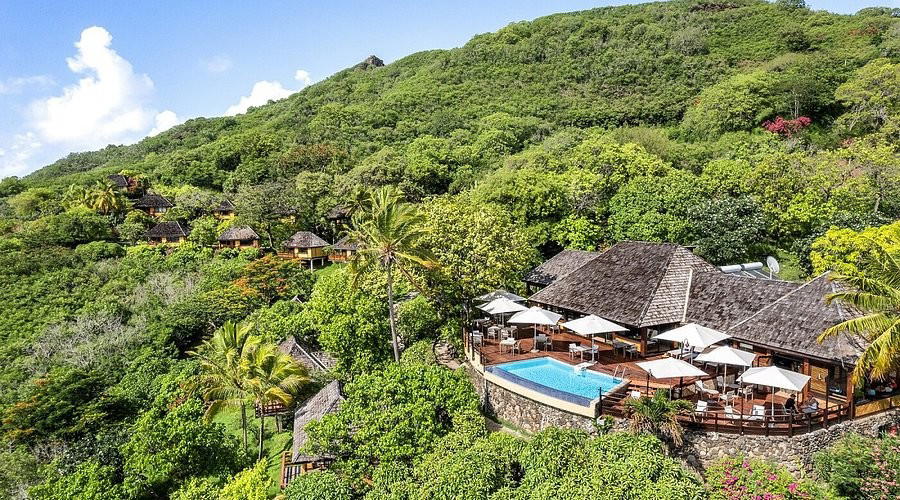
Details
- Elegant
- Romantic
- Intimate
- Sophisticated
- Date Night
- Special Occasion
- Celebration
- Waterfront
- Private Dining
- Chefs Counter
- Craft Cocktails
- Extensive Wine List
- Local Sourcing
- Sustainable Seafood
- Waterfront
- Tasting Menu
- A La Carte
- Rum Cocktails
- Tropical Cocktails
- Vegetarian Friendly
Flickering candlelight, hand-carved wood, woven textures, and soft island rhythms create a luxurious, warm atmosphere.