Blue Banana
Blue Banana sits at PK 11.2 along Punaauia's coastal strip, on the lagoon side of one of Tahiti's more densely populated suburban corridors.
Pearl is the En Primeur Club membership app — saves, bookings, and concierge access live there. Same editors, same standards.
- Address
- face au Magasin PAS CHER, PK 11,200 côté mer, Punaauia, French Polynesia
- Phone
- +689 40 41 22 24
- Website
- facebook.com
- Directions
- Get directions
 Saves & bookings on Pearl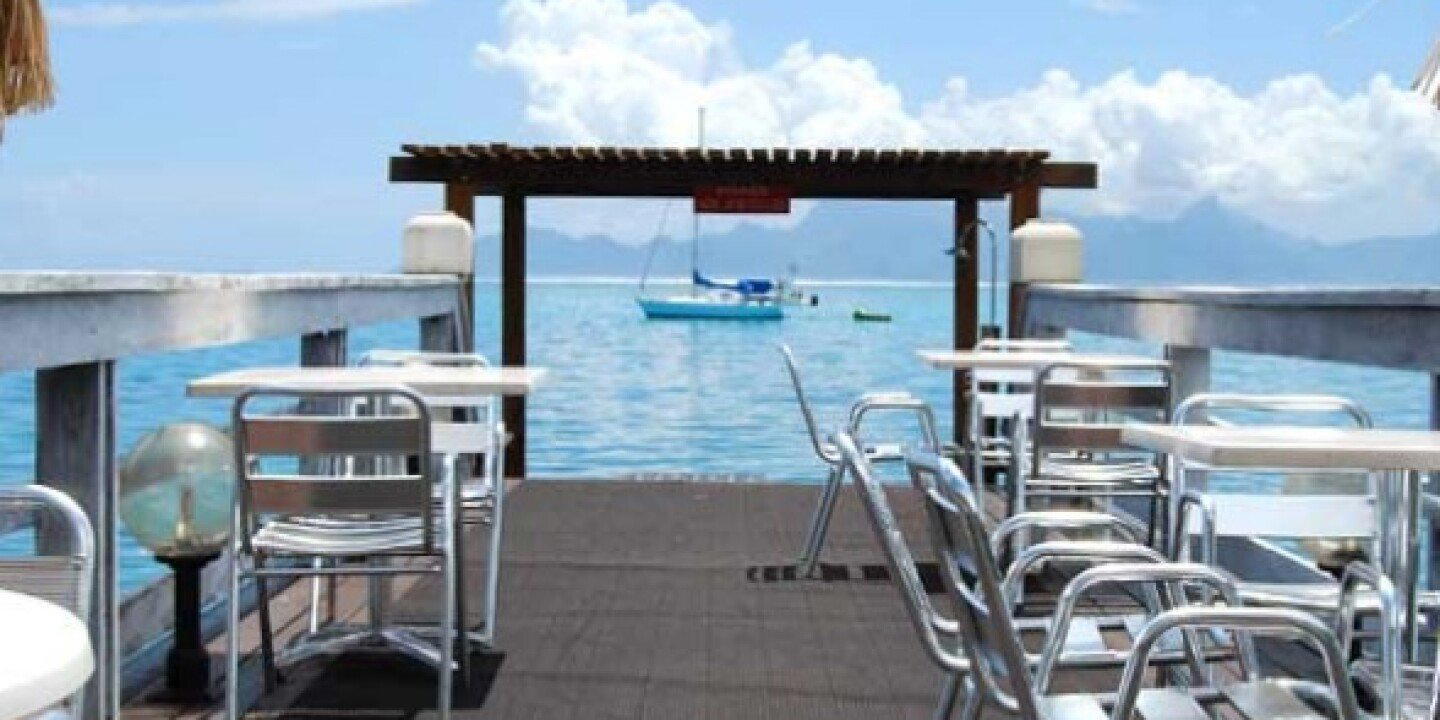
Punaauia's Coastal Dining Strip and Where Blue Banana Fits
The PK marker system along Tahiti's western coastal road is one of the more reliable navigational tools on the island, counting kilometers from Papeete's cathedral outward through the suburbs of Faa'a, Punaauia, and beyond. By PK 11, the road has settled into the rhythm of Punaauia proper: Chinese-run épiceries, roadside roulotte stops, surf shops, and the occasional sit-down restaurant that serves the commune's working population rather than tourists on transfer buses. Blue Banana occupies a position at PK 11.2, on the sea side, facing the Magasin PAS CHER. This is a local-dining stretch. It is the everyday version, and that distinction shapes everything about what to expect.
Ingredient Sourcing Along Tahiti's West Coast
French Polynesia's food supply chain is structurally unusual in ways that have direct consequences for restaurant quality. The territory imports a significant share of its food from metropolitan France, New Zealand, and the United States, while simultaneously sitting on some of the Pacific's most productive lagoon fisheries. The tension between imported processed goods and hyperlocal protein sources defines the cooking at virtually every level of the dining market here, from the roulottes that park along the waterfront in Papeete to the more formal restaurants scattered across Tahiti's western corridor.
Punaauia's proximity to the lagoon gives establishments along the PK 11 stretch access to fresh-caught reef fish, octopus, and shellfish through the small-scale fishermen who work the waters between Tahiti and Moorea. This is the same supply logic that shapes places like Restaurant Te Honu Iti in Moorea Maiao and Otemanu in Vaitape, both of which rely heavily on what can be sourced from the surrounding water rather than flown in. The degree to which any individual restaurant along Punaauia's coast participates in that local sourcing network versus defaulting to imported commodity ingredients is often the clearest indicator of quality. Venues with direct relationships with lagoon fishermen, or with access to the root vegetables and tropical fruits grown in the interior valleys of Tahiti Nui, tend to produce food with a distinctly different register than those running off a wholesale import list.
The Suburban Polynesian Restaurant Format
Restaurants positioned on the sea side of Tahiti's coastal road in Punaauia share a common commercial logic. They draw from the commune's resident population during lunch service and attract a secondary after-work dinner crowd on weekdays, with Saturday often being the heaviest service day across this format. The tourist footfall is incidental rather than structural, which means pricing and portion logic tends to reflect what a local family considers value rather than what a resort operator would charge. This is meaningfully different from the dining formats that define French Polynesia's international reputation, where hotels and overwater bungalow restaurants at properties connected to groups like those operating Le Taha'a in Tahaa set expectations around formal Polynesian fine dining.
The contrast is worth holding in mind when thinking about where Blue Banana sits in the territory's dining hierarchy. The venue is not positioned against the Polynesian French refinement of Le Kenae in Taiohae or the resort-anchored formats of The Lucky House Fare Manuia in Bora Bora. It occupies the suburban everyday tier, which in Punaauia is a genuinely separate competitive category with its own standards and its own regulars.
Internationally, the question of sourcing discipline at modest-format restaurants has produced particularly compelling dining in coastal communities worldwide. The philosophy behind sourcing from immediate geography, rather than from a centralized supply chain, connects places as different in scale as Quattro Passi in Marina del Cantone and Dal Pescatore in Runate, both of which built reputations by working within the constraints of their immediate geography rather than against them. The Pacific equivalent of that discipline, when it appears, tends to produce food that tastes specifically of where it was caught and cooked.
Planning a Visit: What to Know Before You Go
The restaurant is located at PK 11.2 on Tahiti's west coast, on the ocean side of the road in Punaauia. The address reference point is the Magasin PAS CHER, which serves as the practical landmark for anyone navigating via the coastal route from Papeete. Punaauia is approximately 11 kilometers from central Papeete along Route 1, making it accessible by rental car or le truck, the territory's shared transport system, though a vehicle gives considerably more flexibility for timing. Visiting during midday hours on a weekday or Saturday is the lower-risk approach for first-time visitors.
Fast Comparison
Comparable venues nearby, for context on price, style, and recognition.
| Venue | Cuisine | Price | Notes |
|---|---|---|---|
| Blue BananaThis venue — the venue you are viewing | French-Polynesian Fusion | $$$ | Not listed |
| L'O A La Bouche | French with Polynesian Influences | $$$ | Papeete |
| 54 Rue Paul Gauguin | French Soufflé Bistro | $$ | center |
| Restaurant Te Tiare | International with Polynesian seafood | $$$ | Faaa |
| Holy Délices | French Steakhouse with Polynesian Fusion | $$$ | Ha'apiti |
| Otemanu | French-Polynesian Fusion | $$$$ | Vaitape |
Continue exploring
More in Puna Auia
Restaurants in Puna Auia
Browse all →

Bars in Puna Auia
Browse all →
At a Glance
- Trendy
- Lively
- Scenic
- Date Night
- Casual Hangout
- Special Occasion
- Waterfront
- Terrace
- Open Kitchen
- Extensive Wine List
- Waterfront
Current opening hours
- Monday
- Closed
- Tuesday
- 12–2 PM, 6:30–10 PM
- Wednesday
- 12–2 PM, 6:30–10 PM
- Thursday
- 12–2 PM, 6:30–10 PM
- Friday
- 12–2 PM, 6:30–10 PM
- Saturday
- 12–2 PM, 6:30–10 PM
- Sunday
- 12–2 PM
Hours can change for holidays and private events. Last verified .
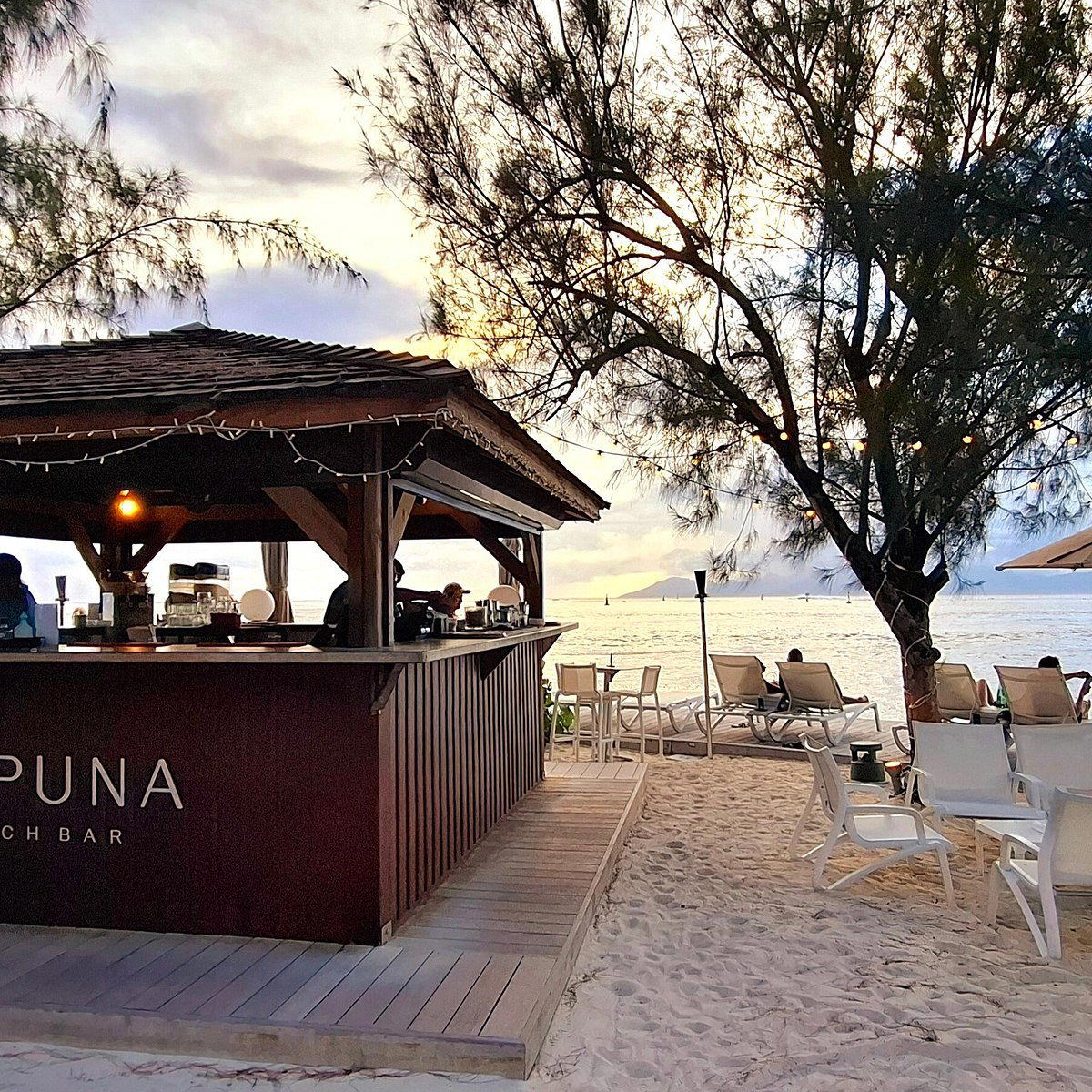
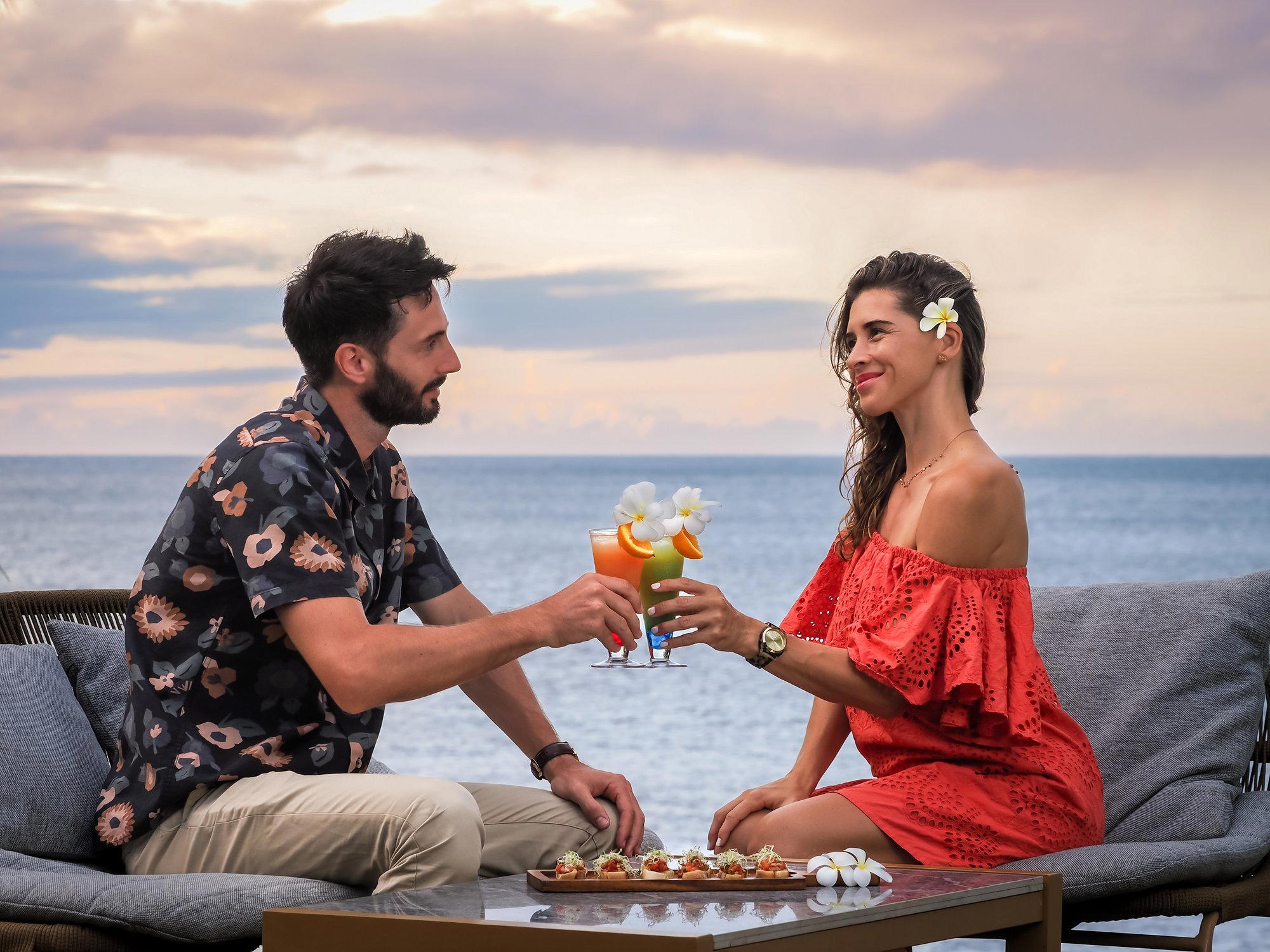
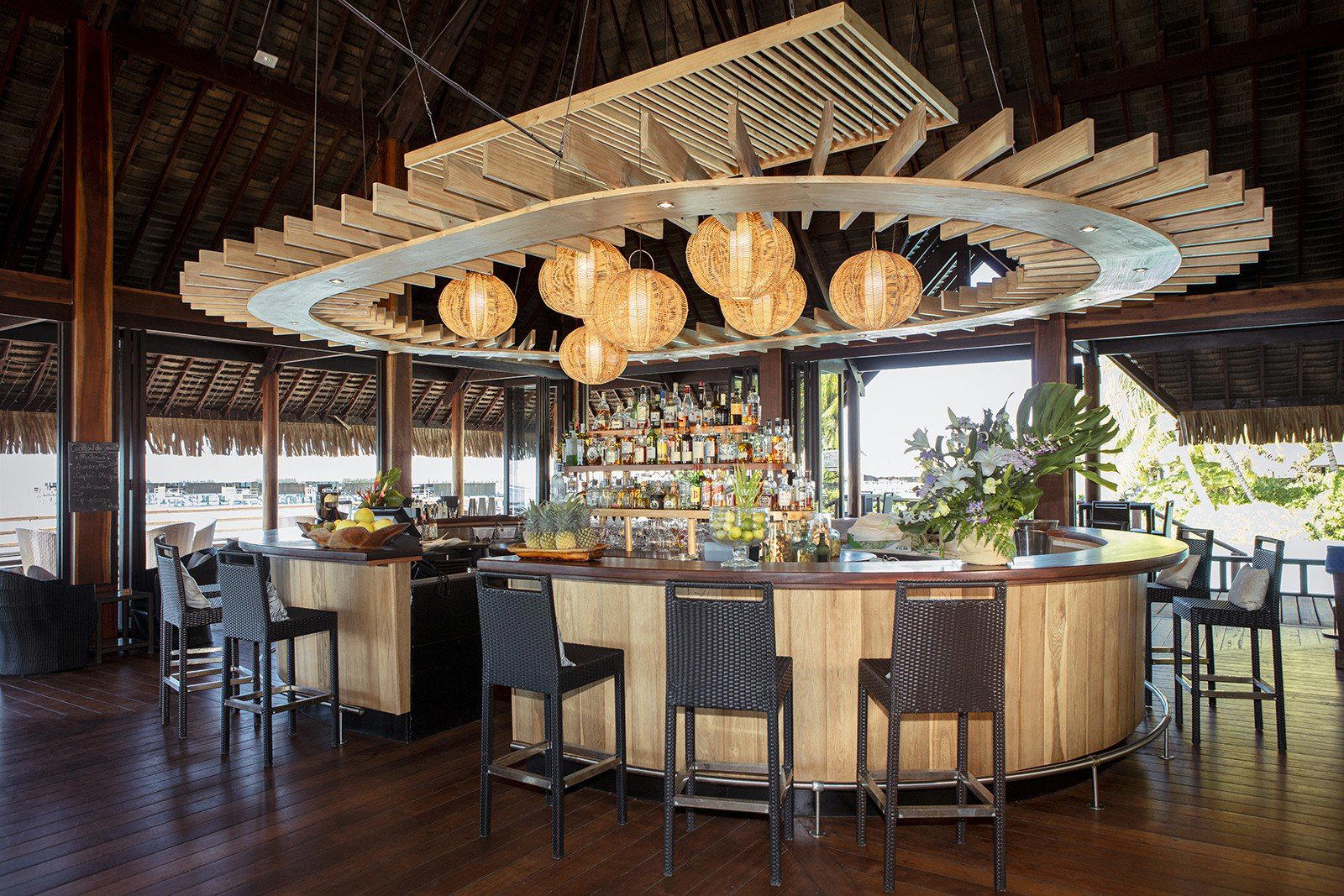
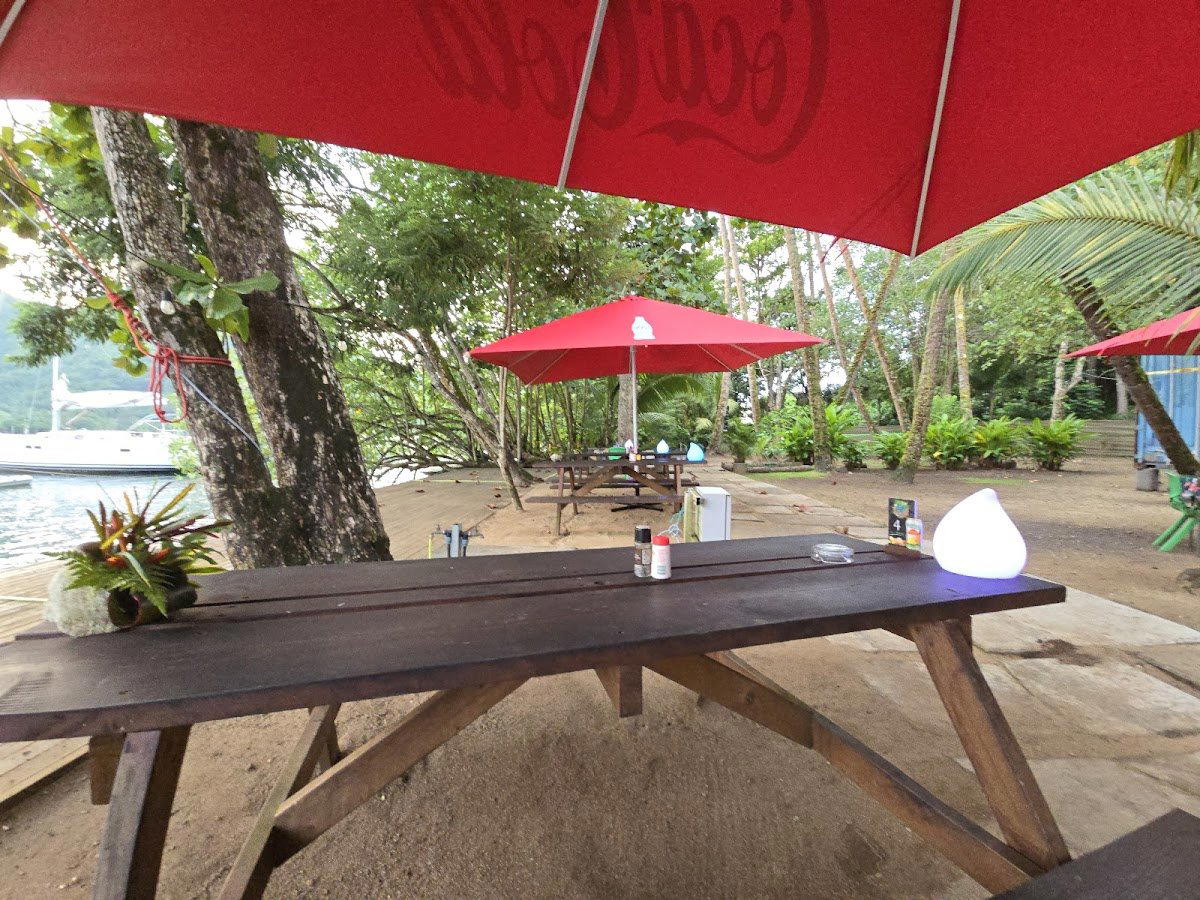
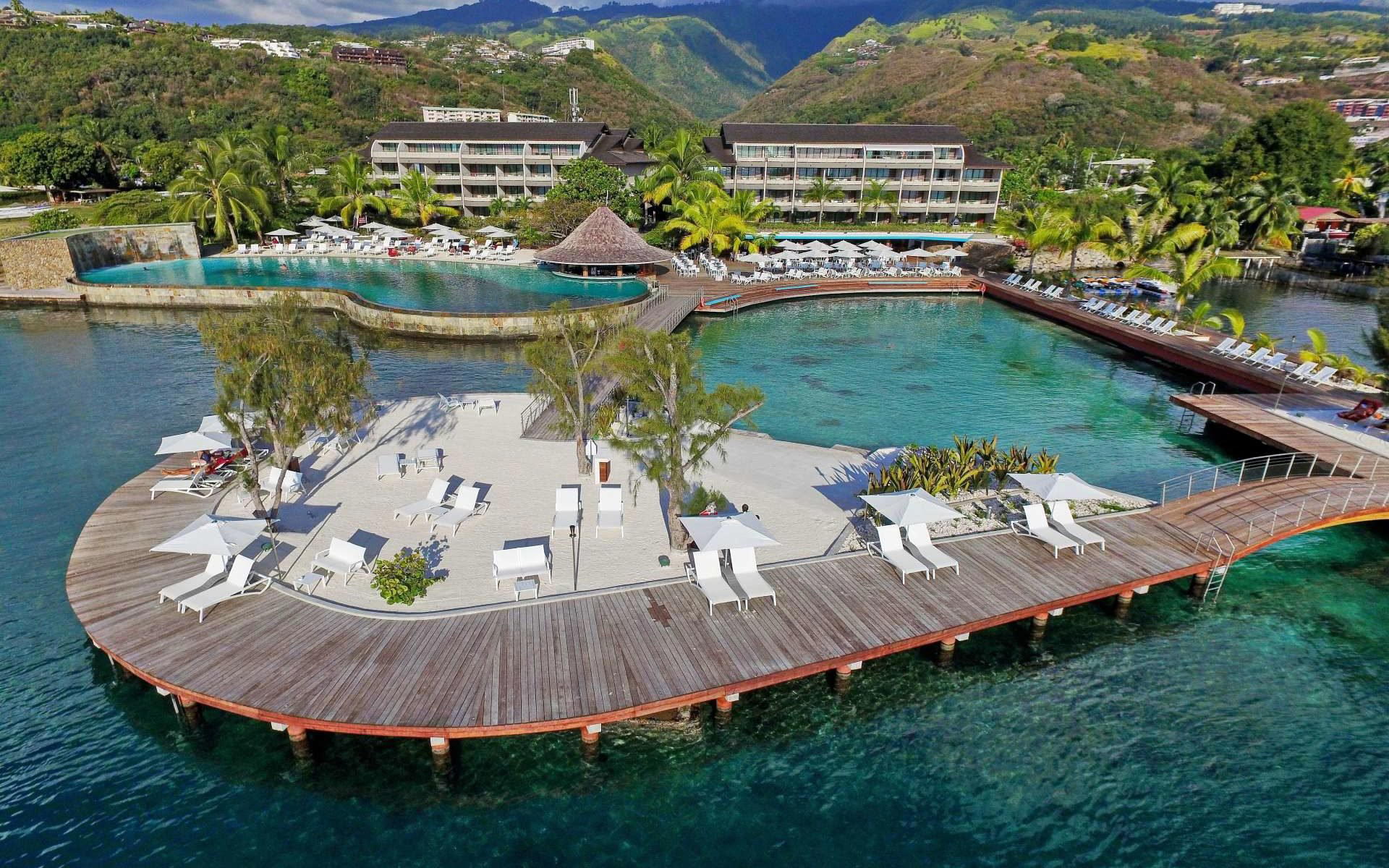
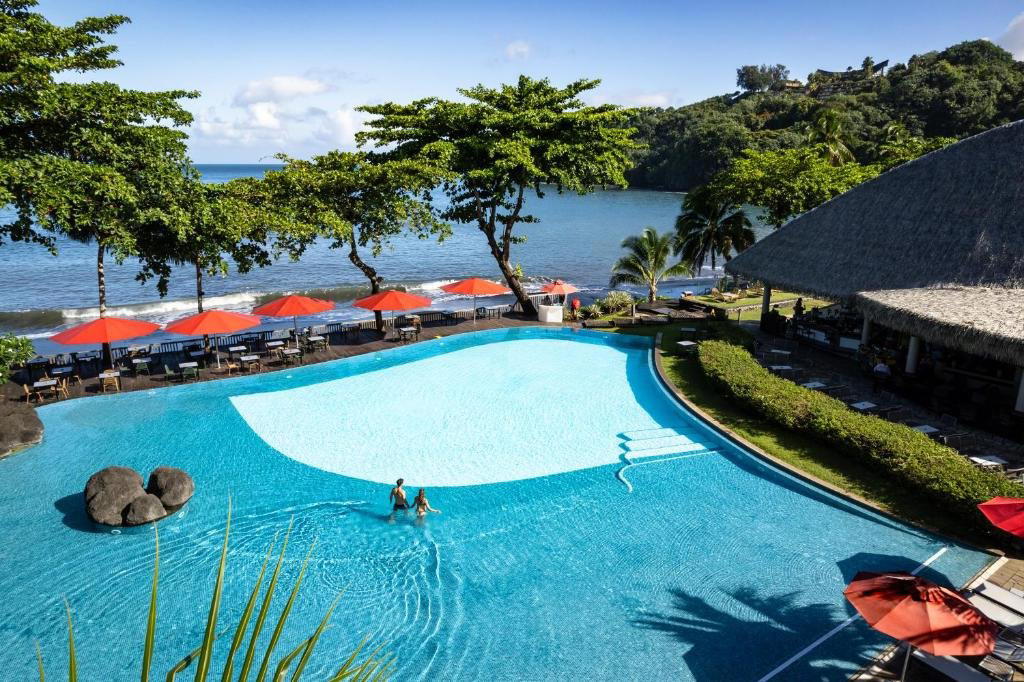
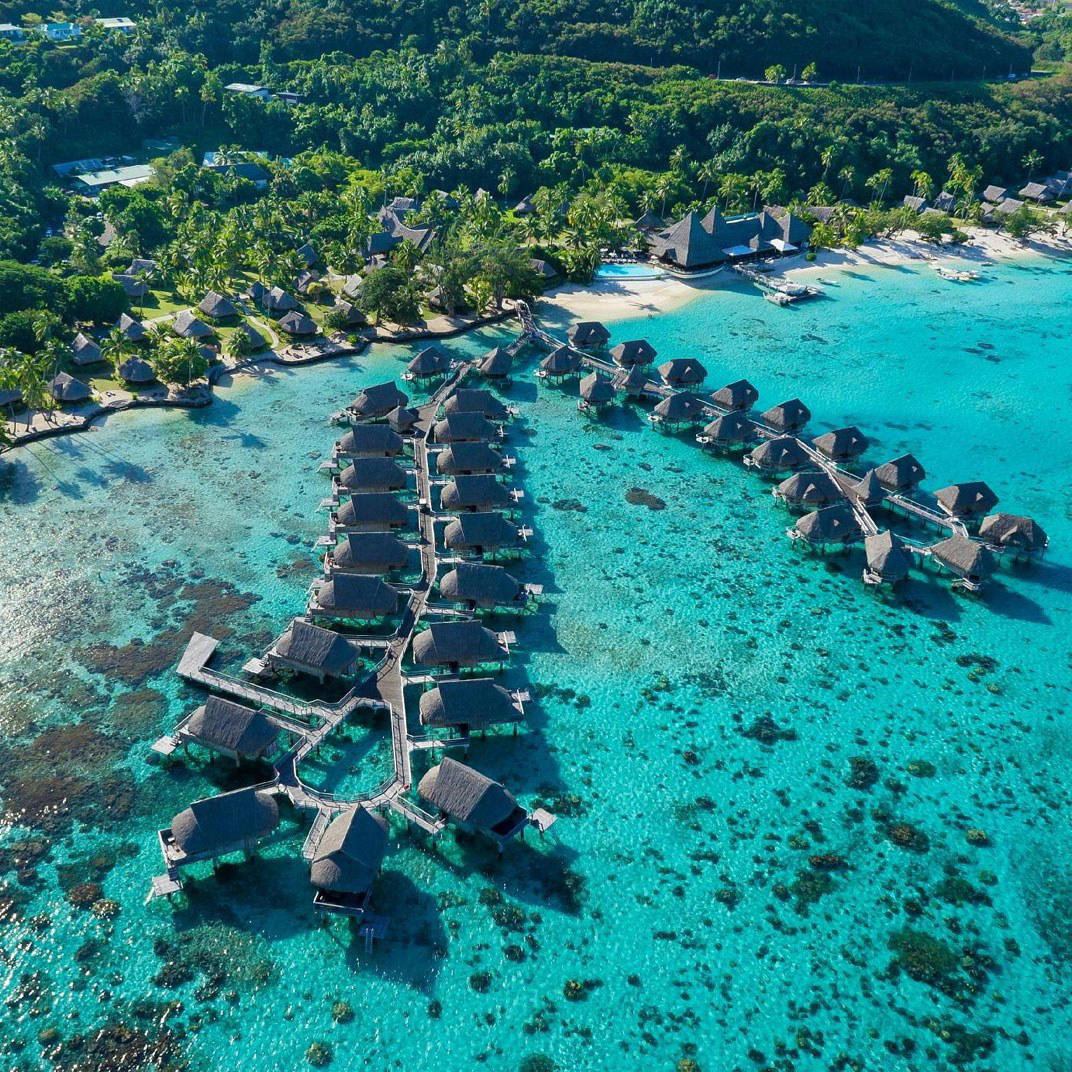
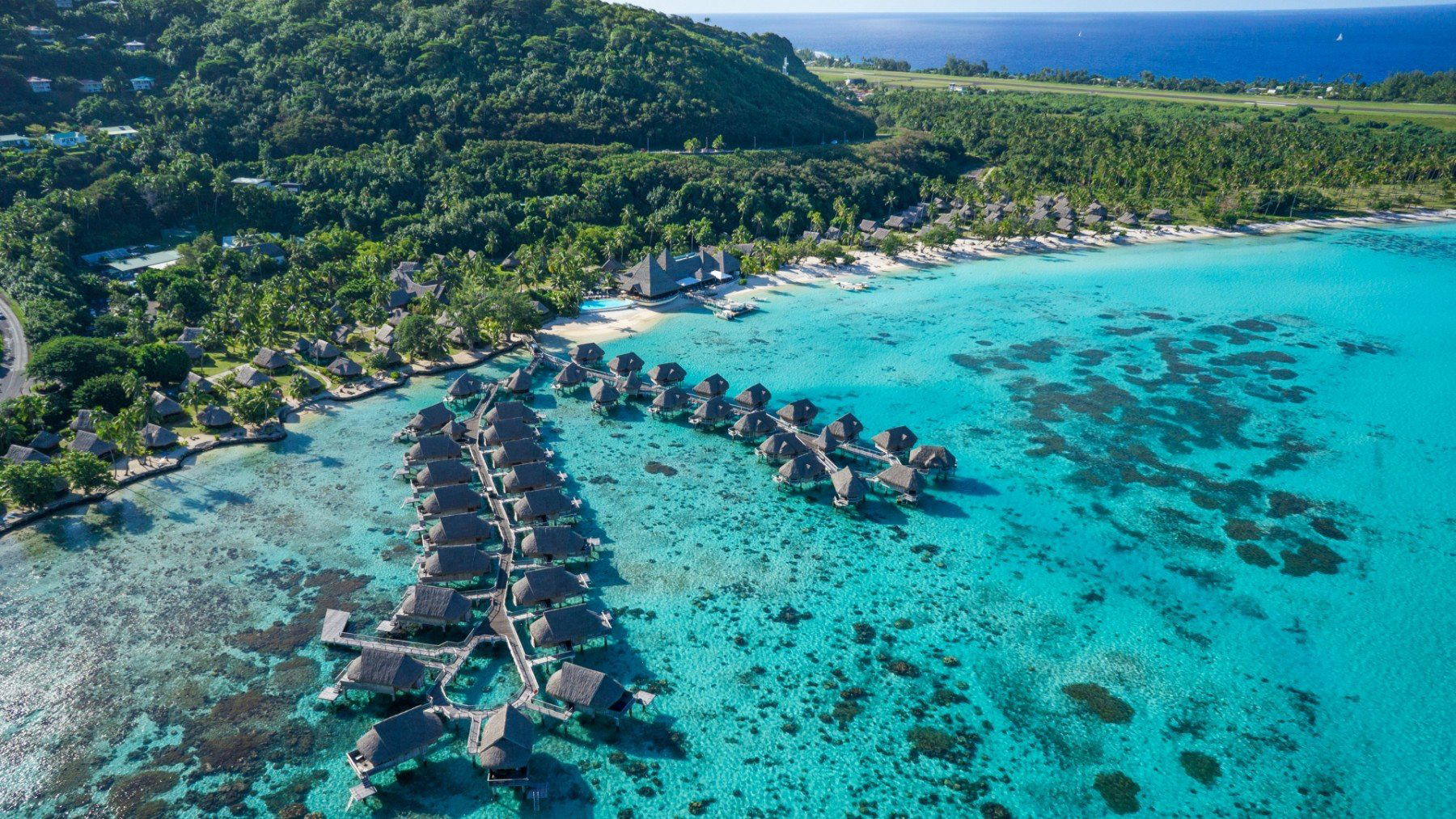
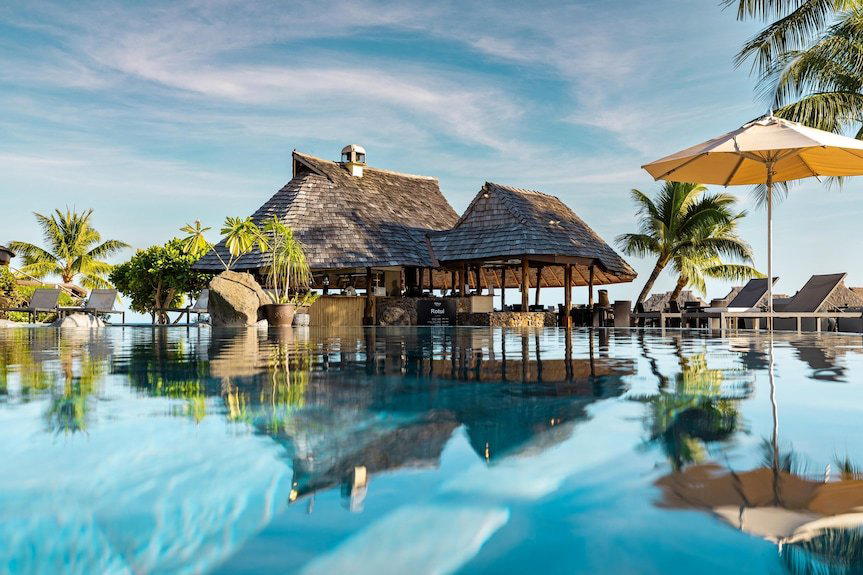
Buzzy and electric atmosphere with terrace floating over the lagoon, enhanced by sea breeze and lively sunset vistas.