Restaurant Te Honu Iti
On Moorea's coast, Te Honu Iti occupies a position in French Polynesia's broader tradition of reef-to-table cooking, where proximity to the lagoon defines what appears on the plate. The restaurant draws visitors looking for a grounded, locally sourced meal away from the resort circuit. For those building a picture of Moorea's dining scene, it belongs on the shortlist alongside other independent operators on the island.
Pearl is the En Primeur Club membership app — saves, bookings, and concierge access live there. Same editors, same standards.
- Address
- F5WJ+2F7, Moorea-Maiao, French Polynesia
- Phone
- +689 87 79 29 98
- Website
- facebook.com
- Directions
- Get directions
 Saves & bookings on Pearl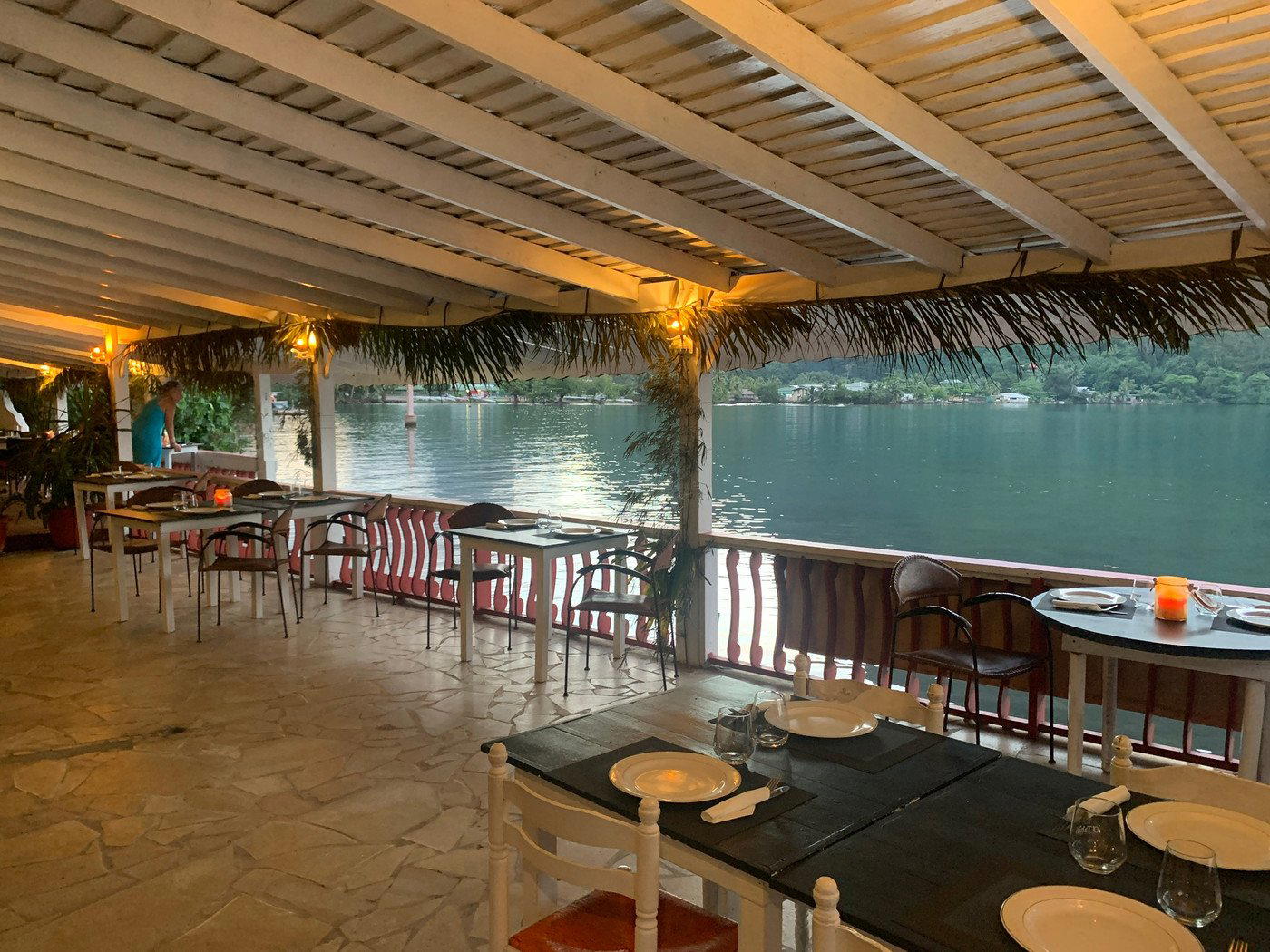
Eating Close to the Water in Moorea
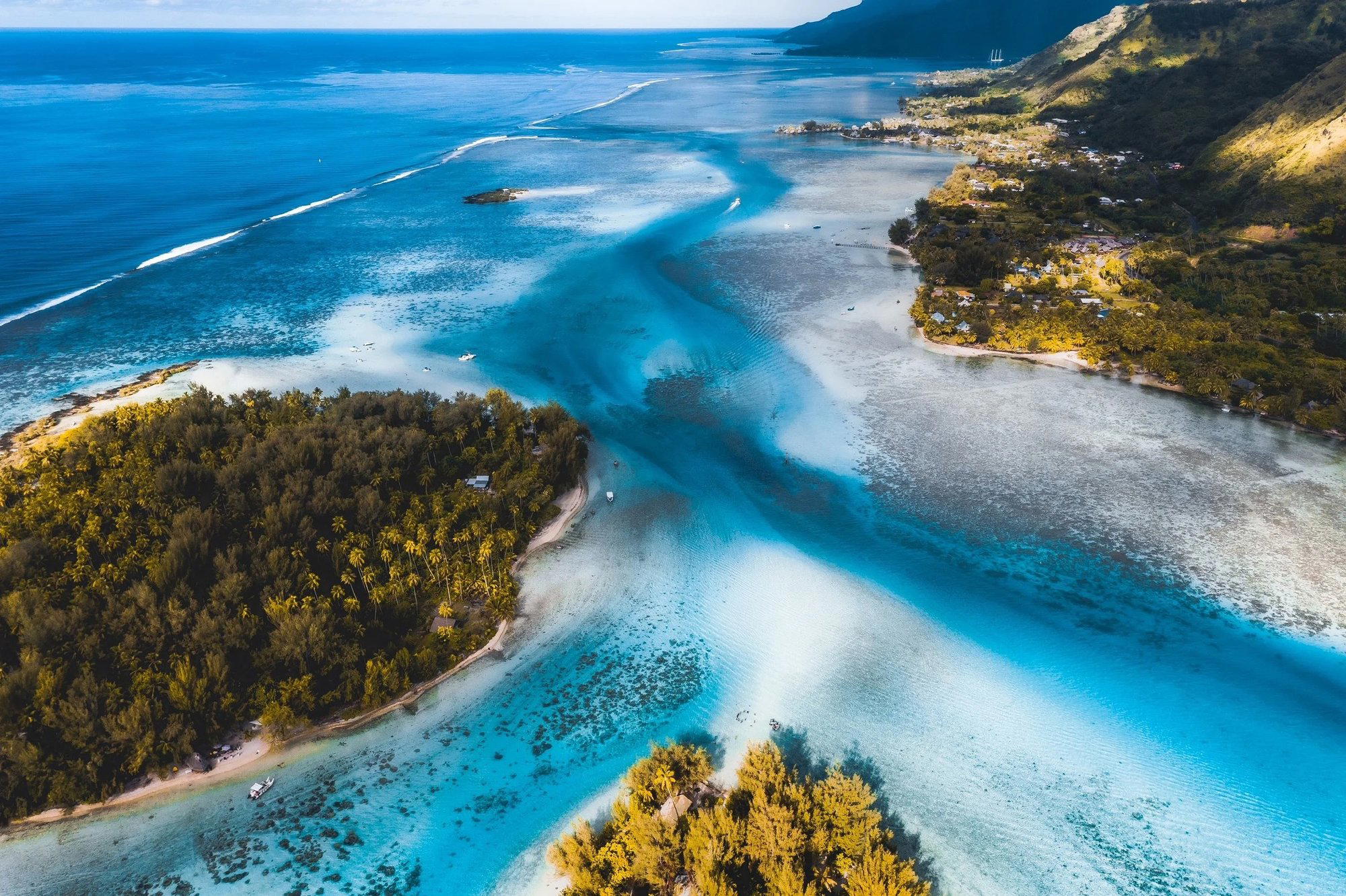
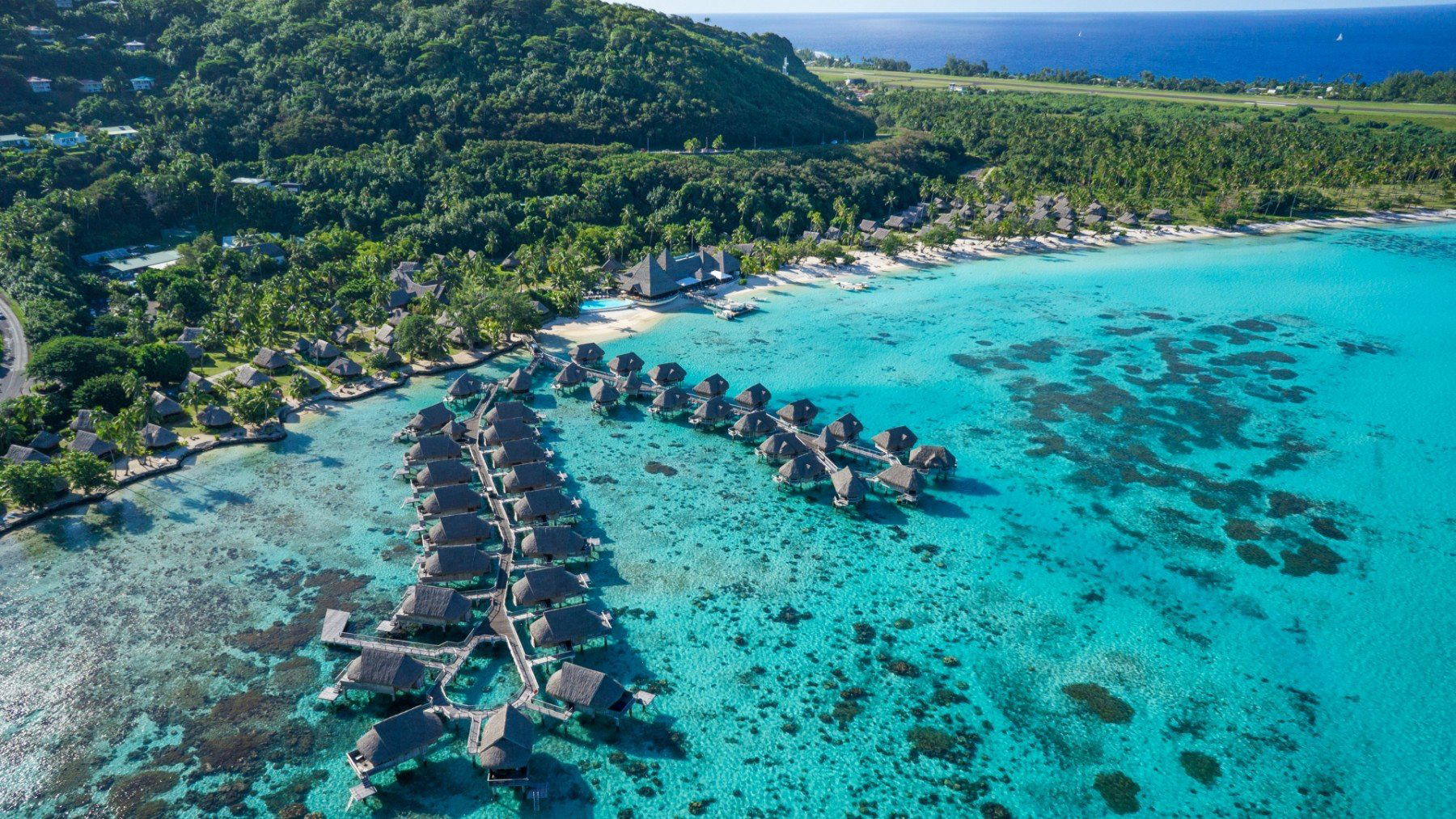
Moorea sits roughly 17 kilometres northwest of Papeete, close enough to reach by ferry in under 30 minutes, far enough to feel like a different register of travel. The island's dining scene has never fully consolidated around a single identity: resort restaurants operate in one tier, smaller independent spots in another, and the gap between them is wide. Restaurant Te Honu Iti falls into the second category, a French-Polynesians fusion restaurant in Moorea-Maiao.
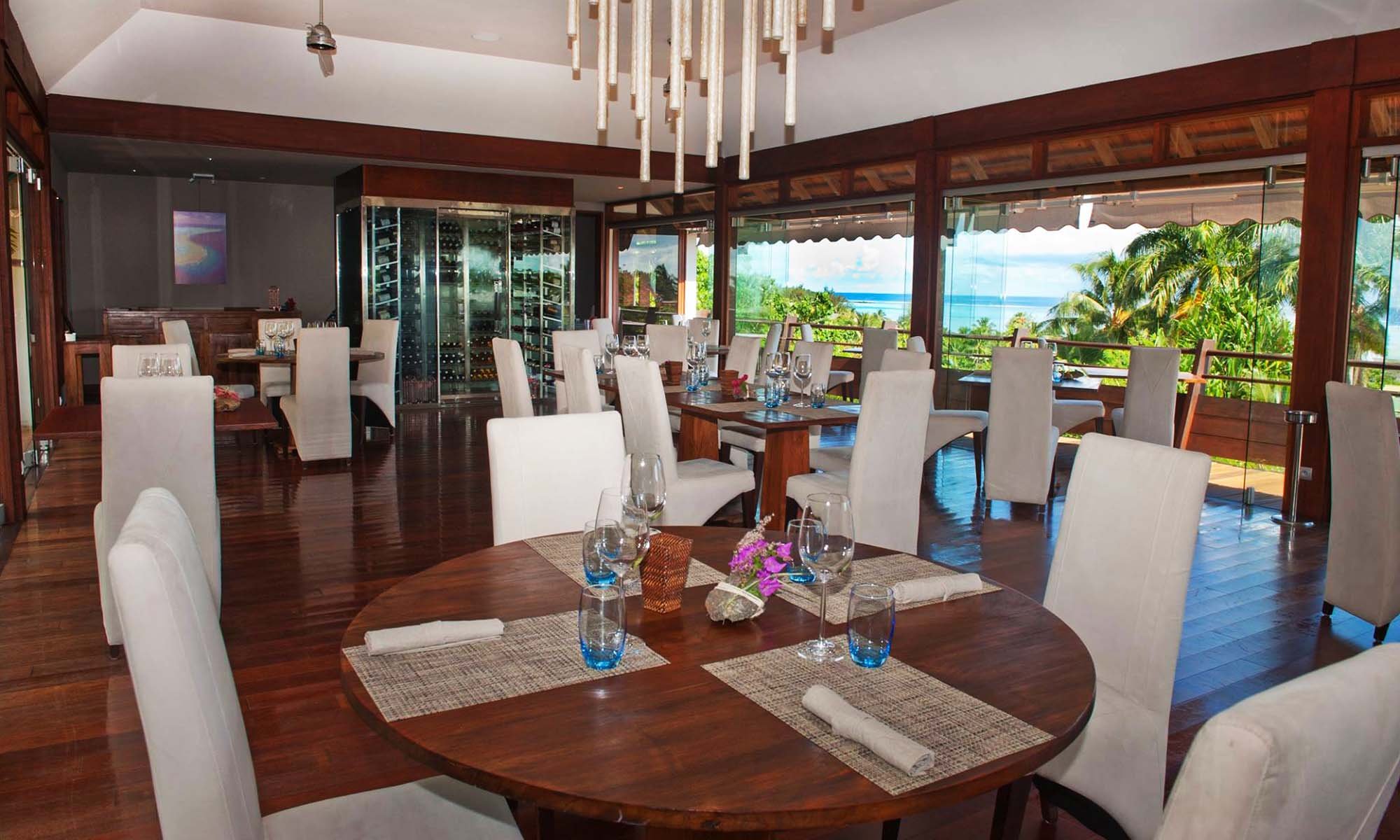
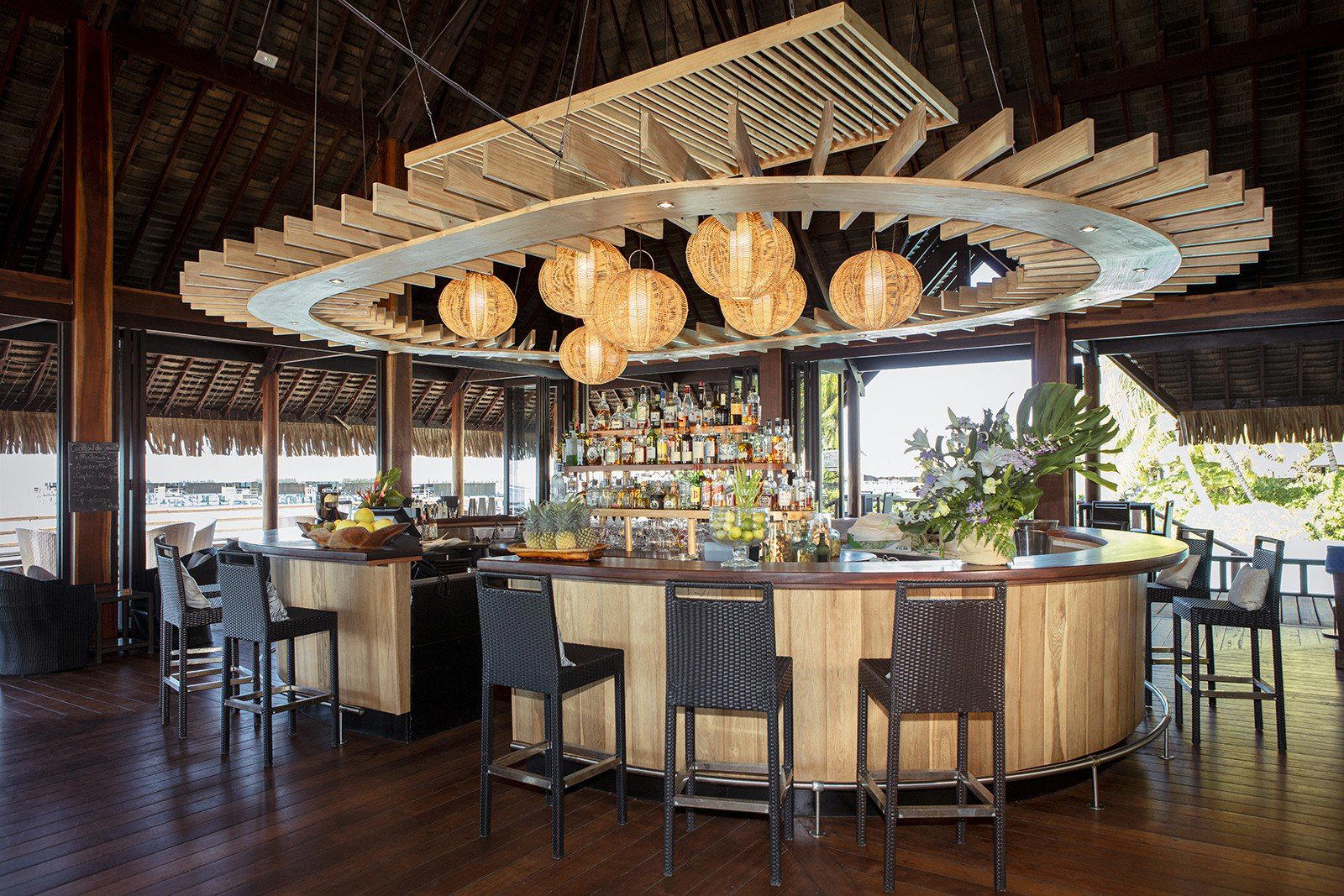
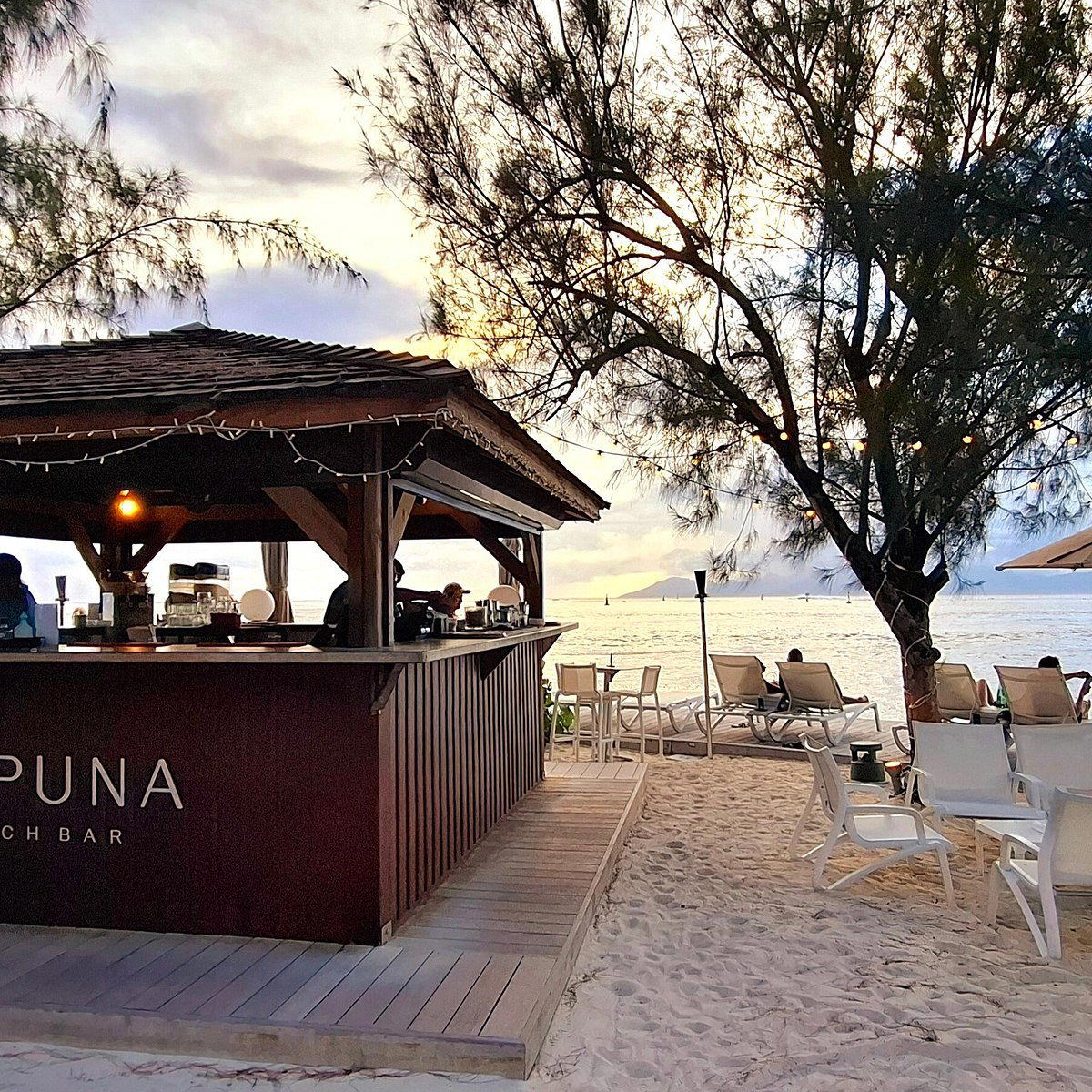
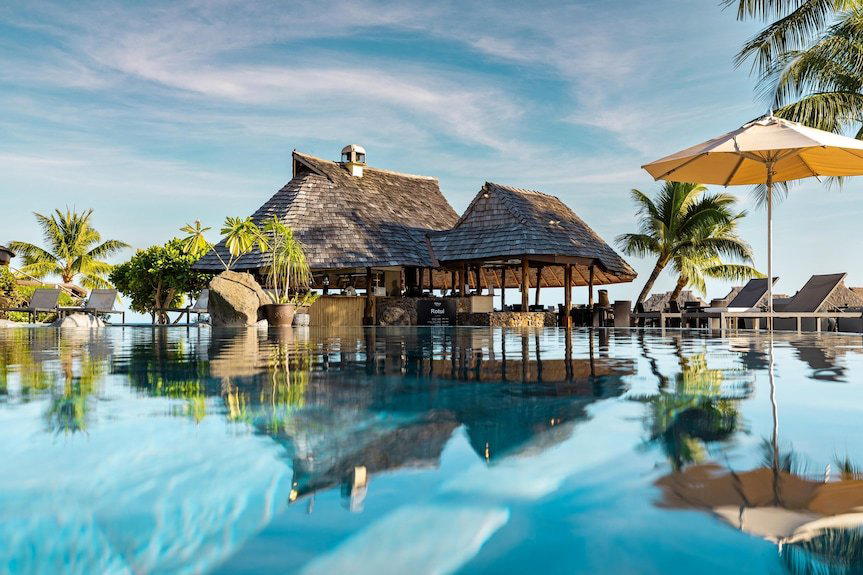
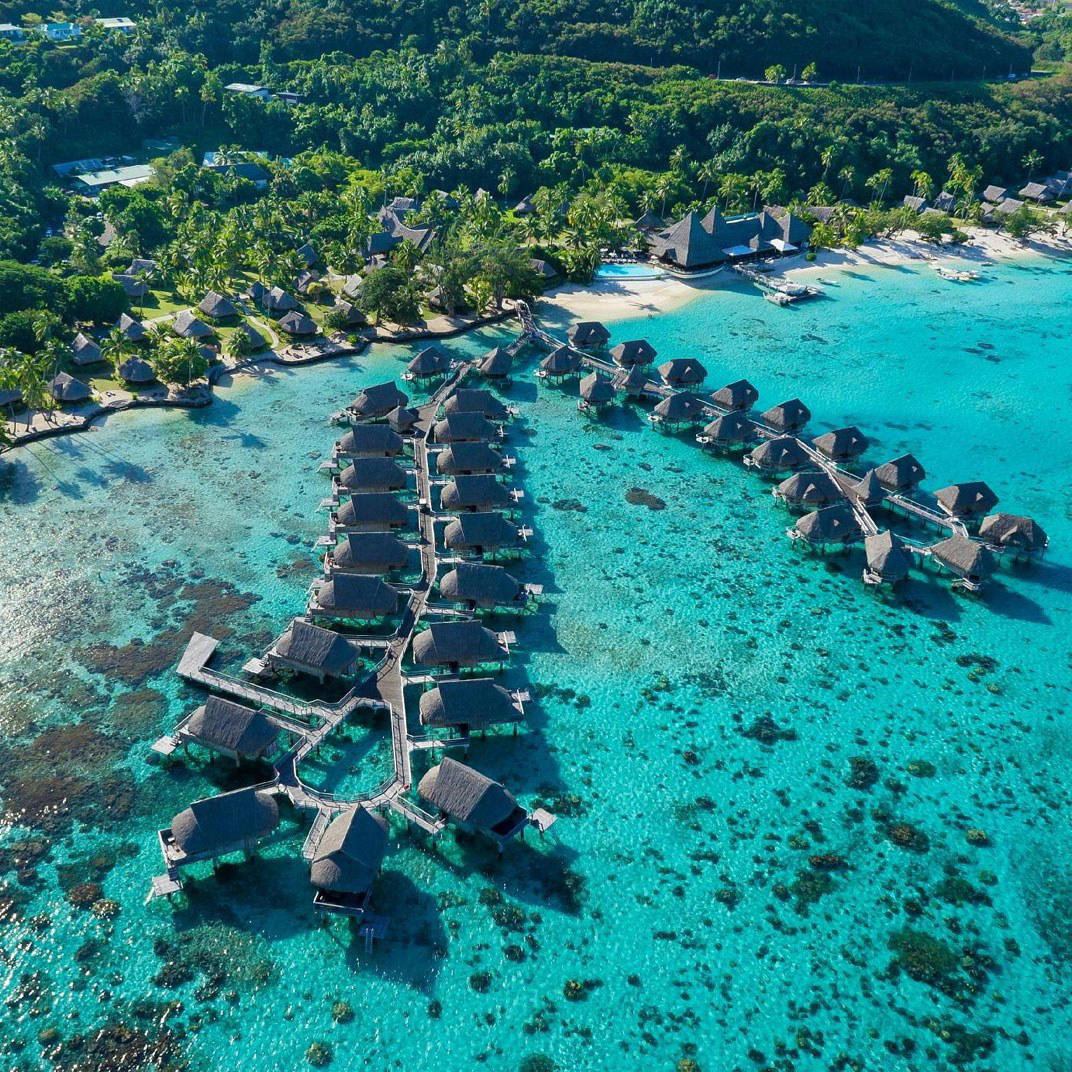
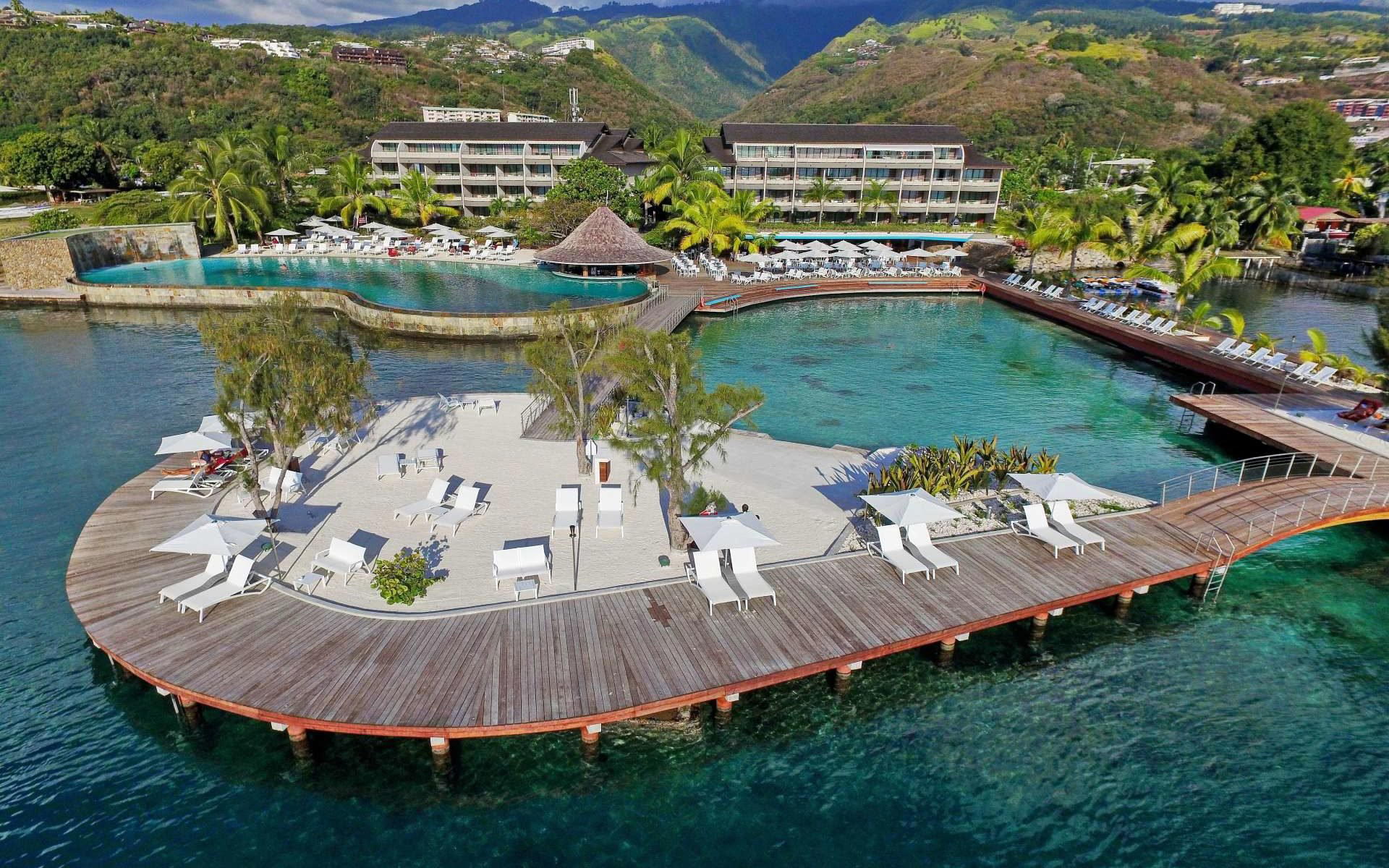
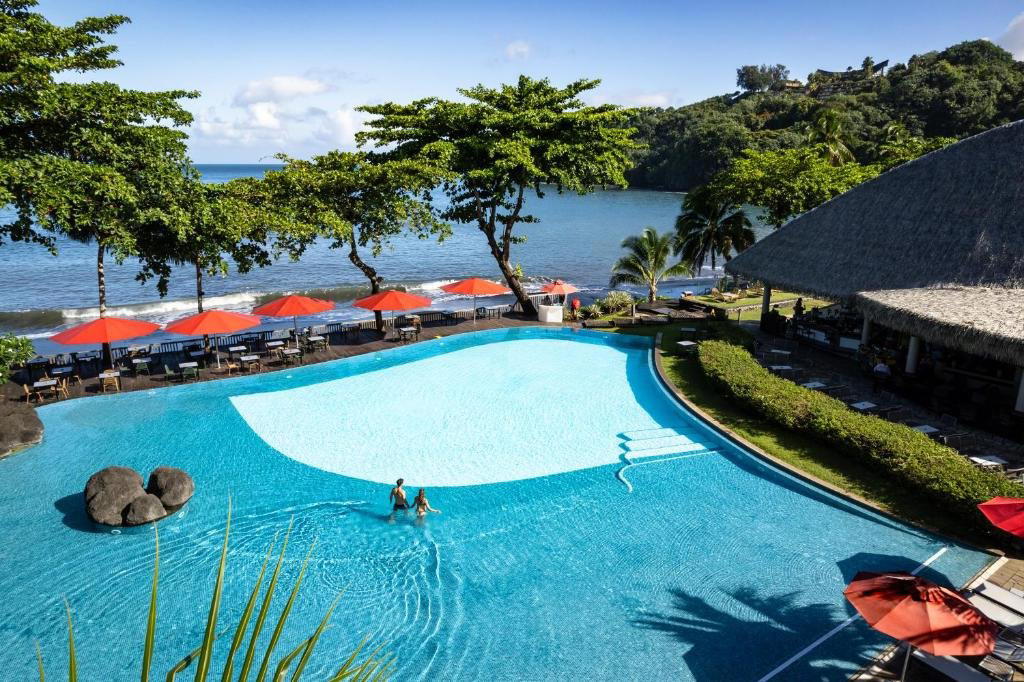
The physical approach to a waterside restaurant in Moorea tends to set expectations before the food arrives. The lagoon's colour shifts from turquoise to deep green depending on the hour and cloud cover, and the air carries salt and vegetation in roughly equal measure. Restaurants in this position on the island inherit that context whether they court it or not. It becomes part of the experience by default, which is why the sourcing question matters more here than at a comparable address in a landlocked city.
French Polynesia's Ingredient Geography
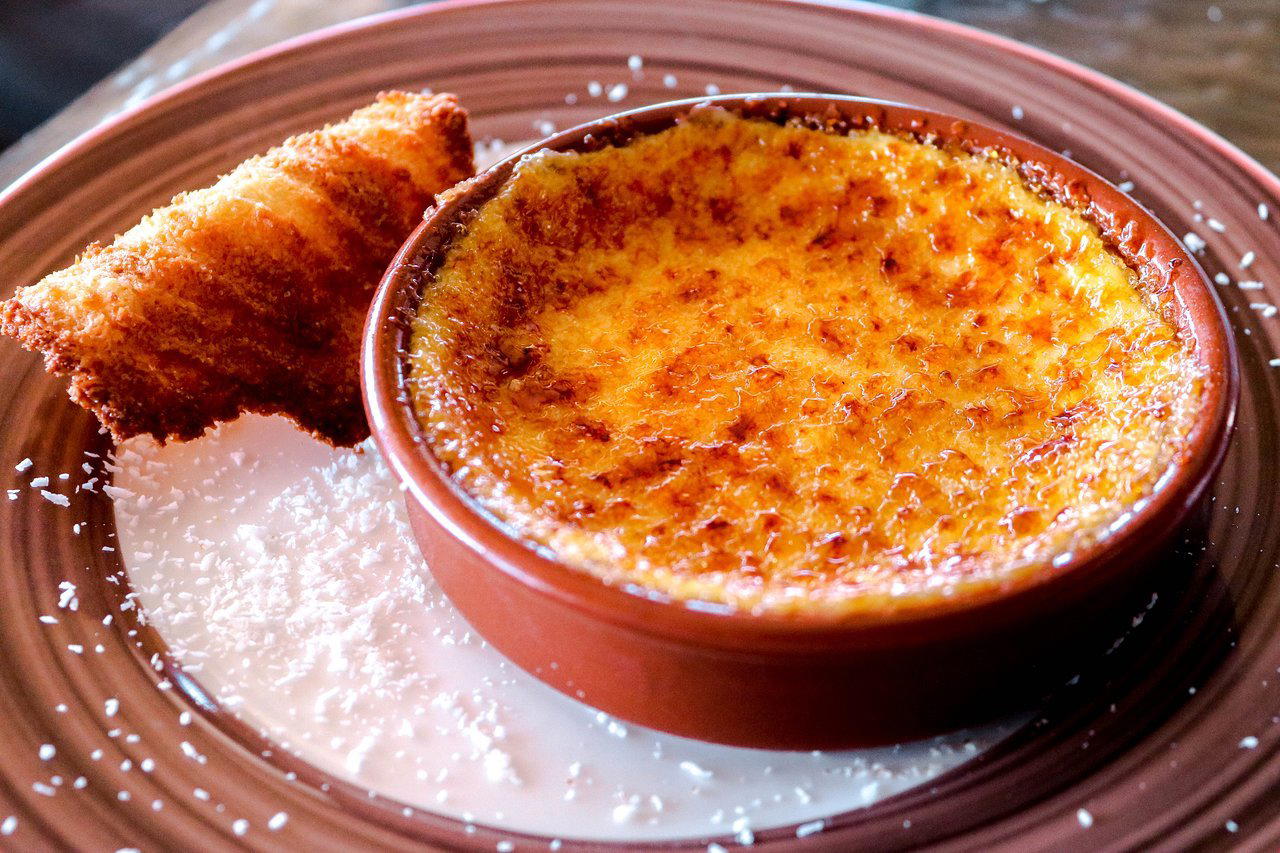
The case for cooking locally in French Polynesia is not sentimental. It is logistical and economic. French Polynesia imports a significant share of its food, a structural reality that drives up costs across the board and creates a clear incentive for restaurants that can tap into local supply chains. The islands produce mahi-mahi, yellowfin tuna, and various reef fish in commercial volume. Breadfruit, taro, vanilla, coconut, and tropical fruits grow on-island. Poisson cru, the national dish built on raw tuna, coconut milk, and lime, is one visible expression of what happens when local supply and local tradition align without intervention.
Restaurants that commit to this supply geography occupy a different position from those that import proteins and produce from Tahiti or farther afield. The distinction is not always visible on a menu, but it shows in the consistency of what arrives at the table and in the price structure. Across French Polynesia, the gap between a fully import-reliant restaurant and one grounded in local sourcing can be significant in both cost and flavour fidelity. Venues like Otemanu in Vaitape and Le Taha'a in Tahaa represent the higher-end interpretation of Polynesian-French cooking across the archipelago; Te Honu Iti operates in a more grounded register, on an island where the supply chain is shorter and the format is less formal.
Where Te Honu Iti Sits in Moorea's Dining Picture
Moorea's independent restaurant sector is not large. The island's population centres around Cook's Bay and Opunohu Bay, and the dining options outside the major resorts are concentrated enough that word travels quickly between visitors. Holy Délices represents one end of the island's accessible eating options; Te Honu Iti represents another point on that same map.
Across the broader French Polynesian restaurant circuit, comparisons naturally arise with places like Le Kenae in Taiohae, which operates in the Marquesas tradition of French-Polynesian cooking, and Restaurant Te Tiare in Faaa, closer to Papeete's orbit. Each reflects its geography in how it sources and what it serves. Te Honu Iti's Moorea address places it in a different competitive set from the capital's restaurants, with a different pace and a different relationship to its supply base.
On the broader Tahitian mainland, L'O A La Bouche in Papeete and Blue Banana in Punaauia represent the more polished urban end of French Polynesian dining. Outer island restaurants like Te Honu Iti work within tighter constraints and, at their leading, use those constraints productively. Loula et Rémy in Taiarapu Est and O Belvédère in Pira E offer additional reference points for understanding how the Windward Islands' restaurant culture distributes itself across different formats and price tiers.
The Global Context: When Proximity to Source Is the Point
Ingredient sourcing as a primary editorial lens is not specific to Polynesia. Particularly closely watched restaurants in the world have made supply chain transparency central to their identity. Atelier Moessmer Norbert Niederkofler in Brunico built its Michelin recognition partly around a strict local-Alpine sourcing mandate. Dal Pescatore in Runate has sustained multi-generational credibility through deep regional rootedness. In New York, Le Bernardin has set a long-running standard for seafood sourcing discipline at the fine dining level, while Atomix and Lazy Bear in San Francisco show how sourcing narratives translate into tasting menu formats. HAJIME in Osaka and Emeril's in New Orleans illustrate how differently the sourcing conversation plays out across culinary traditions. At the opposite end of the scale from those addresses, a small restaurant on a South Pacific island working with reef fish and garden produce is operating on the same basic principle: the shorter the distance from source to plate, the less that needs to be done to the ingredient to make it worth eating. The philosophy scales down as readily as it scales up. The Lucky House Fare Manuia Restaurant in Bora Bora demonstrates how that approach can work within a similarly relaxed, island-specific format elsewhere in French Polynesia.
Planning a Visit
Moorea is accessible year-round, though the dry season from May to October brings more reliable weather for outdoor dining and water-adjacent settings. The ferry crossing from Papeete takes approximately 30 minutes on the fast catamaran service and runs multiple times daily, making Moorea viable as a day trip from Tahiti or as a multi-night base. The island's road network is compact, and most restaurants are reachable by rental car or scooter. Its smart-casual dress code and recommended reservations make advance planning worthwhile.
Quick Comparison
Comparable venues nearby, for context on price, style, and recognition.
| Venue | Cuisine | Price | Notes |
|---|---|---|---|
| Restaurant Te Honu ItiThis venue — the venue you are viewing | French-Polynesians fusion | $$$ | Not listed |
| Holy Délices | French Steakhouse with Polynesian Fusion | $$$ | Ha'apiti |
| L'O A La Bouche | French with Polynesian Influences | $$$ | Papeete |
| Loula et Rémy | French-Polynesian Fusion | $$ | Taravao |
| O Belvédère | French Brasserie | $$$ | Pīra'e |
| Restaurant Te Tiare | International with Polynesian seafood | $$$ | Faaa |
Continue exploring
More in Moorea Maiao
Restaurants in Moorea Maiao
Browse all →
Bars in Moorea Maiao
Browse all →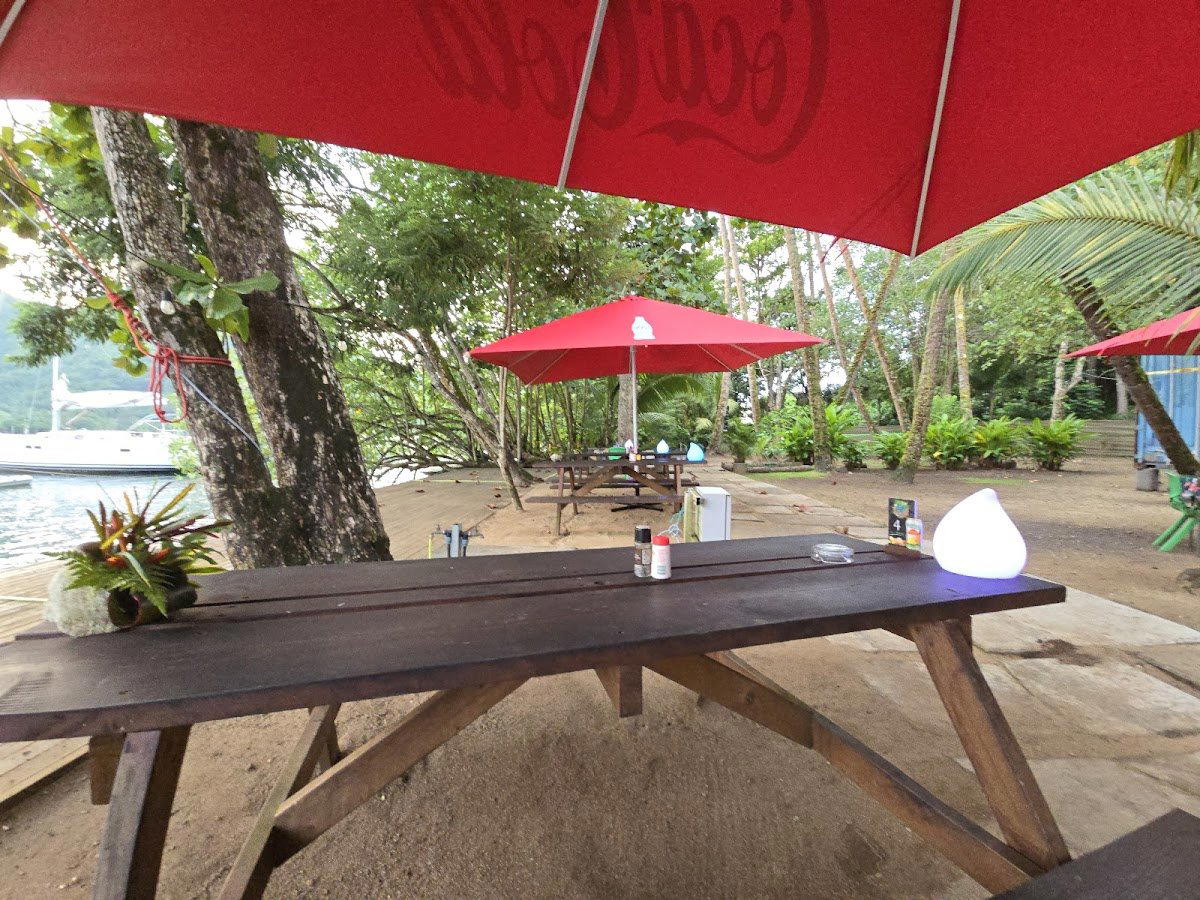
At a Glance
- Romantic
- Scenic
- Elegant
- Intimate
- Date Night
- Special Occasion
- Waterfront
- Terrace
- Local Sourcing
- Waterfront
Current opening hours
- Monday
- 11 AM–2:30 PM, 6–9:30 PM
- Tuesday
- 11 AM–2:30 PM, 6–9:30 PM
- Wednesday
- 11 AM–2:30 PM, 6–9:30 PM
- Thursday
- 11 AM–2:30 PM, 6–9:30 PM
- Friday
- 11 AM–2:30 PM, 6–9:30 PM
- Saturday
- 11 AM–2:30 PM, 6–9:30 PM
- Sunday
- 11 AM–2:30 PM
Hours can change for holidays and private events. Last verified .
Charming retrofitted house with elegant tropical atmosphere and far-reaching lagoon views.