Loula et Rémy
On the quieter eastern peninsula of Tahiti, Loula et Rémy occupies a niche that French Polynesian dining rarely fills: a neighbourhood spot anchored in place rather than performance. The Taiarapu Est setting puts local ingredient networks front and centre, positioning this as a meal shaped by the reef, the garden, and the market stalls of the Presqu'île rather than by imported convention.
Pearl is the En Primeur Club membership app — saves, bookings, and concierge access live there. Same editors, same standards.
- Address
- 7MCR+8W3, Taiarapu-Est, French Polynesia
- Phone
- +689 40 57 74 99
- Directions
- Get directions
 Saves & bookings on Pearl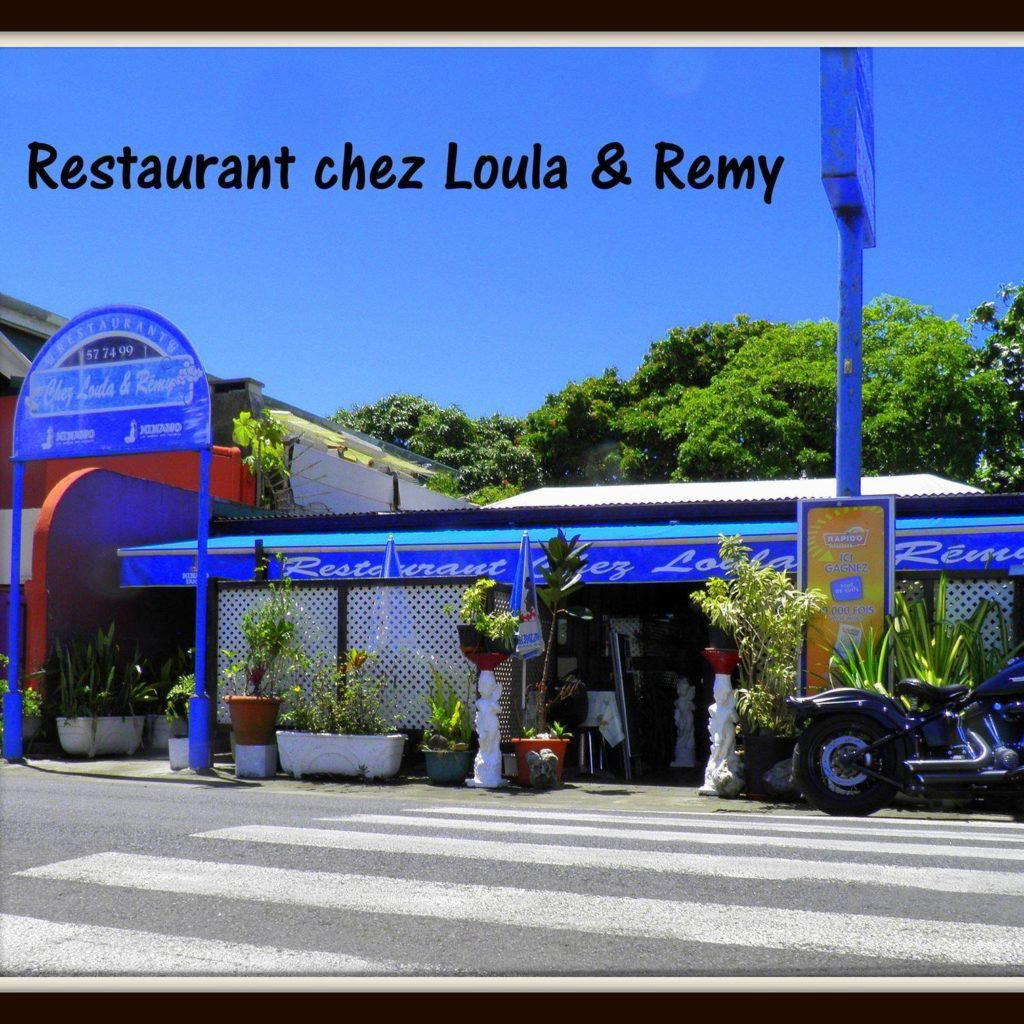
The Eastern Peninsula and Its Pantry
French Polynesia's dining conversation tends to concentrate in Papeete and the resort corridors of Bora Bora and Moorea, where visitors outnumber residents and menus are engineered accordingly. The Presqu'île, the narrow eastern peninsula that forms the tail of Tahiti Iti, operates on a different logic. Taiarapu Est is not a tourist district. Its coastline faces the open Pacific rather than a lagoon promenade, its markets trade in quantities suited to households rather than hotel kitchens, and the restaurants here answer to a local clientele with specific expectations about what Polynesian food should actually taste like. Loula et Rémy belongs to this context, and that context is the reason to seek it out.
Where the Ingredients Come From
The ingredient logic of Tahiti Iti is different from the northern half of the island. Proximity to the reef means fish comes from shorter supply lines, the kind of gap between ocean and kitchen that shapes texture and flavour in ways that refrigerated transport simply cannot replicate. The breadfruit, taro, and fe'i bananas grown in the interior valleys of the peninsula have a specificity of terroir that broader Polynesian agriculture tends to flatten once produce enters a commercial distribution chain. Restaurants in this part of Tahiti that source locally are not making a marketing decision so much as taking the path of least resistance: the ingredients closest at hand are the ones that define what the food here is.
This is the framework through which a place like Loula et Rémy makes most sense. Across French Polynesia, the distinction between restaurants that use what arrives on the supply chain and restaurants that draw from the immediate agricultural and marine environment is one of the more consequential divides in the dining scene. It separates the food that could be served anywhere warm from the food that could only be served here. The comparison with venues like Restaurant Te Honu Iti in Moorea Maiao or Le Kenae in Taiohae is instructive: each of those operates in an island context where the surrounding environment structures the menu by necessity as much as by philosophy.
The Presqu'île Setting
Approaching Taiarapu Est from Papeete takes roughly an hour along the RDO coastal road, which circles the isthmus connecting Tahiti Nui to Tahiti Iti before tracing the peninsula's eastern shore. The landscape shifts perceptibly: the density of the capital gives way to a coast where small communities, fare pirogue shelters, and roadside stalls dominate. The address coordinates for Loula et Rémy, recorded with a plus code rather than a formal street number, indicate a setting embedded in this neighbourhood fabric rather than positioned along a tourist corridor.
That physical remove is part of the point. Restaurants embedded in residential districts rather than tourist zones operate under different pressures: they cannot rely on foot traffic from hotels or cruise itineraries, so the local repeat customer matters more than the passing visitor. The food at such places tends to be calibrated to community standards rather than to generalised tourist expectations, which is precisely why travellers with the patience to seek them out often find a more grounded version of Polynesian cooking than the resort belt supplies.
French Polynesia's Broader Dining Architecture
The archipelago's restaurant scene spans a significant range. At the formal end, properties like Le Taha'a in Tahaa and Otemanu in Vaitape operate within international luxury resort frameworks, where Polynesian ingredients appear within a fine-dining structure calibrated to global visitor expectations. At the other end, the network of roulottes, mobile food vans that gather nightly near Papeete's waterfront, represents the city's most democratic dining format. Between those poles, there is a middle tier of neighbourhood restaurants that translate Polynesian domestic cooking into a restaurant context without the formality or the price point of resort dining.
The restaurant fits that middle tier. Places in this category often work with a short, daily-adjusted menu shaped by whatever the morning market or fishing boat delivered. The cooking tradition they draw on is one that integrates French colonial influence with Polynesian staples, the coconut-based sauces, the raw fish preparations like poisson cru, the root vegetables and plantains that anchor the starchier end of the plate. For context on how this fusion plays out across the island chain, Restaurant Te Tiare in Faaa and L'O A La Bouche in Papeete represent different points along the French-Polynesian spectrum, from the more European-inflected to the more locally rooted.
It is worth situating this kind of cooking against the global context. Restaurants that have built reputations around radical local sourcing, Atelier Moessmer Norbert Niederkofler in Brunico in the Alps, or Dal Pescatore in Runate in the Po Valley, have formalised what neighbourhood places in remote island communities have practised out of geographical necessity for generations. The difference is visibility and documentation. The restaurant is a local restaurant shaped by nearby ingredients and a residential setting.
Planning a Visit
Getting to Taiarapu Est from Papeete requires either a rental car or a reliable taxi arrangement; public transport on the peninsula is limited, and distances between points on Tahiti Iti are greater than they appear on a map. A return journey should be factored into any evening meal plan. This approach, showing up, confirming details in person, and building the meal around local availability, is, in any case, consistent with how this end of the island operates. For those comparing options across the wider island group, Blue Banana in Punaauia and The Lucky House Fare Manuia in Bora Bora represent the kind of casual neighbourhood format that restaurant likely occupies, though in different island contexts.
Comparison Snapshot
Comparable venues nearby, for context on price, style, and recognition.
| Venue | Cuisine | Price | Notes |
|---|---|---|---|
| Loula et RémyThis venue — the venue you are viewing | French-Polynesian Fusion | $$ | Not listed |
| Blue Banana | French-Polynesian Fusion | $$$ | Punaauia |
| 54 Rue Paul Gauguin | French Soufflé Bistro | $$ | center |
| L'O A La Bouche | French with Polynesian Influences | $$$ | Papeete |
| Holy Délices | French Steakhouse with Polynesian Fusion | $$$ | Ha'apiti |
| Otemanu | French-Polynesian Fusion | $$$$ | Vaitape |
Continue exploring
More in Taiarapu Est
Restaurants in Taiarapu Est
Browse all →
Bars in Taiarapu Est
Browse all →
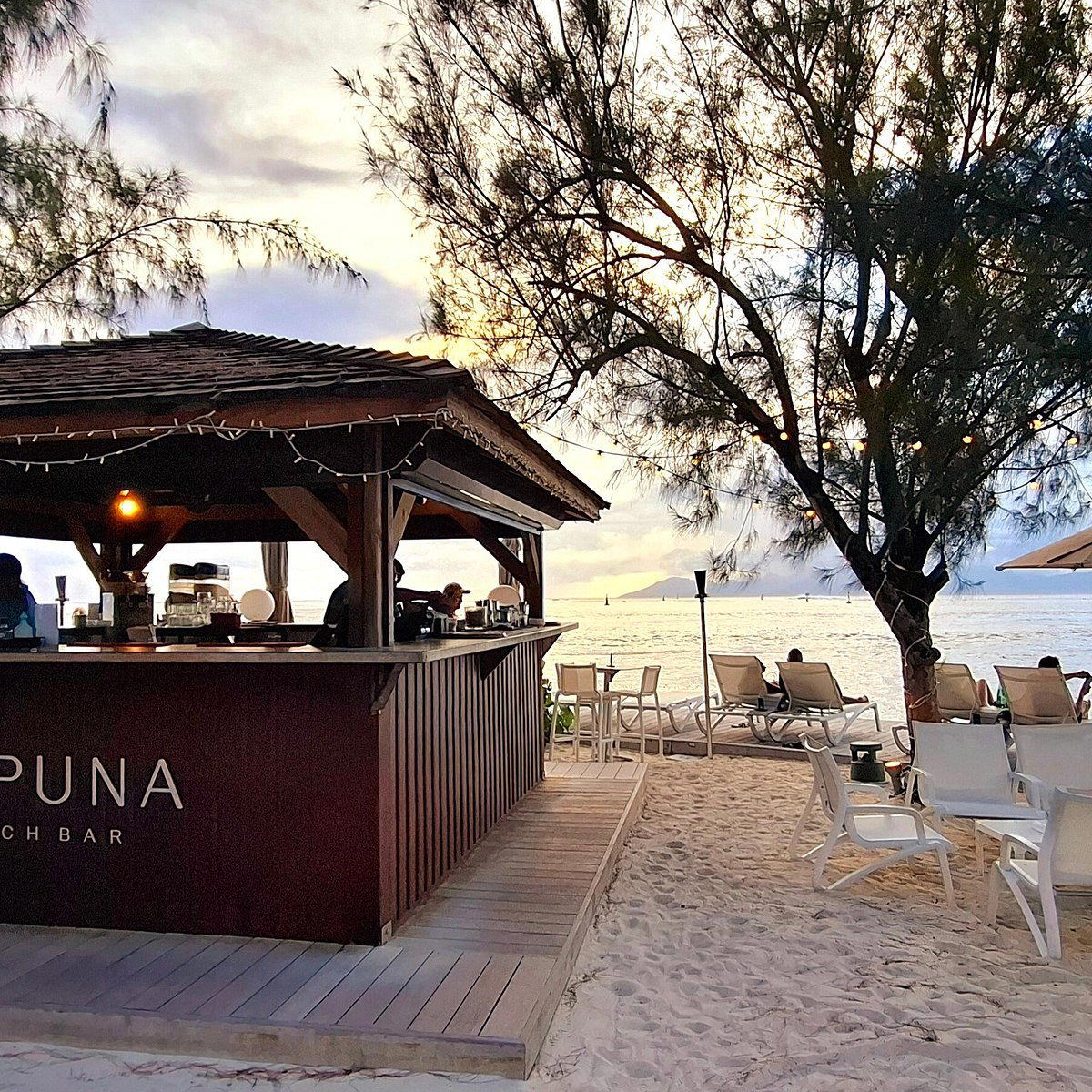
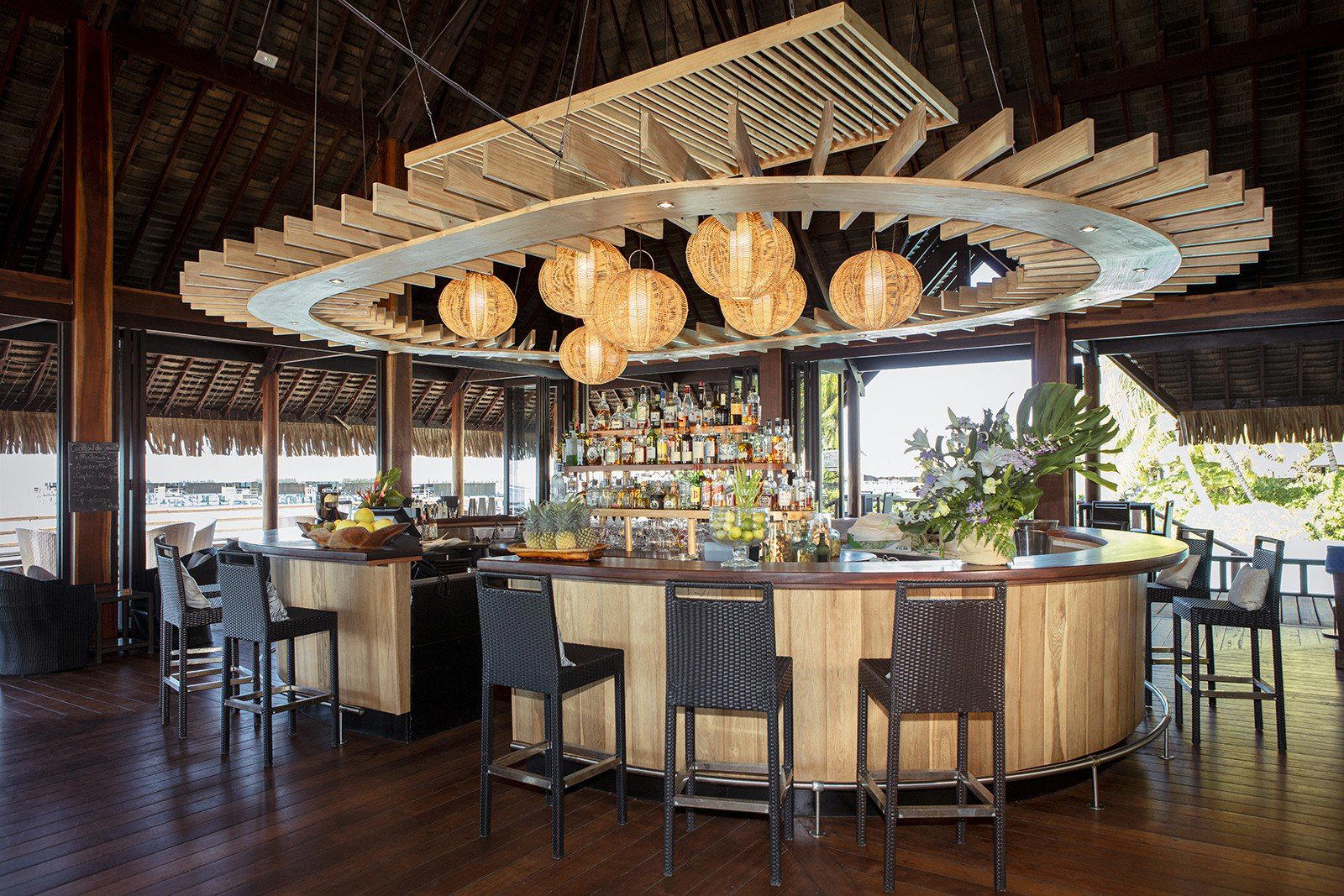
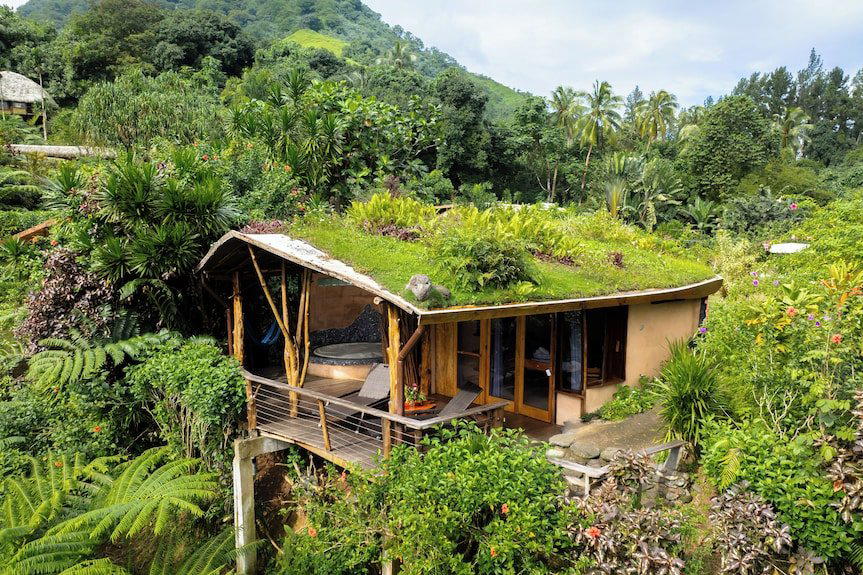
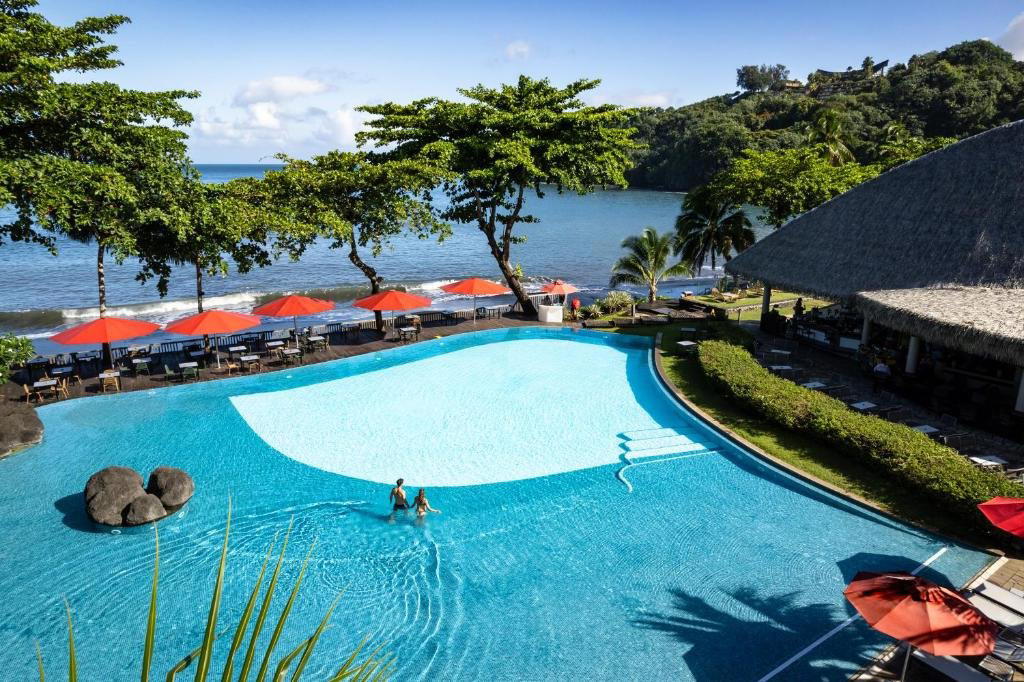
At a Glance
- Rustic
- Cozy
- Scenic
- Family
- Casual Hangout
- Live Music
- Local Sourcing
Current opening hours
- Monday
- 11:30 AM–2 PM, 6:30–9 PM
- Tuesday
- 11:30 AM–2 PM, 6:30–9 PM
- Wednesday
- Closed
- Thursday
- 11:30 AM–2 PM, 6:30–9 PM
- Friday
- 11:30 AM–2 PM, 6:30–9 PM
- Saturday
- 11:30 AM–2 PM, 6:30–9 PM
- Sunday
- 11:30 AM–2 PM
Hours can change for holidays and private events. Last verified .
Friendly and lively atmosphere with occasional live music and dancing in the evenings.