L'O A La Bouche
Our verdict
In Papeete's compact dining scene, L'O A La Bouche sits at the intersection of French technique and Polynesian ingredient culture — a combination that defines the island capital's most serious restaurants. The address in the BP 343 postal zone places it within reach of central Tahiti, making it a practical anchor for visitors working through the city's table options.

Pearl is the En Primeur Club membership app — saves, bookings, and concierge access live there. Same editors, same standards.
- Address
- BP 343 Papeete, 98713, French Polynesia
- Phone
- +689 40 45 29 76
- Hours
- Mon 6–9:30 PMTue–Fri 11:30 AM–1:30 PM, 6–9:30 PMSat 6–9:30 PMSun Closed
- Website
- loalabouchetahiti.com
- Directions
- Get directions
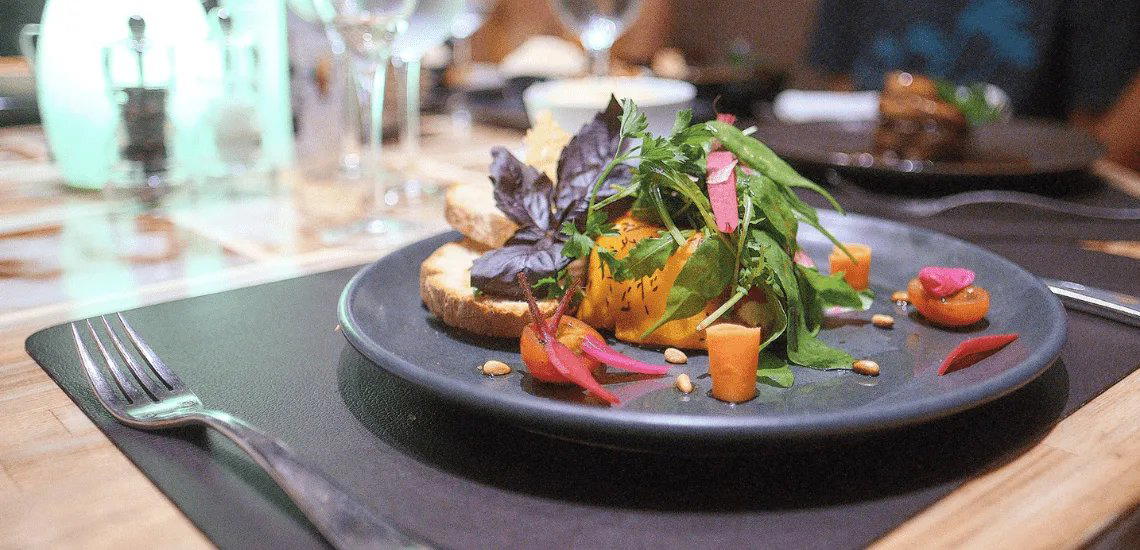
The menu
What to order
- Seared mahi mahi
- Foie gras
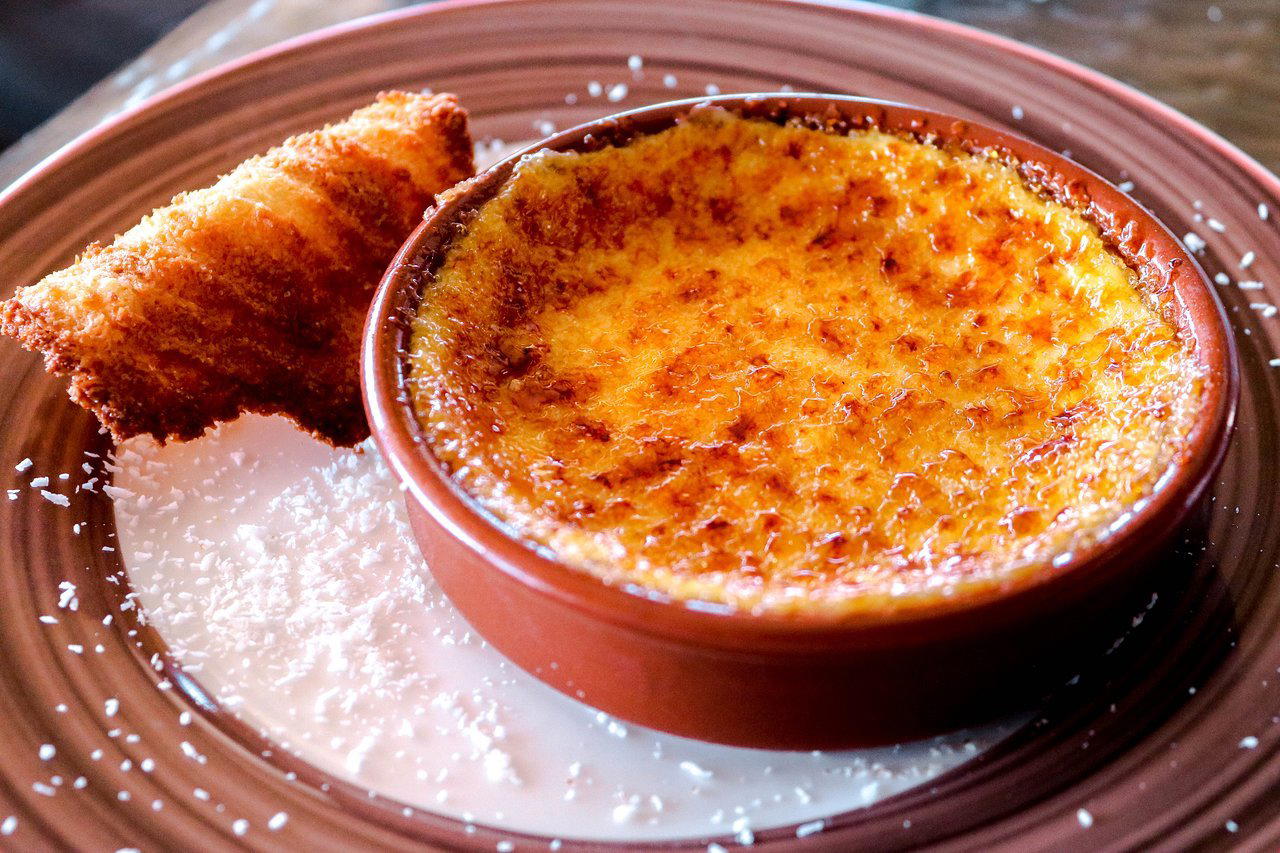
- Profiteroles
Where the Pacific Larder Meets French Training
Papeete occupies an unusual position in the Pacific dining conversation. It is simultaneously a French overseas collectivity with access to continental technique, wine infrastructure, and culinary vocabulary, and an island capital drawing from one of the world's most distinctive marine and agricultural environments. The restaurants that work leading in this city tend not to choose between those two inheritances — they treat the tension as the point. L'O A La Bouche operates within that tradition, taking a Papeete address and the city's characteristic French-Polynesian dining grammar as its frame of reference.
The name itself — a play on the French phrase eau à la bouche, meaning to make one's mouth water, signals an orientation toward classical French register. That register is common enough in Papeete's mid-to-upper tier, where French culinary training and Polynesian product availability have shaped a recognisable local style. For comparison, 54 Rue Paul Gauguin and Café Maeva Marché de Papeete occupy adjacent positions in the city's dining hierarchy, each interpreting French-inflected cooking through its own local lens. L'O A La Bouche belongs to the same general cohort: French-leaning in structure, Polynesian in sourcing opportunity.
The Ingredient Geography of Tahiti
To understand any serious restaurant in Papeete, you need to understand the ingredient map of French Polynesia. The archipelago's five island groups, Society, Tuamotu, Marquesas, Gambier, and Austral, each contribute distinct produce to the central market in Papeete, and that market functions as the primary sourcing node for the city's kitchens. Vanilla from Tahaa, black pearls aside, is among the region's most documented agricultural exports, but the day-to-day cooking economy runs on reef fish, taro, breadfruit, tropical fruit, and the lime-marinated raw fish preparation known as poisson cru.
The reef fish available in Tahitian waters, mahi-mahi, wahoo, parrotfish, and various species specific to Polynesian reefs, represent a sourcing advantage that few metropolitan French restaurants can replicate. Restaurants like Restaurant Te Honu Iti in Moorea and Le Taha'a in Tahaa have built their identity partly around proximity to this supply, with shorter distances between catch and plate than most island-adjacent fine dining can claim. In Papeete itself, that proximity is mediated by the central market and wholesale supply chains, but the underlying product quality remains one of the city's structural cooking advantages. L'O A La Bouche, working from a Papeete address, operates within this same sourcing geography.
Further across the archipelago, venues such as Otemanu in Vaitape and The Lucky House Fare Manuia in Bora Bora have used the Polynesian French combination to anchor their menus, while Le Kenae in Taiohae works within the Marquesan variant of this tradition, where ingredients and cultural context differ markedly from Tahiti's. The range of these approaches illustrates how varied the French Polynesian dining category actually is once you move beyond the broad label.
Papeete's Dining Tier and Where This Address Sits
Papeete's restaurant scene stratifies in ways that reflect the city's dual character as a French administrative centre and a Pacific port town. At one end sit open-air roulottes, food trucks that gather near the waterfront each evening and represent the most democratic and distinctly local form of eating in the city. At the other end, a small number of formal restaurants maintain table service, wine lists, and menus structured around French culinary convention. The middle tier, where French technique meets Polynesian casualness, is where most of the city's interesting cooking happens.
L'O A La Bouche's BP postal address places it in the administrative heart of Papeete rather than the waterfront or the outlying communes. That positioning aligns it with the city's business and civic core, which tends to support a lunch-anchored dining rhythm in addition to evening service. For travellers based in central Papeete or passing through from the airport at Faaa, the address is practically convenient. Those arriving from Punaauia, where Blue Banana represents a more suburban dining option, or from further afield in the Windward Islands will find the central location direct to reach by vehicle.
The broader French Polynesian dining scene rewards some geographic planning. Restaurant Te Tiare in Faaa sits close to the airport corridor, while Loula et Rémy in Taiarapu Est and O Belvédère in Pira E sit further around the island in directions that require deliberate routing. A Papeete-central address like L'O A La Bouche anchors itineraries that concentrate on the capital before dispersing to outer islands or more remote commune restaurants.
The French-Polynesian Register in Global Context
The combination of French classical training and Pacific ingredient culture has parallels in other parts of the world where French technique colonised local larders and eventually produced something genuinely hybrid. In that sense, Papeete's leading restaurants belong to a broader conversation that includes places like Le Bernardin in New York City, which has long demonstrated what disciplined French technique applied to exceptional seafood can produce, or the farm-to-table seriousness of Lazy Bear in San Francisco, where ingredient provenance is as much an editorial statement as a cooking one. The Polynesian version of this conversation is smaller and less documented internationally, but the underlying logic, French structure, local product, is recognisable across all of them.
Where Tahitian cooking differs is in the specific character of its non-French ingredient tradition. Poisson cru, the raw fish preparation in coconut milk and lime, has no real French equivalent. Taro, breadfruit, and Polynesian preparations of pork carry cultural weight that French technique can frame but cannot replace. Restaurants in Papeete that handle this balance well tend to be the ones worth returning to. For wider reference points across kitchens that take ingredient sourcing with comparable seriousness, Atelier Moessmer Norbert Niederkofler in Brunico and Dal Pescatore in Runate represent European counterparts where regional product identity shapes the cooking at a fundamental level, and Atomix in New York City and Emeril's in New Orleans show how cuisines built on cultural hybridity can develop their own confident authority over time.
Planning a Visit
Practical details for L'O A La Bouche are limited in the public record: no phone, website, or confirmed hours appear in available data, which means verifying current operating status directly on arrival in Papeete or through hotel concierge contact is advisable before building an itinerary around it. The BP 343 postal address provides enough to locate the restaurant within central Papeete, and the city's compact centre makes navigation on foot or by short taxi ride direct from most hotel clusters. For a broader picture of where this restaurant sits among Papeete's dining options, our full Papeete restaurants guide provides comparative coverage across price tiers and cuisine types.
Frequently asked questions
Is L'O A La Bouche okay with children?
Given the French-register positioning the restaurant occupies in Papeete's dining tier, it likely skews toward adult diners, but contacting the venue directly before visiting with children is the reliable approach.
What's the overall feel of L'O A La Bouche?
L'O A La Bouche sits in Papeete, a city that operates as both a French administrative centre and a Pacific port — and that duality shapes the room's register. Expect something closer to a focused, technically serious dining room than a resort-casual terrace. The name itself, a French phrase meaning 'from mouth to mouth' or 'word of mouth,' suggests an address that has built its reputation through repeat local custom rather than tourism marketing.
Does L'O A La Bouche represent French Polynesia's French-Pacific culinary tradition?
Papeete is one of the few cities in the Pacific where French classical training intersects with a genuinely distinct local ingredient culture, and L'O A La Bouche sits within that specific tradition. French Polynesia's five archipelagos supply a larder — reef fish, tropical root vegetables, Tahitian vanilla, and deep-sea catches — that no continental French kitchen can replicate. Whether this address applies that tradition rigorously or lightly is best confirmed on arrival, as detailed menu data is not part of the current public record.
What's the best thing to order at L'O A La Bouche?
No specific menu data is confirmed in the public record for L'O A La Bouche. What the broader Papeete context suggests is that any serious kitchen at this address would draw on French Polynesia's ingredient geography: reef fish, breadfruit, vanilla from Tahaa, and noni among the local staples that distinguish the archipelago's larder from continental French sourcing. Confirm current menu options directly with the restaurant.
Where is L'O A La Bouche in Papeete?
L'O A La Bouche is located at BP 343 Papeete, 98713, French Polynesia, Papeete.
Comparison Snapshot
| Venue | Cuisine | Price | Awards | Notes |
|---|---|---|---|---|
| L'O A La BoucheThis venue — the venue you are viewing | French with Polynesian Influences | $50–100 | Not listed | Not listed |
| Le Taha’a | French-Polynesian Fusion | Not listed | Relais Chateaux Award | Polynesian Fine Dining |
| Hawaiki Nui | Polynesian and International | Not listed | Relais Chateaux Award | Polynesian |
| Le Kenae | Pacific Fusion with French Savoir-Faire | Not listed | Relais Chateaux Award | French Polynesian |
| Le Nuku Hiva | Polynesian Fine Dining | Not listed | Relais Chateaux Award | Polynesian Cuisine |
| Otemanu | French-Polynesian Fusion | $30–50 | Relais Chateaux Award | Polynesian French |

Details
- Elegant
- Sophisticated
- Intimate
- Date Night
- Special Occasion
- Open Kitchen
- Extensive Wine List
- Local Sourcing
- A La Carte
- Vegetarian Friendly
Current opening hours
- Monday
- 6–9:30 PM
- Tuesday
- 11:30 AM–1:30 PM, 6–9:30 PM
- Wednesday
- 11:30 AM–1:30 PM, 6–9:30 PM
- Thursday
- 11:30 AM–1:30 PM, 6–9:30 PM
- Friday
- 11:30 AM–1:30 PM, 6–9:30 PM
- Saturday
- 6–9:30 PM
- Sunday
- Closed
Hours can change for holidays and private events. Last verified .
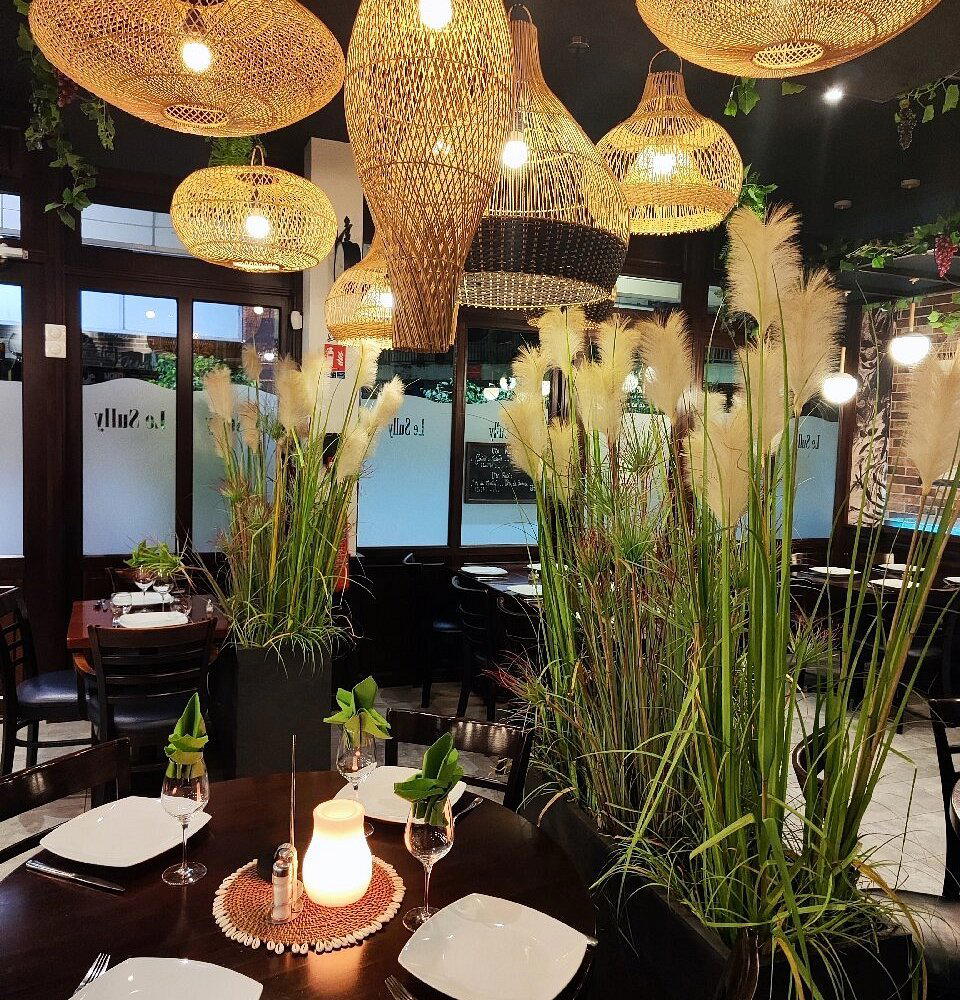
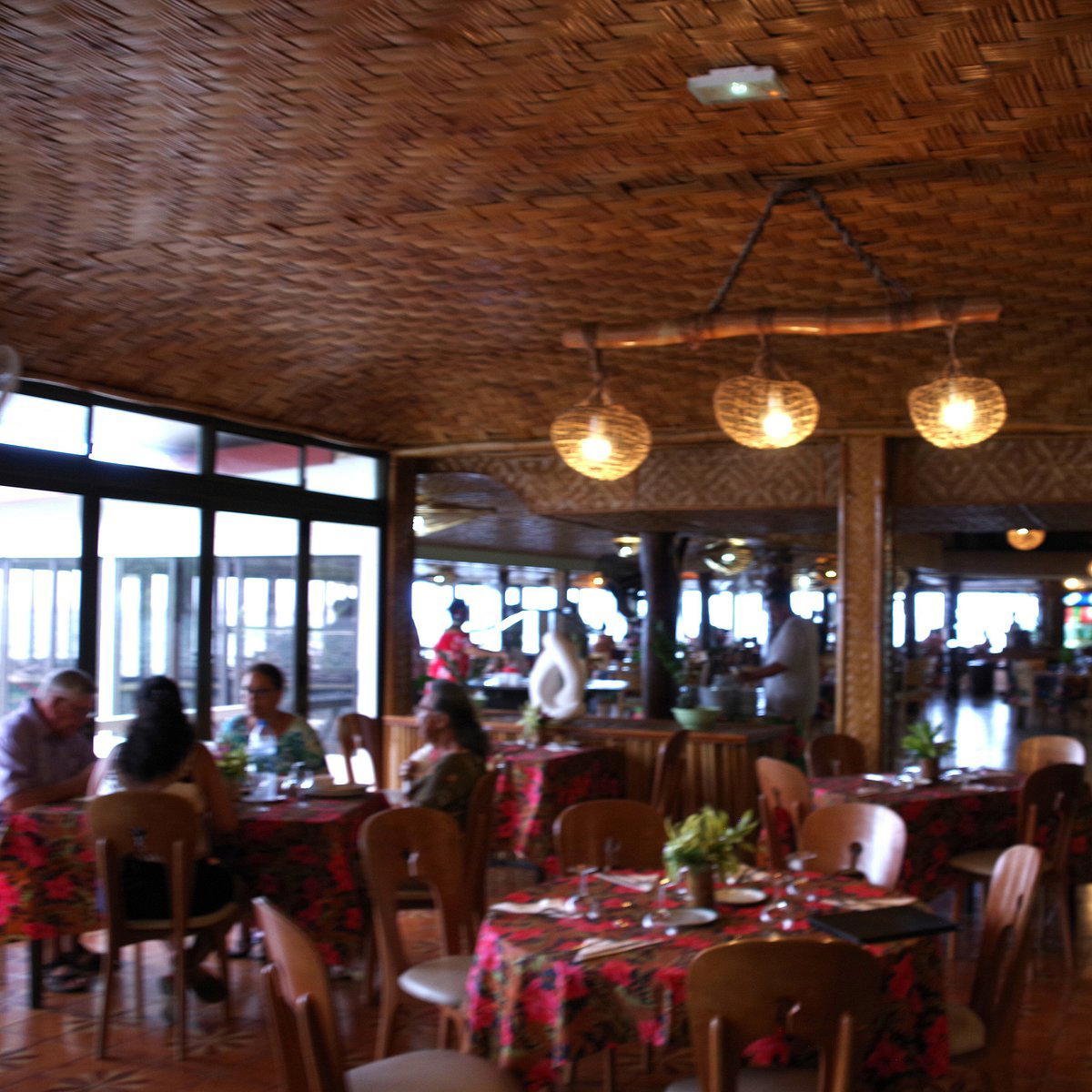
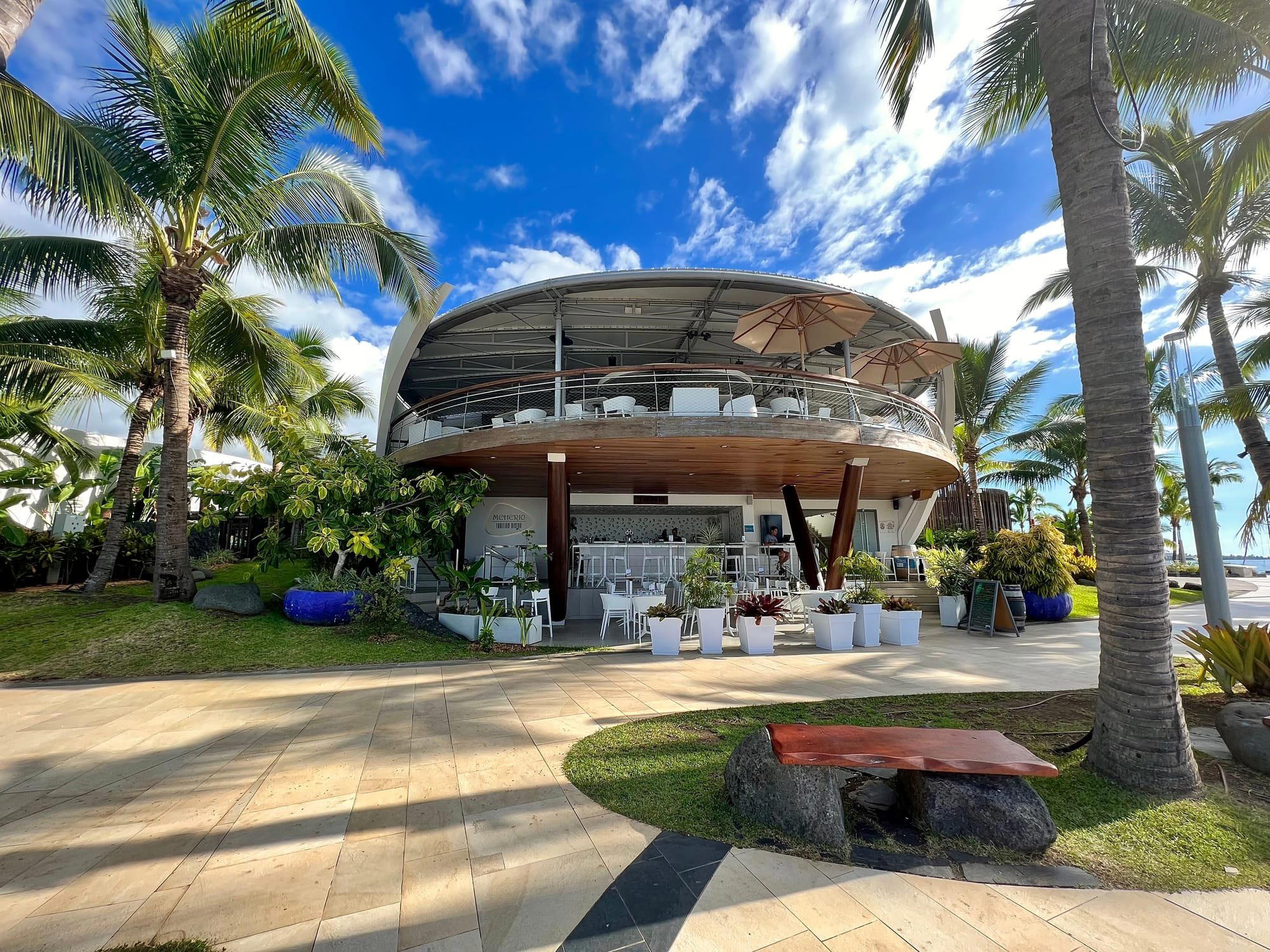
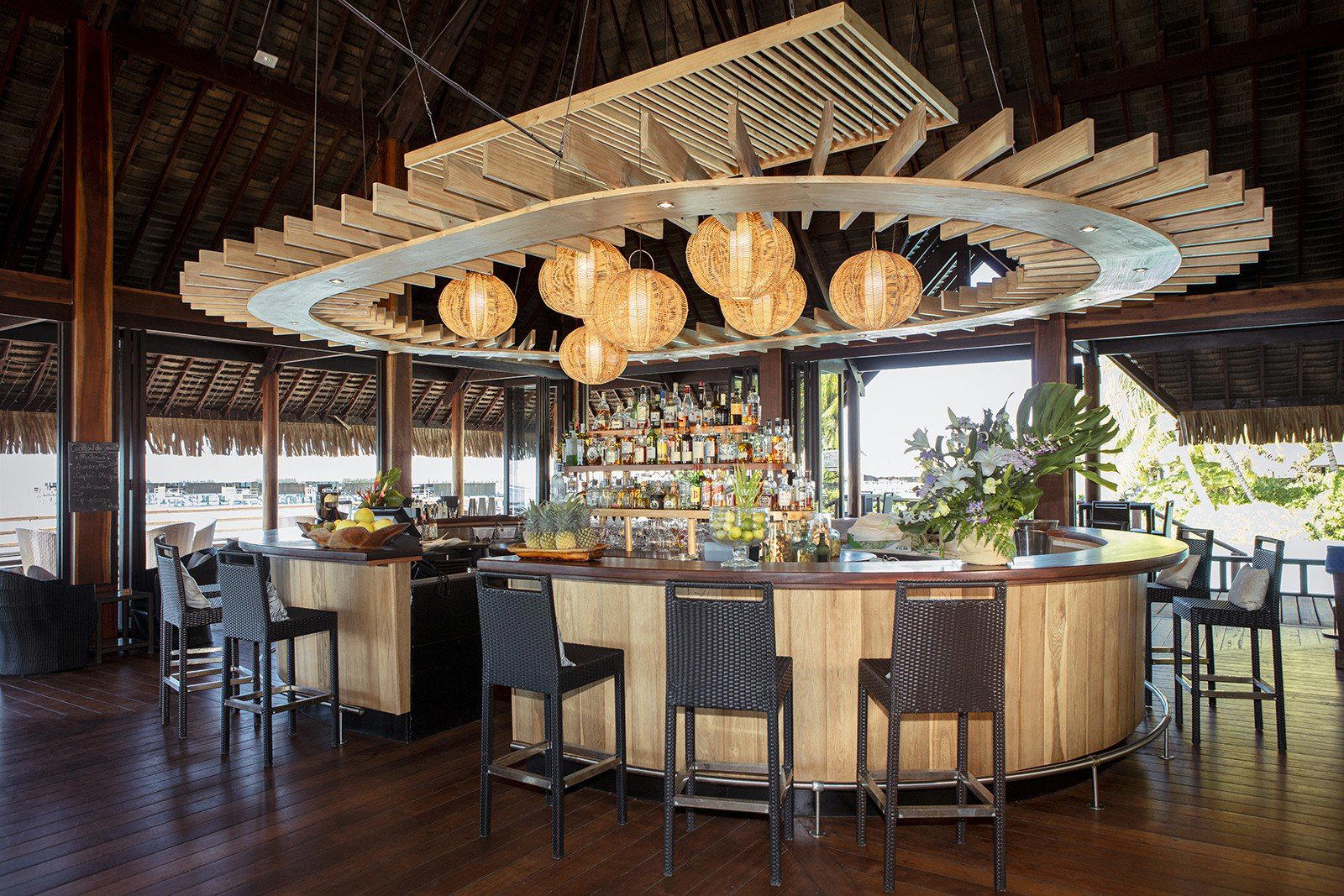
Low-ceilinged space with modern décor, artistic flourishes, busy bar, and subdued atmosphere.