Hawaiki Nui

Relais Chateaux Award
Our verdict
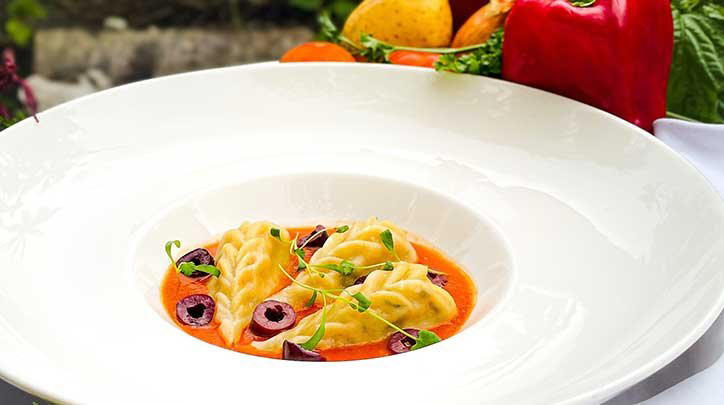
On the island of Taha'a, Hawaiki Nui brings a Polynesian kitchen shaped by the land and lagoon around it. Recognized for its expression of terroir, the restaurant works within a culinary tradition that treats local ingredients as the primary argument.

Pearl is the En Primeur Club membership app — saves, bookings, and concierge access live there. Same editors, same standards.
- Address
- 9FJ3+GRM, Taha'a, French Polynesia
- Phone
- +689 40 60 84 00
- Hours
- Daily 7–10 AM, 6:30–9:30 PM
- Website
- letahaa.com
- Directions
- Get directions
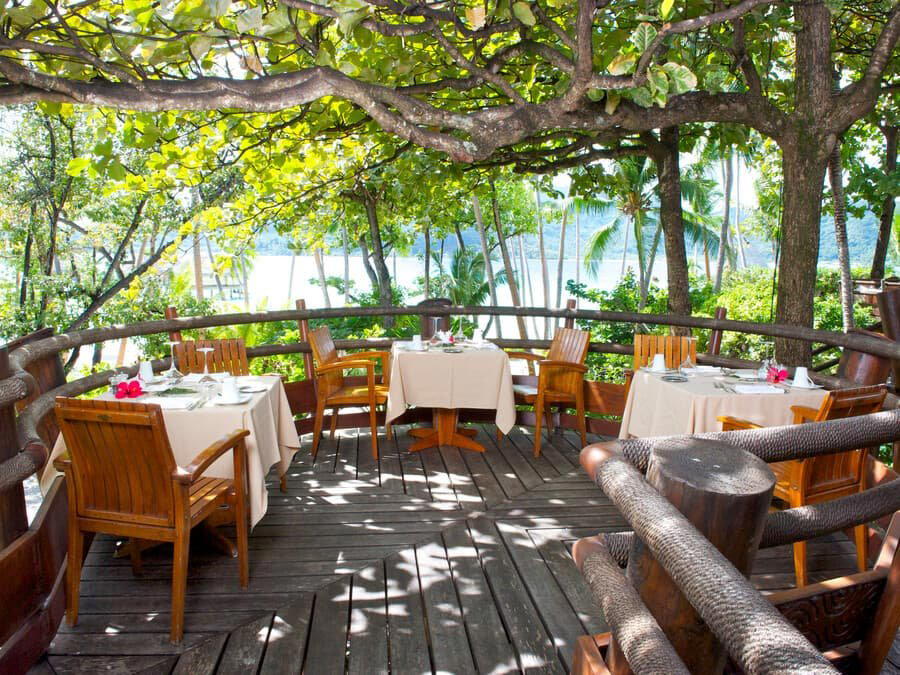
Where the Lagoon Sets the Table
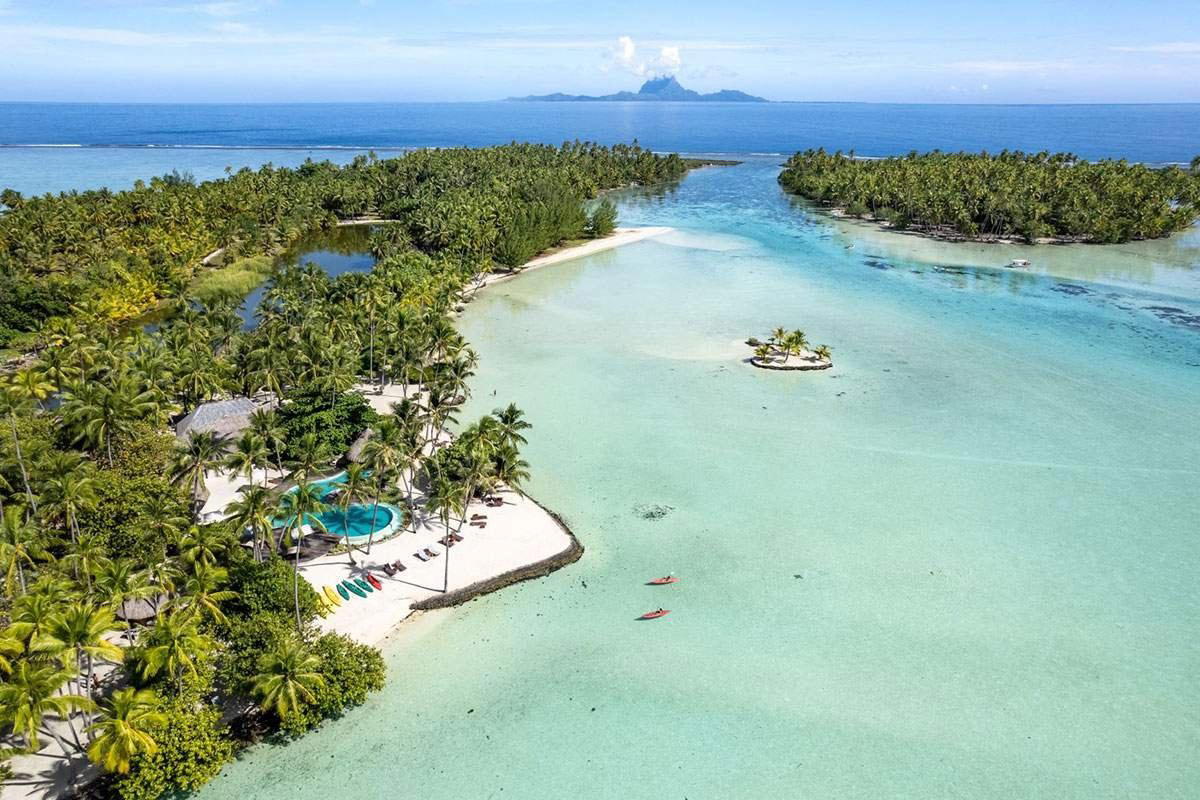
Taha'a is not the island visitors arrive at by default. There is no international airport, no strip of resort hotels facing a main beach, and no restaurant row competing for passing foot traffic. The island sits just north of Raiatea in the Society Islands group, and reaching it requires a short ferry crossing or a boat transfer from Raiatea itself. That distance from French Polynesia's more-visited circuits is not a flaw in the experience — it is the experience. Dining here means the sourcing radius is genuinely local, the pace is determined by tides and harvests rather than reservation software, and the kitchen has nowhere to import shortcuts from.
It is in that context that Hawaiki Nui makes its case. The restaurant draws its name from the mythological homeland that Polynesian oral tradition places at the origin of the Pacific migrations — a name that signals something about how the kitchen positions itself: as a table rooted in place rather than one reaching toward an imported culinary model. The recognition the restaurant has received centers on a single, specific credential: expression of the terroir. In a cuisine category as broad and varied as Polynesian, that distinction carries weight. It is not a general quality award. It is a claim about provenance and fidelity to the island's own produce, seafood, and flavor logic.
Polynesian Terroir as a Kitchen Argument
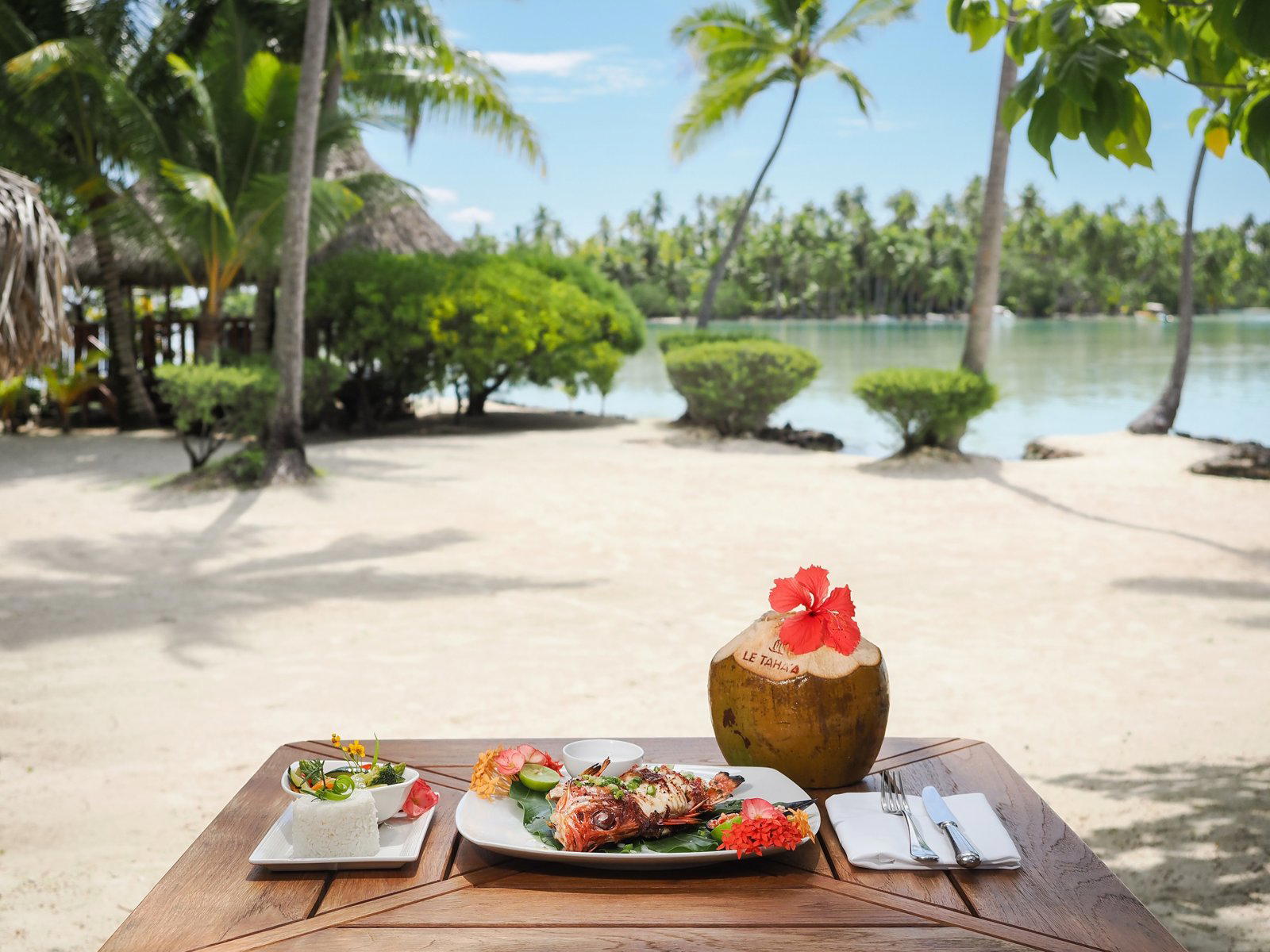
The concept of terroir is most commonly associated with wine, where it describes the way soil, climate, and geography shape what ends up in the glass. Applying that framework to a Pacific island kitchen is both a natural extension of the concept and a deliberate editorial stance. Taha'a has its own claim to terroir in the literal sense: the island is known as the vanilla island, producing a significant proportion of French Polynesia's vanilla crop, and its lagoon system supports a particular range of reef fish and shellfish. A kitchen that takes terroir seriously here is working with those ingredients not as exotic additions but as structural elements of the menu's logic.
Le Taha'a, also on this island, represents one end of the fine dining spectrum here, with a format oriented toward resort guests and French-inflected presentations. Hawaiki Nui sits differently in the scene. Le Kenae in Taiohae and Otemanu in Vaitape represent comparable efforts in other parts of French Polynesia to hold Polynesian cuisine as a primary identity rather than a decorative layer. The challenge all these kitchens face is similar: building a menu around local ingredients in a region where supply chains are fragile and where the pressure to satisfy international tourist expectations can pull a kitchen away from its own tradition.
The Chef in the Context of the Island
Chef Abhimanyu Sharma leads the kitchen at Hawaiki Nui. The presence of an Indian-heritage chef in a Polynesian kitchen in the Society Islands is itself a reflection of how culinary talent moves across the Pacific, and it is a pattern visible elsewhere in the region's more considered dining rooms. What matters editorially is not biographical trajectory for its own sake but what training and perspective a chef brings to the specific challenge of the kitchen they are running. In Sharma's case, the terroir recognition suggests a commitment to working within the island's own ingredient vocabulary rather than imposing an external framework onto it. That is a particular kind of discipline in a remote-island context, where the easier path is often to default to internationally legible comfort formats.
Globally, the restaurants that have built the most durable reputations around place-specific ingredient work tend to be those where the chef's role is to act as translator between landscape and plate rather than author imposing a personal narrative. Kitchens like Aponiente in El Puerto de Santa María have made that argument in a Spanish coastal context, treating the tidal estuary as the primary creative constraint. Lazy Bear in San Francisco has built a format around seasonal California produce as the structural logic of its menu. In different ways, these kitchens share a commitment to place that Hawaiki Nui's terroir recognition aligns it with, even across the considerable distance of context and scale.
What the Rating Signals
The guests who reach Taha'a are, by self-selection, a more considered traveler, and their assessments tend to reflect engagement with the place rather than comparison against generic luxury benchmarks.
For broader context on where to eat and stay across the island, our full Tahaa restaurants guide maps the dining options available, while our full Tahaa hotels guide covers accommodation suited to different visit formats. Those planning to spend more time on the island can also consult our full Tahaa bars guide, our full Tahaa wineries guide, and our full Tahaa experiences guide.
Getting There and Planning a Visit
Reaching Taha'a from Papeete involves a flight to Raiatea followed by a ferry or boat transfer to the island. The logistics require planning that most dining on French Polynesia's main tourist circuit does not. Taha'a has no dedicated public airport, and the journey from Raiatea takes around thirty to forty minutes by boat depending on departure point and sea conditions. That access structure means visits to Hawaiki Nui are rarely spontaneous. Booking ahead is advisable, though the restaurant's specific booking method is not publicly listed in centralized reservation systems, and direct contact is the recommended approach. Given the island's remoteness, confirming opening hours and availability before travel is essential rather than optional.
Visitors staying on the island for more than a single night will find the dining circuit here genuinely different from what French Polynesia's resort-heavy islands offer. That is both a constraint and an argument: what Hawaiki Nui serves is, almost by structural necessity, a version of what the island produces.
Frequently asked questions
Does Hawaiki Nui have a Michelin star or similar recognition?
Hawaiki Nui has received recognition including: HIGHLIGHTS: • EXPRESSION OF THE TERROIR.
What's the best way to book Hawaiki Nui?
Taha'a has no direct international access — reaching the island requires a flight to Raiatea followed by a boat or ferry transfer, so dining at Hawaiki Nui should be planned as part of a wider island stay rather than a standalone trip. Phone and web booking details are not currently listed publicly, so the most reliable approach is to contact accommodation on Taha'a directly and request a reservation through them, as local hotels and guesthouses typically hold relationships with the restaurant.
What do critics highlight about Hawaiki Nui?
The kitchen's defining recognition is the 'Expression of the Terroir' award highlight — a distinction that places the restaurant within a conversation about place-specific cooking rather than generic Polynesian cuisine. Chef Abhimanyu Sharma's position as an Indian-heritage chef interpreting Society Islands ingredients adds a further layer of critical interest, foregrounding the question of how culinary tradition and geography intersect in a kitchen far from any obvious reference scene. On an island as lightly visited as Taha'a, the restaurant occupies a category of its own simply by taking the local pantry seriously.
Fast Comparison
Comparable venues nearby, for context on price, style, and recognition.
| Venue | Cuisine | Price | Awards | Notes |
|---|---|---|---|---|
| Hawaiki NuiThis venue — the venue you are viewing | Polynesian and International | Not listed | Relais Chateaux Award | Not listed |
| Le Taha’a | French-Polynesian Fusion | Not listed | Relais Chateaux Award | Tahaa |
| Otemanu | French-Polynesian Fusion | $30–50 | Relais Chateaux Award | Vaitape |
| Tipairua – Restaurant gourmet | Gourmet French‑Polynesian Fusion | Not listed | Not listed | Patio, Taha’a |
| L'O A La Bouche | French with Polynesian Influences | $50–100 | Not listed | Papeete |
| Restaurant Te Honu Iti | French-Polynesians fusion | $50–100 | Not listed | Cook's Bay |
Recognition history
Dated appearances from independent guides and award organizations, with the underlying list record or original source where available.
Relais Chateaux Award
Relais Chateaux
Full recognition history (2 entries)
Relais Chateaux Award
Relais Chateaux
Details
- Scenic
- Cozy
- Romantic
- Family
- Special Occasion
- Waterfront
- Garden
- Live Music
- Local Sourcing
- Waterfront
- Garden
- Buffet
- Vegetarian Friendly
- Vegan Options
- Gluten Free Options
Current opening hours
- Monday
- 7–10 AM, 6:30–9:30 PM
- Tuesday
- 7–10 AM, 6:30–9:30 PM
- Wednesday
- 7–10 AM, 6:30–9:30 PM
- Thursday
- 7–10 AM, 6:30–9:30 PM
- Friday
- 7–10 AM, 6:30–9:30 PM
- Saturday
- 7–10 AM, 6:30–9:30 PM
- Sunday
- 7–10 AM, 6:30–9:30 PM
Hours can change for holidays and private events. Last verified .
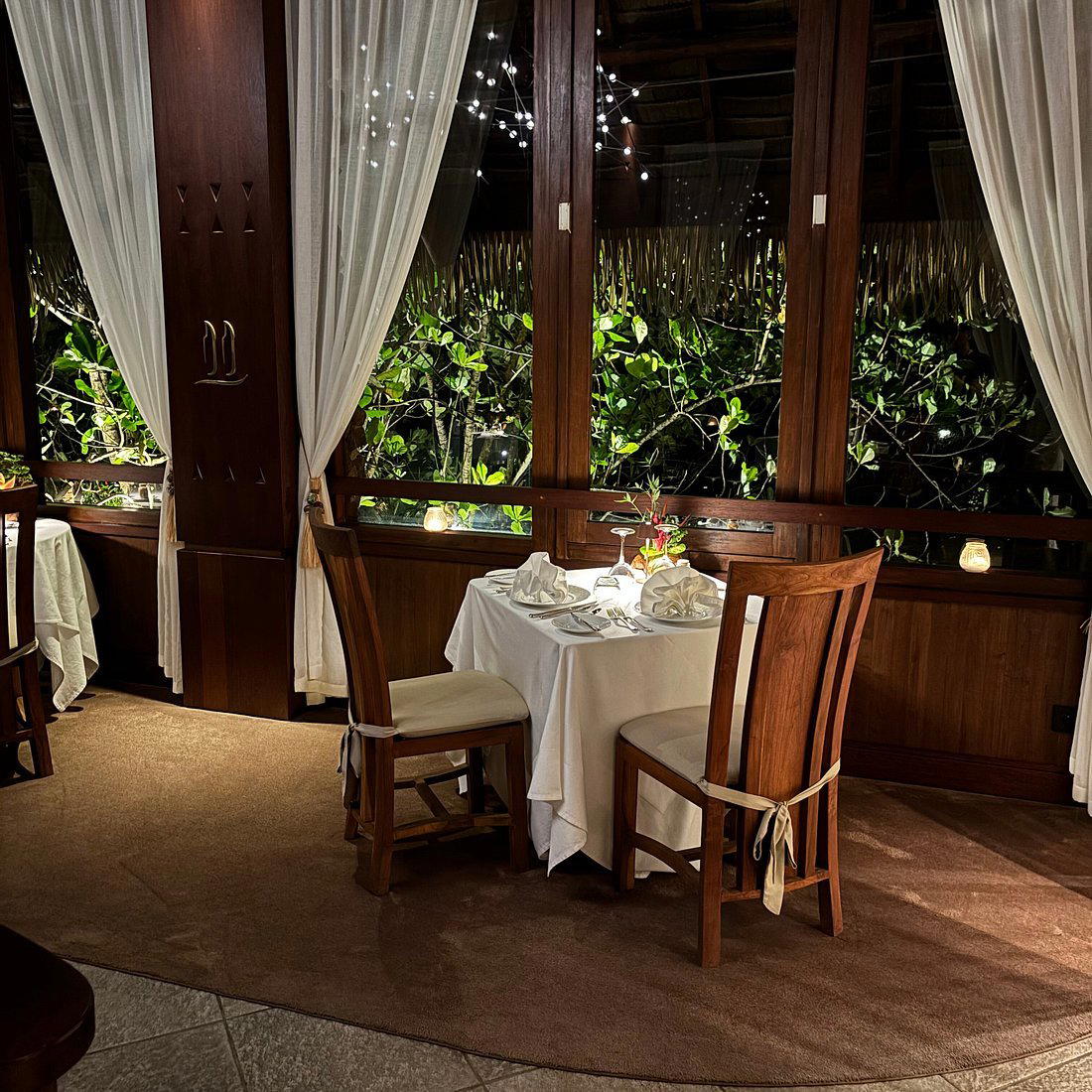
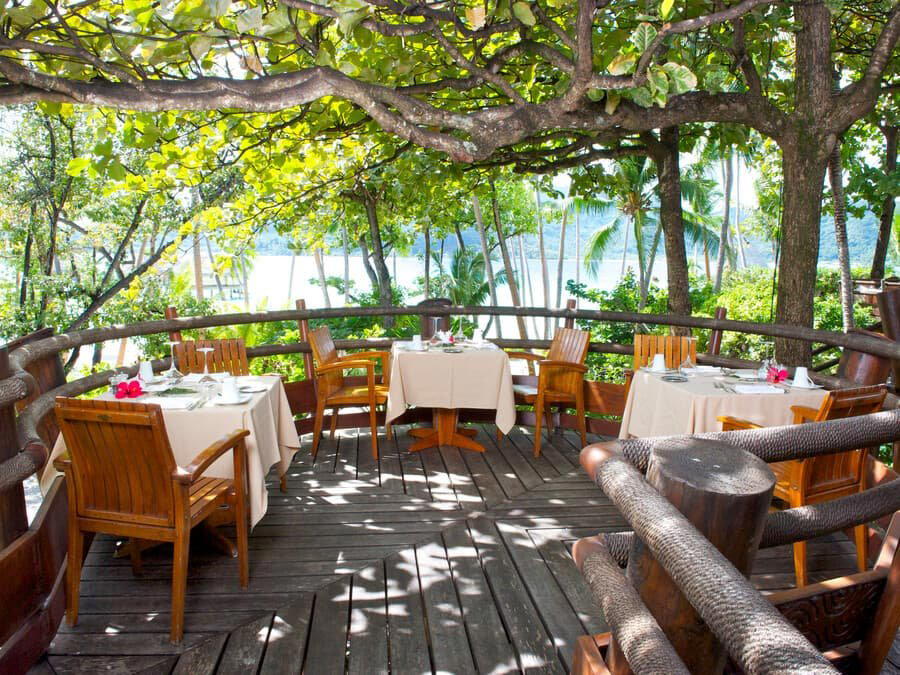
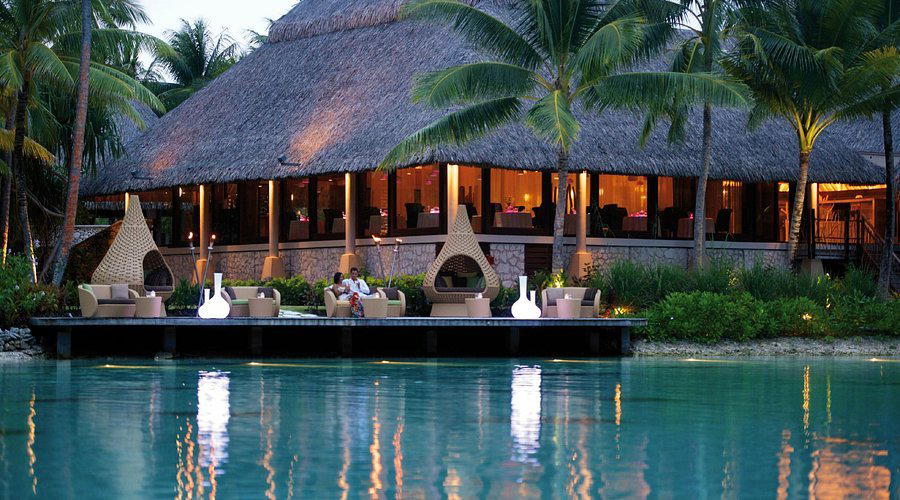
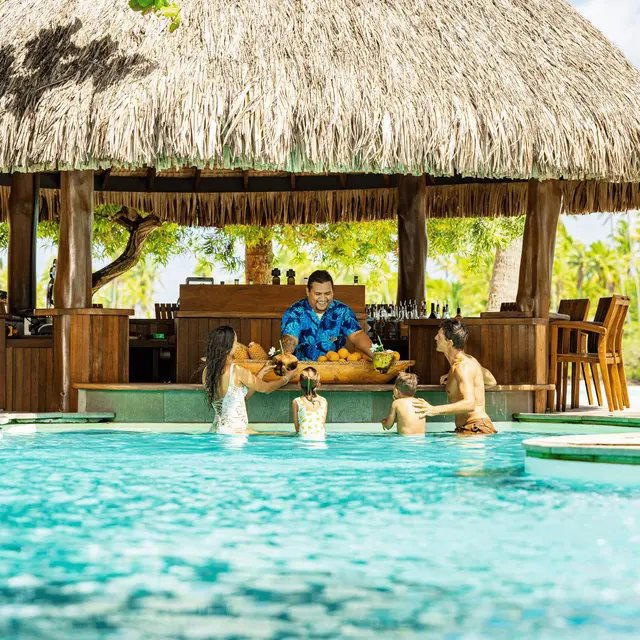
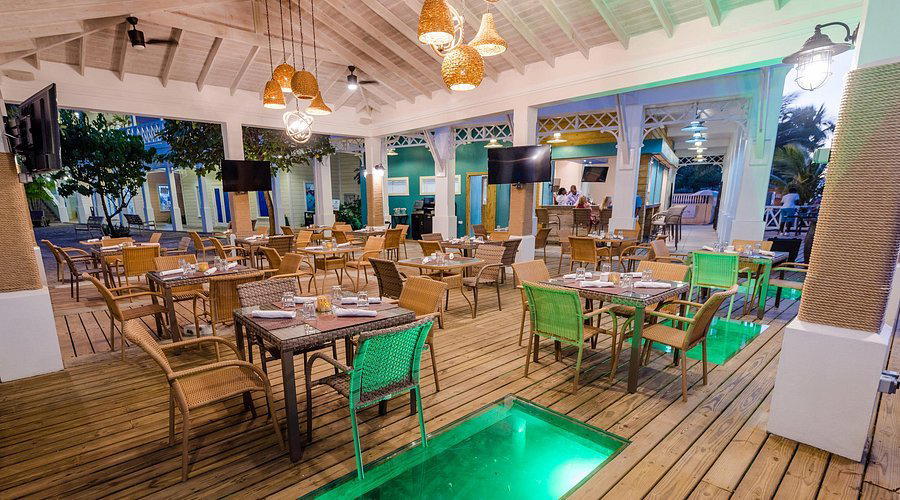
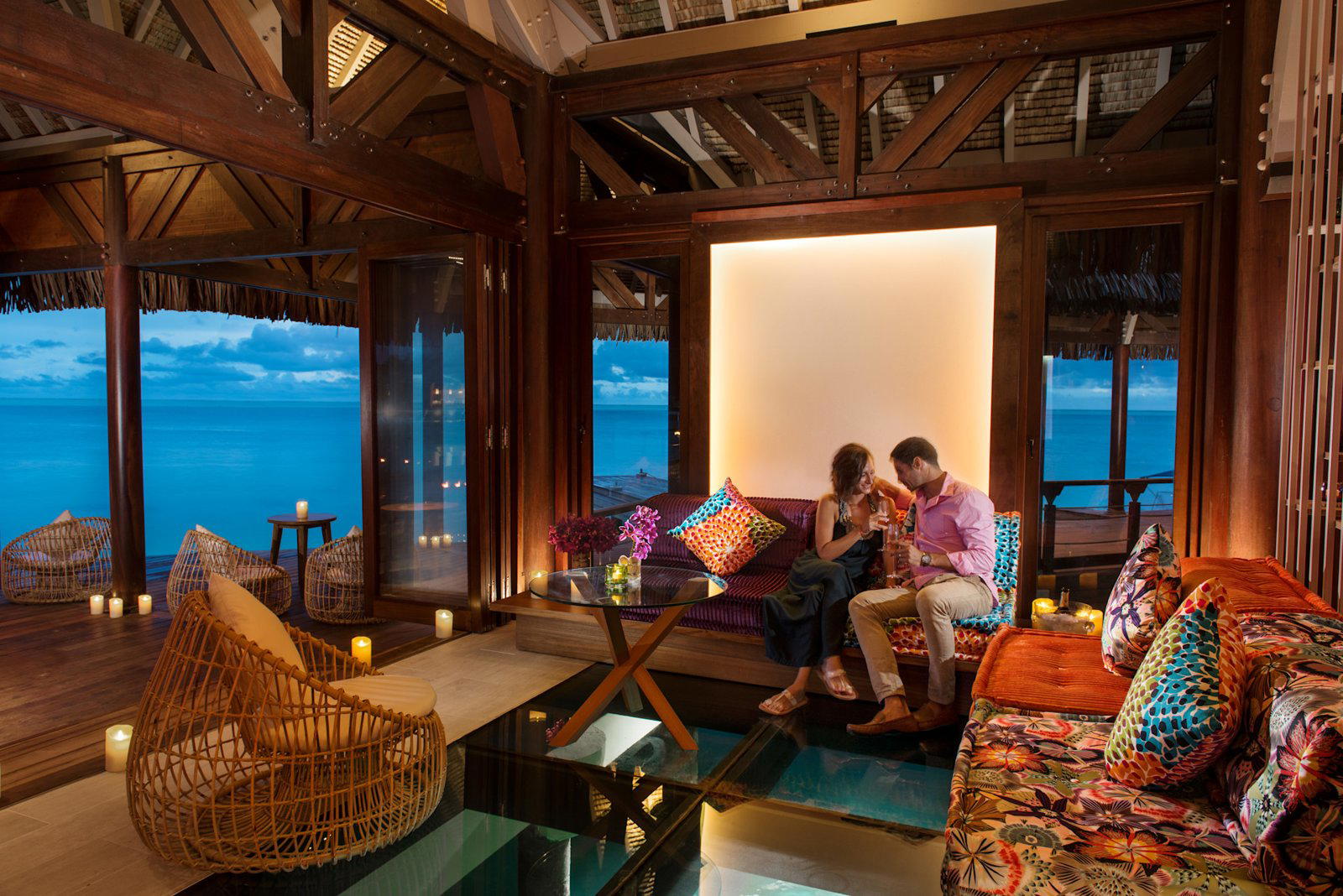
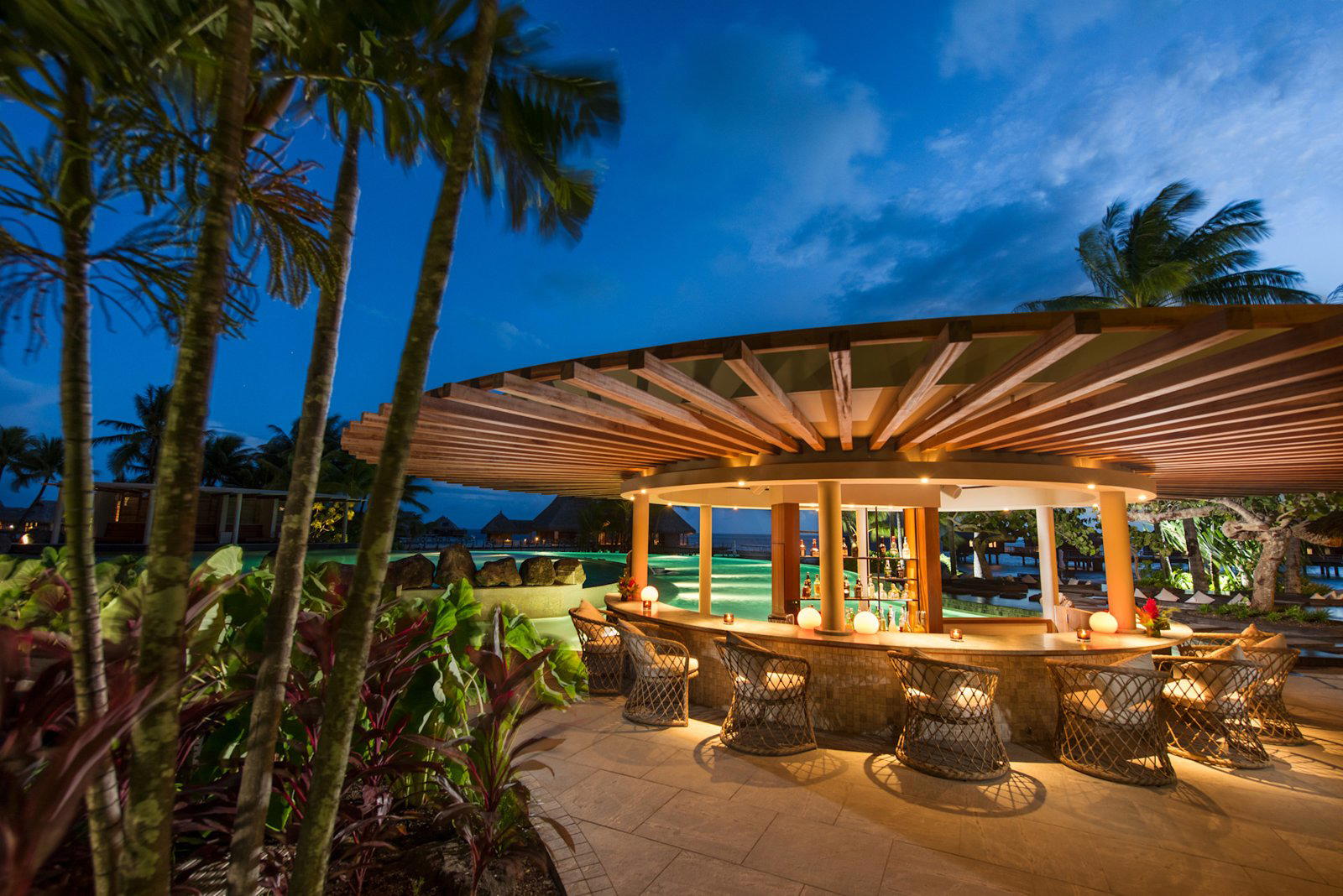
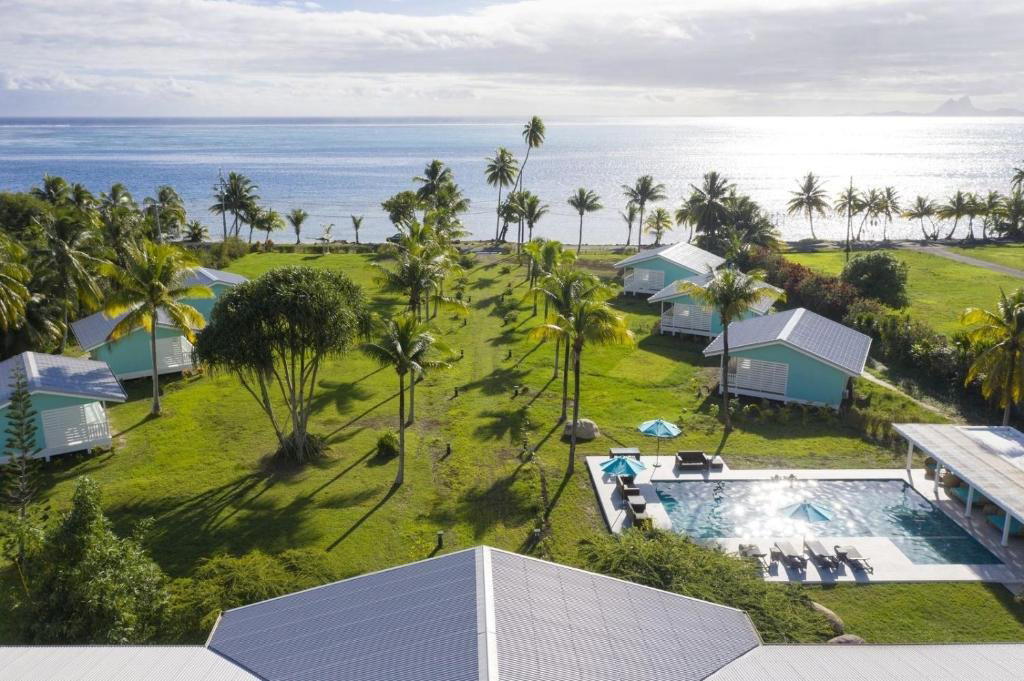
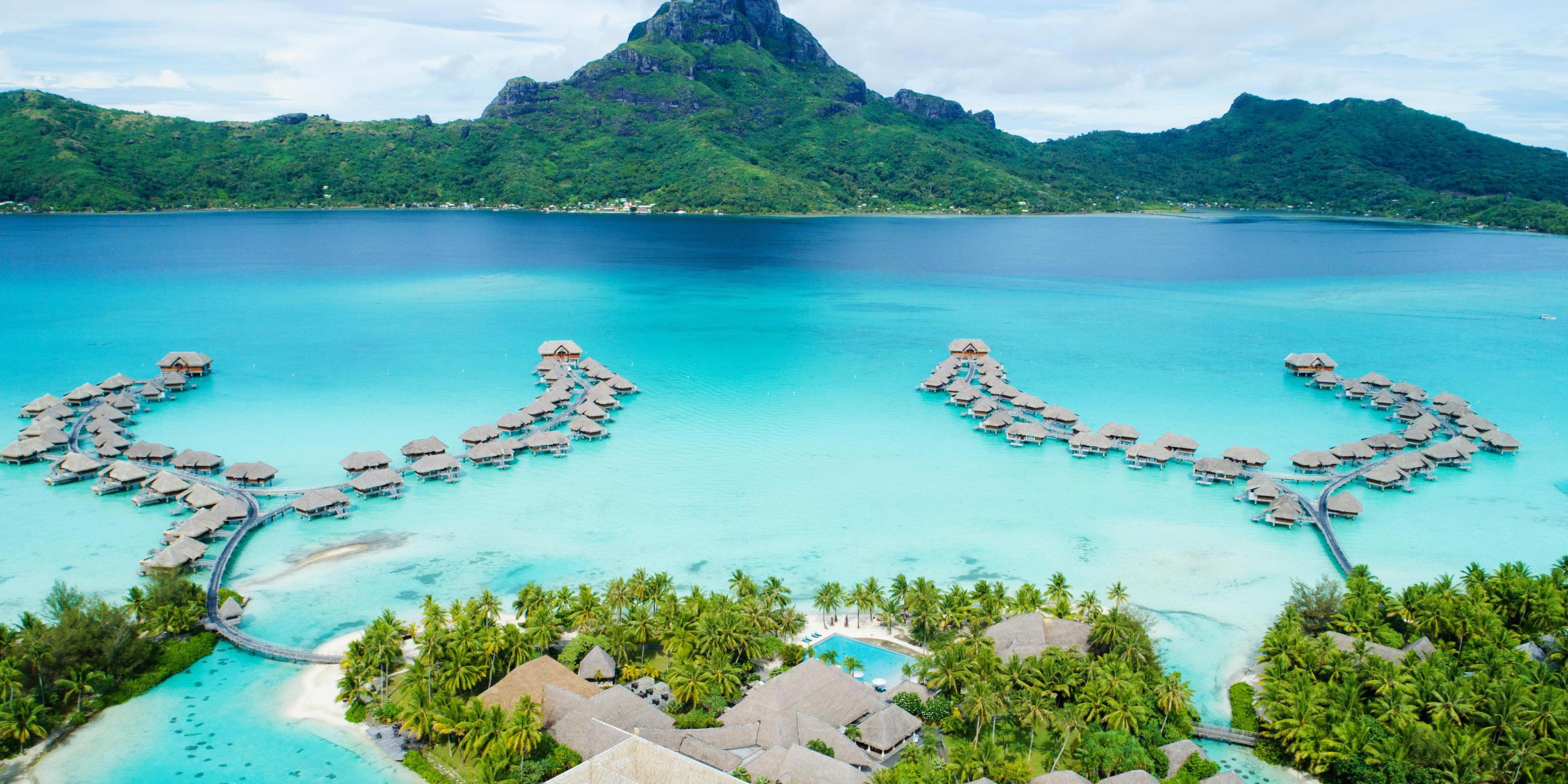
Warm, welcoming, and tranquil atmosphere perched high in the trees with restful lagoon views and lush greenery.