O Belvédère
Our verdict
O Belvédère sits in Pīra'e, on the outskirts of Papeete, where the Windward Islands' mountain interior meets the sprawl of French Polynesia's administrative capital. The restaurant draws on the island's layered culinary tradition, positioning itself within a small tier of Tahiti-area dining that takes local sourcing seriously. For travellers moving between Papeete and the interior, it represents a considered stop on a circuit that rewards patience.

Pearl is the En Primeur Club membership app — saves, bookings, and concierge access live there. Same editors, same standards.
- Address
- Pīra'e, French Polynesia
- Phone
- +689 89 40 34 03
- Hours
- Mon–Wed ClosedThu 4–10 PMFri–Sat 10 AM–10 PMSun 10 AM–4 PM
- Website
- o-belvedere.com
- Directions
- Get directions
Where Tahiti's Interior Meets the Table
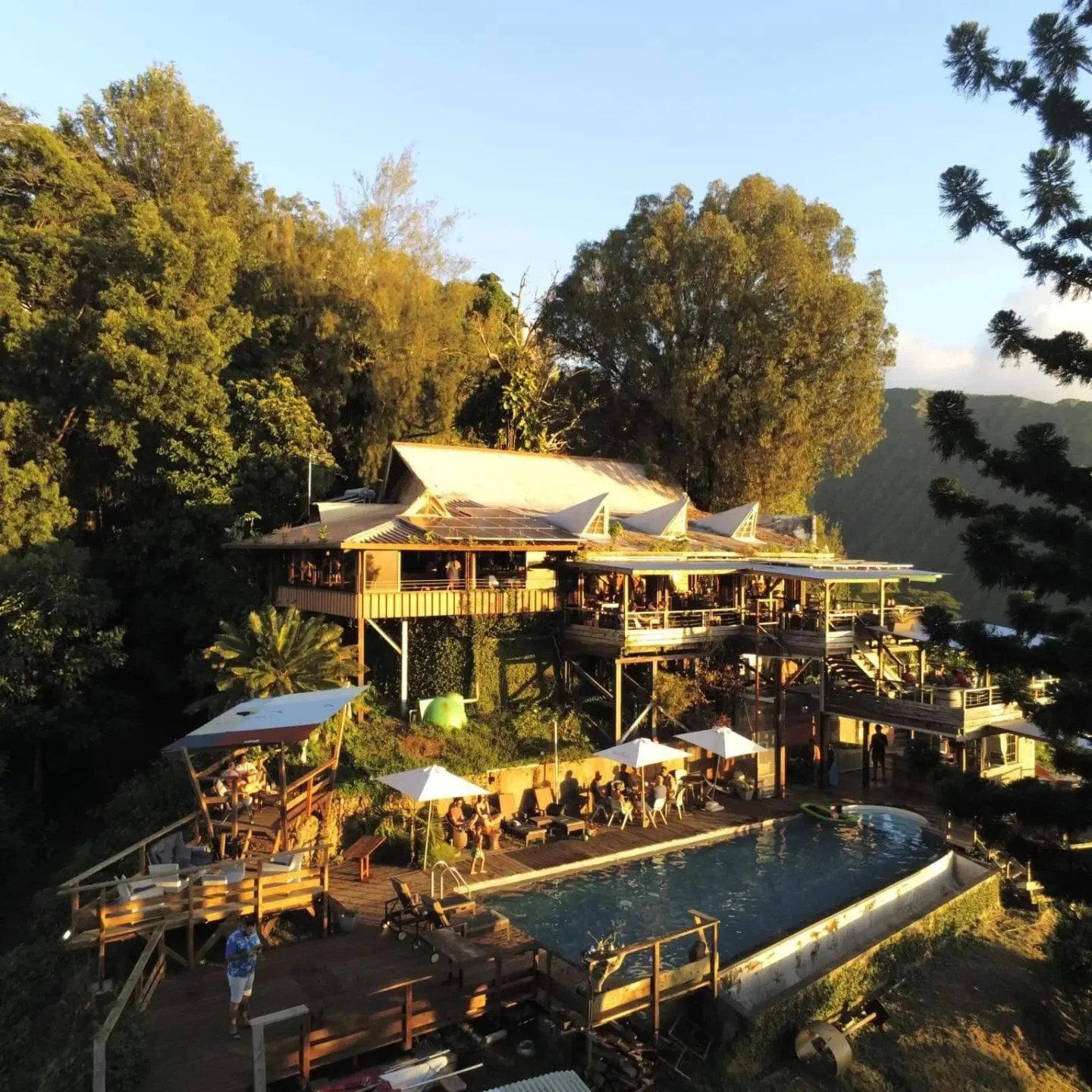
The road up from Papeete toward Pīra'e climbs quickly. Within minutes, the harbour traffic falls away and the air carries the moisture of the Fautaua Valley. This is the geographical logic behind restaurants that establish themselves on the ridge above the capital: the elevation changes what surrounds you, and in a place where ingredients have historically moved from mountain gardens and lagoon to plate with minimal interruption, that proximity matters. O Belvédère occupies this physical position, above the city noise, in a part of French Polynesia where the cooking tradition is shaped as much by what grows on the hillside as by what arrives in Papeete's market at dawn.
French Polynesia's dining scene spreads across a wide geography, from the tourist-facing resorts of Bora Bora to the quieter, more locally oriented kitchens of the Marquesas. Pīra'e sits in the middle of that range, administratively part of Greater Papeete but physically distinct from it. The restaurants that work here tend to lean into that duality, serving a clientele that includes both visitors and the kind of French Polynesian residents who eat out with intention. For context on how the broader Tahiti-area dining circuit works, our full Pira E restaurants guide maps the key options across this cluster of communes.
Sourcing in an Island Context
Understanding what ends up on a plate in French Polynesia requires understanding the supply chain that operates across a scattered archipelago. Unlike continental restaurant markets where a chef can pull from a dense network of regional producers within a short drive, Tahiti's kitchens work with a combination of local abundance and logistical constraint. Certain ingredients arrive reliably: taro, breadfruit, fe'i bananas, coconut in multiple forms, reef fish, and the particular sweetness of Tahitian vanilla, which remains one of the few truly globally recognised agricultural products from this part of the Pacific.
What doesn't arrive easily is everything else. This forces a creative discipline that the most considered restaurants in the Windward Islands have turned into an editorial position rather than a limitation. The restaurants in the Papeete orbit that earn sustained attention from returning visitors tend to be the ones that have figured out how to build menus around what the islands actually produce, rather than importing an approximation of French or international cooking onto a tropical backdrop. This is the culinary tradition that O Belvédère operates within, and it is a more demanding framework than it might appear. Comparable approaches in geographically isolated fine-dining contexts, such as the hyper-local sourcing philosophy at Atelier Moessmer Norbert Niederkofler in Brunico, show how ingredient constraints can become a defining creative method rather than a compromise.
Within the Tahiti orbit, the comparison set for a restaurant at O Belvédère's elevation and positioning includes places like L'O A La Bouche in Papeete, which represents the more urban, French-leaning end of the local dining spectrum, and Restaurant Te Tiare in Faaa, which operates closer to the airport corridor with a different clientele profile. Further out across the islands, the Polynesian French tradition at Otemanu in Vaitape and the fine dining register of Le Taha'a in Tahaa illustrate how the same broad culinary inheritance plays out differently depending on island geography and the resort versus independent restaurant divide.
The Pīra'e Position
Pīra'e is not a dining destination in the way that central Papeete is, and that is part of its character. The restaurants that establish themselves here tend to draw visitors who have done some research, not those walking in from the waterfront. That self-selection shapes the atmosphere. Tables are more likely to be occupied by people who made a specific decision to be there, which changes the energy of a room in ways that are difficult to manufacture in higher-footfall locations.
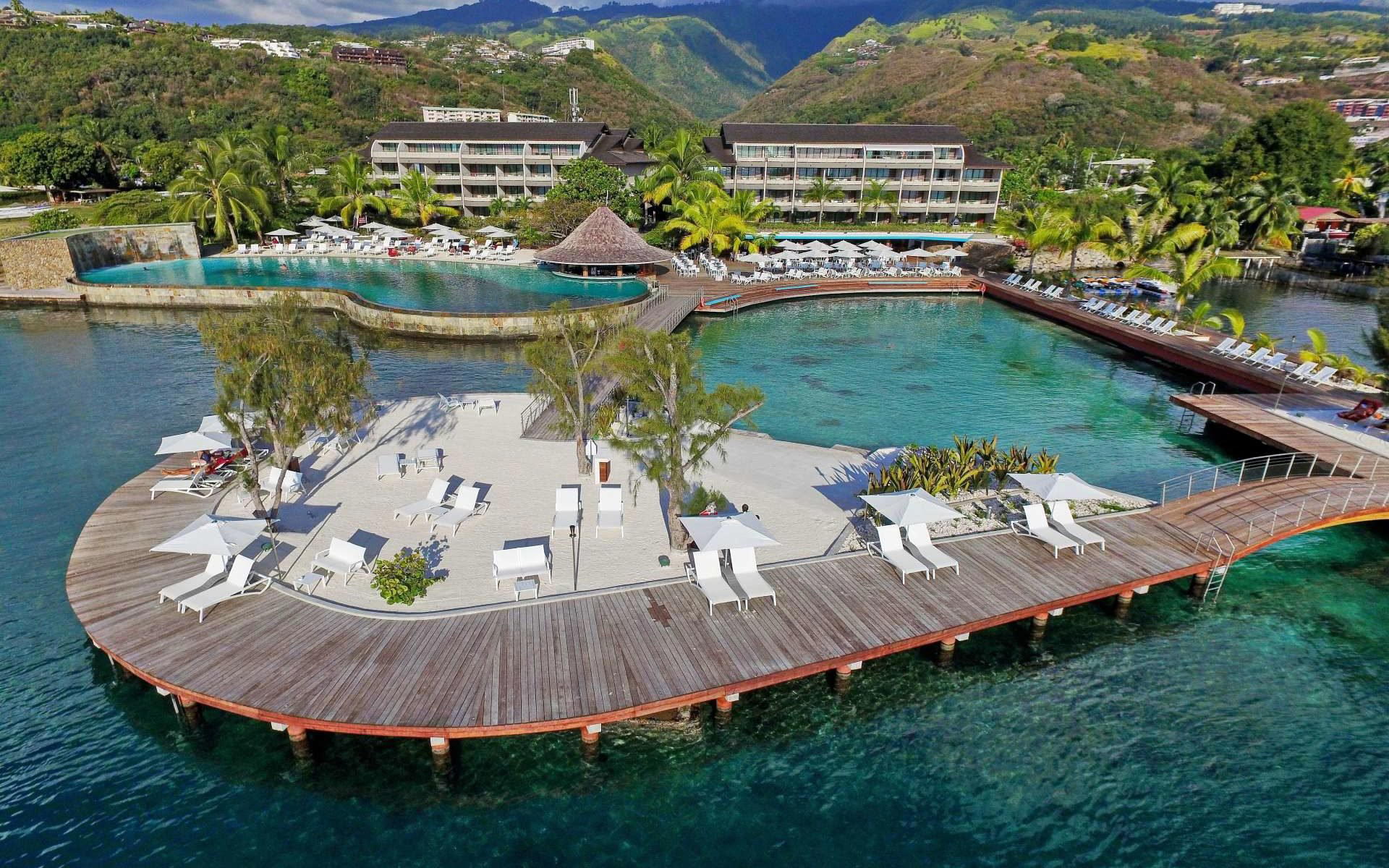
The hillside setting also carries a practical dimension. Views over the lagoon and the coastline toward Moorea are a structural feature of the location rather than a designed amenity, and the quality of light in the late afternoon, when the sun drops toward the island's western shore, is one of those environmental details that a restaurant at this elevation gets for free. It positions O Belvédère within a small category of Tahiti-area dining where the physical context is not incidental to the experience. For comparison, Restaurant Te Honu Iti in Moorea Maiao demonstrates how Polynesian restaurants use waterfront and landscape proximity as an active part of the hospitality rather than a backdrop.
Travellers circling the Society Islands who want a reference point for what serious Polynesian sourcing looks like at the independent restaurant level should also consider Blue Banana in Punaauia and Loula et Rémy in Taiarapu Est, both of which operate in the same broad geography with distinct personalities. Further afield, Le Kenae in Taiohae in the Marquesas and The Lucky House Fare Manuia Restaurant in Bora Bora offer useful contrast points for how the culinary traditions diverge once you move beyond the Windward Islands cluster.
Placing O Belvédère in the Wider French Polynesian Circuit
French Polynesia has never produced a restaurant that registers on the global award circuits in the way that comparable fine dining destinations in Asia or Europe have. The Michelin Guide does not cover the territory, and the 50 Best lists that shape international dining itineraries operate in a different geography entirely. What exists instead is a set of restaurants that earn their standing through repeat visits from travellers who know the region well and from the kind of local loyalty that sustains independent kitchens in places where hospitality infrastructure is expensive to maintain. Internationally recognised technical benchmarks, such as the seafood precision at Le Bernardin in New York City or the fermentation-forward sourcing at Lazy Bear in San Francisco, help frame what rigorous ingredient sourcing can look like when resourced at a different scale, even if the comparison contexts differ significantly.
O Belvédère sits in this local credibility economy. Its positioning above Papeete, its access to the specific produce of the Windward Islands interior, and its place in a small tier of independently operated Tahiti-area restaurants that take their sourcing seriously are the relevant coordinates. Visitors planning around it should approach with the flexibility that island dining tends to require: hours and menus can shift with supply, and the most satisfying meals in this part of the Pacific often belong to those who arrive with appetite and patience rather than a fixed checklist of dishes.
Planning Your Visit
Getting to Pīra'e from central Papeete takes roughly fifteen to twenty minutes by car depending on traffic along the Route 5 corridor, and the drive itself begins to signal the shift in register that the restaurant's hillside position delivers. Given the sparse booking infrastructure common to independent restaurants across French Polynesia, contacting the venue directly, and doing so before rather than after arriving in Tahiti, is the standard operating approach for this part of the dining circuit. Those building a longer Society Islands itinerary might also review options such as Quattro Passi in Marina del Cantone or HAJIME in Osaka for reference on how restaurants in geographically compelling settings handle the relationship between place and plate, though the French Polynesian context operates on its own distinct set of terms.
Frequently asked questions
What should I expect atmosphere-wise at O Belvédère?
The restaurant sits above Pīra'e, which means the atmosphere is shaped by elevation and distance from Papeete's urban density. Expect the ambient noise of the city to drop away as the road climbs. The Fautaua valley context gives the setting a humidity and green density that waterfront venues in French Polynesia cannot replicate.
How far is O Belvédère from central Papeete and how do you get there?
O Belvédère is located in Pīra'e, the commune immediately adjacent to Papeete, reachable in roughly fifteen to twenty minutes by car via the Route 5 corridor depending on traffic. There is no confirmed public transport route to the restaurant's hillside address, so a rental car or taxi is the practical option. The drive itself ascends quickly from sea level, with the Fautaua valley visible as the urban density of the capital drops behind you.
What should I eat at O Belvédère?
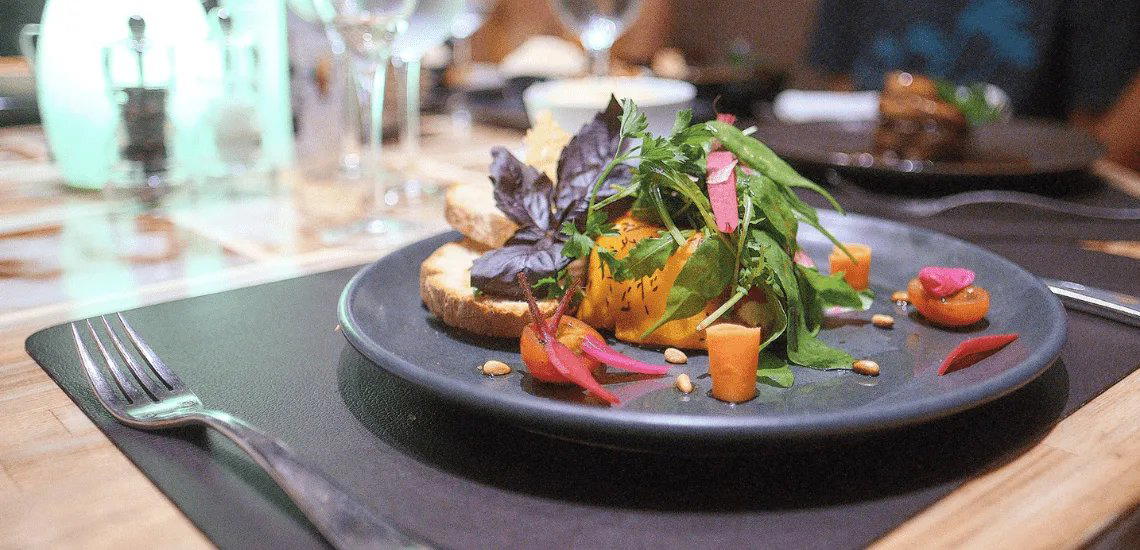
Dining in French Polynesia generally means working within an island supply chain that mixes local reef fish, imported proteins, and produce that varies by season and inter-island shipping schedules. Dishes are best understood on arrival given those constraints.
How do I find O Belvédère?
O Belvédère is located at Pīra'e, French Polynesia, Pira E.
What's the best way to book O Belvédère?
No booking platform or phone number is publicly listed for O Belvédère at this time. Visitors travelling from central Papeete, roughly fifteen to twenty minutes along the Route 5 corridor, are advised to confirm arrangements directly before making the drive up toward Pīra'e.
What is O Belvédère known for?
O Belvédère is known for its position above Pīra'e, a commune that sits outside the central Papeete dining circuit. That geographical remove gives it a character distinct from the harbour-facing restaurants in town. Its setting in the Windward Islands makes it a reference point for visitors wanting a meal tied to Tahiti's interior rather than its waterfront.
How It Stacks Up
| Venue | Cuisine | Price | Awards | Notes |
|---|---|---|---|---|
| O BelvédèreThis venue — the venue you are viewing | French Brasserie | $30–50 | Not listed | Not listed |
| Le Taha’a | French-Polynesian Fusion | Not listed | Relais Chateaux Award | Polynesian Fine Dining |
| Hawaiki Nui | Polynesian and International | Not listed | Relais Chateaux Award | Polynesian |
| Le Kenae | Pacific Fusion with French Savoir-Faire | Not listed | Relais Chateaux Award | French Polynesian |
| Le Nuku Hiva | Polynesian Fine Dining | Not listed | Relais Chateaux Award | Polynesian Cuisine |
| Otemanu | French-Polynesian Fusion | $30–50 | Relais Chateaux Award | Polynesian French |
Details
- Romantic
- Scenic
- Elegant
- Sophisticated
- Date Night
- Celebration
- Special Occasion
- Group Dining
- Rooftop
- Live Music
- Waterfront
- Panoramic View
- Terrace
- Craft Cocktails
- Waterfront
- Mountain
- A La Carte
- Cocktails
Current opening hours
- Monday
- Closed
- Tuesday
- Closed
- Wednesday
- Closed
- Thursday
- 4–10 PM
- Friday
- 10 AM–10 PM
- Saturday
- 10 AM–10 PM
- Sunday
- 10 AM–4 PM
Hours can change for holidays and private events. Last verified .
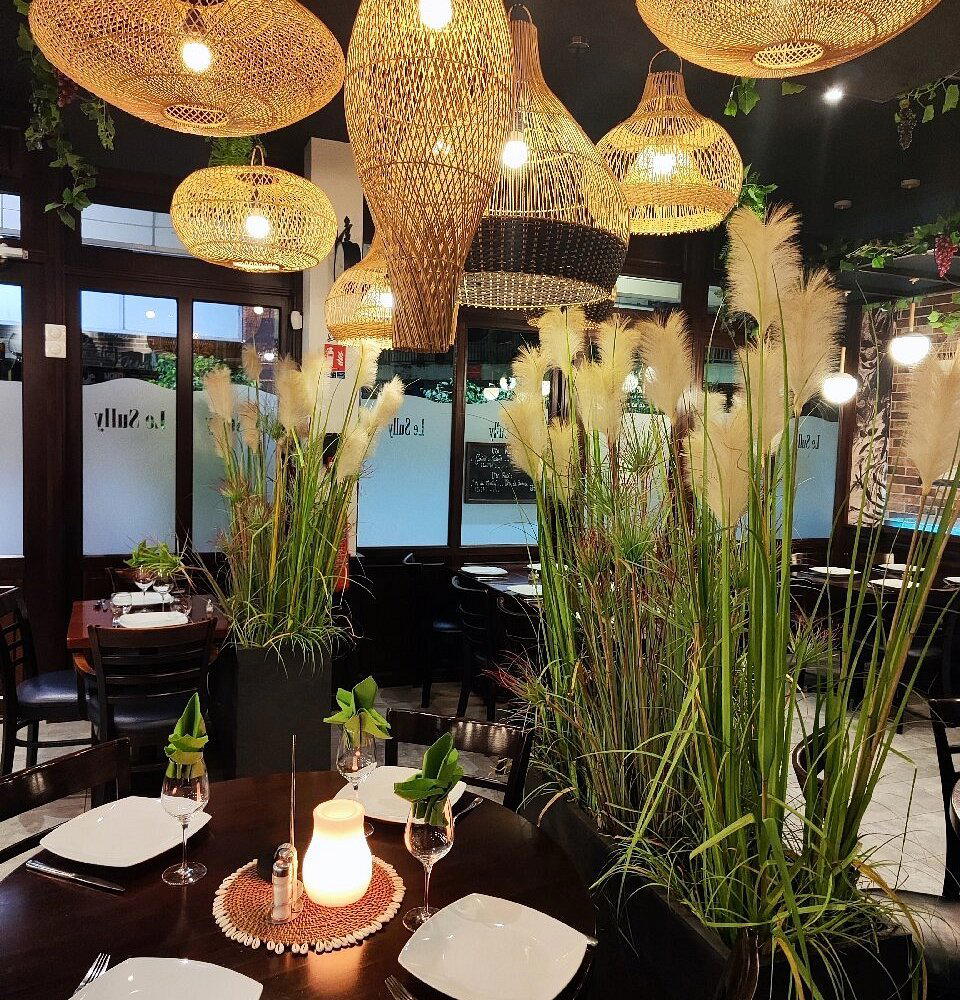
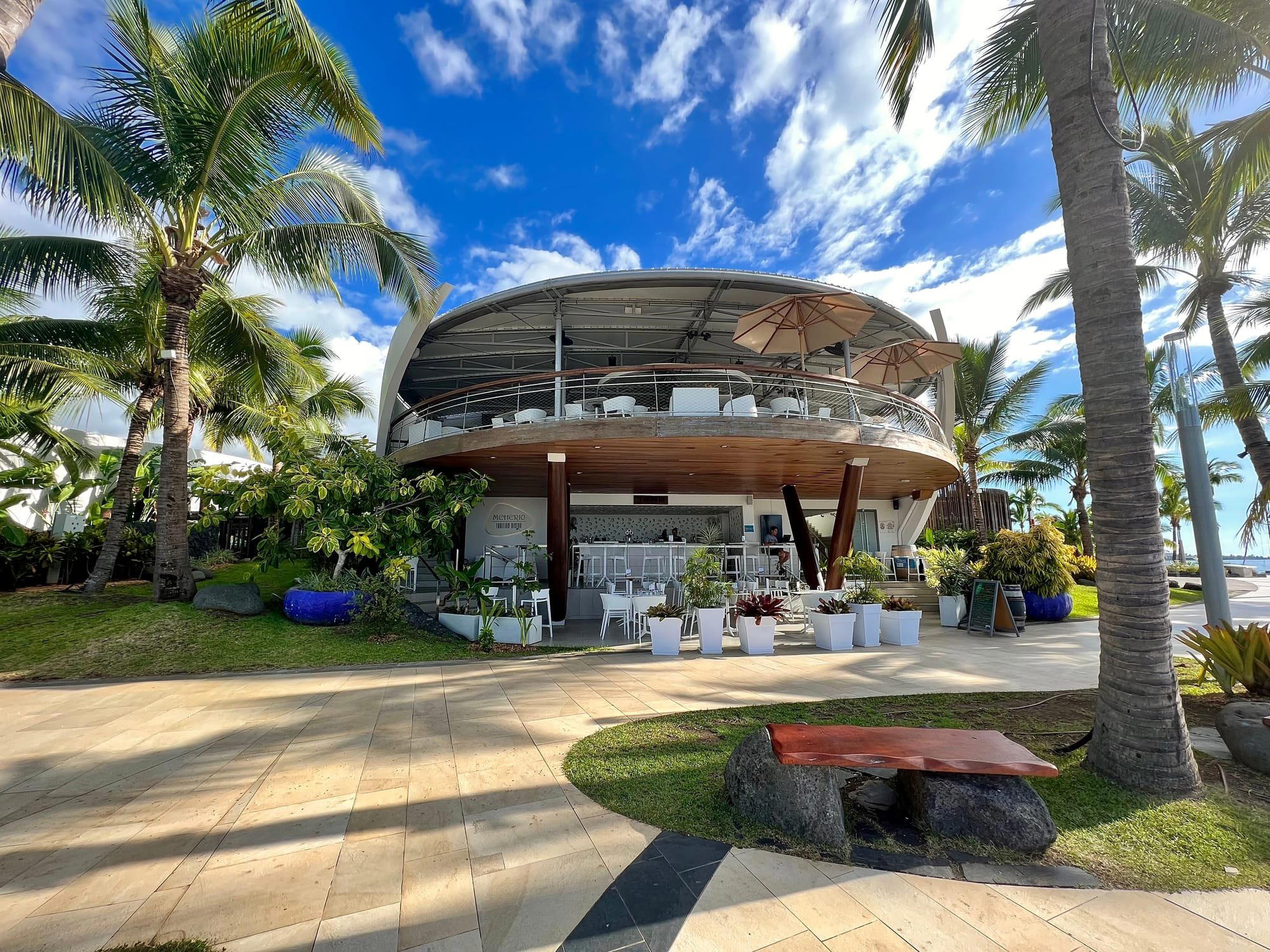
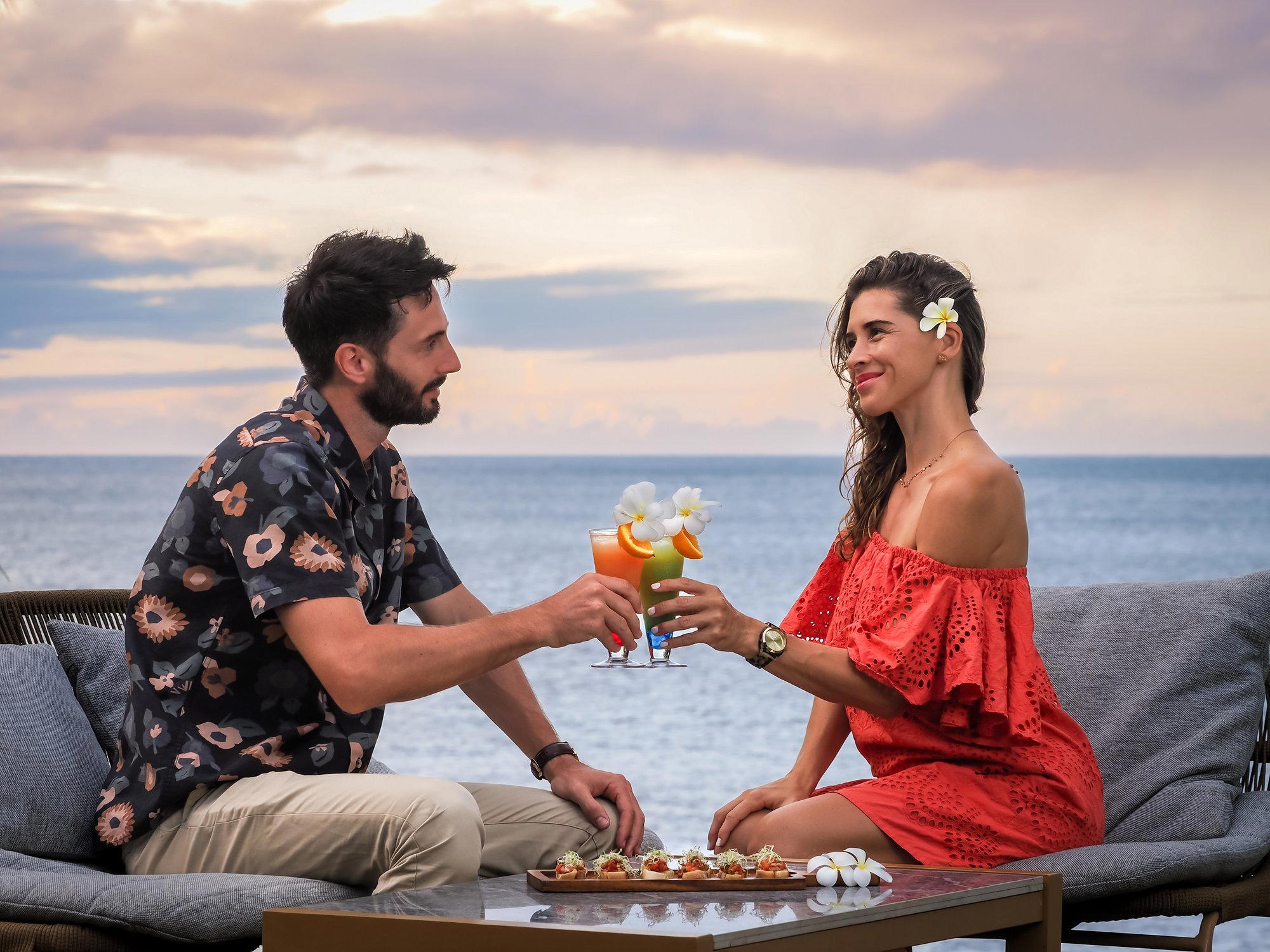
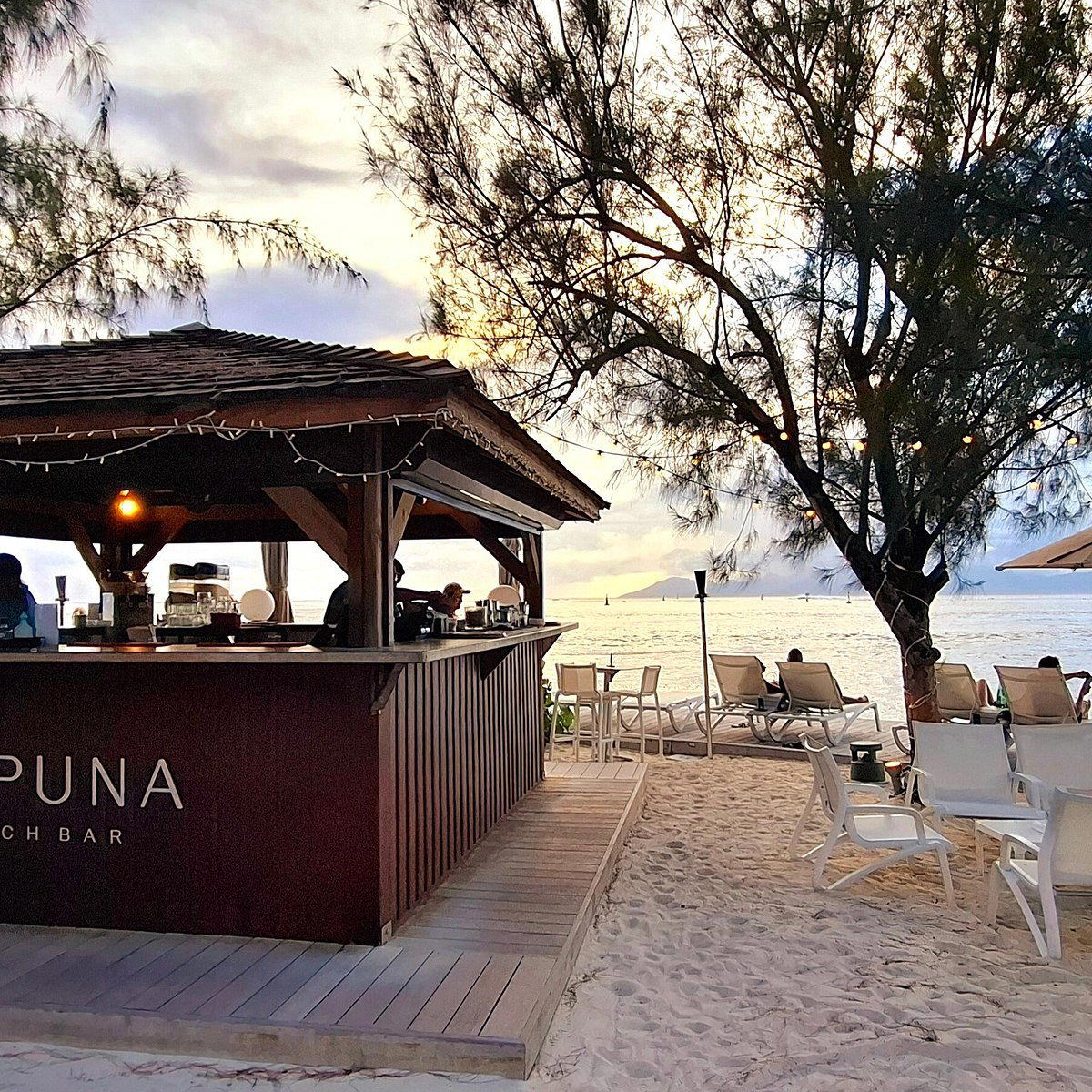
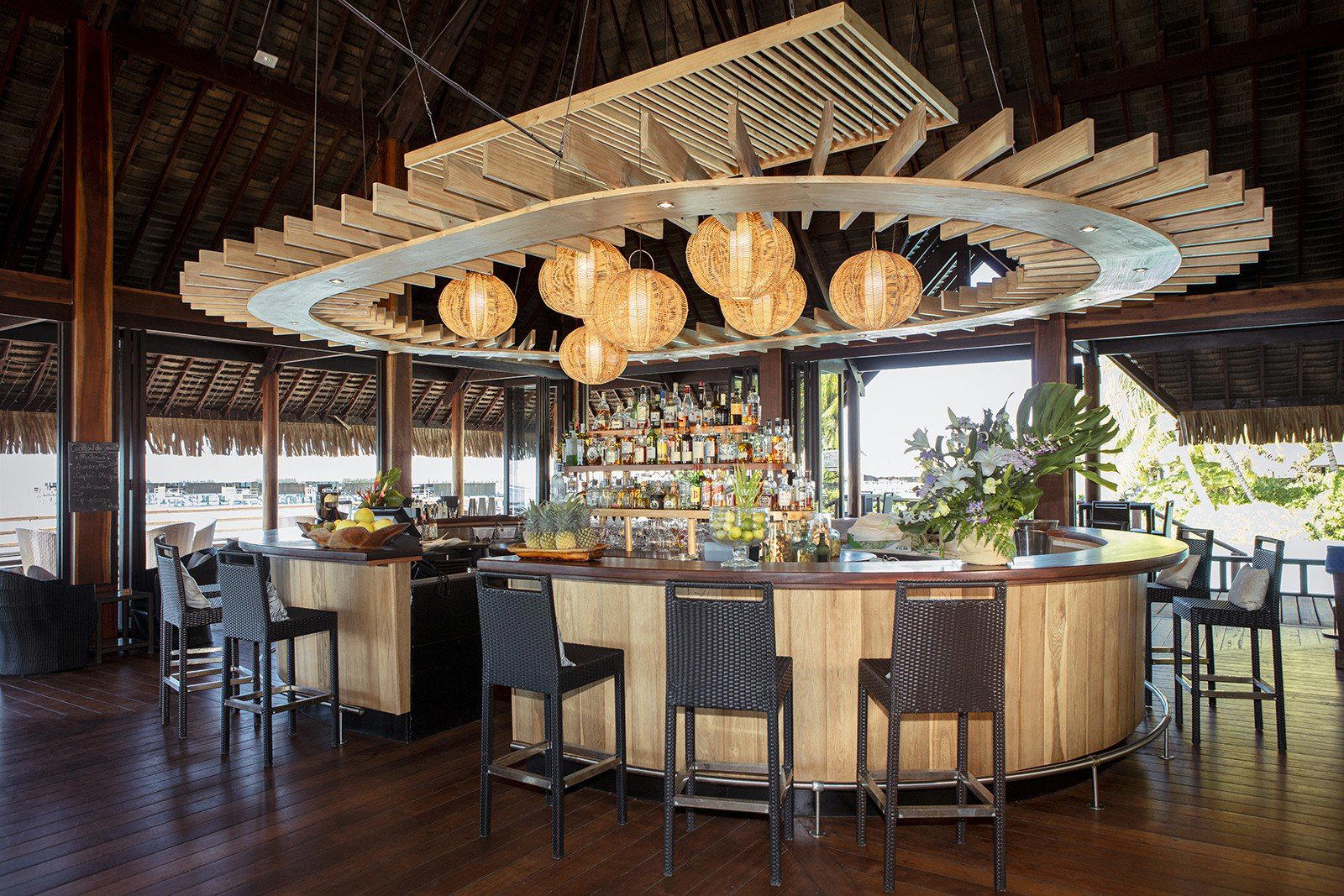
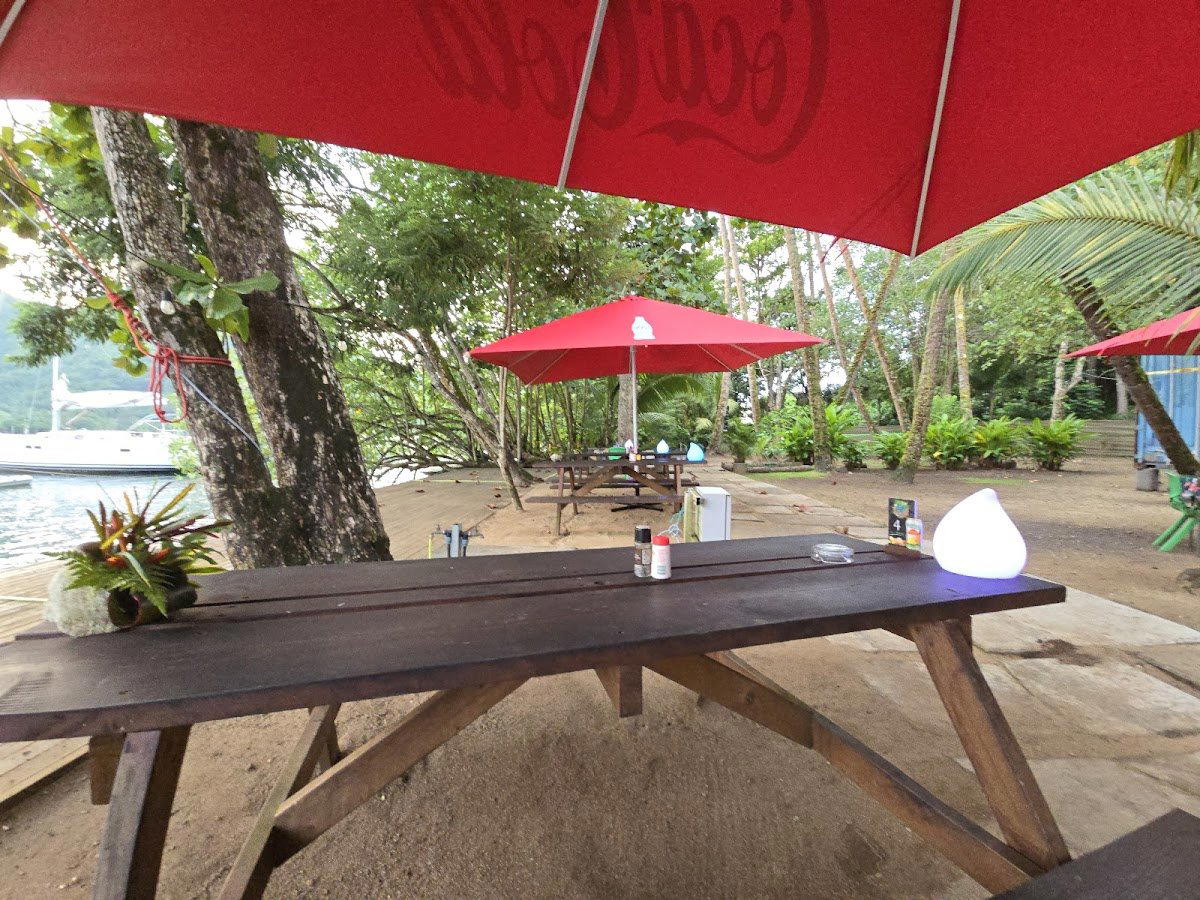
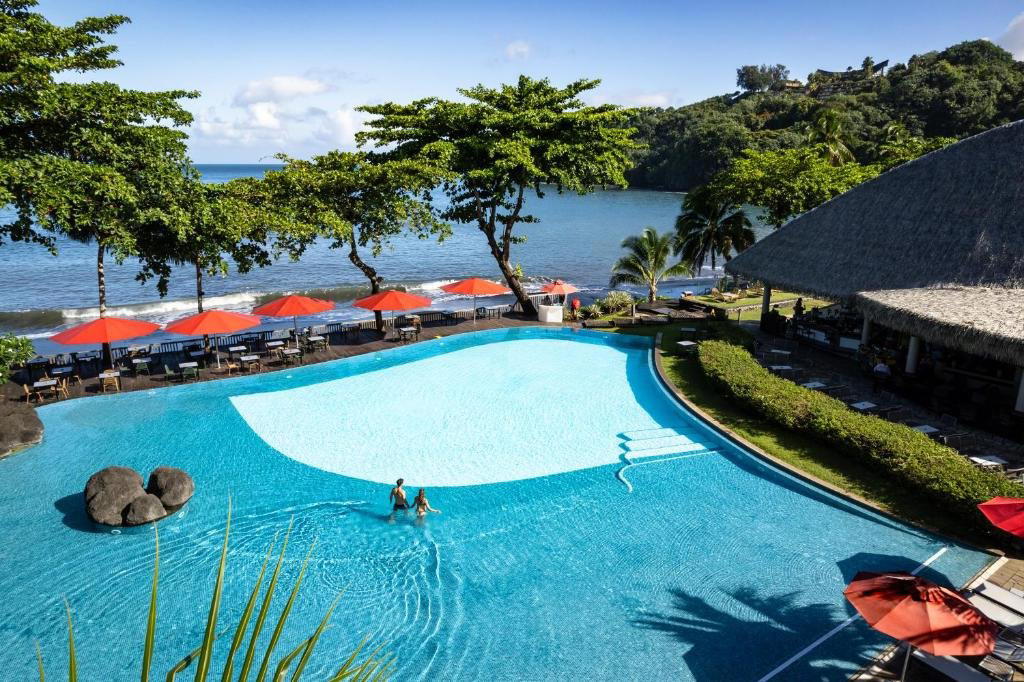
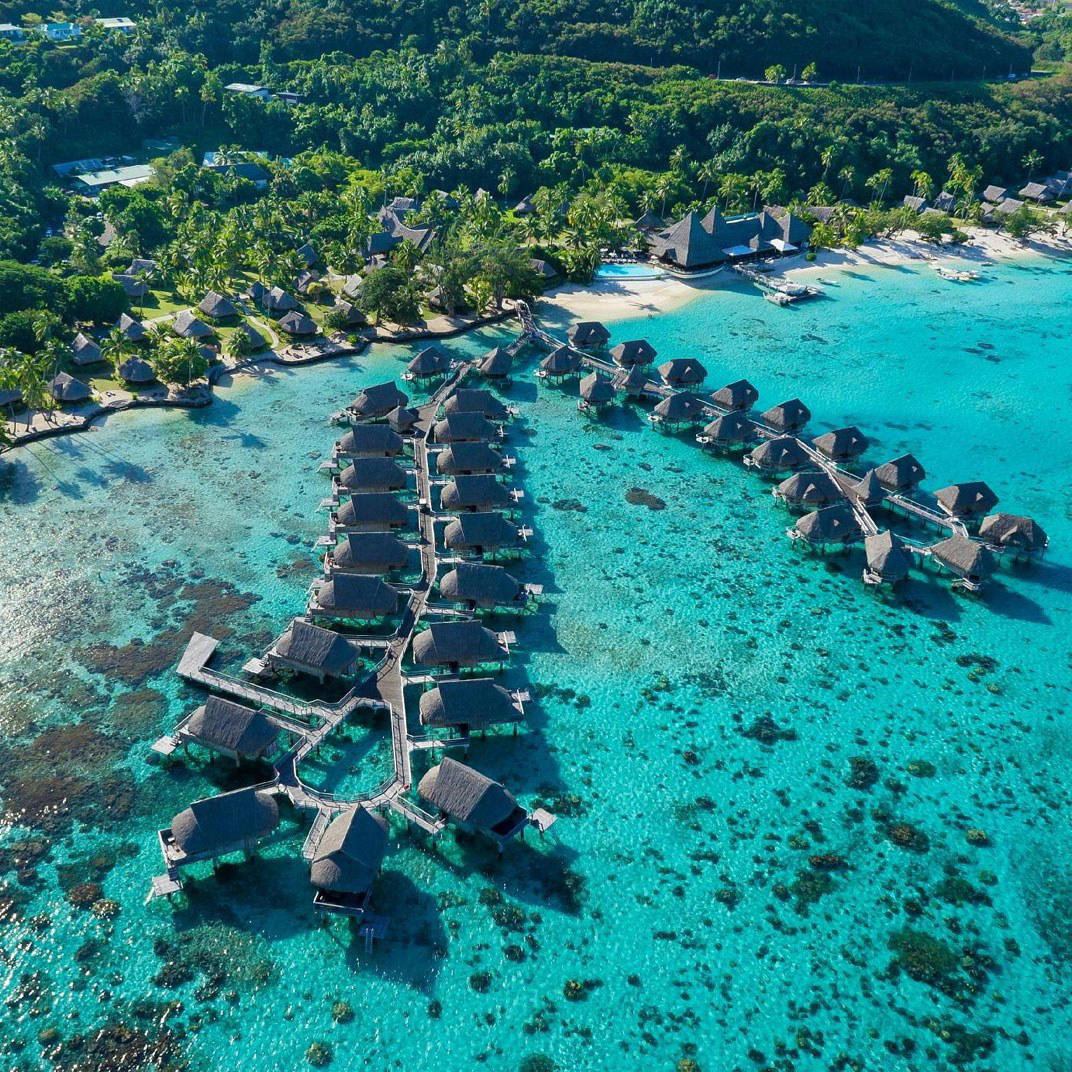
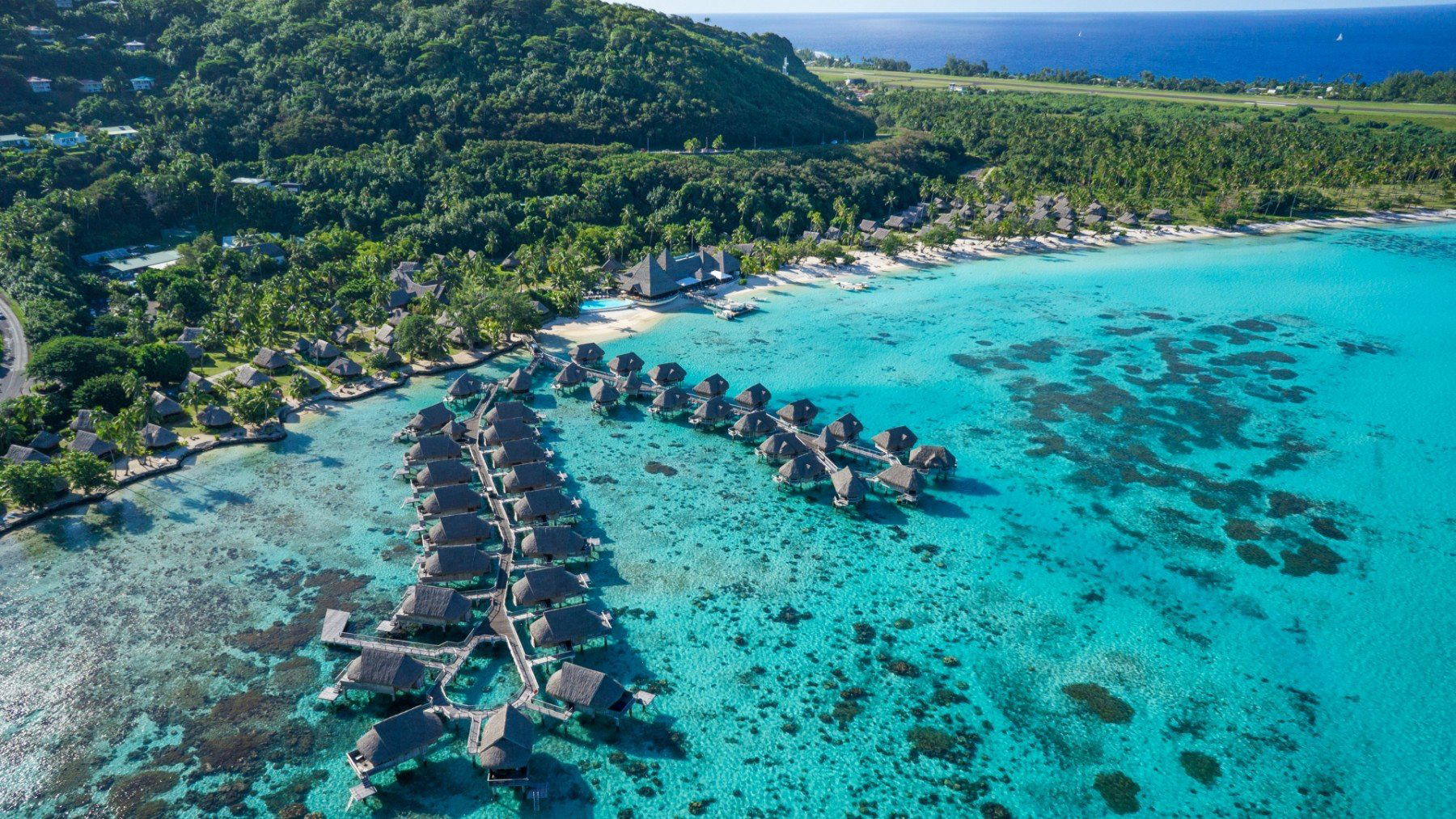
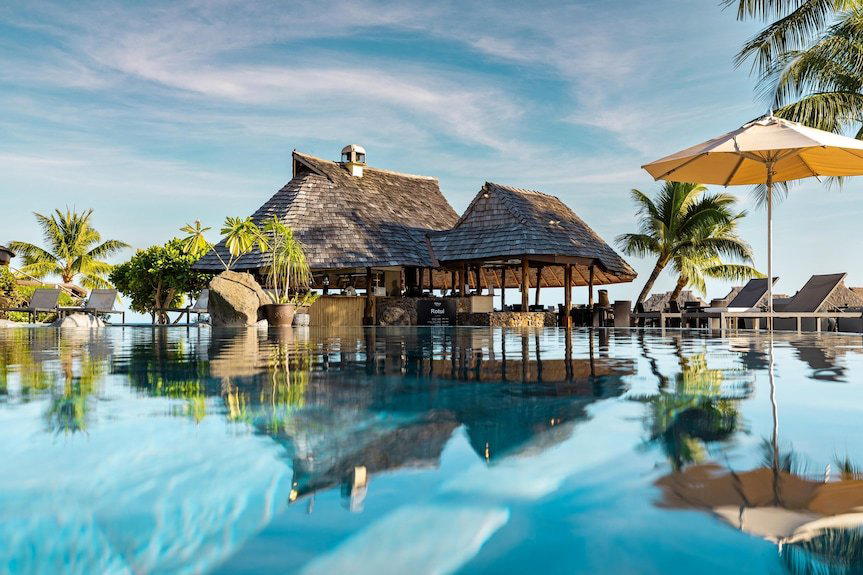
Warm and inviting tree house atmosphere with outdoor terrace overlooking dramatic seascapes; enhanced by occasional live music and sunset lighting that creates a celebratory, romantic setting.