The Little Tiger
Our verdict
A village pub in Brinscall, on the western edge of the West Pennine Moors, The Little Tiger occupies the kind of address that rewards those who seek it out rather than stumble upon it. The setting — stone Lancashire village, rural lane, moorland air — frames the kind of local dining that has quietly sustained communities like this for generations. For context on the wider Chorley eating scene, see our full Chorley restaurants guide.

Pearl is the En Primeur Club membership app — saves, bookings, and concierge access live there. Same editors, same standards.
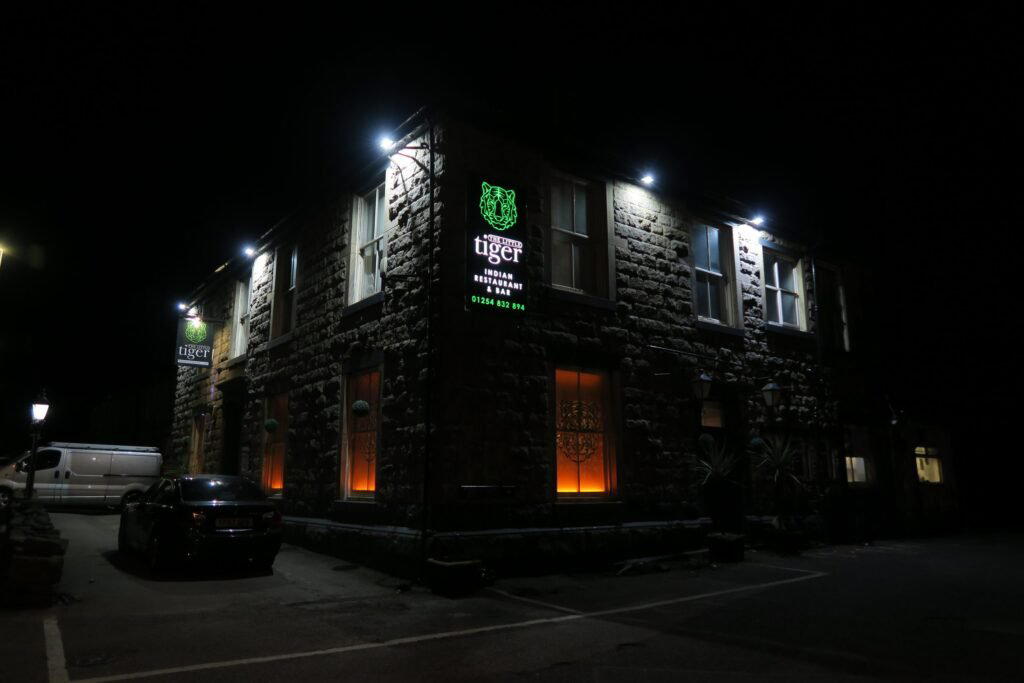
There is a particular kind of English pub that exists almost in defiance of the restaurant industry's relentless churn: rooted in a specific postcode, shaped by the community around it, and largely indifferent to trend cycles playing out in city centres. The Little Tiger, on School Lane in Brinscall, sits in that category. The village itself — a former mill settlement pressed against the lower slopes of the West Pennine Moors — has the character of a place that has never needed to perform for visitors. The pub reflects that.
Approaching along the lane from Chorley, the shift from suburban fringe to moorland village happens quickly. Stone terraces, a working-men's club, a Methodist chapel: Brinscall is a functional Lancashire village, not a prettified one. In that context, a local pub drawing its identity from the land around it rather than from a brand manual makes considerable sense. The sourcing traditions that define this part of Lancashire, upland sheep farming, game from managed moorland, root vegetables from the Ribble Valley's market garden belt to the north, give a kitchen at this address a coherent set of raw materials to work with, if it chooses to engage with them.
Ingredient Geography in the West Pennine Corridor
The argument for locality in sourcing is made most convincingly not by restaurants that announce it loudly, but by kitchens whose geography makes it the logical default. The Chorley area sits within reach of several of the North West's most productive agricultural zones. The Ribble Valley, running northeast from Preston, supplies game, dairy, and provenance-marked lamb to kitchens across Lancashire. The Irish Sea coastline, less than an hour west, brings shellfish and wet fish into the regional supply chain. Village pubs in this corridor have historically had access to these materials without requiring the supply-chain architecture that urban restaurants must build from scratch.
This geographic position places a venue like The Little Tiger in a different conversation from destination dining operations further afield. L'Enclume in Cartmel and Moor Hall in Aughton have both built formally acclaimed tasting menu formats around the same regional larder, deploying Michelin-starred frameworks to communicate the value of local provenance to an international audience. The village pub tradition operates without that institutional apparatus, the sourcing logic is the same, the presentation register is simply different.
Across the wider British fine dining circuit, sourcing transparency has become a primary marker of seriousness. CORE by Clare Smyth in London built its three-Michelin-star identity partly around named British farms and fisheries. Ynyshir Hall in Machynlleth and Restaurant Sat Bains in Nottingham have each developed sourcing programs that function as editorial positioning, not just supply decisions. That conversation has a different register at village level, but the underlying geography, proximity to producer, reduced transit time, relationship purchasing, operates the same way.
The Brinscall Setting
The physical environment at School Lane does most of the contextual work before a guest enters. Brinscall sits at roughly 200 metres elevation, exposed to moorland weather coming off Anglezarke and Rivington Pike to the east. The village is not on a through-route to anywhere larger, which means the clientele arriving at The Little Tiger are predominantly local, walkers covering the West Pennine Moors trail network, residents of Brinscall and the adjacent settlements of White Coppice and Withnell, and the modest flow of visitors who find their way to this corner of Lancashire by intention rather than accident.
That demographic shapes the kind of hospitality that makes operational sense here. Destination-format restaurants, the tasting menus at Le Manoir aux Quat'Saisons in Oxford, the extended counter experiences at The Glenturret Lalique in Crieff or Gidleigh Park in Chagford, build their identity around drawing guests from distance. A pub in a village of this scale builds identity differently: through regularity, community familiarity, and the kind of consistency that earns repeat visits rather than single pilgrimage trips.
Lancashire's Village Pub Tradition
Lancashire's pub culture has historically been less codified than Yorkshire's or the Cotswolds', but no less specific. The industrial settlements of the county's mill era produced a particular type of local institution: the neighbourhood pub as social anchor, serving a working population with limited leisure alternatives. As those industrial bases have contracted over the past half-century, the pubs that survived have done so by adapting to changed demographics, often shifting toward food-led formats while retaining the community-facing character that distinguished them from urban hospitality operations.
The village pubs that have navigated this transition most successfully in the North West tend to share certain characteristics: a food offer that reads as honest rather than aspirational, a drinks range that acknowledges local brewing traditions, and a physical environment that resists the pressure to rebrand into something more generically contemporary. Venues at the other end of the British pub-dining spectrum, the Hand and Flowers in Marlow, which operates a two-Michelin-star kitchen inside a traditional pub shell, demonstrate that the format can carry serious culinary ambition. The majority of successful village pubs, however, find their footing in a more modest register that serves their specific community well.
Broader Comparisons and Regional Context
For readers cross-referencing across the EP Club portfolio, it is worth mapping the distance between a Brinscall village pub and the benchmark operations in the North West fine dining tier. Moor Hall in Aughton, roughly 20 kilometres to the southwest, holds two Michelin stars and operates at a price point and format that bear no relationship to community-facing village hospitality. L'Enclume in Cartmel is further north and further still in format terms, representing the endpoint of the British progressive tasting menu tradition. Both are referenced here not as comparators but as anchors for understanding where The Little Tiger sits in the regional ecosystem.
Further afield, the Waterside Inn in Bray, Midsummer House in Cambridge, Restaurant Andrew Fairlie in Auchterarder, and international benchmarks such as Le Bernardin in New York City and Atomix in New York City represent the formal, internationally recognised upper tier of the dining spectrum. The village pub exists in a different register entirely, serving a different function, for a different audience, on a different set of terms. That is not a diminishment; it is a description of distinct categories within a broad hospitality ecosystem.
For those building a broader picture of the region's eating options, the our full Chorley restaurants guide maps the range of what the area offers, from accessible neighbourhood dining through to venues worth planning around. Other properties in our portfolio such as Opheem in Birmingham, hide and fox in Saltwood, and 33 The Homend in Ledbury illustrate how regional venues across Britain have built distinct identities outside the major metropolitan centres.
Planning Your Visit
The Little Tiger is at 58 School Lane, Brinscall, Chorley, PR6 8QP. Brinscall is most efficiently reached by car from Chorley town centre, following the A674 toward Blackburn before turning off toward the village. The West Pennine Moors walking network is accessible directly from the village, making the pub a natural point of return for walkers covering the Anglezarke and Rivington circuits.
Frequently asked questions
Is The Little Tiger child-friendly?
Village pubs in Lancashire mill settlements like Brinscall have historically served as community gathering spaces rather than adults-only dining venues, and The Little Tiger sits squarely in that tradition. The pub's location at 58 School Lane, away from any significant through-traffic, makes it a practical stop for families arriving on foot from the surrounding moorland paths.
What is the atmosphere like at The Little Tiger?
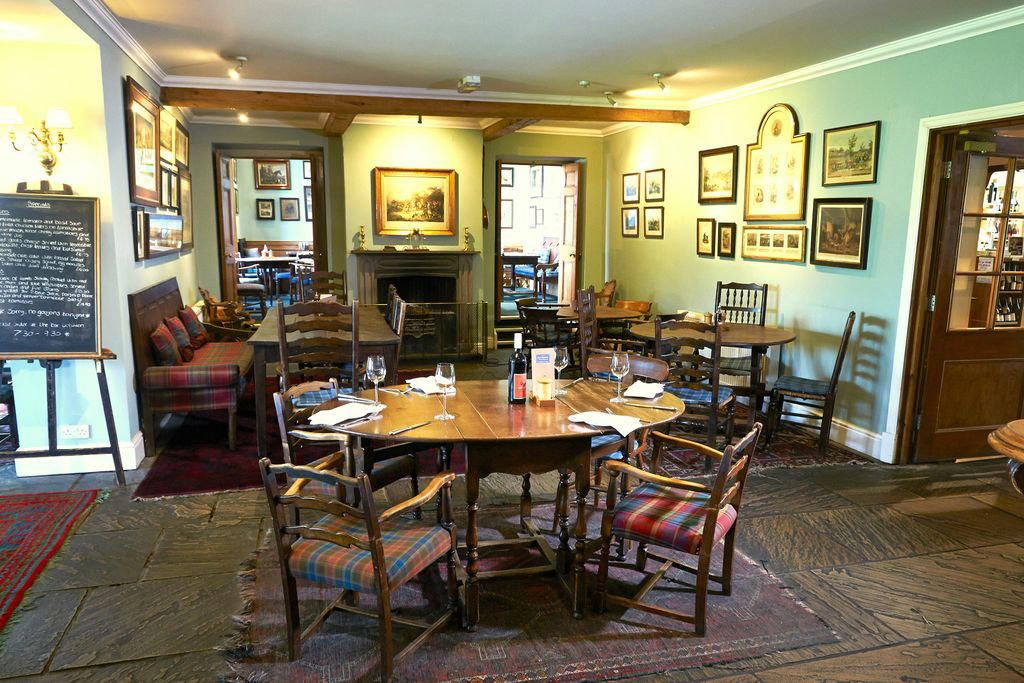
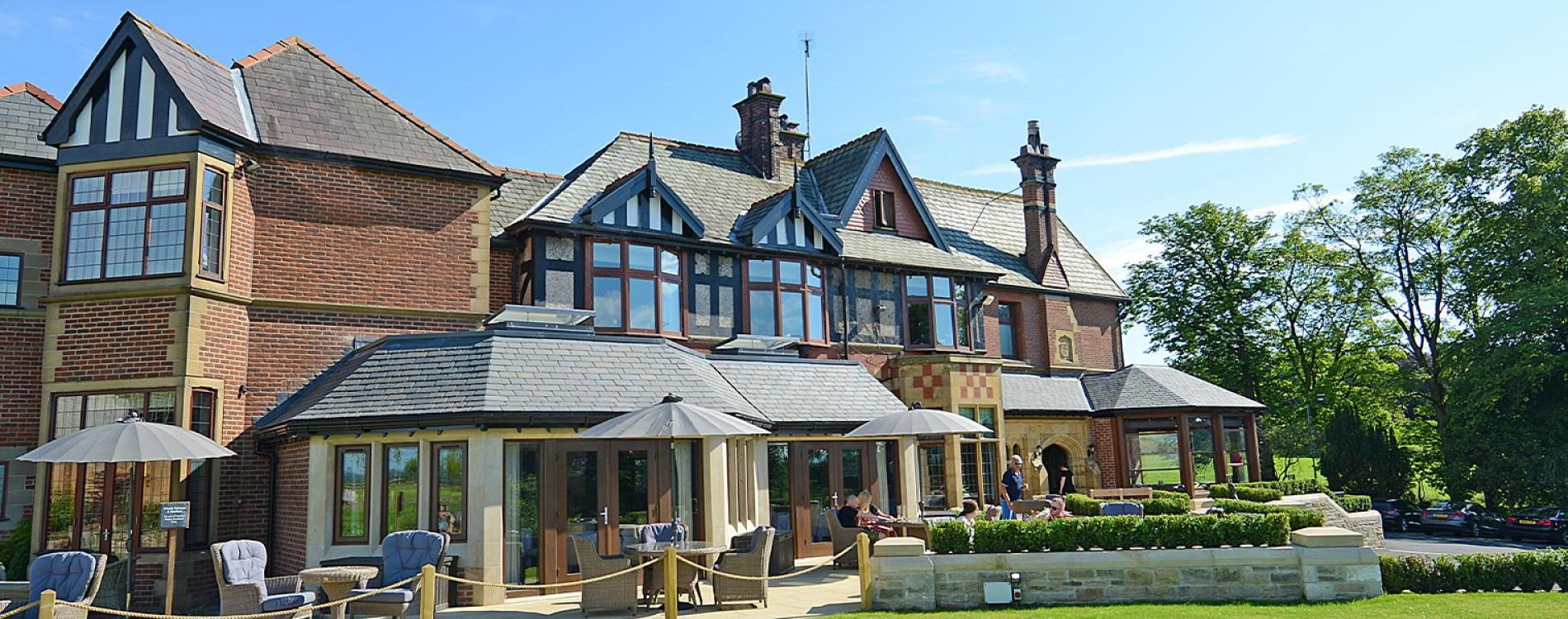
The pub sits at roughly 200 metres elevation in Brinscall, a stone-built Lancashire mill village with no meaningful passing trade, which produces the kind of self-contained atmosphere that comes from serving a genuinely local clientele rather than a transient one. School Lane itself removes the venue from any urban noise corridor, so the setting does considerable contextual work before you arrive. The result is closer to a working neighbourhood local than a destination dining room.
Is The Little Tiger a good base for walking the West Pennine Moors near Chorley?
Brinscall sits at the moorland fringe, with footpaths from the village leading directly toward Anglezarke Reservoir and the Rivington network, making The Little Tiger at 58 School Lane one of the few pubs within walking distance of those routes. For walkers approaching from Chorley, Brinscall is most efficiently reached by car before setting out on foot. The pub's position in the village rather than on a main road means it functions as a genuine end-point rather than a roadside stop.
What do regulars order at The Little Tiger?
As a general pattern, Lancashire village pubs at this elevation and community scale tend to anchor their menus around hearty, unfussy plates suited to walkers returning from the West Pennine Moors. For current menu details, contacting The Little Tiger at 58 School Lane, Brinscall, PR6 8QP directly is the most reliable route.
Comparable Spots, Quickly
Comparable venues nearby, for context on price, style, and recognition.
| Venue | Cuisine | Price | Notes |
|---|---|---|---|
| The Little TigerThis venue — the venue you are viewing | Authentic Indian | $20–30 | Not listed |
| Dishoom Manchester | Bombay-inspired Indian comfort food | $20–30 | Deansgate |
| Social Dhaba | Modern Indian (North Indian & Punjabi) | $30–50 | Hatch End |
| Mowgli Water Street | Indian Street Food | $20–30 | Liverpool City Centre |
| Kashmir Restaurant | Modern Indian | Not listed | Rawtenstall |
| Aangan | Authentic Indian & Nepalese | $20–30 | Willington |
Continue exploring
More in Chorley
Restaurants in Chorley
All restaurants in Chorley →
Details
- Cozy
- Elegant
- Family
- Group Dining
- Date Night
- Private Dining
- A La Carte
- Vegetarian Friendly
- Vegan Options
Current opening hours
- Monday
- 5:30–11 PM
- Tuesday
- 5:30–11 PM
- Wednesday
- 5:30–11 PM
- Thursday
- 5:30–11 PM
- Friday
- 5–11 PM
- Saturday
- 4–11 PM
- Sunday
- 3–10 PM
Hours can change for holidays and private events. Last verified .
Beautifully decorated, spotless, and clean with a lovely, relaxed atmosphere even when busy.