Social Dhaba
Social Dhaba sits within London’s broad South Asian dining culture, where the dhaba idea carries a specific promise: food shaped by roadside hospitality, spice, bread, and shared plates rather than ceremony. With only the essentials publicly fixed, its value for EP Club readers is contextual: a casual London address to read through ingredient-led North Indian and Punjabi dining traditions, not a trophy-table narrative.
Pearl is the En Primeur Club membership app — saves, bookings, and concierge access live there. Same editors, same standards.
- Address
- 294 Uxbridge Road, London, HA5 4HR, United Kingdom
- Phone
- 020 8428 0111
- Website
- andyhayler.com
- Directions
- Get directions
 Saves & bookings on Pearl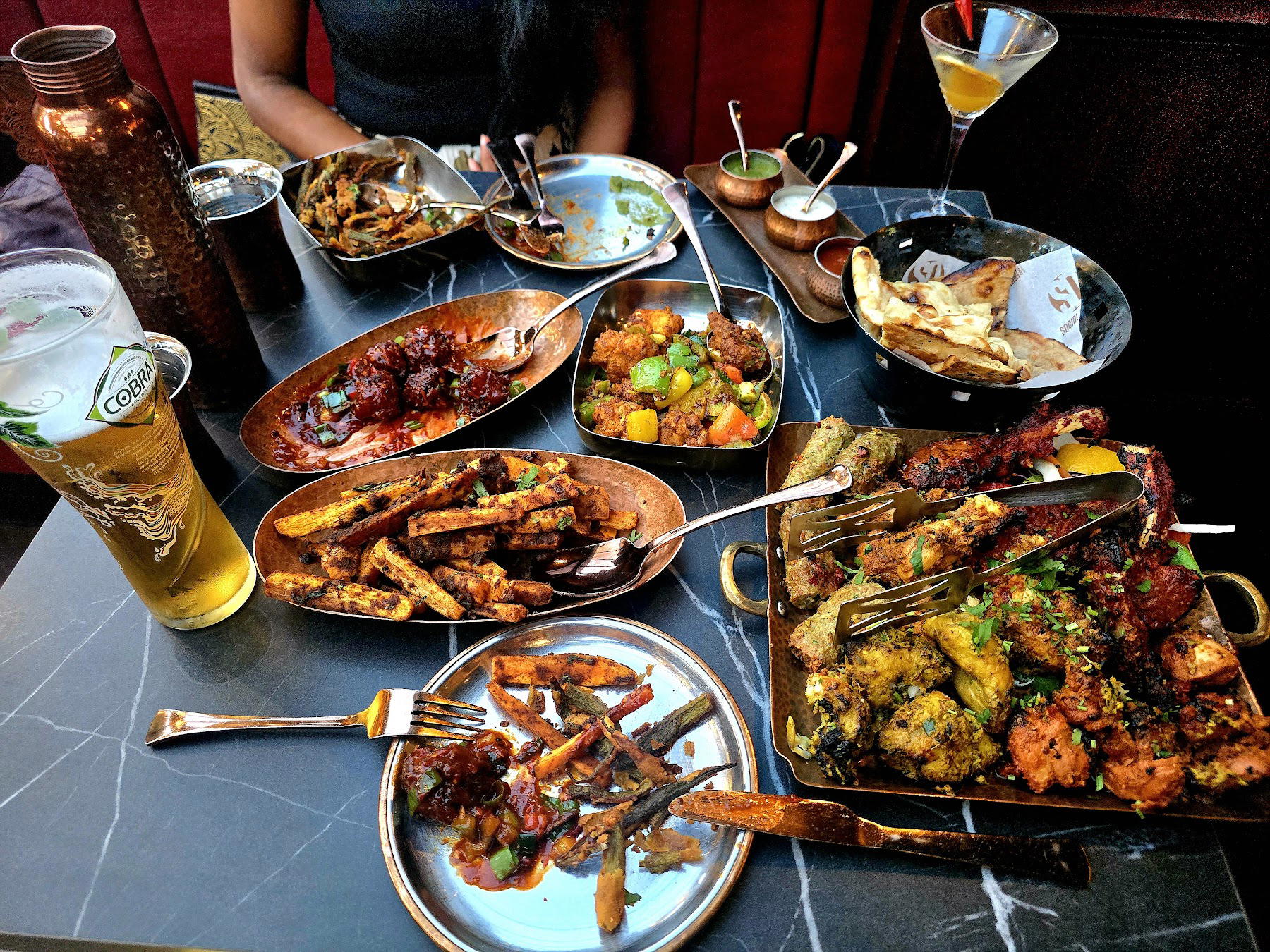
Uxbridge Road has the right rhythm for a dhaba name: shopfronts, traffic, families moving between errands, and a dining culture built less around theatre than appetite. In London, South Asian restaurants have long done their strongest work away from the formal centre, where breads, grills, lentils, pickles, onions, yoghurt, and spice blends are judged by regulars rather than by awards committees. Social Dhaba belongs in that register. The point is not spectacle; it is the London version of a roadside idea adapted to a suburban high street.
The word dhaba matters. In the Indian subcontinent, it refers to informal roadside eating houses, often associated with truck routes, tandoor work, slow-cooked pulses, dairy richness, hot breads, and food built for sharing. London has translated that model in several directions: some rooms soften it into family dining, others push it towards small-plate urban gloss. The more convincing versions keep the food anchored in everyday ingredients, especially wheat, pulses, onions, chillies, yoghurt, ghee, and the char of the grill. That is the useful lens for reading Social Dhaba: not as a chef-led destination, but as part of the city’s continuing argument about how informal South Asian food should taste when it leaves the roadside and enters a London dining room.
London's dhaba language is built from grain, smoke, dairy, and spice
Ingredient sourcing is often discussed in London through farms, breed names, and tasting-menu provenance, but South Asian cooking asks a different set of questions. Is the bread treated as central rather than filler? Are pulses given enough time? Does dairy work as texture and cooling relief, not decoration? Are spice blends cooked into fat rather than scattered for effect? Those are the signals that matter in a dhaba-derived format.
In this corner of the city, the audience tends to be fluent. London diners who grew up with Punjabi, Gujarati, Pakistani, Bangladeshi, or broader North Indian cooking do not need a glossary for cumin, fenugreek, asafoetida, black cardamom, or dried mango powder. They notice balance: heat against acidity, richness against raw onion, bread against gravy. A restaurant using the dhaba reference enters that demanding conversation. It is judged less on novelty than on whether familiar building blocks are handled with discipline.
That makes the sourcing question more practical than romantic. Lentils, flour, rice, yoghurt, paneer, herbs, and spices are not luxury ingredients, but they expose shortcuts quickly. Poor flour makes poor bread. Tired spices flatten a curry. Weak yoghurt cannot carry marinades or raita. In casual South Asian dining, ingredient quality is rarely announced with ceremony, yet it is visible in the structure of the meal.
The room belongs to London's informal South Asian map, not the trophy circuit
London’s restaurant culture is often described through the West End, Soho, Mayfair, Shoreditch, and the Michelin conversation, but the city’s South Asian food map has a different geography. It runs through high streets, transport corridors, family neighbourhoods, and late-opening strips where the meal is social before it is critical. Social Dhaba’s position in London matters for that reason. It sits outside the capital’s usual restaurant-news loop, which changes how a reader should approach it.
There are no public award signals attached here, and that absence is instructive rather than fatal. Some London restaurants trade on inspection, tasting menus, and wine lists; others trade on repeat custom, group usefulness, and the ability to feed several appetites at once. A dhaba-format room belongs closer to the second camp. The decision is not whether it can compete with a formal Modern European counter. It is whether the setting suits a meal built around shared dishes, breads, heat, and the pace of conversation.
For broader London planning, EP Club’s restaurant coverage ranges from neighbourhood specialists to formal dining rooms. Readers mapping a city itinerary can move from this kind of South Asian high-street meal to pages such as 081 Pizzeria Peckham, 10 Greek Street (Modern European), 101 Pimlico Road, 104 (Modern Cuisine), and 116 at The Athenaeum. The contrast is useful: London dining is not one hierarchy, but several overlapping habits of eating.
How to read Social Dhaba in a London itinerary
The sensible use case is a casual, group-friendly South Asian meal in London rather than a choreographed evening. The name signals informality and shared eating; the wider tradition suggests spice, bread, and comfort over course-by-course sequencing. That makes it better suited to diners who want conversation at the table and a menu that can absorb different appetites.
Expectations should stay grounded. With no chef-led public narrative or awards framework attached, the editorial interest sits in the category: how London keeps adapting dhaba food for local neighbourhoods, families, and mixed-generation tables. The strongest meals in this genre usually come from ordering across textures: something from the tandoor or grill, a pulse or paneer preparation, bread, rice, pickle or chutney, and yoghurt-led relief. That is not a claim about a specific dish here; it is the grammar of the tradition.
Readers building a wider trip can use our full London restaurants guide alongside our full London hotels guide, our full London bars guide, our full London wineries guide, and our full London experiences guide. For UK dining beyond the capital, EP Club also covers 'Seasgair' by Michel Roux Jr in Fort William, “8” By Andrew Sheridan in Liverpool, 1 York Place in Bristol, 10 Tib Lane in Manchester, 11th and Social in Norwich, and 1215 in Egham. International casual Japanese references, including Jōdo Saké Bar in Los Angeles and Onigiri Time in Pasadena, show the same editorial principle from another cuisine: informal food cultures deserve the same scrutiny as formal rooms.
- Charcoal Chicken Tikka Biryani
- Dhaba Chicken 65
- Masala Special Mogo
- Hara Bhara Kebab
- Masala Omelette
- Chicken Tikka Roll
Comparable venues nearby, for context on price, style, and recognition.
| Venue | Cuisine | Price | Notes |
|---|---|---|---|
| Social DhabaThis venue — the venue you are viewing | Modern Indian (North Indian & Punjabi) | $$ | Not listed |
| SPARSH | Indian and Nepalese Cuisine | $$ | Forest Hill |
| Kricket Brixton | Modern Indian Small Plates | $$ | Brixton |
| Kadiri | Traditional Indian with East African Kokni Influence | $$ | Dudden Hill |
| Bahara | Authentic Indian Kitchen & Culture | $$ | Spitalfields |
| Breakspear Arms | North Indian Pub Curry | $$ | Ickenham |
Continue exploring
More in London
Restaurants in London
Browse all →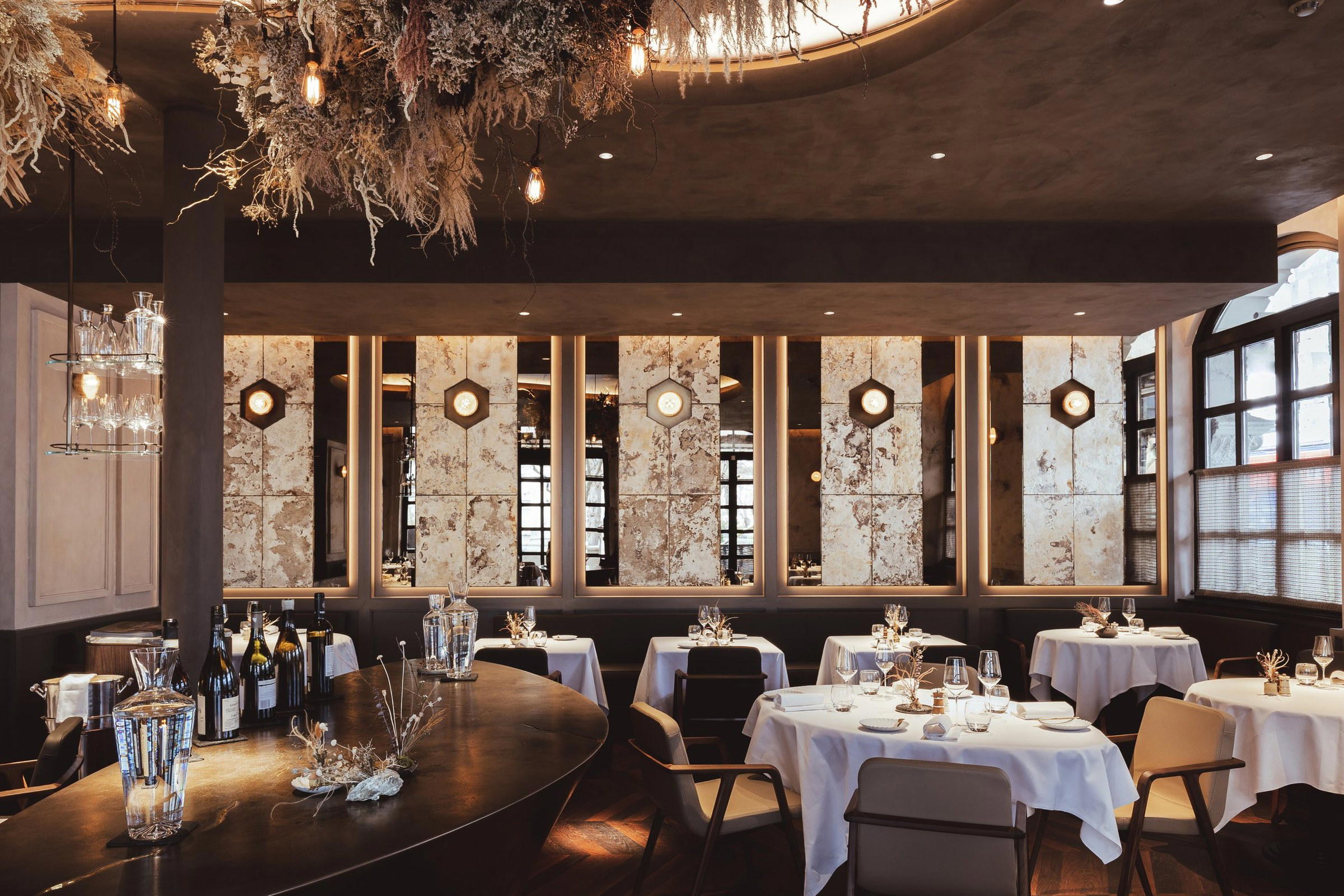
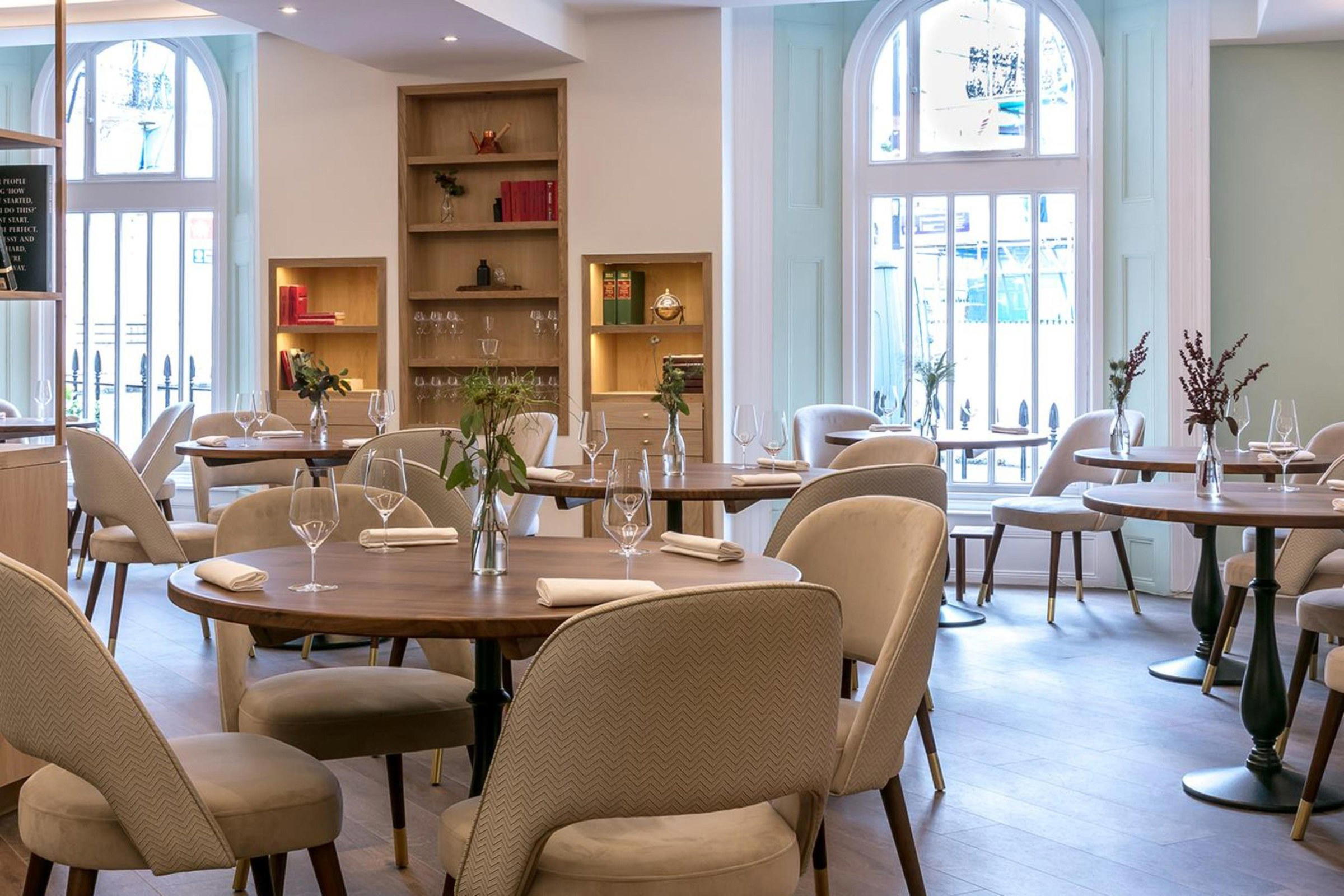
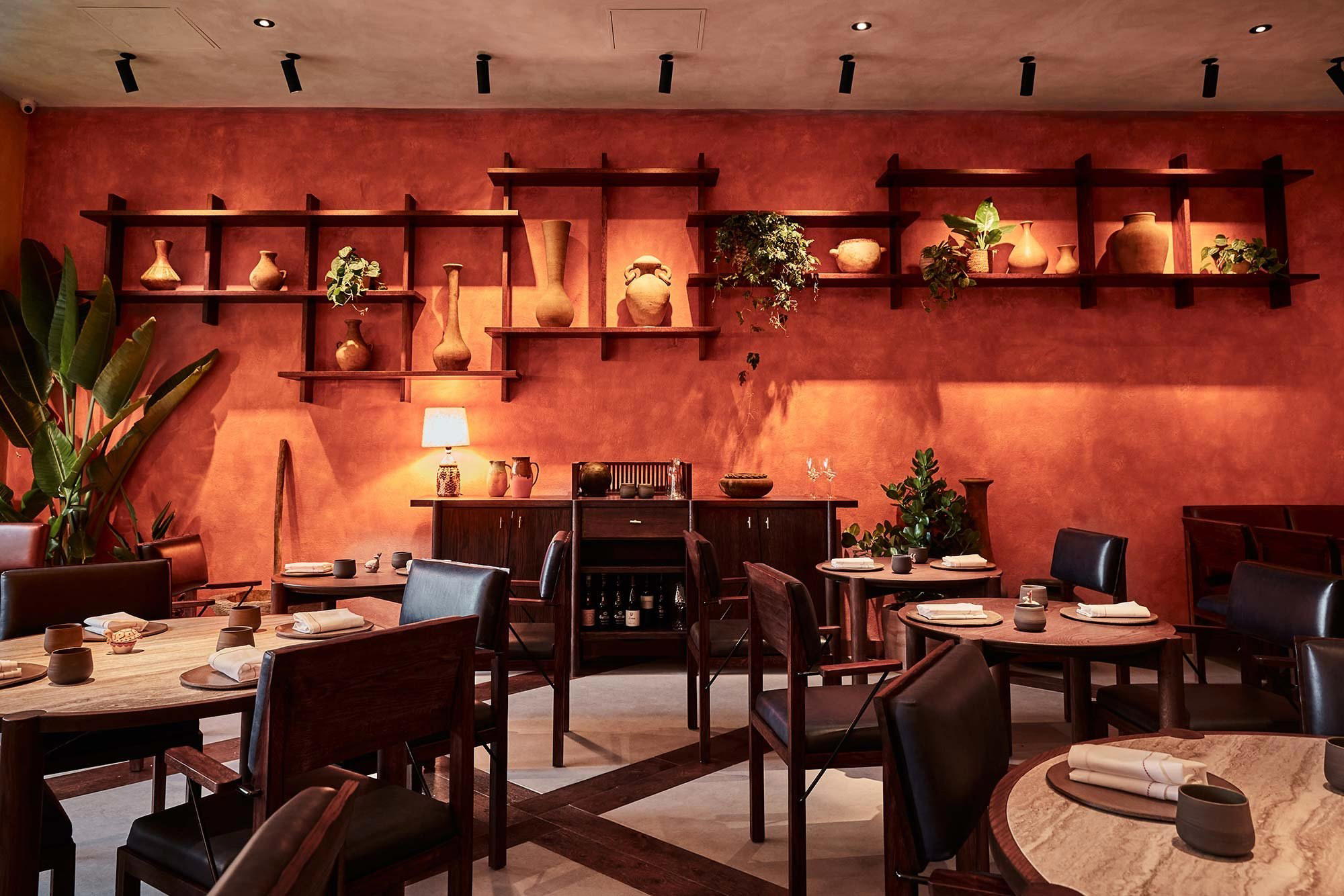
Bars in London
Browse all →
Hotels in London
Browse all →

At a Glance
- Lively
- Modern
- Cozy
- Trendy
- Energetic
- Family
- Group Dining
- Date Night
- Casual Hangout
- Celebration
- After Work
- Standalone
- Design Destination
- Private Dining
- Beer Program
Lively, modern Indian decor with colourful details and warm lighting, creating a lively yet comfortable atmosphere suited to everything from family meals and group celebrations to date nights.