The White Swan




A Michelin-starred pub in the Lancashire village of Fence, The White Swan, formerly known as The Mucky Duck, holds its one star through a set menu built on small batches of local, seasonal produce. The cooking draws on classical technique without abandoning the relaxed rhythms of a proper local pub. At £££, it sits in the tier where serious food and genuine comfort occupy the same room.
Pearl is the En Primeur Club membership app — saves, bookings, and concierge access live there. Same editors, same standards.
- Address
- 300 Wheatley Ln Rd, Fence, Burnley BB12 9QA, United Kingdom
- Phone
- +44 1282 611773
- Website
- whiteswanatfence.co.uk
- Directions
- Get directions
 Saves & bookings on Pearl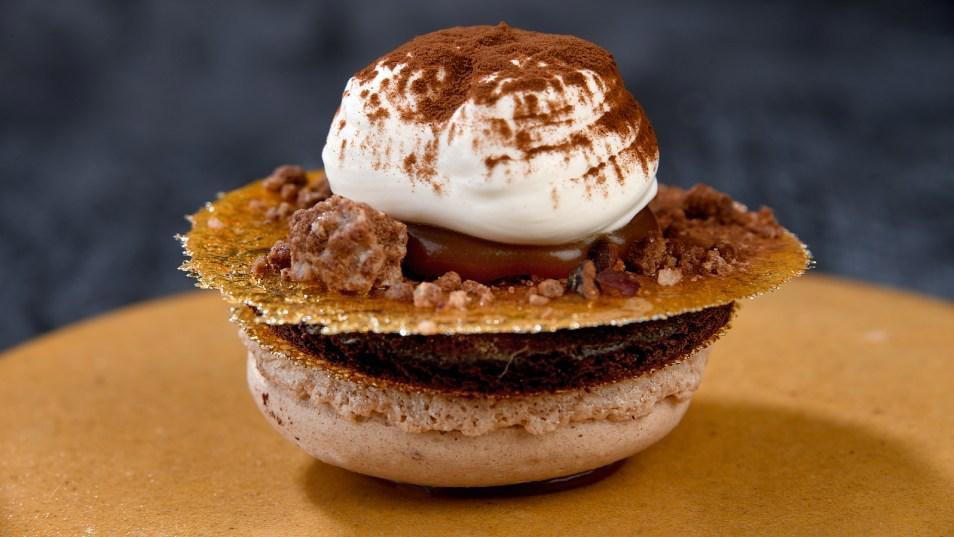
A Lancashire Pub That Earns Its Star Without Losing Its Pint
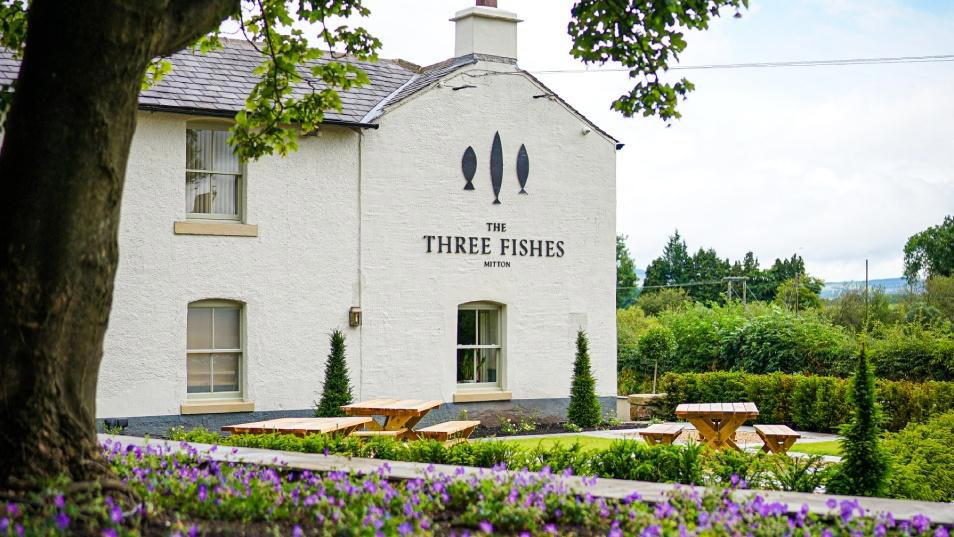
The road through Fence is the kind that slows you down whether you intend it to or not: a narrow Lancashire village lane flanked by stone walls, with the kind of low, thick-walled building at the end of it that looks like it has been absorbing the weather for centuries. The White Swan, for years known locally as The Mucky Duck, reads, from the outside, as a direct village pub. That is entirely by design, and it is precisely that refusal to signal its ambitions externally that makes the inside feel like a genuine discovery.
The British gastropub has been through several phases since the early 1990s, when a generation of London kitchens began treating pub dining as a legitimate creative outlet rather than an afterthought. What started in Notting Hill and Clerkenwell gradually spread outward, and one durable version of that shift turned out not to be the polished urban dining room with a bar bolted on, but the working pub that happened to have a serious kitchen. The White Swan belongs to that second tradition. The atmosphere is not manufactured around the food; the food has grown inside a space that was already doing something else well.
The Set Menu and What It Signals
Michelin awarded The White Swan one star in its 2024 guide, a recognition that places the pub in a small category of British dining rooms where the star arrives without the white tablecloths. That peer group includes Hand and Flowers in Marlow, Tom Kerridge's two-starred pub on the Thames, which demonstrated over a decade ago that the pub format could hold serious culinary ambition without contradiction. The White Swan operates at a comparable structural logic, though at £££ it prices itself in line with a mid-range starred dining experience, making the value equation sharper.
The kitchen operates on a set menu format, and that choice is worth examining on its own terms. Set menus in pub kitchens are not a concession to simplicity; they are a form of discipline. By fixing the number of decisions the kitchen makes each service, the team can source in tighter quantities, work with smaller batches of higher-quality produce, and maintain consistency across covers. The Michelin commentary on the pub notes exactly this: the set menu allows concentration on great-value cooking from small batches of high-quality local produce. That is a practical argument for a creative constraint, and it is one that several of particularly coherent British kitchens have made in recent years.
The seasonal cooking at the restaurant reflects the agricultural character of the Pendle Hill area and wider Lancashire, a county whose larder, salt marsh lamb, aged beef, game from the moorland fringes, is better than its culinary reputation has historically suggested. Dishes like hogget with morels and asparagus, cited in Michelin's own assessment, demonstrate classical technique applied to regional ingredients without fetishising either. Hogget, the meat of a sheep between one and two years old, carries more flavour than spring lamb and rewards slow cooking; pairing it with morels and asparagus places it in a seasonal window that is brief enough to matter. That kind of precision, repeated across a set menu, is what earns a star in a village pub.
Where The White Swan Sits in the Northern England Dining Picture
North of England's Michelin map has become considerably more interesting over the past decade. L'Enclume in Cartmel holds three stars and operates in a similarly rural Cumbrian context, anchoring a broader case that serious kitchens do not require urban settings. Moor Hall in Aughton, West Lancashire, holds two stars and operates a pub alongside its main dining room, demonstrating that the pub-and-restaurant pairing can coexist at high levels within a single site. The restaurant is not competing in that bracket, one star in a village pub is a different proposition from a destination restaurant with a national profile, but it belongs to the same regional argument: that the leading cooking in England is no longer concentrated in London.
For comparison, the capital's Modern British tier at four price brackets, CORE by Clare Smyth, The Ritz Restaurant, The Ledbury in London, sits at ££££ and operates in formats where the room and the service are priced alongside the food. The restaurant's £££ positioning in a pub setting represents a different structural offer: less ceremony, tighter sourcing, more focus on what is on the plate relative to what surrounds it. Neither is superior as a category; they are answering different questions.
Further afield, the rural starred dining model has established credibility at sites like Gidleigh Park in Chagford, Restaurant Andrew Fairlie in Auchterarder, and Midsummer House in Cambridge, all of which demonstrate that destination dining outside London can sustain serious critical attention. The restaurant adds a pub-format entry to that list, which is a meaningful addition to the argument.
Planning a Visit to Fence
The restaurant sits at 300 Wheatley Lane Road in Fence, a village in the Pendle district of Lancashire, roughly equidistant from Burnley and Nelson. The pub is closed Mondays and opens Tuesday through Saturday from noon to 11 PM, with Sunday hours running noon to 11 PM. That Sunday close at 5 PM is worth noting for anyone travelling from a distance: a long Sunday lunch here is a viable itinerary, but dinner is not. The kitchen's set menu format means booking in advance is essential, particularly on weekends when the, not just local regulars.
The village setting means driving is the practical option for most visitors, which also means the surrounding Lancashire countryside, Pendle Hill, the Ribble Valley, the market towns of Clitheroe and Skipton within reasonable distance, becomes part of the day rather than background noise.
The Broader Argument
The gastropub, at its weakest, is a gastropub in name only: a pub that replaced its pork scratchings with a Caesar salad and called it an evolution. At its strongest, it is a room that holds the warmth and accessibility of a local alongside cooking that takes its sourcing and technique seriously. The restaurant sits at that stronger end of the spectrum, and the Michelin recognition in 2024 formalises something that local diners had presumably known for some time. The star does not change what the pub is; it confirms it. For visitors arriving from outside Lancashire, that confirmation is useful. For those who have been making the drive for years, it is the rest of the world catching up.
For context on what the broader Modern British tradition looks like at different price points and formats, hide and fox in Saltwood and Opheem in Birmingham offer two further examples of how regional starred dining is operating outside London. Le Manoir aux Quat' Saisons in Great Milton and The Fat Duck in Bray represent the destination end of the rural model, where the property itself is part of the offer. The restaurant makes no such claim. The room is a pub. The cooking is the reason to come.
Fast Comparison
Comparable venues nearby, for context on price, style, and recognition.
| Venue | Cuisine | Price | Awards | Notes |
|---|---|---|---|---|
| The White SwanThis venue — the venue you are viewing | Modern British Gastropub | $$$ | Michelin 1 Star | Not listed |
| The White Swan | pub | $$$ | Not listed | Fence |
| The Royal Oak | Modern British Farm-to-Table | $$$ | Michelin 1 Star | Whatcote, Warwickshire |
| Upstairs by Tom Shepherd | Modern British Fine Dining | $$$$ | Michelin 1 Star | city centre |
| The Barn | Modern British | $$$ | Michelin 1 Star | Aughton |
| Rogan & C0 | Modern British Fine Dining | $$$$ | Michelin 1 Star | Cartmel |
Recognition history
Dated appearances from independent guides and award organizations, with the underlying list record or original source where available.
AA Rosettes 3 Rosettes
AA Rosettes
Michelin 1 Star
Michelin
Top 50 Gastropubs 2026 Estrella Damm Top 100 Gastropubs #51
Top 50 Gastropubs
Michelin 1 Star
Michelin
The Good Food Guide GFG Very Good
The Good Food Guide
Michelin 1 Star
Michelin
Opinionated About Dining Top New Restaurants in Europe Recommended
Opinionated About Dining
Continue exploring
More in Fence
Restaurants in Fence
Browse all →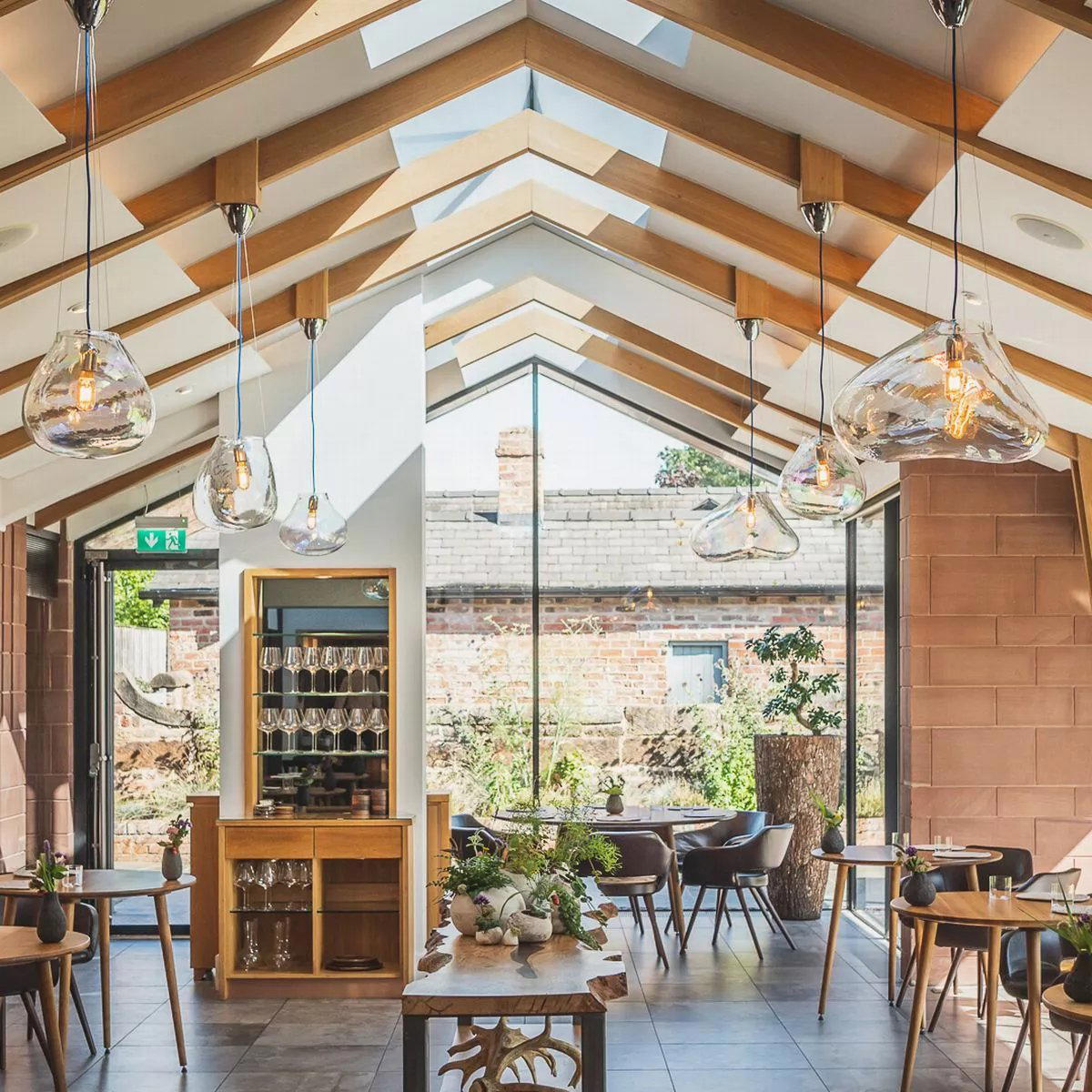
Bars in Fence
Browse all →
Hotels in Fence
Browse all →

At a Glance
- Cozy
- Rustic
- Classic
- Special Occasion
- Date Night
- Historic Building
- Extensive Wine List
- Local Sourcing
Current opening hours
- Monday
- Closed
- Tuesday
- 12–11 p.m.
- Wednesday
- 12–11 p.m.
- Thursday
- 12–11 p.m.
- Friday
- 12–11 p.m.
- Saturday
- 12–11 p.m.
- Sunday
- 12–11 p.m.
Hours can change for holidays and private events. Last verified .
Relaxed pub atmosphere with burnished wood bar, traditional decor including stuffed heads and local pictures, warm welcome but sometimes bright lighting and cold temperatures.