The Little Blue Door
Our verdict
On Fulham Road in SW6, The Little Blue Door operates as one of London's more considered neighbourhood dining rooms, with a program oriented around ethical sourcing and waste-conscious cooking. The address at 871-873 Fulham Road places it in the quieter residential stretch of Fulham, away from the West End's high-volume circuit. Guests looking for a grounded, sustainability-framed experience in southwest London will find a venue calibrated for that purpose.

Pearl is the En Primeur Club membership app, where members save venues, book tables and use the concierge.

The menu
What to order
- Sunday Roast
- Bottomless Brunch
- Philly Cheese Steak
- Lobster Roll
- Salt & Pepper Squid
- Mac & Cheese
Fulham Road and the Neighbourhood Dining Shift
London's dining conversation has spent the better part of two decades tilting west. The concentration of Michelin-starred rooms in Mayfair and Chelsea, among them CORE by Clare Smyth, Restaurant Gordon Ramsay, and The Ledbury, has made the SW3-to-SW6 corridor a serious dining belt rather than a commuter afterthought. The Little Blue Door occupies a stretch of that belt on Fulham Road, at the quieter, more residential end past the Fulham Broadway junction. That address matters editorially: it signals a room calibrated for the neighbourhood rather than one drawing destination traffic from the West End. The distinction shapes everything from the booking dynamic to the atmosphere and the relationship between kitchen and guest.
In the broader UK dining picture, the venues that sit most comfortably in this neighbourhood tier, not competing directly with Sketch's Lecture Room or Dinner by Heston Blumenthal on occasion or spectacle, but not shrinking from considered cooking either, tend to operate with a cleaner supply chain logic. They can absorb the overhead of smaller, more ethical producers because they are not running the volume of a 200-cover dining room or a hotel restaurant with multiple revenue lines. The Little Blue Door fits that structural profile.
The Sustainability Frame: What It Actually Means Here
Sustainability in restaurant contexts has become a word that covers a wide spectrum, from composting programs to fully regenerative supply chains. The venues that make the commitment legible rather than decorative tend to do so through procurement discipline: fixed relationships with specific farms or fisheries, seasonal menus that actually shift with availability rather than just rotating decoratively, and kitchen waste protocols that are built into the production process rather than bolted on as an afterthought.
On Fulham Road, the operating context favours that kind of discipline. A neighbourhood room without the footfall of a destination address has an incentive to control cost through waste reduction and supplier relationships, these are not abstract ethical choices but operational necessities that happen to align with an environmental position. What that produces at the table, in rooms with this profile across London, is cooking that tends toward precision over abundance, and menus that read against what is seasonal and available rather than against what is fashionable. For context across the UK's most sustainability-conscious dining rooms, L'Enclume in Cartmel and Moor Hall in Aughton have set the standard for farm-to-table integration at the high end; The Little Blue Door operates in a different price register but within a comparable ethical orientation.
The Dining Room and Its Atmosphere
The address at 871-873 Fulham Road, London SW6 5HP, places the venue in a double-fronted unit on one of Fulham's longer residential stretches. The name, The Little Blue Door, carries the kind of residential reference that signals deliberate informality: a dining room that positions itself as a neighbour rather than an institution. This is a consistent design language among London's ethical-sourcing cohort, where the interior grammar tends away from the formal staging of rooms like the Waterside Inn in Bray or Le Manoir aux Quat'Saisons in Oxford, and toward something that reads as lived-in and considered.
That atmosphere, relaxed without being casual, deliberate without being stiff, is increasingly what the Fulham dining public is looking for. The neighbourhood has a high concentration of residents who have graduated from the novelty of West End destination dining and now want consistency and quality closer to home. A room that can hold that audience through sourcing credibility and cooking craft, rather than through spectacle, has a more durable relationship with its postcode than one built on occasion-driven traffic.
Placing The Little Blue Door in London's Wider Dining Conversation
London's sustainability-oriented dining scene has produced a recognisable cohort over the past decade: smaller rooms, often outside Zone 1, with menus anchored to British seasonal produce and supplier transparency as a genuine operating principle rather than a marketing position. The Little Blue Door on Fulham Road belongs to that cohort by address and orientation. It does not compete in the same tier as the three-Michelin-star rooms of Chelsea and Mayfair, a set that includes CORE by Clare Smyth, but it is not operating in isolation from the broader quality conversation either.
Internationally, the ethical-sourcing frame that venues like this occupy has a clear lineage. Le Bernardin in New York City built its marine sustainability credentials over decades; Atomix, also in New York, has demonstrated that a commitment to sourcing provenance can coexist with destination-level ambition. In the UK regions, Gidleigh Park in Chagford, Hand and Flowers in Marlow, hide and fox in Saltwood, Midsummer House in Cambridge, Opheem in Birmingham, and Restaurant Andrew Fairlie in Auchterarder each represent a version of this discipline at different price points and ambition levels. The Little Blue Door operates at the neighbourhood end of that range, accessible, grounded, and consistent with SW6's dining character. For a broader map of where it sits in the capital's offer, our full London restaurants guide provides the competitive context.
Planning Your Visit
The venue sits on Fulham Road in SW6, accessible from Fulham Broadway tube station on the District line. As a neighbourhood dining room without a hotel structure or high-volume covers operation behind it, booking ahead is the sensible approach, particularly for weekend evenings when the local residential audience fills tables without the fluctuation that West End rooms experience from tourist and corporate traffic. Dress is consistent with the relaxed-but-considered atmosphere the name and address suggest: the room does not require formal attire, but neither does it read as a casual drop-in operation.
Frequently asked questions
What should I order at The Little Blue Door?
Because the kitchen's orientation is toward ethical sourcing and seasonal availability, the strongest choices on any visit will be whatever reflects current British seasonal produce most directly. In rooms with this sourcing profile, the menu tends to shift with genuine availability rather than holding fixed signatures across quarters. Cross-referencing with the cuisine approach described above, and checking the current menu before visiting, will give the clearest signal on what the kitchen is building around at the time of your reservation.
What is the ideal way to book The Little Blue Door?
As a neighbourhood room in SW6 rather than a high-visibility West End address, The Little Blue Door does not carry the three-month advance booking pressure of London's starred destination rooms. That said, weekend evenings fill with a consistent local audience. If contact details are not listed centrally, checking the venue's own web presence or a current listings platform will give the most accurate booking route. London's most awarded rooms, including CORE by Clare Smyth, require months of lead time; The Little Blue Door operates at a different booking tempo, though advance planning remains sensible.
What is the signature at The Little Blue Door?
In rooms structured around seasonal and ethical sourcing, the concept of a fixed signature dish is often deliberately resisted, the menu's identity comes from its sourcing discipline rather than from any single preparation that stays constant year-round. What The Little Blue Door signals through its name, address, and operating context is a kitchen that prioritises ingredient provenance and waste-conscious production as the through-line, rather than a chef's personal statement dish.
Can The Little Blue Door accommodate dietary restrictions?
Neighbourhood dining rooms with an ethical sourcing orientation in London generally build enough flexibility into their menus to handle plant-based, gluten-aware, and allergen-specific requests, given that their ingredient relationships tend to be close and transparent. For confirmed details on The Little Blue Door's specific dietary accommodation policy, contacting the venue directly before your visit is the appropriate step, London's SW6 dining scene includes enough alternatives that a quick confirmation call saves unnecessary uncertainty on the night.
Is a meal at The Little Blue Door worth the investment?
The question of value in London dining is always calibrated against alternatives at the same price point. The Little Blue Door's neighbourhood positioning in SW6 means it is not pricing against the tasting-menu rooms of Chelsea and Mayfair, but it is competing with a dense field of Fulham and Parsons Green options. The sustainability-oriented sourcing frame, when executed with discipline, tends to produce cooking that tastes of place and season more directly than kitchens buying from commodity suppliers. That is a specific kind of value, less about occasion and spectacle, more about the quality of what is on the plate.
Does The Little Blue Door reflect a specifically London approach to sustainable dining?
Southwest London has developed a cluster of dining rooms that sit between the high-end destination tier and the casual neighbourhood bistro, rooms where ethical sourcing is an operating principle rather than a branding choice. The Little Blue Door on Fulham Road fits that cluster by address and orientation. London's sustainability-conscious dining cohort draws on proximity to British seasonal producers, relationships with smaller UK fisheries, and a post-pandemic guest base that reads menus with more supplier awareness than was common a decade ago. For the broader picture of where this room sits within London's dining geography, our full London restaurants guide maps the competitive field.
Where the Accolades Land
Comparable venues nearby, for context on price, style, and recognition.
| Venue | Cuisine | Price | Notes |
|---|---|---|---|
| The Little Blue DoorThis venue (the venue you are viewing) | British Gastropub | $30–50 | Not listed |
| Sands End | British Gastropub | $50–100 | Sands End |
| Sam's Kitchen | Modern British Brunch & Burgers | $20–30 | Hammersmith Broadway |
| Anglesea Arms | Modern British Gastropub | $50–100 | Hammersmith Broadway |
| Whitechapel Gallery | Modern British | $30–50 | Whitechapel |
| The Ship | British Gastropub | $20–30 | Wandsworth |
Continue exploring
More in London
Restaurants in London
All restaurants in London →
Bars in London
All bars in London →


Details
- Whimsical
- Lively
- Cozy
- Trendy
- Casual Hangout
- Group Dining
- Date Night
- Brunch
- Late Night
- Private Event
- Private Dining
- Standalone
- Craft Cocktails
- Beer Program
- A La Carte
- Small Plates
- Cocktails
- Beer
- Wine
- Vegetarian Friendly
- Gluten Free Options
Current opening hours
- Monday
- Closed
- Tuesday
- Closed
- Wednesday
- 5 PM–12 AM
- Thursday
- 5 PM–12 AM
- Friday
- 5 PM–2 AM
- Saturday
- 12 PM–2 AM
- Sunday
- Closed
Hours can change for holidays and private events. Hours as of .
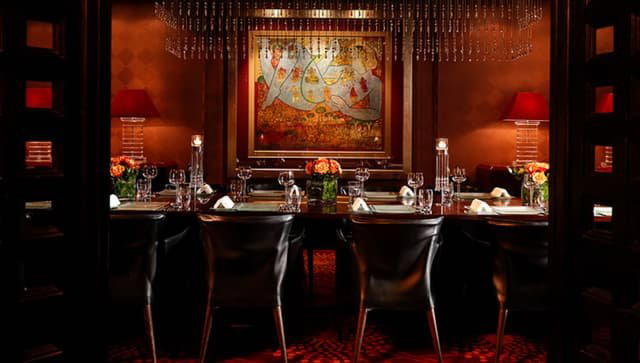
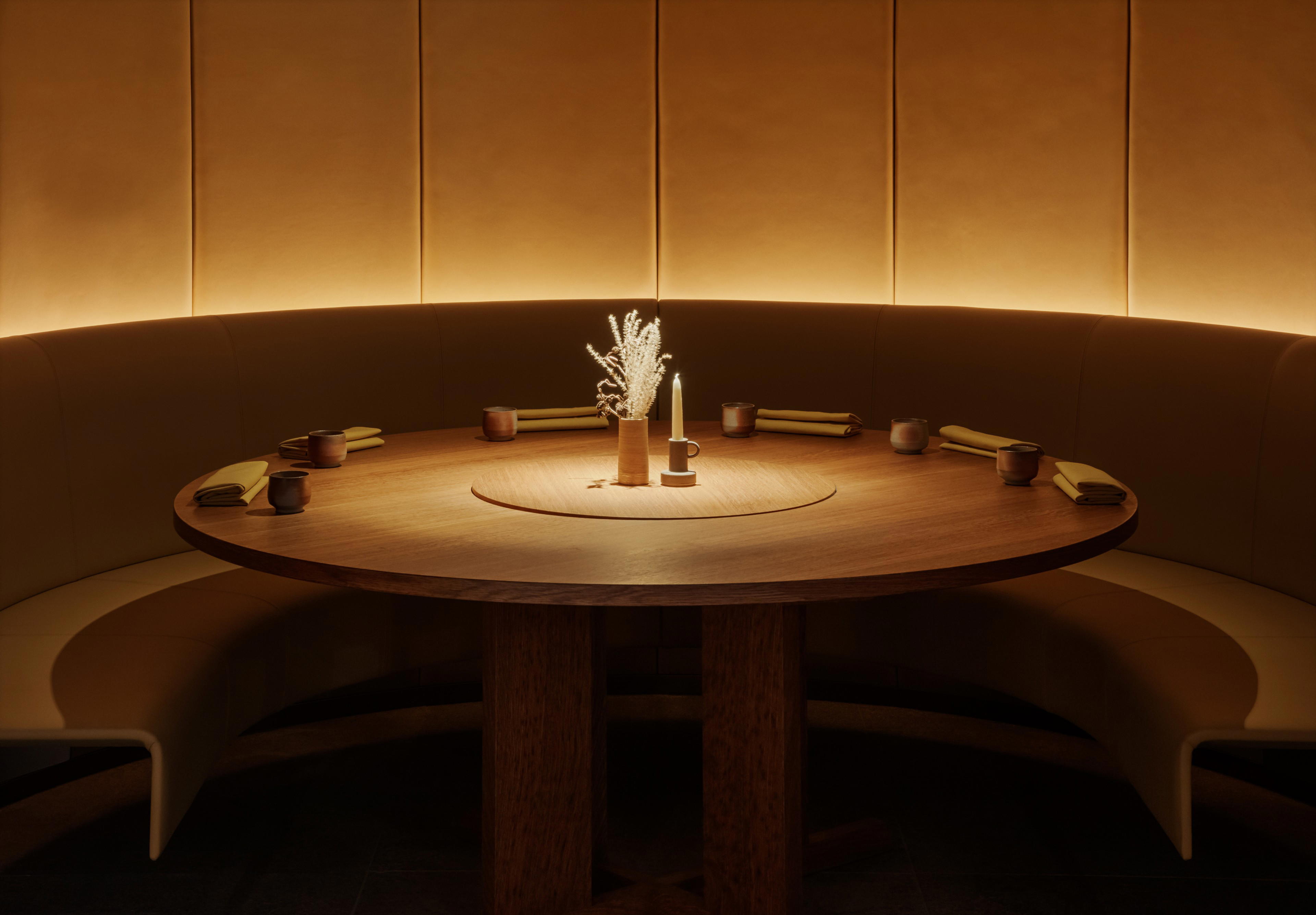
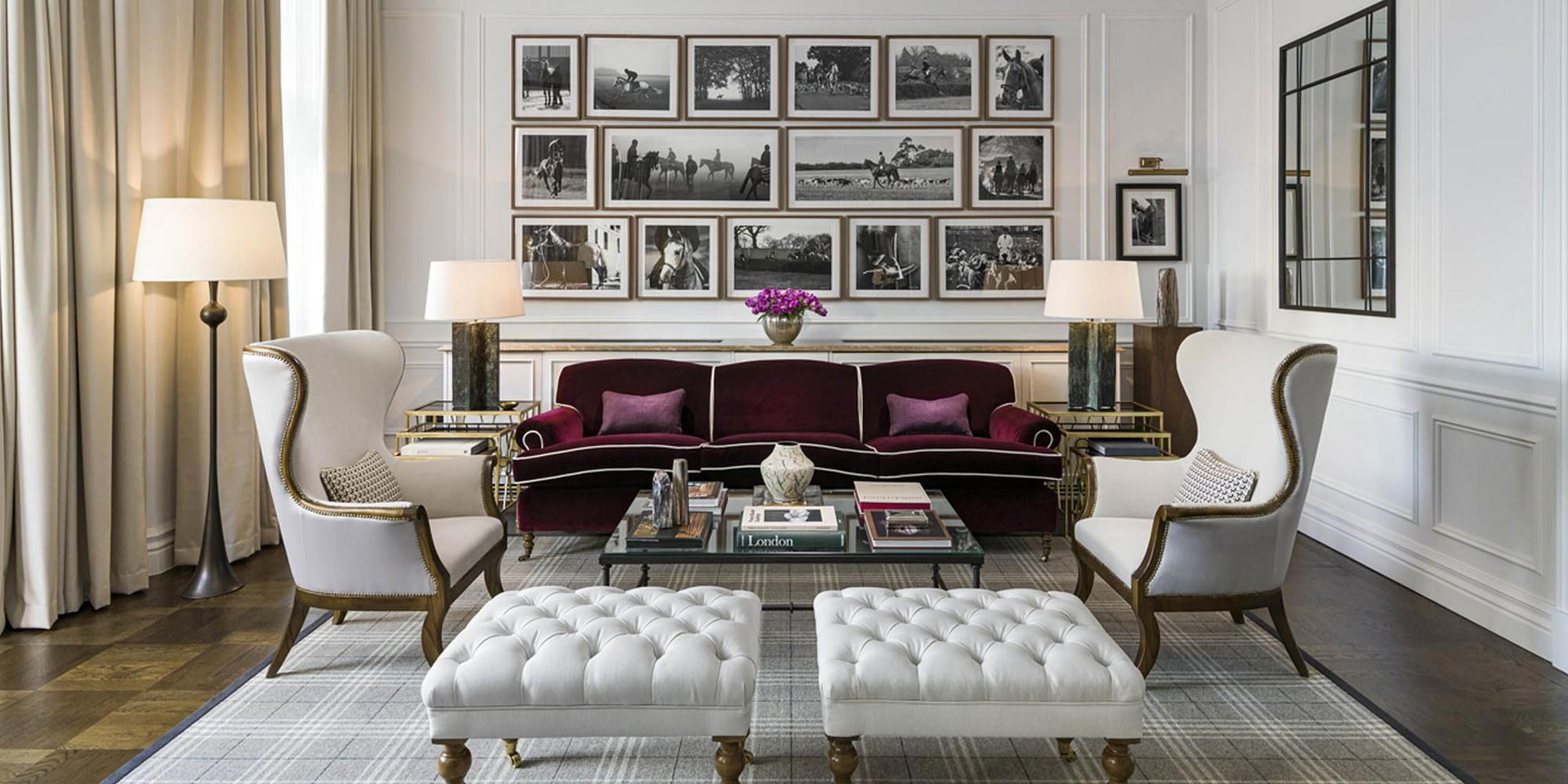
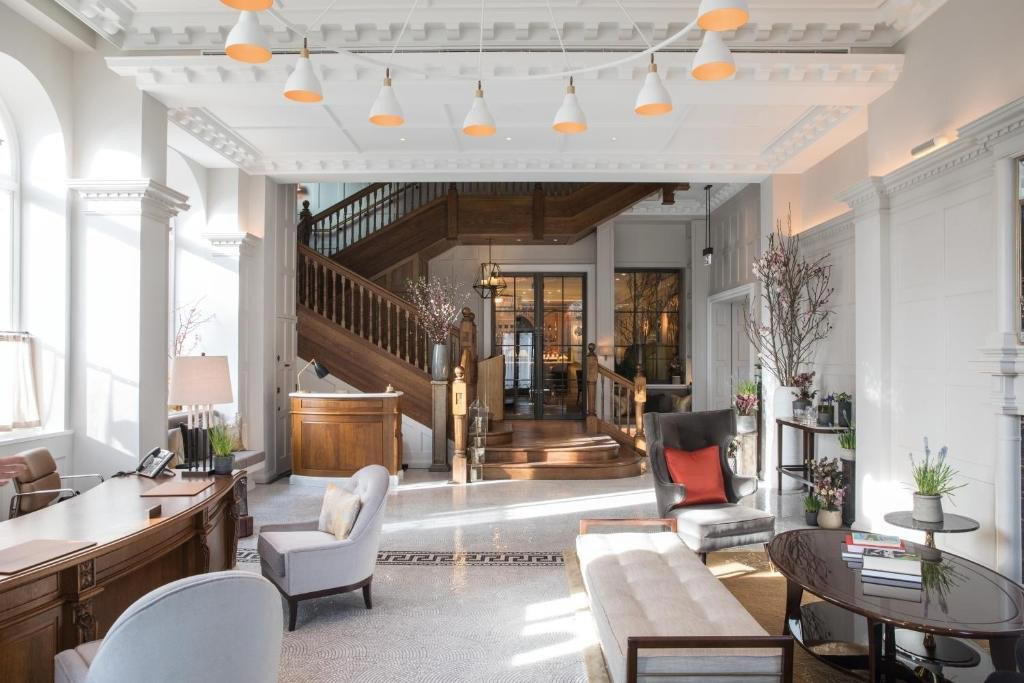
Colorful and playful with a lived-in, homey aesthetic designed to feel like walking into someone's flat; energetic and fun with a casual, welcoming vibe enhanced by silly games and interactive elements.