Sands End
A Fulham neighbourhood pub that positions itself against London's broader gastropub tradition, Sands End on Stephendale Road occupies a quieter residential stretch of SW6 where the cooking tends toward seasonal British produce handled with considered technique. Compared to the destination dining rooms of Notting Hill or Chelsea, it operates at a more local register, the kind of place that earns repeat custom from the postcode rather than the tourist circuit.
Pearl is the En Primeur Club membership app — saves, bookings, and concierge access live there. Same editors, same standards.
- Address
- 135, 137 Stephendale Rd, London SW6 5SA, United Kingdom
- Phone
- +44 20 7731 7823
- Website
- butcombe.com
- Directions
- Get directions
 Saves & bookings on Pearl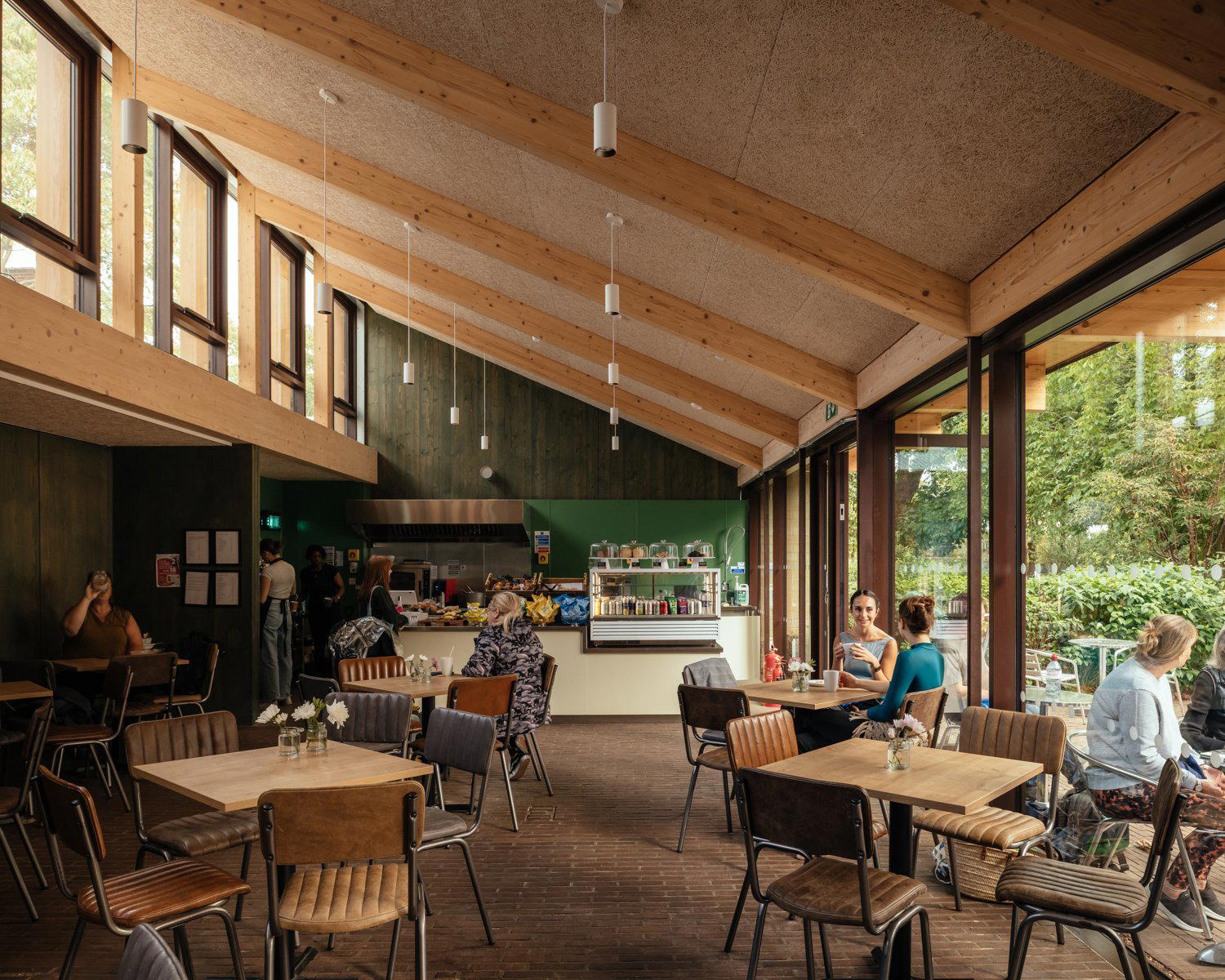
SW6's Residential Dining Register
London's gastropub tradition splits, roughly, into two modes. The first is the destination model: venues that happen to occupy a pub building but price and operate like restaurants, drawing from across the city on the strength of a named chef or a Michelin nod. The second is the neighbourhood model: places that anchor a postcode, earn repeat custom from within walking distance, and measure success by how full the room is on a Tuesday rather than how long the weekend waiting list runs. Sands End, on Stephendale Road in Fulham, sits clearly in the second camp.
That distinction matters because it shapes how you should read the place. The street it occupies, a residential stretch of SW6 between Parsons Green and Wandsworth Bridge Road, is not a dining destination in the way that Ledbury Road or the King's Road functions. There are no flagship rooms nearby drawing comparison. The competitive set is local, the rhythm is local, and the measure of quality is whether the kitchen is doing something more considered than the average London pub while still feeling accessible to someone who lives three streets away.
For context on where London's higher-register cooking sits, venues like CORE by Clare Smyth, The Ledbury, and Dinner by Heston Blumenthal operate in a different bracket entirely, anchored by Michelin stars and tasting-menu formats that require advance booking and considerable spend. Sands End is not in competition with that tier. It is in competition with the better end of the Fulham and Chelsea pub dining scene, where the gap between a competent kitchen and a genuinely good one is meaningful but not astronomical.
The Gastropub Form and What It Demands
The gastropub as a format has been part of London's dining culture since the early 1990s, when venues like The Eagle in Clerkenwell first demonstrated that pub infrastructure could support serious cooking without losing the social ease of a bar. Three decades on, the form has matured unevenly. At the leading, places like Hand and Flowers in Marlow have accumulated Michelin stars while retaining a pub atmosphere, showing what the format can achieve when the kitchen ambition is high and consistent. Across most of London, the reality is more modest: kitchens that cycle through competent seasonal menus without distinguishing themselves in either direction.
The editorial angle worth tracking across the better end of this category is the intersection of imported technique and British produce. The past decade of London pub cooking has absorbed influences from French bistro tradition, from the Nordic emphasis on fermentation and foraged ingredients, and from the broader UK fine-dining shift toward hyper-local sourcing. What distinguishes a kitchen operating in this mode from one simply following trends is whether the technique serves the ingredient or obscures it. When it works, a gastropub menu reads as evidence of a cook who has spent time in serious kitchens and chosen to apply that training to approachable, seasonal material rather than to elaborate tasting menus.
That approach has found expression at a range of scales across British dining. At the formal end, L'Enclume in Cartmel and Moor Hall in Aughton have built international reputations on exactly this premise, classical technique in conversation with the immediate range of northern England. At the country house level, Gidleigh Park in Chagford and Le Manoir aux Quat' Saisons in Great Milton have held that position for longer. The neighbourhood gastropub operates at a different scale and price point, but the underlying discipline is the same: knowing what the produce is, where it comes from, and what technique flatters rather than overwhelms it.
Fulham's Dining Position in the Wider City
Fulham sits in an interesting position in London's dining geography. It is prosperous enough to support kitchens with genuine ambition but lacks the critical density of restaurants that would make it a destination in the way that Soho, Mayfair, or even Notting Hill functions. The result is a neighbourhood where a well-run local dining room can hold a meaningful position without the competitive pressure of central London, but also without the safety net of passing footfall. Venues here rely on word-of-mouth and repeat business in a way that central London restaurants do not.
That context is worth holding when placing Sands End. The address on Stephendale Road is not a high-traffic location. It requires intent to reach. Diners arriving there have, by definition, already decided to go, which creates a different room dynamic than a restaurant that catches passing trade. The expectation is comfort and reliability rather than spectacle.
For comparison across British cooking at higher registers, The Fat Duck in Bray represents the experimental end of the national tradition, while Restaurant Gordon Ramsay and Sketch, The Lecture Room and Library anchor the formal French-influenced end of London's fine dining. Internationally, the technique-meets-local-ingredient conversation appears in different forms at Le Bernardin in New York City and Atomix in New York City, both of which demonstrate how imported culinary frameworks can be applied to a specific local context with rigorous results.
Planning a Visit
The restaurant is located at 135 to 137 Stephendale Road, London SW6 5SA. The address sits in a residential part of Fulham, most practically reached by car or taxi from Parsons Green or Fulham Broadway underground stations, both on the District line. As a neighbourhood pub dining room, it operates on a different booking logic than destination restaurants: walk-ins are more likely to be accommodated than at central London venues with managed waiting lists, but evenings and weekends in a room of this type typically fill with regulars, and checking availability in advance remains sensible.
Quick reference: 135 to 137 Stephendale Road, London SW6 5SA.
The Minimal Set
Comparable venues nearby, for context on price, style, and recognition.
| Venue | Cuisine | Price | Notes |
|---|---|---|---|
| Sands EndThis venue — the venue you are viewing | Sands End, British Gastropub | $$ | Not listed |
| Andover Arms | Hammersmith Broadway, British Gastropub | $$ | Not listed |
| The Cross Keys | Chelsea, British Gastropub | $$ | Not listed |
| Melody | Not listed | $$ | Barons Court, British Afternoon Tea & European |
| Mall Tavern | Not listed | $$ | Kensington Palace Gardens, British Gastropub |
| Sam's Kitchen | Not listed | $$ | Hammersmith Broadway, Modern British Brunch & Burgers |
Continue exploring
More in London
Restaurants in London
Browse all →
Bars in London
Browse all →
Hotels in London
Browse all →



At a Glance
- Cozy
- Lively
- Sophisticated
- Classic
- Casual Hangout
- Family
- Group Dining
- Brunch
- Standalone
- Terrace
- Craft Cocktails
- Beer Program
- Local Sourcing
- Farm To Table
Current opening hours
- Monday
- 10 AM–11 PM
- Tuesday
- 10 AM–11 PM
- Wednesday
- 10 AM–11 PM
- Thursday
- 10 AM–11 PM
- Friday
- 10 AM–11:30 PM
- Saturday
- 10 AM–11:30 PM
- Sunday
- 10 AM–10 PM
Hours can change for holidays and private events. Last verified .