The Little Beast

Our verdict
On Ballard Avenue NW, The Little Beast earns its place in the national conversation through the kind of cooking that Bon Appétit and similar outlets track when they compile their annual best-dish lists. Named among the 23 Best Restaurant Dishes eaten across the U.S., it operates within Seattle's Ballard neighbourhood, where the city's most relaxed and ingredient-focused dining has steadily concentrated over the past decade.

Pearl is the En Primeur Club membership app, where members save venues, book tables and use the concierge.
The menu
What to order
- Pork Chop with Grilled Nectarines
- Lamb Korma Meat Pie
- Scotched Eggs
- Dry-Aged Steak
Ballard's Dining Character and Where The Little Beast Fits
Ballard Avenue NW has become one of the more coherent dining streets in Seattle, not because of a single anchor institution but because of a cluster of owner-operated rooms that prioritise cooking over concept. The neighbourhood sits northwest of Capitol Hill's more theatrical dining scene and operates at a different register from the white-tablecloth formality of Canlis or the precise New Asian technique of Joule. What Ballard produces, at its finest, is food that reads as specific to place without performing that specificity, the kind of cooking that travels by word of mouth and earns national press attention without chasing it.
The Little Beast, at 5107 Ballard Ave NW, sits within that current. It was named among the 23 Best Restaurant Dishes eaten across the United States, a list that measures single dishes against a national field and tends to reward cooking with a clear point of view. That kind of recognition places The Little Beast in a peer group that includes restaurants operating well above the neighbourhood-favourite tier, even when the room itself reads as casual and the address is decidedly local.
Approaching the Room
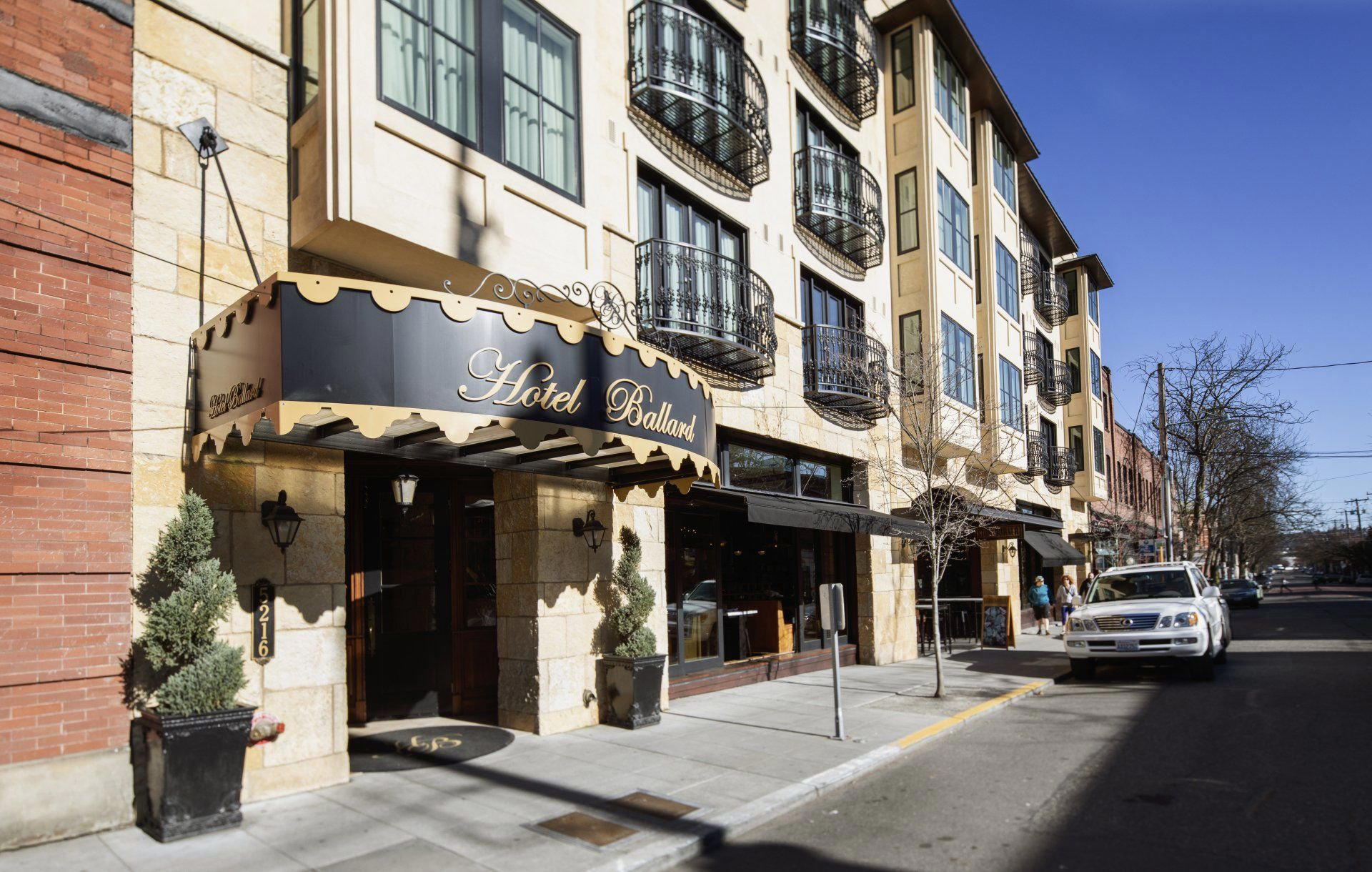
Ballard Ave NW has a particular quality in the late afternoon and early evening: the light off Puget Sound arrives at a low angle, storefronts hold onto warmth longer than you expect, and the street operates at the pace of a neighbourhood rather than a destination strip. Walking toward The Little Beast in that window, you are already in a different frame of mind than you would be arriving at a downtown address via rideshare.
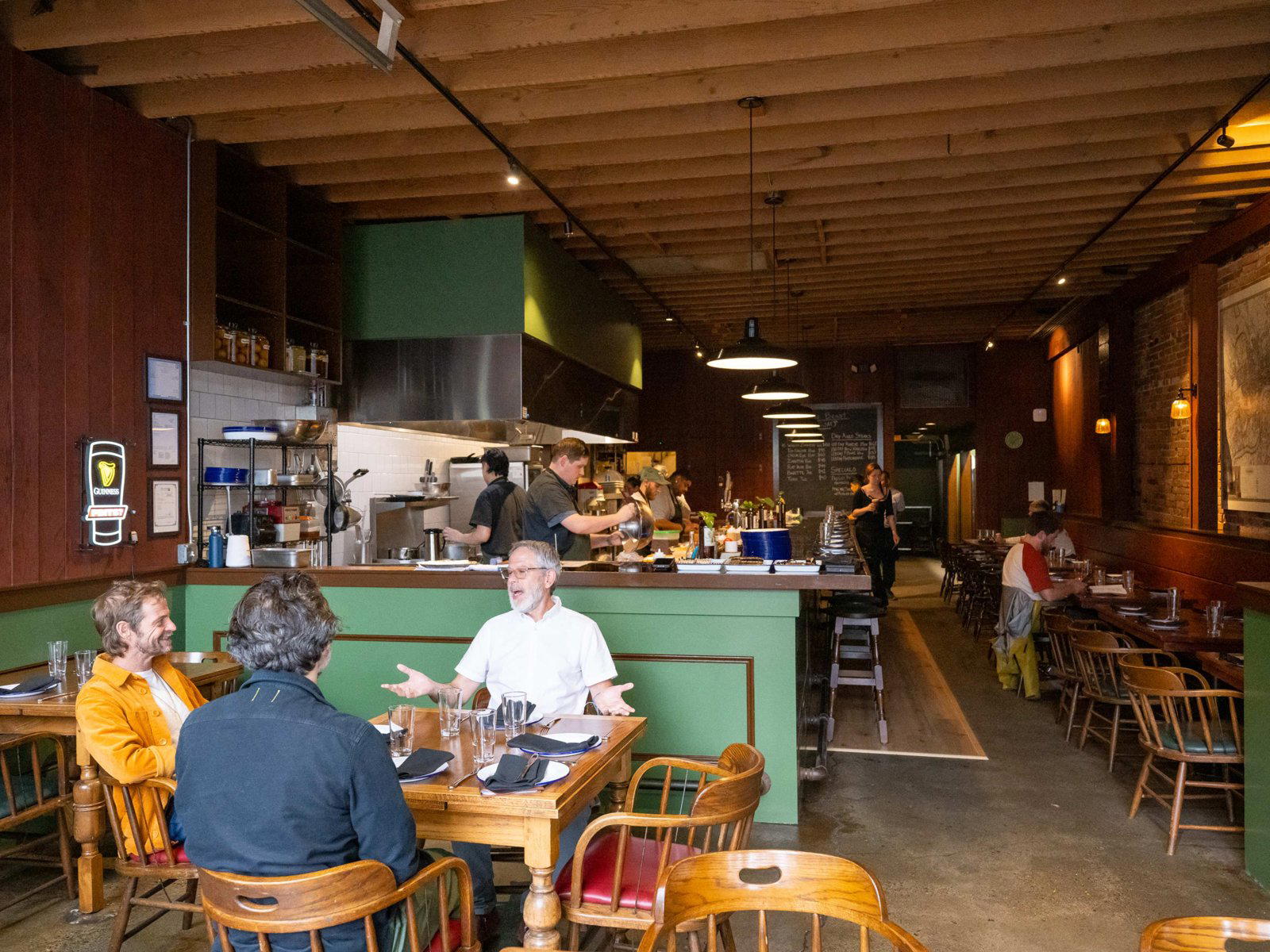
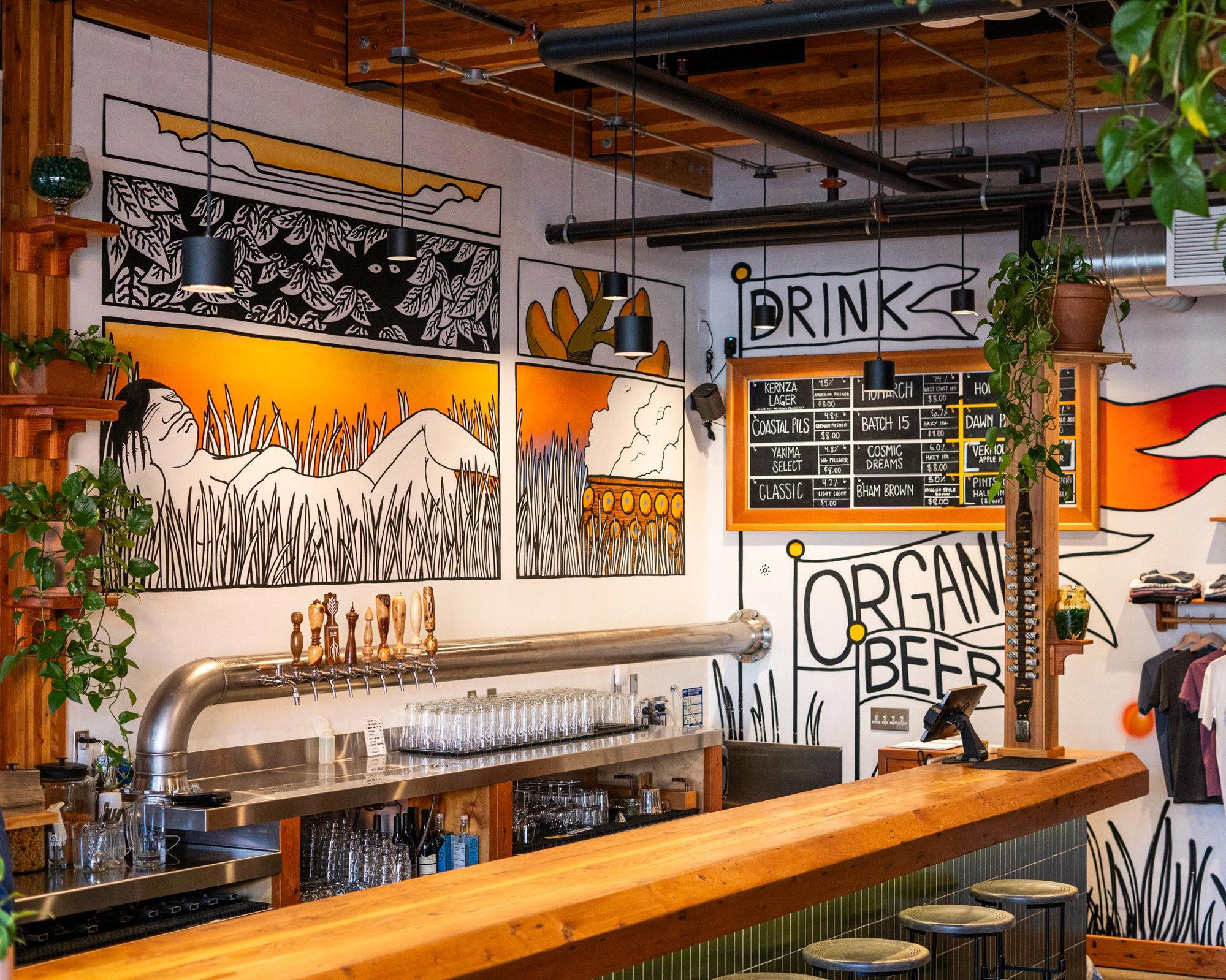
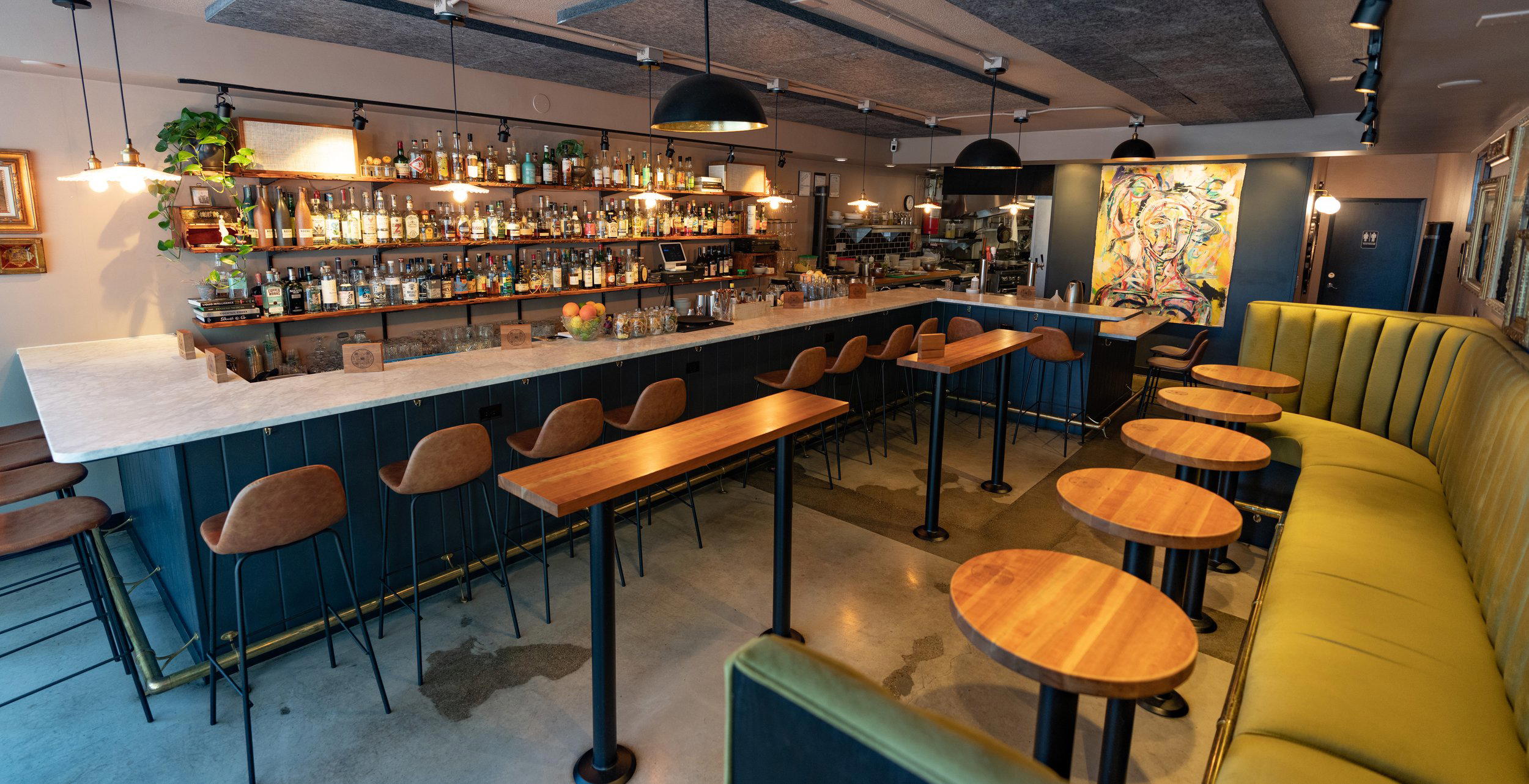
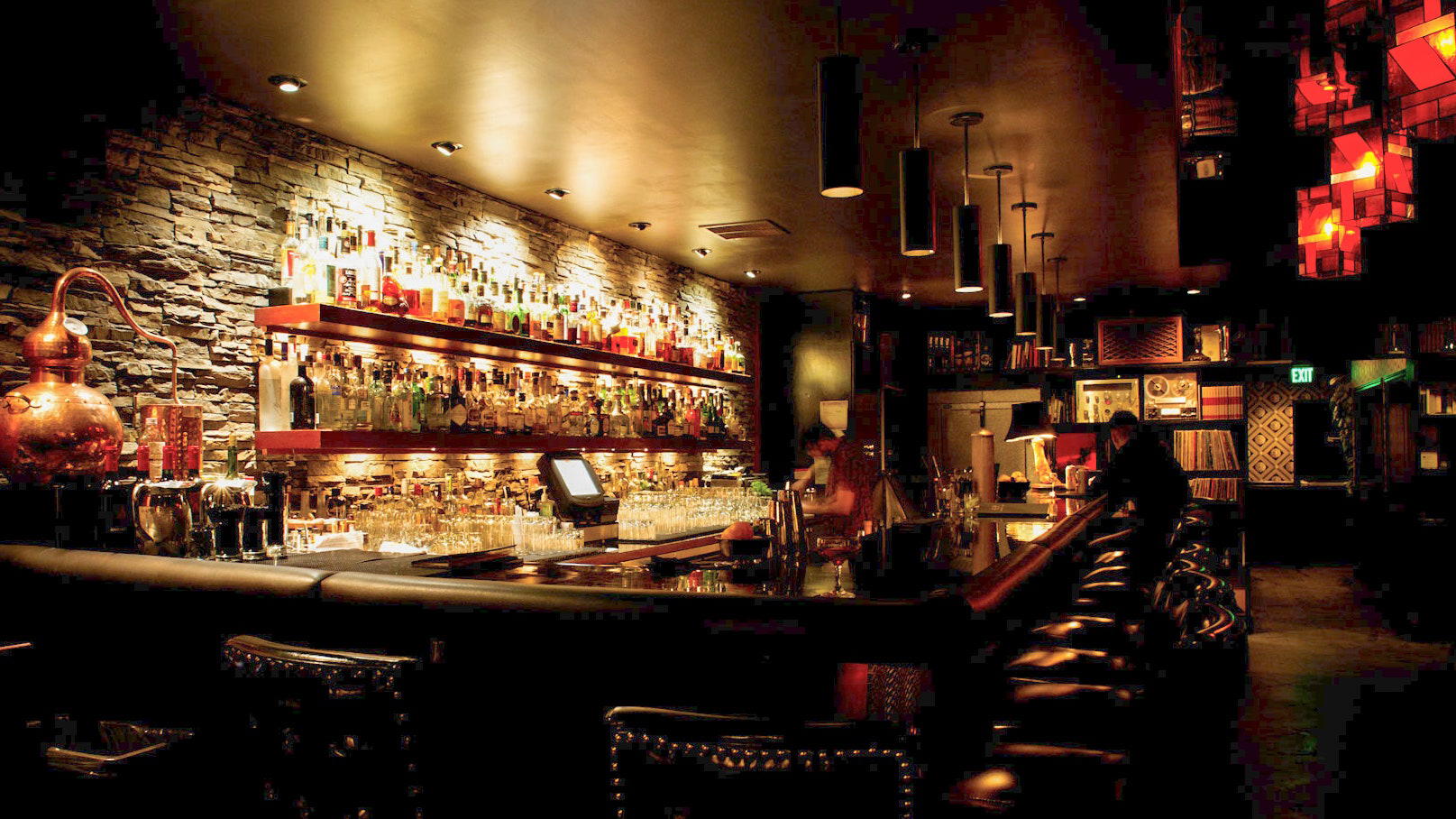
The physical environment of small rooms on Ballard Avenue tends toward exposed materials, close tables, and the ambient noise of a full house rather than a hushed dining room. This is not the insulated quiet of Altura or the considered Pacific Northwest framing of Archipelago. The sensory experience here is warmer and more compressed, which suits the kind of cooking the restaurant has been recognised for. Dishes of the calibre cited by national critics tend to need that kind of room, one where the food can be the focus without competing with architectural spectacle.
What the Award Recognition Tells You
Being listed among the 23 best restaurant dishes eaten across the United States in a given year is a specific, evidence-backed credential. Publications and critics who compile such lists eat widely and score against a national competitive set that includes formal tasting-menu rooms like Alinea in Chicago and destination restaurants like The French Laundry in Napa. The fact that a Ballard Avenue room appears on the same list signals cooking that justifies the comparison, whatever the price point or format.
Seattle's better-known export restaurants, in critical terms, have historically clustered around Capitol Hill and the downtown waterfront. The Atoma style of contemporary Pacific Northwest, or the polished dining-room productions that earn Michelin attention, represent one end of that spectrum. The Little Beast represents a different path to national recognition: through a single dish that was compelling enough to be remembered and documented. This mirrors how restaurants in comparable neighbourhoods elsewhere, from the Mission in San Francisco to Bed-Stuy in Brooklyn, have entered the national conversation, not through institutional credentials first, but through cooking that earns them.
For context within the broader American dining field, the restaurants that tend to produce nationally celebrated individual dishes operate with focused menus and strong culinary identity. Across the country, from Lazy Bear in San Francisco to Atomix in New York, the common thread is a kitchen with a clear sense of what it is doing and why. The Little Beast earns its place in that reference frame through the same mechanism.
The Little Beast Ballard: Planning Your Visit
The address is 5107 Ballard Ave NW, Seattle, WA 98107, placing it in the walkable stretch of Ballard Avenue where most of the neighbourhood's better restaurants concentrate. Ballard is accessible from central Seattle by the D Line rapid ride or by car, with street parking available along and adjacent to Ballard Ave NW, though evening demand along the strip can require a short walk. Given the restaurant's award recognition and the general pattern of Ballard's more serious rooms, booking ahead is the sensible approach, particularly for weekend evenings.
Ballard fits naturally into a broader Seattle itinerary that includes the neighbourhood's weekend farmers market (one of the largest in the Pacific Northwest), the area's Scandinavian heritage architecture, and the waterfront access at Salmon Bay. For those building a fuller picture of Seattle dining, bars, and accommodation, our full Seattle restaurants guide, Seattle hotels guide, Seattle bars guide, Seattle wineries guide, and Seattle experiences guide cover the wider field.
For reference across the national dining tier that The Little Beast has entered through its award recognition, the EP Club profiles of Le Bernardin in New York City, Emeril's in New Orleans, Single Thread Farm in Healdsburg, and 8 1/2 Otto e Mezzo Bombana in Hong Kong offer useful points of comparison for travellers calibrating their dining priorities.
Frequently asked questions
What should I order at The Little Beast?
Can I walk in to The Little Beast?
City Peers
| Venue | Cuisine | Price | Awards |
|---|---|---|---|
| The Little BeastThis venue (the venue you are viewing) | Traditional British Pub | $50–100 | Not listed |
| Canlis | Modern American Fine Dining | $200–300 | Star Wine List · James Beard Award Semi Finalist |
| Joule | Korean-Fusion Steakhouse | $50–100 | James Beard Award Outstanding Bar Program |
| Altura | Italian-Inspired Pacific Northwest Tasting Menu | $150–200 | Not listed |
| Ba Bar | Authentic Vietnamese Street Food | $20–30 | Not listed |
| Bakery Nouveau | Bakery | $10–20 | Not listed |
Recognition history
Dated appearances from independent guides and award organizations, with the underlying list record or original source where available.
New York Times The 23 Best Restaurant Dishes We Ate Across the U.S.
New York Times
Continue exploring
More in Seattle
Restaurants in Seattle
All restaurants in Seattle →
Bars in Seattle
All bars in Seattle →
Details
- Classic
- Cozy
- Lively
- Rustic
- Special Occasion
- Group Dining
- Casual Hangout
- Standalone
- Craft Cocktails
- Local Sourcing
- A La Carte
- Small Plates
- Cocktails
- Beer
Current opening hours
- Monday
- Closed
- Tuesday
- Closed
- Wednesday
- Closed
- Thursday
- 4–9 PM
- Friday
- 4–9 PM
- Saturday
- 4–9 PM
- Sunday
- 12–5:30 PM
Hours can change for holidays and private events. Hours as of .
Garden-variety pub aesthetic with sing-along rock classics soundtrack, warm and inviting with a lowkey special occasion feel that balances casual comfort with culinary sophistication.