On Alma Street in Vancouver's Point Grey, The Kitchen Dada occupies a position in the city's neighbourhood dining scene distinct from the downtown-concentrated fine-dining tier. Without the press infrastructure of a Gastown address or a Michelin listing, it draws a local following based on proximity and consistency rather than reputation arbitrage. For visitors mapping Vancouver's full restaurant picture, it represents the residential-neighbourhood end of the spectrum.
Pearl is the En Primeur Club membership app — saves, bookings, and concierge access live there. Same editors, same standards.
- Address
- 2535 Alma St, Vancouver, BC V6R 3R8, Canada
- Phone
- +17787241133
- Website
- thekitchendada.com
- Directions
- Get directions
 Saves & bookings on Pearl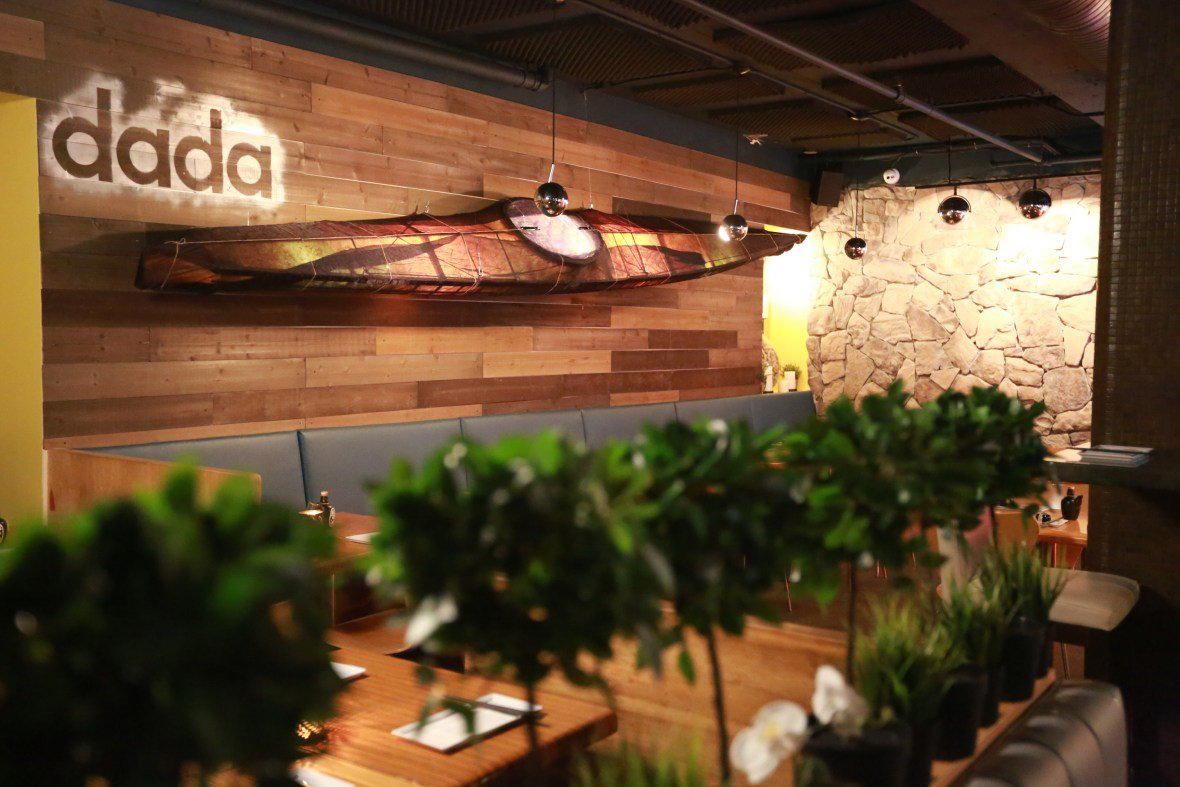
Alma Street and the Architecture of Neighbourhood Dining in Vancouver
Vancouver's restaurant geography has a clear topology. The dense, award-chasing tier concentrates in Gastown, Chinatown, and the West End, where venues like Kissa Tanto, Barbara, and AnnaLena compete inside a recognisable fine-dining comparable set, pricing against each other and chasing the same editorial recognition. Further west, in Point Grey and Kitsilano, a different kind of restaurant survives on different terms: repeat neighbourhood clientele, walkable catchment, and a physical environment scaled to residential life rather than destination dining. The Kitchen Dada, at 2535 Alma Street, is a modern Japanese sushi and grill restaurant in Vancouver.
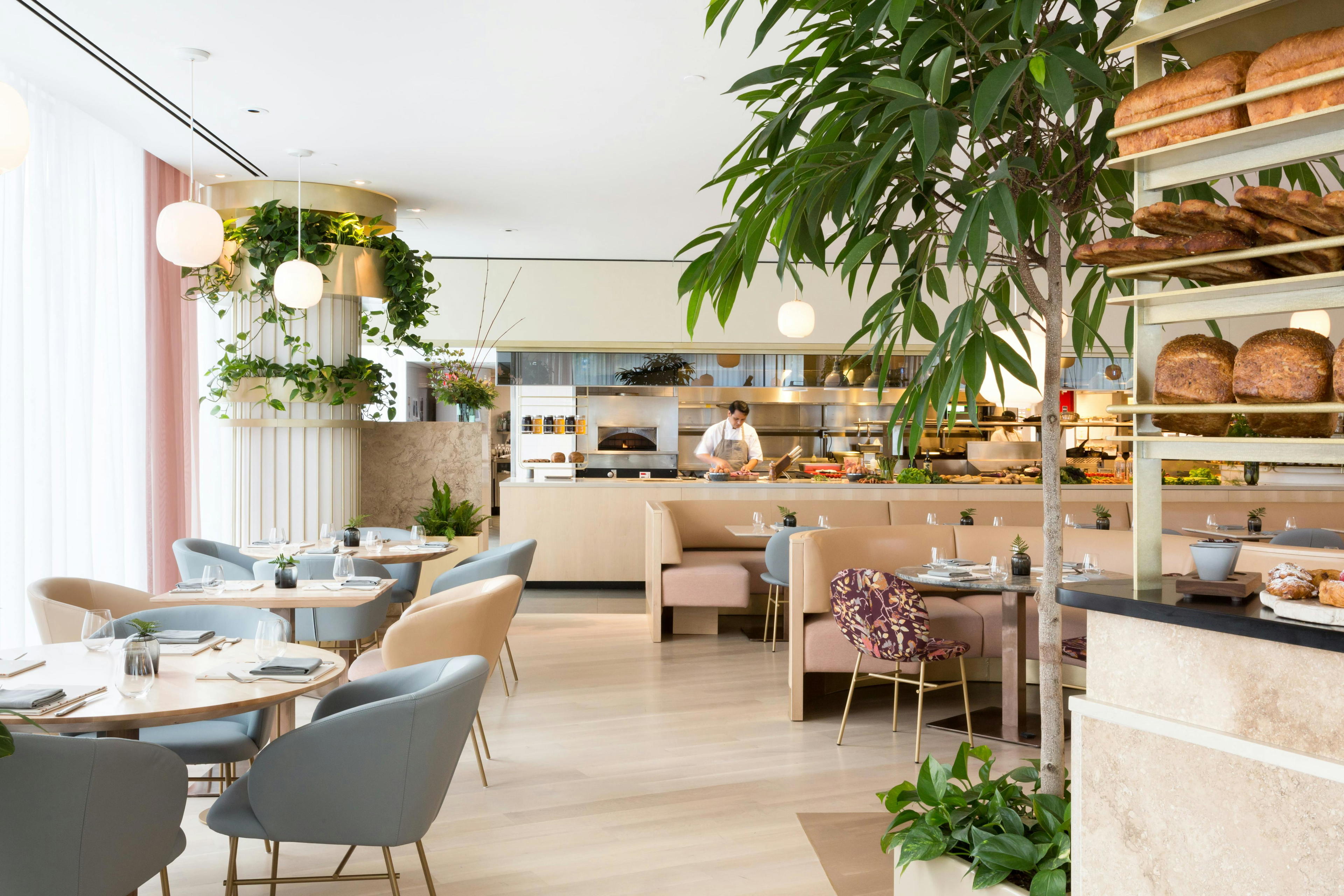
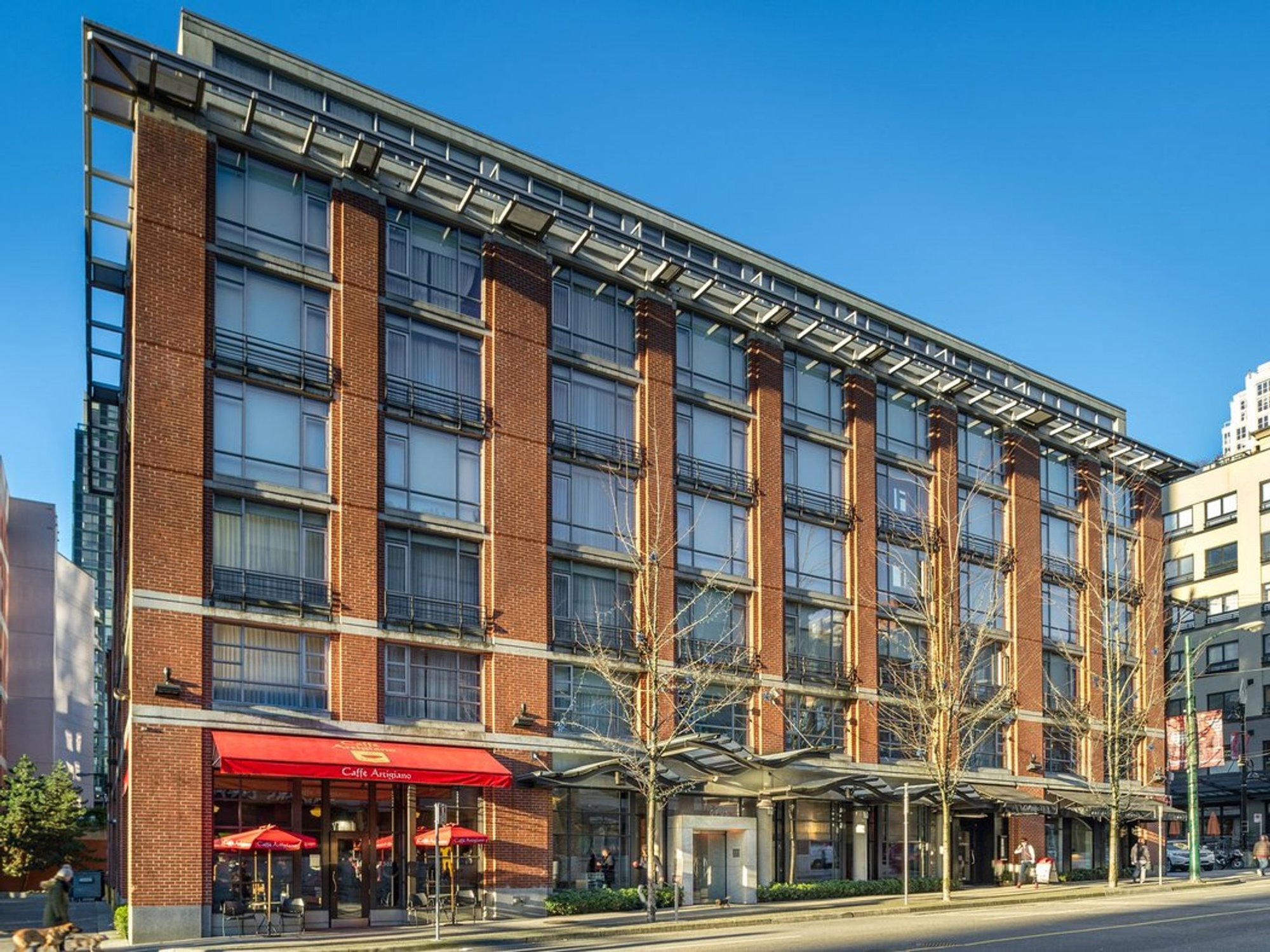
What that address signals to a Vancouver resident is specific. Alma Street sits at the boundary between Kitsilano and Point Grey, a corridor where the density of cafes, independent grocers, and casual restaurants reflects the demographics of the surrounding blocks rather than a curated dining district. The buildings are low-rise, the street is quiet relative to Broadway or 4th Avenue, and the expectation walking in is intimacy rather than spectacle. The physical container a restaurant occupies in this part of the city tends to be modest in footprint, which typically translates into a particular kind of table arrangement: close-set, low-ceilinged, reliant on the quality of light and surface material to create warmth rather than volume.
What the Space Does to the Experience
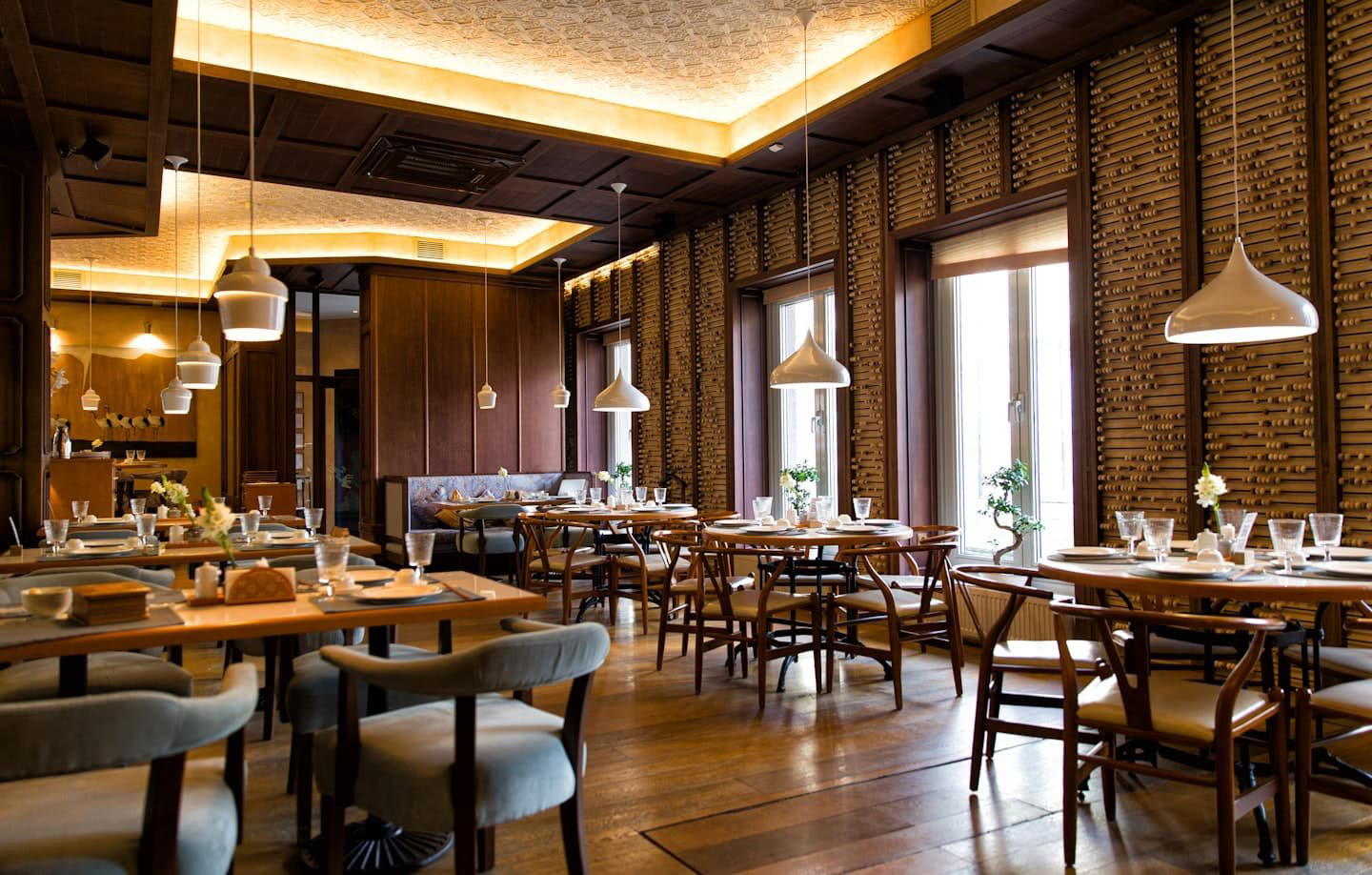
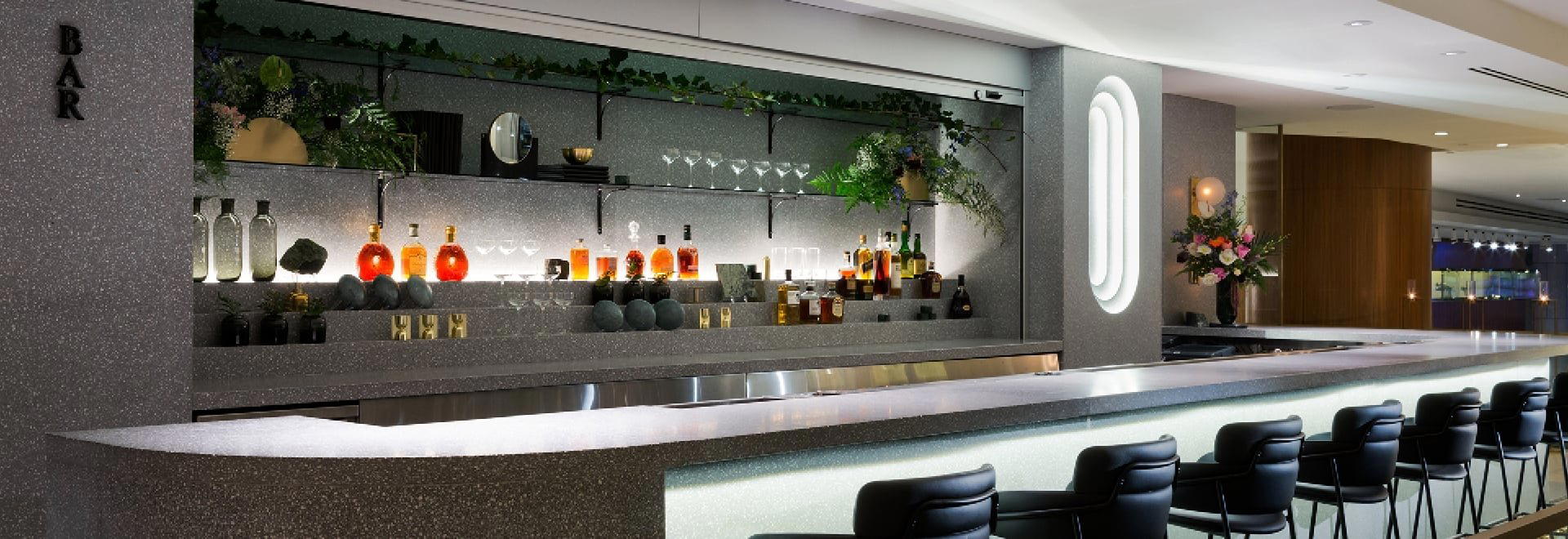
In Vancouver's neighbourhood dining tier, the design brief is almost always constrained by the building stock available. Unlike purpose-built restaurant spaces in newer developments downtown, Kitsilano-to-Point-Grey addresses tend to occupy former retail units or converted ground-floor residential spaces, with ceiling heights and floor plans that limit dramatic architectural gesture. The tension this creates is productive: it forces a restaurant to work through texture, material, and seating density rather than spatial grandeur. The venues in this tier that earn durable local followings typically do so by resolving that tension well, creating spaces where the scale reads as deliberate rather than simply small.
This is a different calculus than what drives the $$$$ tier. Venues like Masayoshi or iDen & QuanJuDe Beijing Duck House occupy spaces where the architecture either announces itself or serves a highly specific format (counter omakase, formal banquet room). The neighbourhood restaurant has no such format discipline to rely on. It must convince a diner that the particular room they are sitting in is reason enough to return, even without the external validation of awards or press profiles.
Where Dada Fits in Canada's Broader Restaurant Conversation
Canada's premium dining conversation in recent years has concentrated on a handful of named institutions: Alo in Toronto, Tanière³ in Quebec City, Jérôme Ferrer - Europea in Montreal. Further afield, places like Restaurant Pearl Morissette in Lincoln and Eigensinn Farm in Singhampton have built reputations on destination-dining logic, where the journey is part of the proposition. Even within British Columbia, the critical attention flows toward wherever the next Michelin announcement is expected. The Kitchen Dada does not participate in that conversation. Its address in residential Point Grey positions it outside the geography that generates that coverage, which is neither a liability nor a virtue in itself. It simply means the restaurant competes on different criteria.
For comparison, consider how Canada's smaller, place-specific restaurants operate: Narval in Rimouski, The Pine in Creemore, or Barra Fion in Burlington each maintain a local identity that press coverage in Toronto or Vancouver does not fully capture. The Kitchen Dada belongs to a similar category within Vancouver itself: known well to the neighbourhood, less legible to visitors mapping the city through award lists alone.
Internationally, the question of what a neighbourhood restaurant owes its immediate community versus its broader reputation is debated in every dining city. New York resolves it one way at Le Bernardin, where even particularly destination-oriented restaurants serve a local professional clientele as their base; Atomix resolves it differently, with a format so precise it functions as a destination regardless of neighbourhood. Vancouver's neighbourhood tier has not yet produced a venue that bridges those two modes consistently. The restaurant's Alma Street location places it firmly in the community-first mode.
Planning a Visit: Context and Logistics
The address at 2535 Alma Street is accessible by transit via the 84 bus route along 4th Avenue, with Alma Street a short walk south. Street parking is available in the surrounding residential blocks. The location sits approximately equidistant from the core of Kitsilano and the start of the Point Grey residential area, making it a reasonable stop when covering the western arc of Vancouver's dining map. For a fuller picture of where it sits relative to the city's broader restaurant scene, see Vancouver restaurants across the range from neighbourhood independents through to the formal fine-dining tier, including the historic dining traditions that anchor different parts of the Canadian restaurant conversation. Further context on Vancouver's competitive fine-dining set appears in the individual profiles of Kissa Tanto, AnnaLena, and Masayoshi, which collectively illustrate the upper tier against which neighbourhood restaurants are implicitly measured.
| Venue | Neighbourhood | Price Tier | Format |
|---|---|---|---|
| The restaurant | Point Grey / Kitsilano border | Not confirmed | Neighbourhood restaurant |
| AnnaLena | Kitsilano | $$$$ | Contemporary tasting / à la carte |
| Kissa Tanto | Chinatown | $$$$ | Italian-Japanese fusion |
| Masayoshi | Fairview | $$$$ | Omakase sushi counter |
| Bearspaw Golf Club | Calgary | Not confirmed | Club dining |
The Quick Read
Comparable venues nearby, for context on price, style, and recognition.
| Venue | Cuisine | Price | Notes |
|---|---|---|---|
| The Kitchen DadaThis venue — the venue you are viewing | Not listed | $$ | Not listed |
| Vegan Shoku Japanese Restaurant | Arbutus Ridge, Vegan Japanese Sushi | $$ | Not listed |
| Maruhachi Ra-men Westend | Not listed | $$ | West End, Creamy Chicken Broth Ramen (Tori-Paitan) |
| The Ramen Butcher(Chinatown) | Chinatown, Hakata-Style Tonkotsu Ramen | $$ | Not listed |
| Toyokan | Kitsilano, Modern Japanese Izakaya | $$ | Not listed |
| Oshi Nori | Yaletown, Modern Japanese Hand Roll Bar | $$ | Not listed |
Continue exploring
More in Vancouver
Restaurants in Vancouver
Browse all →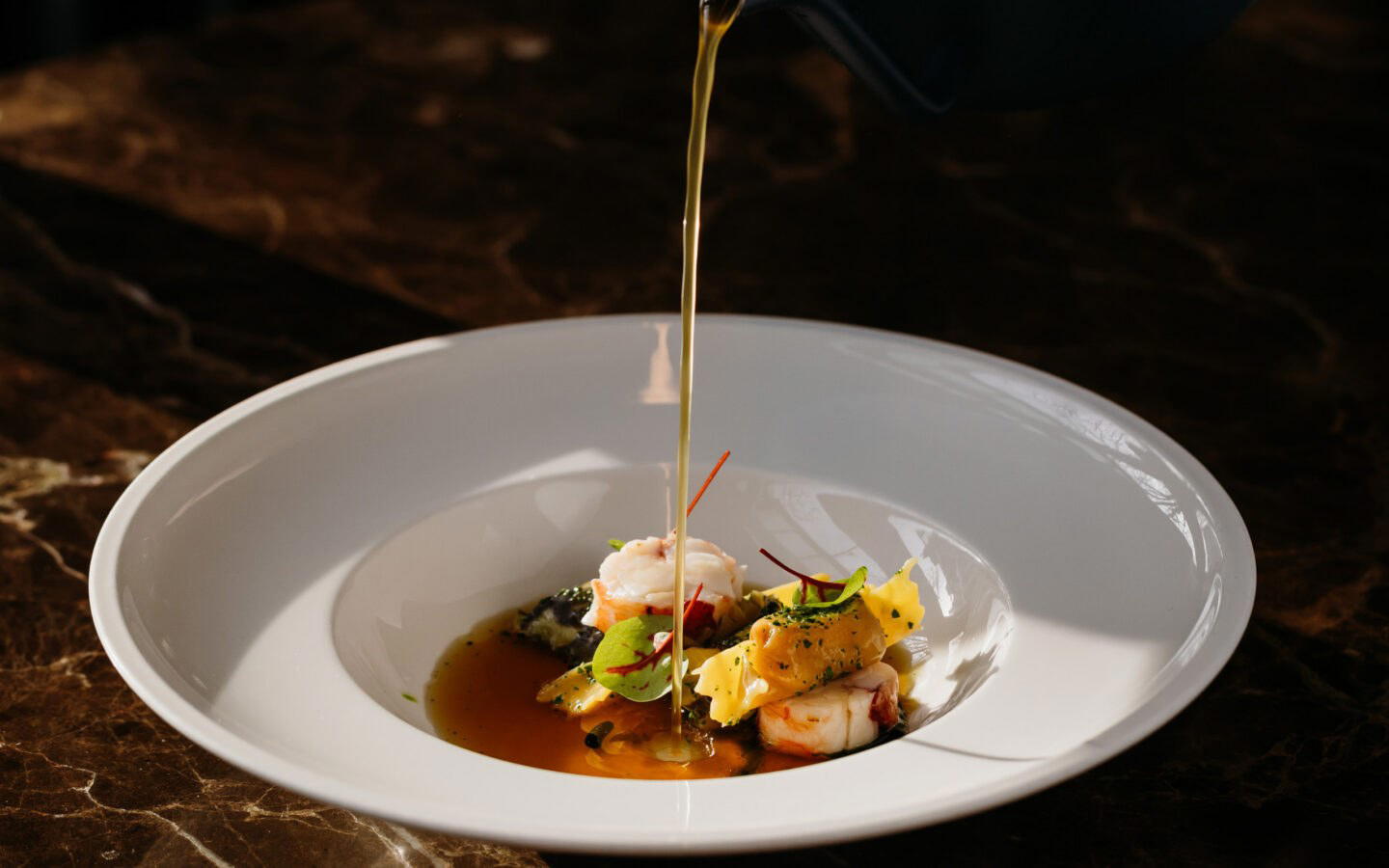
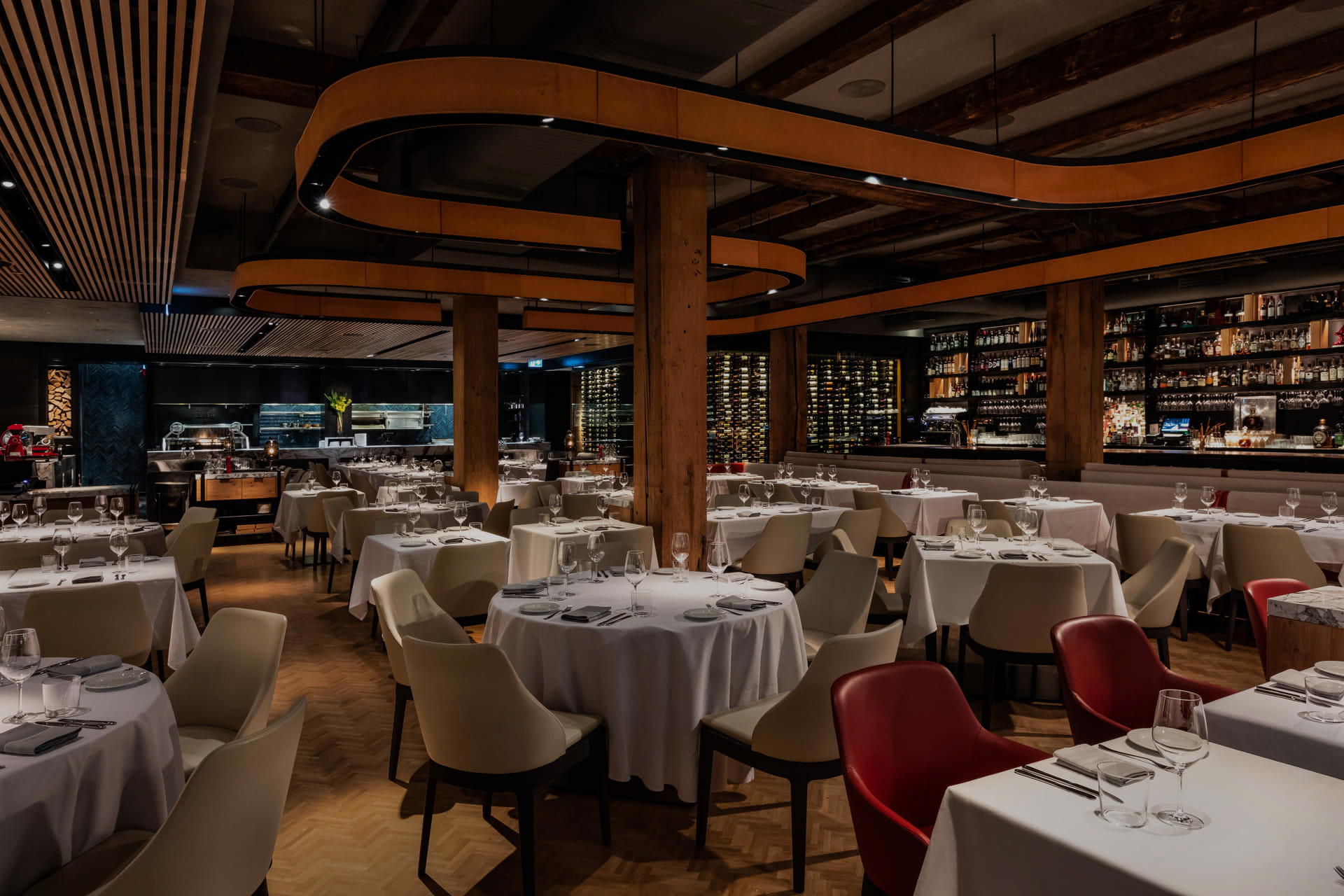
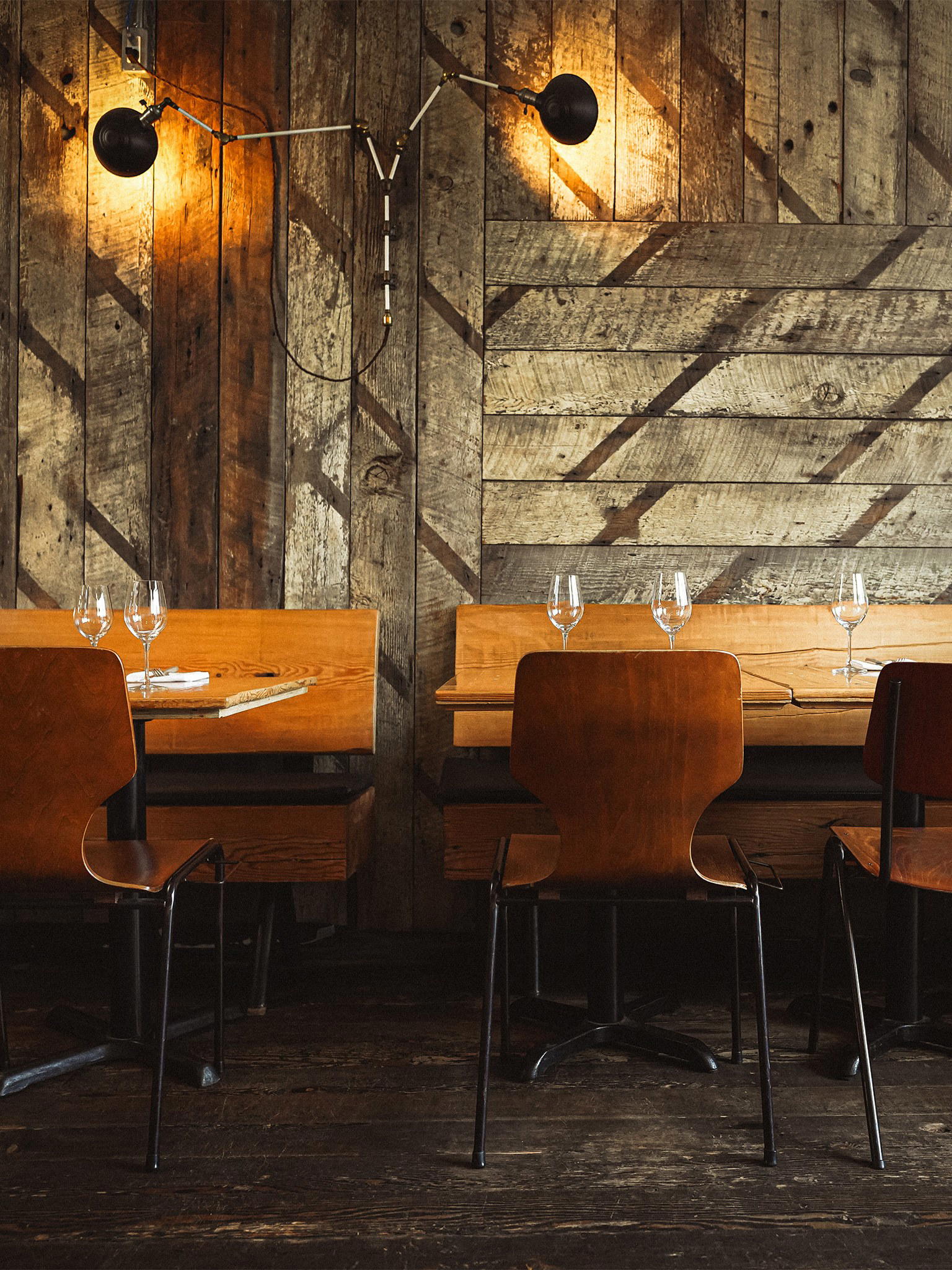
Bars in Vancouver
Browse all →
At a Glance
- Cozy
- Elegant
- Casual Hangout
- Group Dining
- Solo
- Standalone
- Sustainable Seafood
Current opening hours
- Monday
- Closed
- Tuesday
- Closed
- Wednesday
- 11 AM–9 PM
- Thursday
- 11 AM–9 PM
- Friday
- 11 AM–9 PM
- Saturday
- 11 AM–9 PM
- Sunday
- 11 AM–9 PM
Hours can change for holidays and private events. Last verified .
Warm and welcoming neighbourhood spot with a focus on quality craftsmanship and attention to detail in both food and service.