Our verdict
On Bidwell Street in Vancouver's West End, Maruhachi Ra-men sits within a neighbourhood that has developed a concentrated ramen culture over the past decade. The shop occupies the accessible end of the ramen spectrum in a city where Japanese noodle formats range from quick-service counters to omakase-adjacent tasting experiences. For visitors planning a West End afternoon, it functions as a reliable neighbourhood anchor rather than a destination dining event.

Pearl is the En Primeur Club membership app, where members save venues, book tables and use the concierge.
The West End Ramen Circuit
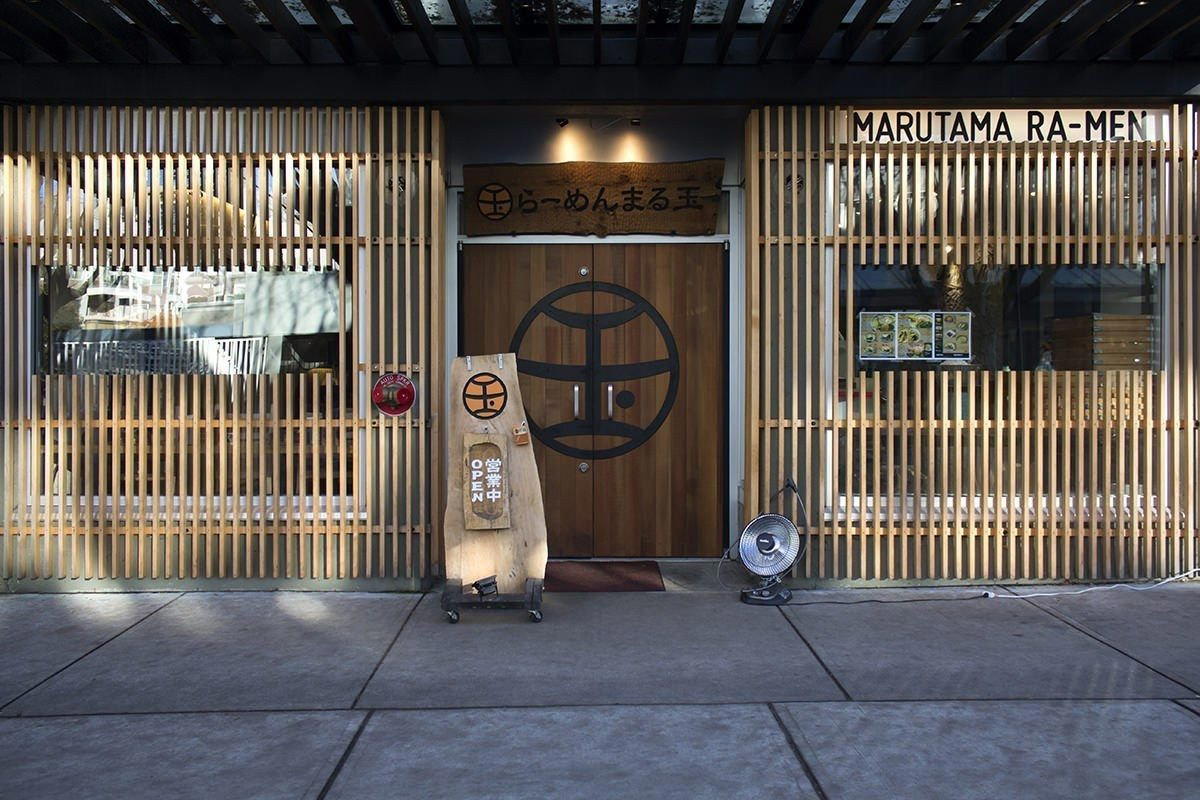
Vancouver's West End has accumulated one of the city's densest clusters of Japanese food culture outside of Richmond, driven partly by the neighbourhood's long-standing Japanese-Canadian population and partly by proximity to downtown hotels and the Davie Street dining corridor. Ramen specifically has followed a pattern seen in Seattle, Portland, and Toronto: an initial wave of tonkotsu-forward shops in the 2000s, followed by a broader stylistic range that now includes shoyu, shio, and regional Japanese styles less commonly seen a decade ago. Maruhachi Ra-men on Bidwell Street sits inside this evolution, operating from an address that places it a short walk from English Bay and the concentration of foot traffic that feeds casual dining in the neighbourhood.
The broader ramen category in Vancouver operates across a meaningful price and format range. At the accessible end, bowls arrive quickly, seats turn over at lunch pace, and the experience is built around repeatability rather than occasion. At the other end, counter-format Japanese restaurants in Vancouver, such as Masayoshi and Kissa Tanto, charge at the $$$$ tier and require advance booking. Maruhachi occupies a different position in that range, closer to the neighbourhood-staple model than the occasion-dining model. That distinction matters when planning a Vancouver itinerary: you are not booking this the way you book AnnaLena or Barbara.
Approaching Bidwell Street
Bidwell runs perpendicular to Davie, one block from the seawall, in a stretch of the West End that mixes residential apartment buildings with small retail and food businesses. The scale is low-rise and pedestrian. On a weekday lunch, the street operates at a slower tempo than Robson or Granville; on weekends, English Bay beach traffic pulls a larger crowd through the surrounding blocks. Ramen shops in this kind of neighbourhood tend to build their audience through proximity and repetition rather than destination pull, and the clientele at any given session reflects that: local residents, office workers from nearby buildings, and visitors staying at West End hotels who are looking for something faster and less expensive than a full dinner reservation.
Planning Around a Ramen Stop
The editorial angle that matters most for a shop like this is logistical, because the planning calculus differs substantially from the city's higher-profile restaurant tier. Vancouver's $$$$ dining layer, which includes spots like iDen & QuanJuDe Beijing Duck House for Chinese or Masayoshi for Japanese omakase, requires advance booking, sometimes weeks out. Neighbourhood ramen operates on a different system: walk-in, queue if needed, seat yourself when space opens. The practical implication is that a ramen stop can be inserted into a day's plan with flexibility that a tasting-menu dinner cannot.
For visitors building a West End afternoon, the sequence that works is arriving outside peak lunch hours (before noon or after 1:30 p.m. on weekdays) to reduce wait time. On weekends during summer, the English Bay foot traffic extends the busy window considerably. The Bidwell Street location is walkable from the majority of West End hotels and accessible from downtown via a short transit or cab ride. No booking infrastructure is required, which also means no cancellation risk if plans shift.
Where Ramen Sits in Vancouver's Japanese Food Map
Japanese cuisine in Vancouver is not monolithic. Richmond anchors the city's most extensive Japanese-Canadian and Asian food culture, with izakayas, ramen shops, and specialist Japanese grocery operations concentrated along No. 3 Road and the surrounding blocks. Downtown and the West End carry a different version of that culture: more accessible by foot from hotels, more mixed in format, and more integrated with the broader dining population. Ramen shops in the West End tend to serve a customer base that is less specialist-focused than Richmond's and more convenience-driven, which shapes the format and pace of service.
At the higher end of Vancouver's Japanese dining tier, the experience moves toward counter-format omakase and Michelin-adjacent recognition. The city's contemporary fine dining, represented by spots like AnnaLena and Barbara, sits in a separate competitive set entirely. Maruhachi occupies a position that is genuinely useful for a different kind of visit: the post-seawall walk, the budget-conscious traveller, the repeat visitor who has already covered the occasion-dining tier and wants something low-friction. Across Canada, casual Japanese noodle shops fill this role in cities from Toronto (where Alo represents the opposite extreme of the dining spectrum) to Quebec City (where Tanière³ anchors a different kind of destination dining conversation). See our full Vancouver restaurants guide for a broader view of the city's dining range.
Canada's most compelling dining experiences of 2024 have leaned toward hyper-local sourcing and remote-destination formats, from Fogo Island Inn Dining Room in Newfoundland to Eigensinn Farm in Ontario. Against that backdrop, a neighbourhood ramen counter in Vancouver's West End represents the other end of the accessibility spectrum: no reservation, no dress consideration, no multi-hour commitment. Both ends of that spectrum have their place in a well-constructed travel itinerary.
Before You Go
The Bidwell Street address (780 Bidwell St) is fixed, and the West End location remains walkable from the majority of centrally located accommodation. For allergy-related questions or menu specifics, contacting the shop directly before arrival is the appropriate step; neighbourhood ramen shops vary considerably in how they handle substitution requests, and it is not possible to confirm current practice without direct verification.
Frequently asked questions
Where exactly is Maruhachi Ra-men Westend?
Maruhachi Ra-men Westend is located at 780 Bidwell St, Vancouver, BC V6G 2J6, Canada, Vancouver.
How does Maruhachi Ra-men Westend compare to other Japanese ramen options in Vancouver's West End?
The West End sits in a different tier from Richmond, which anchors Vancouver's most extensive Japanese food culture, but Bidwell Street and the surrounding blocks have built a credible local Japanese dining cluster. Maruhachi at 780 Bidwell competes within that immediate neighbourhood rather than citywide. No Michelin recognition or major awards are recorded for this location, placing it in the everyday counter category rather than the destination ramen bracket.
What should I eat at Maruhachi Ra-men Westend?
In Vancouver's West End ramen circuit, shops of this type typically anchor around two or three signature broths. Check their current menu directly before visiting, as offerings can rotate seasonally.
What's the defining dish or idea at Maruhachi Ra-men Westend?
Maruhachi sits within Vancouver's broader Japanese food map, where the West End has developed one of the city's more concentrated pockets of Japanese dining outside of Richmond. The shop's position on Bidwell, one block from the seawall, places it at the intersection of residential West End life and the neighbourhood's small-restaurant strip.
Do they accommodate allergies at Maruhachi Ra-men Westend?
Ramen broths frequently contain gluten, sesame, and shellfish-derived ingredients, so direct contact with the shop before visiting is advisable for anyone with dietary restrictions.
Is Maruhachi Ra-men Westend worth it?
The address at 780 Bidwell St puts it squarely in one of Vancouver's more walkable dining corridors, a block from the seawall and within the West End's accumulated Japanese food culture. For ramen specifically, the West End offers genuine competition, which tends to keep quality honest across the strip.
Nearby-ish Comparables
Comparable venues nearby, for context on price, style, and recognition.
| Venue | Cuisine | Price | Notes |
|---|---|---|---|
| Maruhachi Ra-men WestendThis venue (the venue you are viewing) | Creamy Chicken Broth Ramen (Tori-Paitan) | $10–20 | Not listed |
| AMA | Japanese Fusion Raw Bar | $30–50 | Kensington-Cedar Cottage |
| Guu Davie | Japanese Izakaya with Hot-Pot Specialties | $20–30 | West End |
| Oshi Nori | Modern Japanese Hand Roll Bar | $30–50 | Yaletown |
| Kokoro Tokyo Mazesoba | Tokyo-Style Mazesoba | $20–30 | Downtown |
| COFU Chinatown | Plant-Based Japanese Omakase | $50–100 | Downtown Eastside |